Hi-Fi Audio
Primare PR35 Prisma and A35.2 Review: A Minimalist, Neutral Hi-Fi Pairing
A close look at Primare's balanced streaming preamp and matching Class D power amplifier, including where the minimalist approach pays off and where the feature list falls short.
Introduction
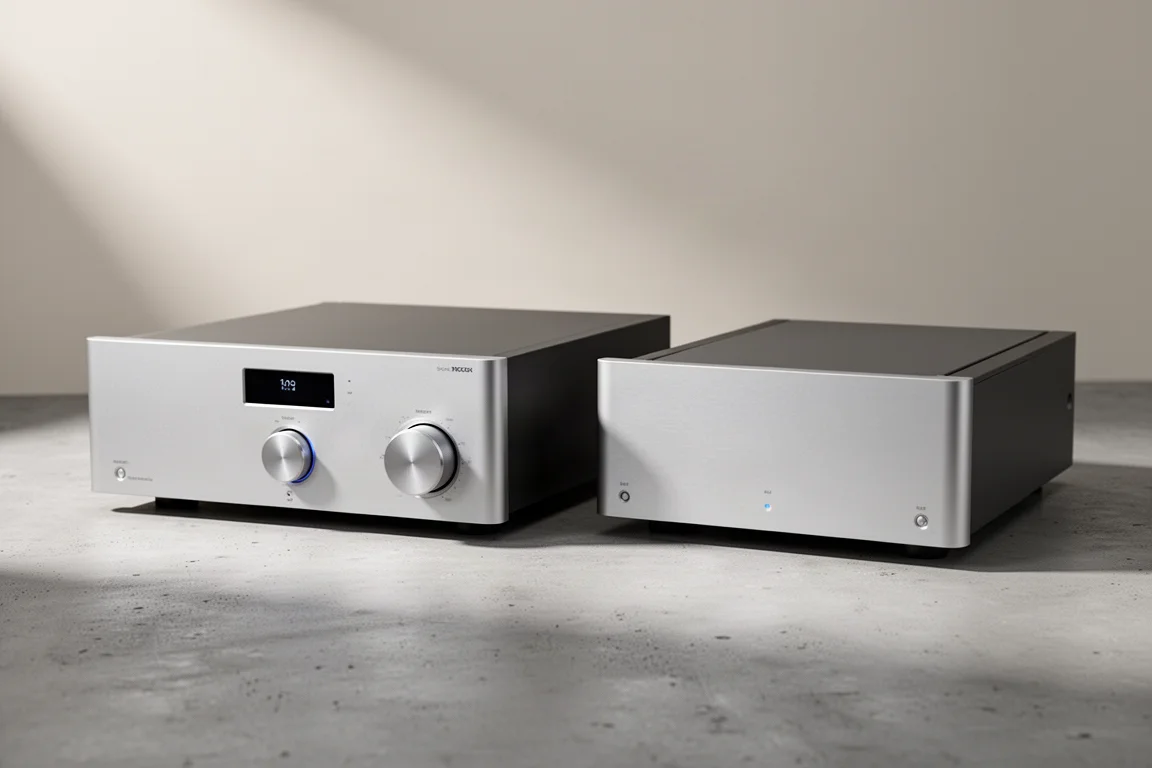
Primare leans on a Swedish word to describe what its components are for: lagom, which translates roughly to just the right amount. It is an unusual idea in high-end audio, where bigger and more conspicuous usually wins attention. The PR35 Prisma preamp and the matching A35.2 power amplifier take the opposite approach, and the result is a pair of components that are easy to live with and easy to stop noticing, which turns out to be the point.
This article covers what each piece does, how the two behave together, and which listeners will get the most from them.
The Lagom Design Philosophy
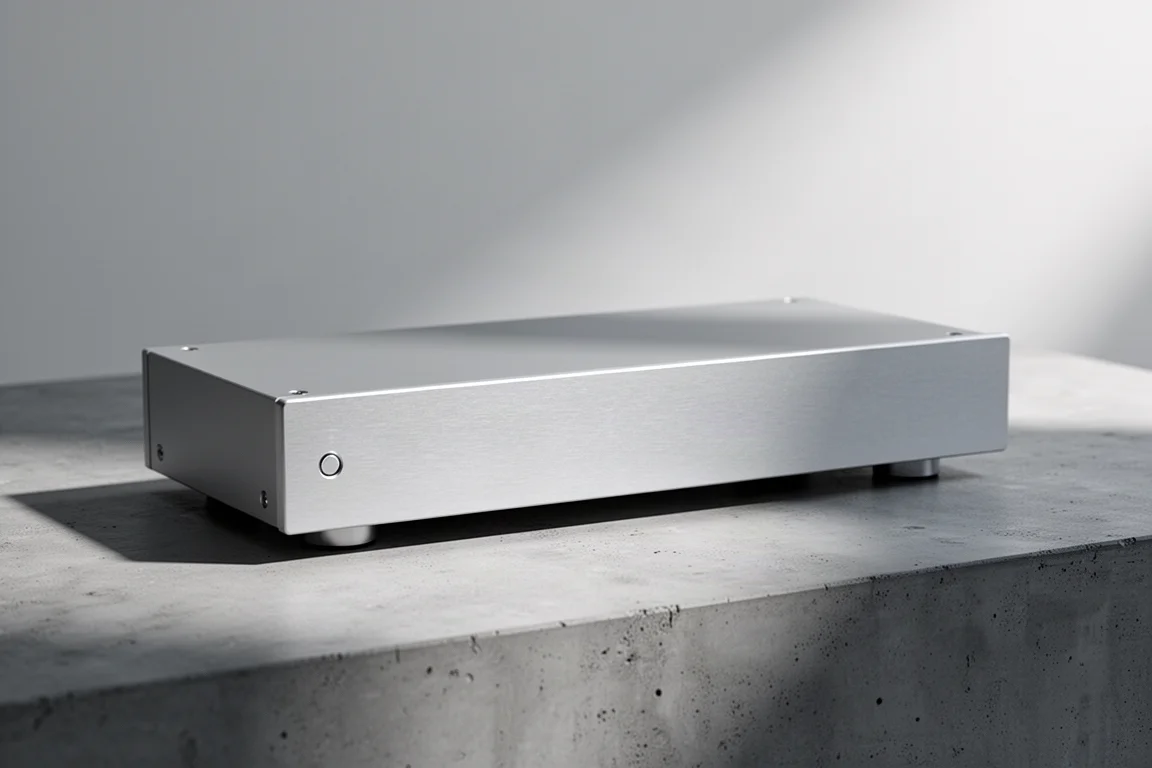
Both units are built to a design language that is unmistakably Primare, and it is largely unrivaled in a market still fixated on large black boxes and bright backlights. The PR35 and A35.2 are so visually quiet that they are almost forgettable, in the best possible way. Nothing on the front panel pulls attention away from the music, and nothing about the industrial design asks to be admired instead of used.
That restraint is deliberate, and it shapes the whole ownership experience. These are components you can leave connected for months without thinking about them, which is exactly how a system should behave when the goal is listening rather than fiddling.
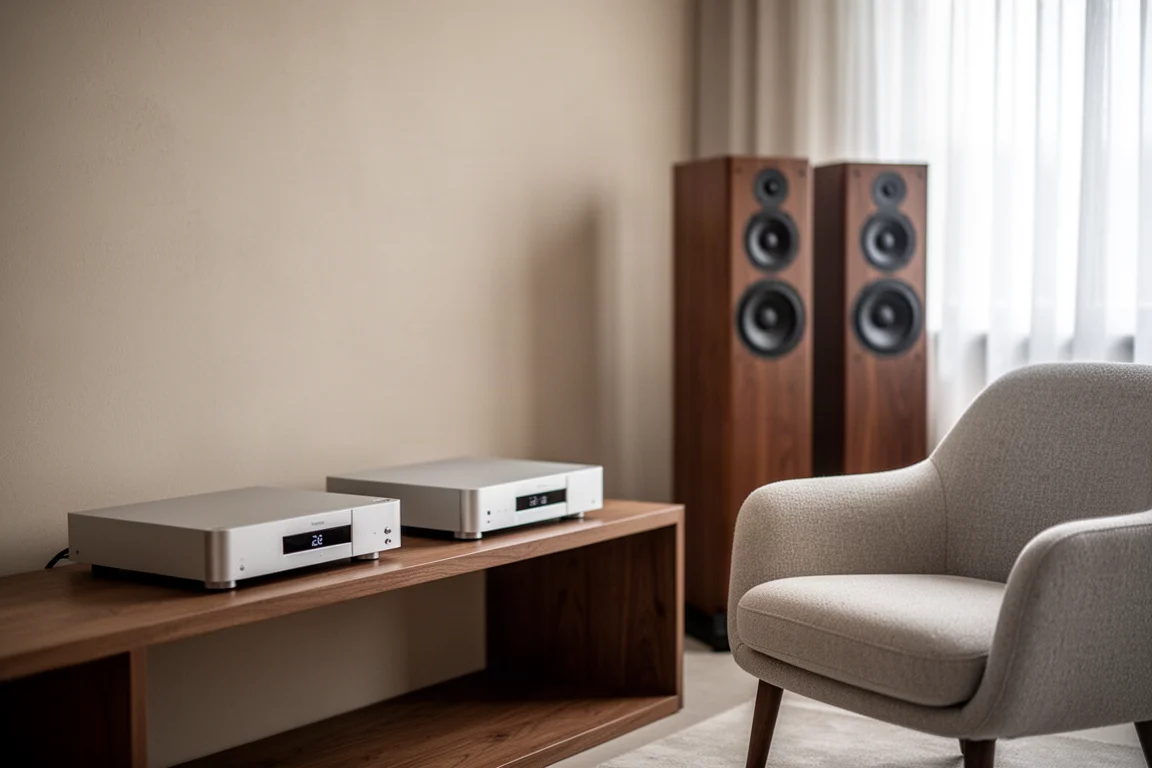
Minimalism this thorough does come with trade-offs, and they show up in the feature list rather than in the sound. Buyers who want a full set of controls on the front panel will need to look elsewhere, or accept that the app and a phone will do most of the work.
Primare PR35 Prisma Preamp: Analog Connectivity
The PR35 Prisma is a modular, fully balanced stereo preamp with analog and digital inputs plus wireless and streaming capability. On the analog side it offers three RCA and two XLR inputs, five in total. Notably, there is no phono input and no built-in phono stage, which is a genuine gap for anyone running a turntable.
Where it does open up is on the output side. Three pairs of preamp outputs are provided, one pair on RCA and two on XLR. That makes the PR35 unusually flexible, since you can drive multiple amplifiers, multiple subwoofers, or both from a single preamp. The catch is that there is no internal bass management, so subwoofer integration has to be handled on the subwoofer itself.
PR35 Digital and Streaming Features
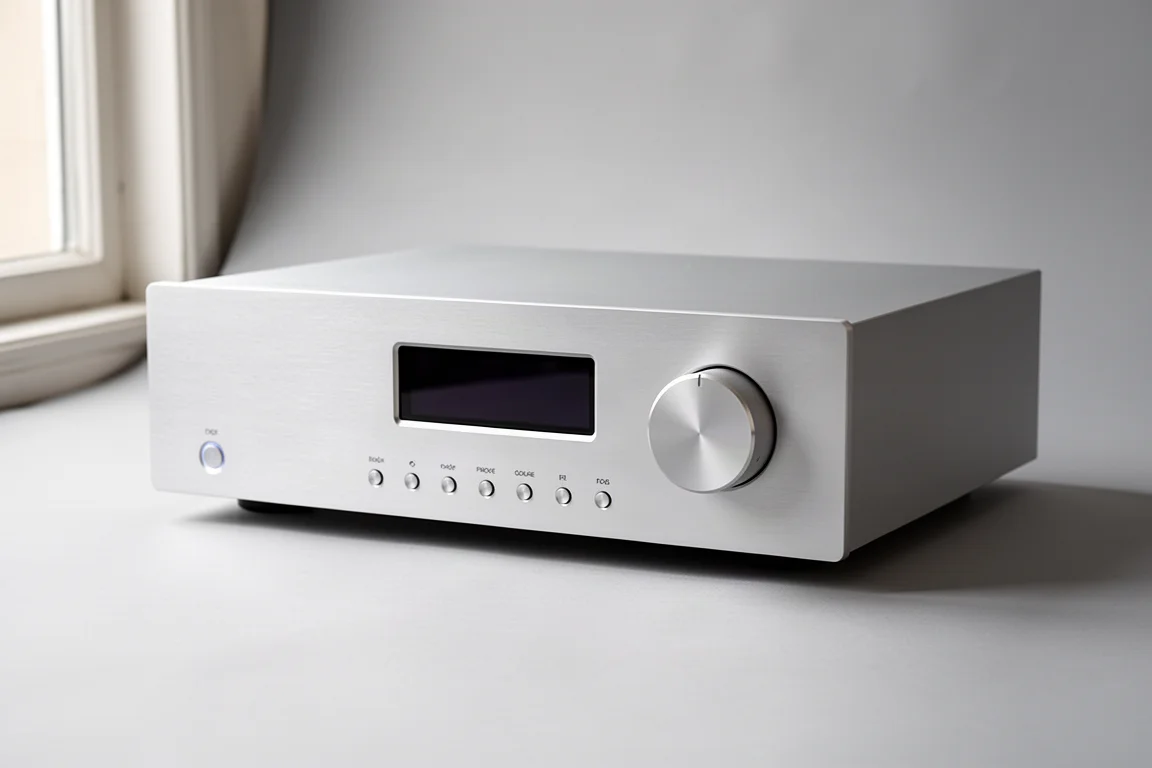
The digital section is generous. A built-in DAC based on an ESS ES968A chipset serves four optical inputs, two coaxial inputs, and a single USB input. There is also one coaxial digital output for sending a digital signal onward to a third-party DAC, though most owners will have little reason to use it.
Wireless support is broad: network connectivity over Ethernet or Wi-Fi, plus AirPlay, Bluetooth, Chromecast, Spotify Connect, and Roon Ready status. Primare’s own Prisma control app handles whole-home audio and connectivity, letting you stream popular music services from a phone and make basic adjustments to preamp settings.
For a preamp at this level, that combination covers essentially every source a modern system is likely to use, with the notable exception of HDMI ARC.
Primare A35.2 Power Amplifier: Class D Power and Control
The A35.2 is a balanced Class D stereo amplifier rated at 200 watts into 8 ohms and 400 watts into 4 ohms. Switched into bridge mono mode, output climbs to 800 watts into 8 ohms. It uses Primare’s UFPD technology, which the company describes as delivering immediate and sustained high power output with very low distortion across the entire bandwidth, resulting in a naturally fast, clean, and agile sound.
That last point matters, because Class D amplifiers can run into trouble driving speakers with varying impedance or reproducing complex music at high volume. On paper at least, the UFPD module and the amplifier’s new power supplies appear to address those weaknesses directly.
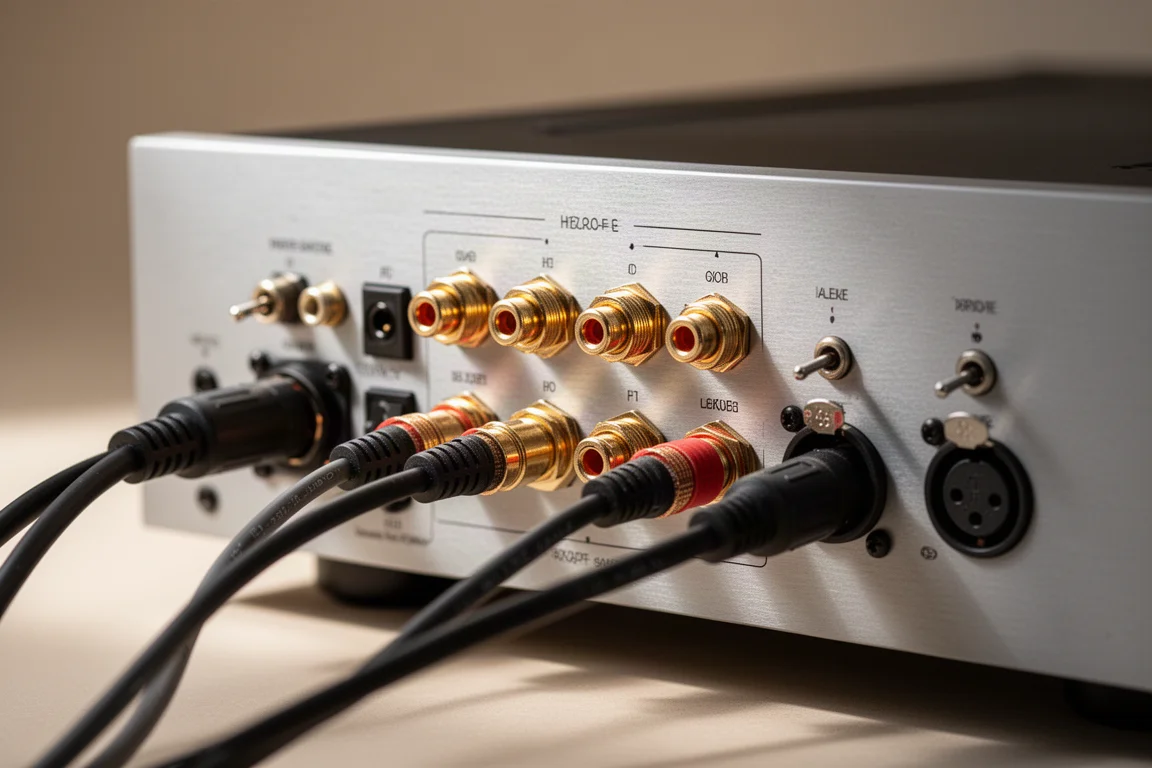
Around the back you get balanced and unbalanced inputs, clearly labeled switches for signal sense and bridge mono mode, and the ability to raise gain by 6 dB when running in mono. It is a practical layout rather than a decorative one, and the controls are easy to understand without reaching for a manual.
Setup and Daily Use
Getting the PR35 onto a home network is the first step, and once that is done the whole Prisma system becomes accessible through the app. AirPlay setup has a tendency to time out, and connecting wirelessly through the Google Home app is the dependable workaround. That route also opens up voice control for the Primare and for music streaming, which is by far the most convenient way to interact with the system day to day.
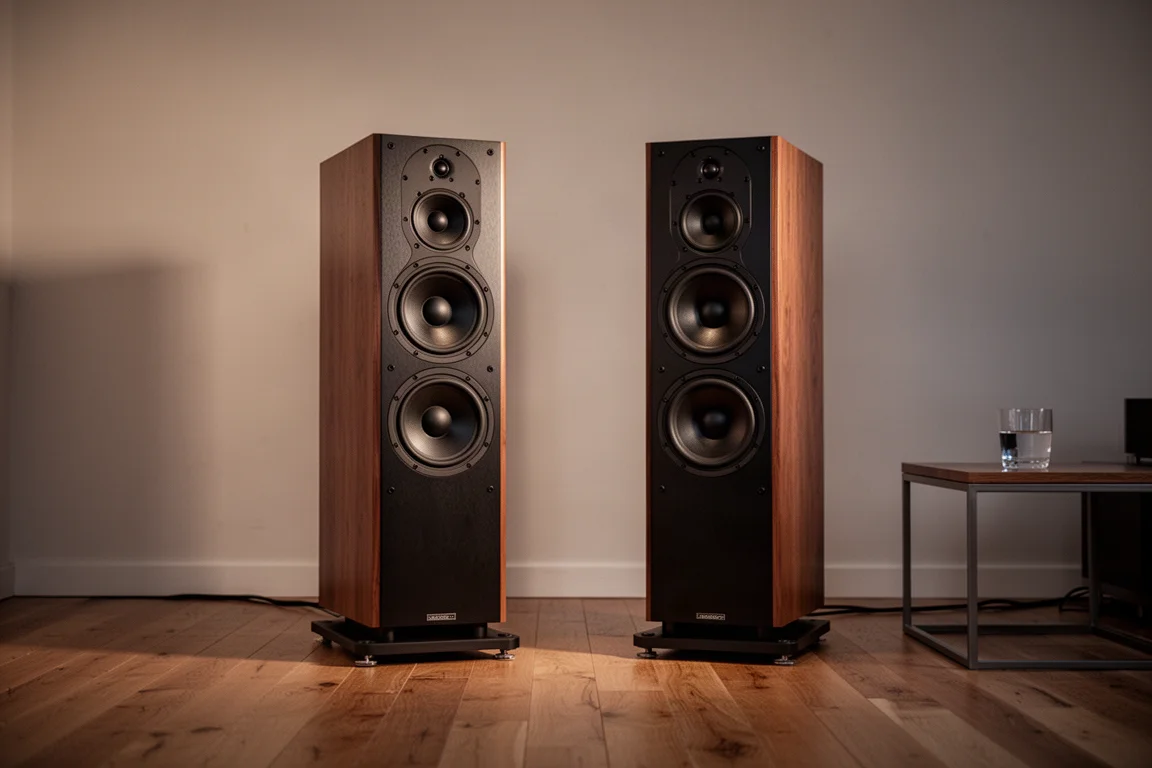
Beyond networking, setup is straightforward. The preamp connects to the amplifier, sources connect to the preamp, and the system is ready. Once running, the pair has no difficulty driving a wide range of loudspeakers, including SVS Titans, KEF R11 Meta, and Bowers & Wilkins 801 Signature models, whether with a single A35.2 or two amplifiers in dual mono, and without the usual Class D misbehavior.
Sound Quality: Neutrality, Treble, and Dynamics
The defining characteristic of this pairing is neutrality. It ranks among the more transparent combinations available, and listeners looking for a system with no color, tone, or character of its own will find very little to object to. It is such a blank slate that describing what it gets right is harder than describing what it gets wrong, because technically it does neither. Signals routed through the Prisma into the A35.2 did not add or subtract bass weight from the speakers in the system, and midrange vocals and instruments came through pristine, altered only by the loudspeakers themselves.
That makes the Primare pair a useful reference when evaluating other components, since it is difficult to react to the preamp or the amplifier rather than to the speaker. The presentation is neither warm nor cool, neither forward nor laid back. Some listeners will find that unsatisfying, because many of us look to our gear for a particular taste or tone. Anyone in that camp should know in advance that neutral is exactly what this is, and that the equipment will not supply a flavor of its own.
Treble is composed, linear, and non-fatiguing, even during loud, dense material. The very top end sits on the drier side, so metallic instruments such as cymbals do not shimmer quite the way they can through a good Class AB amplifier, and that is about the only criticism worth making of the high-frequency rendering. Soundstage separation and delineation are on full display, and live recordings place performers and the ambience of the room precisely within a three-dimensional space, provided the speakers and the room allow for it.
Dynamically, the A35.2 hangs in but is not as abrupt as many Class D designs, which is a good thing. Notes do not start and stop instantly; there is air and there is decay, and the amplifier holds on a moment longer than a lot of its peers, which lets subtle dynamic shifts come through. It is not the equal of a good Class A or Class AB design, but it gets close.
Usability, App, and Feature Gaps
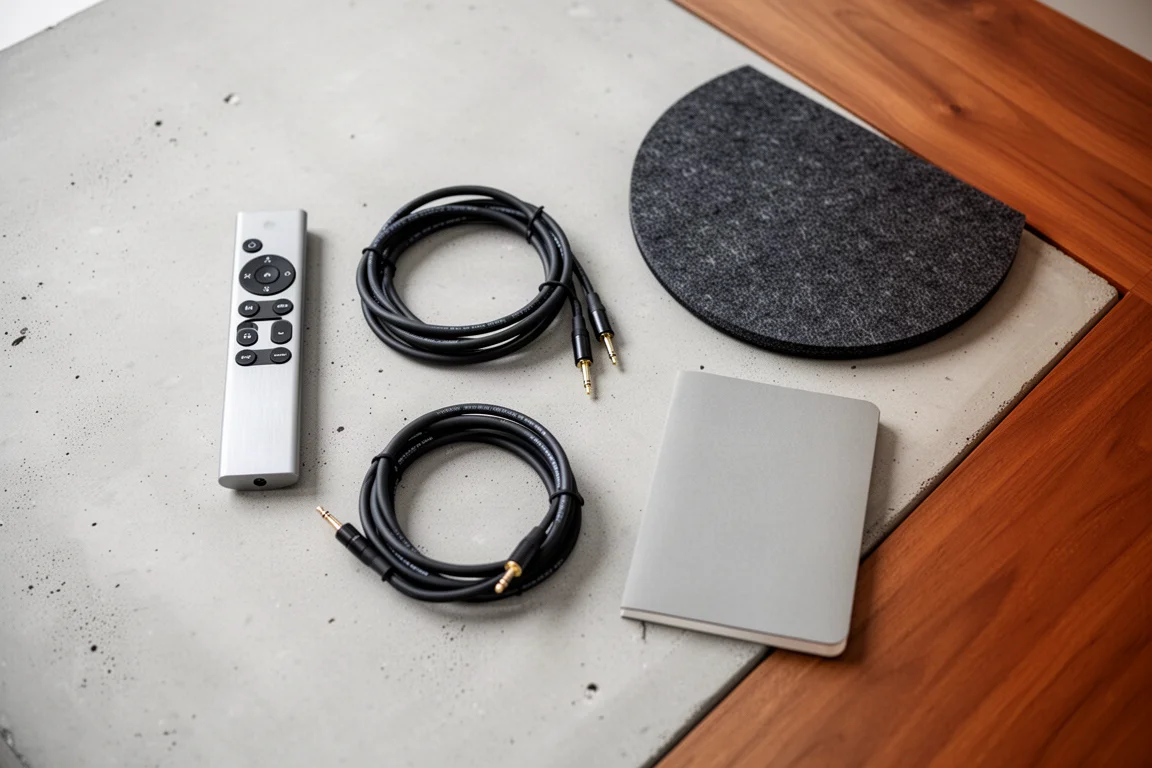
Manual control is where the minimalist approach costs the most. It is technically possible to scroll through and select tracks or music services using the supplied remote or the physical buttons and dials on the preamp, but the screen is small enough that the menu tree is awkward to navigate, and there is little reason to use it when the app is available. That is a shame, because the physical feel of the knobs and buttons is among the best in the business.
The Prisma app itself is functional and largely reliable, and it is a welcome addition, but dedicated streamers may find it light on features compared with rival platforms. On adjustability, the preamp offers balance but no tone controls, no EQ, and no bass management, which is difficult to justify at this price point even if minimalism was the goal.
Two omissions stand out most. At $5,300 for the preamp, the lack of an HDMI ARC port and a built-in phono preamp is hard to defend, particularly for a product positioned as a digital listener’s dream. A digital input is a digital input, and buyers with a television or a turntable in the system will feel the absence. The customizable signal sense feature on both the preamp and the amplifier also operates on a timeline that is slower than expected, so switching them on manually is often quicker.
Overall Buying Advice
The PR35 Prisma and A35.2 are excellent at what they set out to do, and for the right listener they will be just right. They reward buyers who want a neutral, minimalist, streaming-capable front end paired with a high-power amplifier that can drive demanding speakers without drama. If the goal is a system built around electronics that stay out of the way, this pairing is close to ideal, and the build quality and finish are genuine strengths.
Value is the harder question. This is not an outright winner in any single category, and less expensive integrated amplifiers exist that offer comparable sound quality alongside features such as room correction, a very good built-in phono stage, and tone controls. Buyers who rely on a turntable, a television, or extensive on-device adjustment should weigh those alternatives carefully before committing, and buyers drawn to Class D should also compare the well-regarded integrated options that sell for about the same or less.
For everyone else, the calculation is simpler. If you already own a separate phono stage, use a subwoofer with its own management, and have no need for room correction, the missing features matter far less, and what remains is a neutral, well-built system that is easy to live with for years.
Conclusion
Primare’s preamp and power amplifier deliver a neutral, transparent presentation with the build quality and restraint implied by the company’s lagom philosophy. They are not for everyone, and the feature list is narrower than the price suggests. For listeners who know they want neutrality first and convenience second, they are a convincing long-term choice.
Further reading
Related Reviews
Hi-Fi Audio
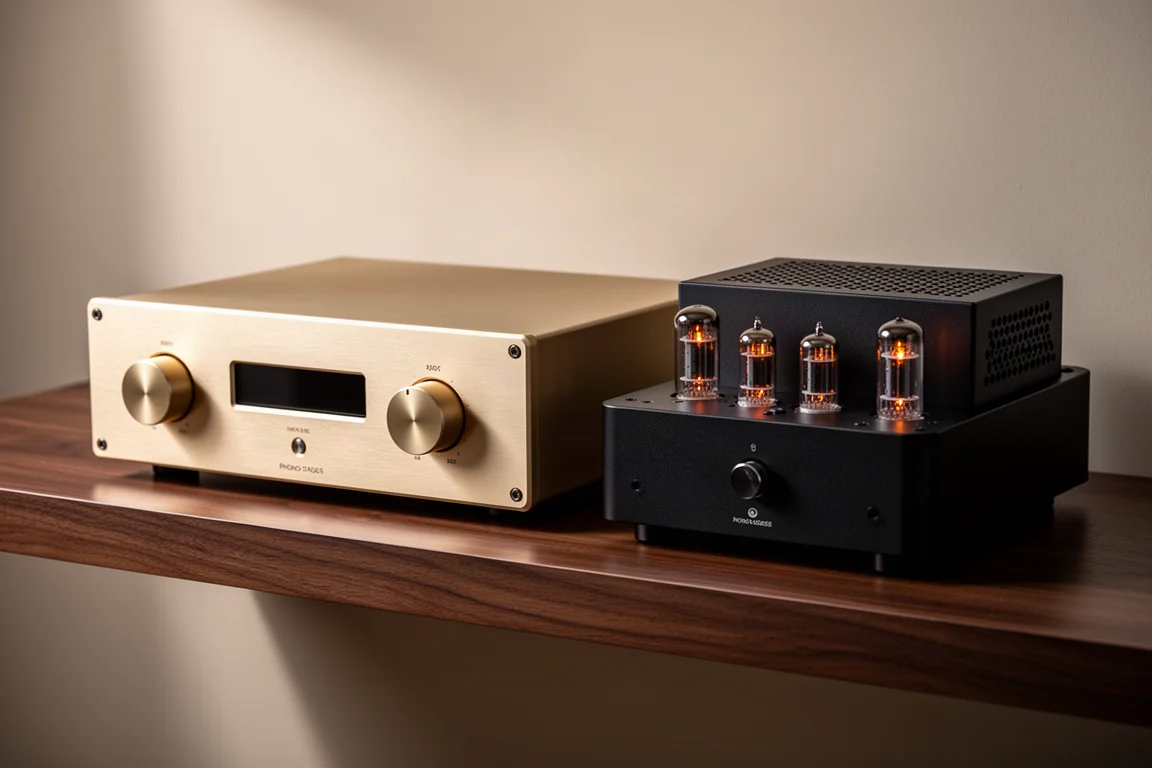
Accuphase C-57 vs Allnic H-7000V: Two High-End Phono Stages Compared
A fully balanced solid-state phono stage with a pitch-black noise floor meets a tube design built for well-loved records. Here is how to choose between them.
Hi-Fi Audio
Active vs Passive Hi-Fi: Five Components for a Modern System
Five components that define modern active and passive hi-fi systems, with the strengths, trade-offs and setup details worth weighing before you buy.
Hi-Fi Audio
Advance Paris A10 Apex Review: A Hybrid Integrated Amplifier That Covers a Lot of Ground
A French hybrid integrated amplifier with a class A tube preamp stage, analogue power meters, and an internal DAC and phono stage good enough to make extra boxes unnecessary.