Specialty Food
Four Rare Ingredients Worth the Hype: Coffee Paste, Pine Bud Syrup, British Tea and the Rarest Pasta
Four unusual specialty ingredients tested side by side: what they taste like, what they cost, and whether they earn a place in your kitchen.
Introduction
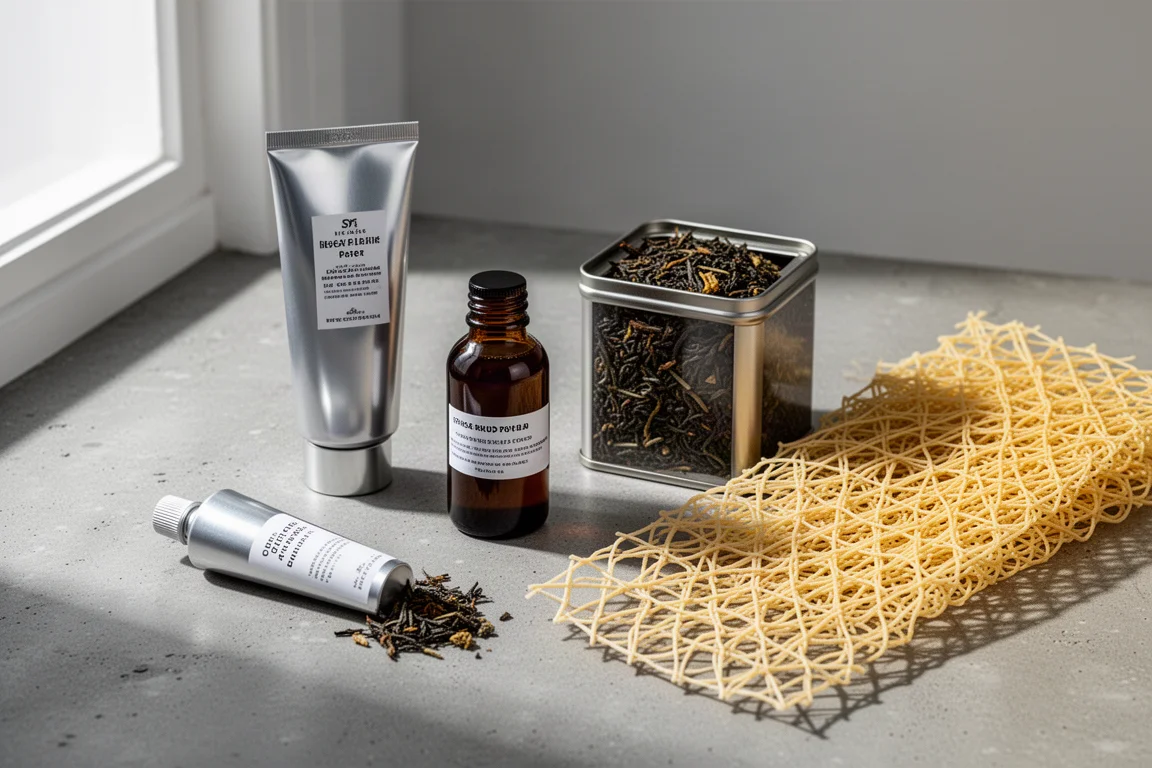
Some ingredients earn their specialist reputation, and some just wear a fancier label. We put four unusual products to the test: a coffee paste in a tube, a pine cone bud syrup from the Italian Alps, the first tea grown commercially on British soil, and a pasta so rare only a handful of people can make it. Here is what each one is actually like, what it costs, and whether it deserves a spot in your pantry.
No Normal Coffee: Coffee in a Tube
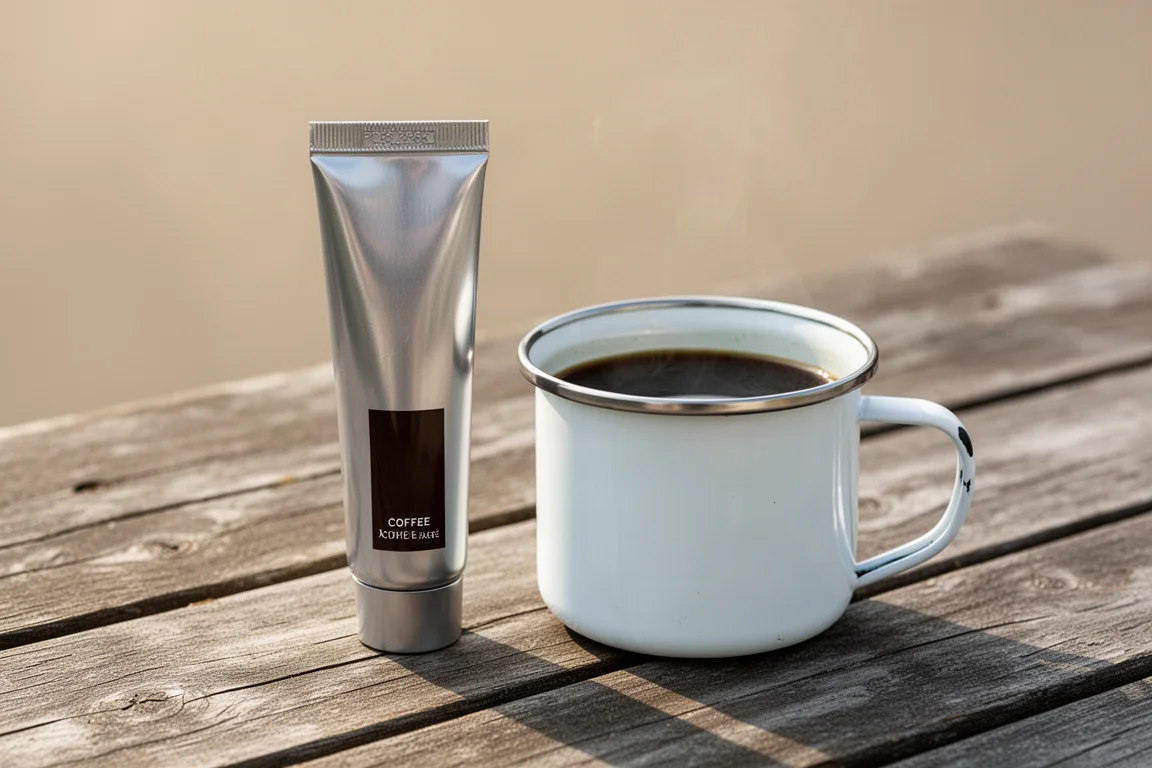
No Normal Coffee is a sweetened coffee paste that comes in a resealable aluminium tube. Mixed with hot water, it dissolves into a proper cup of coffee with no grounds to deal with. The suggested ratio is five grammes, roughly a level teaspoon, to 100ml of hot water, and a single tube is said to provide 25 small or 15 larger coffees. It stores unrefrigerated, and the whole concept is clearly aimed at people who want decent coffee outdoors or while camping with nothing but hot water.
Tasted neat, it is a heavy, treacly, caramelised dark roast, very bitter and very intense. Diluted properly, it lands between instant and freshly ground coffee in terms of taste, with roasted notes of chocolate, nuts and caramel. The important caveat: it is sweetened, so if you take your coffee without sugar, this will not suit you. On the flip side, it is hard to think of a more convenient way to make genuinely tasty coffee on a mountainside, with no grounds to pack out and no equipment to carry.
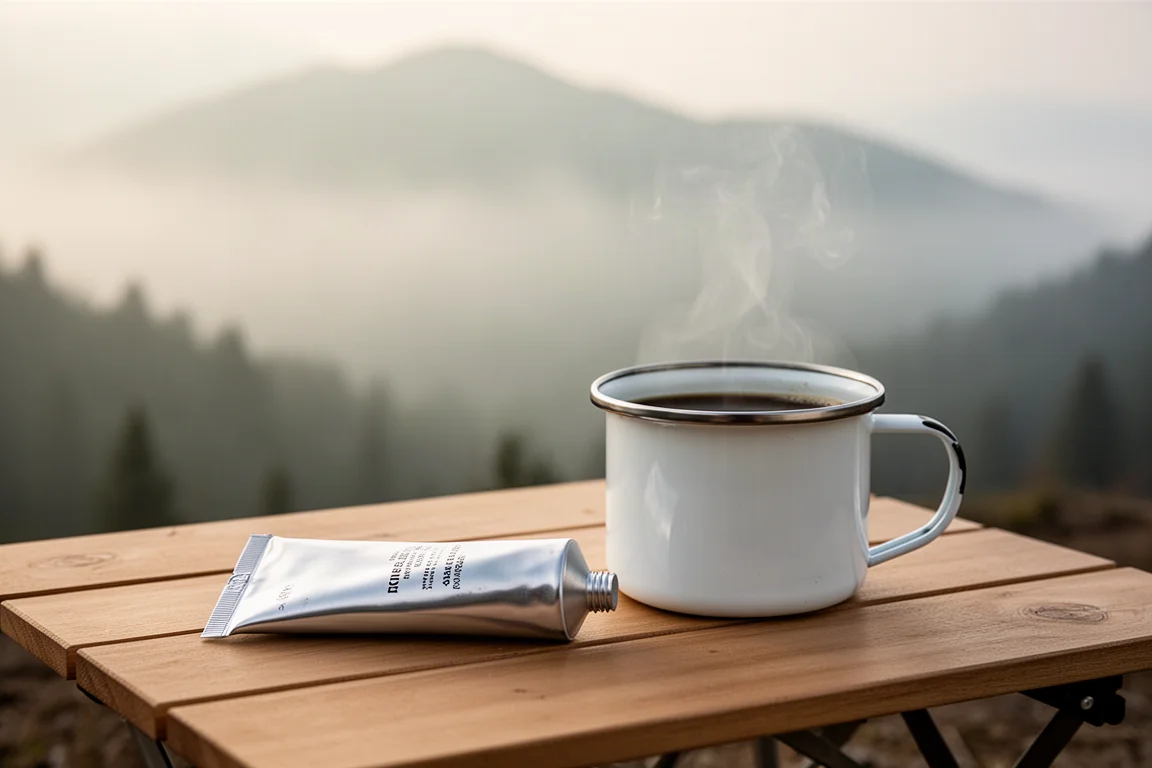
Beyond the cup, it is more versatile than it looks. Squeezed straight from the tube onto a banana or a piece of bread gives an extra caffeine kick, and it dissolves completely into stews, casseroles or even an espresso martini, adding a savoury coffee tang without any grit. The company is Swiss and emphasises sustainable production and sourcing. At £13.43 for a tube, it works out far cheaper than buying coffees at a cafe, and it is arguably the cheapest and nicest coffee you can have on a mountainside. Verdict: innovative rather than pretentious.
Mugolio Pine Cone Bud Syrup
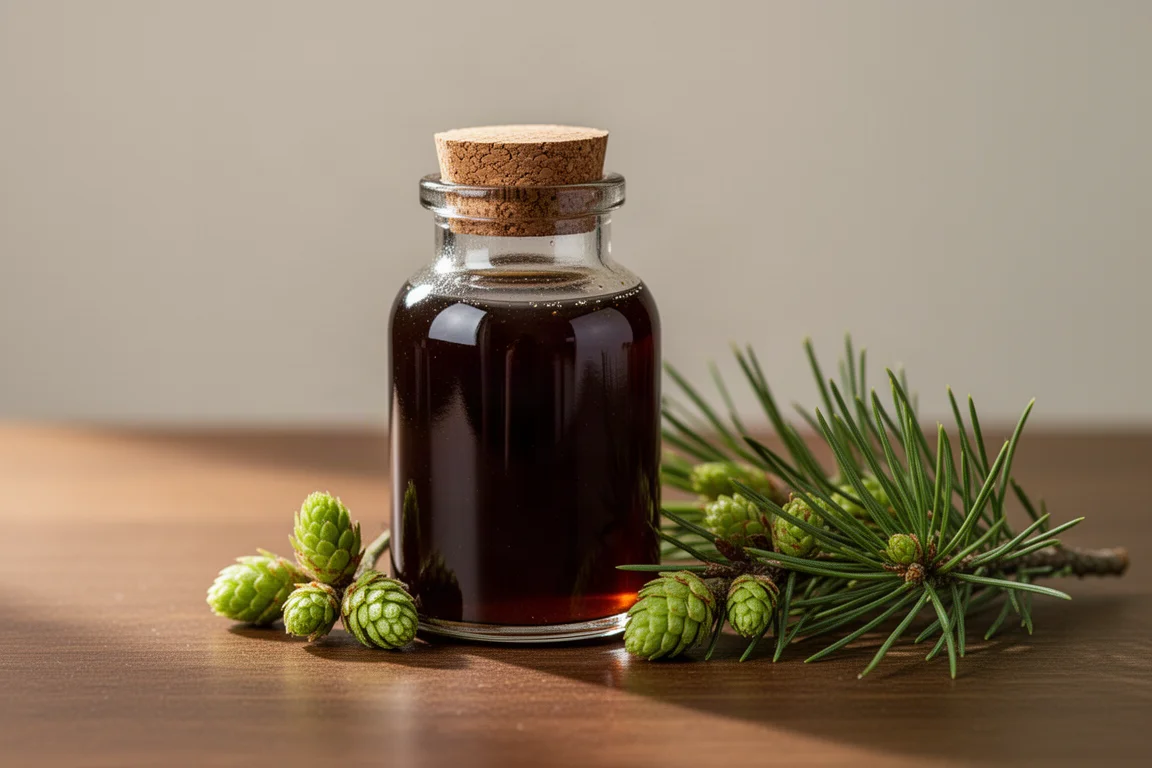
Mugolio is pine cone bud syrup created by forager Eleanora Cunaccia in the heart of the Dolomite Alps in Italy. She is one of the few residents with permission to gather young buds of the mugo pine in early May. The buds are macerated in water and sugar, then the filtered syrup is cooked and reduced with a little extra sugar until thick and dark brown. Unlike maple syrup, nothing is tapped from the tree; the flavour comes entirely from the infusion.
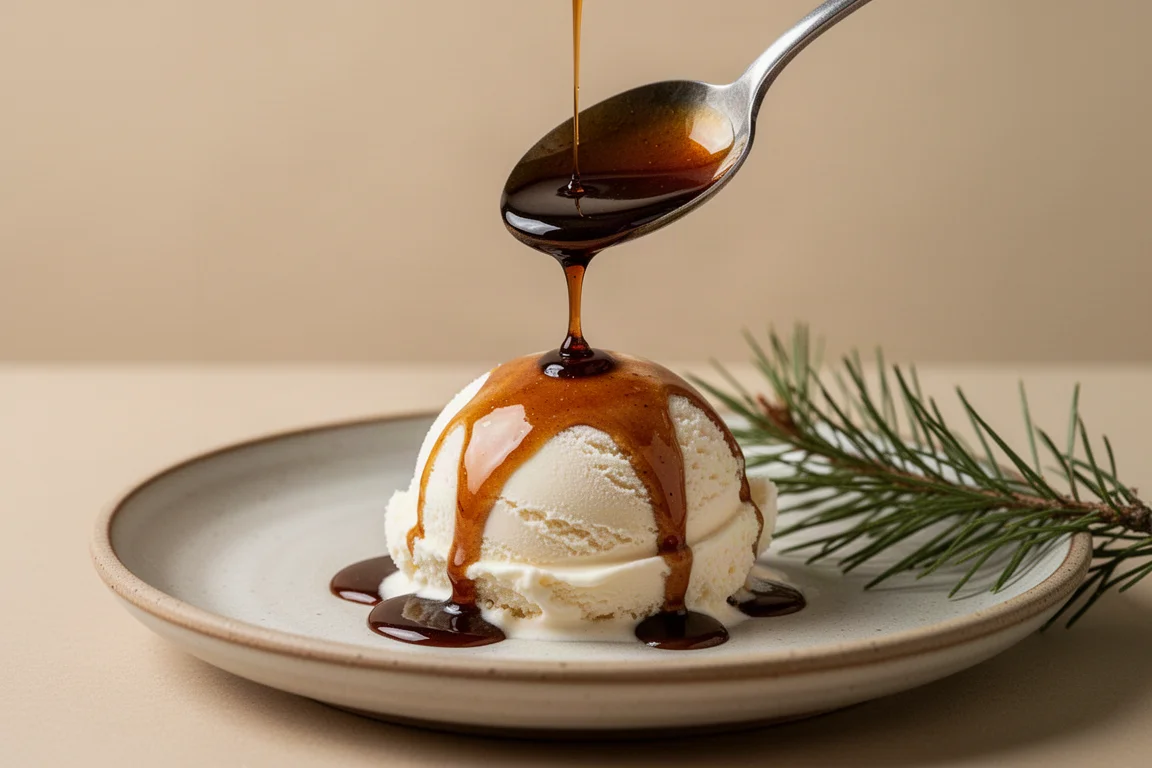
The syrup looks glossy and sweet but smells fresh, citrusy and floral, like a very loose, very floral honey. A related Romanian recipe even involves burying a jar of pine cones in sugar underground for a year before digging them up. In use, it is remarkably flexible: over vanilla ice cream it is simple and delicious, and it also works on gelato, panna cotta, yoghurt, roasted fruit, pork roasts, grilled chicken, ripe cheeses or a stone fruit yoghurt.
James Beard Award-winning chef Alan Bergo has described it as a bit of a chef’s secret and one of the most expensive ingredients he has purchased, and it remains available mainly through elite specialty distributors. A little goes a long way by the spoon, but as a drizzle you will use a good amount. Pricing lands around £19.63 for a bottle when converted, which is steep but understandable given the foraging and small-batch process. Verdict: exclusive, rare and beautiful, though the story does do a lot of the heavy lifting.
Tregothnan Single Estate Tea
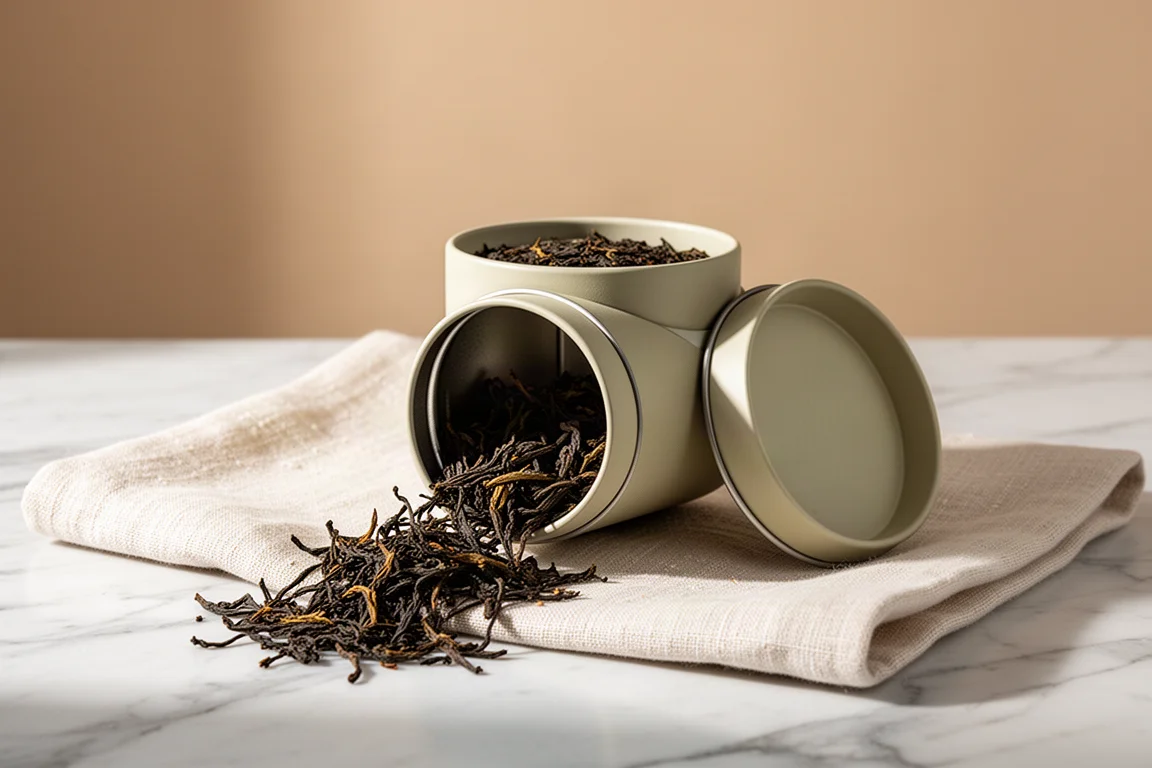
Tregothnan Single Estate Tea is the first commercial tea grown on British soil. Britain does not typically have a climate for tea growing, which is why regions like Darjeeling are famous for it, but the Tregothnan estate in Cornwall has an exceptional microclimate with the right heat, humidity and sunshine for camellia sinensis, the single plant species behind all tea. The estate started planting in 1999 and, after six years of growth and cultivation, began selling its tea.
This particular offering is 100% camellia sinensis leaf from the estate, rather than one of the blends bulked out with imported Darjeeling and Assam. Preparation matters: give the leaves a quick wash to hydrate and clear any dust, then infuse more slowly with soft, freshly boiled water left to cool, with the occasional jiggle. Serve it with nothing added. No milk, no sweetener.
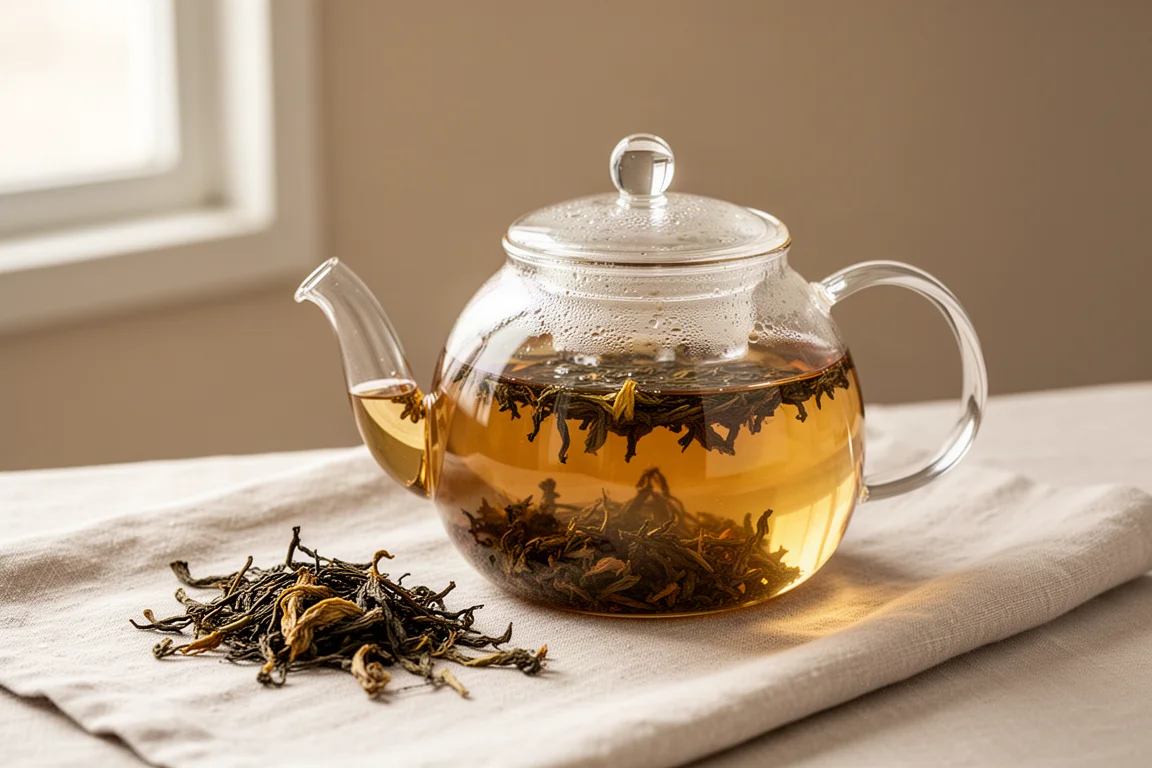
The result is a delicious, light and rewarding tea, and even committed coffee drinkers who normally take their tea with milk will find something special here. Knowing exactly where the leaf comes from genuinely elevates the experience. The price is the sticking point: £50 for 11 grammes, around £4.54 per gramme. That reflects a head gardener nurturing plants for six years at UK costs, but it is undeniably a lot. Verdict: pioneering, and priced accordingly.
Su Filindeu: The Rarest Pasta in the World
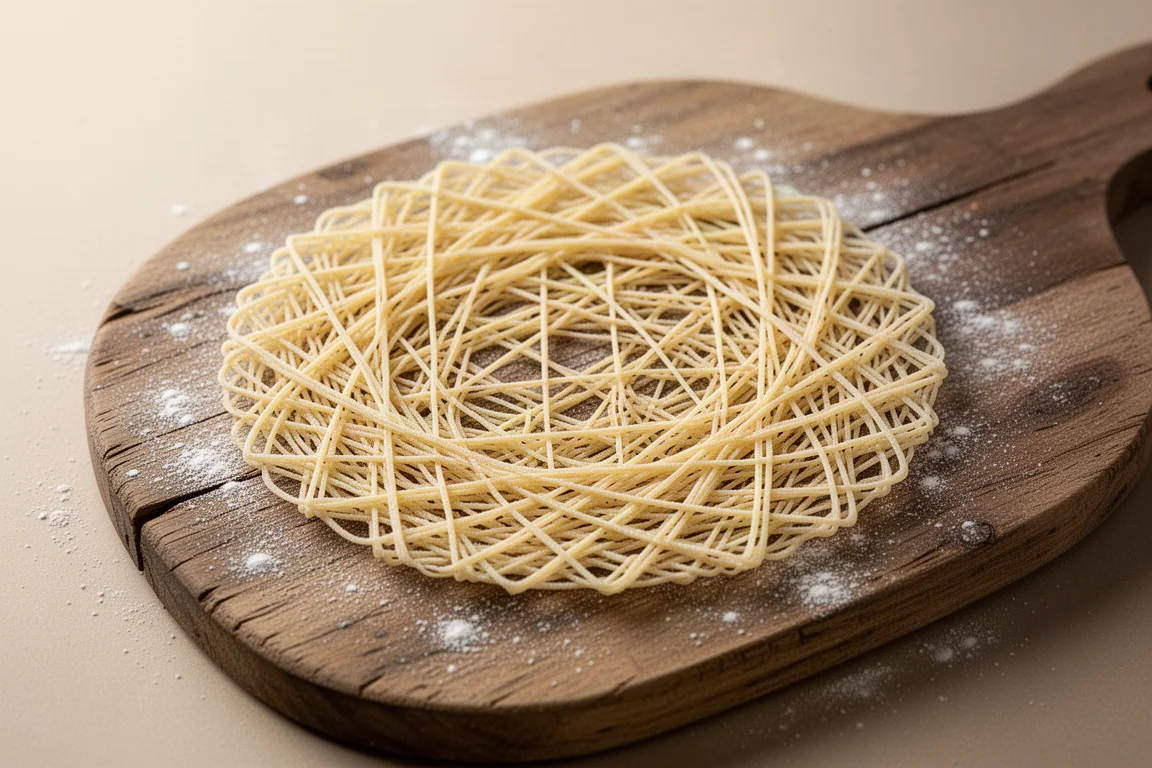
Su filindeu, which translates as “threads of God”, is said to be the rarest pasta in the world, a very specific pastoral tradition from Nuoro in Sardinia. Until recently only three people on the planet could make it. The process is extraordinary: durum flour, water and a little salt are rolled out, with a salt brine rubbed on the hands to help elasticity and prevent sticking. The dough is folded and stretched over and over, each pull multiplying the strands, until the final pull produces 256 individual strands. These are laid over a large disc, criss-crossed in layers, and dried in the sun into huge brittle lattices.
So many people have travelled to learn from the few makers and failed, including some very famous chefs, and companies that tried to replicate it by machine have also failed. Cooking is simple: the traditional 300-year-old recipe breaks the lattice into shards, simmers them in mutton broth for three minutes, adds pecorino, and serves. The mutton broth alone is phenomenally rich and wholesome, and the pasta is like a web of incredibly thin strands woven together, lots of little chewy and fine bits all at once. Without the story you might call it a beautiful mistake; with it, it feels like something that should not exist but wonderfully does.
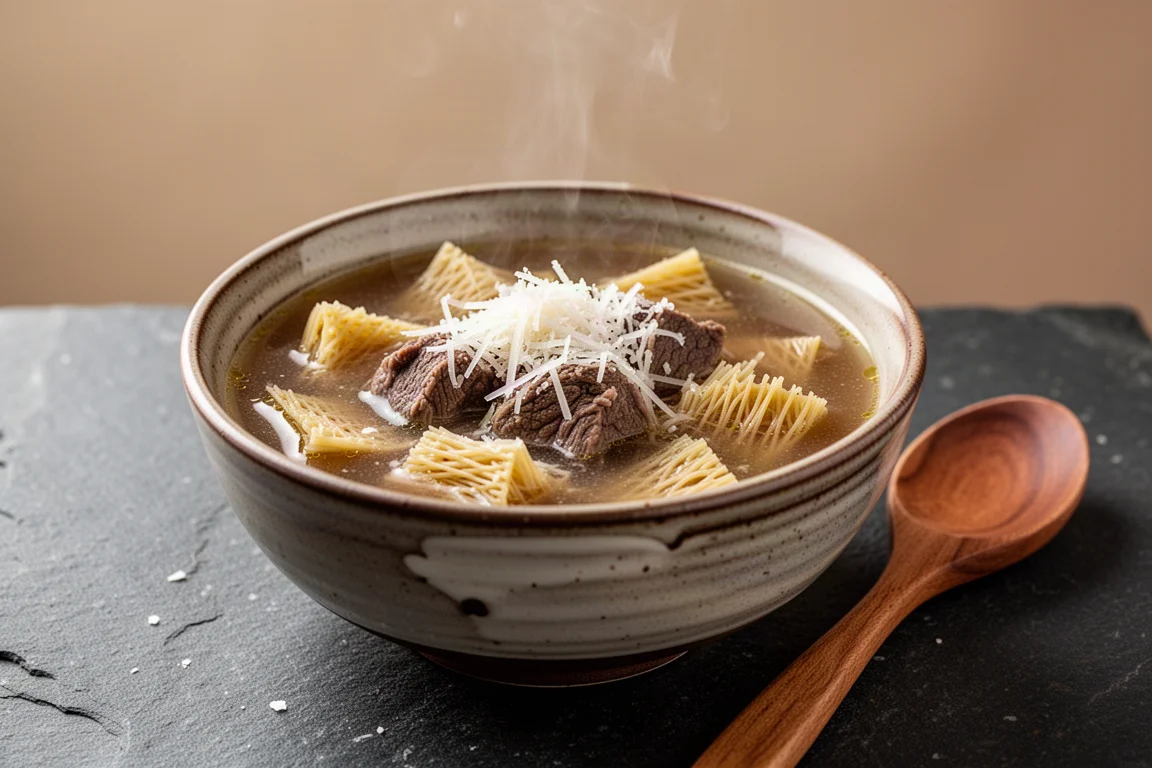
We paid £54 for a kilogramme shipped over, which is a great deal of money for flour and water until you remember who the artist is. It is hard to compare to any other pasta; the closest parallel is maltagliati scraps in broth, but that comparison is unfair to what is arguably the most exquisite formation of pasta there is. Verdict: pretentious in the most wonderful way, and well worth experiencing.
Overall Buying Advice
If you want practical value, No Normal Coffee is the easiest recommendation, especially for camping and travel, provided you like sweetened coffee. If you cook for pleasure and want a versatile finishing syrup, Mugolio earns its price on flavour alone, with the story as a bonus. Tregothnan is best treated as an occasional luxury tea experience rather than an everyday brew. Su filindeu is the hardest to justify and the most memorable, best approached as a special-occasion dish cooked in a rich mutton broth with pecorino.
Conclusion
All four ingredients are unusual, none are cheap, and each rewards you in a different way: convenience, versatility, provenance, or pure rarity. Choose based on how you actually eat and drink, and any of them can be a genuinely worthwhile splurge rather than a gimmick.
Further reading
Related Reviews
Backpacking Gear
Building a 10 lb Base Weight: An Ultralight Backpacking Gear List
A practical walkthrough of the ultralight pieces behind a 10 lb base weight, from a 765 g pack and a roomy one-person tent to a full camp chair and a dependable water filter.

Road Bikes
10 New Road Bikes Worth Watching: Aero, Titanium, Steel and Endurance Standouts
A practical roundup of 10 new road bikes, from aero flagships chasing single-watt gains to titanium, steel and endurance platforms built for real roads.

Bikepacking Gear
11 Bikepacking Essentials for Long-Distance Cycling
Eleven bikepacking essentials for long-distance cycling, from a steel gravel frame and a two-person tent to helmet lights, packable gloves, and a frame bag that puts weight in the right place.