Gourmet Ingredients
Pretentious or Worth It? Three Premium Ingredients Put to the Test
Bottarga, Kanzuri aged chilli paste, and premium Cantabrian anchovies reviewed for flavour, craft, and whether the price makes sense.
Introduction
Some ingredients carry a reputation before you even taste them. Hand-massaged fish roe, chillies ripened on snow, and anchovies that cost a pound a fillet all sound like the kind of things that get labelled pretentious. The real question is simpler: do they earn their price in the finished dish? We looked at three premium ingredients with genuinely unusual production methods, judged them on flavour, craft, and everyday usefulness, and came away with clear opinions on which ones are actually worth your money.
Bottarga: Grey Mullet Roe
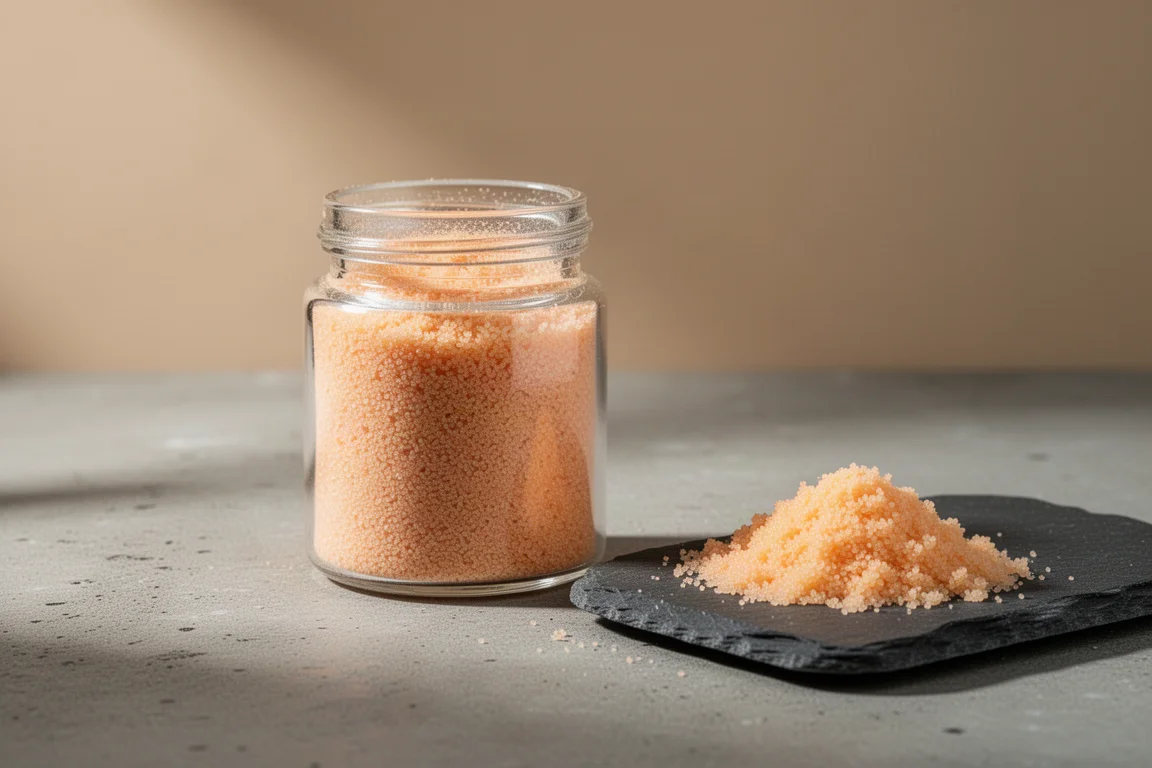
Straight out of the jar, bottarga does not look or smell inviting. It appears as a dusty orange powder that several tasters compared to cheese crisp seasoning, with a distinct fishy aroma that grows stronger the longer you linger over it. Eaten on its own, it dissolves into a paste that coats everything with savoury depth. It is not something you eat off a teaspoon.
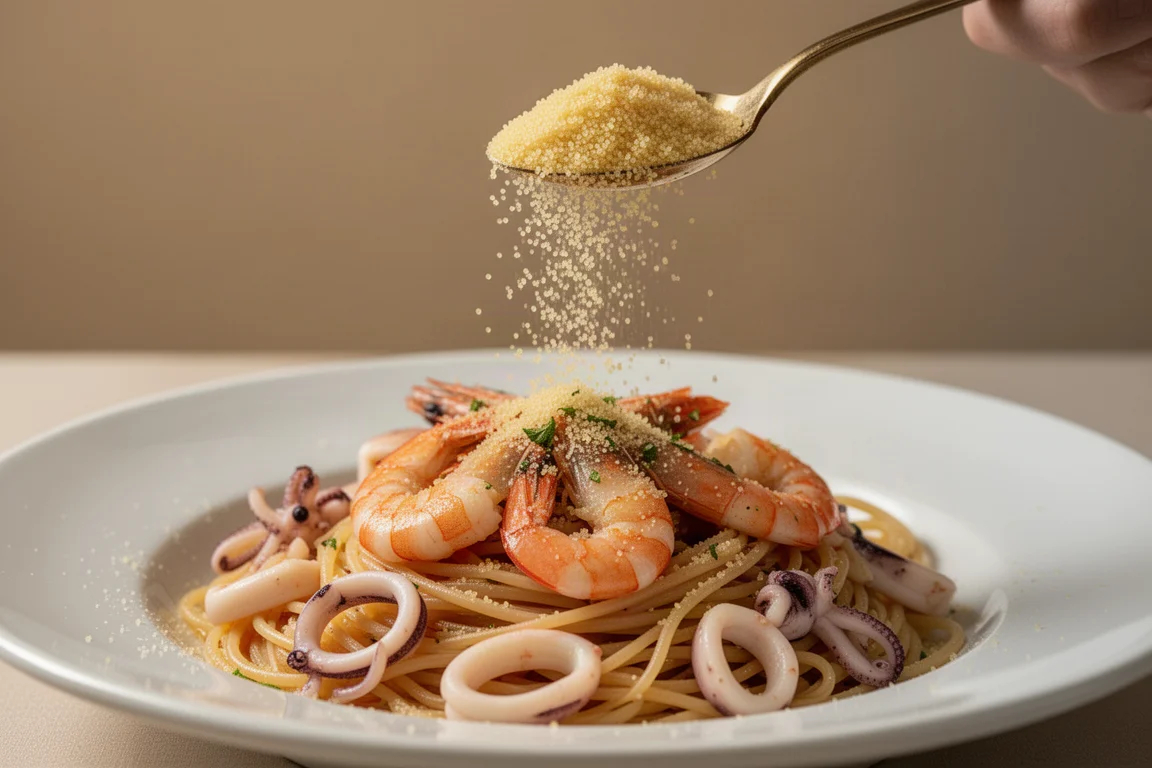
Used properly, the story changes completely. Sprinkled over an Italian seafood dish of prawns and calamari, the powder takes an already good plate of food to the next level. Prawns taste more of prawns, calamari more of calamari, and the fine texture adds something no other element on the dish provides. That amplifying quality is exactly what bottarga is for.
The craft behind it is genuinely meticulous. The roe sacs are hand massaged to remove any air pockets, then slowly dried and preserved in salt, a process that takes around two weeks of drying. Versions of this technique exist far beyond Italy, in Taiwan, Korea, and Greece, but the Italian product remains the reference point.
At around £8.40 for a 40 gram jar, it works out to over £210 a kilo. That sounds steep, but as far as premium seasonings go it sits on the cheaper end compared to truffle salts and aged peppers. Verdict: not pretentious at all, just a superb seasoning that does a job nothing else quite matches.
Kanzuri: Japanese Aged Chilli Paste
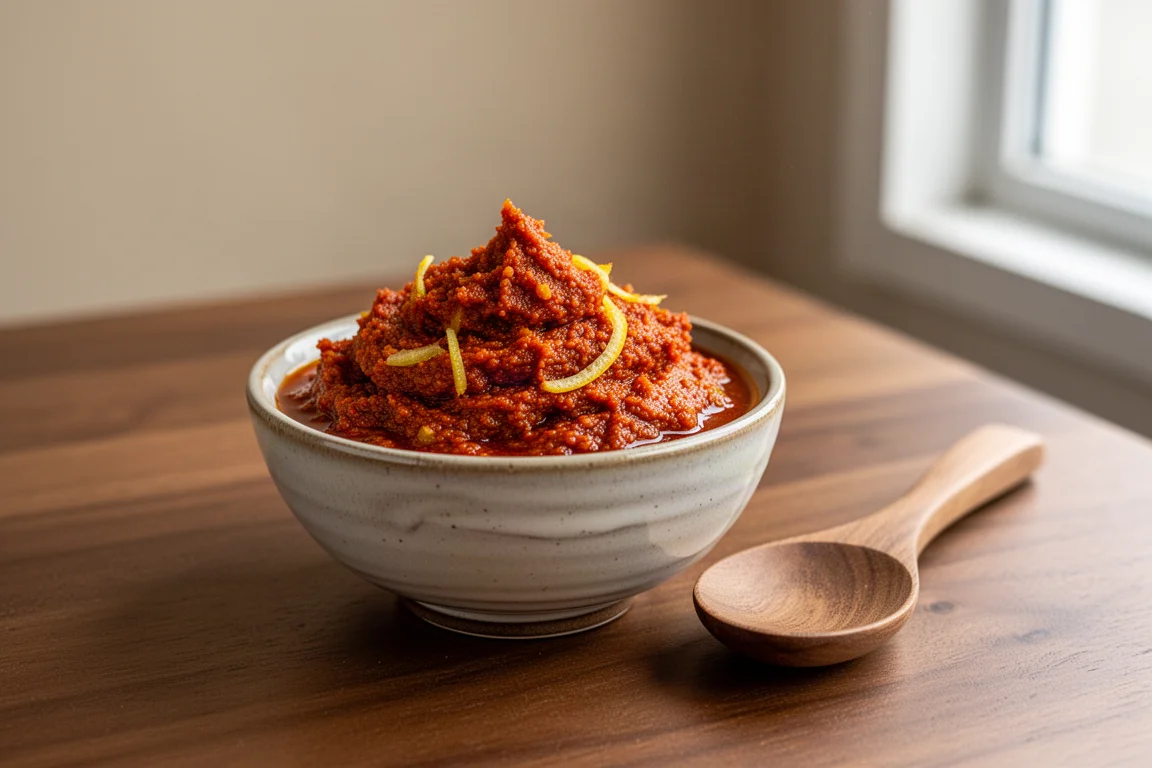
Kanzuri looks like a thick, vivid paste that tasters first guessed was kimchi paste or something nduja-adjacent. Up close it is sharp and acidic, but in a fruity way, with notes that people described as spicy plums. On the tongue it is fermenty, spicy, and rich, with a depth that makes it instantly interesting.
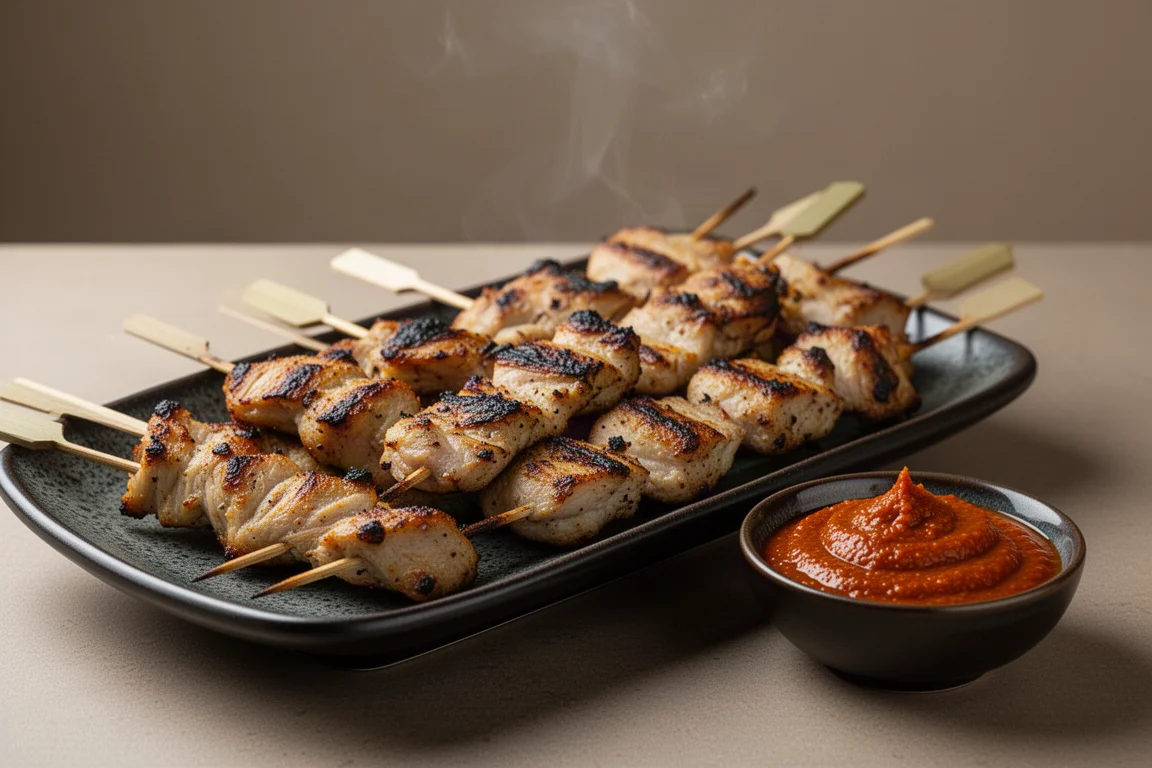
In situ, it is served as a condiment alongside a full spread of chicken skewers, from wings and thigh to skin and meatballs, in the style of a yakitori grill. Dipped or spread onto the skewers, it transforms each bite. On fatty, crispy chicken skin it cuts through the richness with a little spiciness, and the overall impression is that the dish feels complete only once the paste is there.
The production method is the most remarkable part. Chilli seeds are planted in late spring when the snow melts, grown through the summer into vibrant red chillies, then harvested and salted for months until snowfall returns. The salted chillies are then scattered out across the snow, where a few days on the surface naturally dilutes some of the salt and mellows the heat, almost sweetening them. Finally they are mixed with chopped yuzu rind and koji.
It is produced only in one specific region of Japan, with reportedly just one retailer importing and selling it. The price lands at £12.99 a jar, over £300 a kilo. Not cheap, but more versatile in day-to-day cooking than most ingredients at this level. Verdict: not pretentious, meticulously and perfectly executed.
Zallo Cantabrian Anchovies
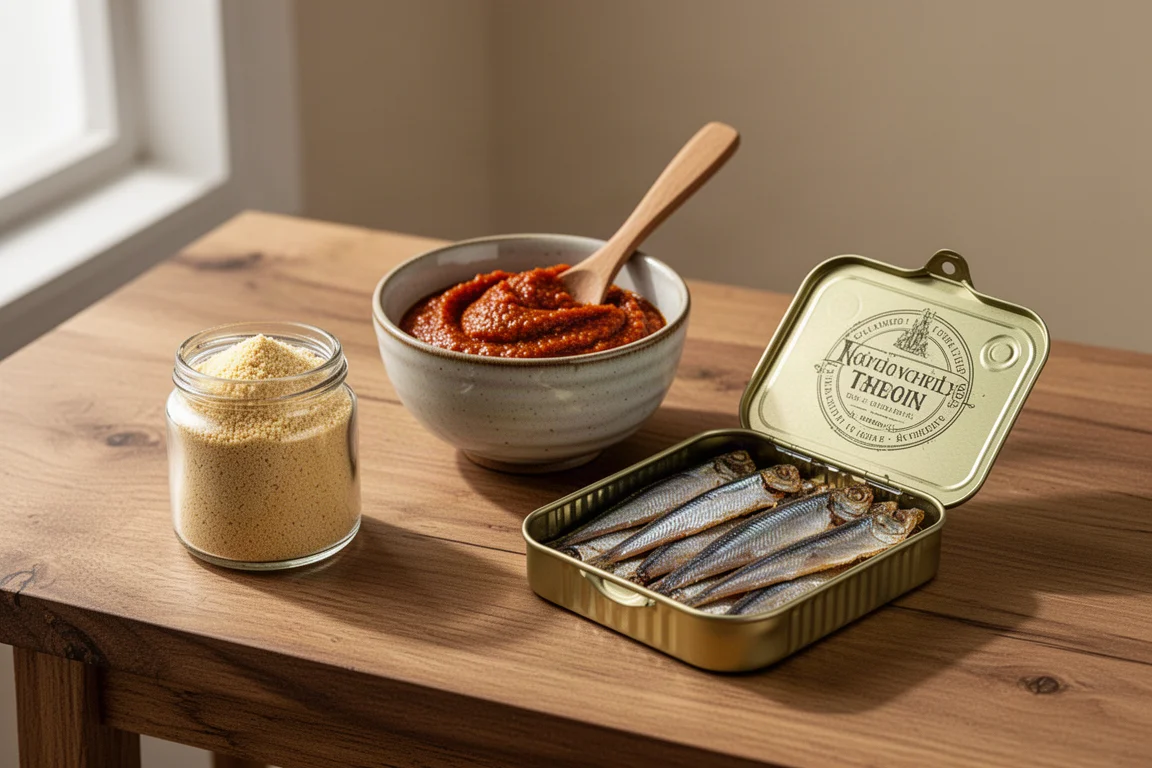
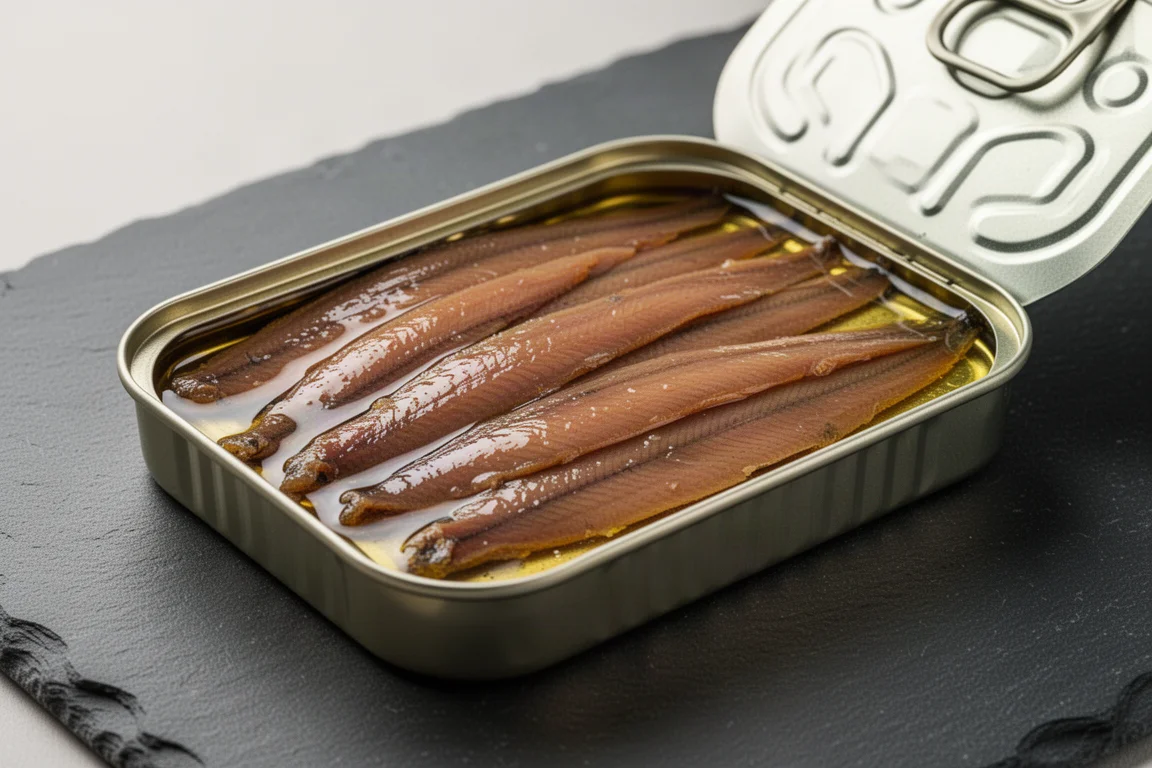
These anchovies immediately show themselves to be different from the standard tin. They are less harsh than a normal anchovy, noticeably less salty, with a more delicate flavour and a cured, almost salami-like texture. Even eaten straight from the tin they are genuinely enjoyable, which is not something you can say of the average supermarket fillet.
The pedigree is real. These are Cantabrian anchovies fished in the Bay of Biscay between March and June by the Zallo family, and tinned in the same area. The cannery is still run by the same family, with generations of history behind it. The small fish are hand caught one by one and hand filleted, a fiddly process, and the fishing method is chosen to prevent the accidental capture of dolphins.
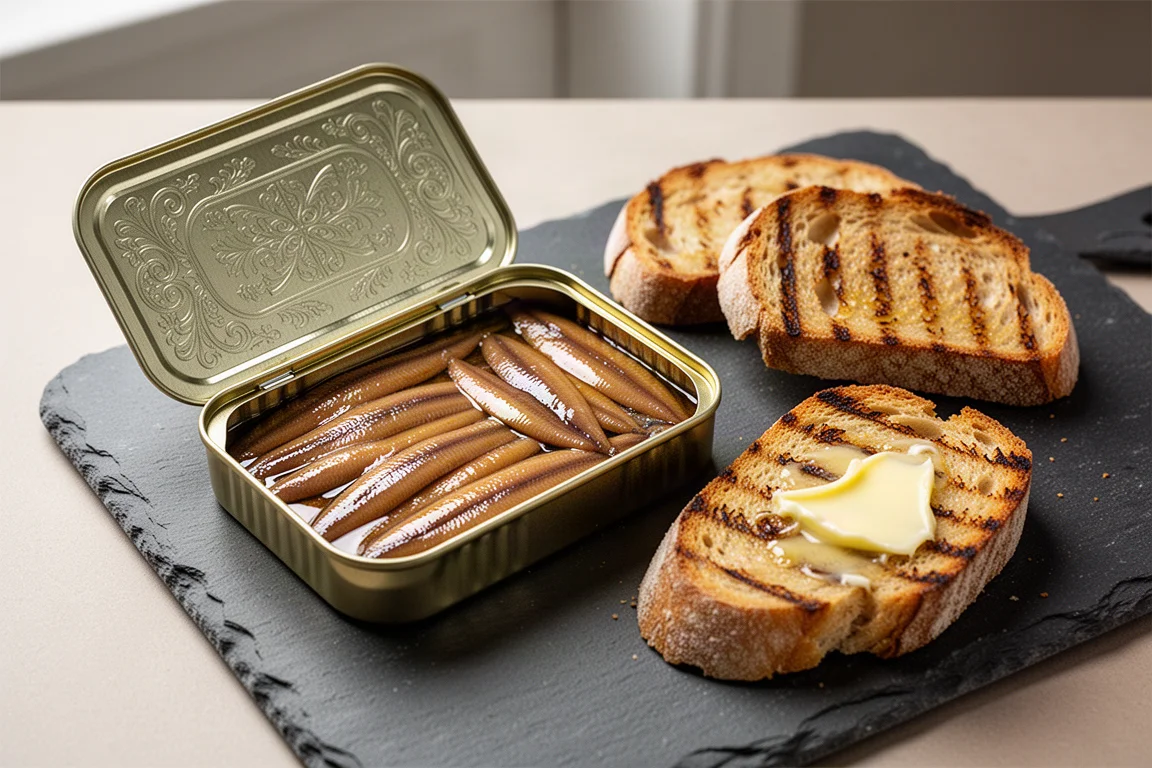
Served simply on griddled bread with butter, the result is described as sublime, close to the perfect tapa. It makes the case that anchovies have been reduced to pizza toppings only because most of them are not the finest quality. This is what a really premium anchovy tastes like. It also taps into a broader point: in Spain and Portugal, some of the best fish is found in tins, just as some of the best restaurants sit under metro stations in Japan.
At about £15 a tin, that works out to roughly a pound a fillet. Expensive, but a premium version of an already good ingredient, and worth splashing out for once. Verdict: not pretentious, simply a treat.
Powdered Lemon: The Unexpected Fourth
A fourth ingredient rounded out the lineup: powdered lemon, whose main ingredient is maltodextrin followed by dehydrated lemon. Tasted alone, it is startlingly sharp and citrusy, more orange-leaning in perception than lemon, with an invigorating kick that had tasters coming back for bigger spoonfuls.
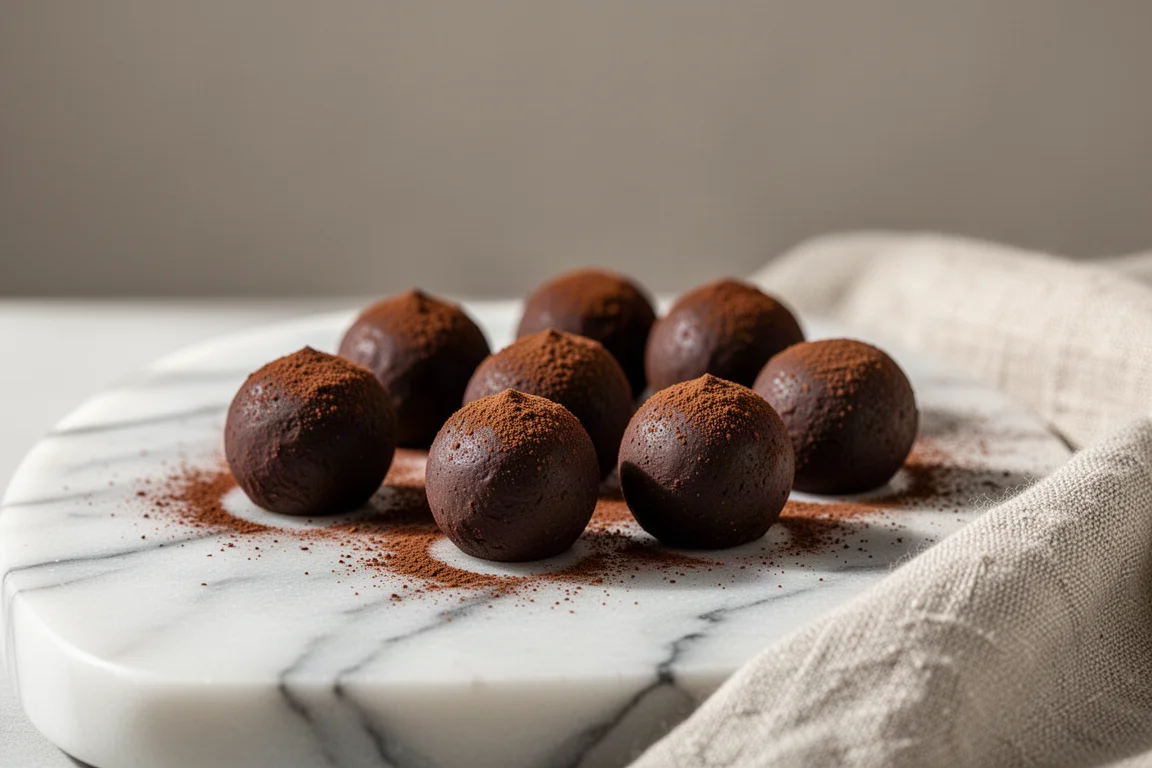
Its real value shows in baking. Mixed into the cocoa powder dusting for lemon and black tea truffles, it carries citrus flavour into the coating itself, something zest cannot easily do. The lemon cuts through the bitterness of quality dark chocolate and amplifies the tea note in the filling. The makers also suggest it for stuffings or breadcrumb toppings for fish.
The catch is usefulness at home. At £9 for a 150 gram tub, around £60 a kilo, it is affordable compared to the others, but many home cooks would struggle to find enough applications for it. It feels a bit science-y and seems more suited to professional baking. Verdict: science, not pretentious, but a niche buy.
Overall Buying Advice
If you buy one of these, the bottarga is the most clearly justified: expensive per gram, but genuinely unique as a seasoning and modest in absolute cost. The Kanzuri paste is the most versatile of the three, happy as a dip, rub, or spread, and worth the jar price for anyone who enjoys fermented heat. The Zallo anchovies are the purest treat purchase, best approached as a one-off indulgence on good bread. The powdered lemon is the one to skip unless you bake seriously.
Conclusion
Pretentiousness turned out to be the wrong frame for all of these. Each one has real craft behind it, a distinct flavour contribution, and a fair case for its price, with only the powdered lemon limited by how often a normal home cook would reach for it. As pantry splurges go, bottarga and Kanzuri earn their keep, and a tin of premium Cantabrian anchovies is about as good as a simple treat gets.
Further reading
Related Reviews

Backpacking Gear
Building a 10 lb Base Weight: An Ultralight Backpacking Gear List
A practical walkthrough of the ultralight pieces behind a 10 lb base weight, from a 765 g pack and a roomy one-person tent to a full camp chair and a dependable water filter.

Road Bikes
10 New Road Bikes Worth Watching: Aero, Titanium, Steel and Endurance Standouts
A practical roundup of 10 new road bikes, from aero flagships chasing single-watt gains to titanium, steel and endurance platforms built for real roads.

Bikepacking Gear
11 Bikepacking Essentials for Long-Distance Cycling
Eleven bikepacking essentials for long-distance cycling, from a steel gravel frame and a two-person tent to helmet lights, packable gloves, and a frame bag that puts weight in the right place.