Backpacking Gear
Premium vs Budget Backpacking Gear: What Is Actually Worth Buying
A three-day backcountry comparison of high-end and value backpacking gear, covering packs, shelters, sleep systems, navigation and camp essentials.
Introduction
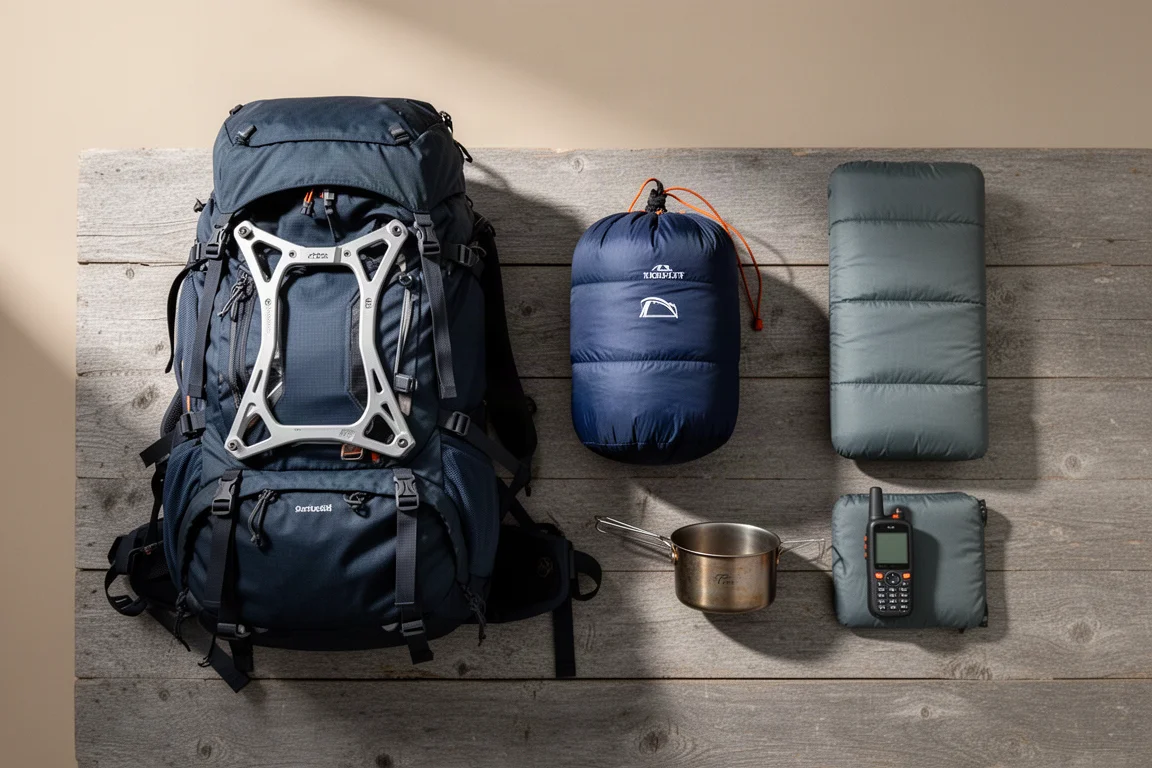
Two backpacking kits were assembled for a three-day route through the Lost Creek Wilderness in Colorado. One was built around the most expensive gear available, the other around carefully chosen pieces at a fraction of the cost. The only rule during selection was price, not climate, terrain or expected conditions, which made the trip an unusually direct test of what money actually buys on the trail.
Both kits covered the same categories: shelter, sleep system, cook setup, navigation, clothing and camp comfort. The differences showed up in cost, weight and how each item behaved after roughly 15 miles of hiking with food, water and fuel for three days.
This guide covers ten of the pieces that defined the two setups, what each one costs, and where the extra spend earns its place.
What Sets Premium Gear Apart
Premium backpacking gear tends to justify its price in one of four ways: it removes weight, it covers more than one season, it lasts longer, or it makes a long day noticeably more comfortable. The strongest premium items in this comparison did at least two of those things at once. A four-season shelter that weighs about three pounds, for example, can replace a three-season tent and a winter tent rather than sitting alongside them.
Weight is the most visible premium. A two-pound sleeping bag with a comfort rating near 15 degrees, or a trekking pole that weighs about five ounces, changes how a pack feels over a full day of climbing and descending.
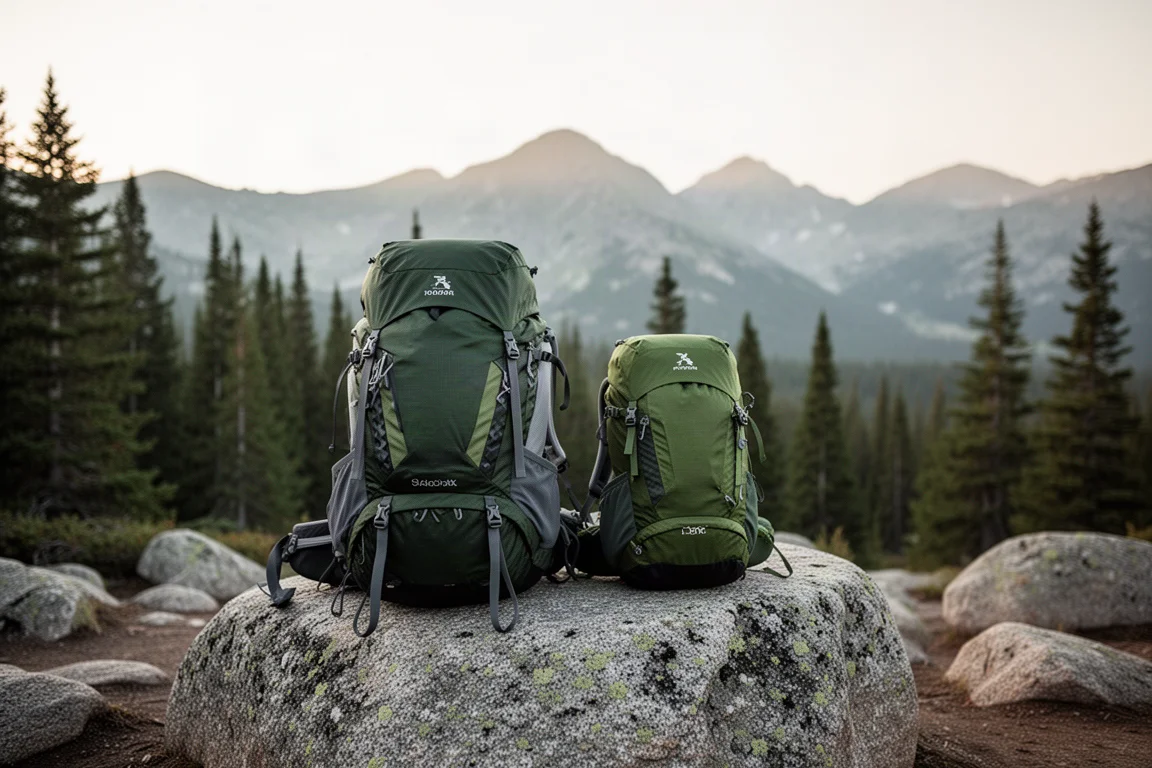
The important caveat is that premium pricing does not automatically translate into a better trip. Several value-priced items in the second setup performed at a very high level, and a few of the most expensive pieces were simply too specialized for the conditions on this route. Matching gear to the conditions in front of you matters more than the number on the receipt.
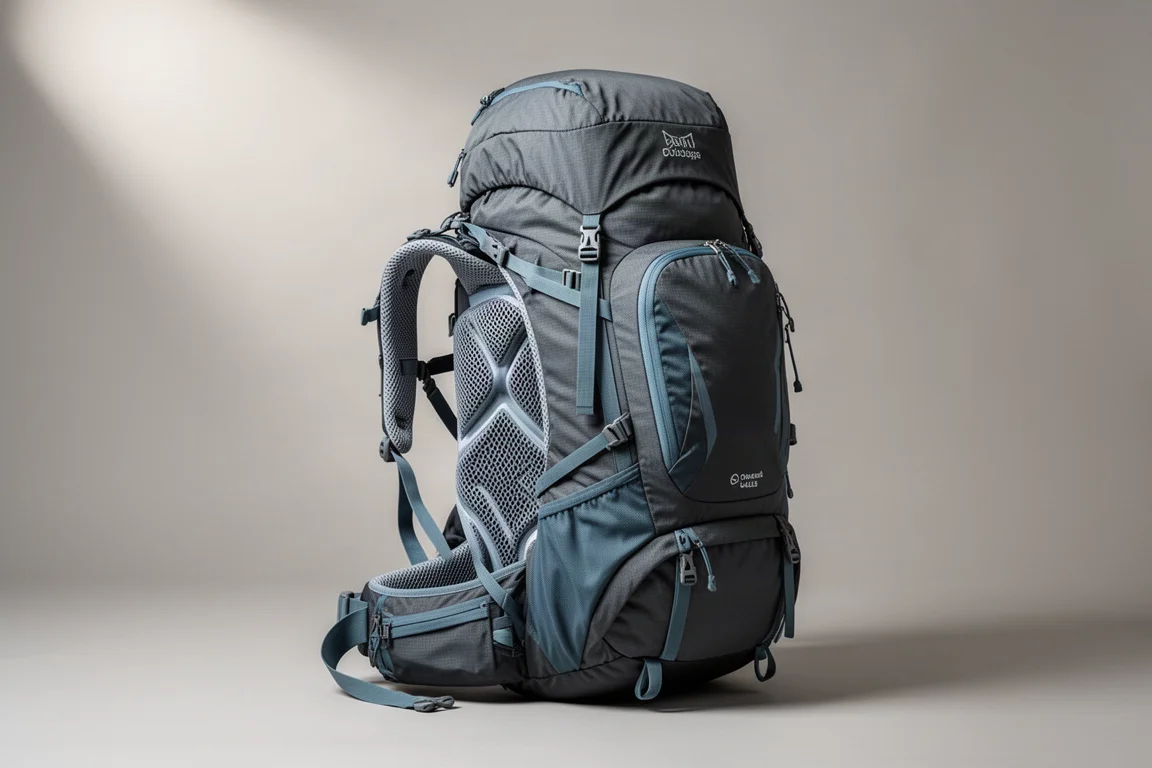
Osprey UNLTD AntiGravity 64
At around $700, the Osprey UNLTD AntiGravity 64 sits at the very top of the backpacking pack market. It was loaded with roughly 32 to 35 pounds of gear, food, water and fuel for three days, and it carried that load exceptionally well. The back panel is 3D printed carbon, and the ventilation runs across the entire contact area, which meant no sweaty spots even after a full day of hiking.
Fit adjustments are unusually simple. Small load lifter tabs pull the harness and hipbelt into position, and the whole suspension moves with the load rather than against it.
The honest verdict is that this is a remarkable piece of engineering rather than a necessary purchase. Most backpackers can get away with a well-chosen pack that costs far less and still does the job well. The AntiGravity 64 makes sense for anyone who specifically wants the most refined carry available and is comfortable paying for it.
Samaya Four-Season Tent
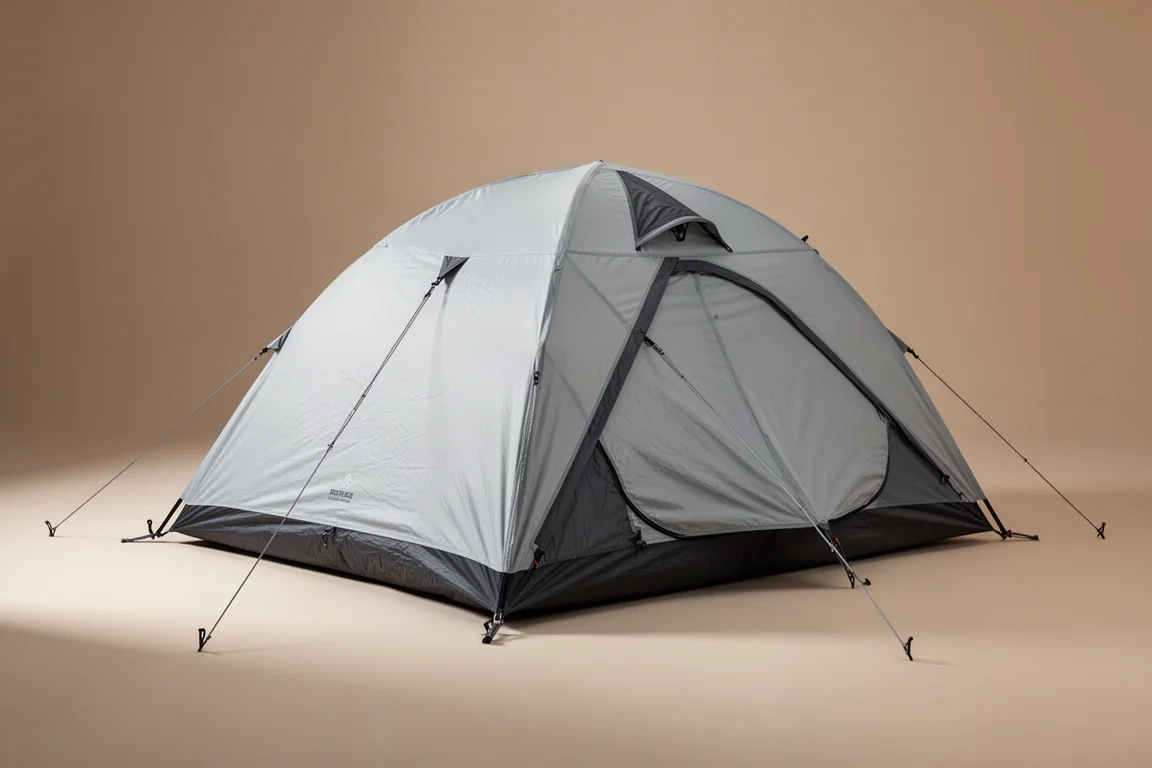
The Samaya tent is the most expensive shelter in this lineup at around $1,100, and it is built around a specific idea: one tent that works all year. It is a four-season design that weighs about three pounds all in, with a Dyneema floor, Dyneema panels and a Dyneema vent at the top.
It is also fully freestanding, and it holds its shape rather than collapsing until it is staked out. That structural rigidity is what separates it from lighter freestanding shelters that need tension from stakes to stand properly.
The value case is straightforward for anyone who camps in every season. Buying one shelter that covers winter and summer can be cheaper than buying two. For three-season use only, the price is harder to justify.
Therm-a-Rest NeoAir XTherm
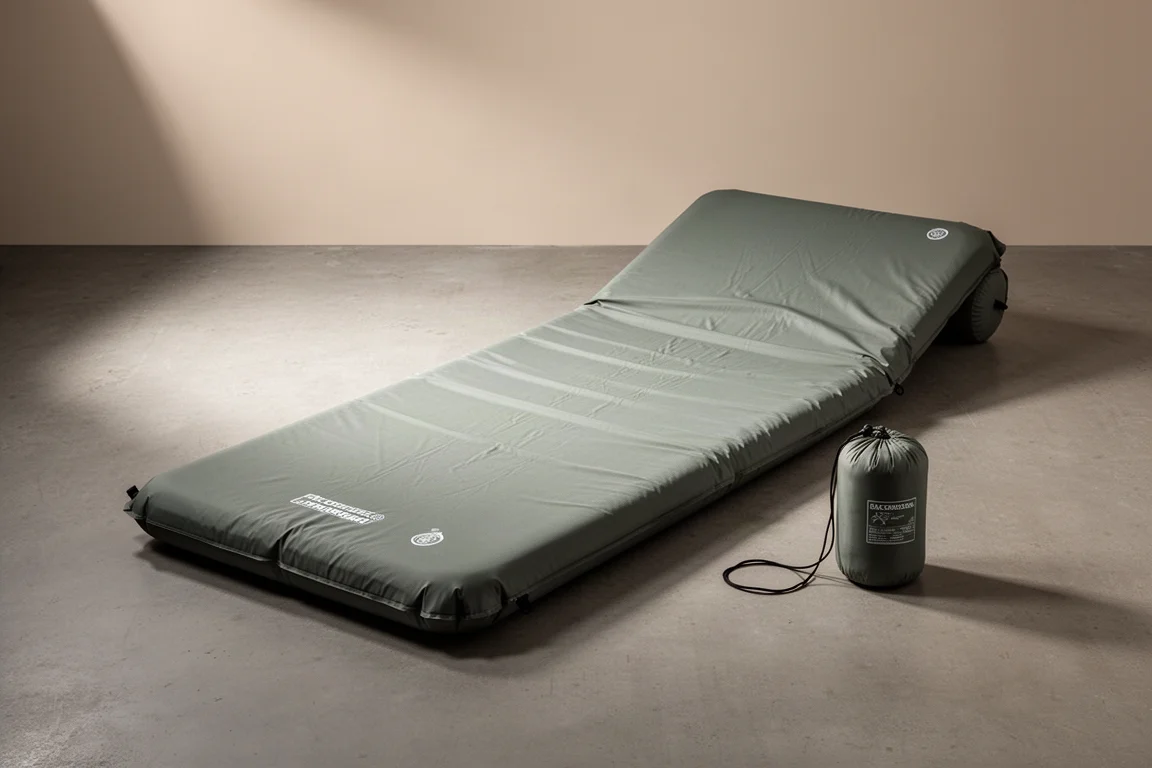
The NeoAir XTherm in the long and wide size is the largest version available and the most expensive sleeping pad in this setup at around $279. It is an all-season pad, which means it can serve as both a three-season pad and a winter pad instead of requiring two separate purchases.
That dual role is the main argument for the price. For anyone who sleeps outside year round, the cost can work out lower than owning a summer pad and a dedicated winter pad. For occasional warm-weather trips, a less expensive pad will do the same job.
Western Mountaineering Versalite
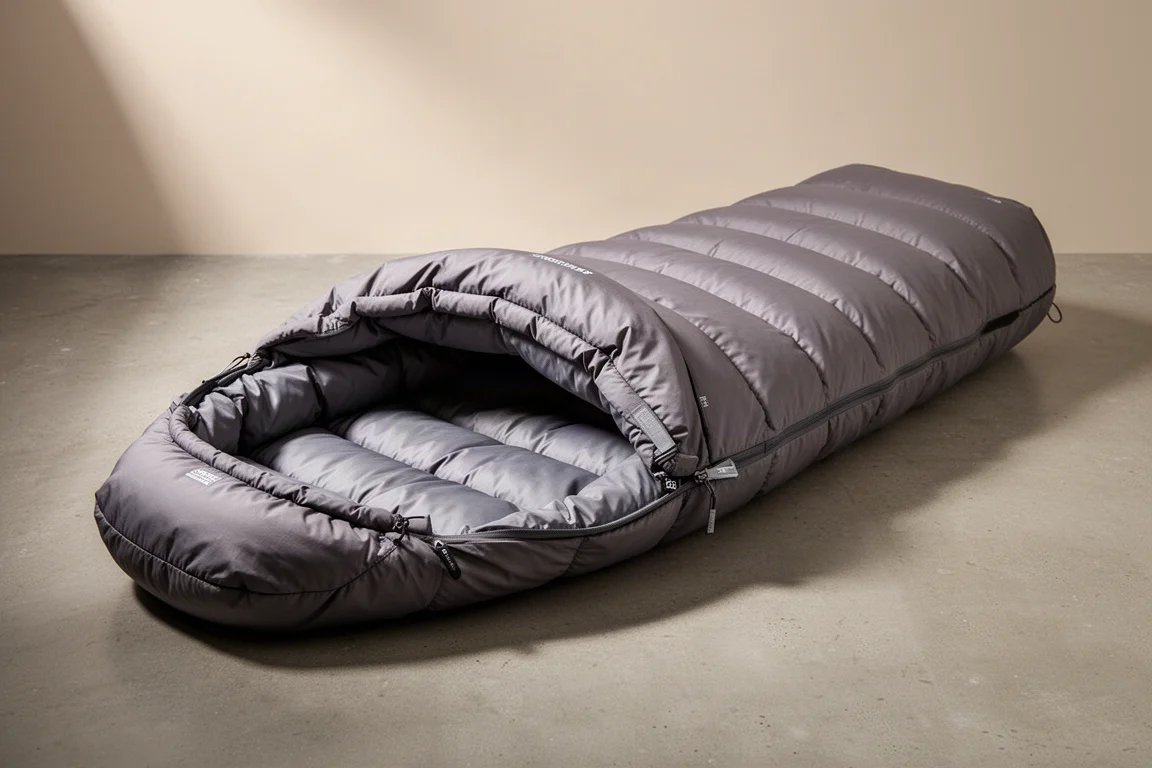
The Versalite is a $605 sleeping bag rated to 10 degrees with a comfort rating closer to 15 degrees, and around 20 degrees for a cold sleeper. It weighs about two pounds, which is very light for the warmth it provides, and Western Mountaineering bags are known for exactly that warmth-to-weight balance.
On this trip the bag was far warmer than the conditions required, which is a useful reminder that a premium sleep system is only worth the money when it matches the climate you actually camp in. In colder conditions, the combination of low weight and a low comfort rating would be a genuine advantage.
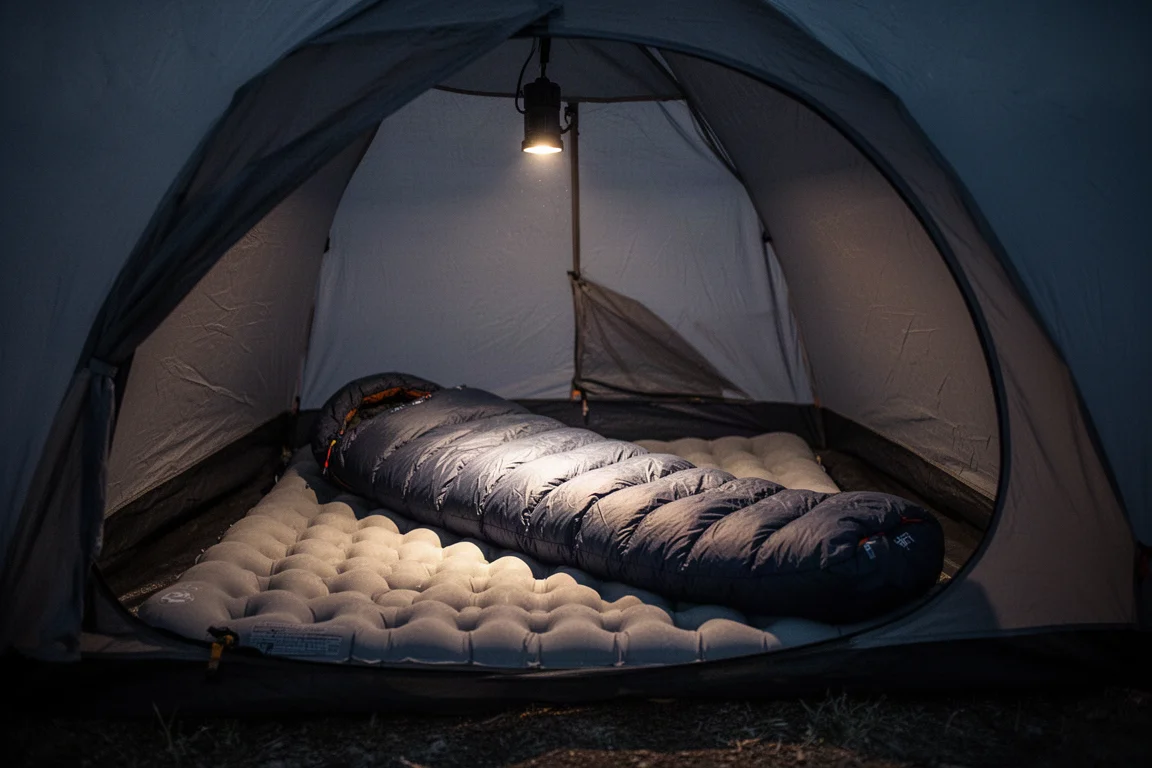
For backpackers who regularly camp in shoulder-season or winter conditions, this is the kind of bag that removes a recurring compromise between weight and warmth.
Garmin inReach Mini 2
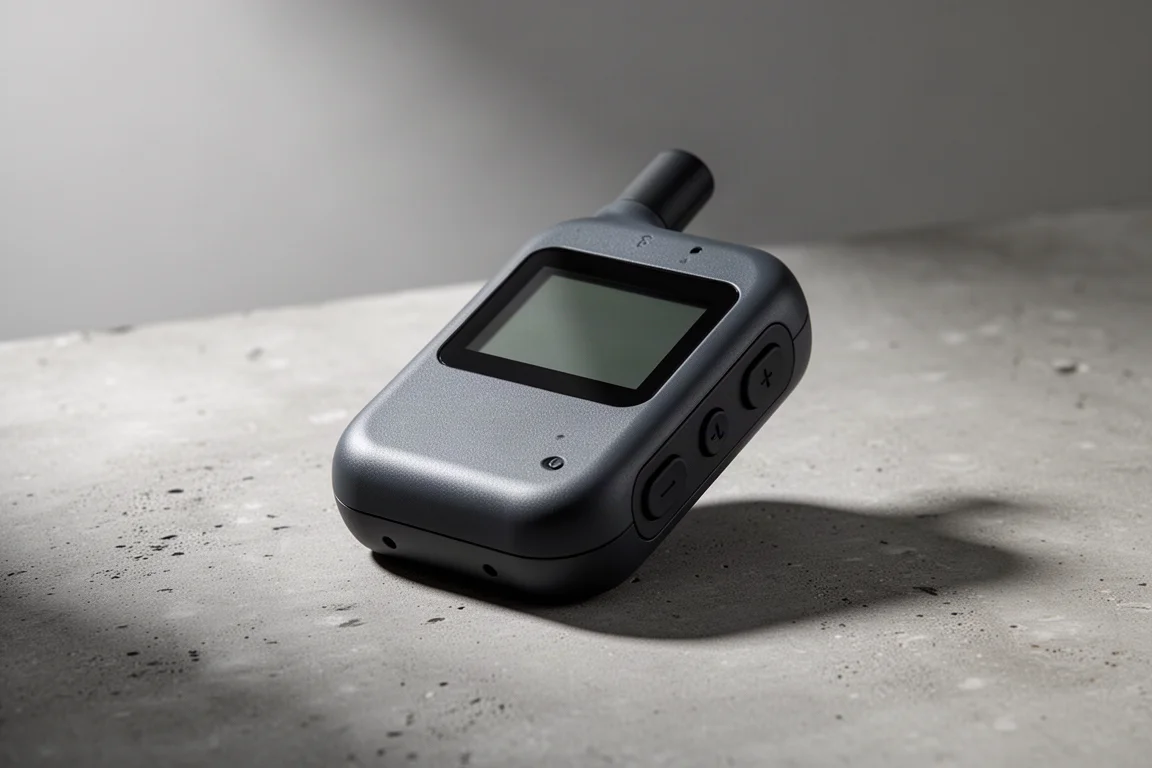
The inReach Mini 2 is a $400 satellite communicator with an SOS button, location tracking and two-way messaging that keeps family at home updated. It has proven reliable over repeated use, and this generation adds better battery life, a newer screen and USB-C charging.
This is one of the few premium items where the price is easy to defend. A satellite communicator is a safety tool rather than a comfort upgrade, and it becomes more valuable the more time you spend beyond cell coverage.
onX Backcountry
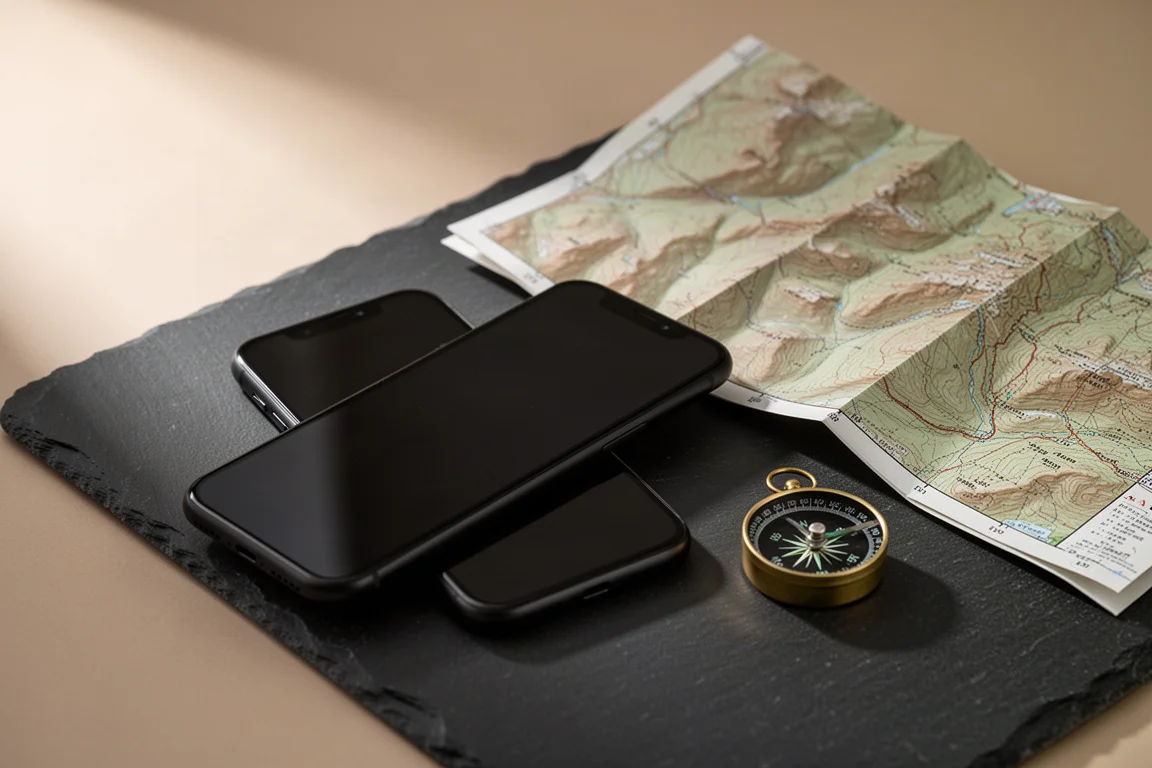
Not every useful piece of gear is expensive. The onX Backcountry navigation app costs about $23 for a full year and handles route planning, campsite selection, activity tracking and location lookup on a phone.
For the price of a single small accessory, it replaces a paper map workflow and makes it easy to adjust a route in the field. It is the clearest example in this comparison of a low-cost item delivering a large practical benefit.
Outdoor Vitals Ventus Hoodie
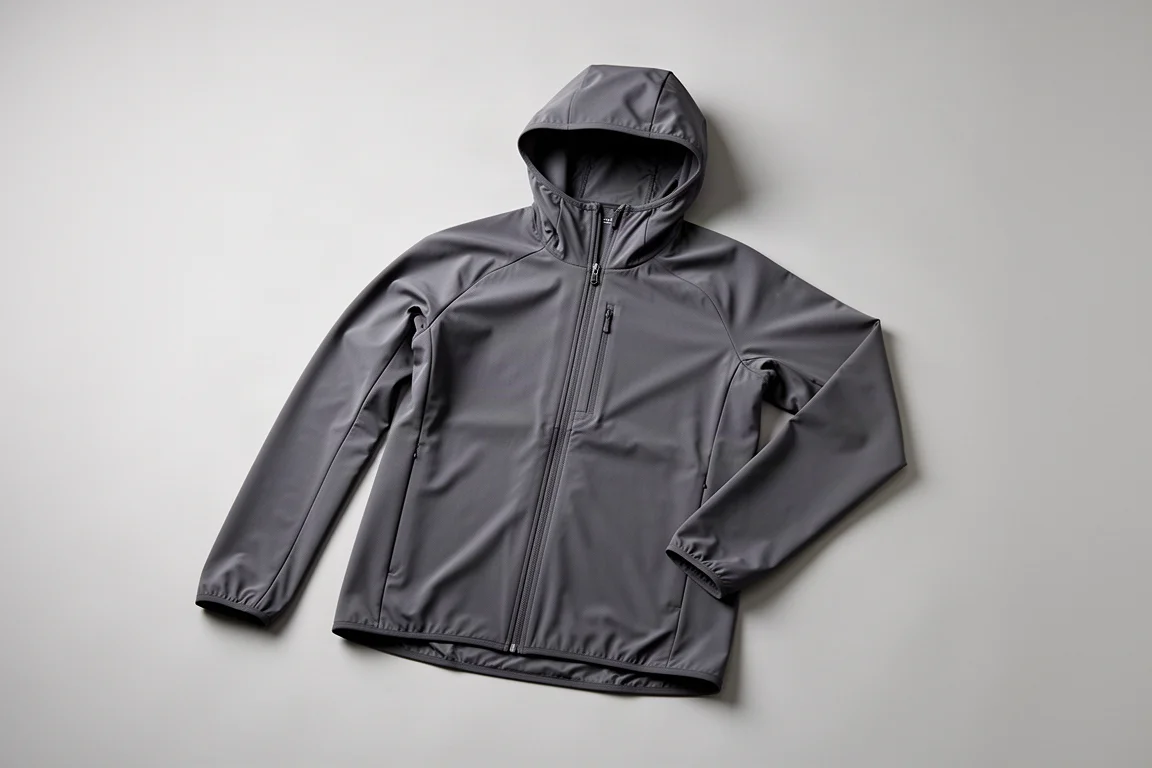
The Ventus Hoodie costs around $170 and weighs about seven ounces. It is a synthetic mid layer with a partial zip, and it functions as the piece that handles the widest range of temperatures on a trip.
This is the item in the premium setup with the strongest value argument. It is light enough to carry without thinking about it and warm enough to be the layer you reach for most often, which is exactly what a good mid layer should be.
Outdoor Vitals Tushar Rain Jacket
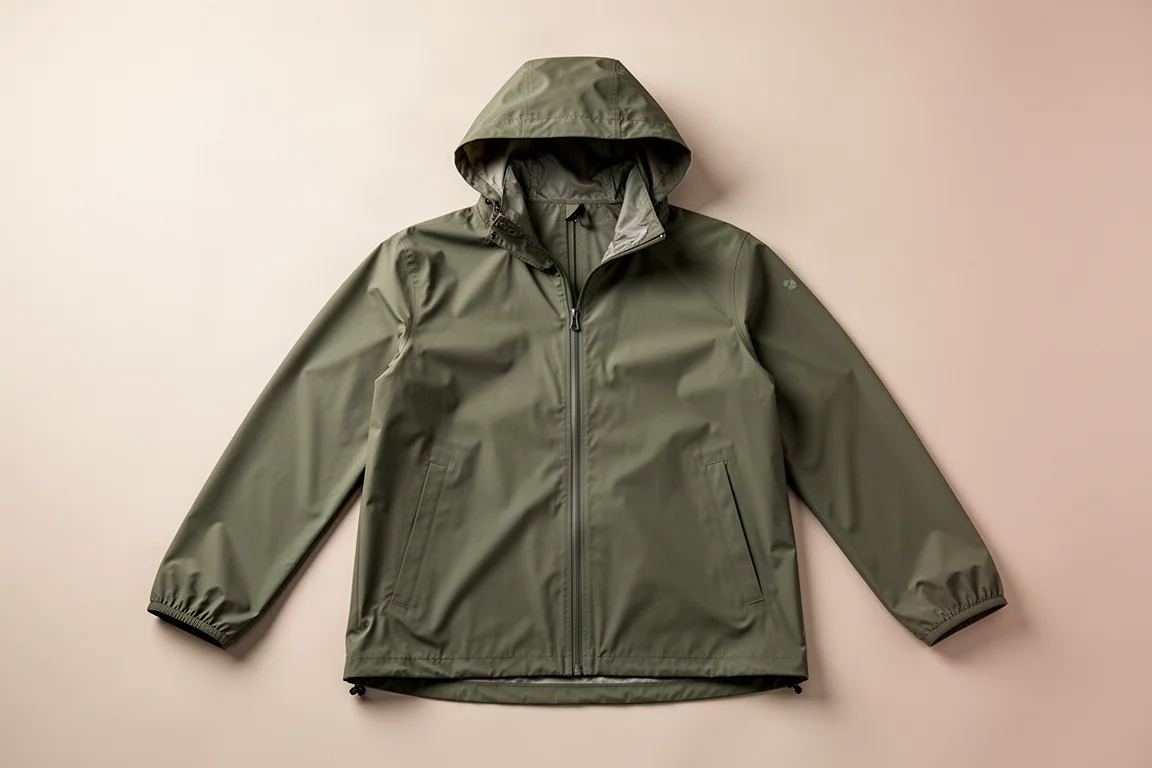
The Tushar Rain Jacket costs around $229 and weighs 7.4 ounces, which is light for a shell rated to a 20,000 mm hydrostatic head. It uses body-mapped 20D nylon, with the more water-resistant panels placed where rain is most likely to reach, and the lighter panels used elsewhere to keep the weight down. The interior is fully seam taped.
The design details suggest a shell built to survive abrasion rather than to be replaced every season, and the weight-to-durability balance is the reason the price holds up reasonably well against comparable jackets.
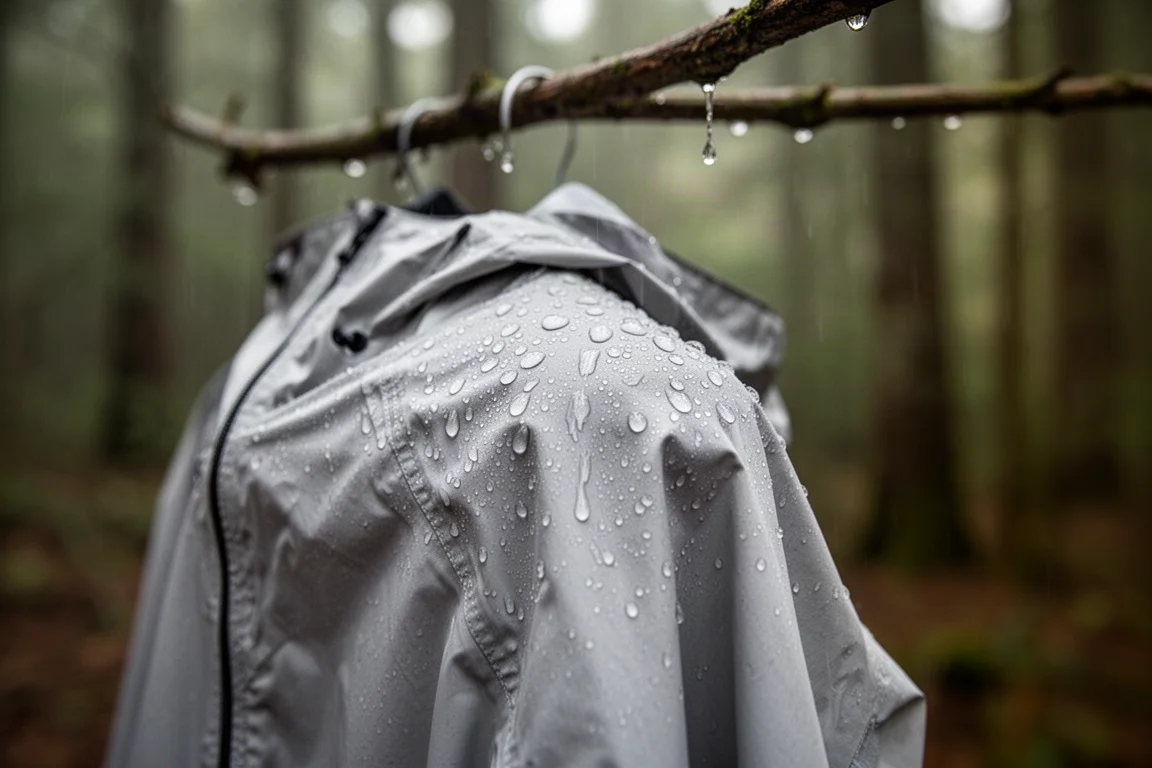
For backpackers who want one shell that can handle sustained rain and still pack down small, this is a sensible middle ground between a disposable ultralight jacket and a heavy mountaineering shell.
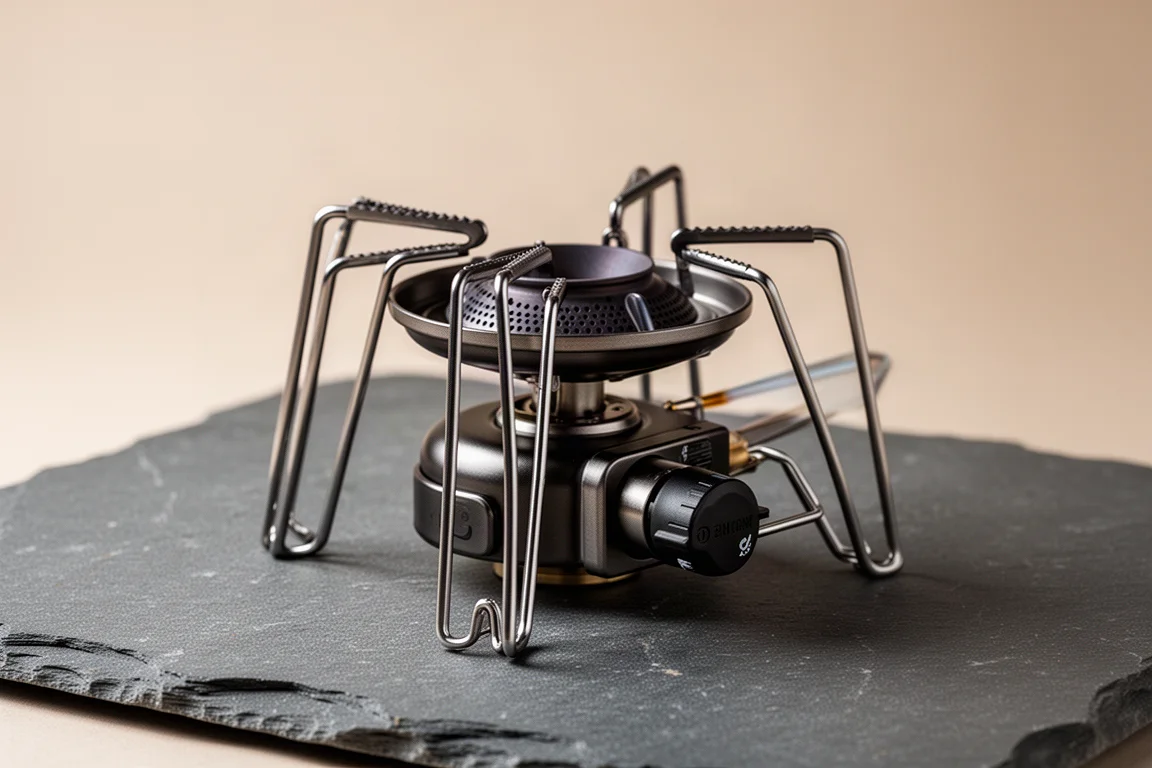
MSR PocketRocket Deluxe
The PocketRocket Deluxe is a well-regarded canister stove at around $80, and it was paired here with a titanium cook pot that now sells for close to $100. Together that is roughly $180 for boiling water.
The stove itself performs well, but this is the clearest case in the comparison where the money does not buy a better meal. A far cheaper cook setup boils water just as effectively, and the difference is measured in grams and brand prestige rather than in results at camp.
Helinox Chair Zero
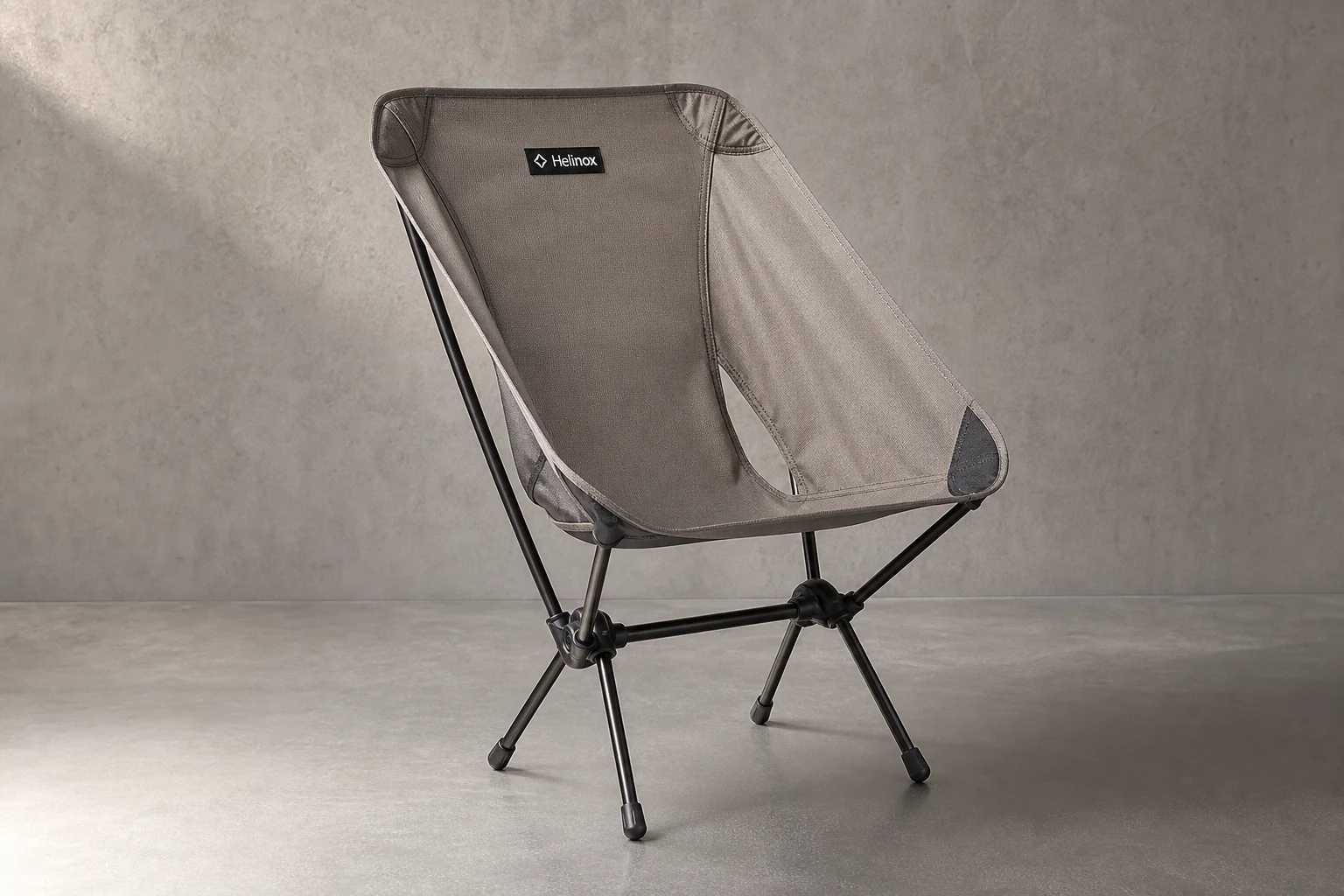
The Chair Zero costs around $120 and weighs about one pound, which makes it one of the lightest ways to bring a real seat into the backcountry. After a long day of hiking, having a proper chair at camp changes the evening more than most people expect.
It is a comfort purchase rather than a performance one, but at a pound it is a comfort purchase that does not punish you on the climbs. That combination is why it holds up despite the price.
Overall Buying Advice
The clearest lesson from this comparison is that expensive gear has a real but narrow place. It earns its price when it removes weight, replaces two items with one, or adds genuine safety. It is harder to justify when it simply costs more than an option that performs just as well in the conditions you actually camp in.
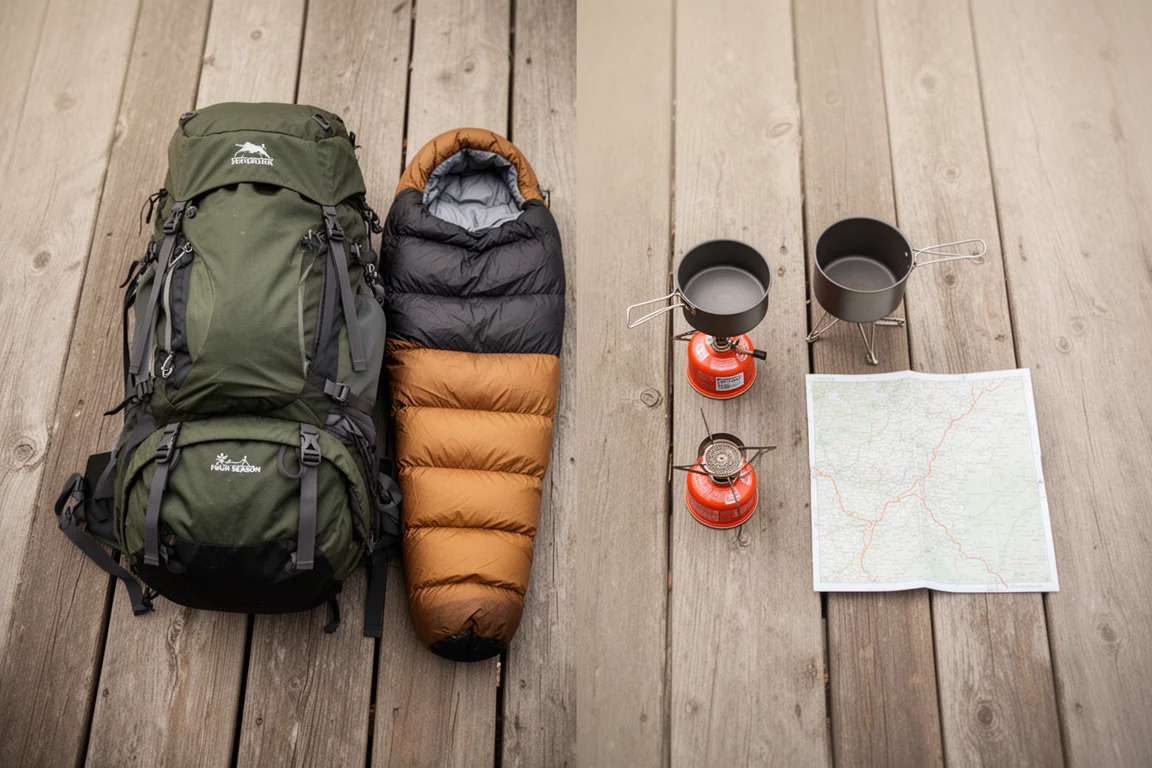
Match the gear to the environment first. A sleeping bag rated for deep winter is dead weight on a summer trip, and a four-season shelter is overkill for predictable fair-weather routes. The reverse is also true: the value setup held its own because each piece suited the conditions and the person carrying it.
If you are building a kit from scratch, spend the premium budget on the sleep system and shelter, where weight and warmth matter most, and stay flexible on cookware, camp furniture and small accessories. There are strong options at every price point, and the gap between good and very good is often much smaller than the gap in price.
Conclusion
Premium backpacking gear is not automatically better, and budget gear is not automatically a compromise. The most expensive items in this lineup were genuinely impressive, particularly the pack and the shelter, while the value-priced pieces performed at a level that made the price difference hard to justify in most conditions.
The practical approach is to decide which problems you actually need solved, then pay for the gear that solves them. Weight, warmth and safety are worth the money. Everything else is a judgment call about how you want your evenings at camp to feel.
Further reading
Related Reviews

Backpacking Gear
Building a 10 lb Base Weight: An Ultralight Backpacking Gear List
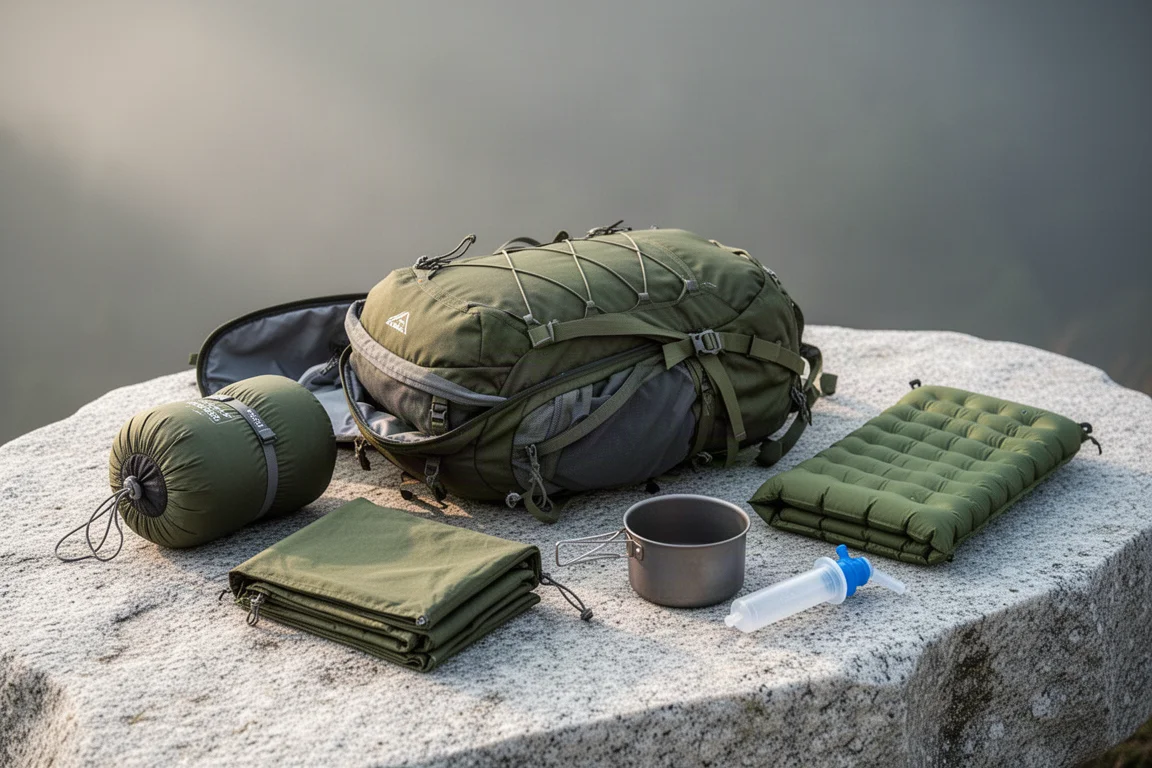
A practical walkthrough of the ultralight pieces behind a 10 lb base weight, from a 765 g pack and a roomy one-person tent to a full camp chair and a dependable water filter.
Backpacking Gear
A 15-Pound Lightweight Backpacking Gear List for Solo Trips
A beginner-friendly 15-pound backpacking setup built from easy-to-find gear, with notes on what each piece does, how it packs, and where to spend your attention.
Backpacking Gear
8 Ultralight Backpacking Gear Upgrades Worth Carrying
Eight small, affordable backpacking upgrades that solve real trail annoyances, from a pillow that stays put to a fuel valve that rescues leftover canister gas.