Sleeping Bags
Are Premium Sleeping Bags Worth the Money? Three Bags Worth Considering
A practical look at what separates premium sleeping bags from budget options, and three down bags that show how design, insulation, and construction change the experience in the backcountry.
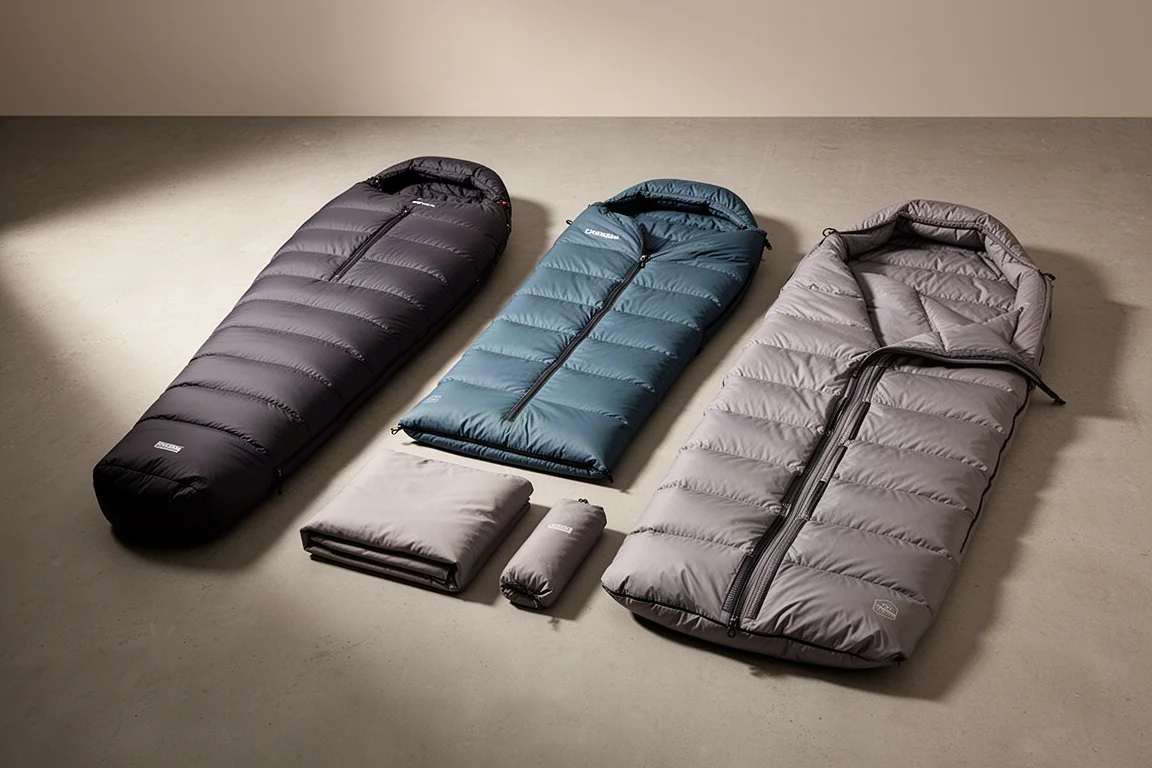
Introduction
A sleeping bag that costs $100 to $150 can keep you warm on a summer trip and get you into the backcountry without much financial strain. There is nothing wrong with that. The question is whether spending several times more buys you something you will actually feel, night after night, and the answer is that it usually does.
Think about how carefully most backpackers choose a sleeping pad. You match the insulation value to the ground you expect, the temperatures you expect, and the way you sleep. A sleeping bag deserves the same level of attention, because it is the other half of the same sleep system.
What Sets a Premium Sleeping Bag Apart
Four things separate a premium bag from a budget one: how it is shaped, how the insulation is held in place, where the down comes from, and how the shell fabric is made.
The shape is the first thing you notice. Premium bags are built around the human body, with narrower shoulders, a tapered leg area, and a footbox that matches how feet actually rest. A bag that is cut anatomically keeps insulation where it matters without carrying extra fabric and weight.
The second is a construction detail called a differential cut. A sleeping bag is essentially an inner shell and an outer shell with down trapped between them. A differential cut makes the inner shell slightly smaller than the outer one, so when you press a knee, elbow, or foot against the inside of the bag, the inner fabric does not push the down against the outer wall. In a bag without that cut, that pressure compresses the insulation and creates a cold spot. With it, the loft stays where it belongs.
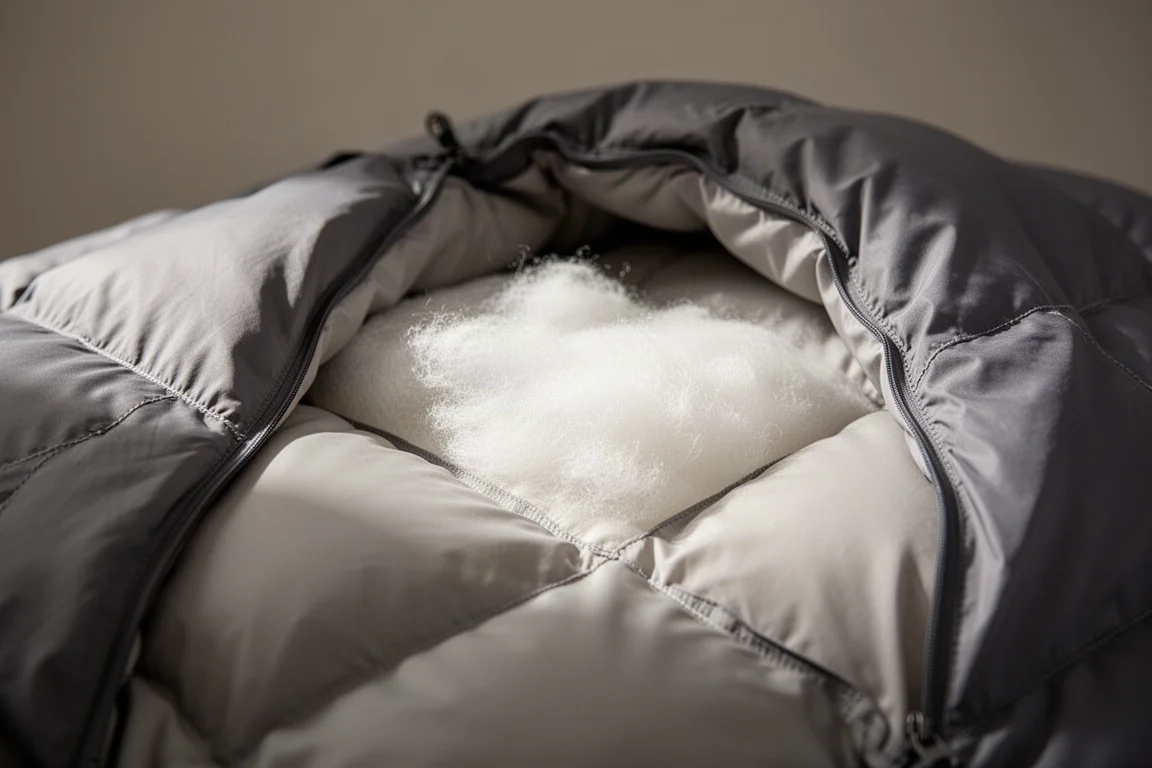
Materials round out the picture. Premium bags use responsibly sourced down, which matters both for performance and for the ethics and sustainability behind the supply chain, and they use higher quality shell fabrics that breathe well while cutting weight and packed bulk.
There is also the question of who actually designed the bag. Anyone can buy generic sleeping bags in bulk, list them under a new name, and sell them without designing a single component. That approach does put gear in people’s hands, but it skips the development work that goes into the shape, the baffle layout, and the fabric choices of a bag built by a company that specializes in them.
Western Mountaineering Ultralife Review
The Ultralife is a 20-degree rated down sleeping bag and the most expensive option here at close to $600. It is also the clearest example of what careful construction looks like.
It is made in the United States, and it is built by a single person from start to finish, which means one builder takes the bag through every step of the process rather than passing it down a line. That shows up in details like the zipper, which has a strip of ribbon on both sides so the fabric never catches in the teeth. It is the kind of small thing that becomes a daily annoyance on a cheaper bag and simply never happens here.
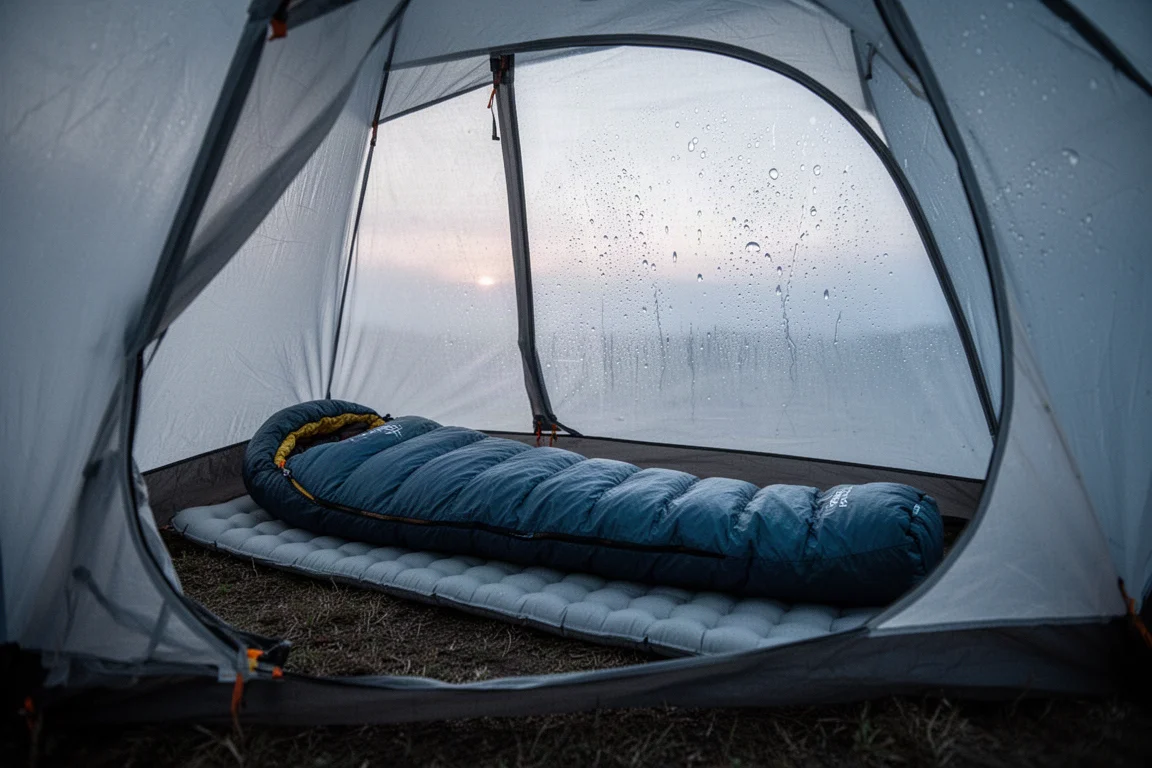
The design is deliberately simple. It is a mummy shape rather than a wider spoon cut, and it does not add a second zipper to open up extra width. What it does instead is fit the body closely and comfortably, and it uses a differential cut so that pressing against the inside of the bag does not flatten the insulation. The result is a light, warm bag that holds its loft where you need it.
Big Agnes Lost Ranger Review
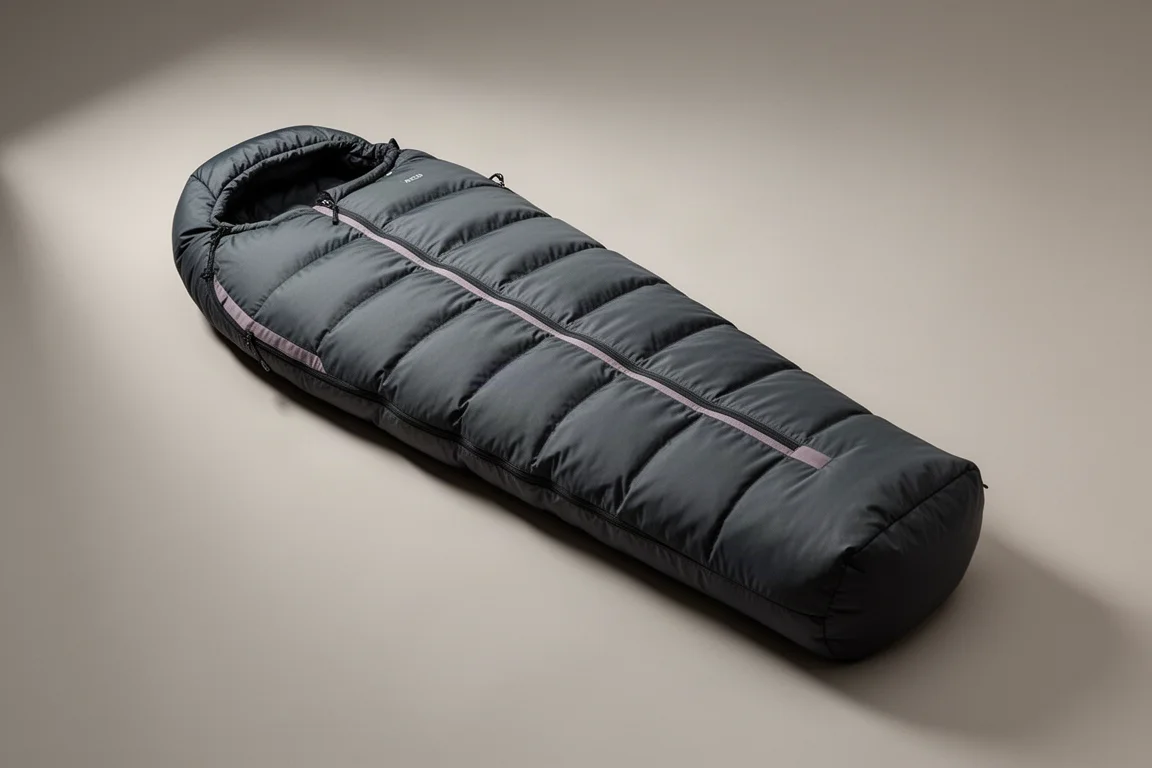
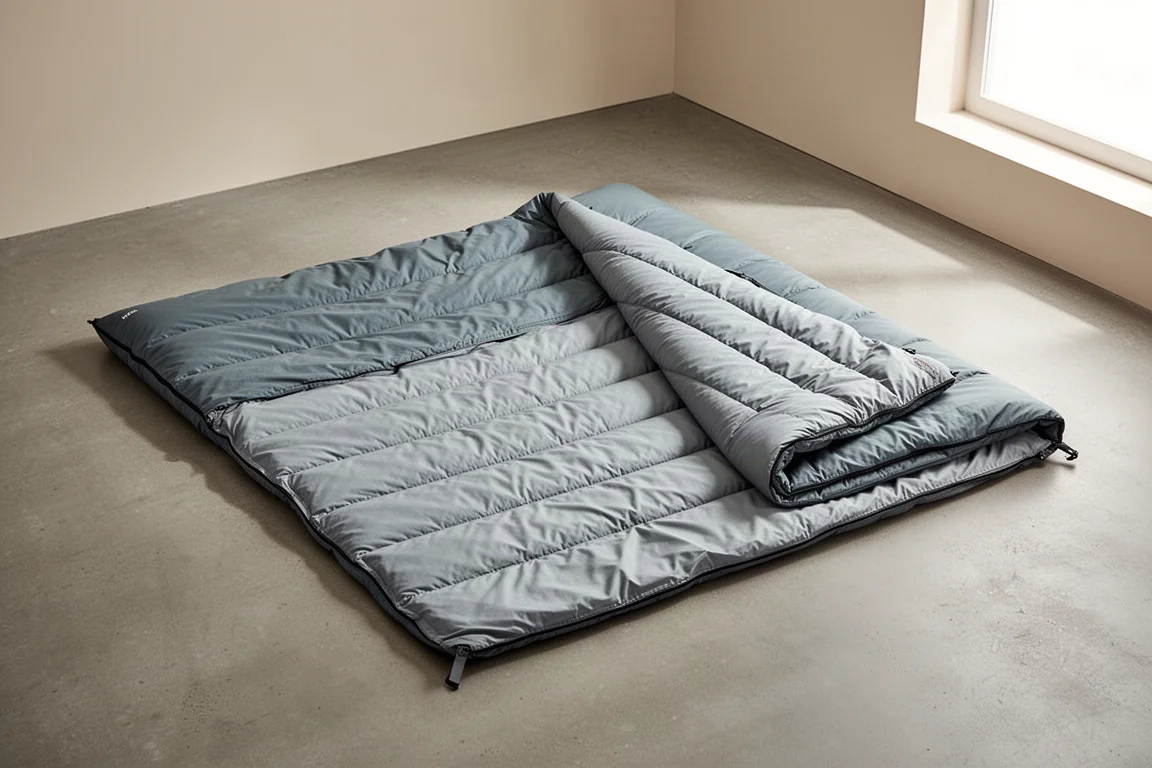
The Lost Ranger takes a different approach: it is a three-in-one system rather than a single bag.
The outer quilt attaches to a sewn-in pad sleeve, which keeps the bag locked to your sleeping pad instead of sliding off it during the night. A full-length zipper runs down the left side. Inside that shell sits a completely separate liner bag. You can sleep in the outer piece alone, in the liner alone, or in both together, and combining them brings the system down to a 20-degree rating.
It is also shaped with side sleepers in mind and cut anatomically to fit a range of body types, which is the sort of detail that makes a bigger difference than it sounds like when you are the one turning over at two in the morning.
Sea to Summit Ascent Down Review
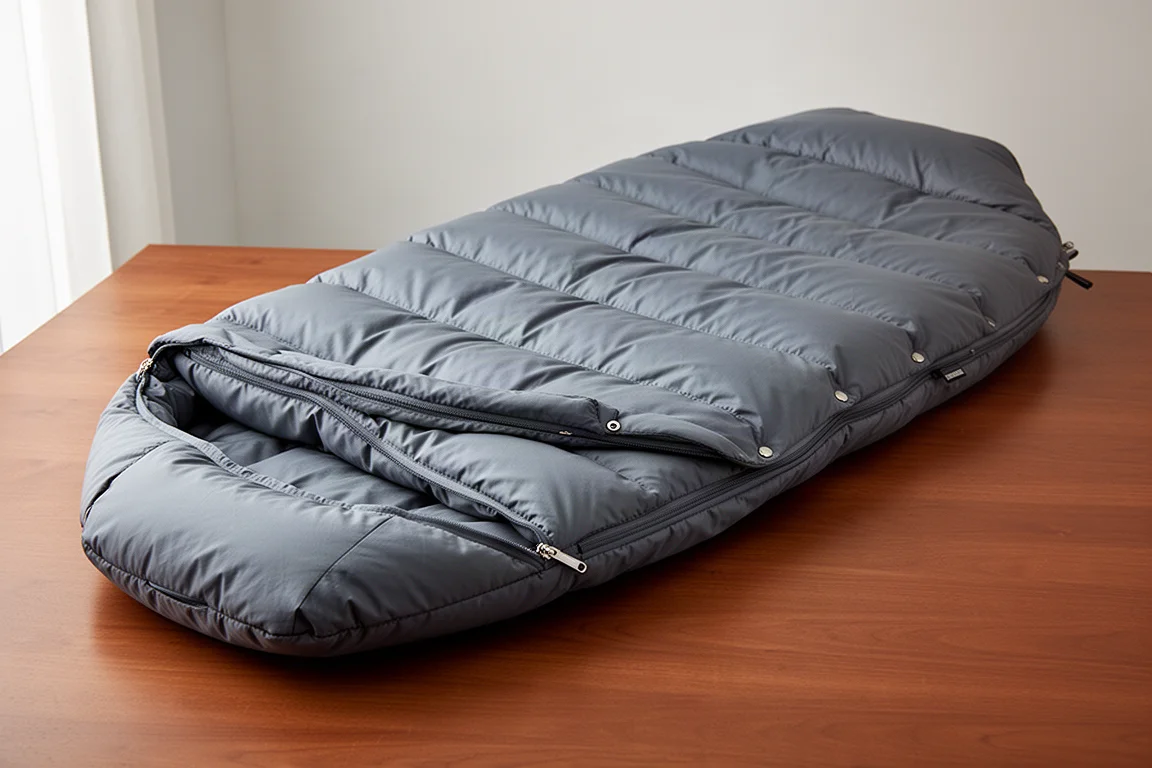
The Ascent Down is the most adaptable bag of the three. A full-length zipper on the left side gives you easy entry and exit, and a half zipper on the opposite side lets you open the bag out into a quilt when you want more room to move.
That second opening sounds like a small thing until you are in a tent that only allows you to get in and out from one direction. Having the option to work from the other side of the bag, depending on how the tent is pitched and which end your head needs to be at, changes how the whole night feels.
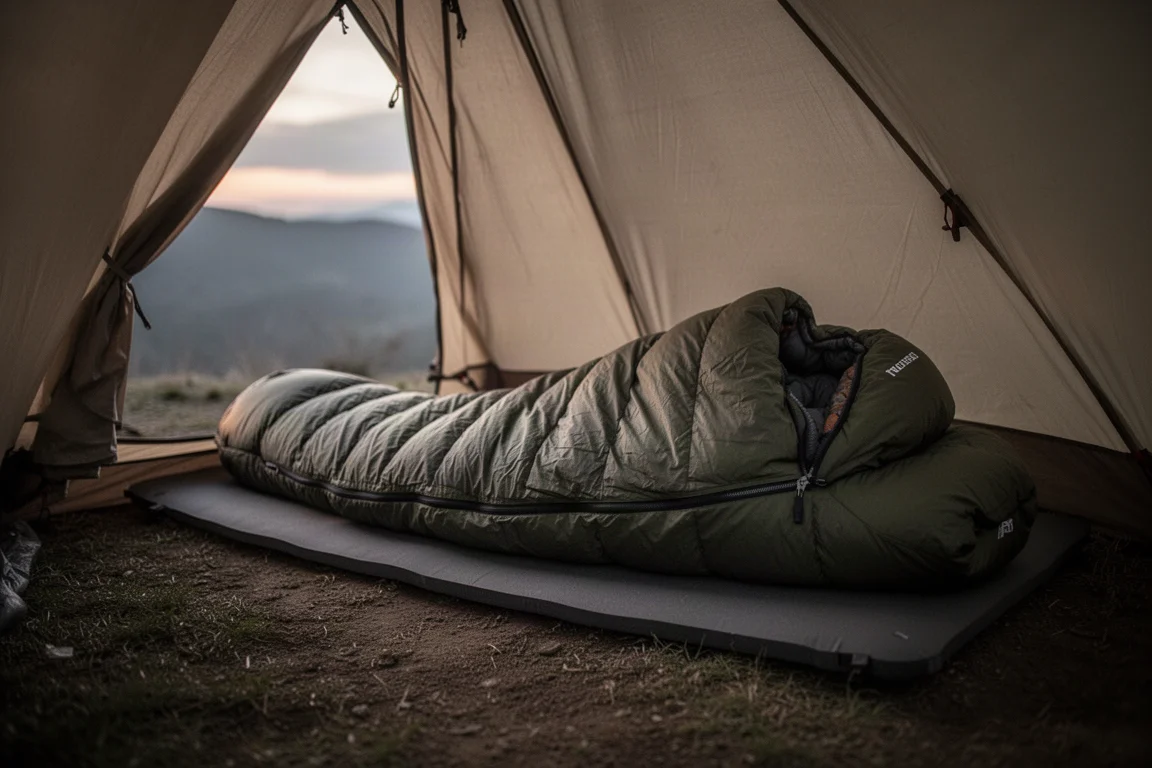
The quilt mode is genuinely useful in warmer conditions or when you want to sit up and move around without leaving the bag entirely. It adds a layer of flexibility that a single-zipper mummy bag cannot match, and it does so without giving up the option of a fully closed bag when the temperature drops.
How to Decide What to Spend
Start with how you sleep and where you sleep. If you sleep cold, move around a lot, or spend nights on exposed ground, the design details above matter more. If you mostly camp in mild summer weather, a budget bag may genuinely be all you need.
Then be realistic about the number. Deciding to spend $450 or $500 on a sleeping bag takes some getting used to, and it is reasonable to hesitate. The point is not to spend the most money possible. It is to spend it once, on a bag that is cut for your body, insulated properly, and built to hold up over many seasons.
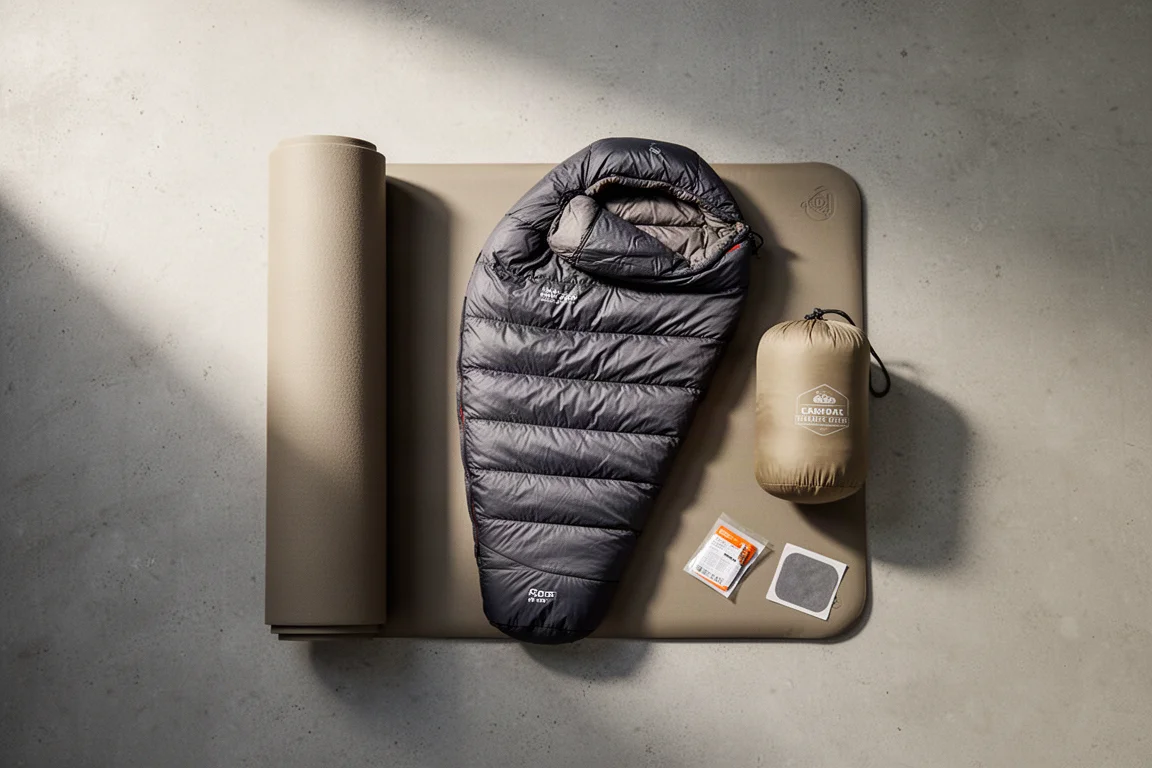
It also helps to think about what you are supporting. Companies that put real development time into their bags tend to be the ones sourcing down responsibly, choosing better fabrics, and standing behind the design. That work is what you are paying for, and it is what tends to make a premium bag last longer and perform better than the price suggests.
Conclusion
Premium sleeping bags are worth the money when you match them to how you actually sleep. The Western Mountaineering Ultralife makes sense if you want a simple, beautifully built mummy bag with a differential cut and no wasted features. The Big Agnes Lost Ranger suits side sleepers who want a system that stays put on the pad. The Sea to Summit Ascent Down is the pick if you want a bag that can open into a quilt when conditions allow. Do your homework, and the right premium bag will be a piece of gear you keep for years.
Further reading
Related Reviews
Sleeping Bags
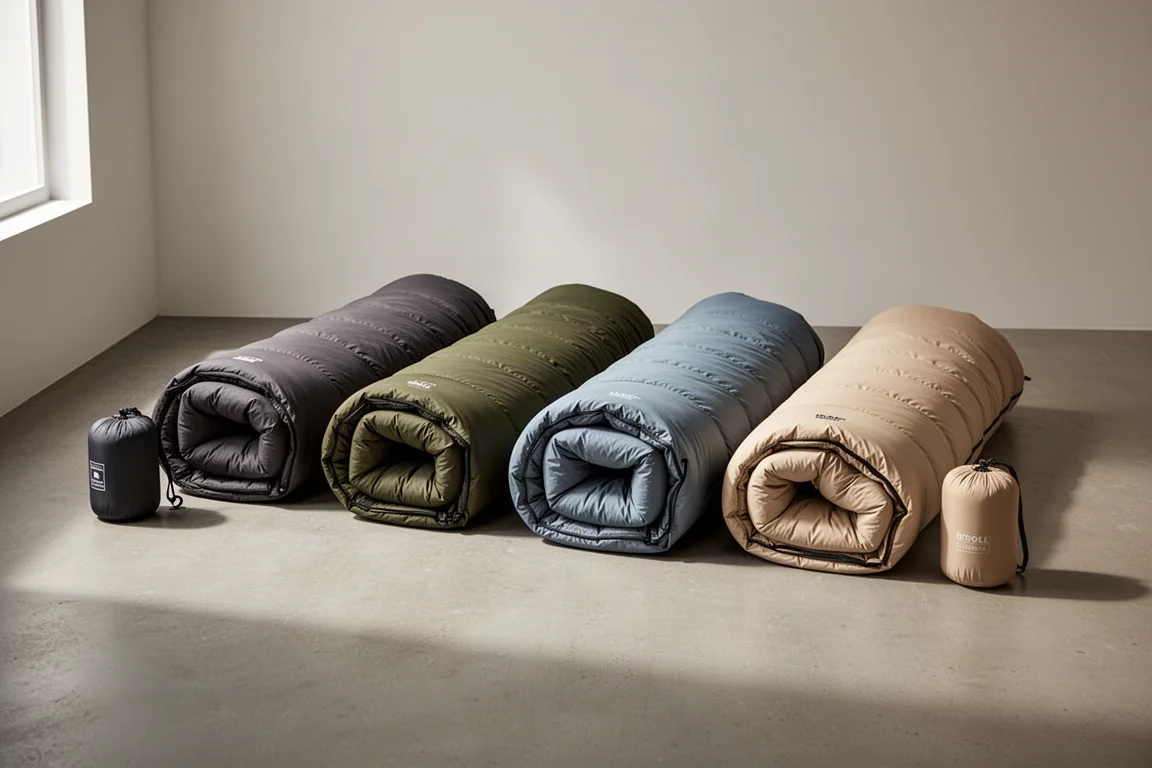
Best Down Sleeping Bags Under $300: Four Backpacking Options Worth a Look
Four down sleeping bags that stay under $300, compared on fill power, baffle design, hood comfort, and packed size.
Sleeping Bags
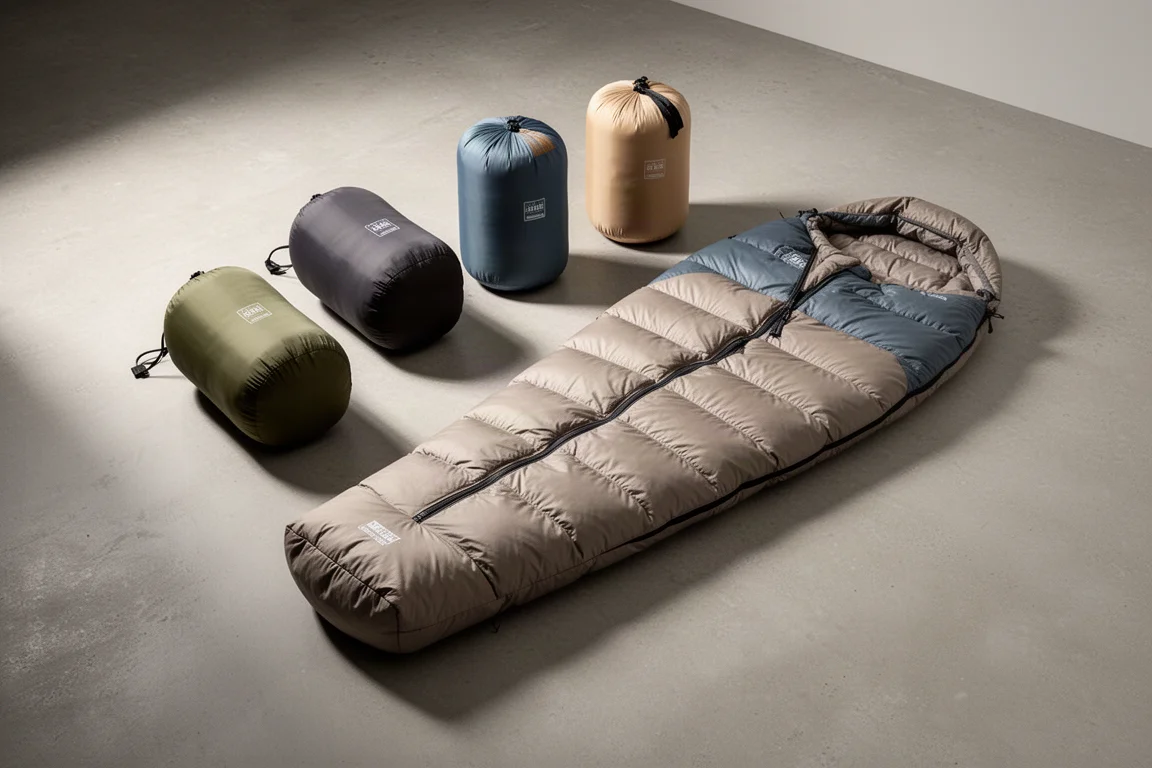
Best Sleeping Bags and Sleep Systems: Five Premium Down Picks Compared
Five premium down sleeping bags and sleep systems compared on warmth, weight, construction, and value.
Sleeping Bags
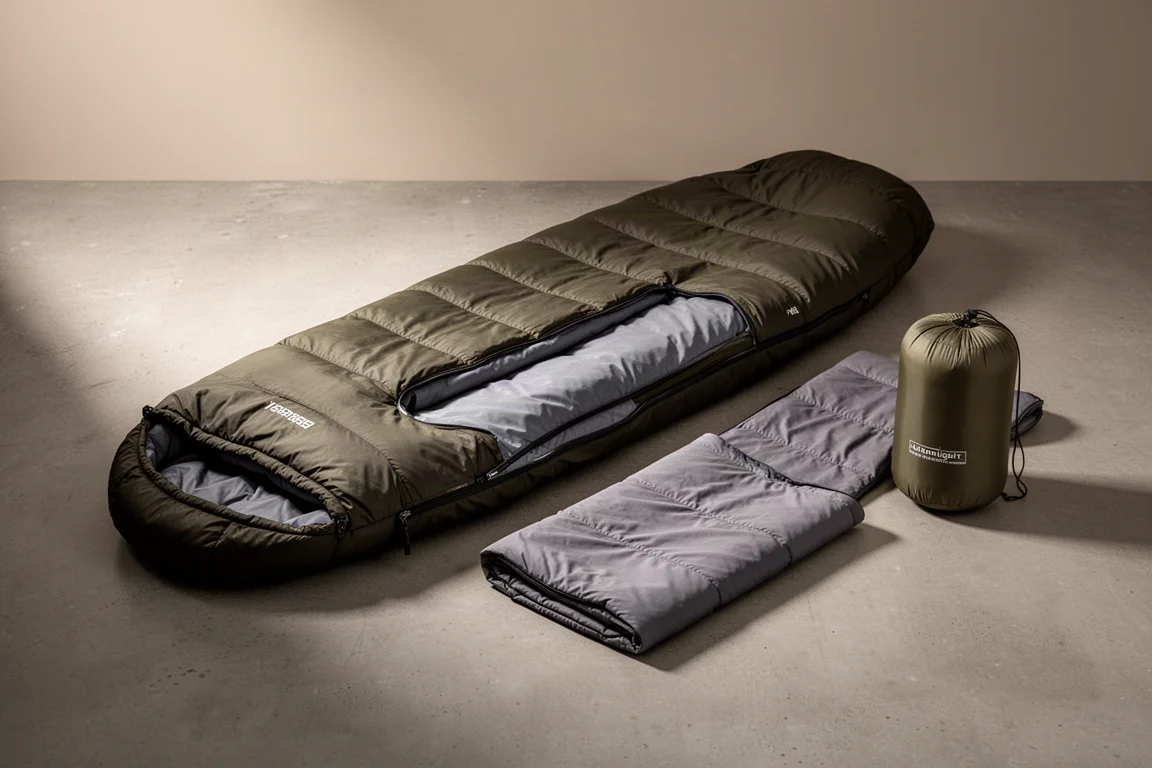
Big Agnes Lost Ranger UL 3-in-1 Sleeping Bag System Review: One Bag, Three Setups
A practical look at the Big Agnes Lost Ranger UL 3-in-1 Sleeping Bag System, covering how the three configurations work, where it shines, and the details worth weighing before buying.