Road Bike Wheelsets
Three Premium Road Wheelsets Compared: Lightweight Meilenstein, Partington Oasis and Mavic Cosmic SLR
A measured comparison of three premium road wheelsets, covering weights, rim widths, depths, hub internals, trueness and what each package includes.
Introduction
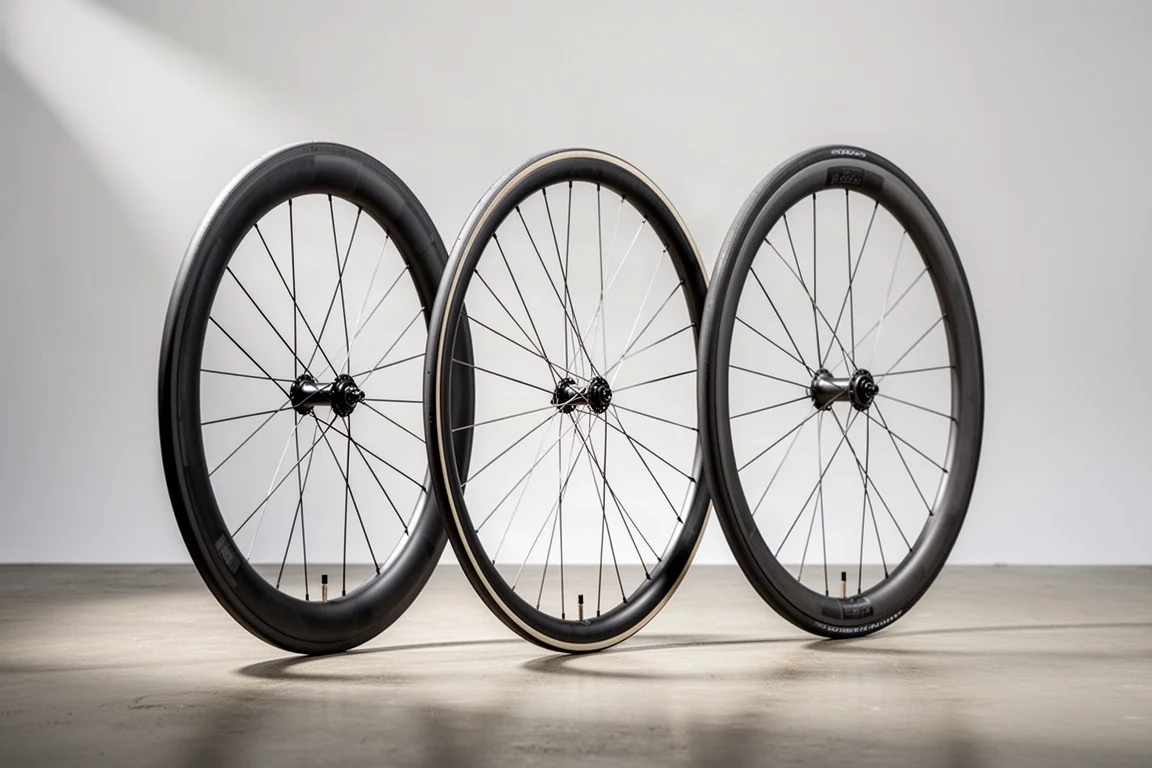
Choosing between top-tier road wheelsets usually comes down to a handful of measurable things: how much they weigh, how wide the rim is, how deep it is, what sits inside the hub, and whether the wheel is actually round. This comparison puts three wheelsets through the same set of checks so the differences are visible rather than implied.
The three are the updated Lightweight Meilenstein, the Partington Oasis, and the Mavic Cosmic SLR. Each was weighed, measured for internal and external rim width, and run on a truing stand to check vertical and lateral deviation.
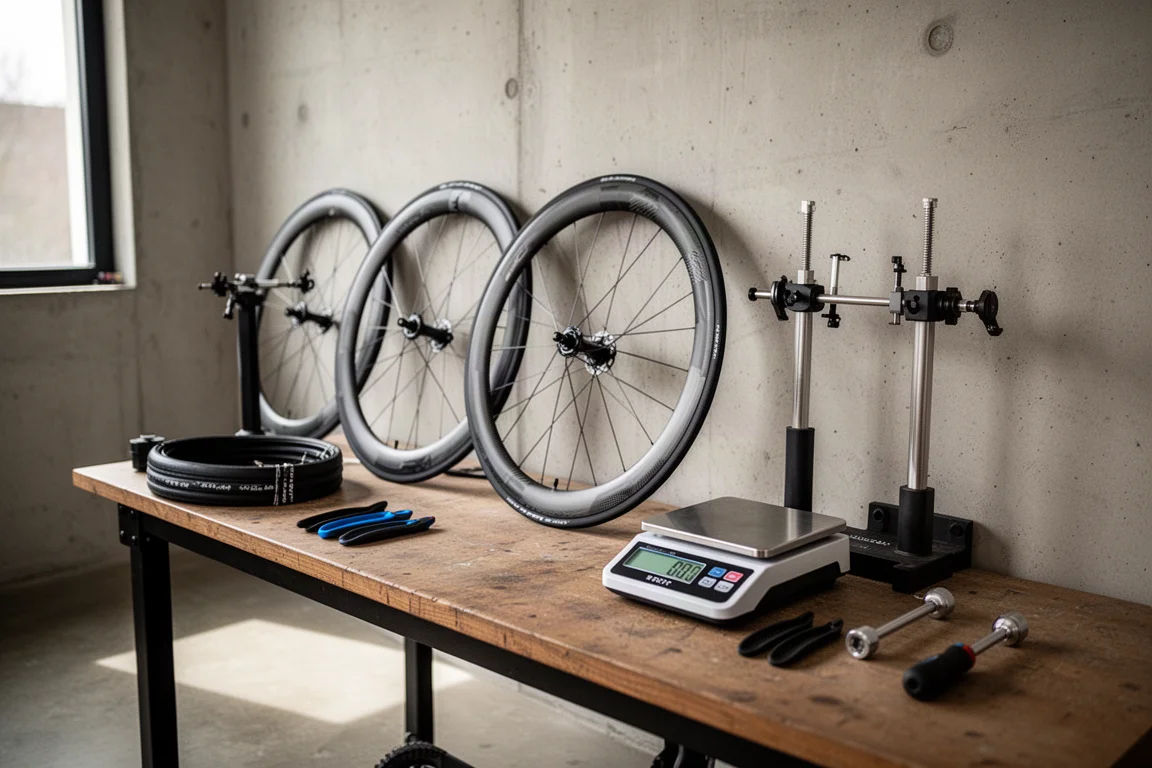
What follows is a section per wheelset with the numbers recorded for each, a look at what the truing stand showed, and guidance on which of the three suits which kind of rider.
What Actually Matters in a Premium Wheelset
At this end of the market, four specifications do most of the work. Weight shapes how the wheelset feels on a climb. Internal rim width determines how a tyre sits and how much pressure you can run. Rim depth defines the aerodynamic profile. Hub internals and bearings influence long-term durability and rolling feel.
Tyre width is the reason internal rim width matters so much now. Riders commonly run 28 mm or 30 mm tyres, and a wider internal width lets a wider tyre sit lower on the rim at lower pressure, which is where much of the comfort and aerodynamic benefit comes from. A narrow rim forces the tyre into a light bulb shape and pushes you toward higher pressures.
Two further points are easy to overlook: what arrives in the box, and how true the wheel is before it has been ridden. Both are covered below.
Lightweight Meilenstein: New Shape, DT Swiss Internals
The new Meilenstein replaces a design that had gone a decade without a meaningful update. The hub still uses DT Swiss internals, and material has been machined away from the spline area to save weight. The result looks considerably more modern than the version it succeeds.
On the scales, the new rear wheel came in at 738.4 g and the front at 648 g. The rim measures 22.9 mm internally and 28.7 mm externally, with a 45 mm depth. The previous generation was far narrower at 17 mm internally and 24 mm externally, and it ran a shallower, more V-shaped profile of around 39 mm.
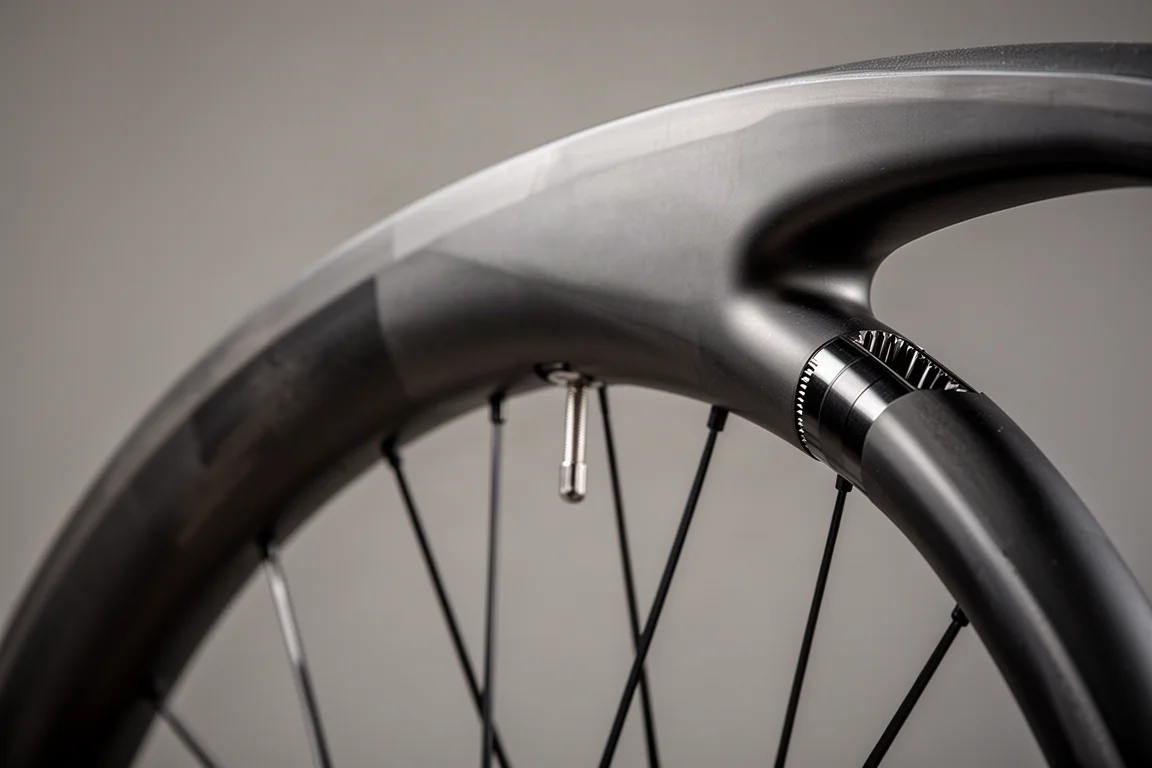
The construction has changed as well. Older rims of this type filled the internal void with foam; the new rim uses a rib inside each spoke position instead, with the spoke reinforced and propped out. That approach is what allows the rim to be made thinner and lighter while still carrying a wider, more aerodynamic profile. The spokes run rim to rim and are bonded at the cross.
One packaging detail is worth knowing. Earlier Lightweight wheelsets shipped with a wheel bag and a small accessory pouch that velcroed inside for spare valves and the manual. The new version does not include a wheel bag.
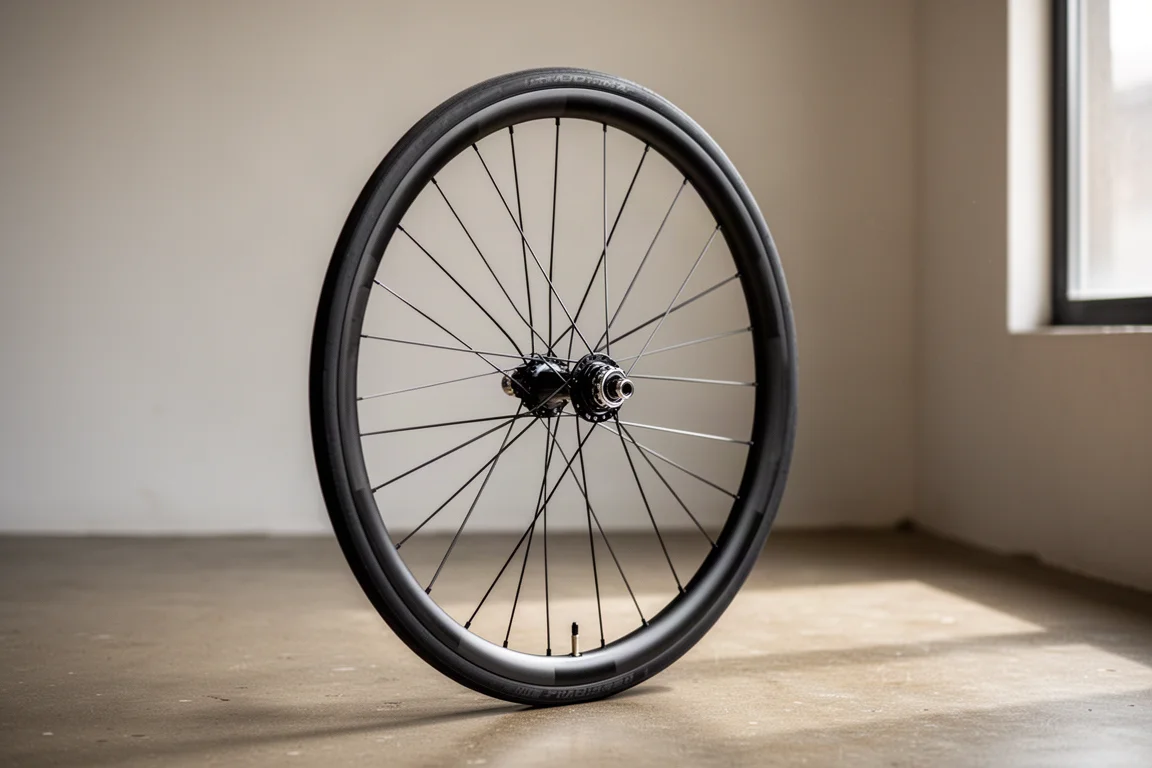
Partington Oasis: The Lightest of the Three
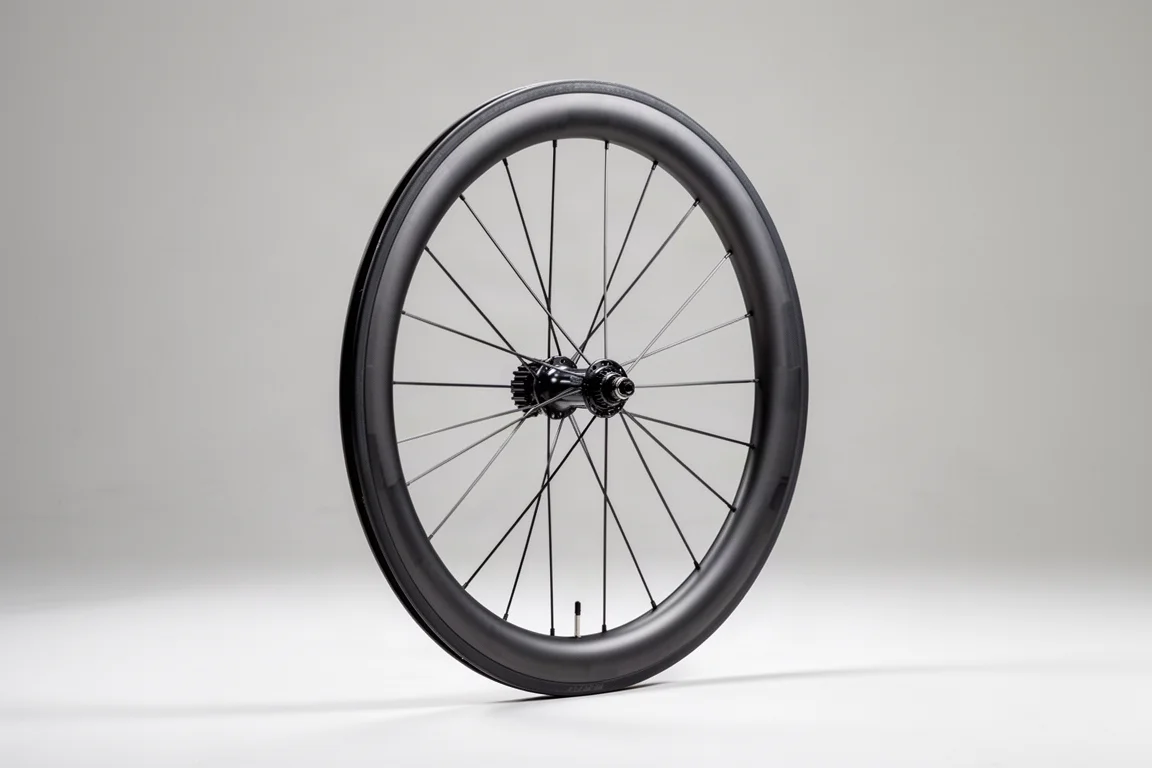
The Oasis is the lightest wheelset in this group. The rear wheel weighed 640.5 g and the front 546.7 g, which makes it the weight winner of the three. It uses a shallower rim than the Meilenstein and a different lacing arrangement.
Measured widths came in at 21.0 mm internally at the front and 21.2 mm at the rear, with 26.6 mm and 26.8 mm externally. That is on the narrow side for a modern rim. With 28 mm and 30 mm tyres now common, a wider internal width gives a better tyre shape and lets you drop pressure without giving up aerodynamic efficiency.
The case for the Oasis is the package rather than the profile. It runs ceramic bearings, comes with a wheel bag, and is backed by a crash replacement warranty and a rider replacement guarantee. It is also around £1,000 cheaper than the Meilenstein in this comparison.
On the truing stand it showed a sharp, localised buckle, though the deviation stayed within tolerance at around half a millimetre.
Mavic Cosmic SLR: The Off-the-Peg Benchmark
The Cosmic SLR is the production wheel in this group, taken straight from the box and run through exactly the same truing check as the two hand-built wheelsets.
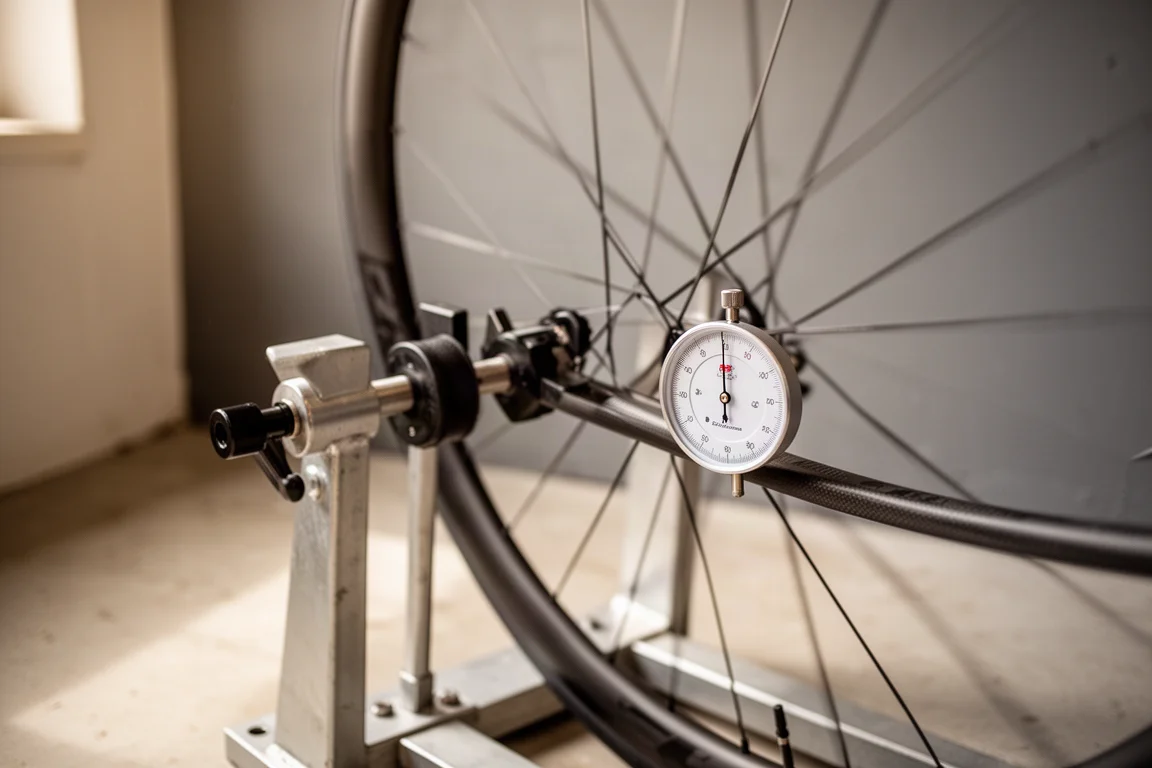
It measured around half a millimetre of deviation, which puts it in the same territory as the Meilenstein and the Oasis. For a wheel that comes off a production line rather than a builder’s bench, that is a solid result, and it sits comfortably inside the five millimetre tolerance the industry works to.
Rim weight, internal width and depth were not recorded for the Cosmic SLR in this comparison, so it stands here as the reference point for out-of-the-box trueness rather than as a full specification match for the other two.
What the Truing Stand Revealed
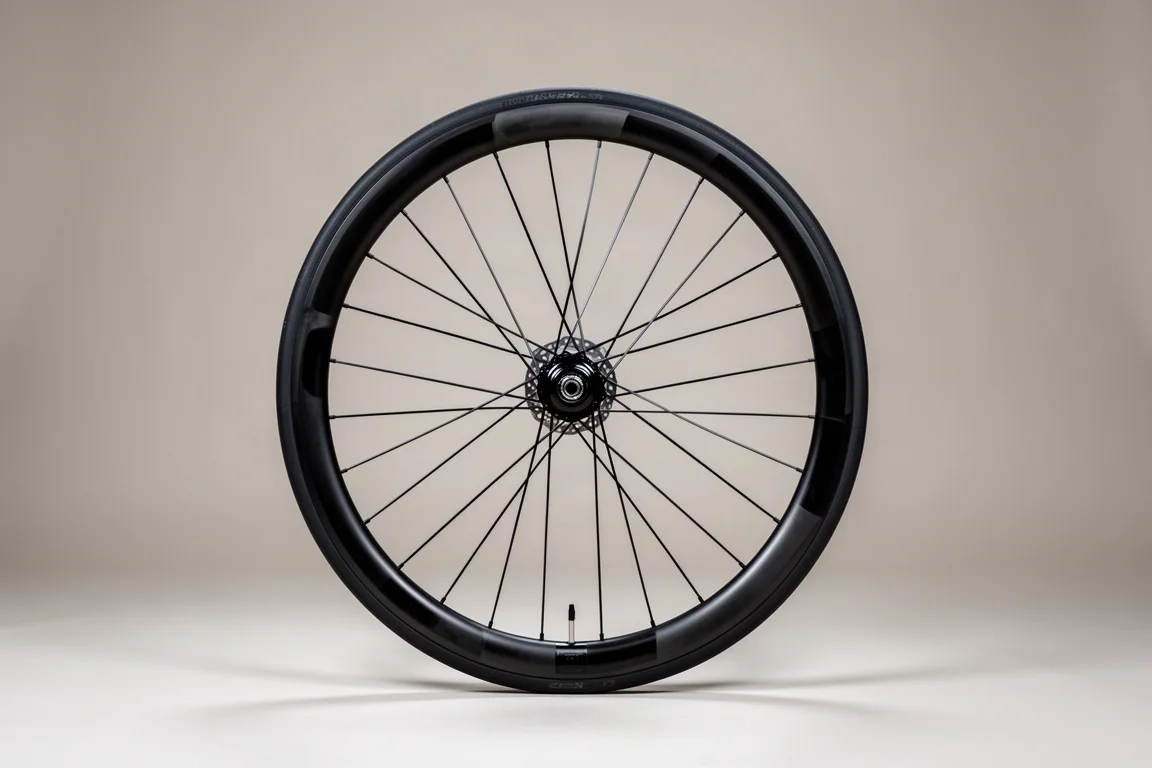
The truing stand measures rim deviation vertically and laterally, which is what riders usually describe as roundness and side-to-side wobble. The industry standard tolerance for that deviation is five millimetres.
All three wheelsets in this comparison landed within roughly half a millimetre, which is well inside that standard. For context, the wheels being hand-built alongside this comparison were assembled to around a quarter of a millimetre of deviation, so there is a difference between a wheel that simply passes and a wheel that is built to a tighter target.
One caveat matters when reading a truing stand. At this level of magnification, the finish of the rim surface and any decal can influence what appears on the gauge. A reading of half a millimetre is not a defect; it is a wheel that sits comfortably within tolerance.
Buying Advice: Matching the Wheel to the Rider
If low weight is the priority, the Partington Oasis is the clear pick of the three, at 640.5 g rear and 546.7 g front, with ceramic bearings, a wheel bag and a crash replacement warranty included.

If you want the most modern rim profile here, the Lightweight Meilenstein is the one to look at: 22.9 mm internal, 28.7 mm external, 45 mm deep, with DT Swiss internals and a revised internal rib structure that keeps weight down while widening the rim. Just budget for a wheel bag separately, since the new version no longer includes one.
If you would rather buy a production wheel and know it will arrive true, the Mavic Cosmic SLR measured as well as either boutique option on the truing stand.
On price, the Meilenstein sits at the top of this group at around £6,500 in its standard build, with a CeramicSpeed bearing upgrade quoted at roughly £500 more. The Oasis comes in around £1,000 below that while including ceramic bearings and a wheel bag.
Before you commit, check two things against your own riding: the tyre width you plan to run, and whether the wheelset includes the accessories and warranty cover you expect at this price.
Conclusion
Three premium wheelsets, three different arguments. The Partington Oasis wins on weight and on what comes in the box. The Lightweight Meilenstein wins on rim profile, with a wider and deeper design than the generation it replaces and DT Swiss internals. The Mavic Cosmic SLR is the reminder that a production wheel can measure just as true as a hand-built one.
Match the choice to the number that matters most to you, whether that is grams, rim width or out-of-the-box trueness, and any of the three will serve the rider it was designed for.
Further reading
Related Reviews

Backpacking Gear
Building a 10 lb Base Weight: An Ultralight Backpacking Gear List
A practical walkthrough of the ultralight pieces behind a 10 lb base weight, from a 765 g pack and a roomy one-person tent to a full camp chair and a dependable water filter.

Road Bikes
10 New Road Bikes Worth Watching: Aero, Titanium, Steel and Endurance Standouts
A practical roundup of 10 new road bikes, from aero flagships chasing single-watt gains to titanium, steel and endurance platforms built for real roads.
Bikepacking Gear
11 Bikepacking Essentials for Long-Distance Cycling
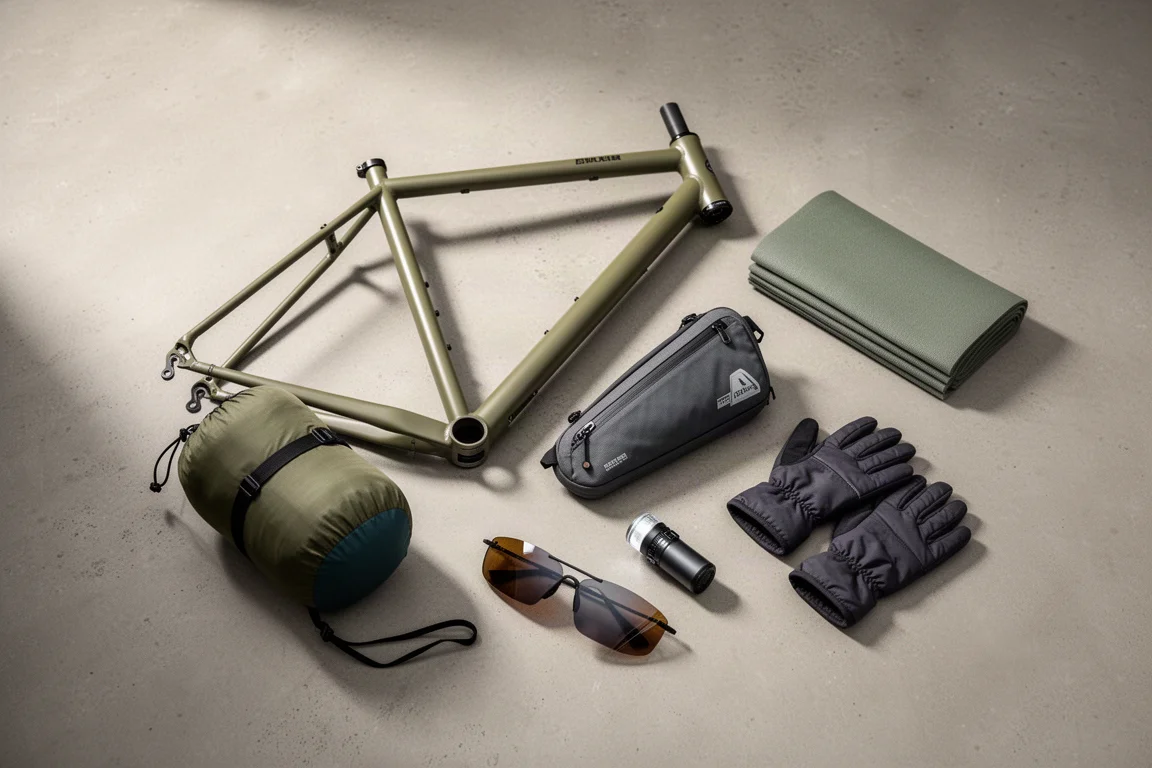
Eleven bikepacking essentials for long-distance cycling, from a steel gravel frame and a two-person tent to helmet lights, packable gloves, and a frame bag that puts weight in the right place.