Hi-Fi Audio
Premium Audio Upgrades for 2026: Six Components Worth Planning Around
Six higher-end audio components worth planning around, from a screen-equipped network streamer to a $3,000 pair of speakers, two Goldring cartridges, and two very different turntables.
Introduction
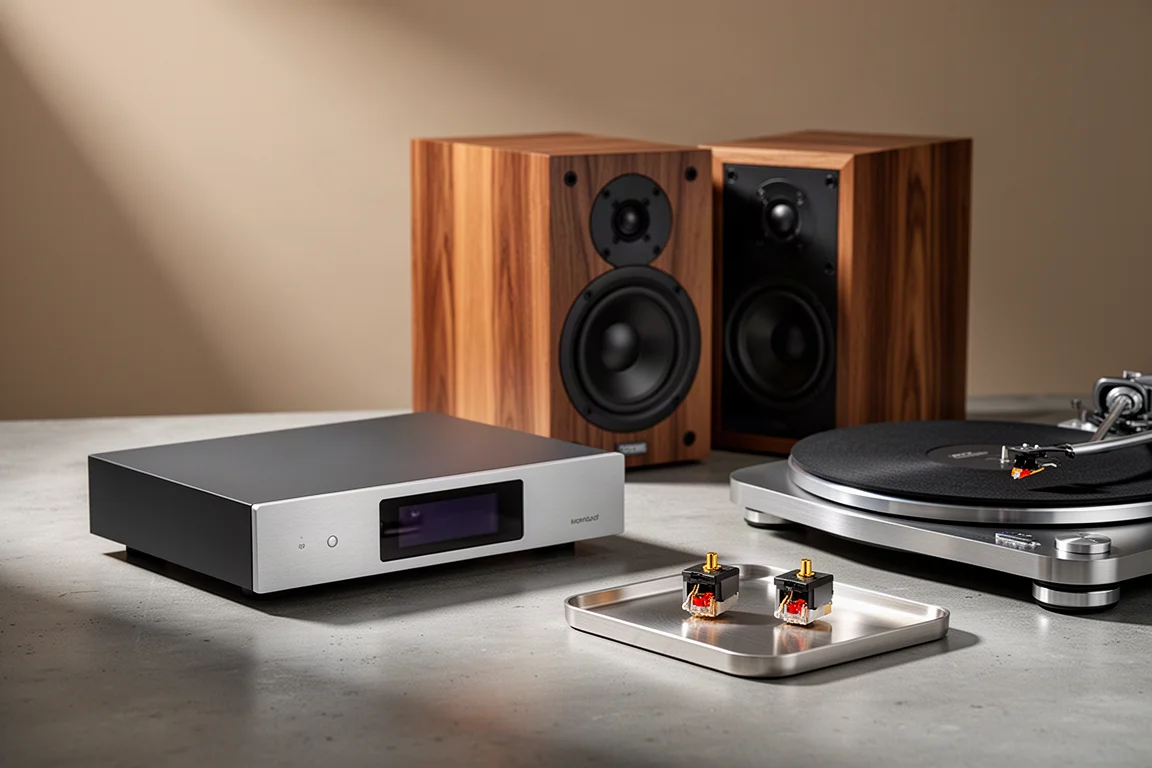
The next stretch of coverage here moves up the price ladder, and the six components on this list are the reason. Between them they cover most of what a serious two-channel system needs: a network streamer with a real display, a pair of speakers designed by Andrew Jones for MoFi, two Goldring phono cartridges, and two turntables at very different price points. Each one gets a closer look in the weeks ahead. This overview is about what they are, where they sit, and who they suit.
Price is relative, and that is worth stating plainly. A component that looks expensive next to an entry-level deck can look modest next to a flagship turntable. The aim here is to be honest about positioning and about what a buyer actually gains.
What These Components Have in Common
Every item on this list is a step above the usual starting point, and each one answers a specific problem rather than piling on features. The Eversolo streamer responds to a common complaint about screenless streamers. The MoFi speakers aim to deliver enough bass that a subwoofer becomes optional. The Goldring cartridges offer a defined upgrade path for vinyl listeners, and the two turntables bracket the market from an approachable Audio-Technica deck to a specialist Michell model.
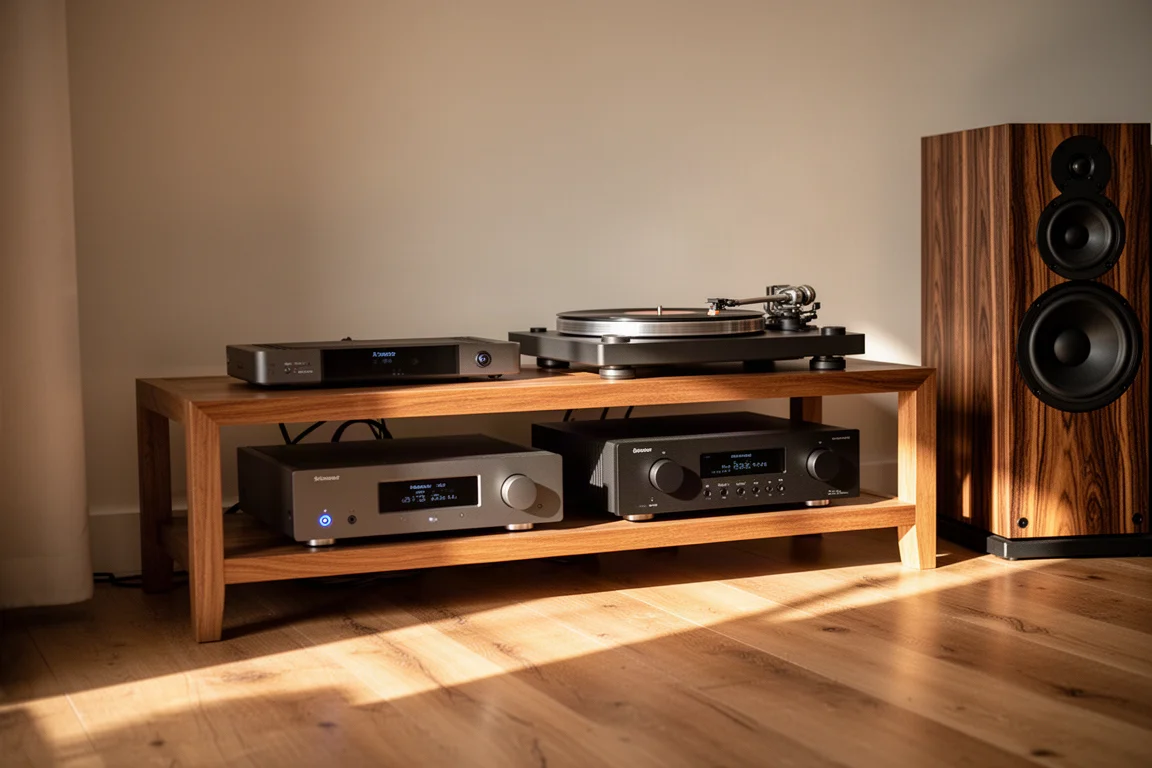
The second shared thread is system fit. A cartridge, a turntable, a streamer, and a pair of speakers all depend on the rest of the chain, so it helps to identify which link in your own setup is holding everything back before spending.
Value is also a moving target. The most expensive item here is not automatically the most important purchase, and the least expensive is not automatically the weakest. What matters is how each component interacts with what you already own and what you actually listen to.
Eversolo DMP-A6: A Network Streamer With a Real Display
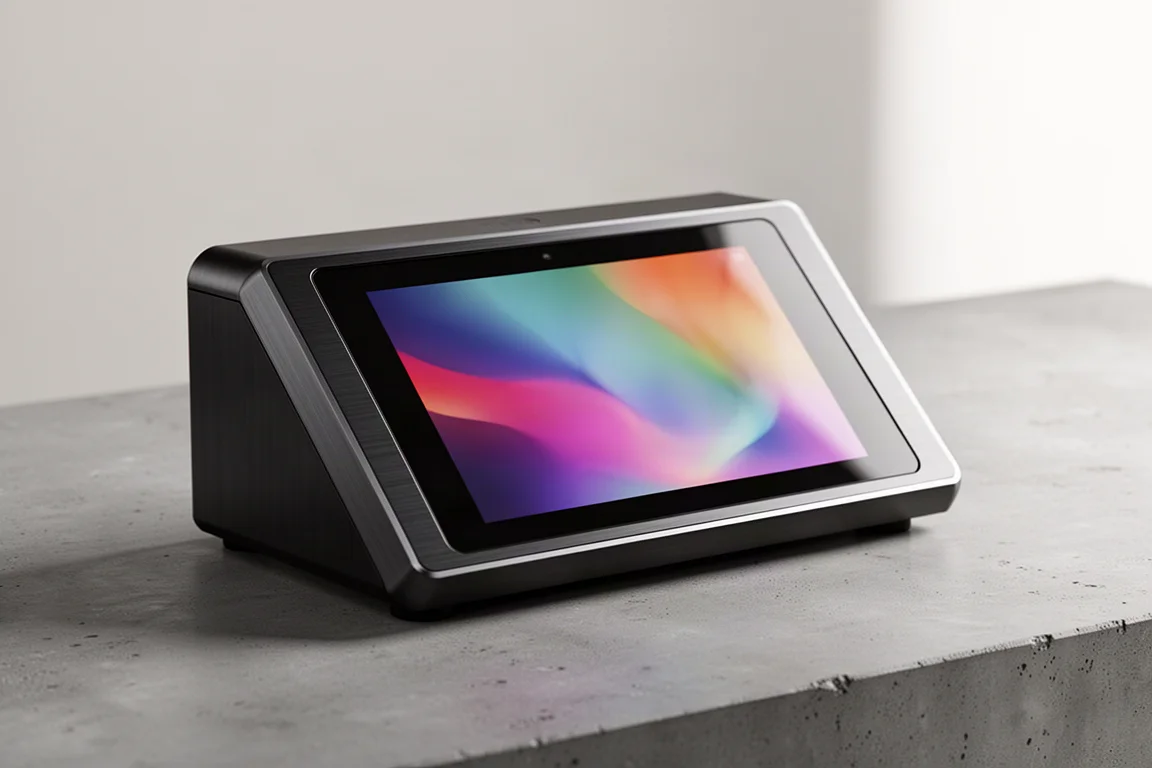
The Eversolo DMP-A6 is a network streamer built around a front display, and that is the feature that has drawn most of the attention. Screens are still rare on streamers, and the DMP-A6 can show album artwork, something the widely used WiiM Pro cannot do. For listeners who like to see what is playing, that alone changes how the component feels in daily use.
Connectivity is unusually broad at this level. The DMP-A6 offers balanced outputs, single-ended outputs, digital outputs, digital inputs, USB connections, an HDMI output, and a hardwired Ethernet port, along with three antennas for wireless use. Inside, it uses dual Sabre ES9038Q2M DAC chips and a fully balanced preamp circuit, with support for DSD, high-resolution audio, aptX Bluetooth, and full MQA decoding, plus seven selectable filter types.
Streaming support covers Amazon Music, Qobuz, and Tidal, with Roon Ready certification and Tidal Connect. The DMP-A6 is listed at $860 and sold on Amazon by Eversolo, which places it above the entry-level streamers many listeners start with. It is the natural next step for anyone who wants a display, a balanced output stage, and a preamp in the same chassis.
MoFi SourcePoint 8: Andrew Jones Returns With a Larger Two-Way
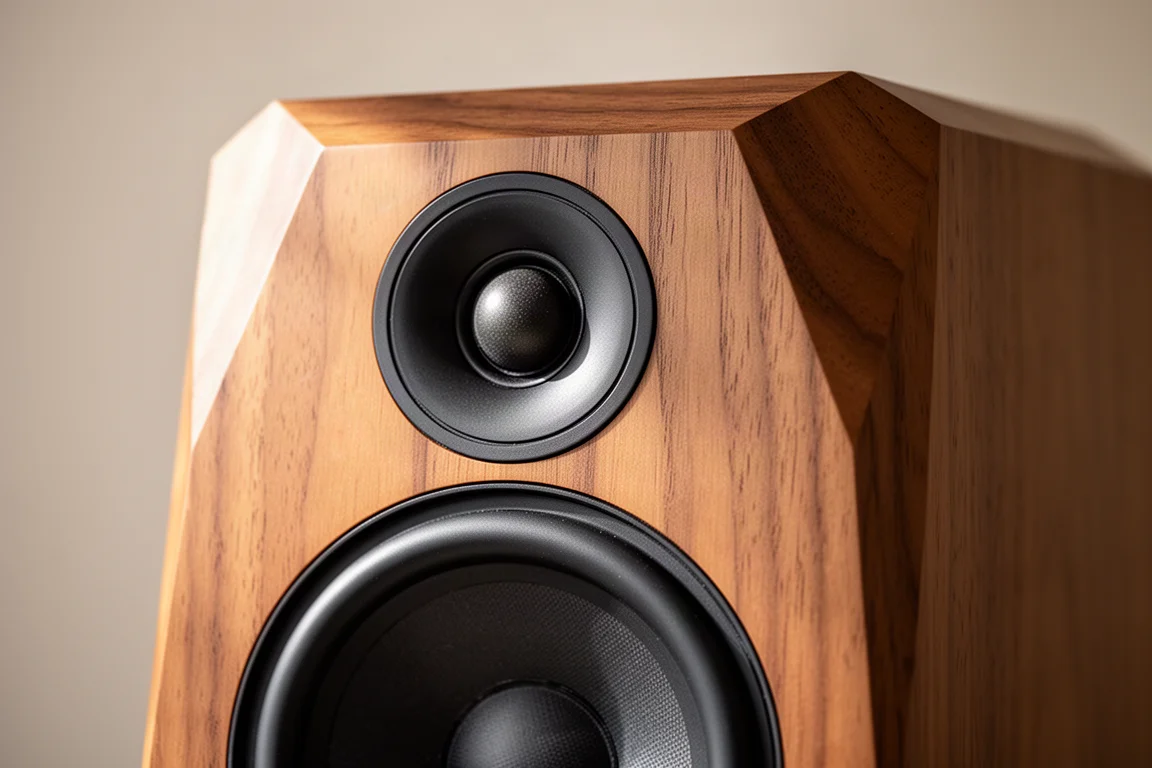
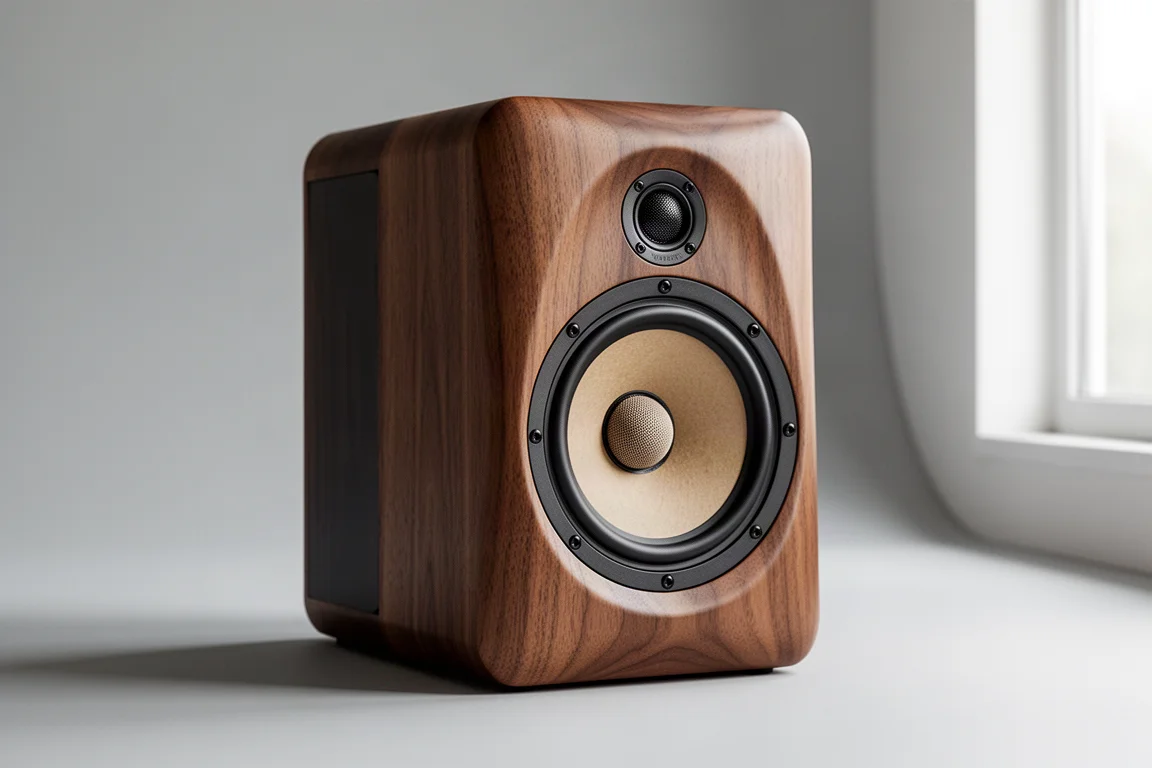
The SourcePoint 8 is the second speaker from Andrew Jones since he joined MoFi Electronics, and it sits below the larger SourcePoint 10 in the range. It is a concentric two-way design with a faceted front baffle, an eight inch woofer, and a one and a quarter inch soft dome tweeter. MoFi quotes a frequency response of 47 Hz to 30 kHz, a sensitivity of 87 dB, and an impedance of 8 ohms.
The cabinet uses real wood veneer, and the feature list is deliberately plain: two rear ports and single binding posts, with no bi-wiring or bi-amping options. Sensitivity at 87 dB means it is not a difficult load to drive, which is a change from some earlier Andrew Jones designs that needed a lot of amplifier power before they came alive.
Early listening has been encouraging. The midrange shows strong layering and separation, and bass output is generous enough that a subwoofer can be left out of the setup without the system sounding thin. The paper woofer contributes to that fuller low end. At $3,000 per pair, it is the most expensive speaker covered here so far, and the most useful comparison will be against other premium two-way designs in the same bracket.
Goldring E4: A Step Up From the E3
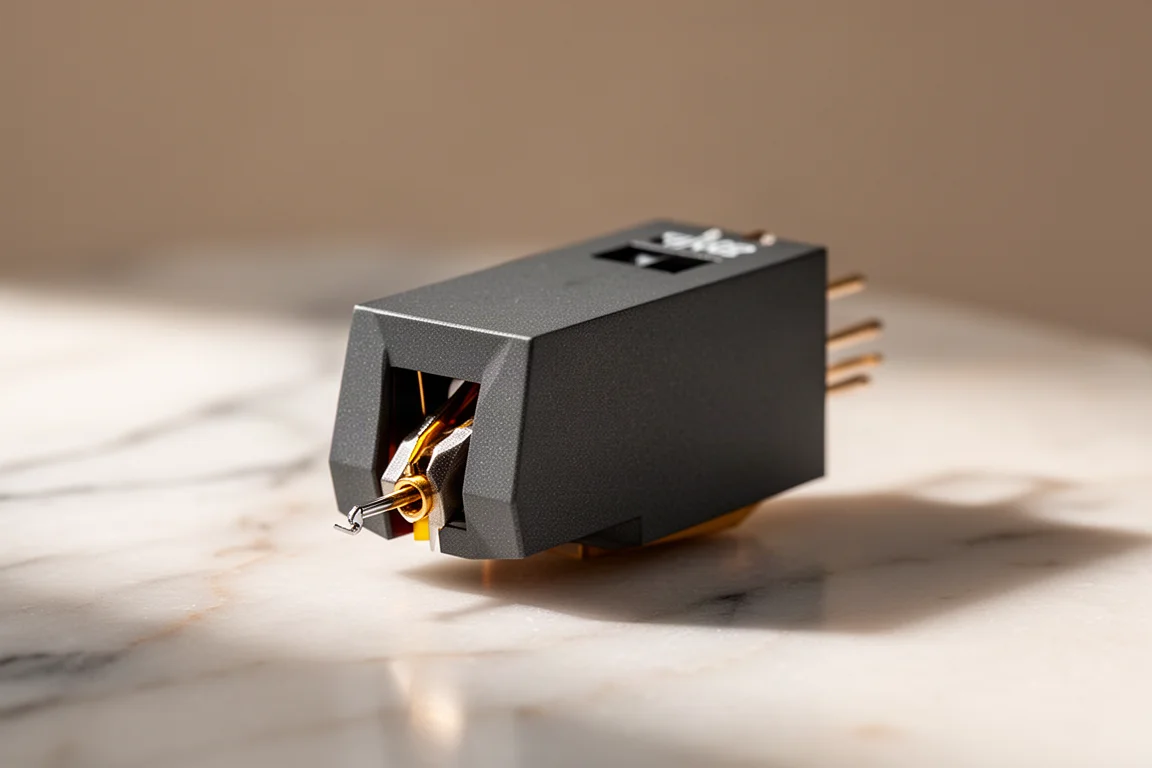
Goldring’s E4 is a phono cartridge that sits above the E3 rather than replacing it. That distinction matters for anyone already running an E3, because the E4 is positioned as a clear step up in the same family rather than a like-for-like update. For vinyl listeners who want a defined upgrade without leaving a familiar voicing behind, that is a straightforward proposition.
A cartridge change is one of the few places in a vinyl system where a single swap can shift the character of the sound, and the E4 is aimed squarely at that decision. It suits a listener who has outgrown a stock or entry-level cartridge and wants the next tier up from the same maker.
Goldring Eroica HX: The Higher Goldring Tier
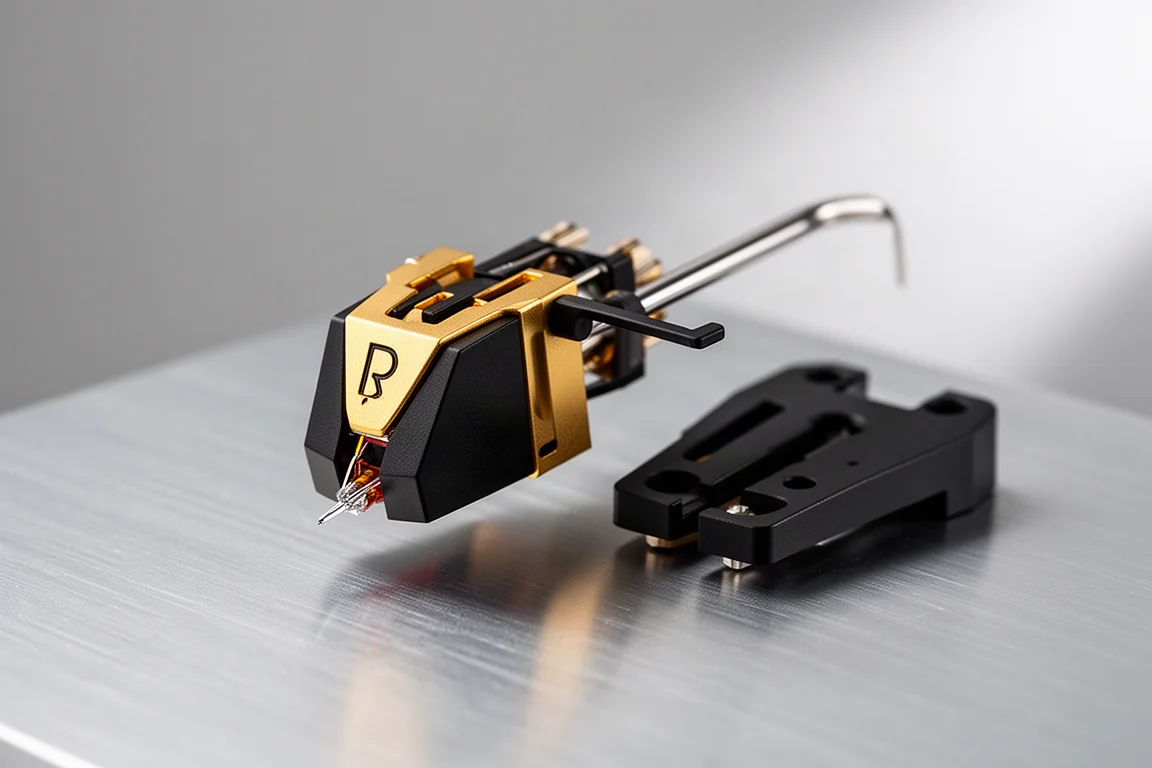
The Eroica HX is the second phono cartridge arriving from Goldring, giving vinyl listeners another route upward from the same maker. It joins the E4 on this list, and the two will be compared side by side once both are running in a system.
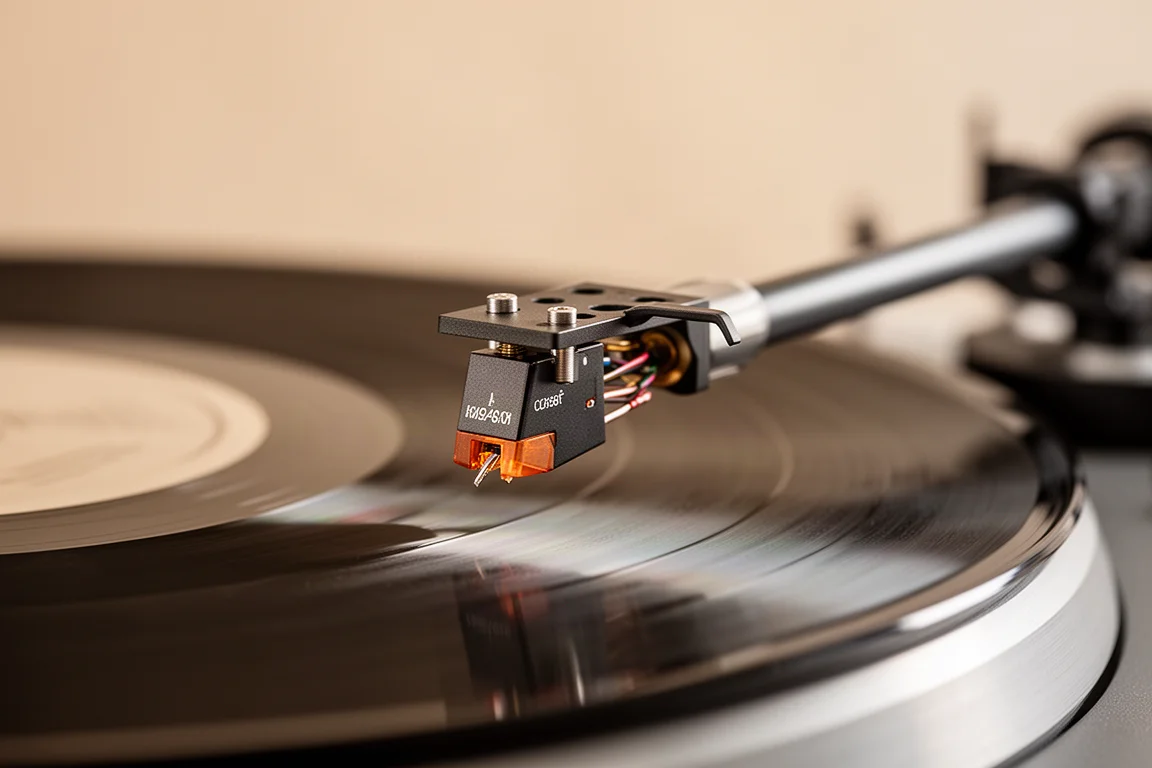
Choosing between two cartridges from the same brand comes down to what your turntable and tonearm can support and what kind of presentation you prefer. Both reward careful alignment and a clean record collection, and both make most sense on a deck that is already sorted rather than a first turntable.
Audio-Technica AT-LP120XUSB: A Practical Entry Into Vinyl
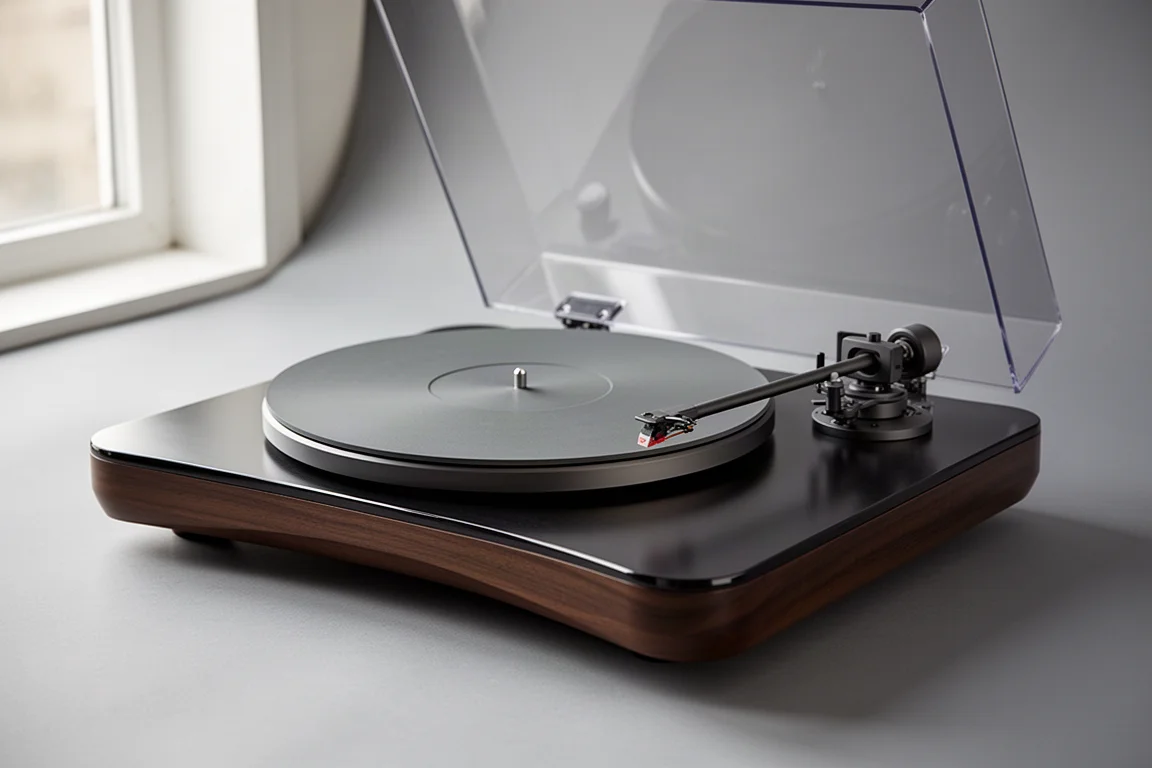
The AT-LP120XUSB is Audio-Technica’s take on a beginner-friendly turntable, and it arrived here at $250 during a Prime Day promotion. Starter deck coverage usually focuses on Fluance, U-Turn, and Pro-Ject, so this is a useful reminder that Audio-Technica builds a competing option at a similar level, with the USB designation in the model name pointing to digital recording capability.
At this price the appeal is simple: a complete, widely recognised deck that gets a listener spinning records without a large outlay. It is unlikely to displace a more expensive turntable already in a system, but it makes a sensible second deck for another room, or a low-risk first step into vinyl.
Michell TecnoDec: A Specialist Turntable at an Accessible Price
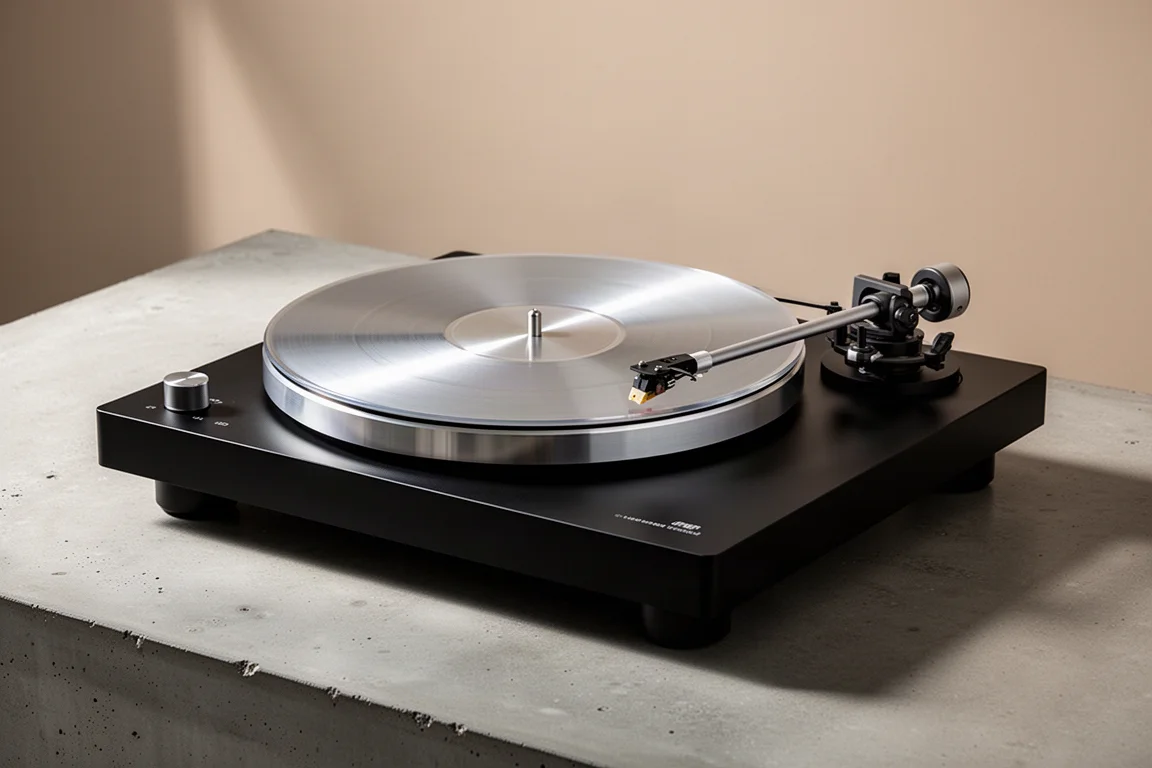
The TecnoDec is Michell’s entry-level turntable, and it lands around $1,000. Michell builds considerably more expensive decks, so this model is the way into the brand without flagship money. For a listener who has been running a starter turntable and wants something from a specialist maker, that positioning is the main draw.
The name is part of the charm, and the price bracket puts it in direct competition with upper mid-range decks from more mainstream brands. Anyone considering it should weigh how much of the budget belongs to the turntable itself versus the cartridge and phono stage that go with it.
Buying Advice: Matching Components to a Real System
Six products, four roles. The streamer, the speakers, the cartridges, and the turntables do different jobs, and the right order to buy them depends on where the weakest link is right now.
If your digital front end is the limitation, the DMP-A6 is the most self-contained upgrade on the list: streamer, DAC, and preamp in one chassis, with a display that makes it easy to live with. If the speakers are the weak point and you would rather keep a subwoofer out of the room, the SourcePoint 8 is the one to audition, budget permitting. For vinyl, a cartridge change is usually the least disruptive way to shift the sound, which makes the E4 or the Eroica HX worth considering before a new deck. And if the deck itself is the bottleneck, the AT-LP120XUSB covers the accessible end of the market while the TecnoDec sits at the top of this particular group.
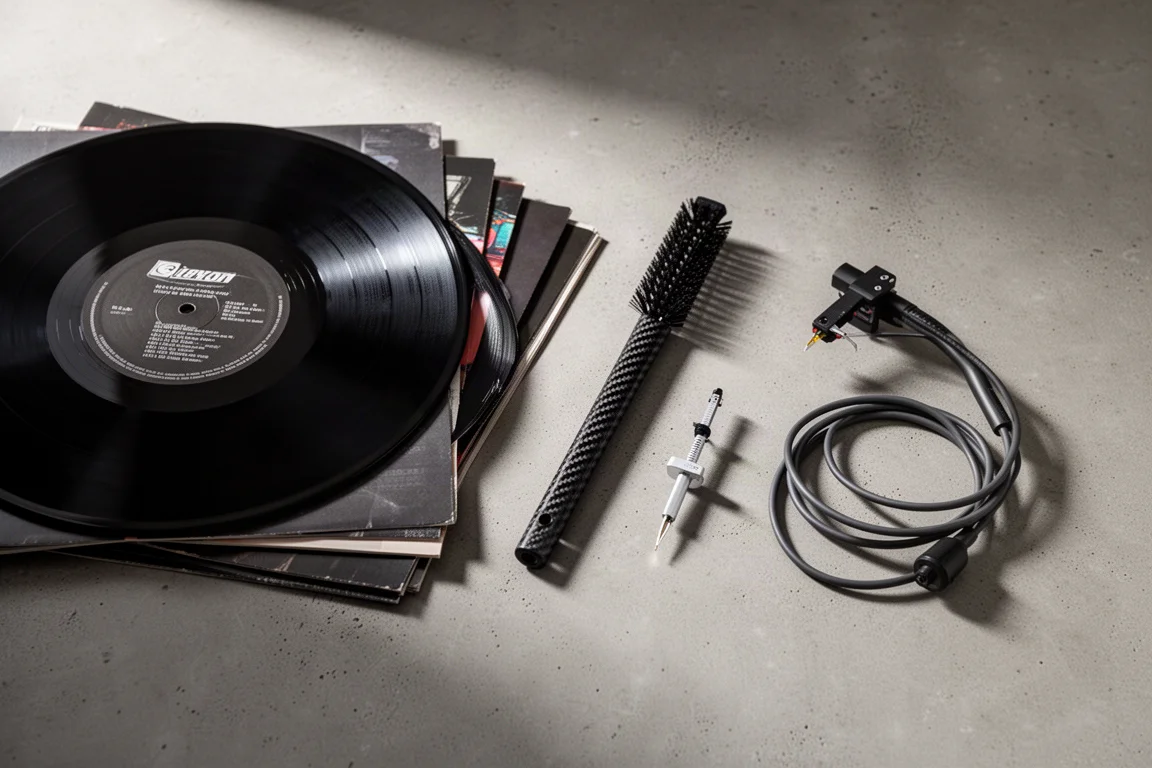
One practical note before any of this gets ordered: expensive components only pay off when the rest of the chain keeps up. A premium speaker pair on a modest amplifier, or a specialist cartridge on a budget tonearm, will not show what it can do. Buy in the order that fixes the biggest weakness first, and treat each purchase as part of a system rather than a standalone win.
Conclusion
These six components share a theme: each one is a considered step above the usual starting point rather than a sideways move. The DMP-A6 brings a screen and a full feature set to streaming, the SourcePoint 8 shows what a modern two-way can do with bass weight and midrange layering, the Goldring cartridges give vinyl listeners two upgrade routes, and the two turntables cover both ends of the vinyl ladder. Closer write-ups on each are coming, and the details above should be enough to decide which one is worth watching.
Further reading
Related Reviews
Hi-Fi Audio
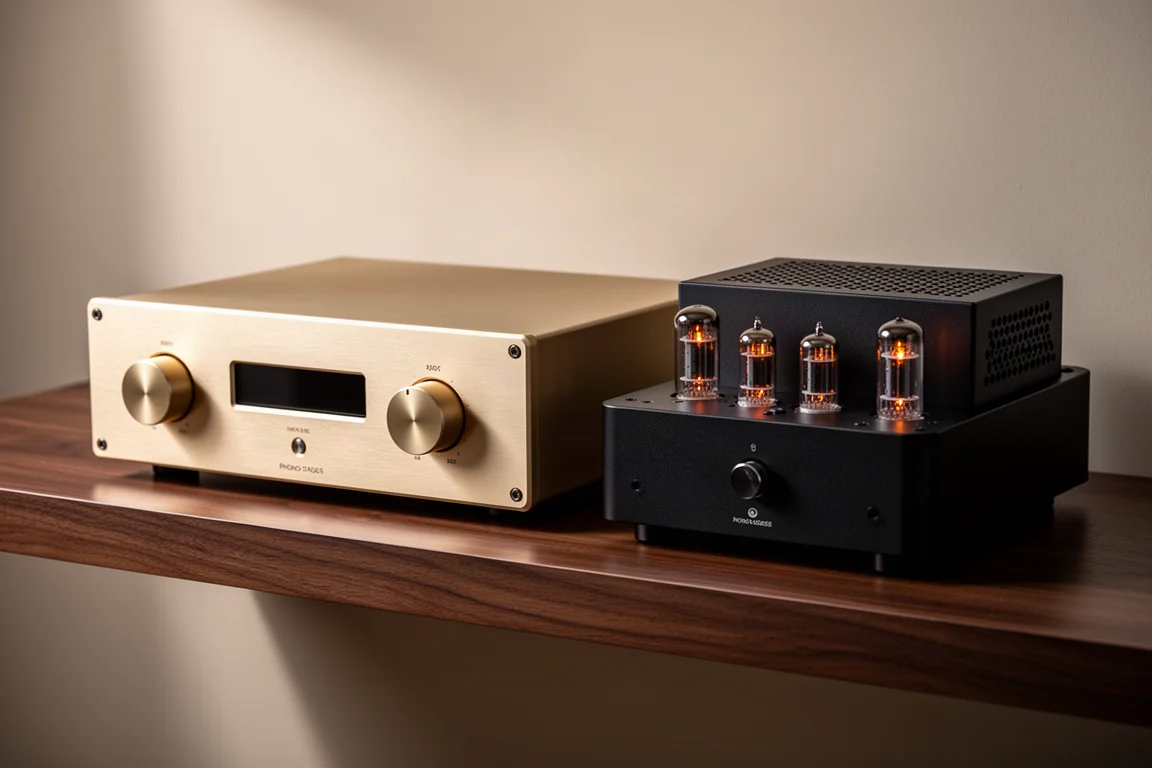
Accuphase C-57 vs Allnic H-7000V: Two High-End Phono Stages Compared
A fully balanced solid-state phono stage with a pitch-black noise floor meets a tube design built for well-loved records. Here is how to choose between them.
Hi-Fi Audio
Active vs Passive Hi-Fi: Five Components for a Modern System
Five components that define modern active and passive hi-fi systems, with the strengths, trade-offs and setup details worth weighing before you buy.
Hi-Fi Audio
Advance Paris A10 Apex Review: A Hybrid Integrated Amplifier That Covers a Lot of Ground
A French hybrid integrated amplifier with a class A tube preamp stage, analogue power meters, and an internal DAC and phono stage good enough to make extra boxes unnecessary.