Coffee
Pregrown Coffee vs Fresh Grind: When Older Coffee Beats a Cheap Grinder
Testing whether a week-old coffee from a quality grinder outperforms fresh coffee from budget grinders, and what it means for your daily brew.
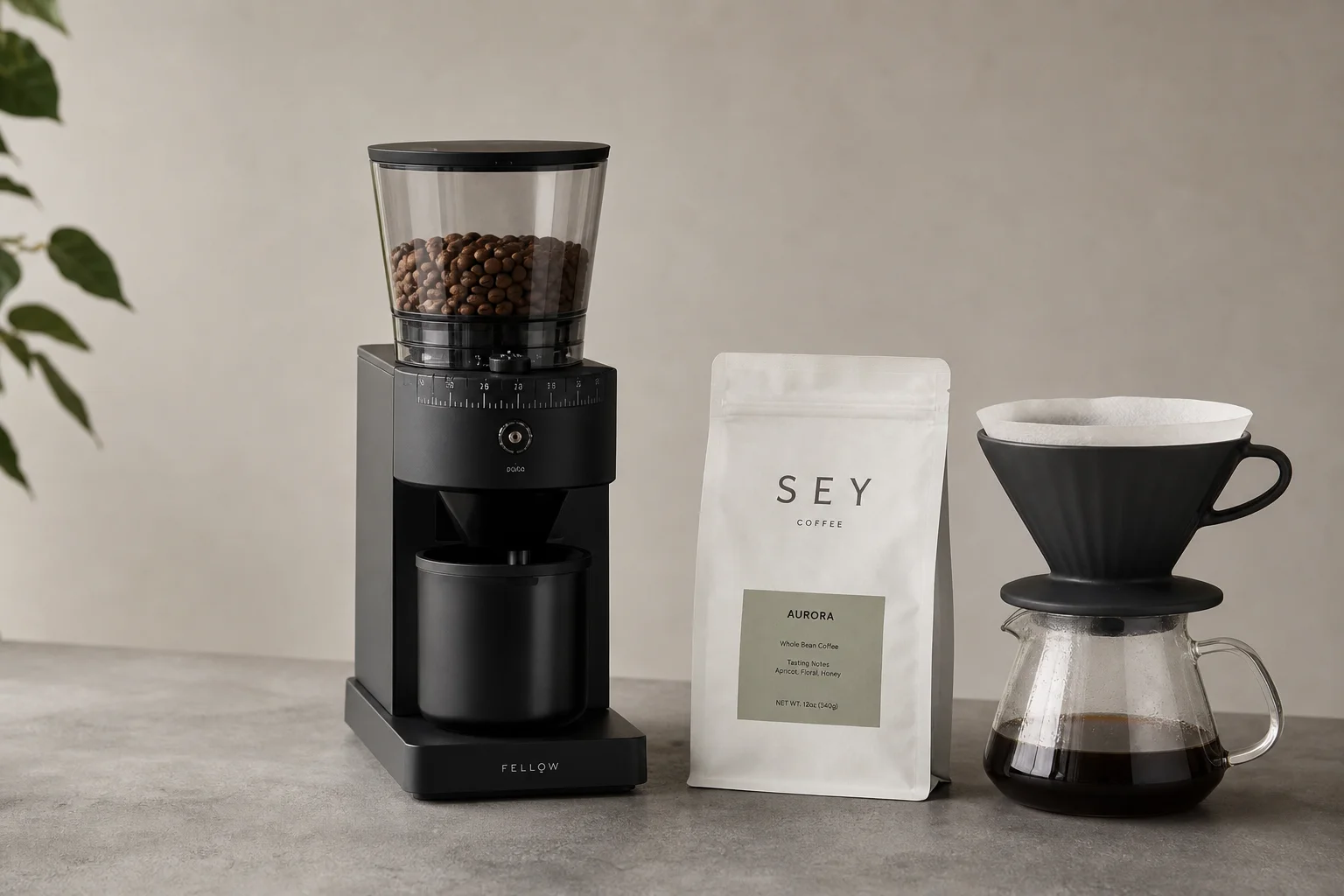
The Freshness Assumption
The coffee world has a near-universal rule: grind your beans fresh. It is presented as an absolute, a non-negotiable step toward better coffee. Fresh grinding is aromatic, it is flavorful, and it feels like the right thing to do. But what if the rule is not quite as absolute as we believe?
The question becomes more interesting when you consider the grinder you own. A high-quality burr grinder produces a more uniform grind than a budget alternative. But does that advantage persist indefinitely? If you grind coffee on a premium grinder and let it sit for a week, at what point does it become worse than coffee ground fresh on a cheap grinder?
Testing Ground Coffee Age
To explore this question properly, we conducted a series of tastings using the same specialty coffee ground at different ages: fresh, one day old, two days old, seven days old, ten days old, and up to sixteen days old. The coffee was ground on a high-end burr grinder known for producing excellent results.
The progression was striking. Fresh coffee tasted sweet, complex, and vibrant. By one day old, noticeable sweetness and aromatic complexity had already faded. At two days, the loss accelerated. By seven days, the coffee had become noticeably harsh and unpleasant, with bitterness creeping in. By ten days, unpleasant flavors dominated.
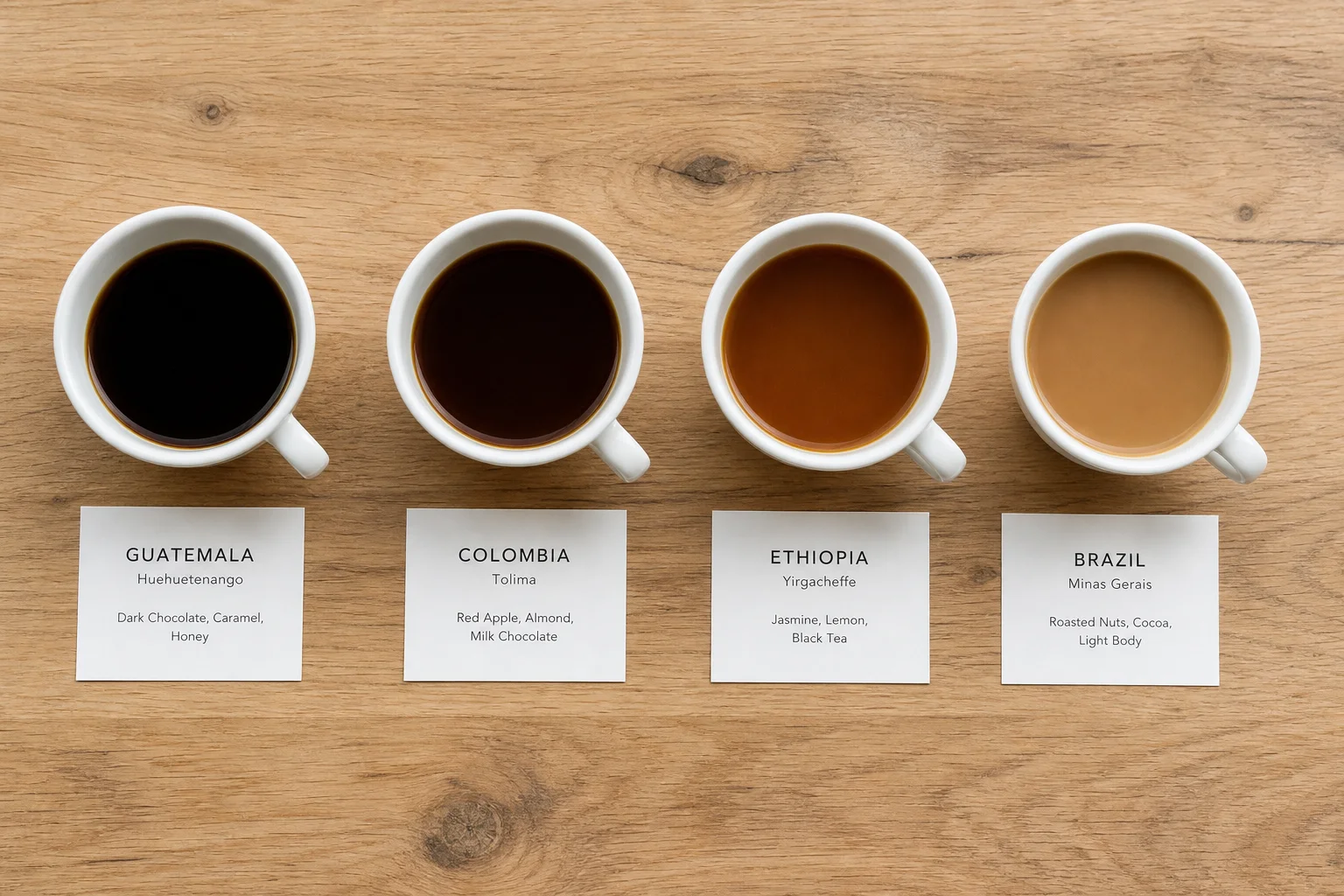
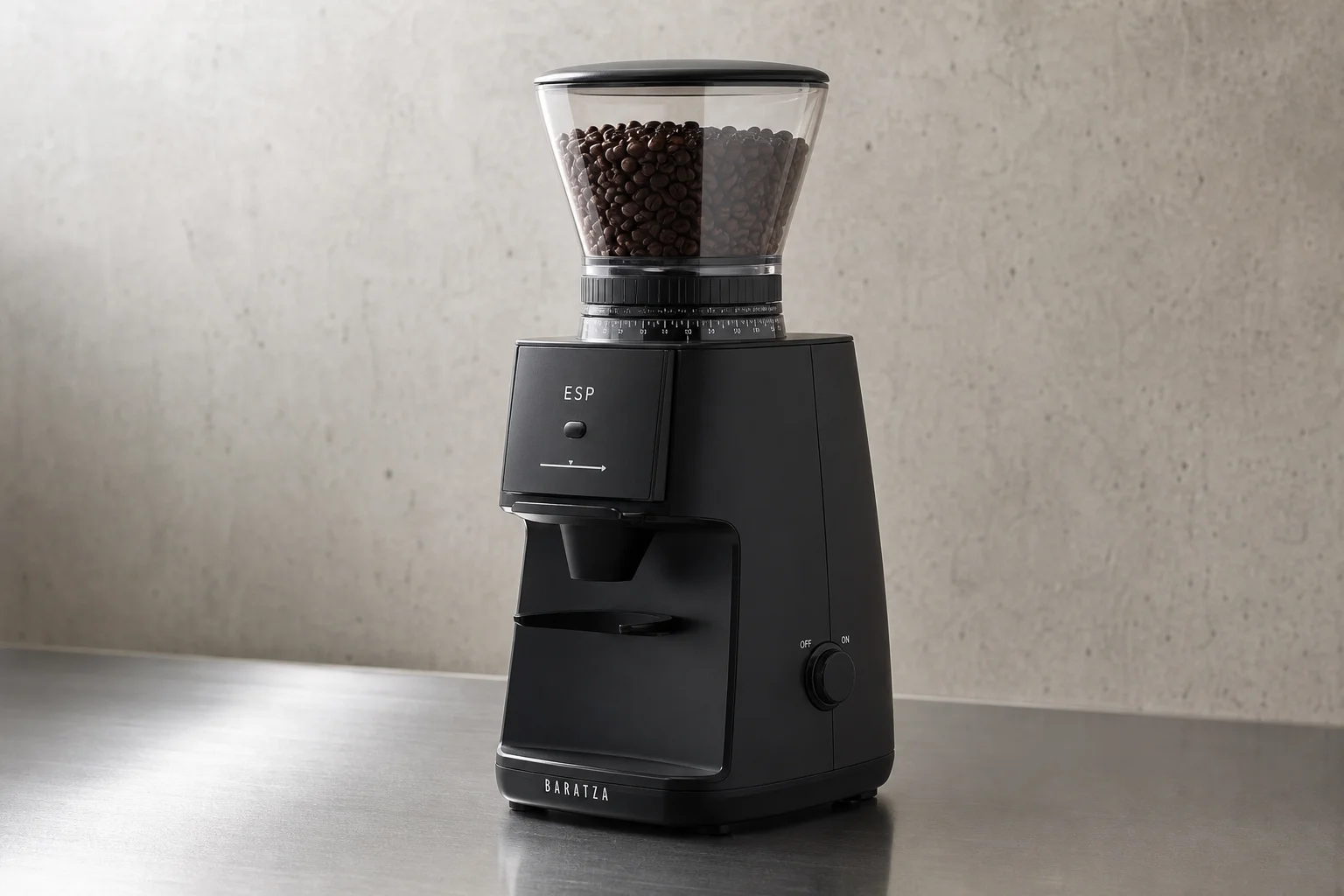
We then compared this aged coffee against fresh samples from three different grinders: a cheap whirly blade grinder, a cheap false burr grinder, and a Baratza ESP, a solid mid-range burr grinder priced around £160. The results challenged conventional wisdom. The seven-day-old coffee from the premium grinder tasted better than fresh coffee from both the blade and false burr grinders. It was only slightly less pleasant than fresh coffee from the Baratza ESP.
Freezing Ground Coffee
A natural follow-up question emerged: what if you froze the ground coffee after grinding? We repeated the test, storing ground samples in a freezer at -20°C after grinding. The results showed that frozen ground coffee degraded more slowly than room-temperature samples, but the overall pattern remained similar. Seven-day-old frozen ground coffee still tasted better than fresh coffee from budget grinders.
What the Data Actually Shows
To test whether everyday coffee drinkers agreed with these findings, we conducted a blind tasting with nearly 90 people at a specialty coffee shop in London. Participants ranked four samples: seven-day-old pregrown coffee from a premium grinder, and fresh coffee from the blade grinder, false burr grinder, and Baratza ESP.
The results were statistically inconclusive. On average, the Baratza ESP ranked highest, followed closely by the seven-day-old coffee, then the blade and false burr grinders. However, the differences were small enough that they could easily be due to chance. The group showed no strong, coherent preference.
When we separated the data by coffee drinking habit, a clearer pattern emerged. Among filter coffee drinkers, the Baratza ESP performed significantly better than the blade grinder, and the seven-day-old pregrown coffee ranked similarly to the Baratza. This suggests that people who regularly drink filter coffee and have developed their palate can detect the difference, while casual drinkers may not.
The Practical Takeaway
The most useful takeaway is limited but real: if you use a bag of coffee within a week and cannot afford a quality grinder, buying pregrown coffee from a specialty shop may deliver better results than using a cheap grinder at home. This assumes the coffee is ground appropriately for your brewing method and kept sealed.
However, this conclusion comes with important caveats. A coffee grinder is not just about freshness; it is about control. A grinder lets you adjust grind size to match your brewing method, which is critical for pour-overs and other sensitive brew methods. For less finicky methods like French press or AeroPress, pregrown coffee becomes a more viable option.
The data also suggests that developing your tasting ability matters. People who regularly drink filter coffee detected differences that casual drinkers missed. If you want to understand your own preferences and make better coffee choices, tasting coffee deliberately and comparing samples side by side is more valuable than following rules.
Conclusion
The rule “always grind fresh” remains sound for most people with access to a decent grinder. But it is not absolute. For those without a quality grinder, weekly pregrown coffee from a specialty shop, kept sealed and used within seven days, can outperform fresh grinding on a budget machine. The exception proves the rule, and understanding when and why it applies makes you a more thoughtful coffee drinker.
Further reading
Related Reviews
Coffee
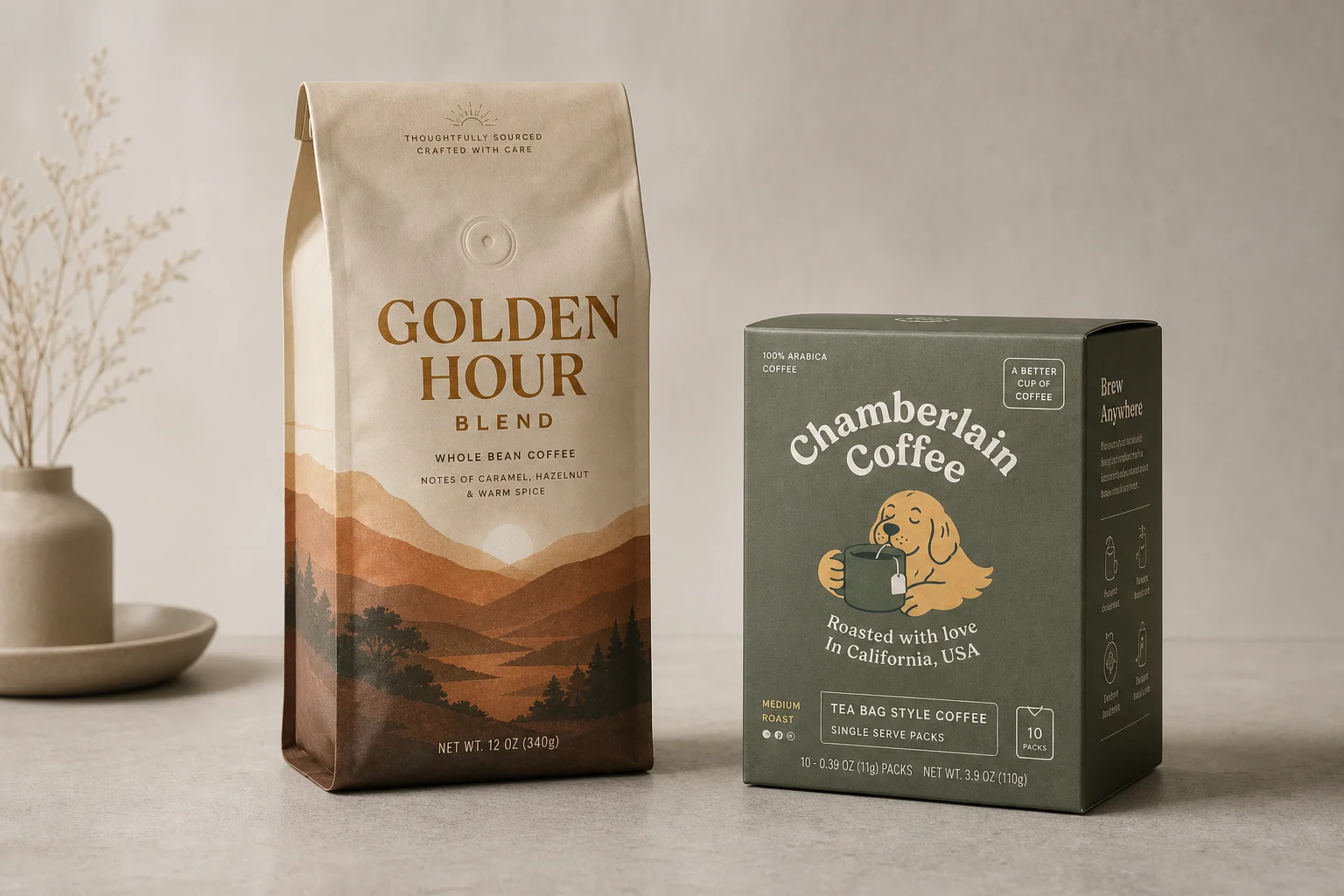
Golden Hour Blend vs Chamberlain Coffee: A Taste Test Comparison
Two celebrity coffee collaborations brewed and tasted side by side. Which delivers better flavor, convenience, and value?
Coffee Equipment
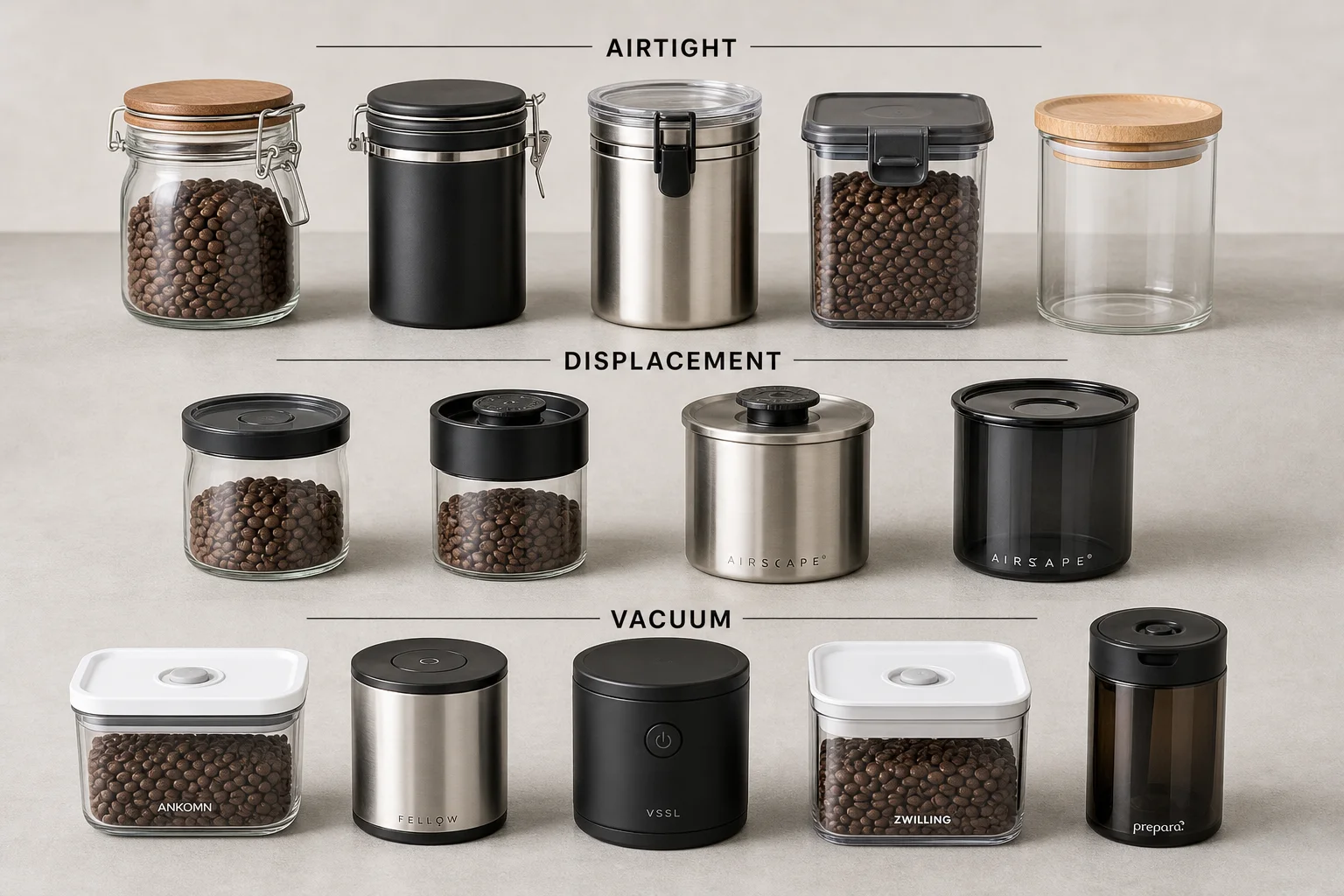
Best Coffee Storage Containers: A Practical Comparison of 11 Options
We tested 11 coffee storage containers across three technology categories to understand which methods best preserve coffee freshness and flavor.
Coffee Brewing
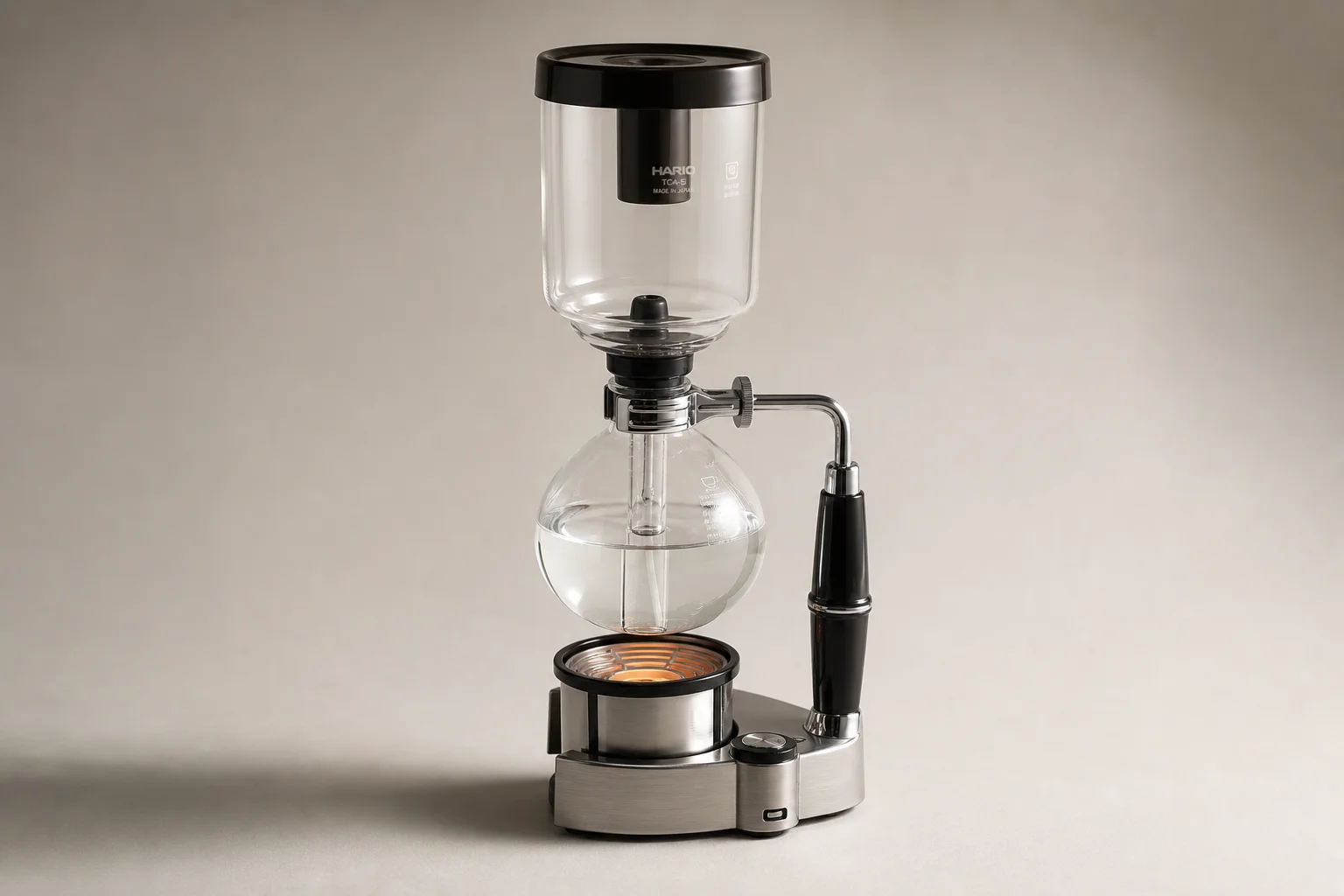
Siphon Coffee Brewer: History, How It Works, and Why It Still Matters
A deep dive into the theatrical vacuum pot, from its 19th-century origins through modern brewing, exploring why this finicky brewer captivates coffee enthusiasts despite its complexity.