Hiking Nutrition
Powder Drink Additives for Hikers: Protein, Electrolytes, and Hydration
A practical look at three powder drink additives for hikers and backpackers, covering Naked Whey protein, ZipFizz, and Liquid IV, plus what to check before you pack them.
Introduction
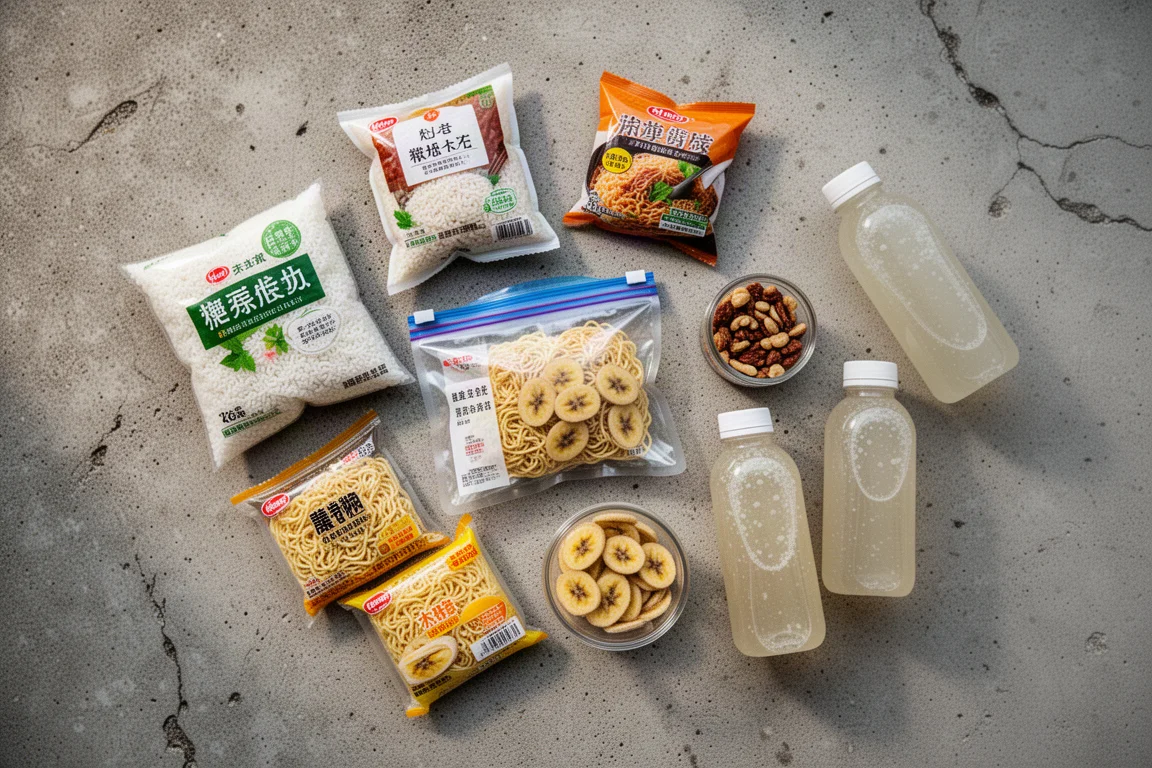
Long-distance backpackers tend to run into the same nutritional problem. Trail food is built around instant rice, pasta sides, ramen blocks, and other quick carbohydrates, and while those meals are light and easy to cook, they leave gaps in protein, vegetables, and electrolytes. Powder drink additives are one of the simplest ways to close part of that gap without adding much pack weight, because they mix straight into water, oatmeal, or a bottle you were already carrying.
This guide covers three options worth knowing: Naked Whey for protein, and ZipFizz and Liquid IV for flavored hydration with electrolytes. It also covers what to look for across the wider category, including greens powders, beetroot powder, and creatine.
What Powder Additives Can Do for Hikers and Backpackers
Most hikers already carry some protein in the form of jerky, tuna packets, peanut butter, or dehydrated ground beef. A powder simply adds a lighter, more flexible option that goes into a drink or a hot breakfast. The same logic applies to vegetables and minerals. A greens or fruit and vegetable powder will not replace real meals, but it can add vitamins and minerals that trail food rarely supplies.
It is worth being realistic about the evidence. Research into greens powder blends is limited, sample sizes have been small, and some studies were funded by the companies selling the products. Even so, whole-food powders may deliver vitamins and minerals in a form that is more useful than a tablet, and adding fruits and vegetables to a diet in any form is unlikely to cause harm.
Protein Powder on Trail: Why Whey Makes Sense
The main decision is between whey and casein. Casein breaks down more slowly, which is why it is often taken before sleep during muscle-building programs, but slow digestion is not helpful when you are already eating constantly to keep up with appetite on a long hike. Whey is the more practical trail option: it is easier to mix, tends to be less clumpy, and is less likely to cause digestive trouble.
If you prefer a plant-based powder, a pea and hemp combination gives the most complete amino acid profile. Bone broth protein, which is a collagen-type protein, is not a complete protein but may be of interest for joint and skin health.
Naked Whey: Clean Protein for Long-Distance Hikes
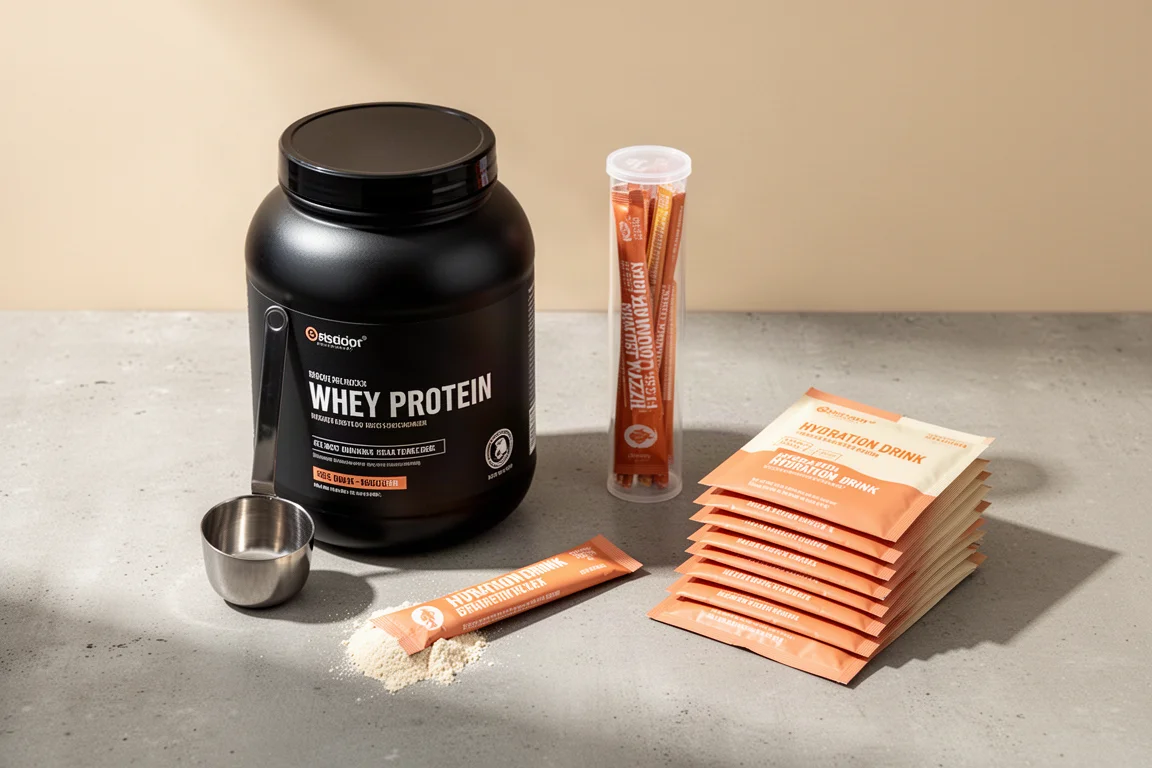
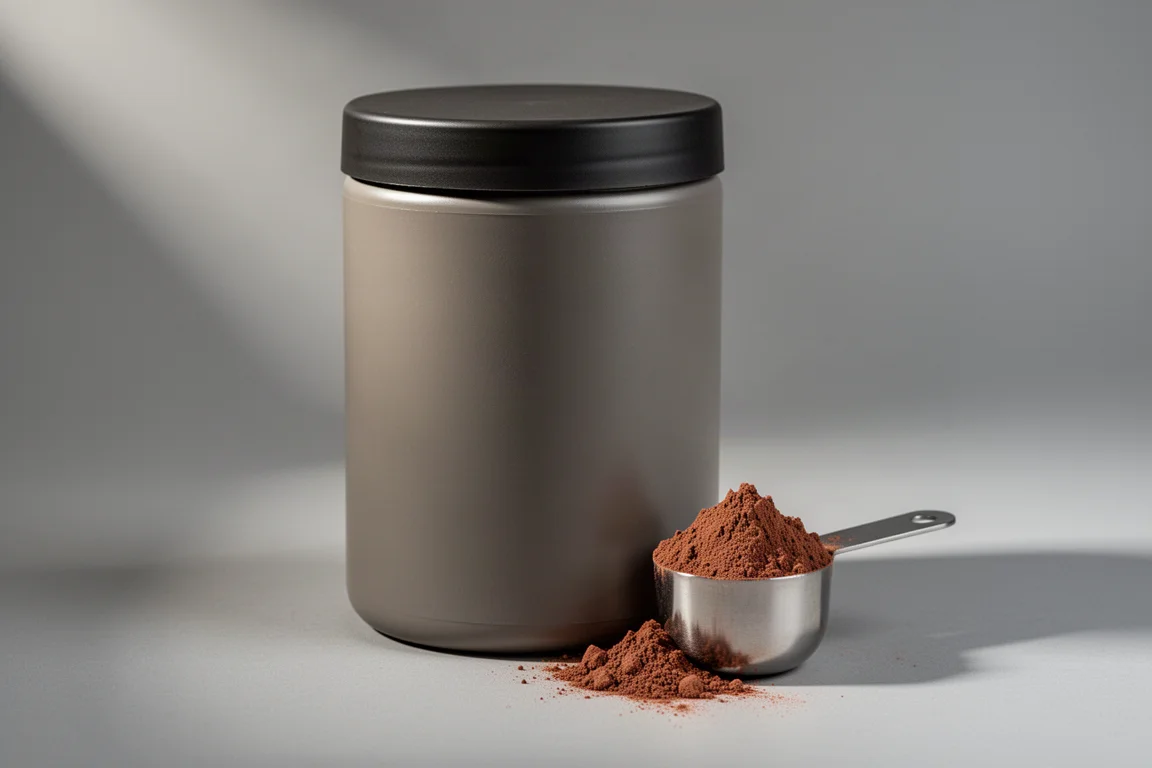
Naked Whey is a whey protein made from grass-fed cows with no additives. That clean-label approach is the main reason to consider it: it suits hikers who want to add protein to a drink or a bowl of oatmeal without bringing along a long list of extra ingredients. The chocolate flavor comes down to personal taste and will not appeal to everyone, so it is worth testing a serving at home before committing to a full bag on a long trip.
It mixes into water, with or without powdered milk, and works well stirred into hot cereal on a cold morning.
Electrolytes and Hydration: Getting the Basics Right
The significant electrolytes are sodium, potassium, and chloride, along with magnesium, phosphate, calcium, and bicarbonate. They help regulate the amount of water in the body and its pH, move nutrients into cells and waste out of them, and support nerve, muscle, heart, and brain function.
You can get electrolytes from food. Most trail meals carry plenty of sodium, mashed potatoes and dried bananas supply potassium, and nuts provide magnesium. Adding a drink mix on top of that is a reasonable move, especially since flavored mixes make it easier to drink more water, which supports hydration regardless of the electrolyte content.
Be careful with the stronger electrolyte mixes. If your stomach is not used to them, they can leave you with an upset stomach, so test them before you rely on them.
ZipFizz: Flavored Hydration with a Fizzy Kick
ZipFizz is a flavored drink mix with electrolytes and a light carbonated effect that gives plain water some variety. It tastes good and goes down easily, which matters on a long day when drinking enough water starts to feel like a chore. Two things to weigh before packing it: it contains sucralose, and it contains caffeine. If either is something you avoid, that is the deciding factor.
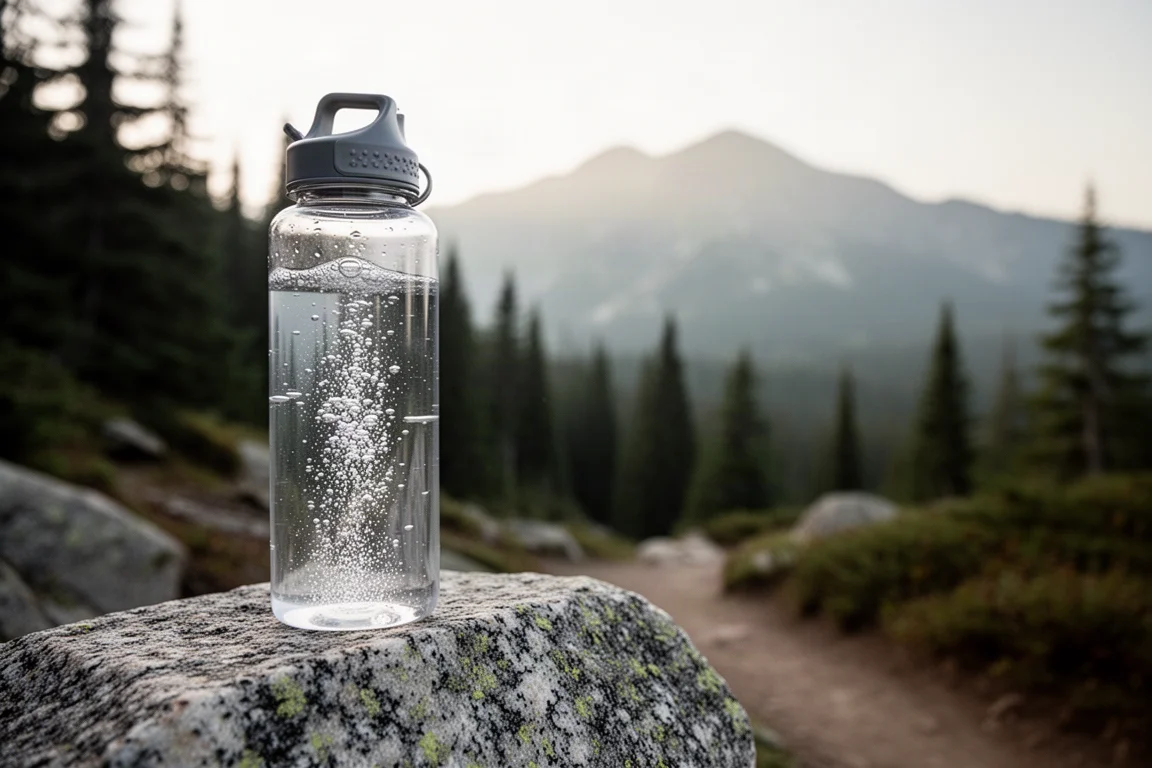
For hikers who are not concerned about sucralose or caffeine, ZipFizz is a straightforward way to add electrolytes and flavor to a bottle.
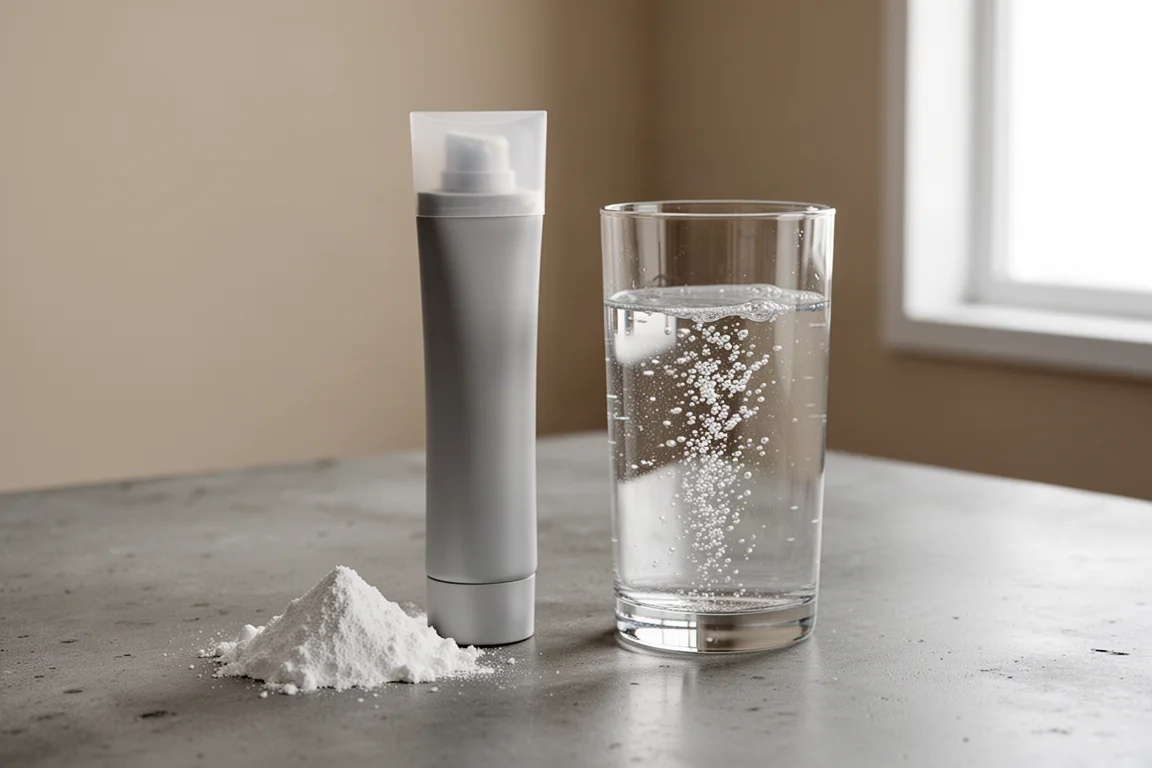
Liquid IV: A Tasty Way to Drink More Water
Liquid IV is a flavored electrolyte drink mix that is easy to drink, which is exactly why it works: better-tasting water means more of it gets consumed. It is not a clean-label formula, so hikers who are trying to keep their intake free of added ingredients will want to look elsewhere. As a hydration aid on big days, however, it does its job.
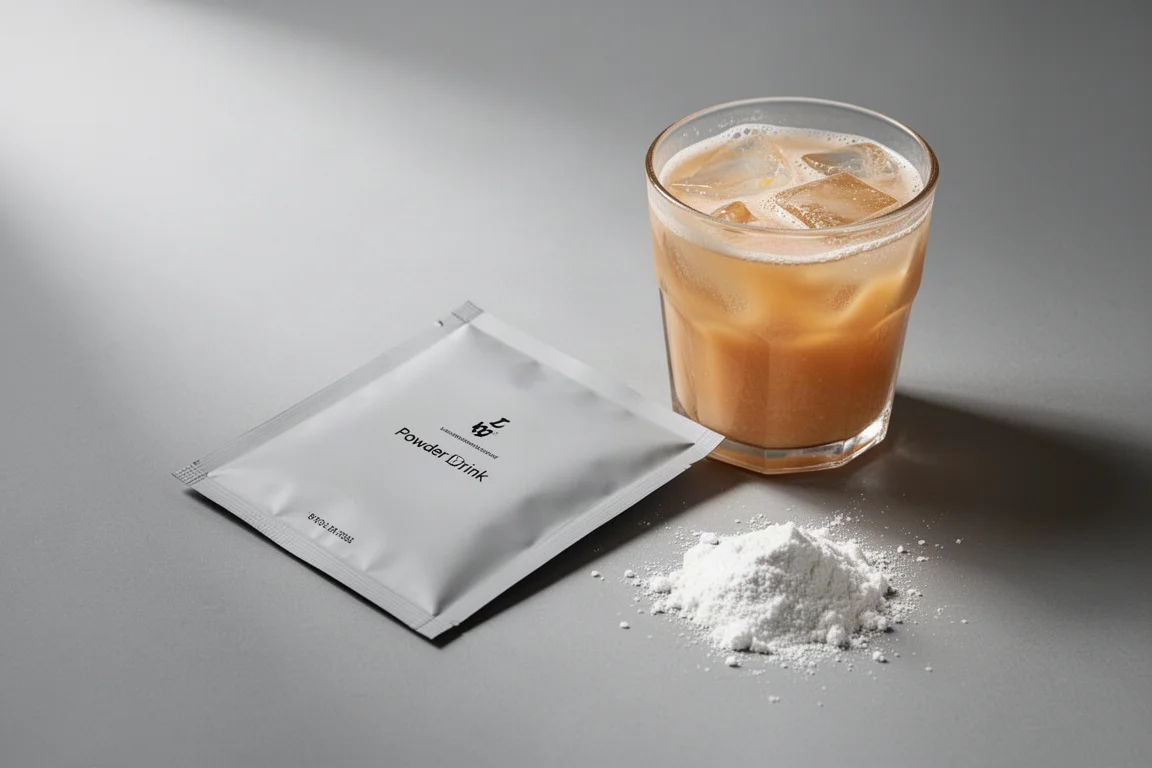
Greens, Beetroot, and Creatine: Supporting Powders Worth Knowing
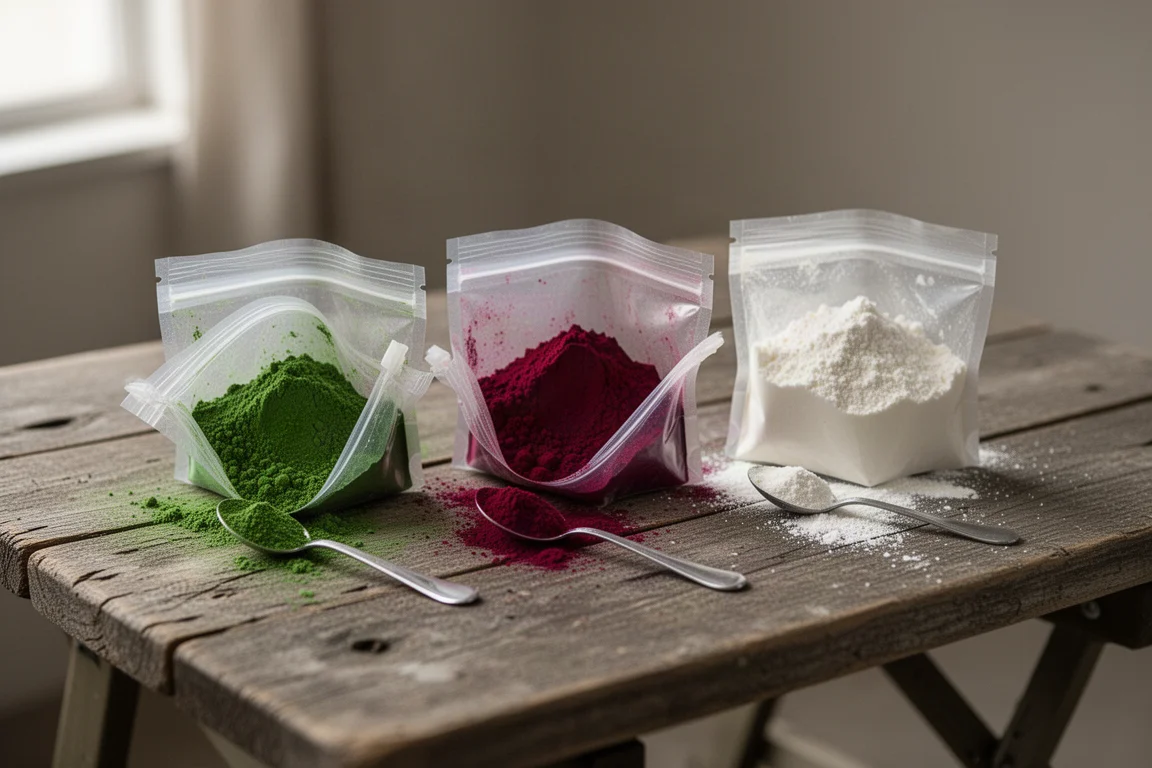
Greens powders are the most common way hikers try to add vegetables to a trail diet. Beetroot powder works differently. Beets are rich in natural nitrates, which the body converts into nitric oxide, improving blood flow and lowering blood pressure. Studies have suggested beetroot juice can help with adjusting to higher elevations and can improve tolerance to exercise, allowing you to keep going for longer.
Creatine helps muscles produce energy during high-intensity efforts such as climbing, which is why many athletes use it for strength and performance. Glycerol, a sugar alcohol, is sometimes paired with creatine because the two together are reported to stack hydration benefits beyond either one alone. That combination calls for careful hydration, since the water is pulled into muscle cells.
If the goal is simply more calories rather than more protein, a quality fat such as coconut oil or olive oil added to meals may be the more sensible choice. Check that any oil you carry is good quality and not rancid, oxidized, or cut with a lower-grade oil.
Buying Advice: Matching Powders to Your Hike
Start by naming the gap you are trying to fill. If protein is the issue, a whey powder is the most practical trail format, with a pea and hemp blend as the plant-based alternative. If you struggle to drink enough water, a flavored electrolyte mix addresses that directly.
Read the label before you commit. Sucralose and caffeine are common in flavored mixes, and neither fits a clean-eating approach. Greens powders deserve a cautious read of the marketing as well, since the supporting research is thin and often industry-funded.
Taste matters more than any specification once you are weeks into a trip. A powder you will not drink is dead weight, so buy a small quantity and use it on a few training hikes first. Powders are only worth carrying when they add something your food is not already providing.
Packing and Using Powders on Trail
Portion powders into single servings before you leave. Loose bags are messy, hard to measure in the wind, and heavier than they need to be.
Protein powder stirs into water with or without powdered milk, and it disappears into oatmeal or instant grits without changing the meal much. Drink mixes are best used to make plain water more appealing, which keeps overall fluid intake up. If you choose a stronger electrolyte mix, test it on a short trip rather than on the first day of a long one.
Creatine is worth pairing with steady hydration rather than a single large drink. When you are at a water source and trying to take on a lot of water at once, the combination of glycerol and creatine is reported to help the body hold more of it.
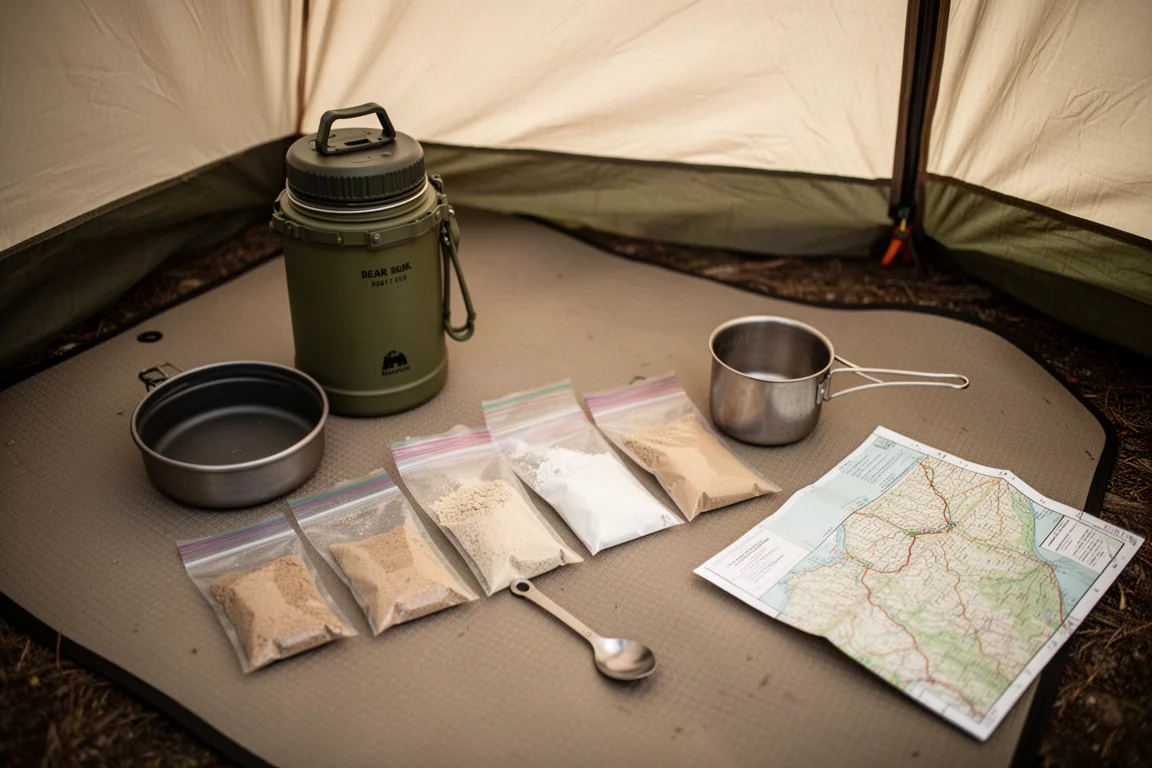
Keep the total number of powders realistic. Two or three that you actually use will do more for you than a bag full of options you never open.
Conclusion
Powder additives are not a substitute for eating enough, but they can fill the specific gaps that trail food leaves open. For protein, Naked Whey is a clean, grass-fed whey option with no additives, though the chocolate flavor is not for everyone. For flavored hydration with electrolytes, ZipFizz and Liquid IV are both easy to drink, with the caveat that neither is a clean-label formula. Match the powder to the gap in your own diet, test it before a long trip, and carry only what you will genuinely use.
Further reading
Related Reviews
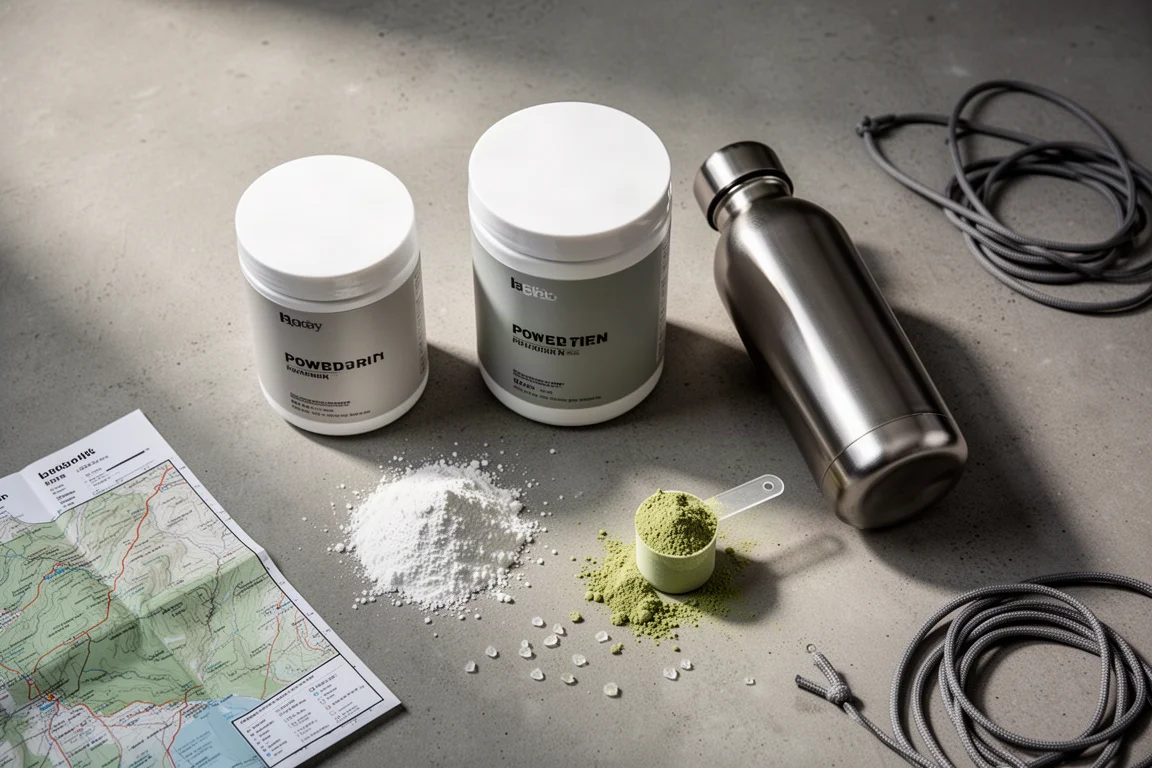
Hiking Nutrition
Best Powder Drink Additives for Hikers: Three Options Worth Packing
A practical look at three powder drink additives for hikers, covering protein, electrolytes, and what to check before adding weight to your pack.

Backpacking Gear
Building a 10 lb Base Weight: An Ultralight Backpacking Gear List
A practical walkthrough of the ultralight pieces behind a 10 lb base weight, from a 765 g pack and a roomy one-person tent to a full camp chair and a dependable water filter.

Backpacking Gear
A 15-Pound Lightweight Backpacking Gear List for Solo Trips
A beginner-friendly 15-pound backpacking setup built from easy-to-find gear, with notes on what each piece does, how it packs, and where to spend your attention.