Hiking Nutrition
Best Powder Drink Additives for Hikers: Three Options Worth Packing
A practical look at three powder drink additives for hikers, covering protein, electrolytes, and what to check before adding weight to your pack.
Introduction
Powder drink additives are one of the simplest ways to close the nutrition gaps that open up on a long hike. Backpackers often lean on quick, carbohydrate-heavy meals, and protein, vegetables, and electrolytes are usually the first things to slip. A powder stirred into a water bottle or a bowl of oatmeal is a lightweight way to put some of that back.
This guide looks at three powder products worth considering for hikers, what each one does well, and the trade-offs to weigh before you commit pack weight to them.
What to Look For in Powder Drink Additives
Three things matter most: what the powder actually delivers, how it mixes and tastes, and whether the ingredient list fits the way you eat.
Start with the gap you are trying to fill. A protein powder solves a different problem than an electrolyte mix, and a greens blend solves a third. Hikers eating mostly pasta sides, ramen, and instant potatoes are usually short on protein, while anyone sweating through a long climb is losing sodium and potassium.
Mixing behavior matters on trail. Powders that clump are frustrating when you are filling a bottle at a water source, and a flavor you dislike is a flavor you will quietly stop using. Ingredient lists deserve a look too. Some drink mixes rely on artificial sweeteners or added caffeine, which is not a problem for everyone but is worth knowing before you carry a product for weeks.
Protein Powder for the Trail: Naked Whey
Protein is the most common shortfall in a long-distance hiker’s diet. Jerky, tuna packets, peanut butter, and dehydrated ground beef all help, but they add weight and bulk. A protein powder is a concentrated alternative that can go into water, into water with powdered milk, or straight into oatmeal.
Whey is the practical choice for trail use. Casein digests more slowly, which is why it is often taken before sleep in muscle-building routines, but slow digestion is a disadvantage when you are already eating constantly to keep up with hiker hunger. Whey also tends to be less clumpy and easier to mix, and it is less likely to trigger a digestive reaction, which is not something you want to manage far from a trailhead.
Naked Whey is a whey protein made from grass-fed cows with no additives. It can be mixed with water, with or without powdered milk, or stirred into oatmeal. The flavor is plain and unsweetened in character, so it works best as fuel rather than as a treat.
If you would rather avoid dairy, a pea and hemp protein combination is generally the better route to a complete amino acid profile. Bone broth protein is another option, though it behaves more like a collagen protein and is not considered complete.
Fizzy Electrolyte Mixes: ZipFizz
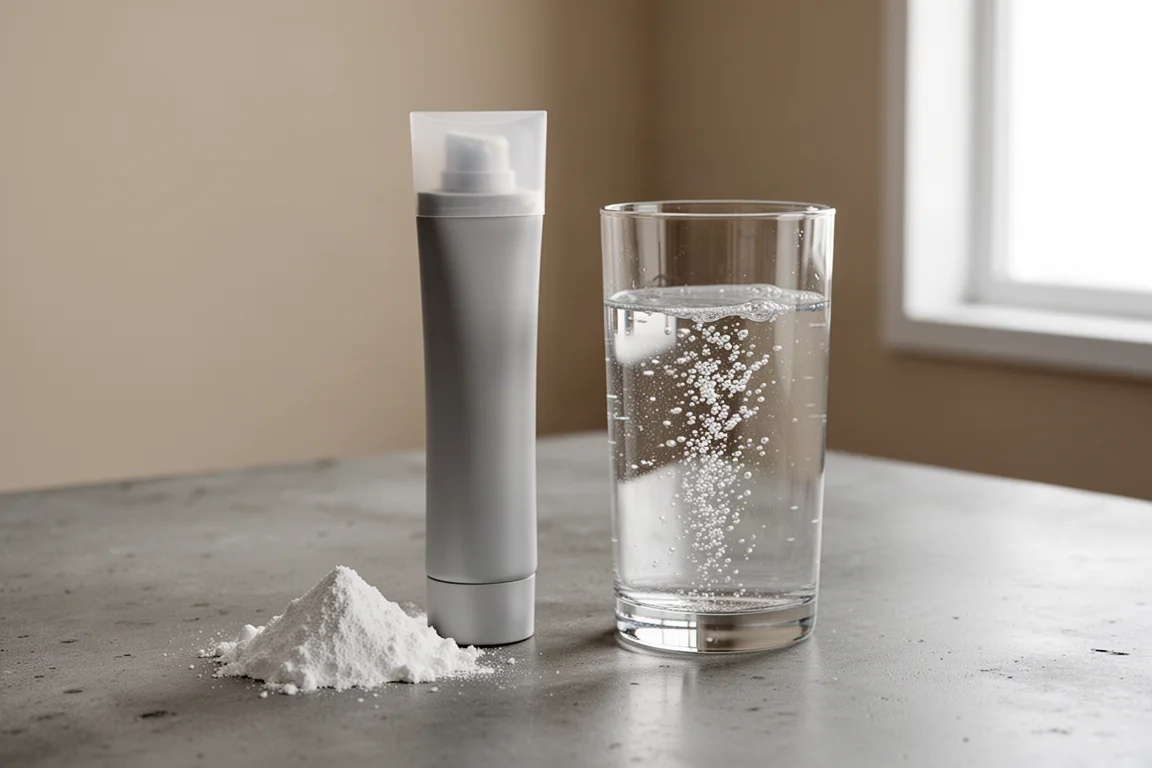
Electrolytes regulate the amount of water in your body and your pH, move nutrients into cells and waste out of them, and support nerve, muscle, heart, and brain function. Sodium, potassium, and chloride are the three that matter most, with magnesium, phosphate, calcium, and bicarbonate in supporting roles. Most trail food covers sodium well, and potassium and magnesium can come from mashed potatoes, dried bananas, and nuts.
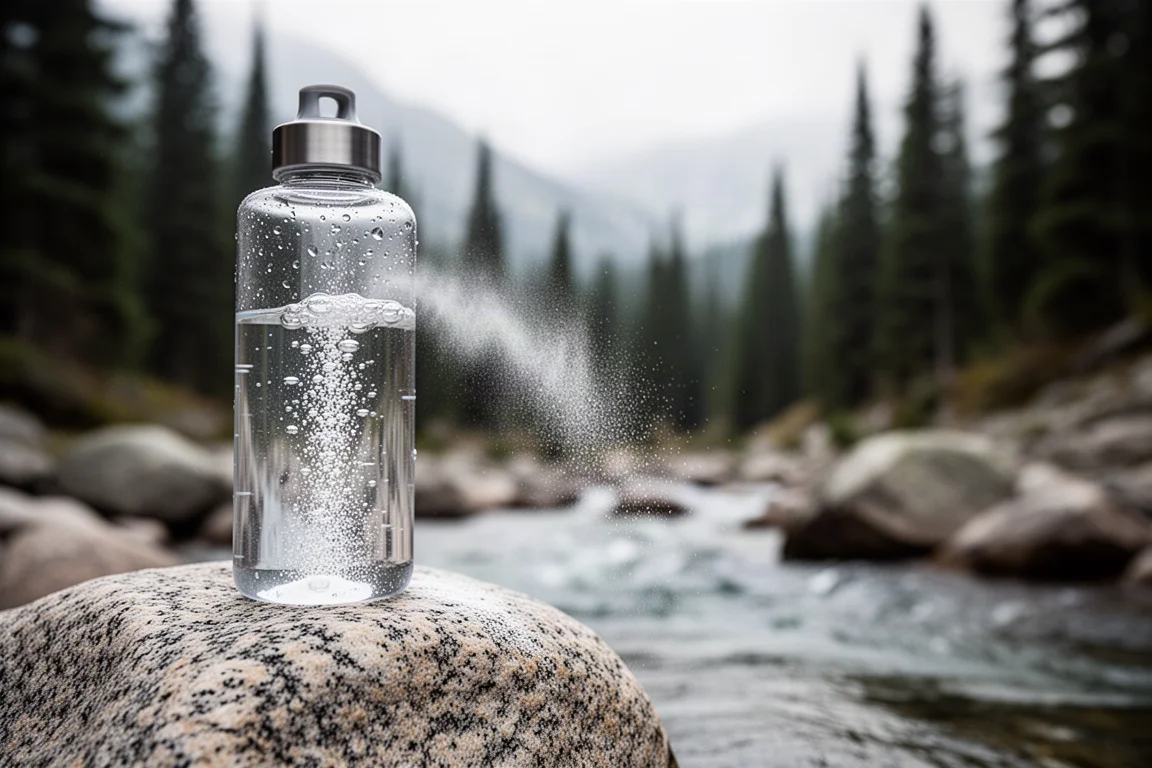
Flavored drink mixes are popular for a simpler reason: they make water more appealing, so you drink more of it. ZipFizz is one of those mixes, and it carries electrolytes as well as flavor. It has a light carbonated fizz and a taste that is easy to drink through the day.
Two details are worth knowing. ZipFizz contains sucralose and it also contains caffeine, which makes it a poor fit for anyone trying to keep their intake clean or to manage caffeine carefully over a long hike.
For hikers who are not concerned about either ingredient, the combination of flavor and electrolytes is a reasonable use of pack weight.
Everyday Hydration Mixes: Liquid IV
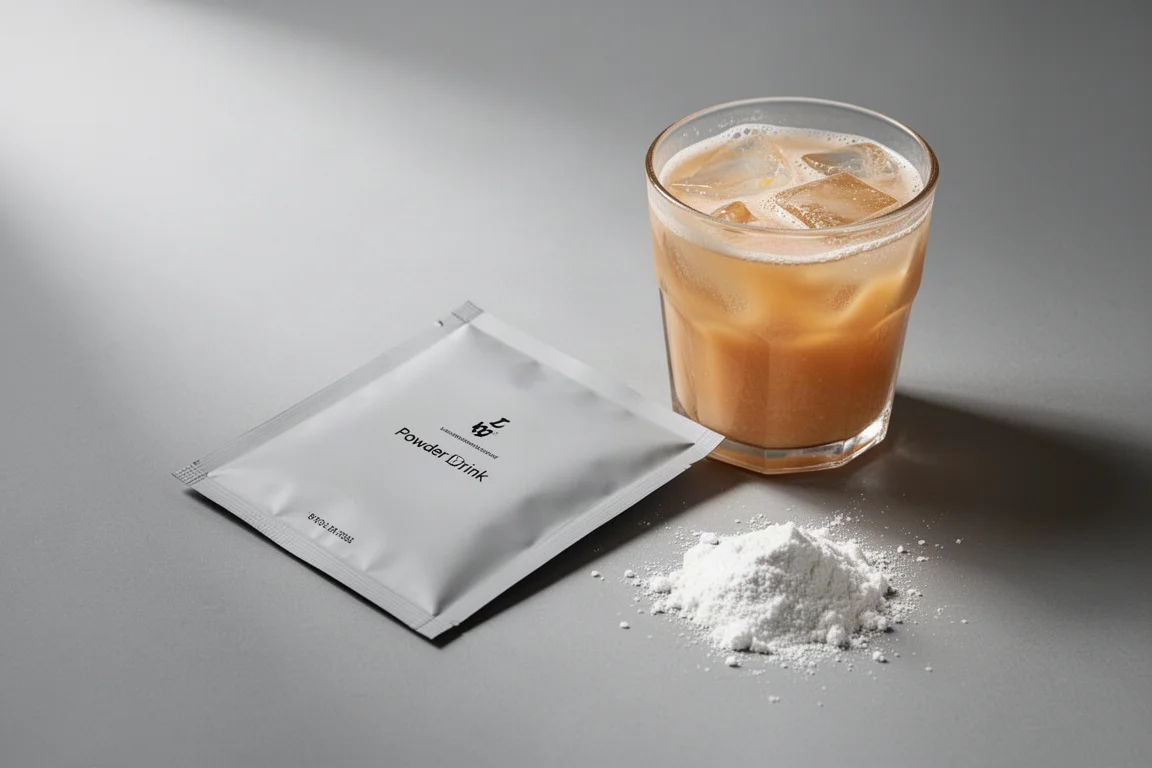
Liquid IV is another flavored electrolyte mix, and it is known for tasting good. Like ZipFizz, it is not considered a clean product, so it will not suit hikers who are strict about ingredient lists over a long distance.
Its value is straightforward. A mix you enjoy drinking encourages you to drink more water, and better hydration is the payoff. Mixes that carry electrolytes earn their place in a pack more easily than mixes that only add flavor.
How to Combine Powders Without Overloading Your Pack
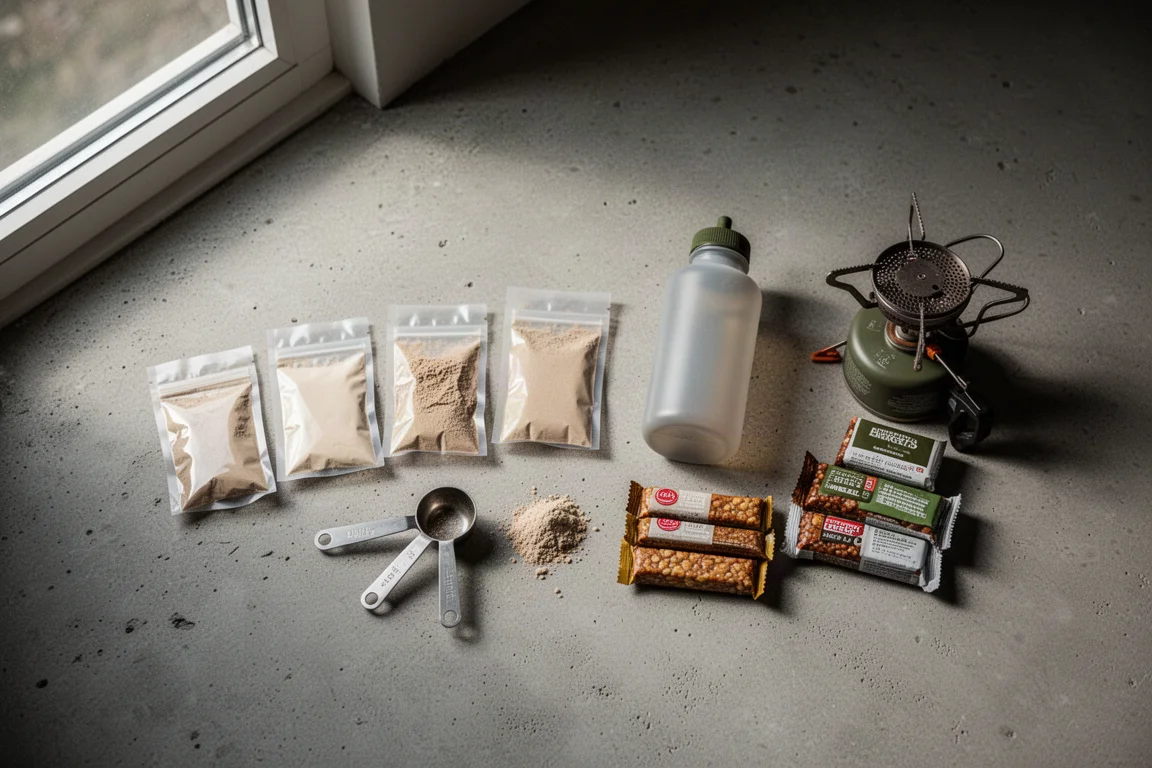
Every powder you add has to earn its weight. A workable approach is to pick one product for each gap you actually have: protein if your meals are carbohydrate-heavy, an electrolyte mix if you sweat heavily or hike in heat, and a greens or fruit and vegetable powder if you want to top up vitamins and minerals.
Greens powders are worth a cautious note. Research into fruit and vegetable powder blends is limited, and some of the studies that exist were funded by the companies selling the products, which leaves room for bias. Even so, adding whole-food-derived powders to a drink is unlikely to do harm, and it may deliver more usable vitamins and minerals than a tablet.
Beetroot powder works differently. Beets are rich in natural nitrates, which the body converts into nitric oxide, improving blood flow and lowering blood pressure. Studies have suggested beetroot juice can help hikers adjust to higher elevations and may reduce the risk of altitude sickness, and that it can improve exercise tolerance and stamina at lower elevations as well.
Creatine is another powder to consider. It helps muscles produce energy during high-intensity efforts such as climbing, which is why athletes use it for performance and strength. Glycerol, a sugar alcohol, is sometimes stacked with creatine for a stronger hydration effect, but the two together demand careful hydration because water is pulled into muscle cells. That makes them best suited to a deliberate drinking strategy at a reliable water source.
Practical Packing Notes for Long-Distance Hikers
Weight and daily use are the two filters. A powder you use once will not justify its place, so pick products you can imagine drinking every day for weeks. Repackaging into single servings cuts bulk, and powders that mix cleanly in cold water are easier to use at a spring or a stream.
Keep an eye on how your stomach responds during the first few days. Electrolyte mixes with a high concentration can cause an upset stomach in hikers who are not used to them, so it pays to start with a weaker mix and adjust.
Overall Buying Advice
Match the powder to the gap. Naked Whey makes the most sense for hikers whose meals are heavy on starches and light on protein, and its additive-free formula suits anyone who wants a short ingredient list.
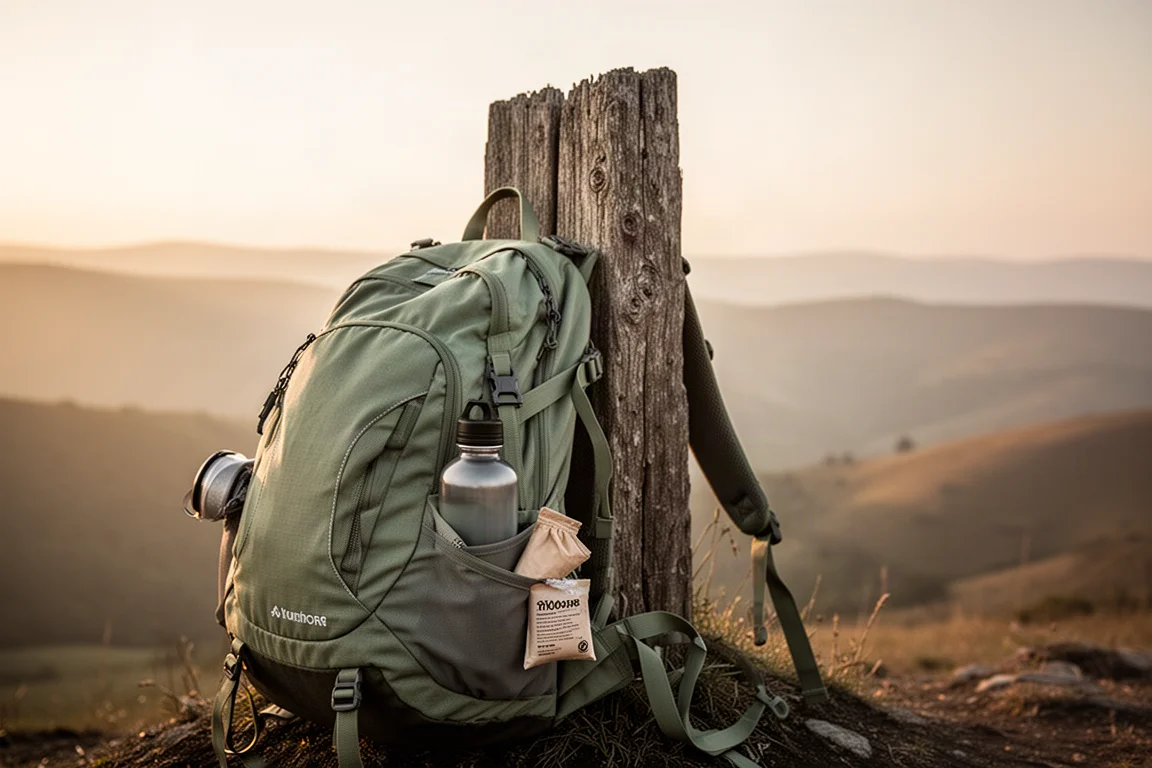
ZipFizz and Liquid IV both make sense for hikers who want flavored water with electrolytes and who are not concerned about sweeteners or caffeine. If clean ingredients are a priority, look at other options in the same categories.
If your only goal is more calories rather than more protein, a good quality fat such as coconut oil or olive oil added to meals is a lighter way to get there, as long as the oil is fresh and not rancid or blended with a lower quality oil.
Conclusion
The right powder is the one that closes a gap you actually have: protein for starch-heavy meals, electrolytes for hot days and heavy sweating, and whole-food powders for vitamins and minerals. Choose a flavor you will keep drinking, keep the ingredient list in mind, and test anything new before you rely on it for a long-distance hike.
Further reading
Related Reviews

Backpacking Gear
Building a 10 lb Base Weight: An Ultralight Backpacking Gear List
A practical walkthrough of the ultralight pieces behind a 10 lb base weight, from a 765 g pack and a roomy one-person tent to a full camp chair and a dependable water filter.

Road Bikes
10 New Road Bikes Worth Watching: Aero, Titanium, Steel and Endurance Standouts
A practical roundup of 10 new road bikes, from aero flagships chasing single-watt gains to titanium, steel and endurance platforms built for real roads.
Bikepacking Gear
11 Bikepacking Essentials for Long-Distance Cycling
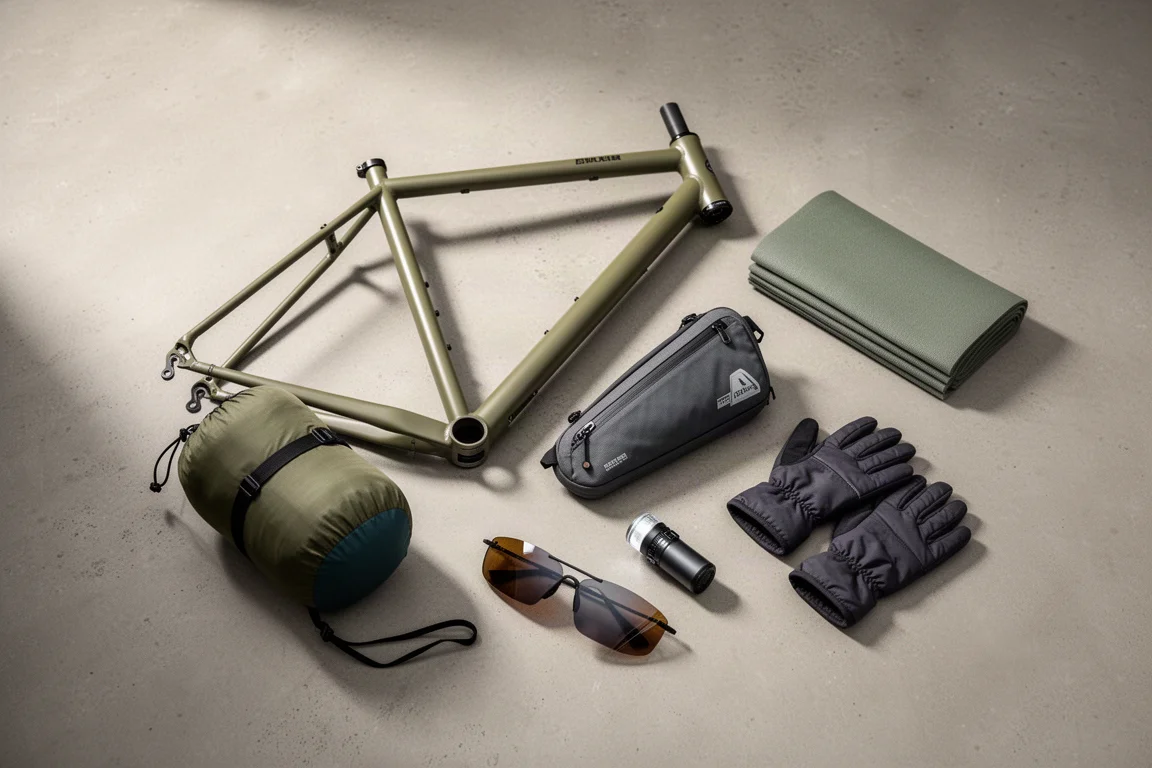
Eleven bikepacking essentials for long-distance cycling, from a steel gravel frame and a two-person tent to helmet lights, packable gloves, and a frame bag that puts weight in the right place.