Trail Nutrition
Powder Drink Additives for Hikers and Backpackers: Three Options to Consider
A practical look at three powder drink additives for long-distance hiking, what each one adds to trail nutrition, and the trade-offs to weigh before buying.
Introduction
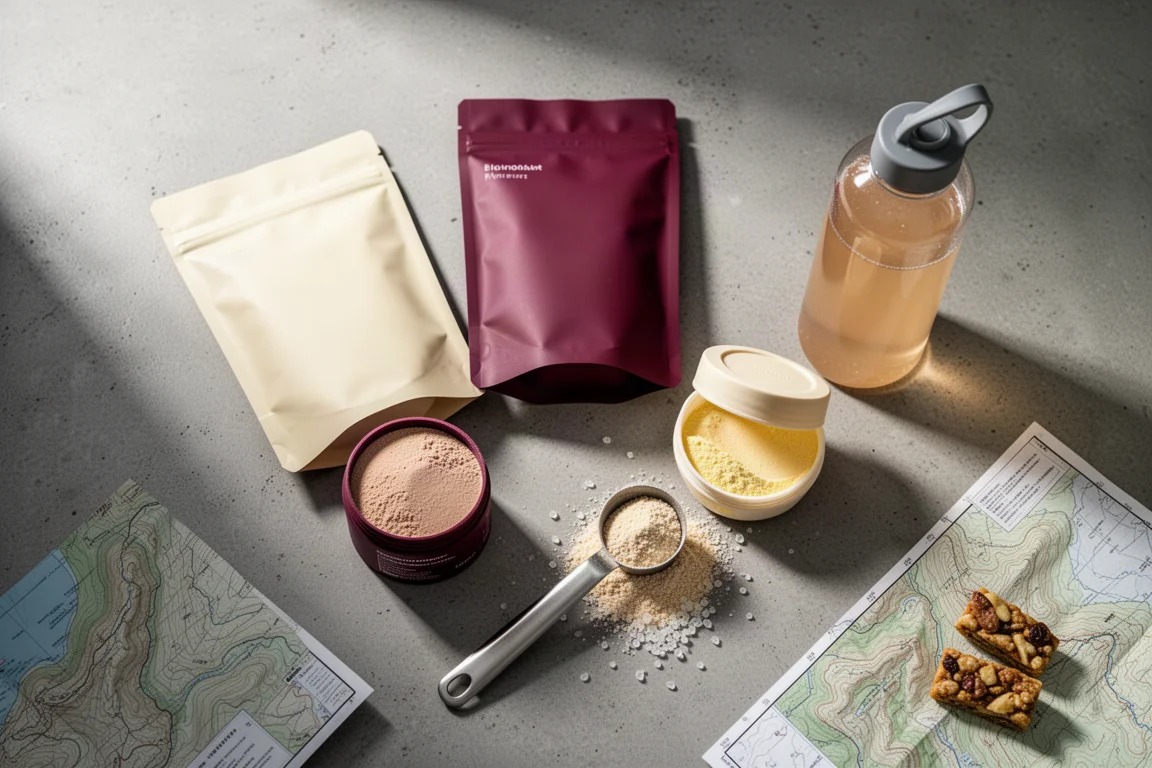
Long-distance backpackers and thru-hikers tend to build their food bags around fast, easy carbohydrates: ramen, pasta sides, instant mashed potatoes, rice. Protein and micronutrients are usually the first things to slip, and hiker hunger makes that gap wider rather than narrower, because the body is asking for more food overall.
Powder drink additives are a lightweight way to patch part of that gap. They add little pack weight, mix into water or straight into a meal, and cover three separate shortfalls: protein, vitamins and minerals, and electrolytes. The three options below have been used on long trails and on high-altitude climbs, which says something about how they behave in real conditions.
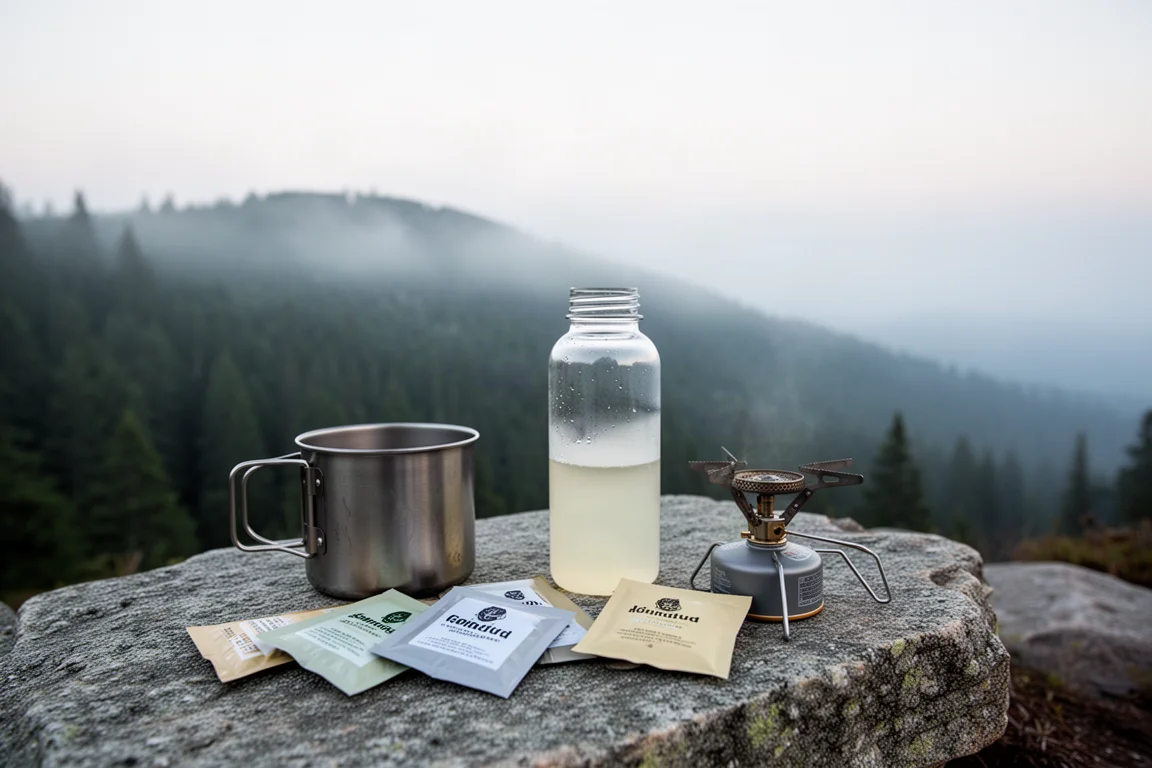
This guide covers what each powder is actually for, where it falls short, and which kind of hiker it suits. It is not a ranking, because the right pick depends entirely on which gap you are trying to close.
What to Look for in a Powder Drink Additive
Start with the gap you are trying to fill. If your trail diet is short on protein, a protein powder is the direct fix. If you are mostly trying to drink more water and replace the salts lost through sweat, an electrolyte mix is the right category. Fruit and vegetable blends and beetroot powders sit in a third space: the research behind them is limited, and some of the studies that do exist were funded by the companies selling the products, so it is reasonable to treat them as a modest addition rather than a solution.
The ingredient list matters as much as the category. Sweeteners are the dividing line for many hikers, since sucralose and similar artificial sweeteners are common in flavored mixes and some people avoid them entirely. Caffeine is the other one to check. A drink mix with caffeine is a stimulant as well as a hydration product, which is not always what you want at the end of a long day.
Mixability and stomach tolerance round out the picture. Powders that clump are frustrating in a bottle with a narrow mouth, and concentrated electrolyte mixes can upset your stomach if you are not used to them. Build up gradually and see how you respond before relying on a mix for a long, hot day.
Protein Powder on Trail: Naked Whey
For trail use, whey is the more practical protein. Casein breaks down more slowly, which is why people building muscle often take it before sleep, but on a thru-hike where you are eating constantly, a slower digesting protein adds little and is more likely to cause digestive trouble. Whey also mixes more smoothly and is less prone to clumping. Hikers who prefer a plant-based option generally do better with a pea and hemp combination, which gives a more complete amino acid profile than either one alone.
Naked Whey is a whey protein made from grass-fed cows with no additives. It comes in a chocolate flavor, and the honest summary of that is the trade-off itself: the ingredient list is short and clean, but flavor is not the reason to buy it. That is worth knowing before committing to a large container for a long hike.
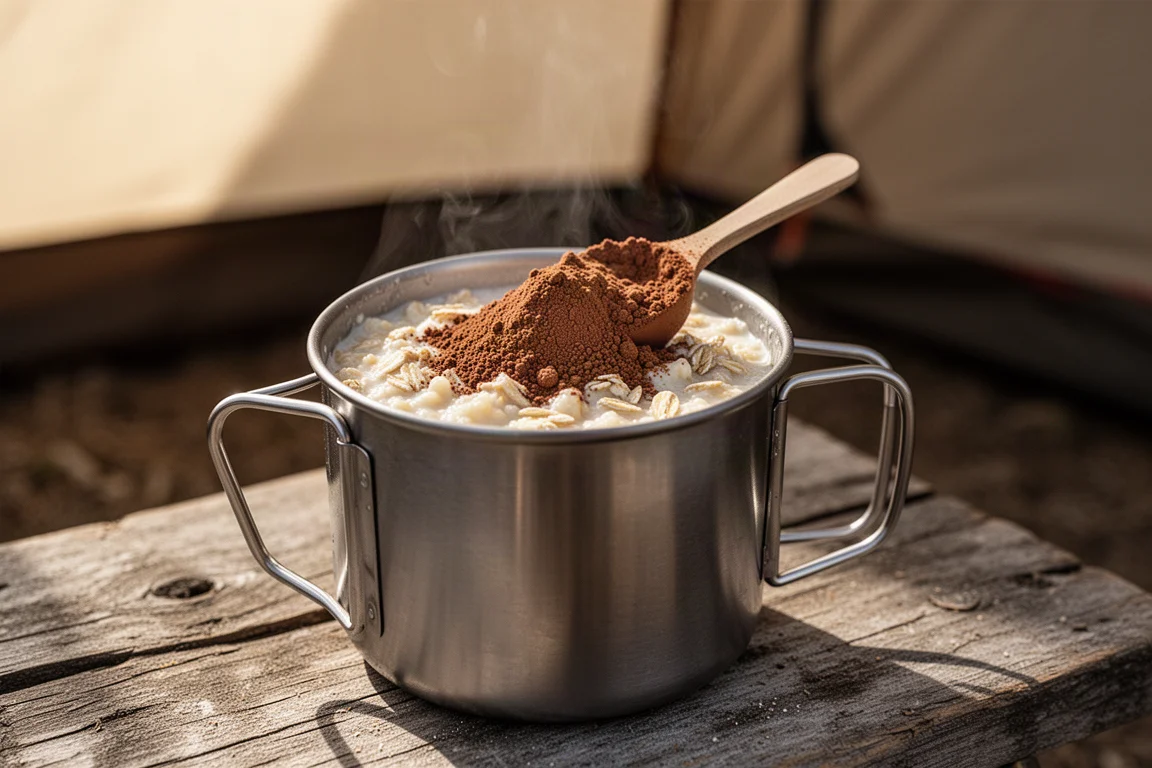
Where it earns its place is in meals rather than in a shaker. A scoop stirred into oatmeal or a hot breakfast adds protein to a meal that would otherwise be almost entirely carbohydrate, which is exactly the shortfall most backpackers have. If the only goal is more calories rather than more protein, a good quality fat such as coconut oil or olive oil is a more efficient way to add them.
Electrolyte Mixes: ZipFizz
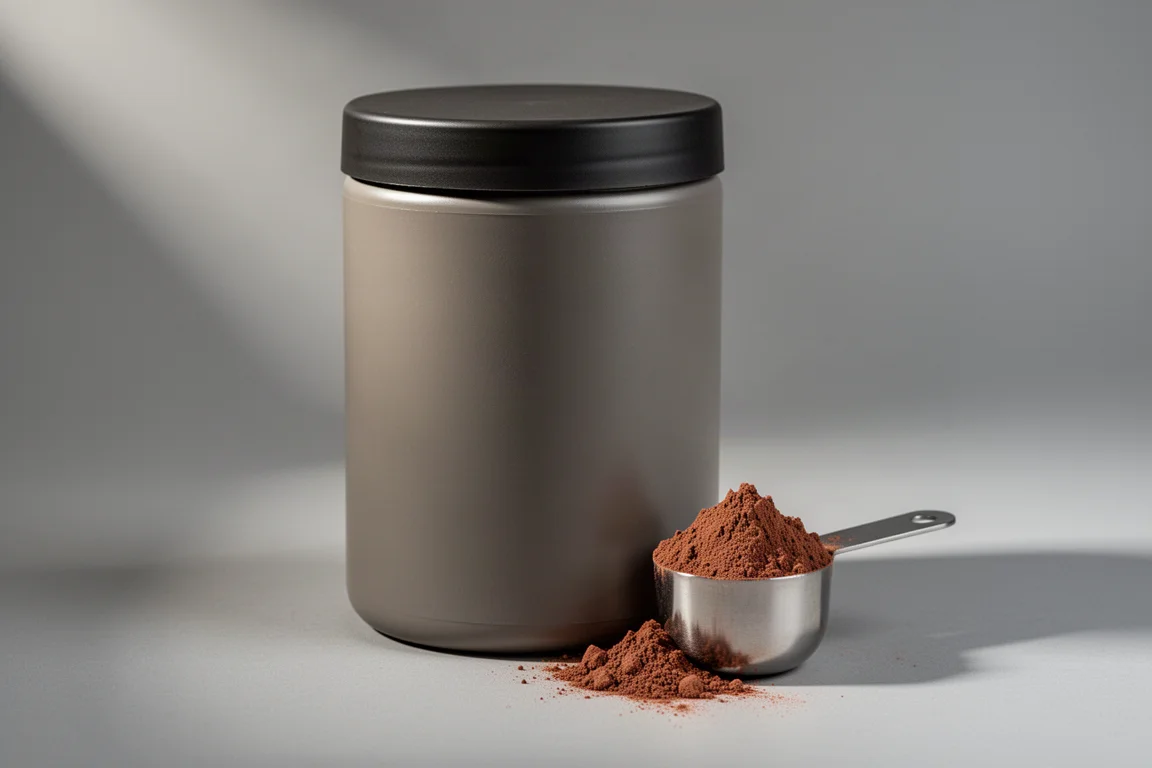
ZipFizz is a flavored, effervescent drink mix with electrolytes. It tastes good, and the fizz makes a bottle of water more appealing, which matters more than it sounds like it should over a long hike. Plain water gets old, and a mix you actually want to drink usually means you drink more of it.
Two ingredients are worth flagging before you buy. ZipFizz contains sucralose, and it contains caffeine. For hikers who avoid artificial sweeteners, or who do not want a stimulant in an afternoon bottle, that rules it out. For everyone else, it is a straightforward way to get electrolytes and flavor into the same drink.
Hydration Support: Liquid I.V.
Liquid I.V. is an electrolyte drink mix with a strong reputation for taste. It has been used on high-altitude climbs, where staying hydrated is a performance issue rather than a comfort one. Like ZipFizz, it is not a clean-label product, so hikers who are strict about additives tend to leave it at home.
The broader caution with any concentrated electrolyte mix applies here. If your stomach is not accustomed to a heavy electrolyte load, a full serving on a hot day can cause discomfort. Building up gradually is the sensible approach.
The practical value sits in the drinking itself. Even mixes with modest electrolyte content encourage more water intake, which is a genuine benefit on its own. Getting useful electrolytes at the same time makes the weight in your pack work harder.
How These Powders Fit Together on a Long Hike
These are not competing products so much as different tools. A protein powder belongs with meals, an electrolyte mix belongs in your water bottles, and the two do different jobs on the same day. Many hikers carry one of each, and there is no conflict in doing so.
Some hikers also layer in other powders. Creatine supports muscle energy during high-intensity efforts such as climbing, and glycerol is sometimes paired with it for hydration, although that combination demands deliberate and careful hydration to work as intended. Neither replaces the basics: electrolytes also come from food, with sodium in most trail meals, potassium from dried bananas or mashed potatoes, and magnesium from nuts.
Overall Buying Advice
Match the powder to the gap. If protein is the shortfall, a plain whey with a short ingredient list is the most direct answer, and it is worth accepting a mediocre flavor in exchange for that. If the problem is that you are not drinking enough, a flavored electrolyte mix solves two problems at once.
Read the label for sweeteners and caffeine before you buy, especially if you are trying to keep your trail diet clean. Sucralose and caffeine are common in flavored mixes, and they are the main reason some hikers leave otherwise good products behind.
Buy a small quantity first. Taste and stomach tolerance are personal, and both are hard to judge from a description. A single container is enough to tell you whether a powder will earn its place in your food bag on a long trail.
Conclusion
Powder drink additives are a small, light way to close real gaps in a backpacking diet. Naked Whey suits hikers who want protein in their meals and are willing to accept a plain flavor in return. ZipFizz and Liquid I.V. suit hikers who want to drink more water and are not avoiding artificial sweeteners or caffeine. Pick the one that addresses your actual shortfall, and it will earn the weight it costs you.
Further reading
Related Reviews

Backpacking Gear
Building a 10 lb Base Weight: An Ultralight Backpacking Gear List
A practical walkthrough of the ultralight pieces behind a 10 lb base weight, from a 765 g pack and a roomy one-person tent to a full camp chair and a dependable water filter.
Road Bikes
10 New Road Bikes Worth Watching: Aero, Titanium, Steel and Endurance Standouts
A practical roundup of 10 new road bikes, from aero flagships chasing single-watt gains to titanium, steel and endurance platforms built for real roads.
Bikepacking Gear
11 Bikepacking Essentials for Long-Distance Cycling
Eleven bikepacking essentials for long-distance cycling, from a steel gravel frame and a two-person tent to helmet lights, packable gloves, and a frame bag that puts weight in the right place.