Sawmills
Choosing a Portable Sawmill: Four Options Worth Understanding
A practical look at chainsaw mills, push mills, Mobile Dimension circular mills, and Wood-Mizer band mills, plus the skills and realities of making lumber.
Introduction
There are now more ways than ever to get into sawing your own lumber, and more ways to get into trouble doing it. This guide covers four broad mill types worth knowing: the Alaskan-style chainsaw mill, push-along band mills such as Baker, the self-propelled Mobile Dimension circular mill, and Wood-Mizer band mills. The right choice depends less on the mill and more on the trees you have, the work you are willing to do, and whether you are investing or speculating.
First Question: Do You Have Trees?
Before shopping for any mill, ask whether you actually have trees. If you own property with timber, buying a sawmill is an investment: you are turning an asset you already hold into lumber you can build with. If you have no trees and hope to run a custom sawing service for landowners, that is a speculation, and a much harder business to make work. The distinction matters, and skipping it is one of the fastest routes to regret.
The Entry Point: Alaskan Chainsaw Mill
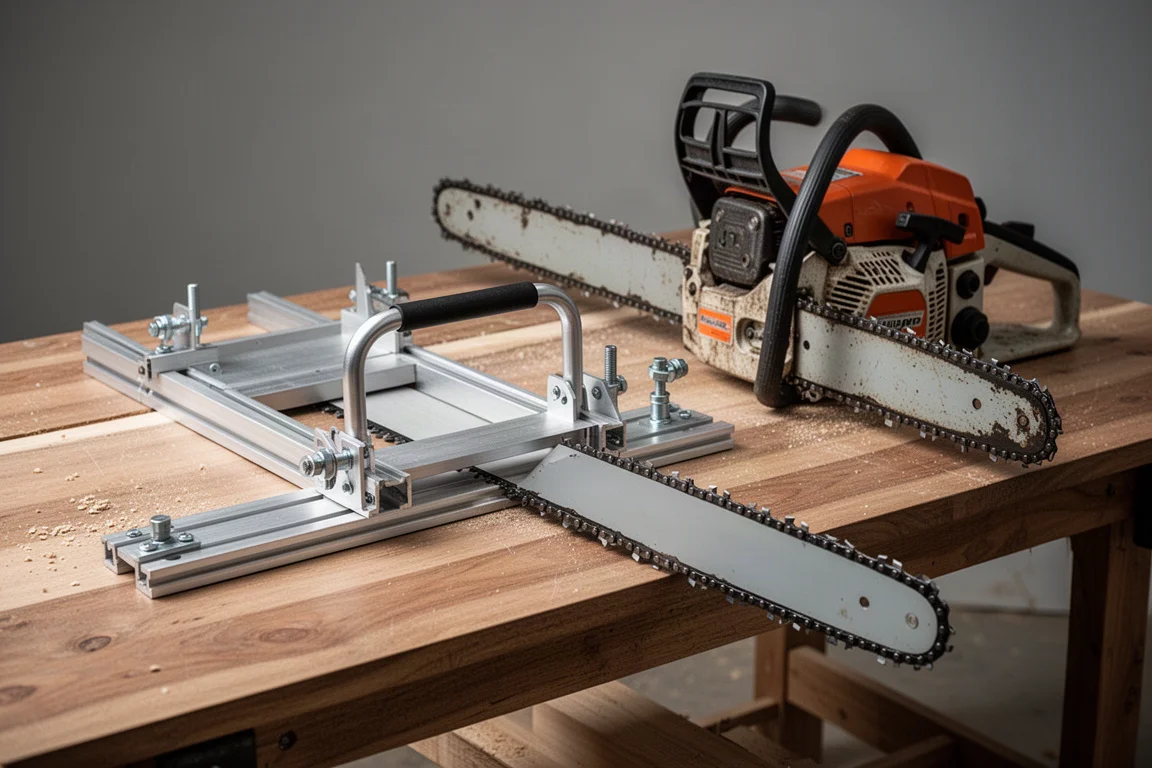
If you are already comfortable with a chainsaw, an Alaskan-style mill is the cheapest way to start making boards. It is a frame that bolts onto a saw you may already own, ideally with a longer bar and a ripping-specific chain. For very little money, you can be producing rough lumber the same week.
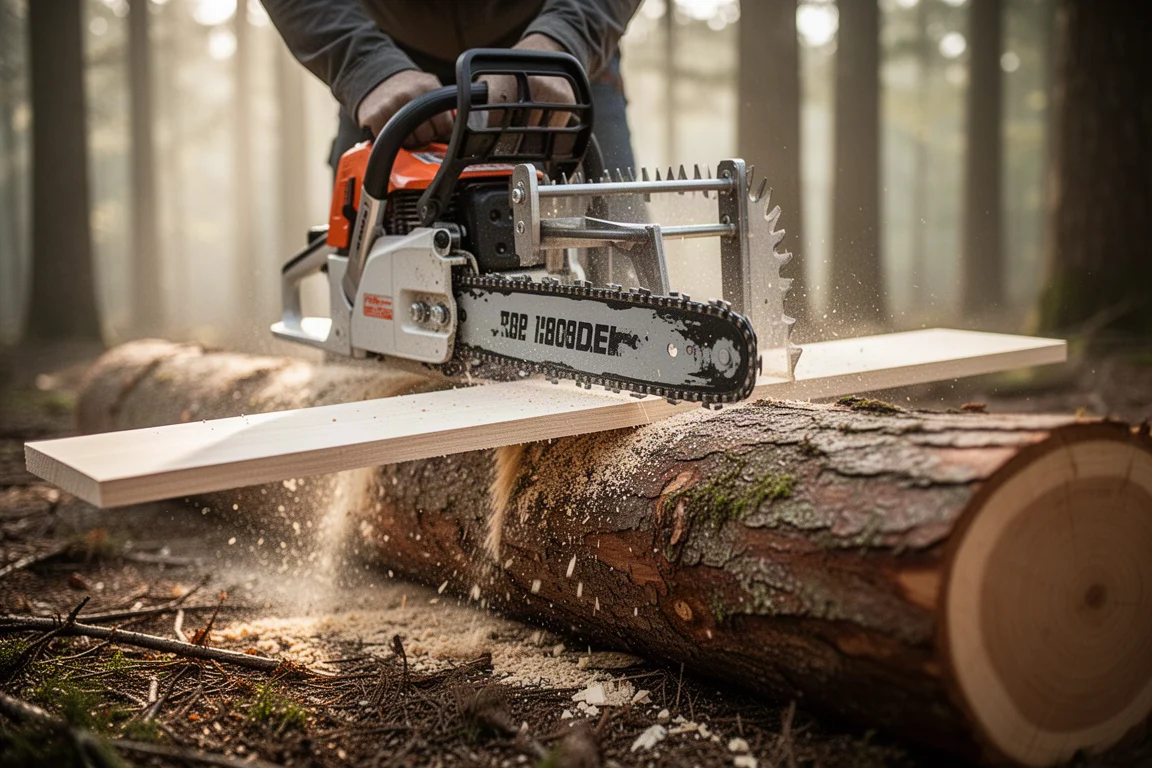
The trade-off is labor. Pushing a good-sized chainsaw down the length of a hardwood log is hard work, and by the third or fourth log most people conclude they want a mill that propels itself. But as a low-cost proving ground, it is hard to beat: if you discover sawdust is not for you, you have not spent much finding out.
The Push Mill Category: Baker and Similar Band Mills
The next step up is an inexpensive band mill where the saw head runs along a track but you still supply the pushing power. These mills, of which Baker is one example among many manufacturers, turn the sawdust question around too: modern band saws make very little sawdust compared with a wide circular blade, which is a real plus.
Everything about a sawmill is work, though. If the saw has to travel and you are pushing it by hand, that is hard. If the log has to be turned and you are turning it by hand, that is hard. The fundamental trade-off in mill shopping is how much money you spend to reduce the labor it takes to get boards out of a log.
The Circular Mill: Mobile Dimension
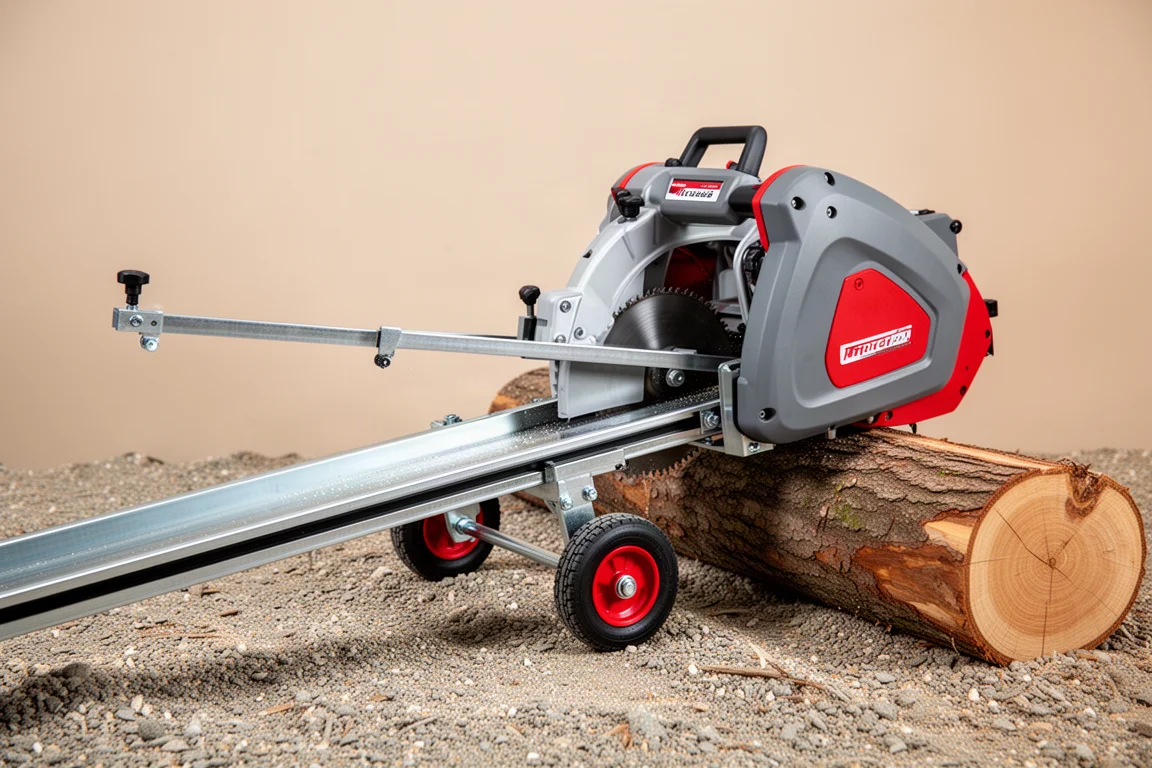
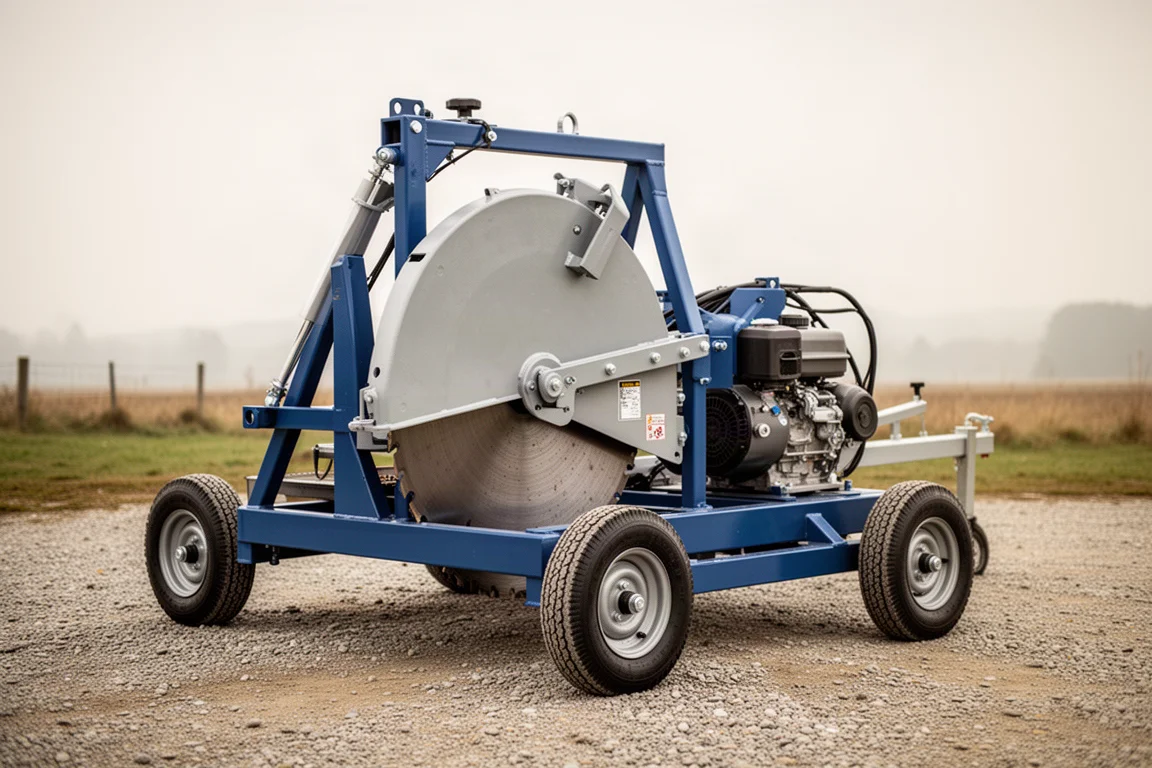
The Mobile Dimension mill tackles the two big labor problems at once with a circular head saw and a trim saw, so you edge and cut boards simultaneously. That design substantially reduces the need to turn the log, and it shines especially on big logs while remaining handy on every log. The author of this perspective has been through the factory, met the family behind it, and calls them magnificent people who make a great mill.
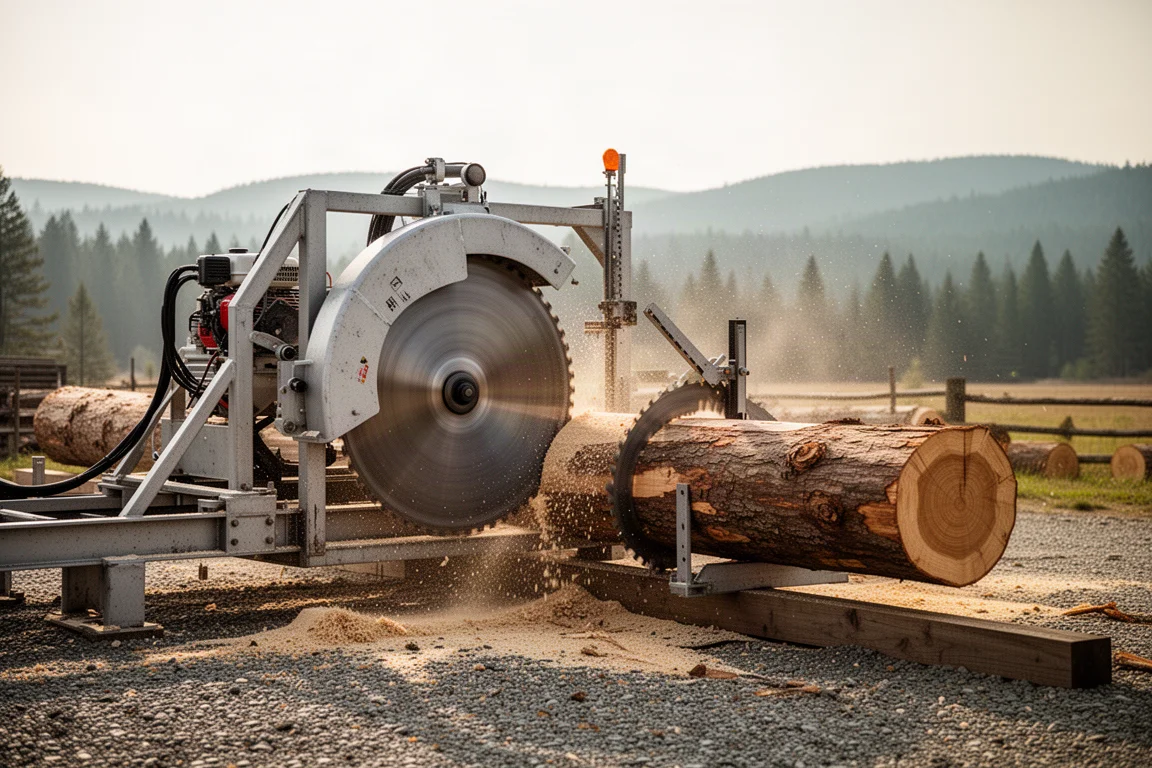
Mobile Dimension continues developing the design, making the mills bigger, faster, stronger, and smarter. With a less expensive model you roll the log onto the deck and saw right there, and you can cut a long beam or a long board. The circular teeth are narrower than old wide blades but still make more sawdust than a band mill. It is a handy, distinctive approach.
The Band Mill Benchmark: Wood-Mizer
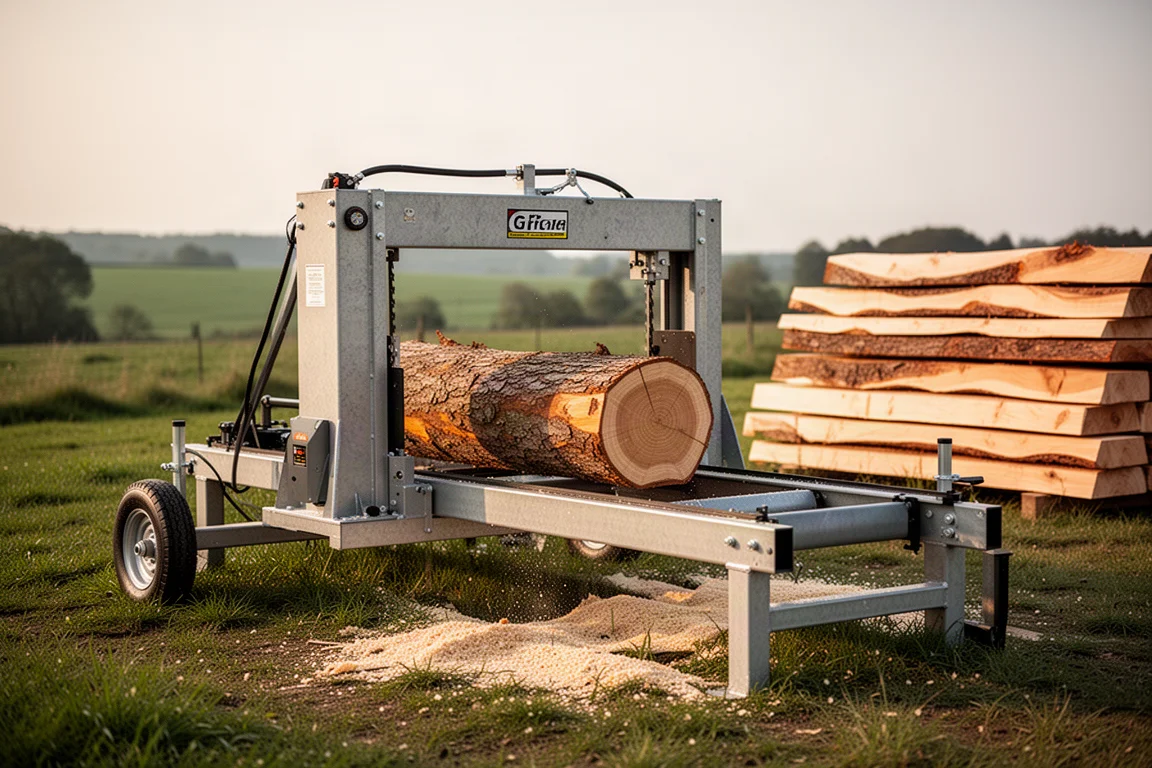
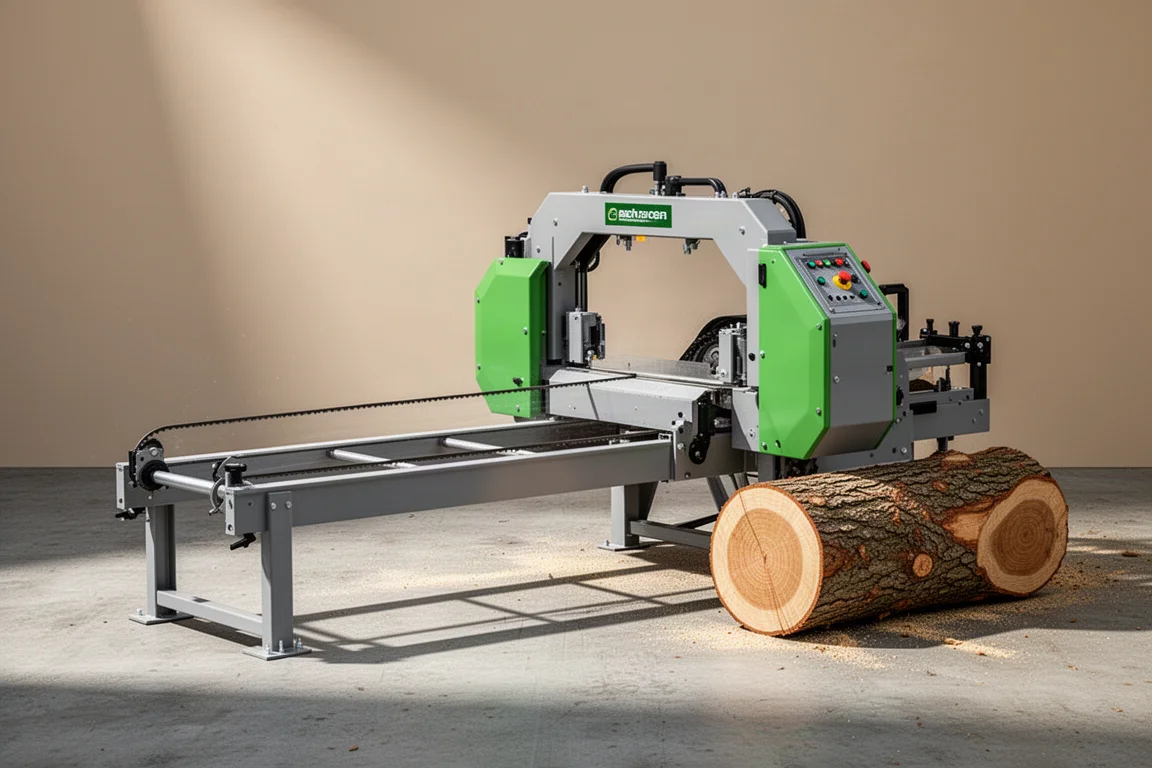
Among band mills, Wood-Mizer stands out as the big dog. It pairs a super slick, accurate band saw with optional labor-saving devices, such as live decks that turn, push, raise, shim, and adjust a heavy log so the blade can cut straight down. Those conveniences are expensive, but they change what a one-person operation can produce.
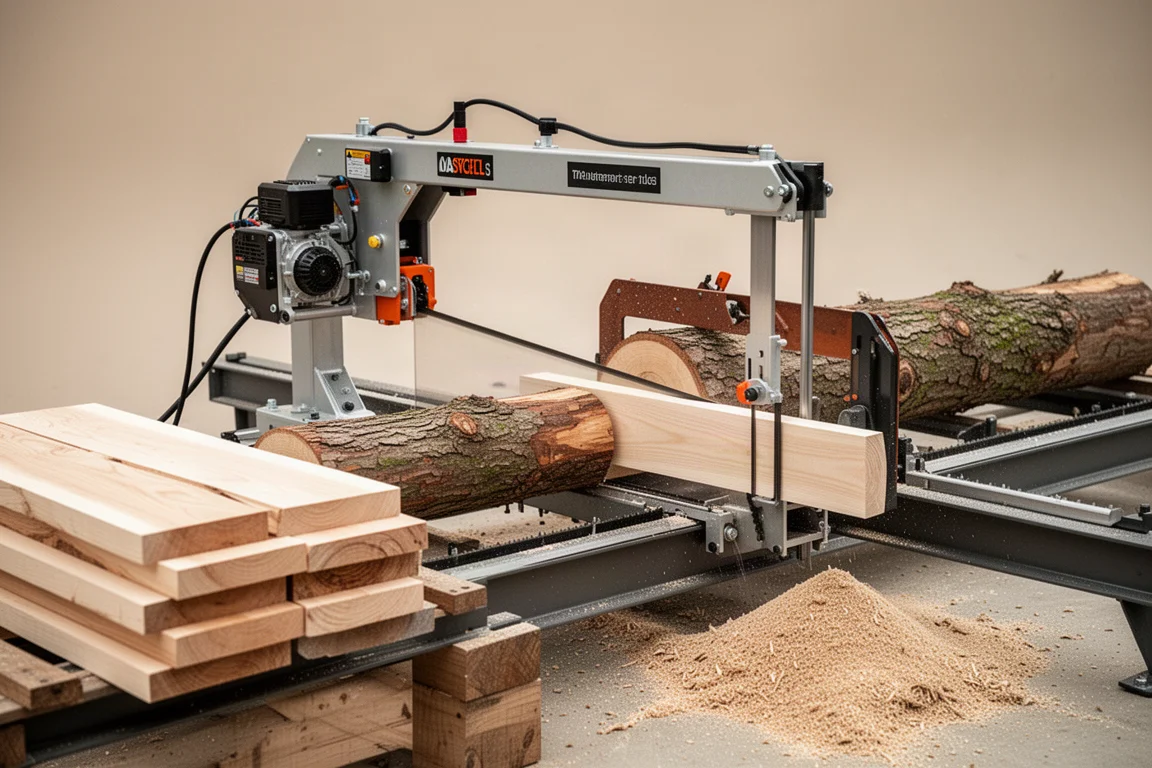
Even Wood-Mizer mills, particularly less expensive ones, may need an upgrade in band tension. If the blade is not tight, it will not cut straight, and that applies to nearly any mill in this category. Impressively accurate results on very large hardwood logs are what leave observers delighted every time one runs.
Skills You Need Before You Buy
A sawmill owner has to be a mechanic, probably a welder, and with modern mills increasingly a low-voltage electrician familiar with servos, switches, and controls. If you are not fairly comfortable with a chainsaw, you have no business owning a sawmill yet: logging, skidding, bucking logs without splitting them, and handling a hung-up saw all demand real skills that only come with practice and risk.
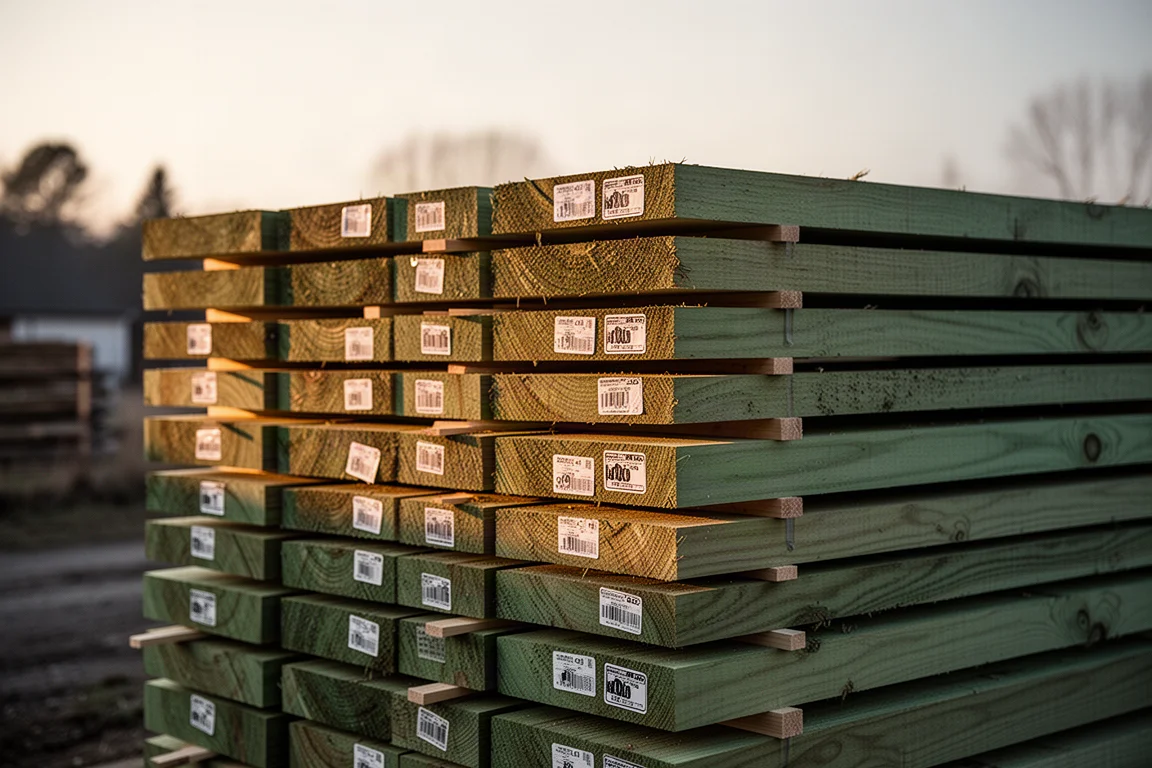
Then there is the lumber itself. Green lumber is essentially a rectangular section of water confined in wood fiber, and drying it is its own art and science. Custom customers often want to trade lumber instead of paying cash, which can leave you buried in boards and short on money. Marketing matters too: if you build it, they will not necessarily come. And if you are cutting your own marketable timber, be aware that severance tax can apply in some regions.
Is a Sawmill Worth the Money?
Here is some country wisdom: how do you tell a poor man? He either has a stud horse, a threshing machine, or a sawmill. People do make money with sawmills, but they are in the minority. Consider the economics honestly: commodity 2x4s and 2x6s are produced so cheaply at scale that, once you subtract the value of the logs, your time, and equipment wear, you would often be money ahead buying them at a big-box store. Where milling truly pays is in large cuts, 2x12s, 4x12s, 6x12s, and heavy timbers that you simply cannot buy retail.
As a retirement project, sawmilling is highly recommended; the joy of judging the opening cut and unwrapping a log like a present is genuinely addictive. If you are young and starting a family, be careful about betting everything on it. And whatever you choose, remember: if a machine can break logs into boards, it can hurt you badly. Pay attention, use mechanical advantage, and protect your back.
Conclusion
Think about four paths: a chainsaw mill for the cheapest start, a push band mill for low-cost improvement, Mobile Dimension if you have some money and want a self-propelled circular design, or Wood-Mizer if you want the most all-around precise, narrow-kerf band mill with live-deck options. Or, if you have a machine shop and a welder and about a year to figure it out, building your own from scratch can be a lot of fun. Make lots of friends, cut beautiful boards, and be smart about safety.
Further reading
Related Reviews

Backpacking Gear
Building a 10 lb Base Weight: An Ultralight Backpacking Gear List
A practical walkthrough of the ultralight pieces behind a 10 lb base weight, from a 765 g pack and a roomy one-person tent to a full camp chair and a dependable water filter.

Road Bikes
10 New Road Bikes Worth Watching: Aero, Titanium, Steel and Endurance Standouts
A practical roundup of 10 new road bikes, from aero flagships chasing single-watt gains to titanium, steel and endurance platforms built for real roads.

Bikepacking Gear
11 Bikepacking Essentials for Long-Distance Cycling
Eleven bikepacking essentials for long-distance cycling, from a steel gravel frame and a two-person tent to helmet lights, packable gloves, and a frame bag that puts weight in the right place.