Portable Power
Portable Power Stations Compared: Analog, Lie Power, and Generac
Three portable power stations that look similar on the surface, but only one of them stands out for build quality and everyday durability.
Introduction
Portable power stations, sometimes marketed as solar generators, have flooded online marketplaces in recent years. At first glance, many of them look almost identical: same face plate layout, same ports, same claimed output, same price. That similarity is not a coincidence, and it matters when you are deciding where to spend your money.
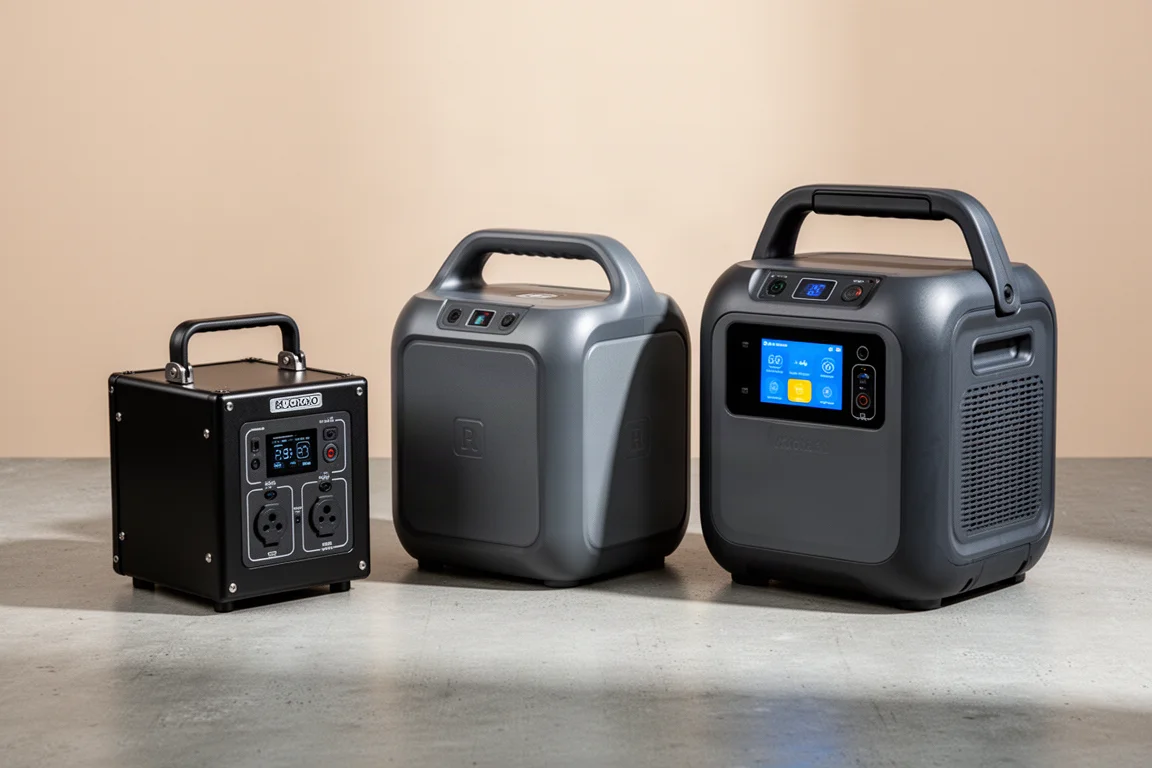
We looked closely at three units: the Analog power station, the Lie Power power station, and the Generac portable power station. Two of them turn out to be remarkably similar under the skin. The third is built differently, and in our experience it holds up better to real-world use.
What to Check Before You Buy a Power Station
Before comparing individual units, it helps to know what separates a good power station from a mediocre one. The built-in inverter limits how much power the unit can actually deliver, so check both the watt-hour capacity and the continuous wattage rating. Also pay attention to battery chemistry: lithium iron phosphate (LiFePO4) cells are strongly preferred over standard lithium-ion because they carry a much lower fire risk and tolerate far more recharge cycles.
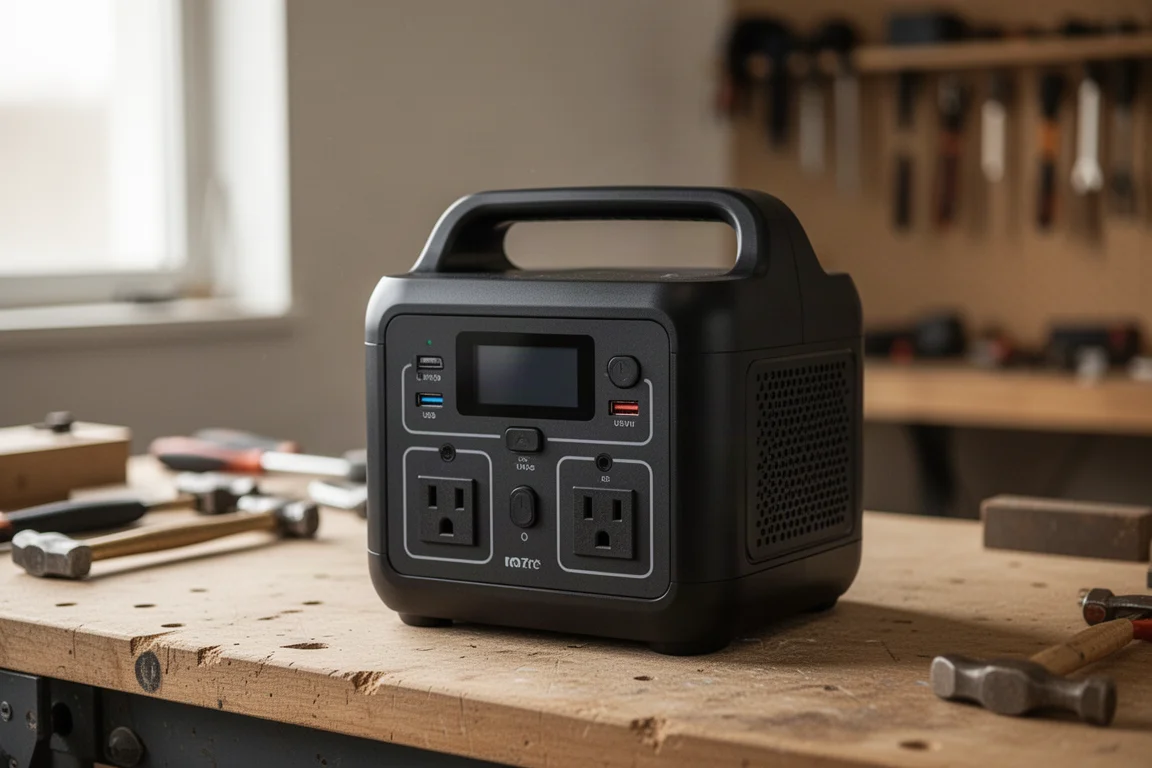
Finally, look at the physical build. Thin metal shells dent easily, and a power station that lives in a truck bed or garage needs to shrug off dust, bumps, and the occasional splash of rain.
Inside the Analog and Lie Power: Nearly Identical
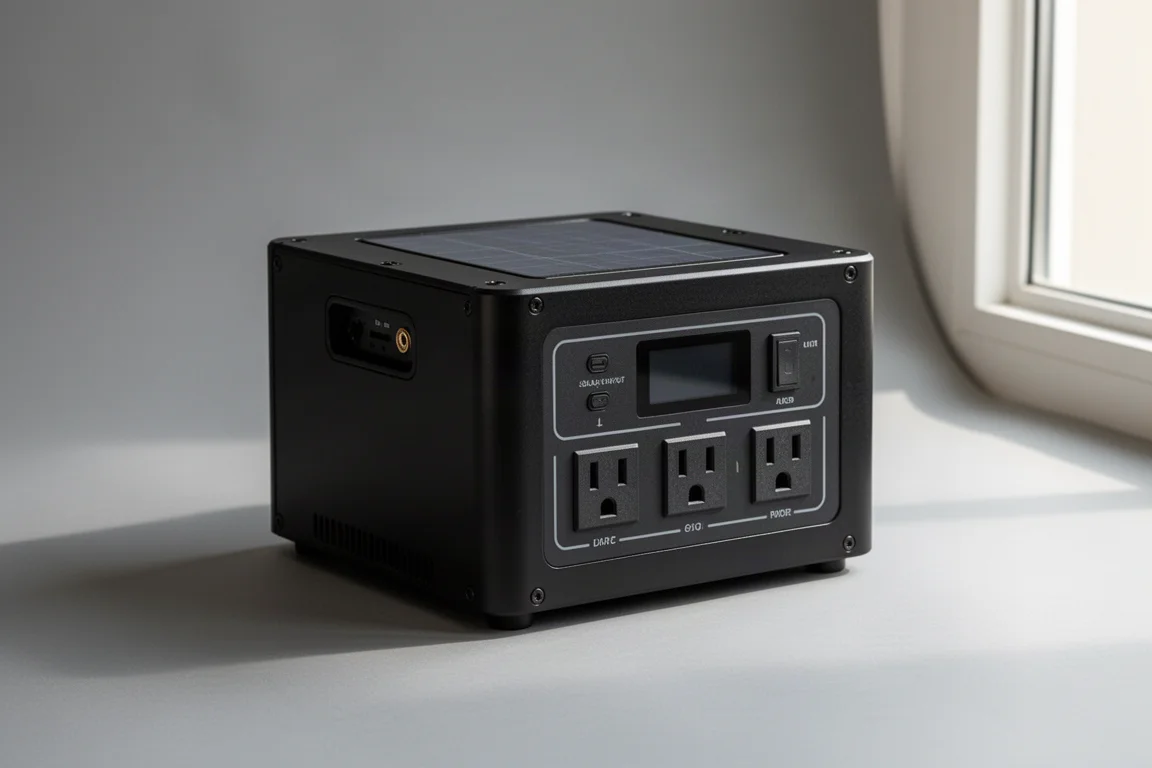
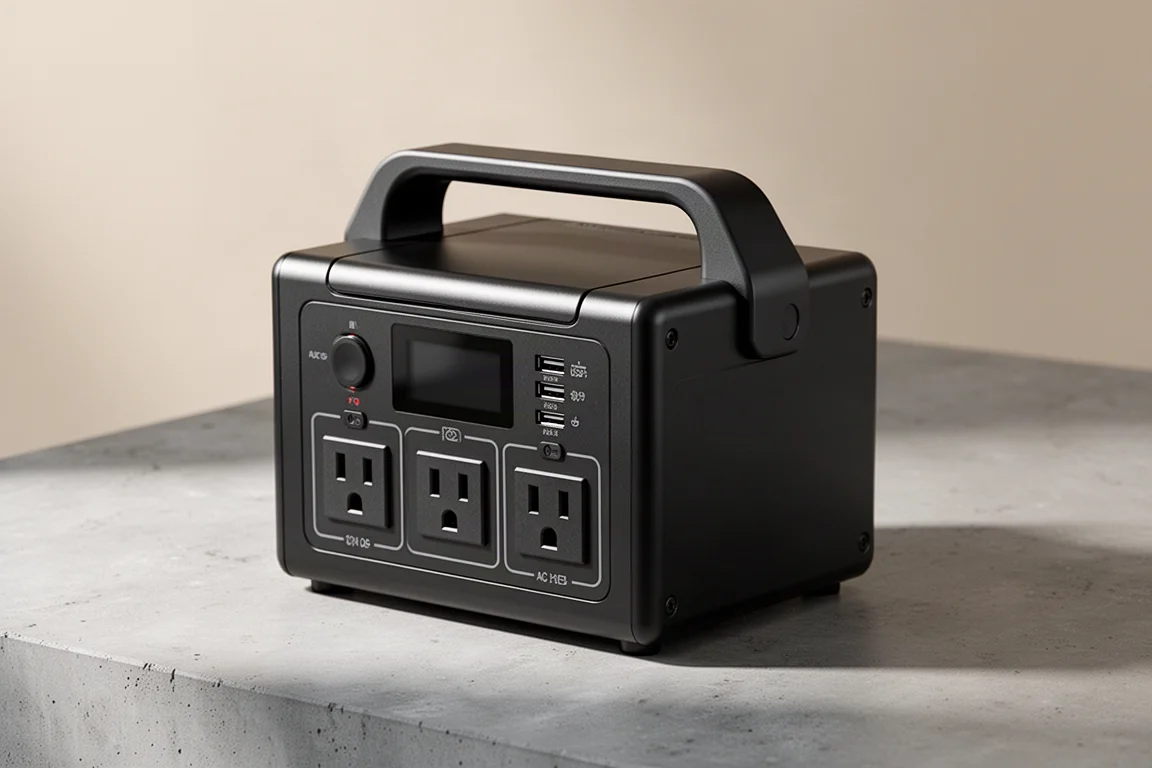
The Analog power station is, by most measures, an entry-level or economy option. It offers three AC ports, around 1,000 watts of output from its inverter, a standard solar panel input on the front, and lithium iron phosphate batteries inside rather than the lead-acid cells its exterior suggests. It was listed at $899.
The Lie Power unit looks and reads almost exactly the same. Same face plate, same body, same port placement, same specs, same price. Differences are cosmetic: a molded top plate serving as the handle, a different color, and slightly different printing. This kind of OEM sharing is common, where one manufacturer supplies several brands with the same internals and each gets a different skin.
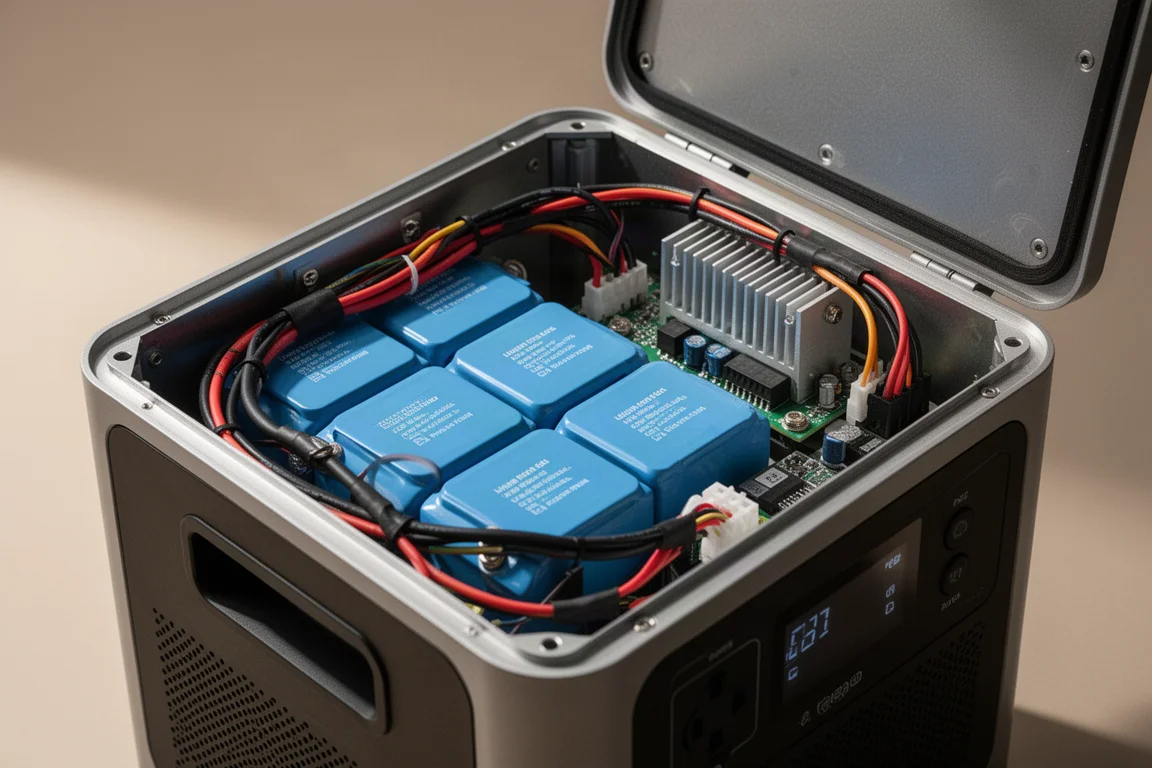
During a closer look inside, the resemblance holds: the internal layout of the two units is effectively the same. Searching the marketplace turns up more near-identical siblings under other names at similar prices, some with slightly beefier bodies, some far larger. The takeaway is simple: many of these listings come from the same source with different branding, so the brand name on the box tells you very little.
Who the Budget Units Actually Suit
That said, these budget units are not useless. Friends living on the side of an RV park with no hookups used one to run a fan at night and an ice maker during the day, and reported that it had been fantastic and a real lifesaver. If your needs are modest, a fan, small appliances, charging, a unit like this can genuinely earn its keep.
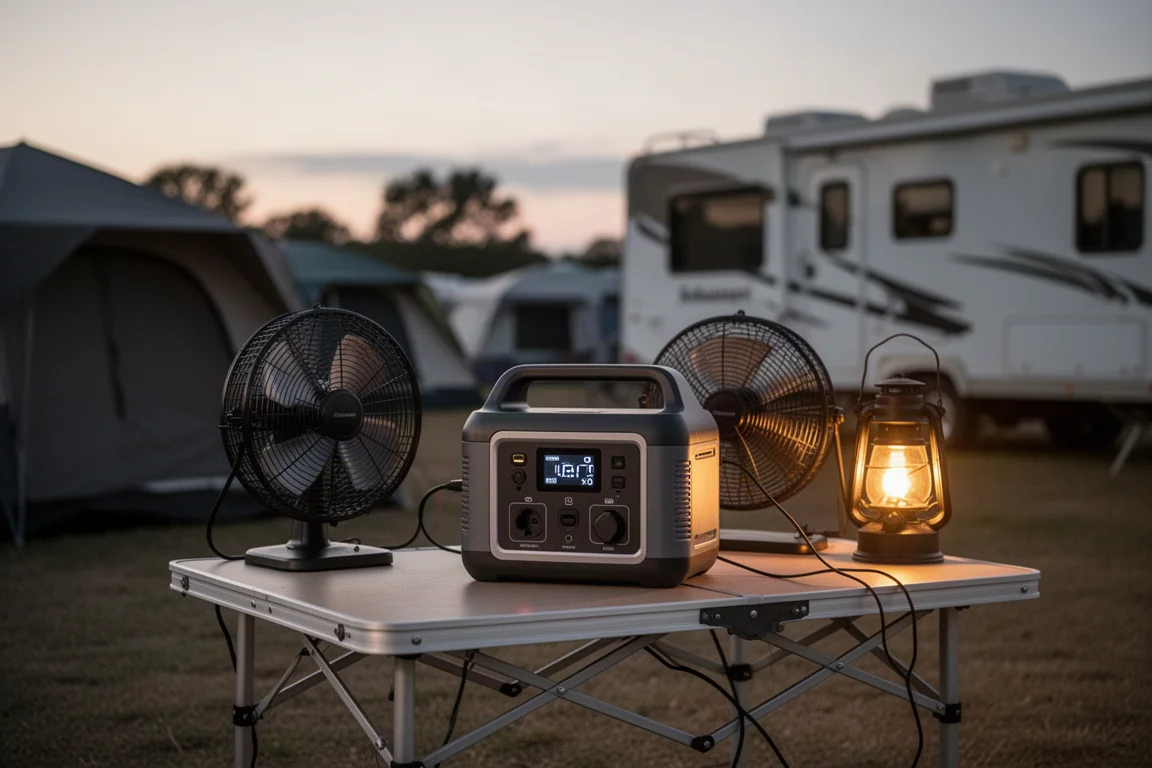
But at the $899 price point, we hesitate to recommend the Analog specifically. The build quality is the sticking point: the thin metal body is the kind that dents and gets damaged, and you are paying a premium price for what is essentially an economy box with a different name on it.
Why the Generac Stands Apart
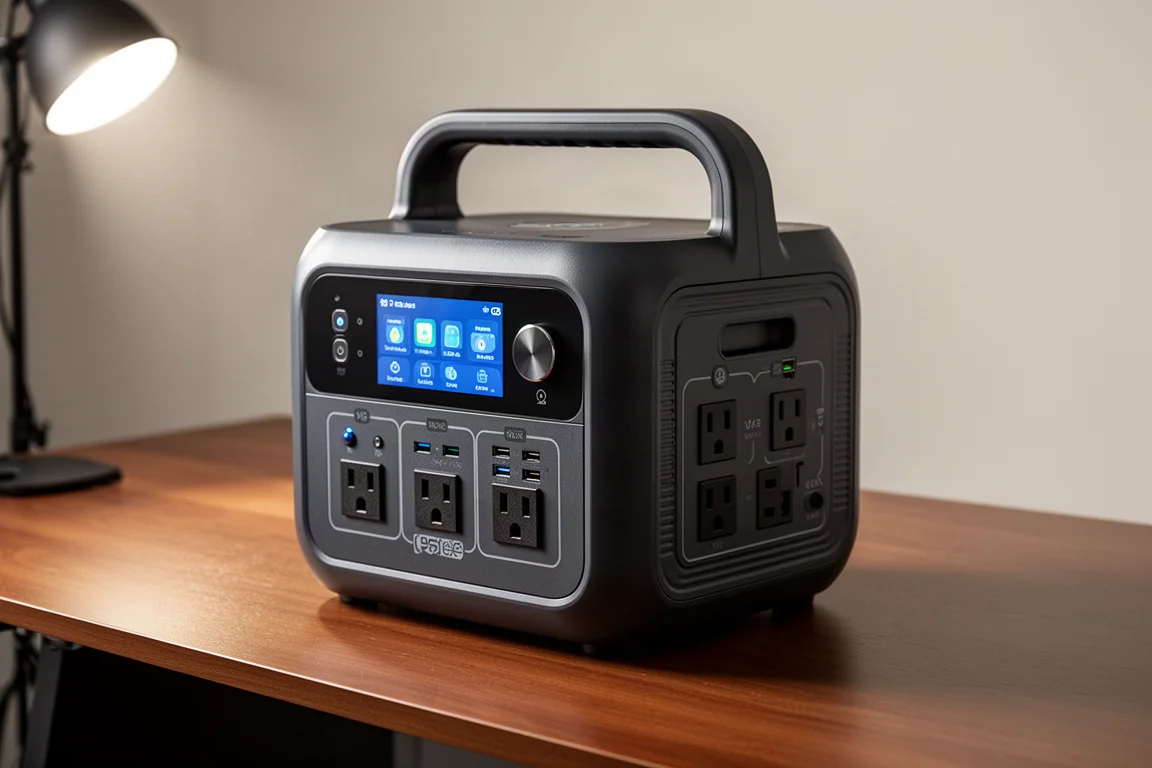
The Generac portable power station, despite its name, is a noticeably better-built box. It skips the flimsy metal shell in favor of a more robust construction, and it has an excellent carrying handle up top that folds flat when not in use, making it genuinely comfortable to lug around. It can also be bundled with solar panels if you want a solar charging setup.
Functionally it covers the same ground: a similar display, the same general port selection, just arranged differently. Charging is more flexible too. Rather than relying only on a dedicated AC adapter, it accepts charge through a USB-C port that works as both input and output, along with its other input ports.
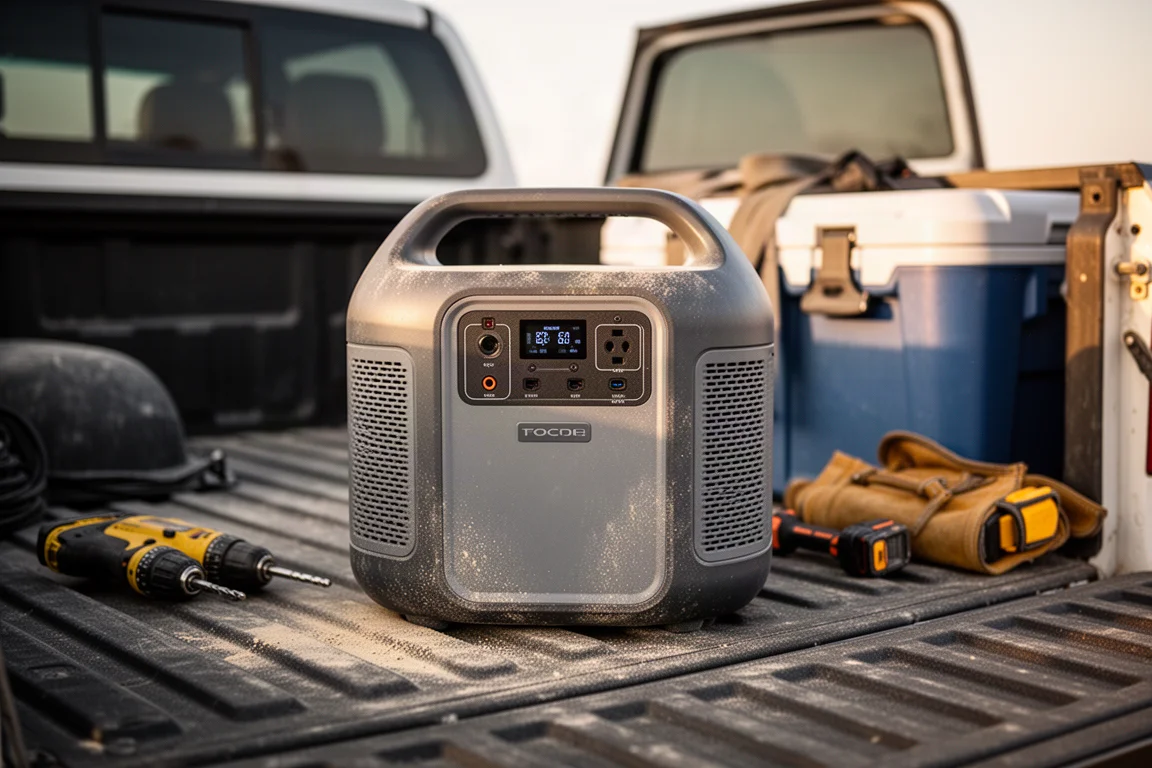
In everyday use it has proven durable. Ours rides in the back of a truck as a go-to portable generator, collecting dust, debris, and a little light rain without being babied, and it keeps working. At a similar price to the near-identical budget twins, the difference in build quality is what justifies choosing it.
Buying Advice
If you are shopping in this category, expect that many listings under different brand names share the same internals. Focus on battery chemistry, real build quality, charging flexibility, and warranty support rather than the name on the listing. If you plan to keep the unit in a vehicle or garage where it will see rough treatment, the extra sturdiness of a better-constructed box is worth prioritizing.
Conclusion
The Analog and Lie Power are effectively the same product with different skins: serviceable lithium iron phosphate power stations with reasonable specs, but build quality that does not inspire confidence at their price. The Generac costs about the same, feels far more robust, and has proven itself through heavy, careless use. If you are choosing between the three, the Generac is the one we would put in the truck.
Further reading
Related Reviews
Portable Power
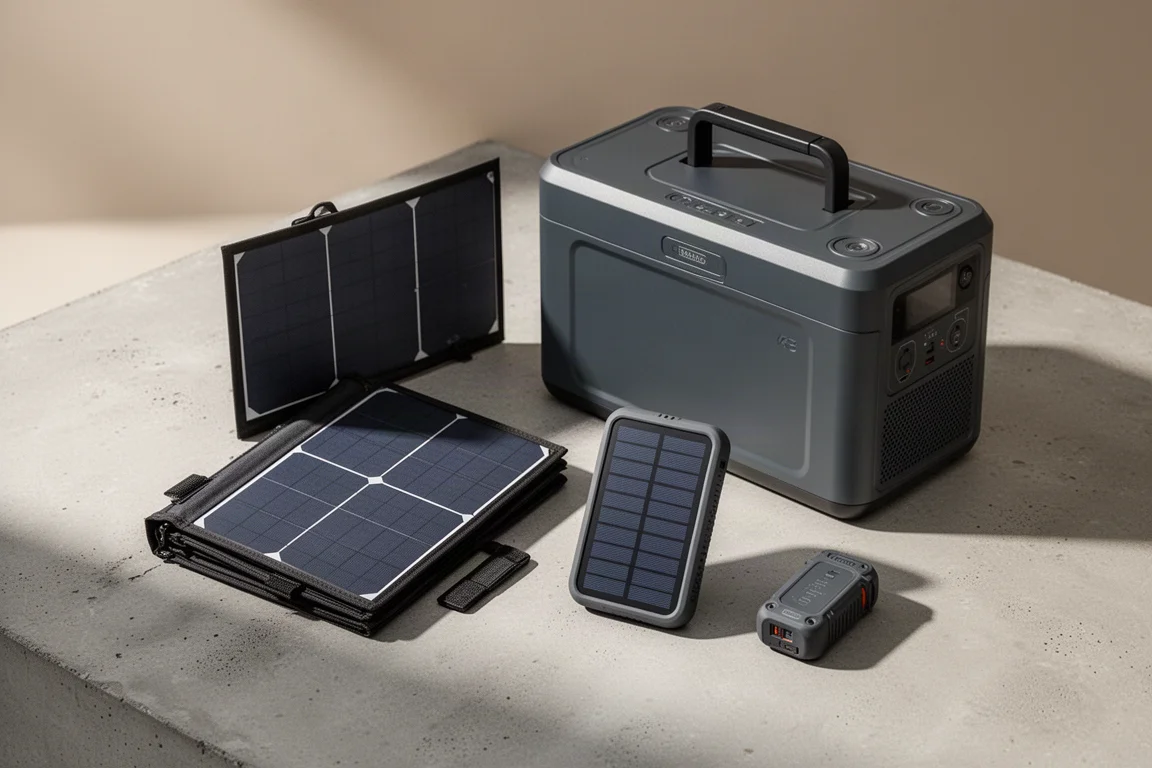
Best Portable Power for Camping and Remote Work: Six Power Banks and Solar Panels Compared
A practical comparison of six portable power options, from a 500W solar generator for car camping to a one pound solar power bank built for backpacking.
Portable Power
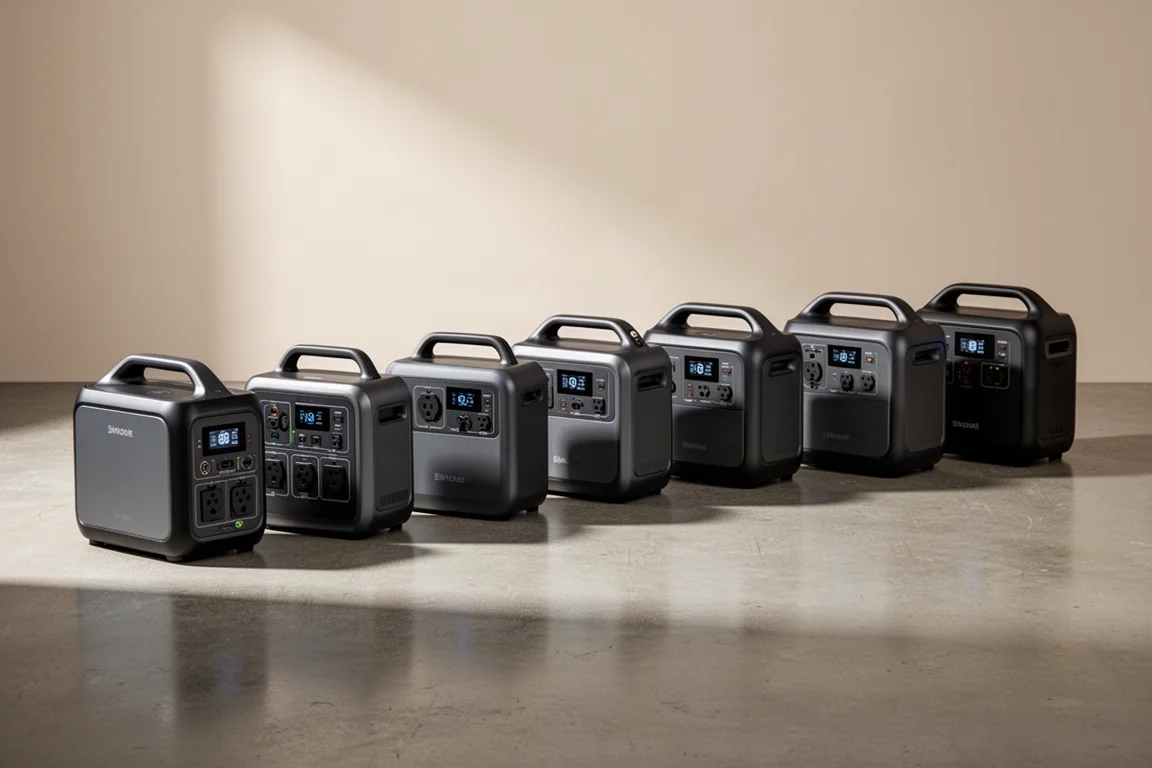
Best Portable Power Stations 2026: Nine Models Compared for Real-World Use
We compared nine portable power stations across output, capacity, charging speed, noise, and UPS performance to find the best value and the best overall pick.
Portable Power
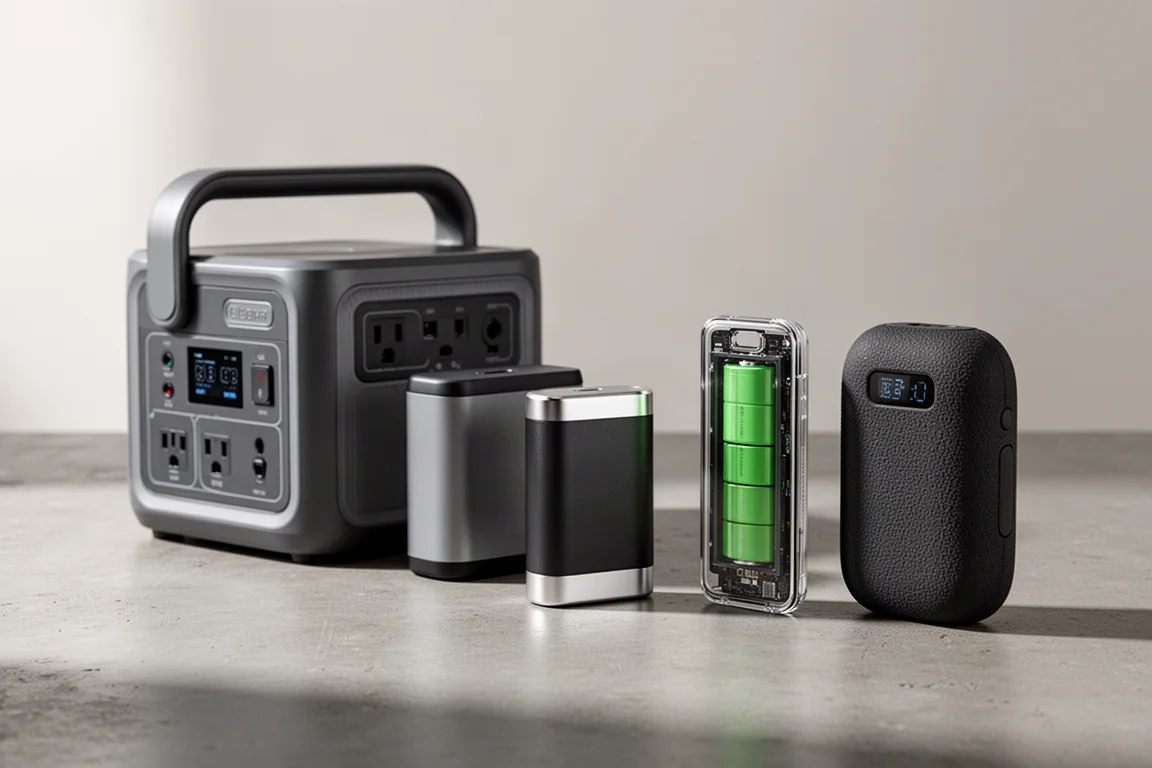
Best Portable Power Stations and Power Banks for Blackouts and Travel
Five portable power solutions compared: two EcoFlow power stations, a flight-friendly Zendure power bank, a see-through Shargeek, and the feature-packed Omni 20c+.