Backpacking Gear
Most Popular Ultralight Backpacking Gear: 10 Picks Worth Knowing
A practical look at the most popular ultralight backpacking items, from water bottle bidets and hydration tubes to pack liners, toothpaste tabs, and replacement bottle caps.
Introduction
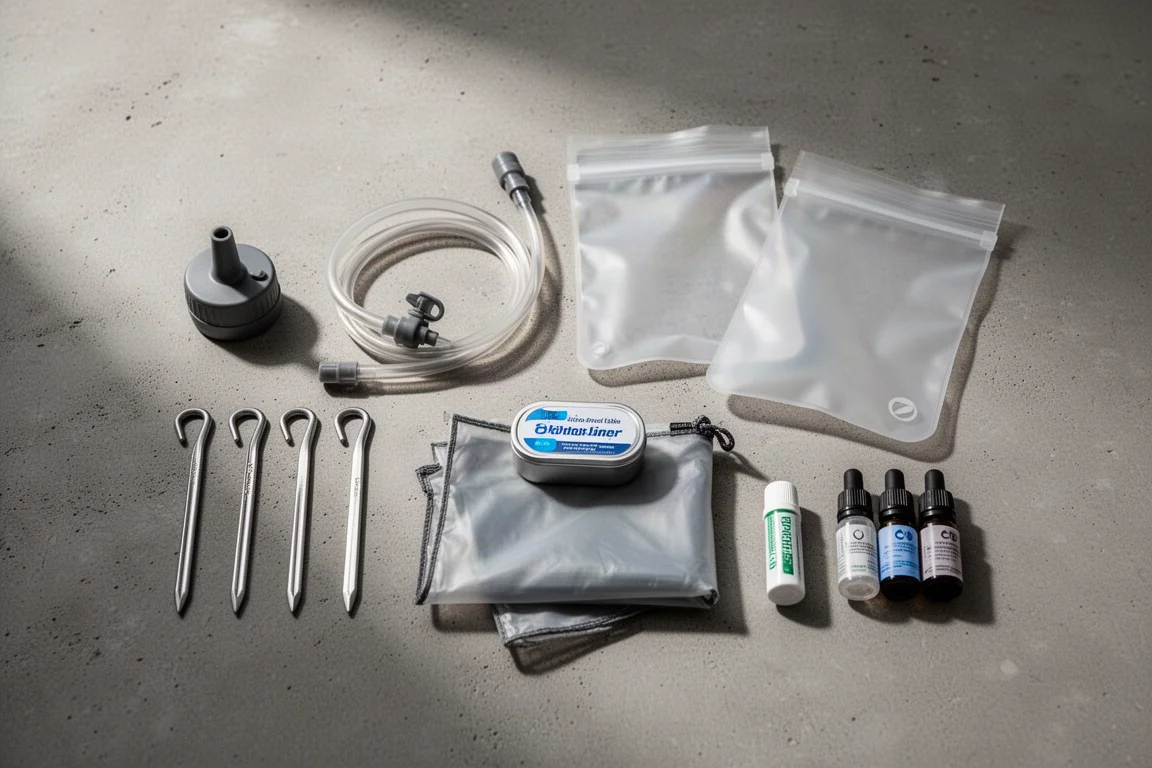
Not every popular ultralight purchase is a gimmick. Some items sell because they solve a real problem on trail, and others sell because they cost so little that trying them carries almost no risk. This roundup covers the most popular ultralight backpacking items from a specialist retailer and looks at what each one actually delivers in weight, durability, convenience, and cost. A few of the picks are obvious, and a few are genuinely surprising, but every item here earns its place for a particular kind of hiker.
What These Picks Have in Common
The items on this list share a few traits worth keeping in mind while shopping. Most are small, light, and inexpensive enough to test without much regret. Several replace a heavier or bulkier piece of standard kit, such as a hydration bladder, a toothpaste tube, or a garbage bag used as a pack liner. Others exist to protect the gear you already own, including odor-resistant food storage and a compact repair kit.
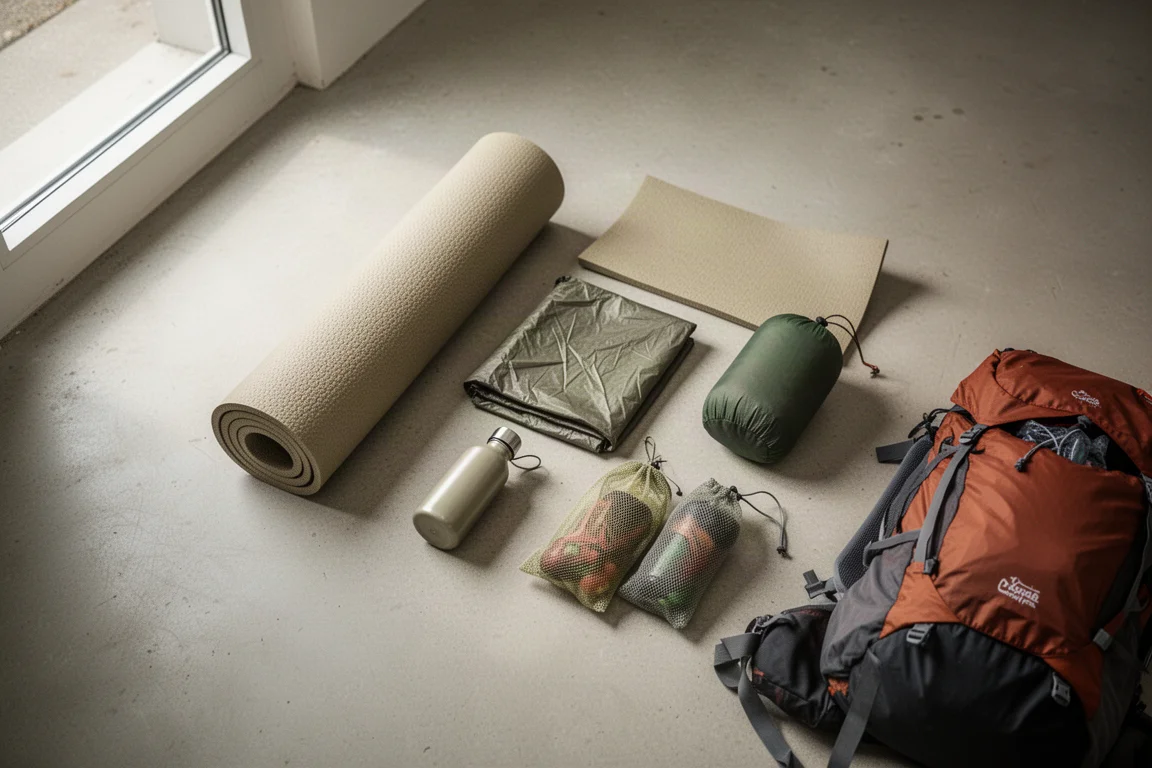
The trade-offs tend to be about convenience rather than outright performance. A lighter tent stake saves grams but costs more, and a hydration tube helps most on packs whose side pockets are hard to reach. Judging each item against how you actually hike is more useful than chasing the lowest possible weight.
Culo Clean: A Water Bottle Bidet
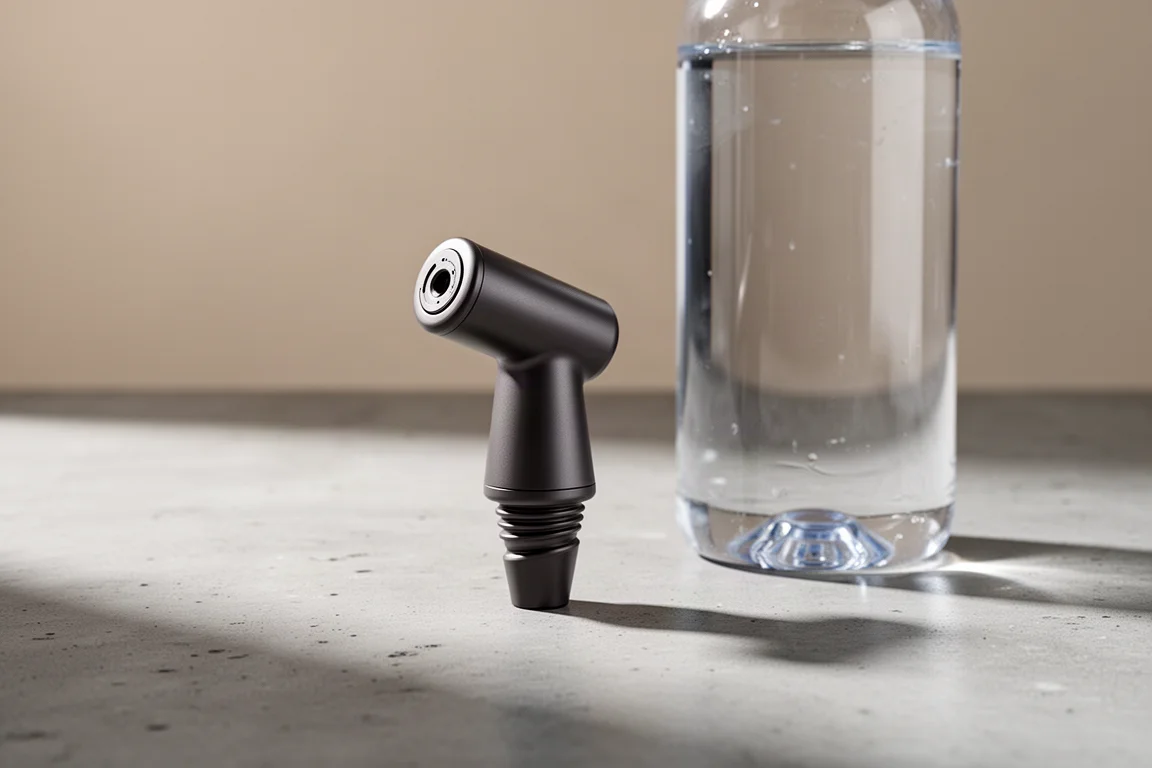
Culo Clean is a small bidet that presses into the top of a water bottle rather than screwing onto it. That detail matters more than it sounds. Because it plugs in, it comes off with one hand, which keeps the routine quick: use the bidet, remove it, take a mouthful of water, and dribble that over your hands to rinse.
Backcountry hygiene is personal, and a bidet will not suit everyone. That is likely why this item sits near the bottom of the popularity list even though it is one of the best-known options in its category. For hikers who already carry a bottle and want a lighter hygiene setup, it is a small and inexpensive addition.
One Bottle System: Bladder Convenience Without the Bladder
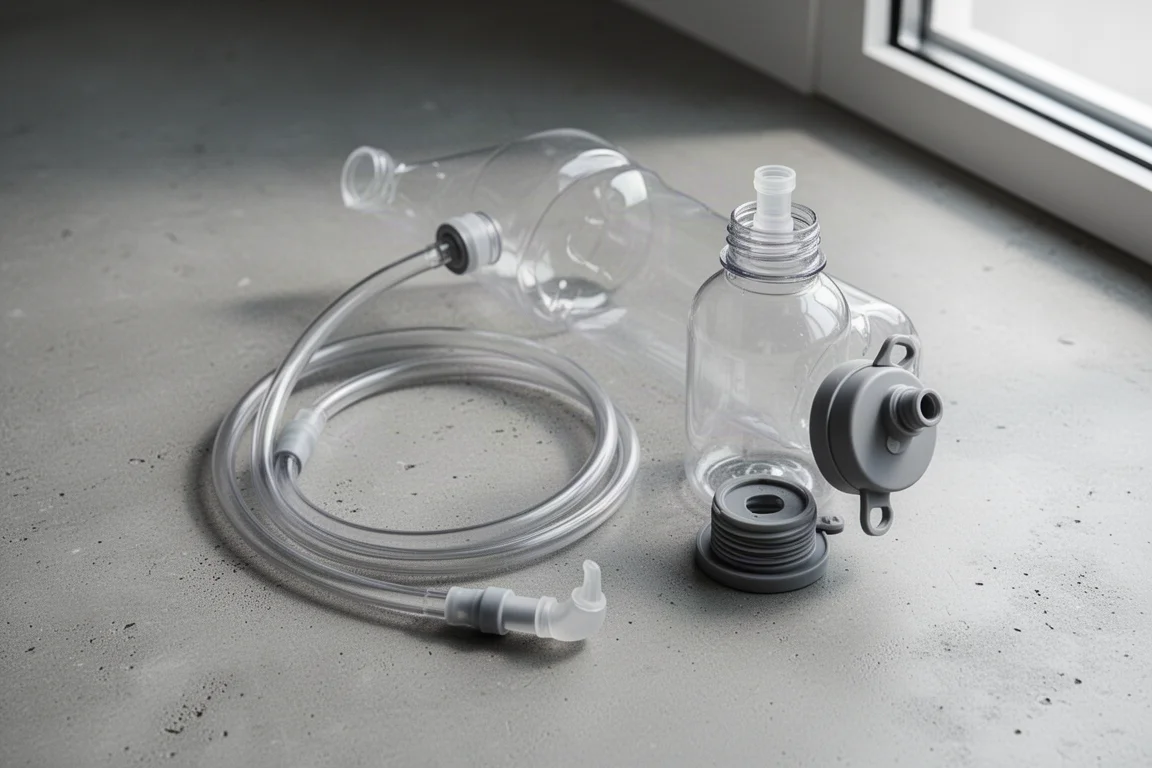
The One Bottle System turns a standard water bottle into a hands-free hydration setup. A tube attaches to the bottle lid through a range of adapters that fit common bottles, including Nalgene and Smartwater styles. The bottle stays in a side pocket while the hose runs over the shoulder to a mouthpiece, so drinking works much like it does with a bladder.
The advantages over a bladder are practical. It is far easier to see how much water is left, and refilling means topping up a bottle instead of wrestling a reservoir out of a pack and stuffing it back in. The setup is most valuable on packs with side pockets that are difficult to reach, which is a common frustration. Hikers whose packs already have easy-to-reach pockets may not need it at all.
Smelly Proof Bags: Odor Control and Organization
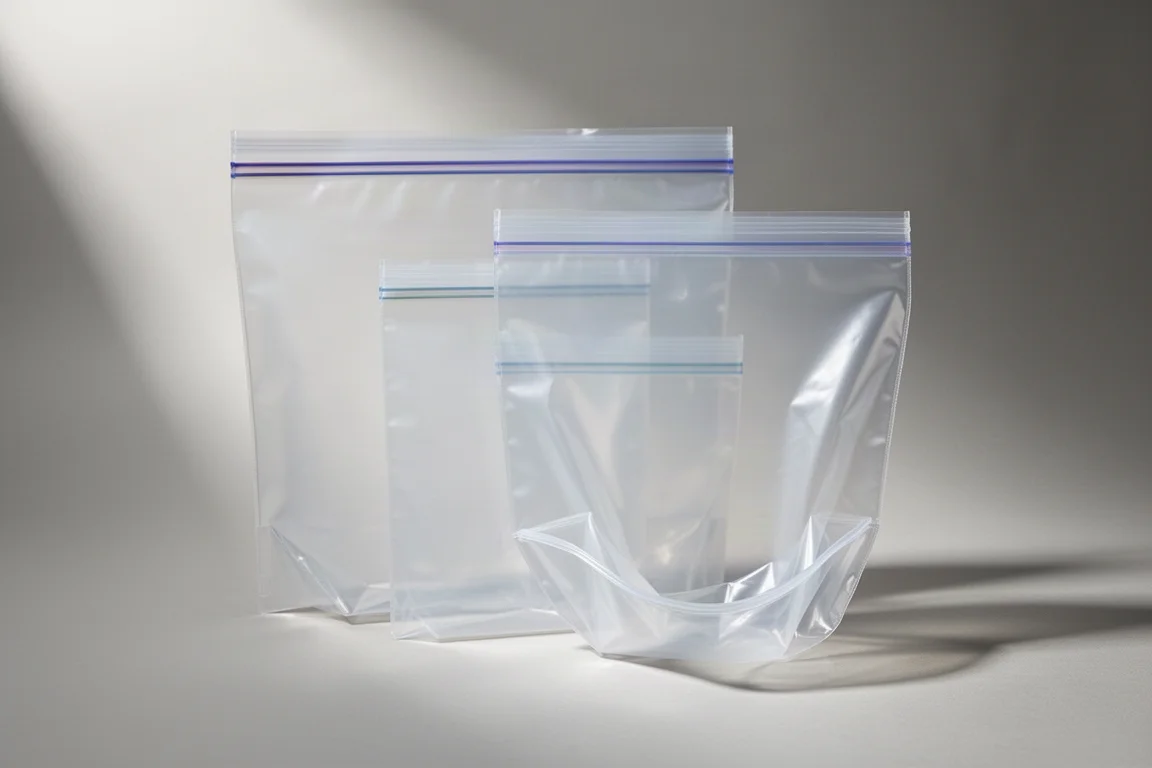
These are heavy-duty zip bags built for odor protection as well as storage. In bear country, more odor control while packing food is a genuine advantage, and the durability means the bags also work as reusable organizers for small items. They weigh close to a standard zip bag but hold up far better across repeated trips.
Sizes and shapes vary. Some versions have curved bottoms that let the bag open up more, which helps when eating straight from it, such as during cold soaking. One limit is heat. The bags are dishwasher safe but rated to 88°C, so hot water is fine while boiling water is not.
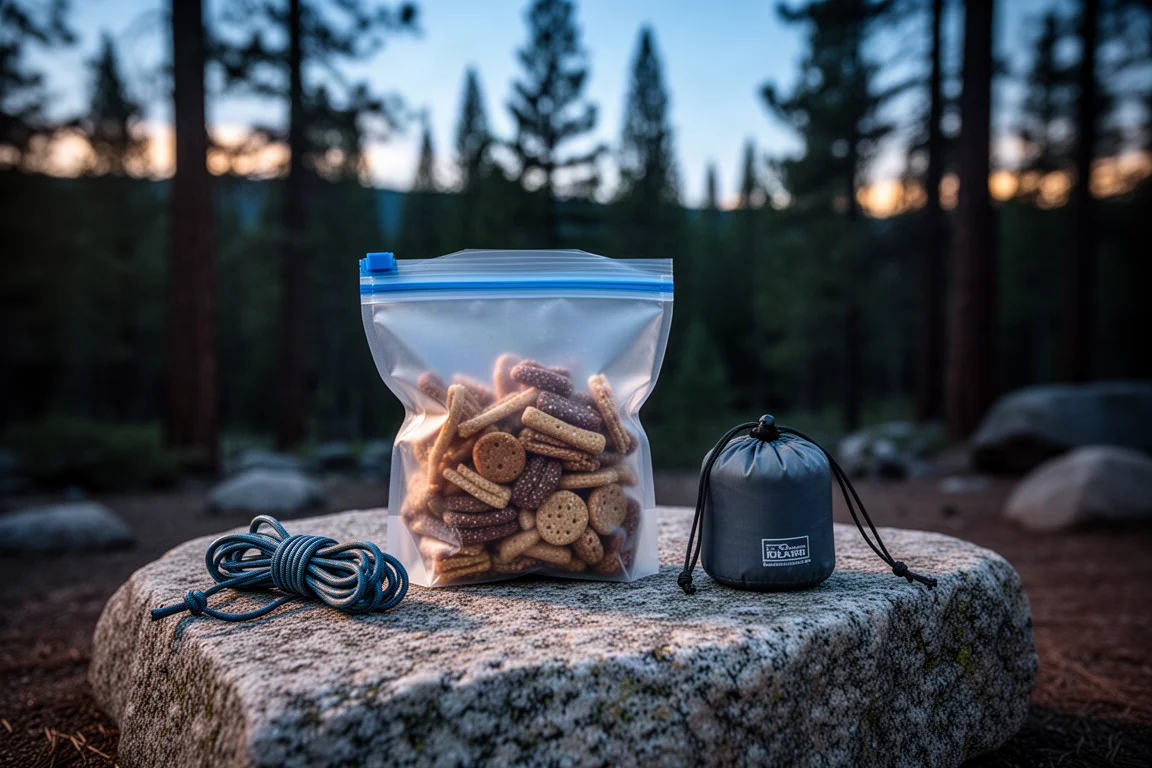
For hikers who already use zip bags for food and small gear, this is a straightforward upgrade that reduces waste over time.
MSR Groundhog Tent Stakes: Proven Reliability
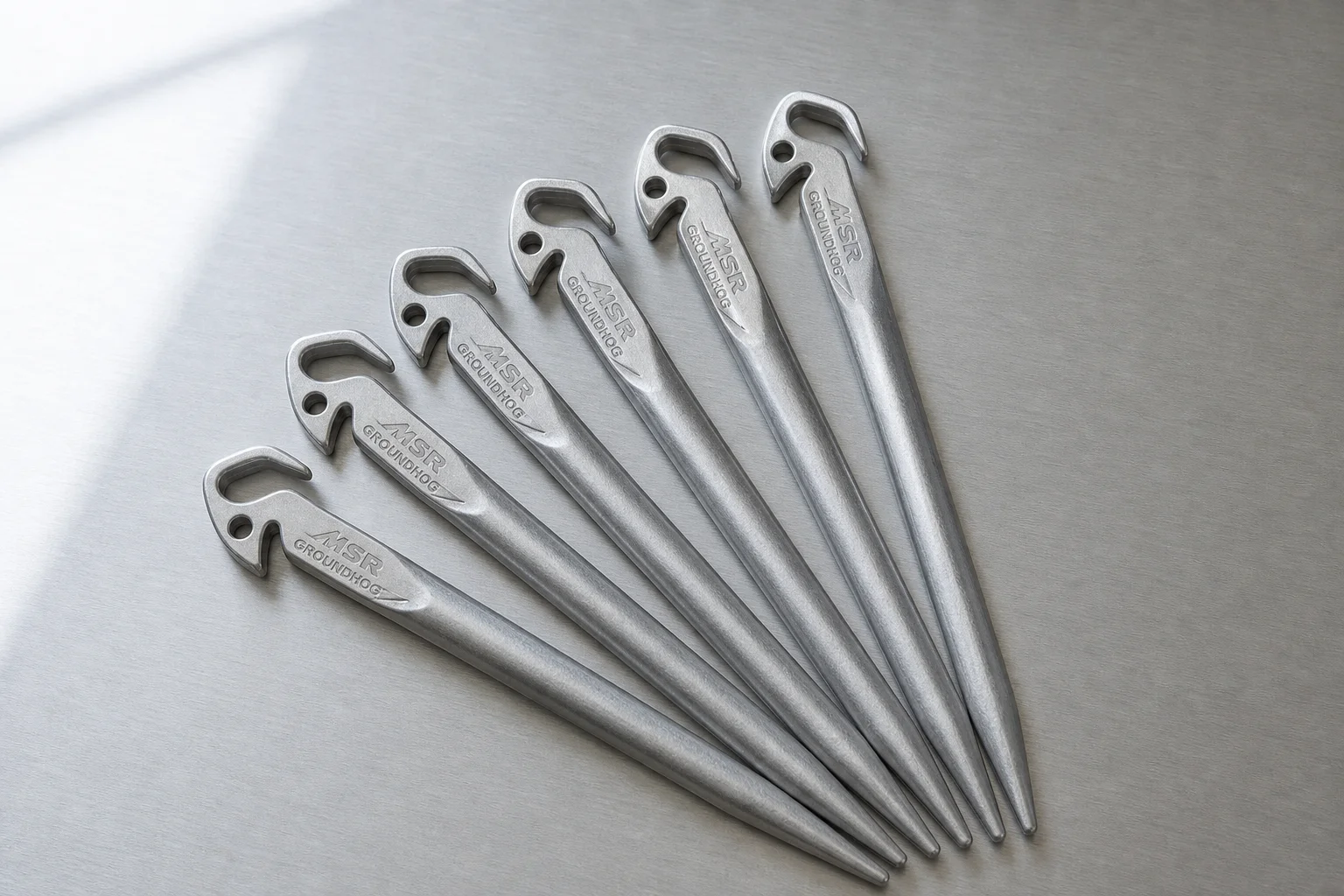
The Groundhog is not the lightest stake on the market, which makes its popularity notable for an ultralight-focused audience. What it offers instead is a long track record: it holds well, it is durable, and it costs less than many alternatives. For most shelters, that combination is hard to argue with.
Lighter tubular and carbon stakes exist. They shave grams and suit non-critical points on a tent, where a stake is less likely to take a hard load, but they cost more. For the main guy points, the Groundhog remains a dependable choice, and the price makes it easy to carry a spare.
Big Sky Food Pouch: Cold-Weather Meal Insulation
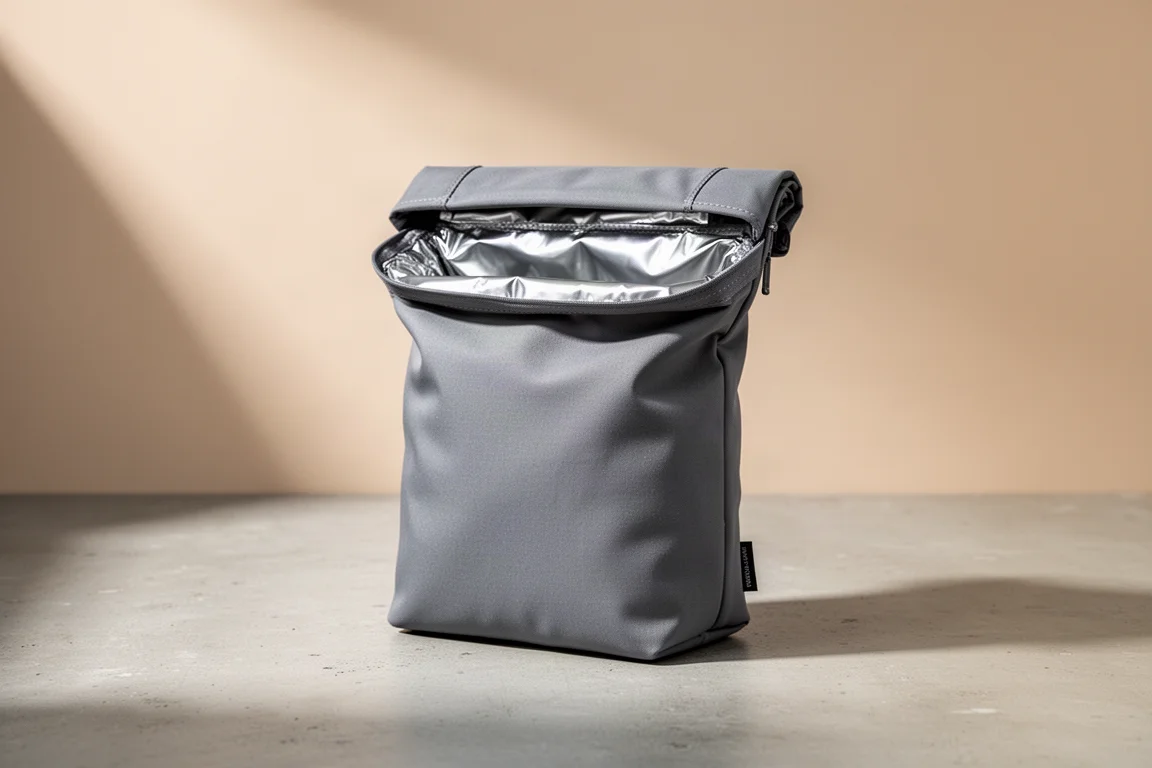
A food pouch is a cold-weather tool. It becomes genuinely useful below freezing, where rehydrating a meal takes longer and food cools quickly. Keeping the meal inside the pouch while eating also holds warmth through a slow dinner.
For trips around freezing or just below, an insulated pouch is often more than you need. A common approach is to tuck a freeze-dried meal inside a down jacket while it rehydrates, which works well until temperatures drop further.
Dropper Bottles: Repackaging Liquids for the Trail
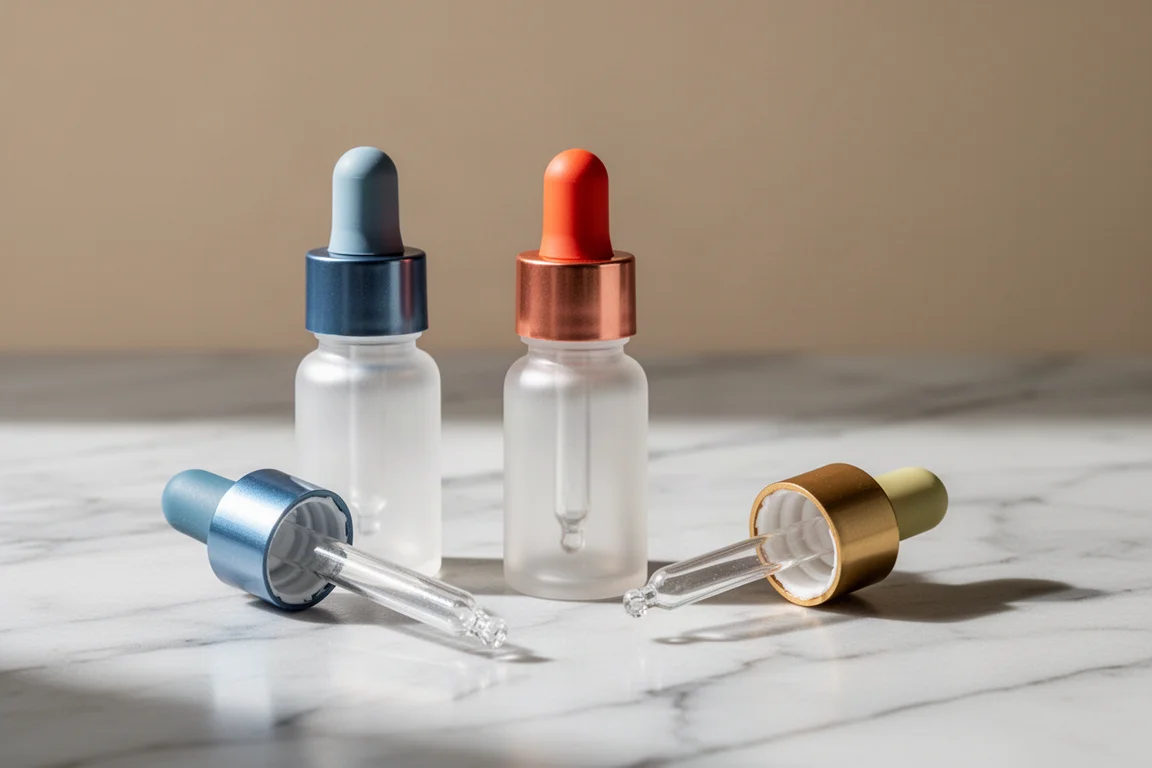
Small dropper bottles cost under a dollar each and let you carry only the liquid you need. Popular uses include sunscreen, toothpaste, soap, water treatment drops, contact solution, and even hot sauce. Decanting into a tiny bottle cuts weight and bulk compared with full-size packaging.
They are not for everyone. Hikers who carry few liquids will find little use for them, and the small capacity suits short trips or small amounts rather than long stretches between resupply. For anyone who does carry liquids, they are one of the cheapest ways to trim pack weight.
Ingenious Repair Kit: Field Repairs Made Simple
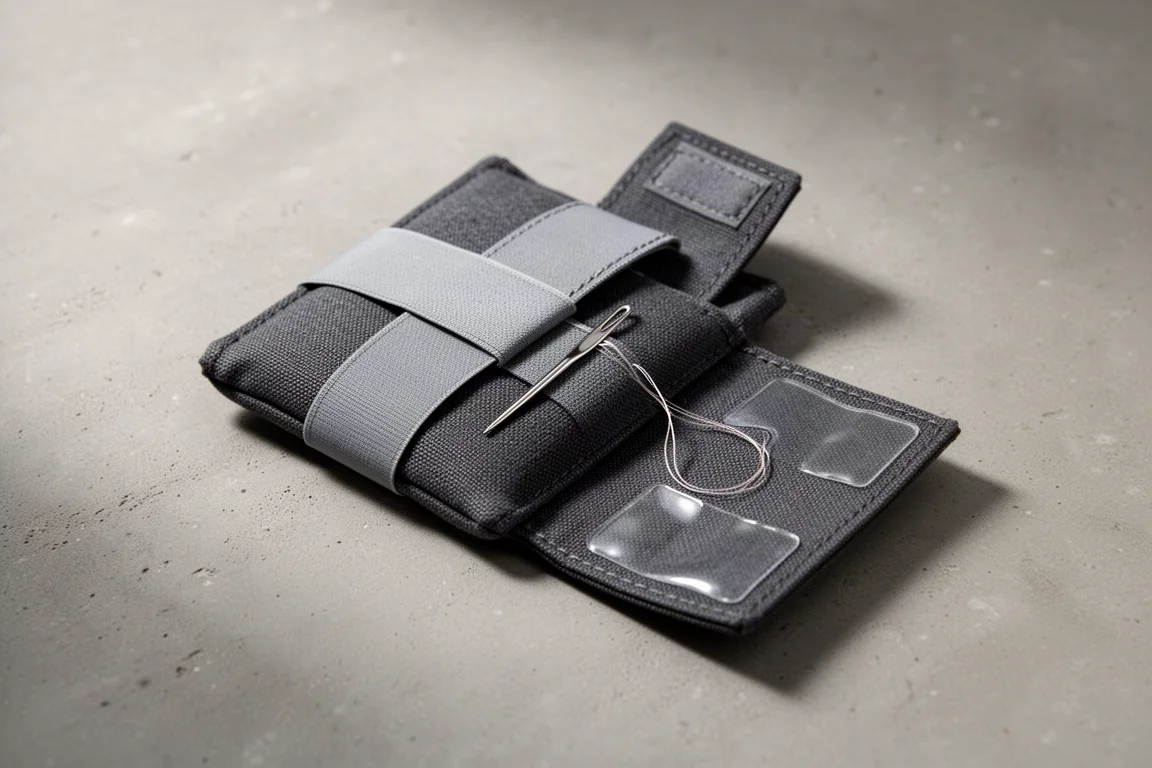
A repair kit feels optional until something tears. This all-in-one kit removes the guesswork of assembling one from scratch. Gorilla tape wraps the outside for quick patching, a needle sits under a small 3D-printed flap with thread for sewing repairs, and patches for inflatables and tougher fixes live under a flap on the other side.
The kit is compact and light, and it includes the small items that are easy to leave behind, such as a needle, thread, and patch material. For patching a torn down jacket or a leaking sleeping pad, that coverage is worth the space it takes up.
Nylofume Pack Liner: Lightweight Protection for Your Gear
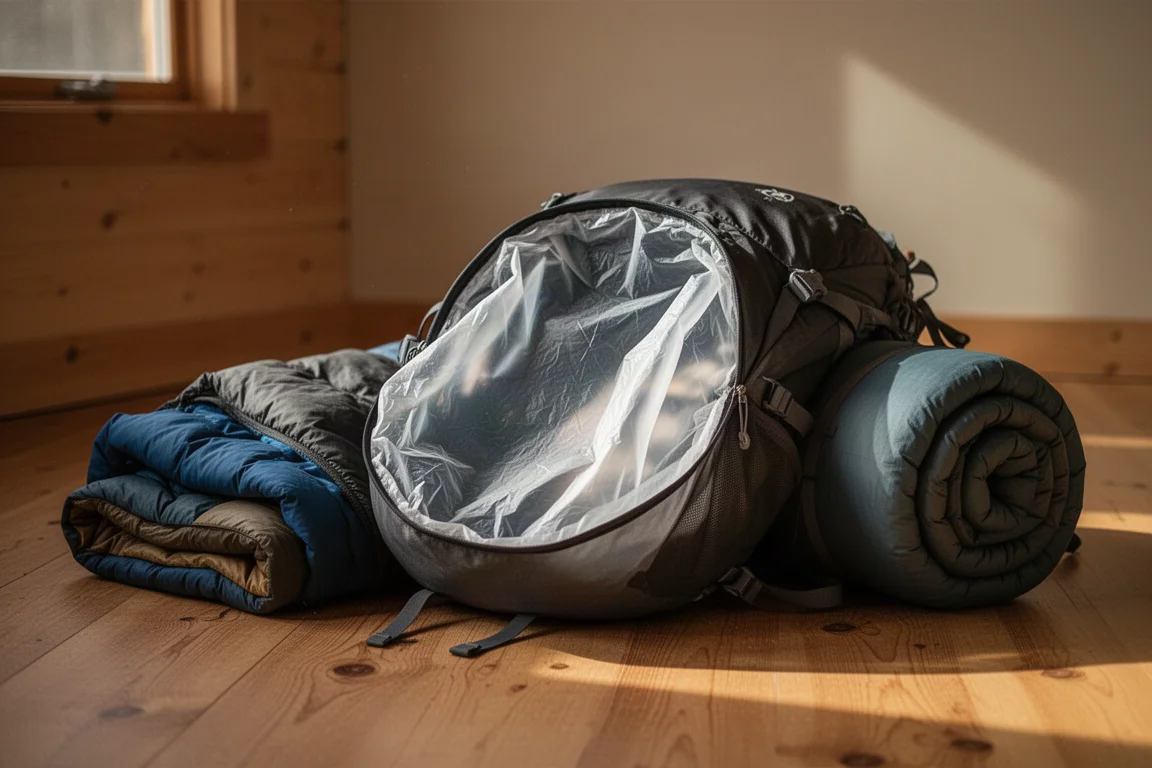
Lining a pack is close to standard practice now, whether with a trash compactor bag, a garbage bag, or a dedicated liner. Nylofume liners are the lightest and among the cheapest options, and a three-pack is simpler to buy than a large box of compactor bags.
Use is straightforward. Place the liner inside the pack, load everything that needs to stay dry, then twist the top closed and tuck it down the side. That keeps rain and moisture away from insulation and spare clothing.
Durability depends on handling. The material is not the toughest available, but keeping the liner inside the pack and loading items in and out while it stays in place avoids most tearing. With that approach, a single liner can last for years without rips.
Unpaste Toothpaste Tabs: Lightweight Oral Care
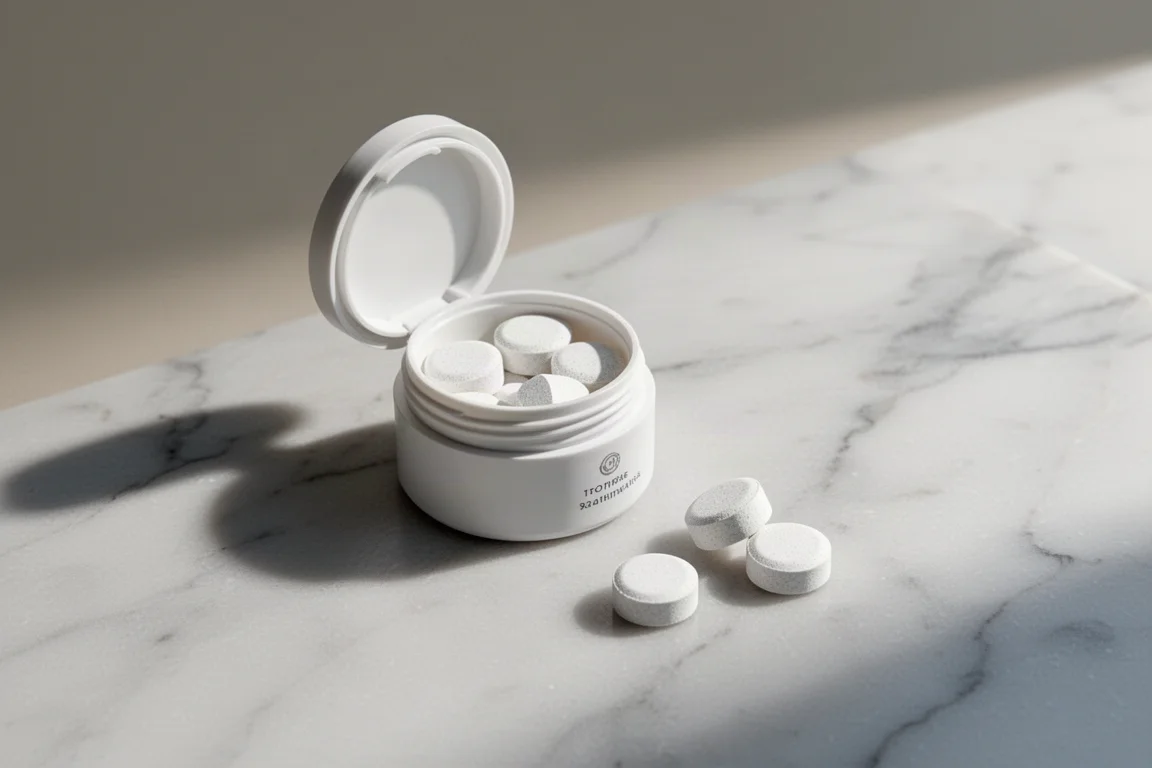
Toothpaste tabs replace a tube with small tablets that you chew and then brush with as normal. They come in fluorinated and unfluorinated versions, so it is easy to match a preference.
The real advantage is weight and packing flexibility. You bring only the number of tabs a trip requires, whether that is a handful for an overnight or a carefully counted supply for a long section between resupplies. That makes them practical for thru-hikes as well as weekend trips, and noticeably lighter than carrying a tube.
Replacement Sports Caps: A Small Upgrade That Sold Best
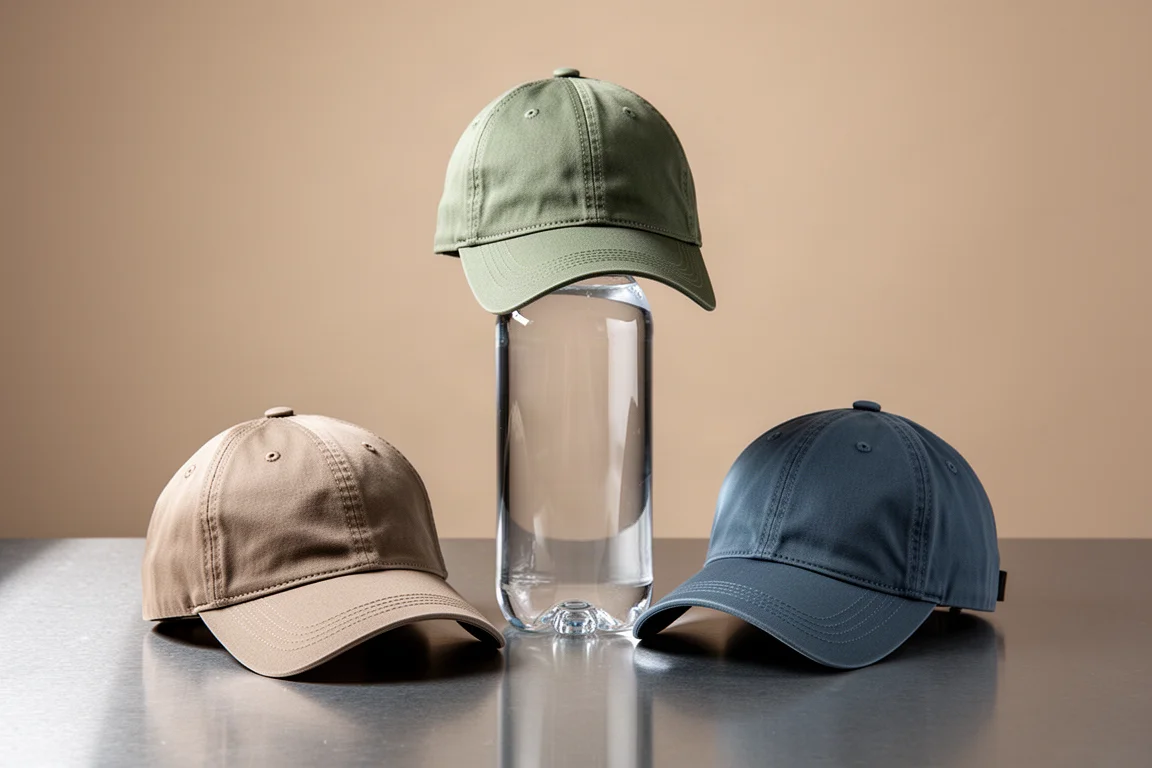
These are flip-top caps that screw onto one-liter water bottles. They exist because of an old workaround: buying a one-liter bottle with a plain screw cap and a smaller bottle with a flip cap, then swapping the flip cap onto the larger bottle. That was wasteful, expensive, and annoying.
Buying the caps on their own solves all three problems. They fit one-liter bottles, come in a range of colors, and can be purchased in any quantity. Flip caps are simply easier to drink from than screw caps, which matters on the move. The versions sold by the retailer also appear to hold up better than the caps that come on the bottles themselves, which reduces waste further.
Overall Buying Advice
The right ultralight purchase is the one that matches a problem you actually have. A bidet and a hydration tube are preference calls, and both work best for specific habits. Odor-resistant bags and a pack liner protect what you carry, which makes them easy to justify. Tent stakes come down to a weight-versus-cost decision. A food pouch earns its place in subfreezing conditions. Dropper bottles and toothpaste tabs trim weight for the consumables you already pack, and a repair kit is inexpensive insurance for the gear you depend on.
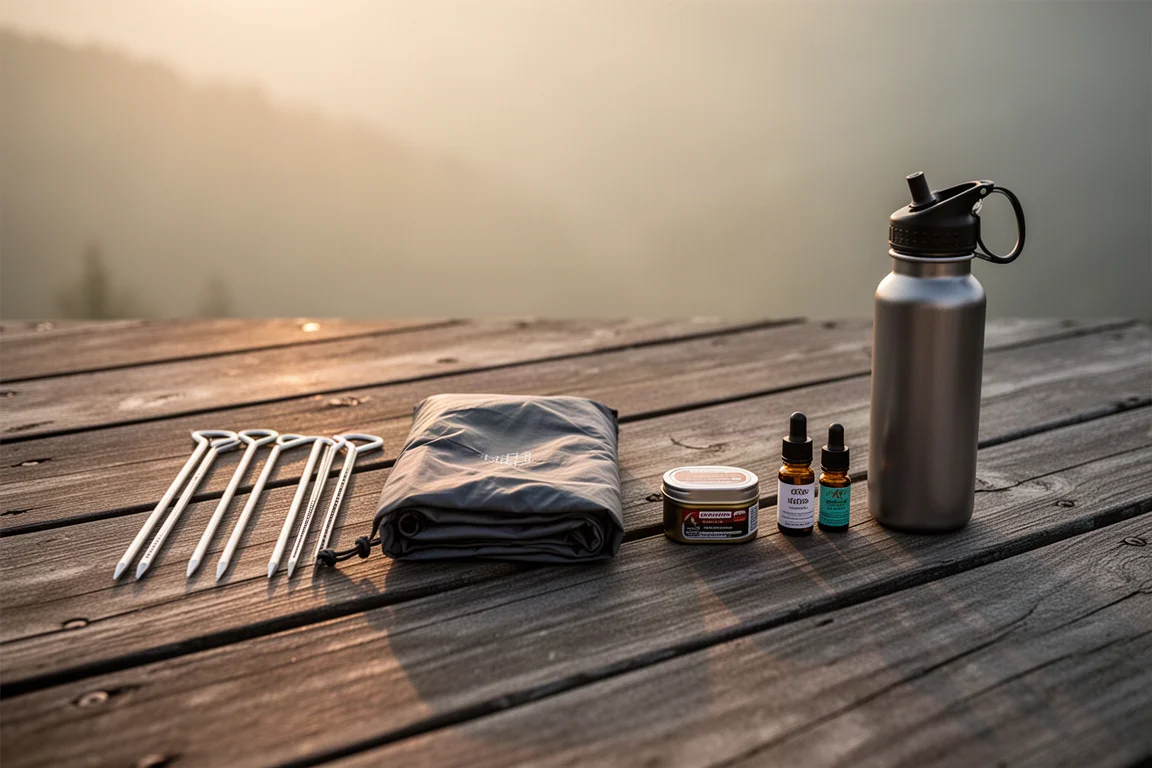
If you are building a kit from scratch, start with the items that protect your gear and your food, then add the conveniences that match how you hike. Small accessories rarely transform a trip, but the right ones quietly remove friction, and that is usually worth the few grams they add.
Conclusion
The most popular ultralight items tend to be small, inexpensive, and specific. Each one here answers a particular problem: hygiene, hydration, food storage, shelter, repairs, or packing. Buy the ones that match a problem you have, and skip the rest. That remains the most reliable way to keep a pack light and a trip simple.
Further reading
Related Reviews

Backpacking Gear
Building a 10 lb Base Weight: An Ultralight Backpacking Gear List
A practical walkthrough of the ultralight pieces behind a 10 lb base weight, from a 765 g pack and a roomy one-person tent to a full camp chair and a dependable water filter.

Backpacking Gear
A 15-Pound Lightweight Backpacking Gear List for Solo Trips
A beginner-friendly 15-pound backpacking setup built from easy-to-find gear, with notes on what each piece does, how it packs, and where to spend your attention.
Backpacking Gear
8 Ultralight Backpacking Gear Upgrades Worth Carrying
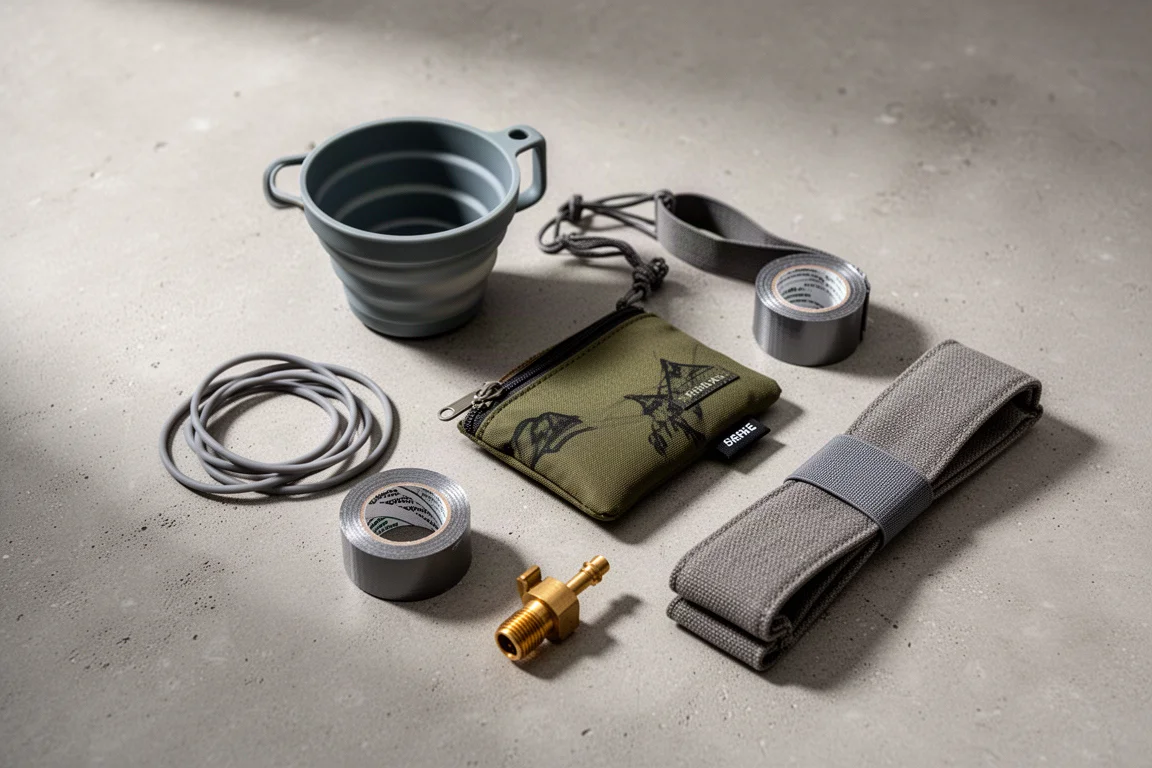
Eight small, affordable backpacking upgrades that solve real trail annoyances, from a pillow that stays put to a fuel valve that rescues leftover canister gas.