Hi-Fi Speakers
Popular Speakers That Divide Listeners: Eight Models Worth Understanding
Eight widely recommended speakers, the trade-offs that come with them, and how to tell whether one will suit your room, amplifier, and music.
Introduction
A short list of speakers comes up again and again in conversations about affordable high fidelity. They are recommended in showrooms, in forums, and in buying guides, and each one does something genuinely well. That does not mean each one suits every listener, every amplifier, and every room.
This guide covers eight widely recommended models and the trade-offs that come with them. Some demand far more amplifier power than their size suggests. Some are voiced in a way that flatters acoustic recordings and unsettles heavier music. One delivers remarkable bass for its cabinet size at a price where floorstanding alternatives become realistic. None of these are bad speakers. They are specific ones, and knowing the specifics is how you avoid a disappointing purchase.
How This Guide Is Organized
Each entry below covers the same handful of questions: how hard the speaker is to drive, how it handles dynamics, what its midrange and treble character is like, how much bass it produces, and how forgiving it is of placement. Those five things explain most of the gap between a speaker that delights one listener and frustrates another.
Price context matters as much as sound. A standmount that is genuinely impressive at one price can become a difficult recommendation at another, because the alternatives change. Where a speaker sits relative to floorstanding options, and relative to lower-cost models from the same brand, is often the deciding factor.
One further signal is worth watching: the secondhand market. When a model appears in unusually large numbers on used listings, it often means buyers liked the idea of the speaker more than the speaker in their own room. That is not proof of anything, but it is a useful thing to notice before you buy.
KEF LS50 and KEF LS50 Meta: Revealing, but Power-Hungry
Both versions of this compact standmount have a devoted following, and it is easy to hear why. The cabinet is small, the driver arrangement is coaxial, and the result is a coherent, precisely placed image.
The difficulty is what they ask of an amplifier. Both versions are hard to drive, and the payoff is not always a big, dynamic sound. The midrange can come across as grainy, and the presentation stays relatively restrained rather than punchy. One of the most convincing results with this speaker came from a modest 25-watt tube integrated amplifier, which is a useful reminder that raw wattage is not the whole story.
The LS50 Meta is the later version of the same design and shares the same family character, including the appetite for amplification. Buyers considering either version should budget for an amplifier that delivers current comfortably, and should listen at realistic volumes before committing.
ELAC Debut B6.2: Neutral to the Point of Sterile
The earlier Debut B6 was something of a landmark. It was open and spacious, with off-axis performance good enough that two speakers could be mistaken for a full surround system. Expectations for the B6.2 were high as a result.
In practice the B6.2 lands in a much narrower place. It is very neutral, to the point of sounding sterile, and it is not especially dynamic. The balance tilts slightly in the upper midrange without extending far at the top, so the presentation can feel as though everything sits in the middle of the band. There are reports that the speaker needs a very long break-in before it opens up, but that is a difficult wait to ask of a buyer. It is a speaker that can be bought twice in the hope that the first impression was wrong, only to reach the same conclusion.
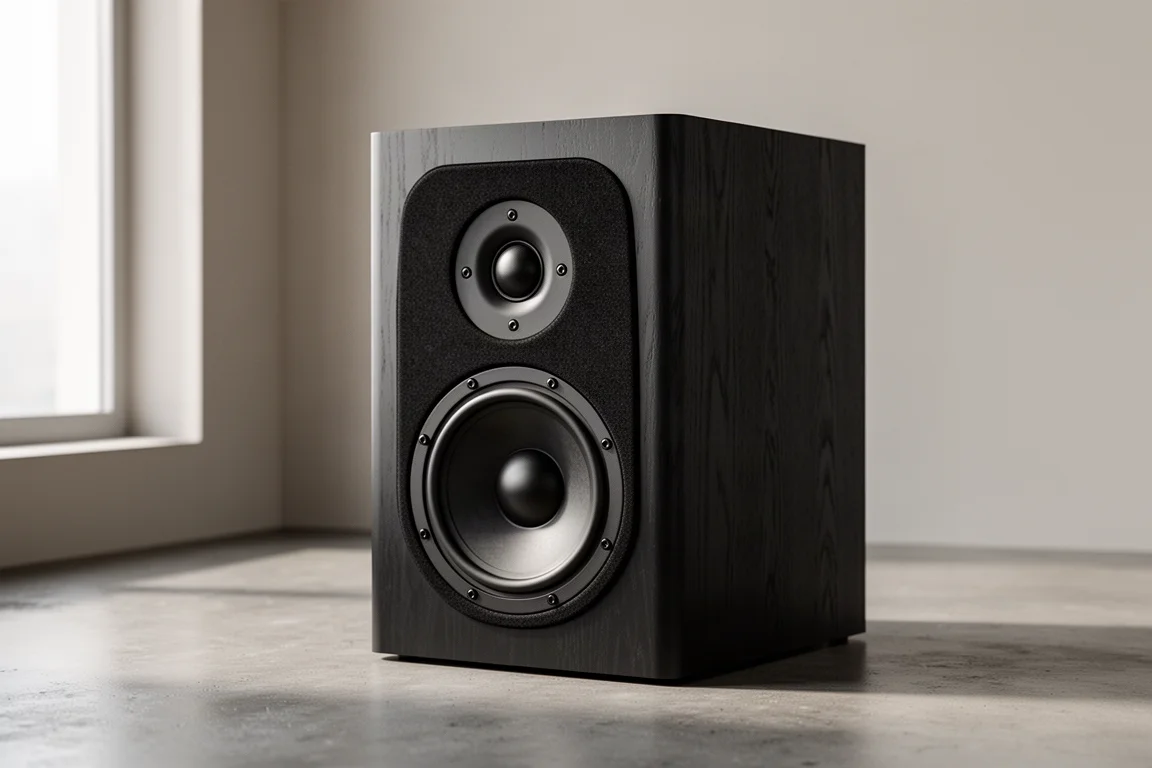
KLH Model 5: A Sealed Three-Way With a Tweeter Cut Switch
This is a genuinely interesting design. It is a sealed three-way, which is rare at this level, and it includes a tweeter cut switch so you can reduce the high-frequency output to suit a bright room or a reflective position. There are real moments of brilliance, particularly with metallic instruments, where the aluminum dome tweeter reveals detail that warmer speakers smooth over.
Living with it is another matter. A balanced result meant turning the tweeter control all the way down and pushing the cabinet back against the wall. On most music the speaker did not move the needle, and a three-way alternative such as the Wharfedale Linton felt more balanced overall. It is a cool speaker with a clear following, and it rewards a specific room and a specific taste rather than a broad range of them.
Micca RB42: Small Cabinet, Big Demands
The RB42 is capable of sounding genuinely impressive, but only under conditions most owners cannot provide. It wants a lot of power, it wants to be played loudly, and it wants a large room to work in.
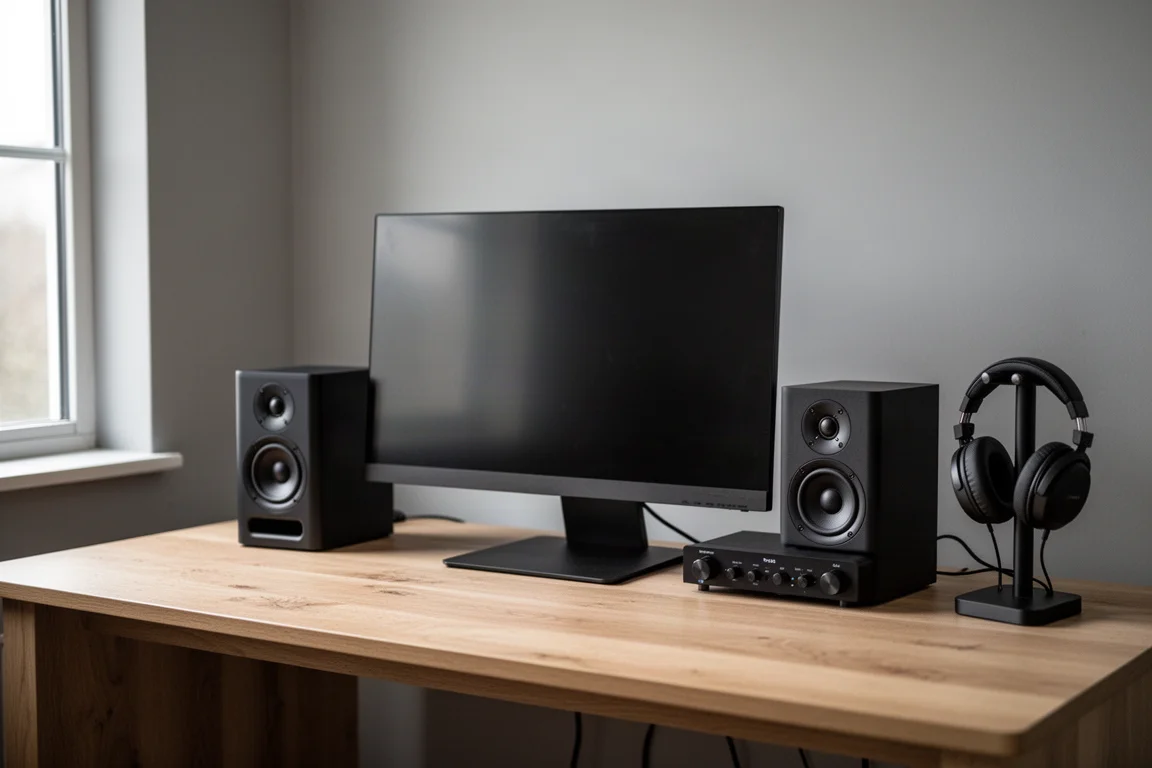
Driven by a modest amplifier at sensible levels on a desktop, it does not reach the same heights. Tone controls and a loudness function help considerably, and with a little bass and treble shaping the RB42 can be quite good near a computer. The awkward part is that there is no obvious alternative at the same price. If you buy these, plan on feeding them more power than you would expect a small speaker to need.
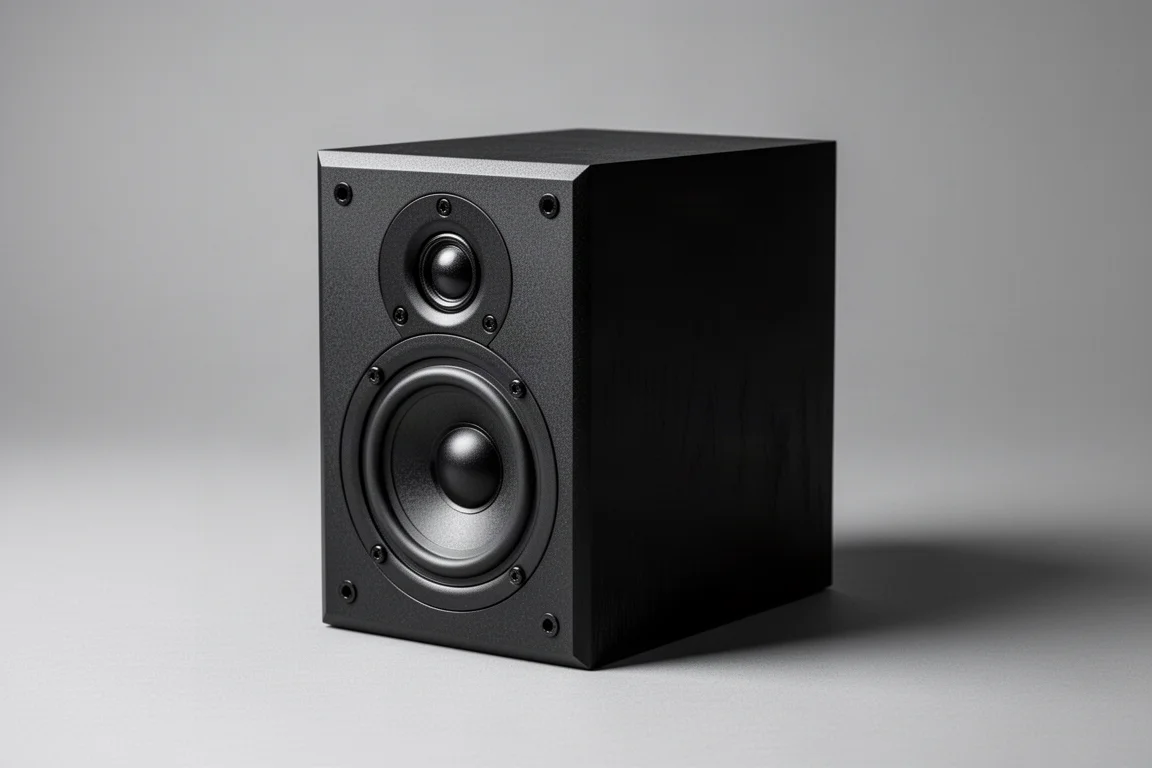
B&W 606 Gen 3: Strong on Acoustic Material, Uneven on Heavy Music
This standmount has a large and loyal following, and certain material shows exactly why. Acoustic recordings, singer-songwriter albums, and folk all sound lively and enjoyable, with a sense of fun that many neutral speakers lack.
With dynamic rock and metal the balance becomes less predictable. There is an odd quality in the upper midrange that appears on dense, loud material and does not resolve with more volume. It remains a popular speaker for good reasons, but it is worth auditioning with the heaviest music you own rather than the most flattering.
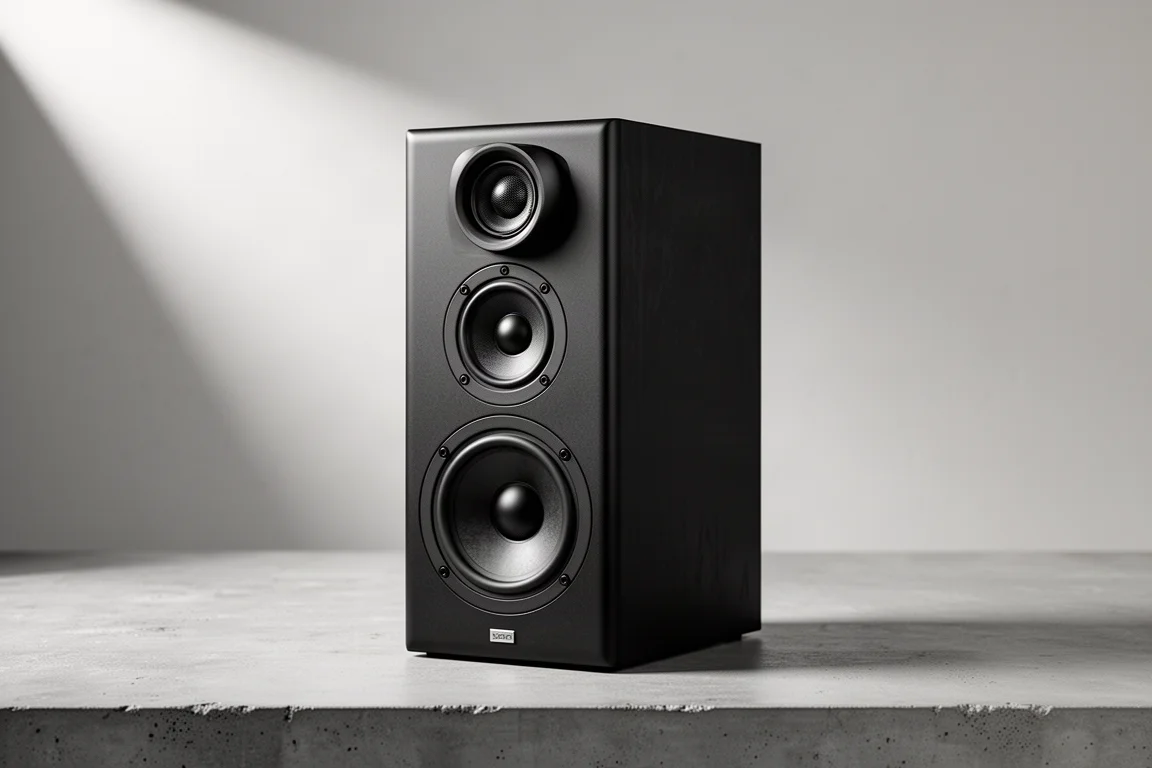
Klipsch Heresy: Lively, but Light on Low End
The Heresy is fun. It is lively, it has real character, and it is easy to understand why some owners keep a pair for decades.
What it does not have is much bass, and it is not especially dynamic in the way its size might suggest. The mids are scooped, and there is something happening in that region that keeps the presentation from settling. With no real low-frequency punch, the speaker leans on its liveliness to carry the music. If Klipsch is the direction you want, the Reference floorstanding line, particularly the model with the 6.5-inch woofer, offers considerably deeper bass and more of the weight the Heresy lacks.
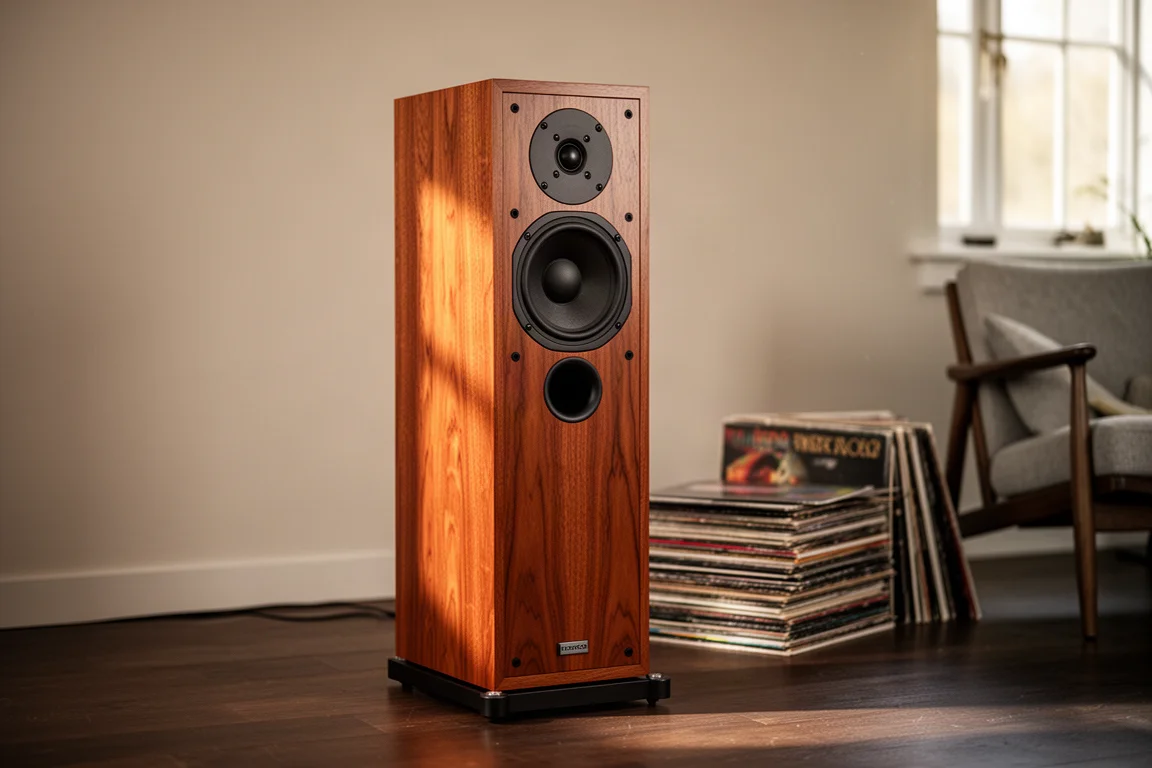
It suits listeners who value immediacy, character, and a heritage look over low-frequency weight, and it is happiest in a room where its midrange character has space to work.
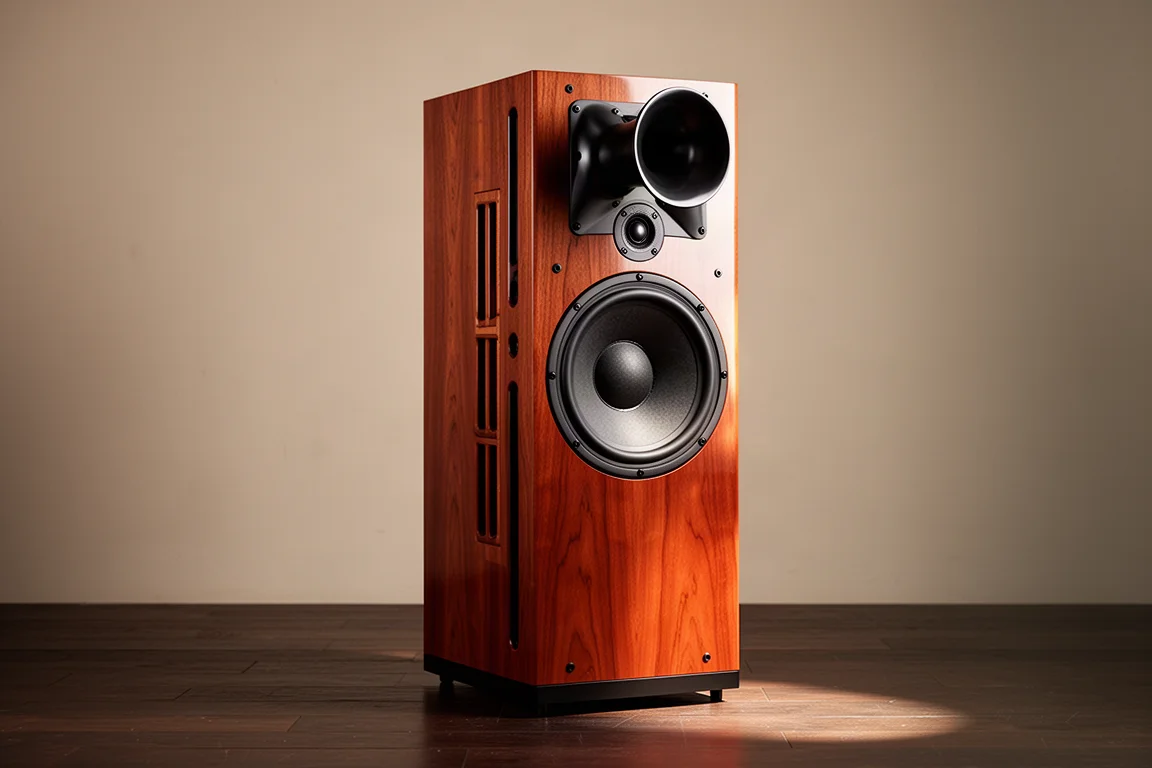
Buchardt S400 Mark II: Deep Bass at a Serious Price
This is a good speaker with one standout strength: the low end is textured and powerful in a way that very few standmounts of its size can match. If deep, articulate bass from a compact cabinet is what you are after, it delivers.
At around $2,500 the calculation changes. At that price a tower with a more extended top end becomes a realistic option, and the competition is crowded, with Polk’s Reserve series, Emotiva’s line, Klipsch, SVS, and KEF all occupying the same ground. Two pairs of KEF LS50 Meta cost roughly what one pair of the S400 Mark II costs. The lower-cost Buchardt P300 and P400, at around $400 a pair, were the more enjoyable listen, though they are still not cheap for what they are. The ELAC Uni-Fi Reference offers a similar character for less than half the price with a wider soundstage and better imaging thanks to its concentric driver, and the Uni-Fi 2.0 gets most of the way there for a fraction of the cost with a more neutral balance.
Buying Advice: Match the Speaker to the Room and the Amplifier
The pattern across all eight of these speakers is the same: the specification sheet tells you very little about whether a speaker will work in your room with your amplifier and your music.
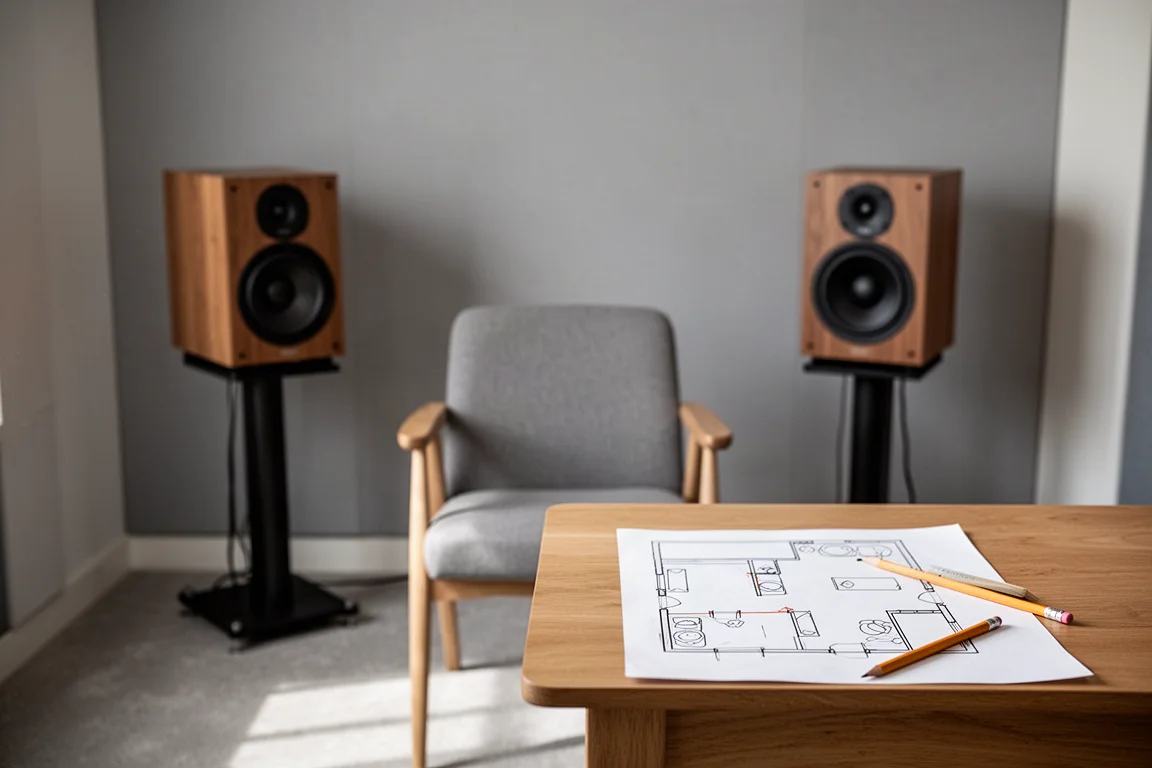
Start with amplification. Several of these models, including the LS50 pair and the Micca RB42, need more current and more power than their size implies. A speaker that sounds thin and grainy on one amplifier can sound entirely different on another, so if you already own an amplifier, audition with it rather than with the dealer’s.
Then consider the room. The KLH Model 5 wanted to sit against the wall with its tweeter control reduced, and the RB42 wanted volume and space. Placement is not a detail you sort out after purchase; it is part of the purchase decision.
Finally, be honest about your music. The B&W 606 Gen 3 and the Klipsch Heresy are both more persuasive with acoustic and mid-focused material than with dense, heavy recordings. Take the records you actually play most often to the audition, not the ones that show a speaker at its best.
Conclusion
Every speaker here is popular for a reason, and every one of them has a set of conditions under which it works beautifully. The LS50 family rewards serious amplification. The Debut B6.2 rewards a taste for uncoloured neutrality. The Model 5 rewards careful placement and a specific ear. The RB42 rewards power and a large room. The 606 Gen 3 rewards an acoustic library. The Heresy rewards a listener who wants liveliness more than weight. The S400 Mark II rewards anyone who needs compact, powerful bass and can accept the price.
Match the speaker to your room, your amplifier, and your records, and any of these can be a satisfying purchase. Ignore those three things, and even a well-reviewed speaker can end up on the used market within a year.
Further reading
Related Reviews
Hi-Fi Speakers
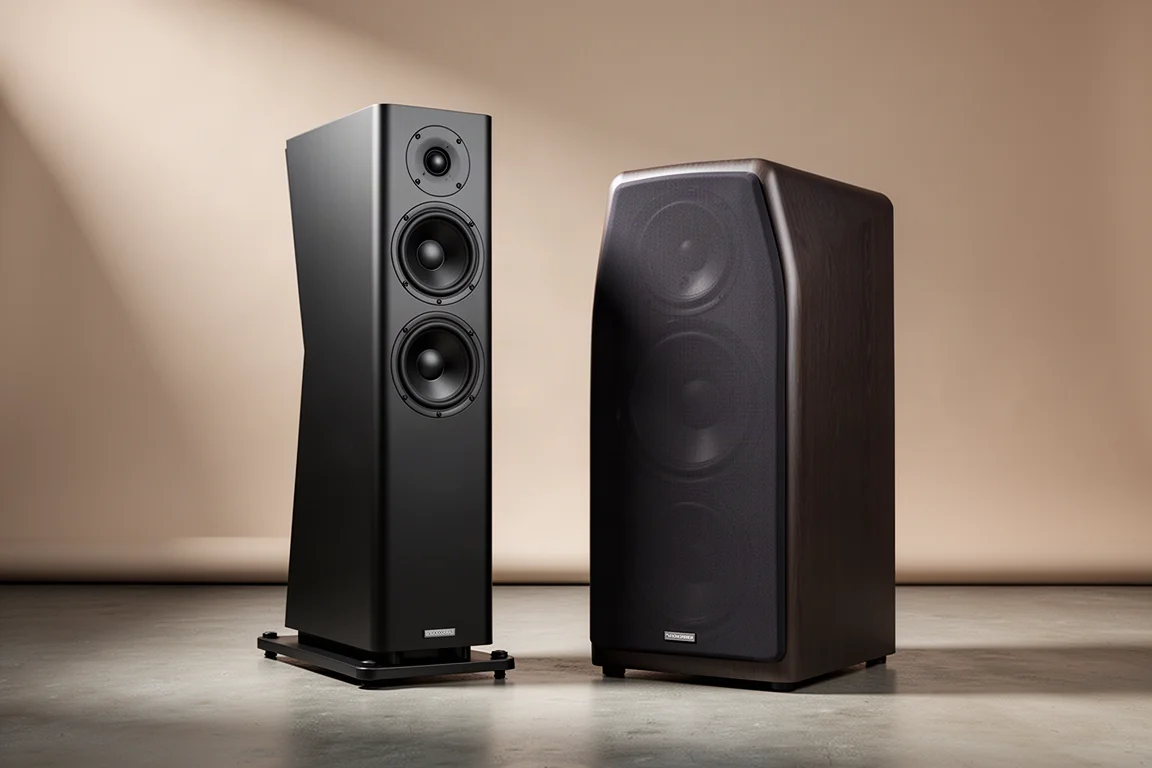
1723 THX Tower vs 1528 Bookshelf: Which Speaker Fits Your Room?
Two speakers at roughly the same price, built very differently. How the 1723 THX tower and the 1528 bookshelf compare on construction, bass, power needs, and sound.
Hi-Fi Speakers
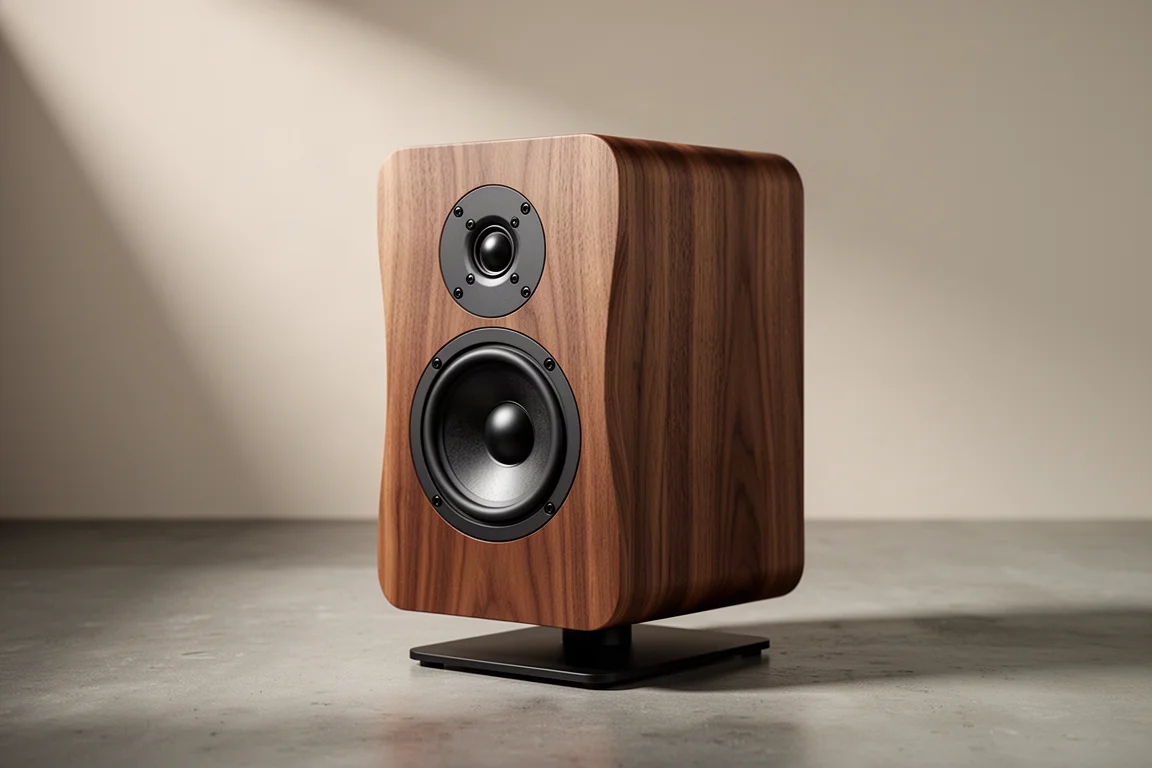
Acoustic Energy AE 300 Review: Deep Bass From a Compact Standmount
A two-way standmount with real wood veneer, surprising low-end weight, and a warm, easygoing character. Here is what to know before buying.
Hi-Fi Speakers
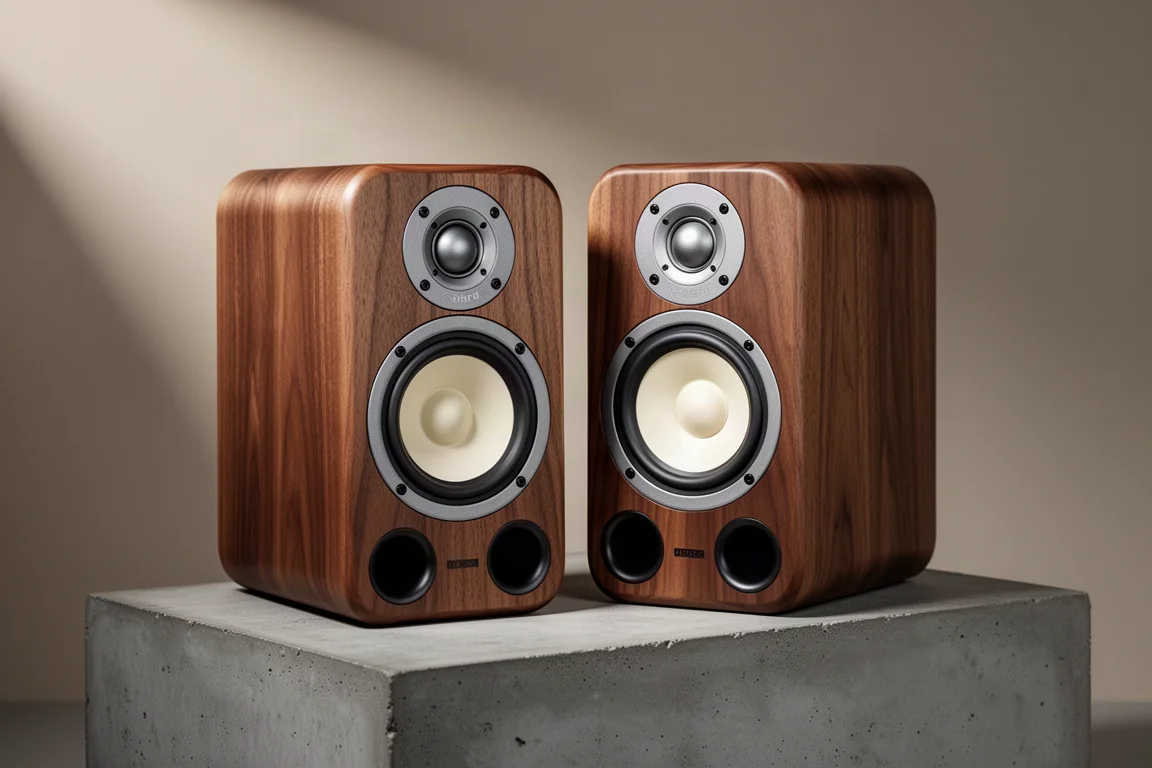
Acoustic Energy AE1 40th Anniversary Review: A Modern Take on a British Classic
A compact standmount that revives a 1980s favorite with all-new parts, a warm mid-centric balance, and a price of £1,499 per pair.