Backpacking Gear
Popular Backpacking Gear Worth Skipping: What to Pack Instead
A practical look at popular backpacking gear that does not earn its place in a pack, plus the affordable stoves, water storage, navigation tools, and sleeping pads that do.
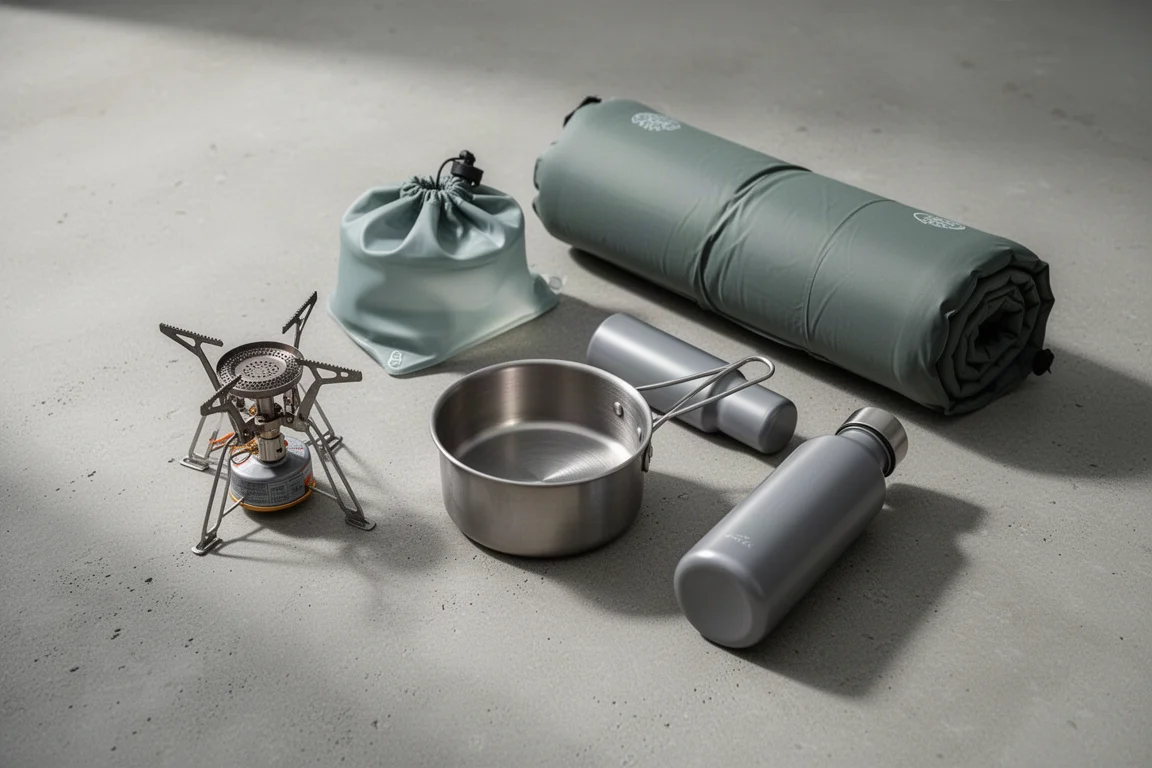
Introduction
Every season a handful of items become the default answer to a backpacking question, and popularity starts to look like proof. It rarely is. Some of the most visible gear on long trails is heavy, expensive, or simply unnecessary for the trips most people actually take, while quieter options do the same job for a fraction of the cost and packed size.
This guide looks at both sides of that equation. It covers the popular categories worth questioning before you spend, and the practical, affordable pieces that earn a place in a three-season kit: a small canister stove, a collapsible water container, a navigation app built for backcountry planning, and a sleeping pad family with a long track record.
What Makes Backpacking Gear Worth Packing
Four things decide whether a piece of gear deserves space in your pack: weight, packed size, cost, and how many problems it solves.
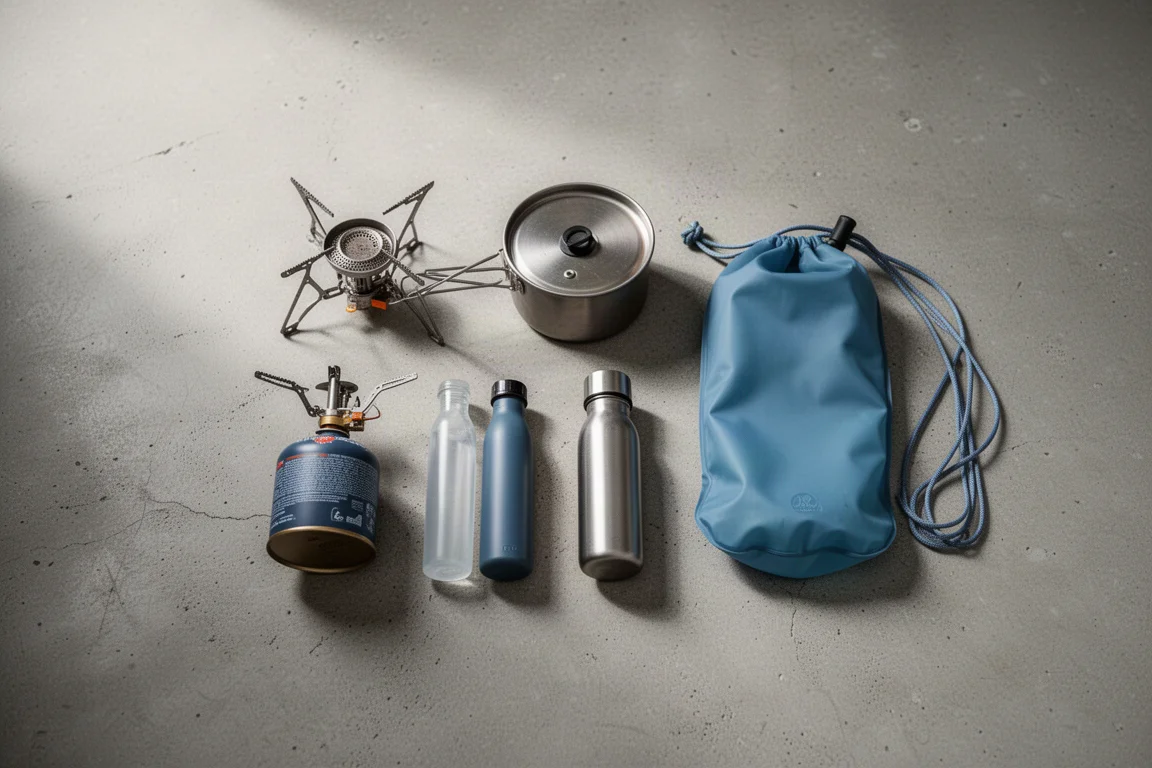
A stove is a good example. A small canister stove paired with a titanium pot in the 750 ml to 1100 ml range typically comes to roughly $40 to $50 in total. An integrated cook system that combines the pot and the burner usually costs around $120 and takes up noticeably more room. For fair-weather backpacking and thru-hiking, the two-piece setup boils water just as well, packs smaller, and carries more easily.
The same logic applies to shelter floors and water. If a tent floor is delicate enough to need an extra sheet of fabric under it, that is a signal about the tent rather than a reason to carry more gear. If a water system is awkward to refill on trail, it will stay awkward for the entire hike.
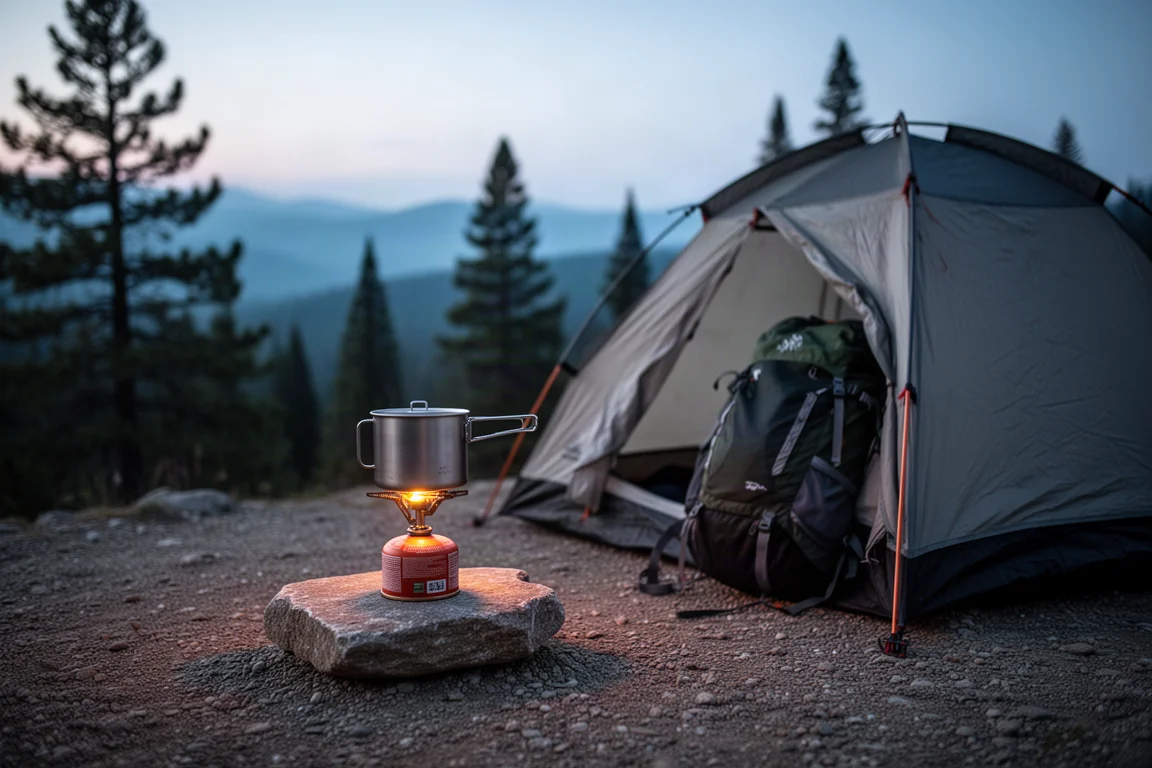
The test is simple: does the item remove a real problem, or does it mostly add bulk, cost, and setup time?
A Budget Canister Stove: BRS Stove
Some of the best value in backpacking sits in the least glamorous corner of the market. A tiny canister stove like the BRS Stove has been a reliable, inexpensive option for years. It weighs very little, folds down to roughly palm size, and costs about $12 to $13, a small fraction of what an integrated cook system runs.
Paired with a simple titanium pot, it covers the everyday job of a backpacking stove: boiling water for meals and drinks. The trade-off is specialisation. Integrated systems exist for a reason in deep winter backpacking, mountaineering, and climbing, where fuel efficiency in cold, exposed conditions matters a great deal. If your trips are three-season backpacking and thru-hiking, that efficiency is largely irrelevant.
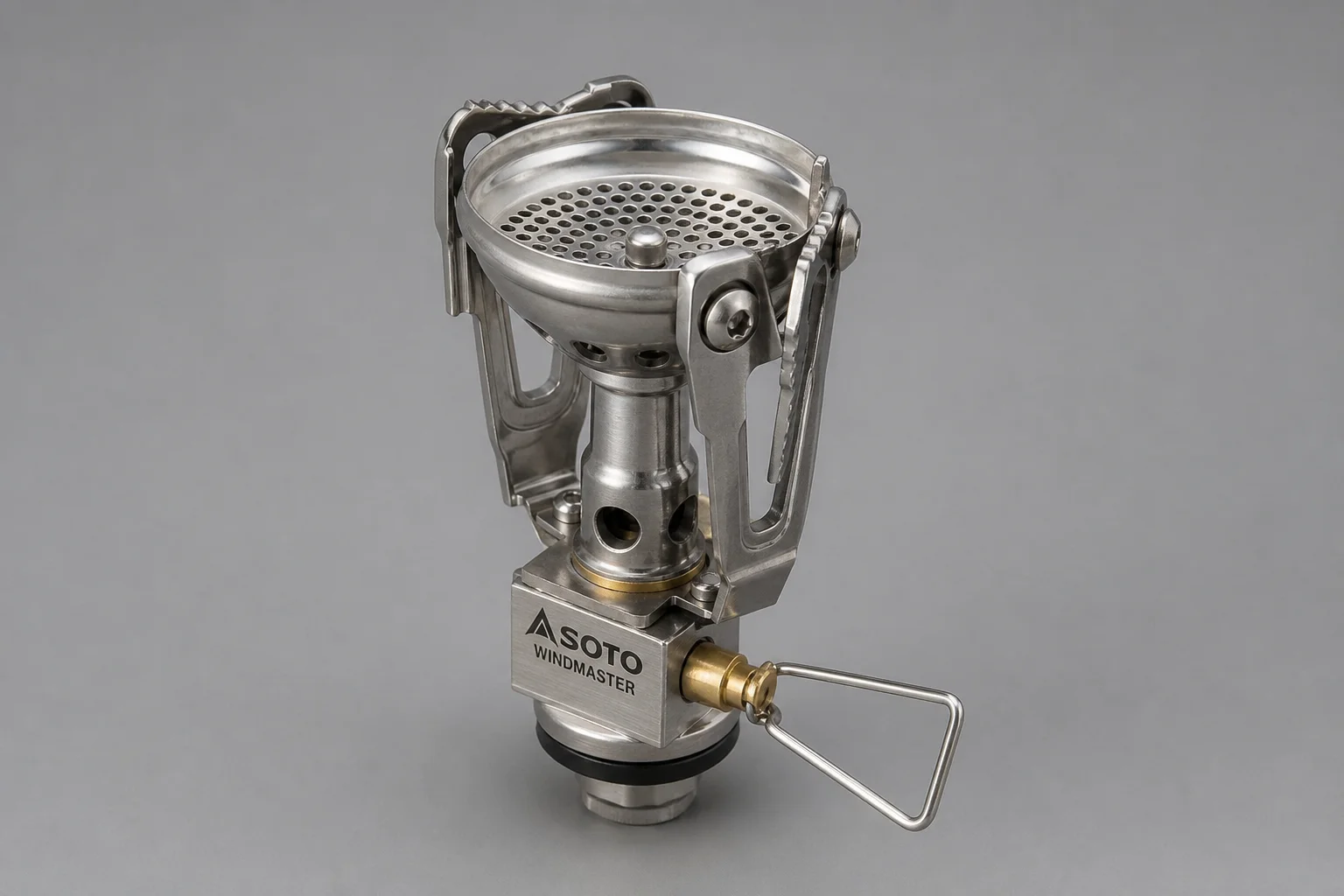
A Small Step Up: Soto WindMaster
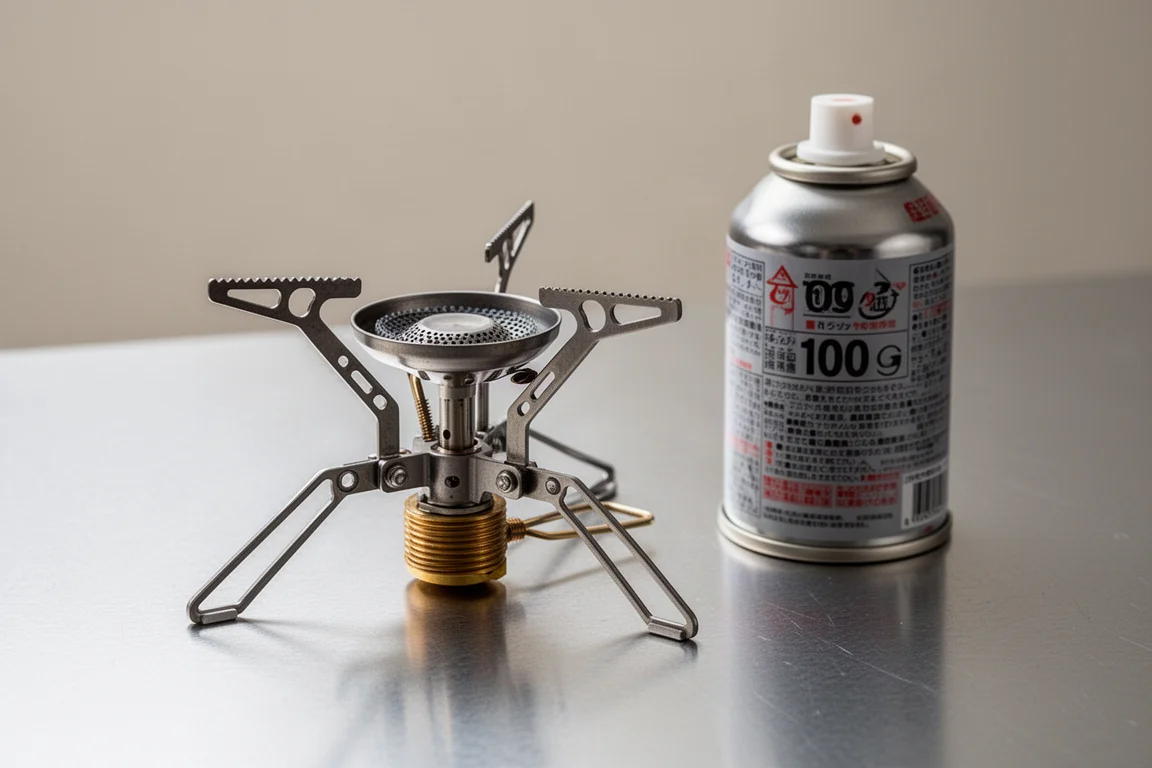
If you want a little more refinement than a budget burner, the Soto WindMaster is the other stove that comes up in the same conversation. It is smaller, cheaper, and packs down much further than an integrated cook system, while still pairing with an ordinary titanium pot rather than a proprietary one.
That flexibility is the point. A stove that works with any pot you already own keeps your kit modular: replace the pot, the burner, or the fuel canister independently, and nothing becomes useless when one part wears out.
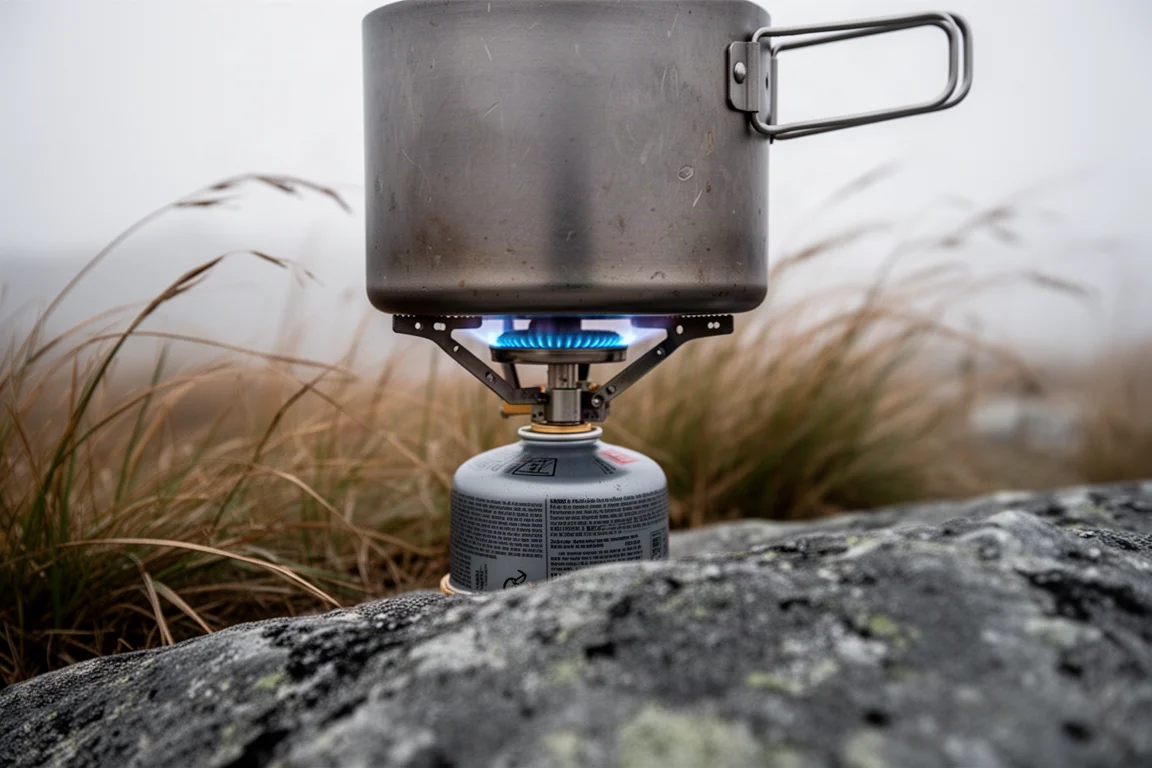
For most three-season trips, this is the level of stove that makes sense. It is worth being honest about what a bigger integrated system adds, because for general backpacking the answer is usually nothing.
Lightweight Water Storage: CNOC Vecto
Water capacity is one place where a little extra gear genuinely helps, as long as it stays light and packs down. Two one-litre bottles in your side pockets cover most hiking days, and a compact collapsible container like the CNOC Vecto handles the exceptions: long dry stretches, a dry camp, or a big dinner that needs extra water.
The appeal of a collapsible container over a hydration bladder is management. Bladders need refilling through a hose and a narrow opening, they add sloshing weight against your back, and they need regular cleaning to stay hygienic. A collapsible container can be filled directly from a source, folded flat when empty, and swapped out cheaply when it wears out.

Trip Planning and Navigation: onX Backcountry
Navigation is one area where paying for good tools pays back. onX Backcountry is a trip planning and navigation app that works both at home before a hike and on the trail during it.
Its active wildfire layer has become the feature that matters most in the western United States, where hiking season overlaps with wildfire season. Turning the layer on shows where fires have started in your area, so you can plan a route that avoids them, and the same information supports air quality checks so you are not camping in thick smoke. For anyone hiking in the Southwest or on West Coast sections of long trails in California, Oregon, and Washington, that is a meaningful planning advantage rather than a novelty.
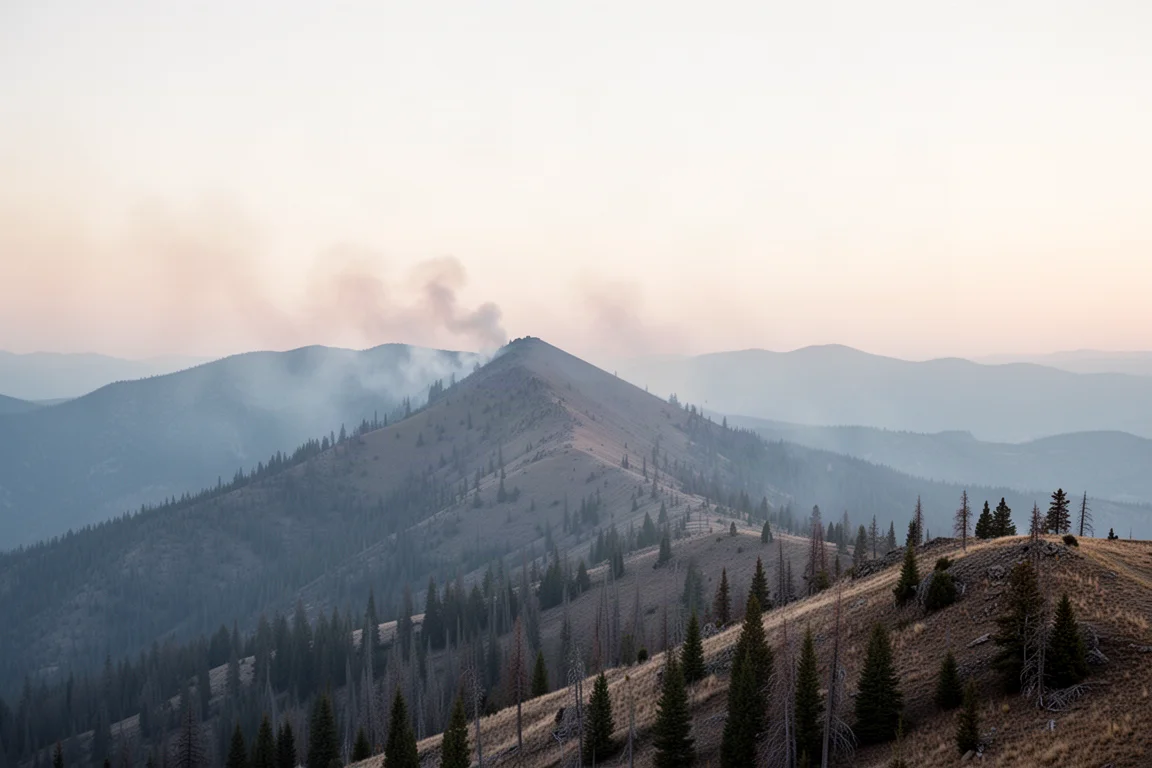
A subscription is required, though a 20 percent discount is available and a free trial lets you test the app before committing.
A Sleeping Pad That Earns Its Place: Therm-a-Rest NeoAir
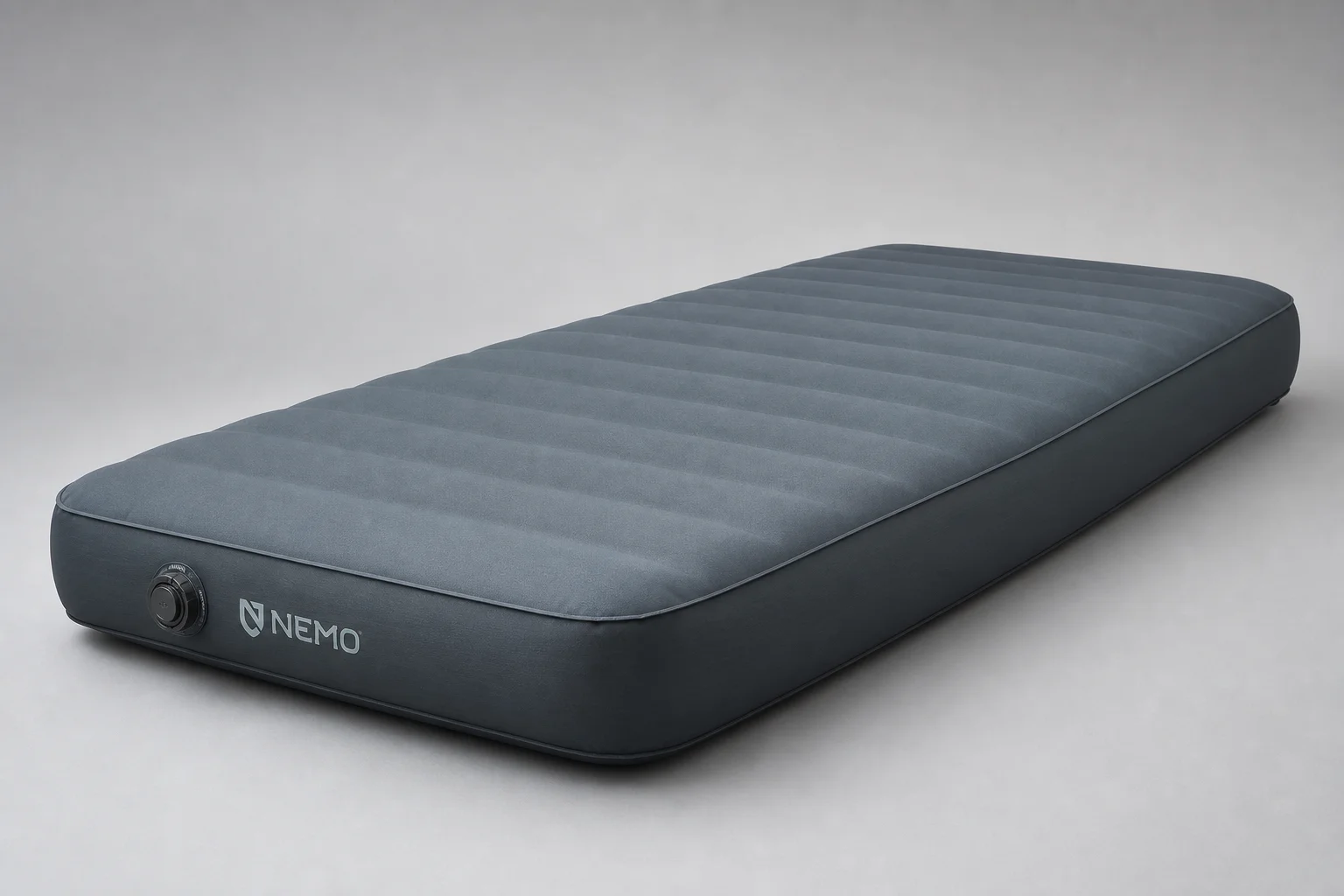
Sleeping pads are the most personal category in a backpacking kit, and the Therm-a-Rest NeoAir line has been a dependable one across years of long-distance hiking. It has been the pad of choice through repeated thru-hikes and has consistently delivered good sleep on trail, which is ultimately the only specification that matters.
Two details are worth checking before you buy any inflatable pad. The first is valve design: flat valves are built around a pump sack or a small electric pump, and they are genuinely awkward to inflate by mouth at the end of a long day. If you prefer to blow your pad up directly, look at the valve before anything else. The second is length and width, since a pad shaped like what you are used to is far easier to sleep on than one that is not.
Popular Gear That Is Easy to Skip
Some widely used items rarely earn their space. Oversized foam camp shoes are bulky, heavy, and have little grip on wet rock, which makes them a poor choice for stream crossings where a slip is genuinely risky; most hikers do better taking off damp socks at camp and walking around in their trail shoes. Cult-following grid fleece hoodies sold in person from a single Colorado mountain town are another example, with resale prices running from $100 to $200 for a garment that is not functionally different from widely available micro fleeces.
Integrated cook systems fall into the same category for three-season hiking: heavy, bulky, and around $120, and worth it only for deep winter trips and mountaineering where fuel efficiency is critical. Hydration bladders add refilling hassle, sloshing water, and a cleaning routine, while bottles in your side pockets plus a collapsible container cover the same ground. And tent footprints, whether sold by the tent maker or cut from plastic film or house wrap, are money and pack space spent on a problem that is better solved by clearing rocks and debris before you pitch. If a floor needs a second layer to survive, the tent is the issue.
Buying Advice
Match the gear to the trips you actually take. If your hiking is three-season backpacking, thru-hiking, and weekend overnights, a compact canister stove, a titanium pot, a couple of bottles plus a collapsible container, a proven sleeping pad, and a navigation subscription cover nearly everything, and the total cost stays well below a kit built from integrated systems and accessories you rarely use.
Two habits keep spending honest. First, test the items you will rely on every night, especially sleeping pads, because comfort is personal and no specification sheet replaces a night on the ground. Second, treat scarcity and hype as warnings rather than reasons to buy. Gear that is hard to purchase is not automatically better gear.
Conclusion
The best backpacking kit is not the most popular one. A small canister stove paired with an ordinary pot handles three-season cooking for a fraction of the price and packed size of an integrated system. A collapsible container adds water capacity without the maintenance of a bladder. A navigation app with an active wildfire layer makes trip planning safer in fire season. And a sleeping pad with years of trail history behind it is worth more than one with a louder reputation.
Skip what does not solve a problem for the trips you take, and spend where the difference shows up every day.
Further reading
Related Reviews

Backpacking Gear
Building a 10 lb Base Weight: An Ultralight Backpacking Gear List
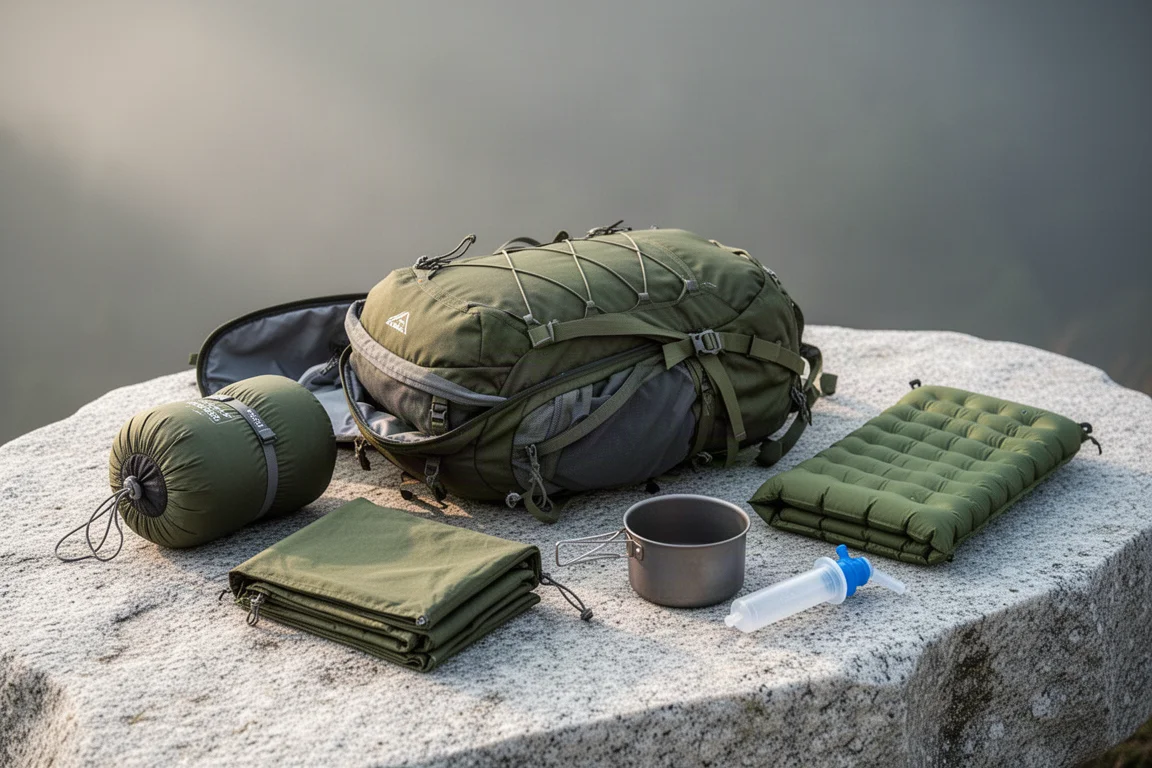
A practical walkthrough of the ultralight pieces behind a 10 lb base weight, from a 765 g pack and a roomy one-person tent to a full camp chair and a dependable water filter.
Backpacking Gear
A 15-Pound Lightweight Backpacking Gear List for Solo Trips
A beginner-friendly 15-pound backpacking setup built from easy-to-find gear, with notes on what each piece does, how it packs, and where to spend your attention.
Backpacking Gear
8 Ultralight Backpacking Gear Upgrades Worth Carrying
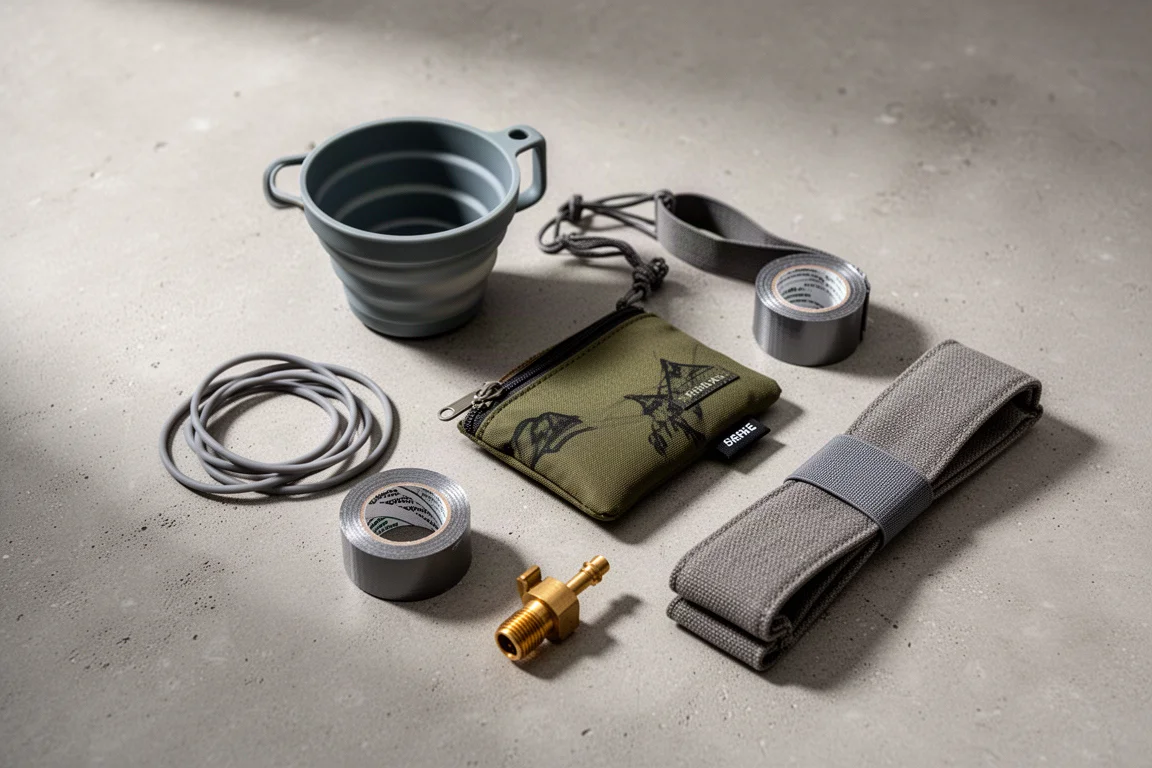
Eight small, affordable backpacking upgrades that solve real trail annoyances, from a pillow that stays put to a fuel valve that rescues leftover canister gas.