Backpacking Gear
Popular Backpacking Gear: 8 Picks Worth Rethinking Before You Buy
A practical look at popular backpacking gear, from camp shoes and integrated cook systems to sleeping pads, water storage, and navigation apps, with the trade-offs and alternatives worth knowing.
Introduction
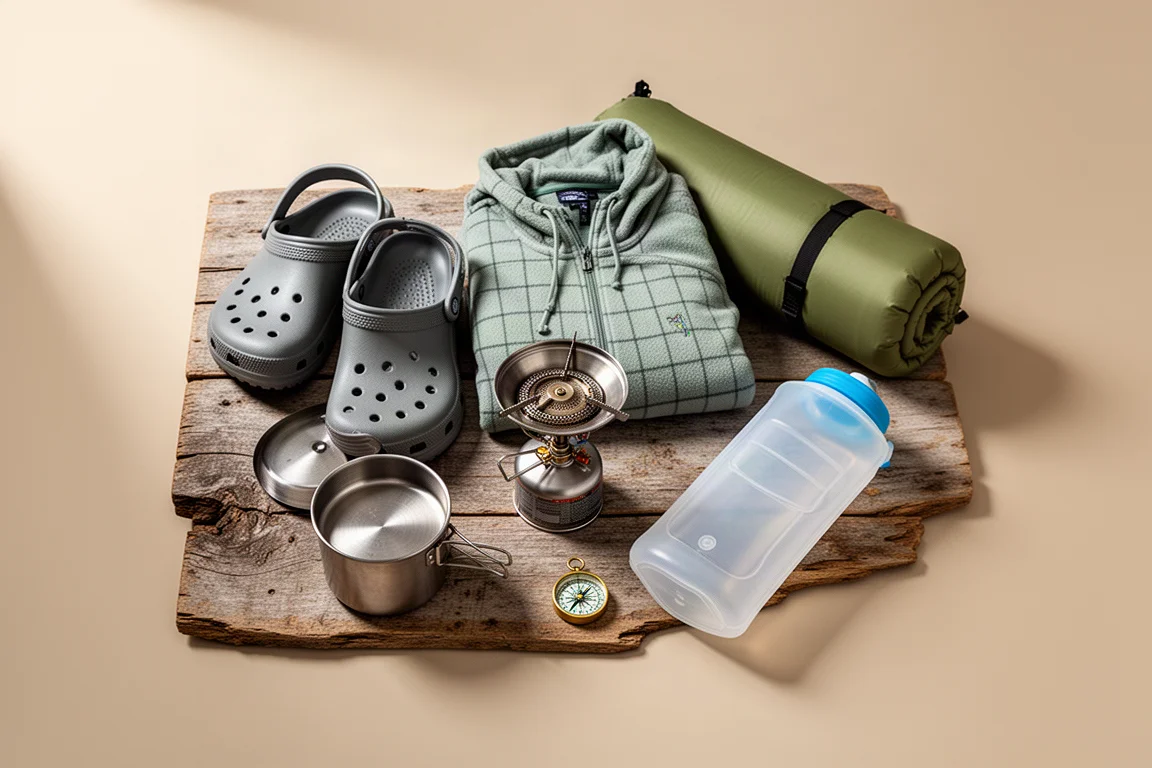
Popular gear spreads quickly in backpacking. A handful of items turn up in nearly every camp photo and trail conversation, and it is tempting to read that visibility as proof of performance. Sometimes it is. Often the truth is more specific, and the item in question only makes sense for a particular kind of trip.
This guide takes a closer look at some of the most talked-about pieces of backpacking gear, including camp shoes, fleece hoodies, integrated cook systems, sleeping pads, hydration setups, tent footprints, and navigation apps. For each one, the aim is to show what it does well, where it asks for compromises, and which alternatives cover the same need with less weight or cost.
Nothing here is a blanket verdict on how anyone should hike. The right kit depends on conditions, budget, and how much pack weight you are willing to carry.
How These Picks Were Evaluated
Every item in this list is genuinely popular, and each one earned that attention for a reason. The question is whether the reason applies to your trips. Three factors shaped the assessment: packed weight and volume, cost compared with simpler alternatives that do the same job, and behavior on ordinary three-season backpacking trips rather than specialized objectives such as deep winter camping or mountaineering.
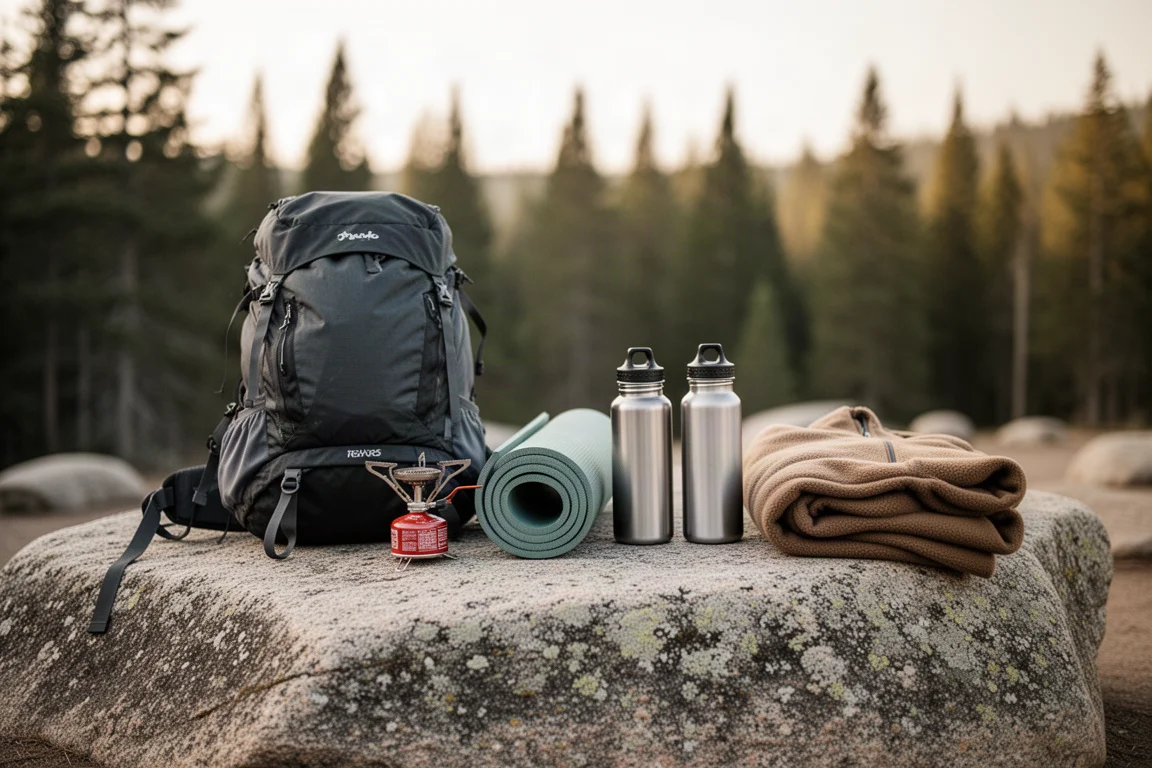
Where an item only makes sense in specialized conditions, that is noted directly. Where a lighter or cheaper setup covers the same ground, that setup is named too. The result is less a list of bad products than a list of products whose reputation has run ahead of their fit for everyday trail use.
Camp Shoes: Why Crocs Rarely Earn a Place in the Pack
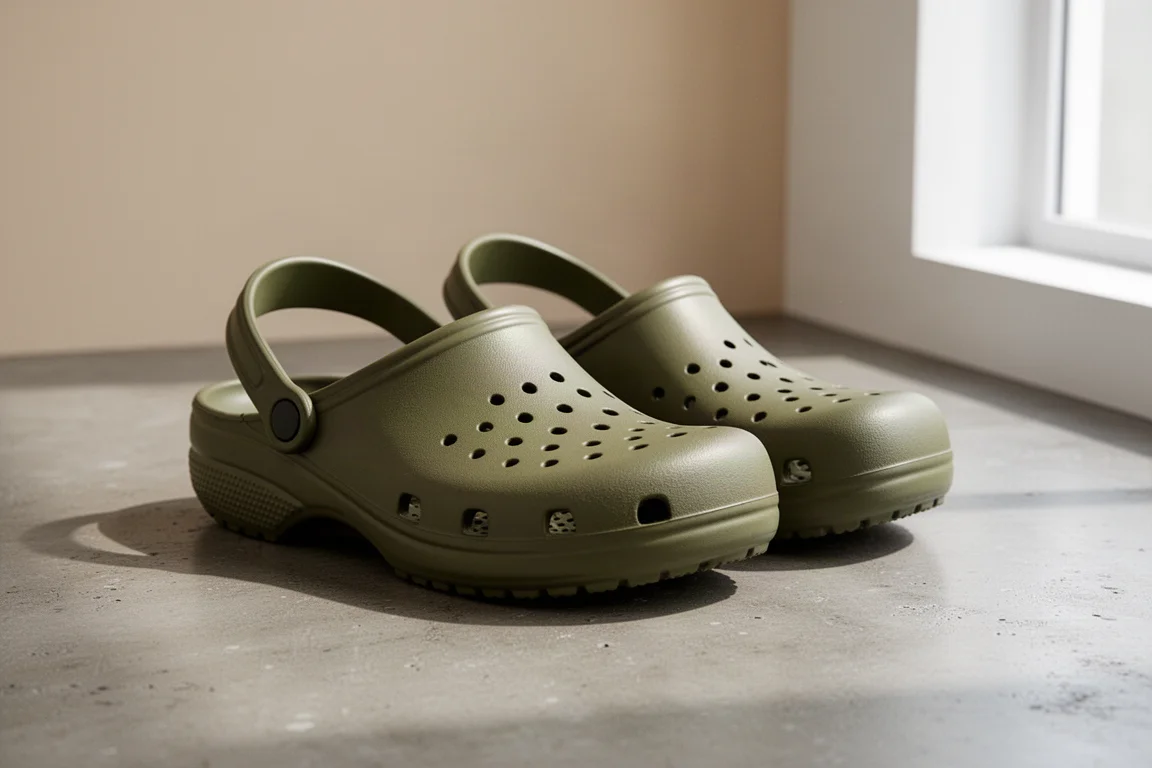
Camp shoes are one of the most common additions to a backpacking kit, and foam clogs such as Crocs are the most recognizable example. The appeal is easy to see: after a long day, sliding into something soft and open feels good.
The trade-off is weight and volume. Clogs are bulky and heavy for what they do, and they occupy pack space that could hold insulation, food, or water. Many backpackers find that loosening trail shoes and walking around camp in socks or their hiking shoes covers the same need without the extra cargo.
Stream crossings are the other common argument for camp shoes, and it is a weak one. A clog-style shoe with minimal tread offers little grip on wet, uneven rock. Crossing in trail shoes and letting them dry is the steadier choice.
The Melanzana Fleece Hoodie: Cult Status and Real Trade-Offs
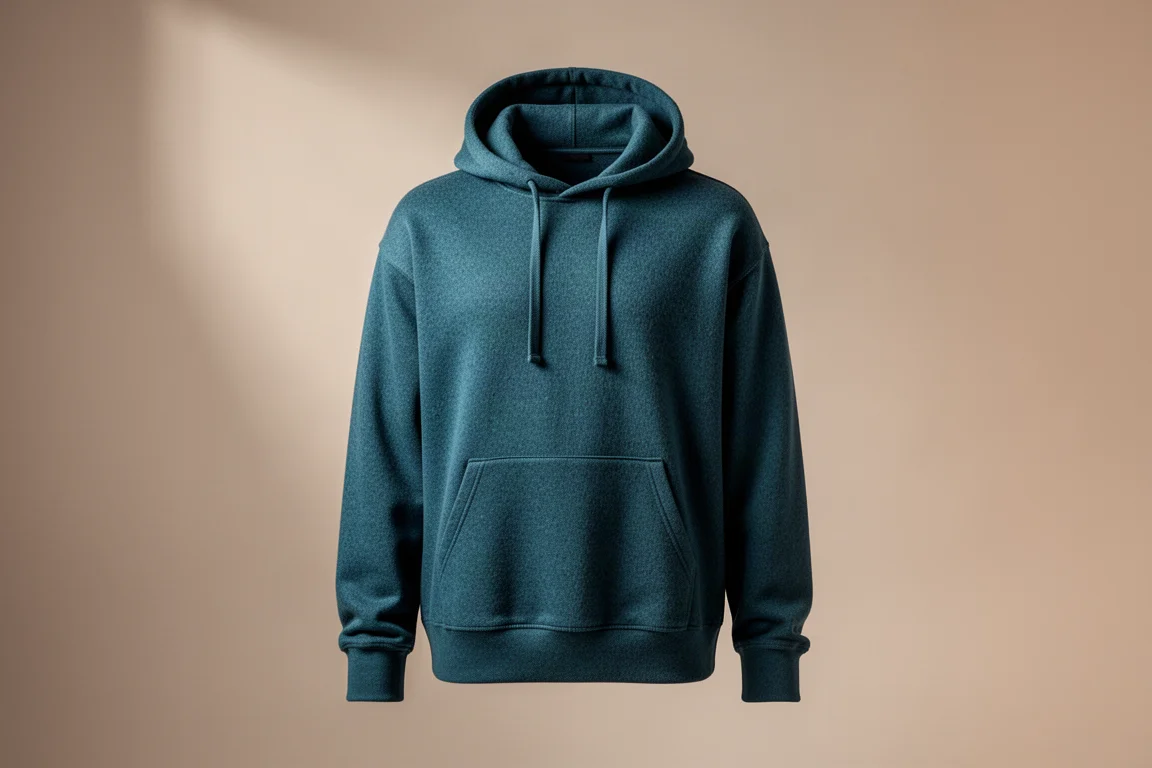
Few pieces of backpacking clothing carry as much mystique as the Melanzana fleece hoodie. It is a micro grid fleece made in Leadville, Colorado, and it is easy to spot on trail thanks to a large hood, a roomy kangaroo pocket, and a shock cord adjustment near the hem.
Availability is the hard part. The hoodie is not sold online, so buying one means visiting the Leadville store, where an appointment is now required. That scarcity pushes resale listings to roughly $100 to $200 for a synthetic fleece.
As a garment, it performs the way a micro grid fleece should, which is also the point. It is not meaningfully different from other grid fleeces that are easier to buy and cost less. Anyone shopping for that warmth-to-weight category has plenty of options that do not require a trip to Colorado.
Integrated Cook Systems: Jetboil and MSR Reactor
Integrated cook systems pair a burner with a matched pot, and they hold a prominent place on store shelves. They are also the clearest example of gear built for conditions that most backpackers never encounter.
Jetboil
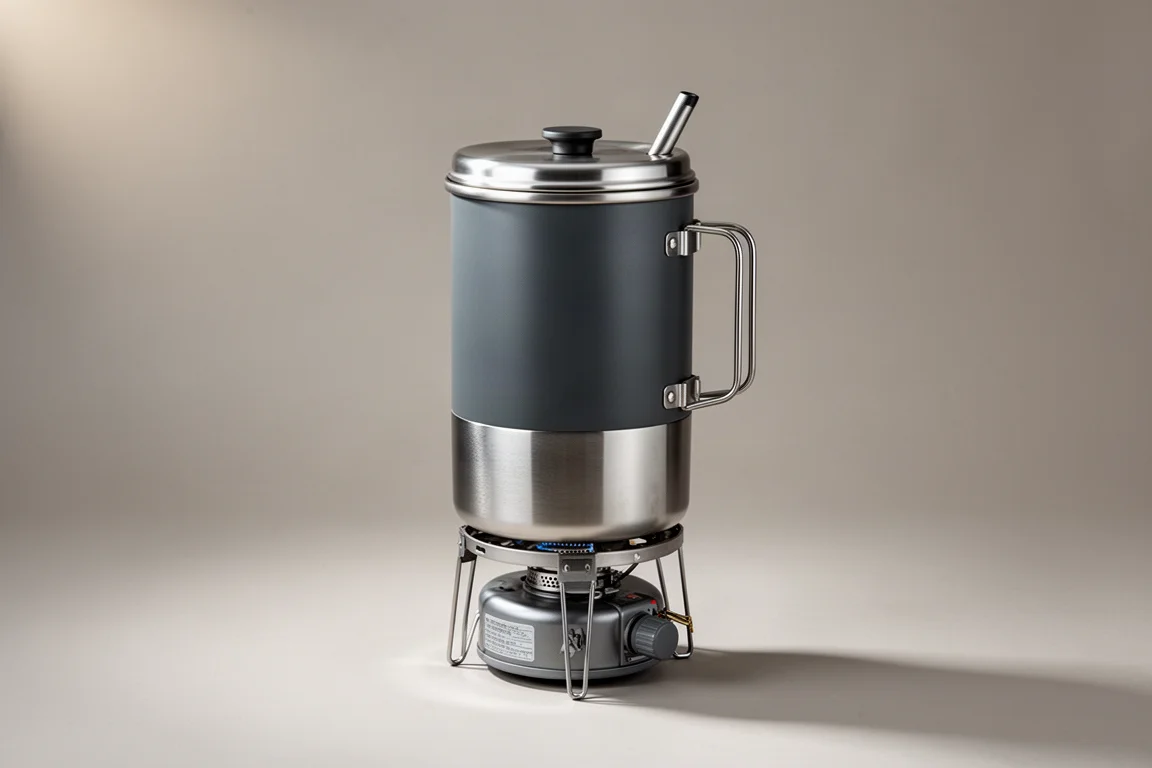
A Jetboil system keeps the burner and pot locked together as one unit, which makes setup predictable and keeps the components from separating in a pack. For general backpacking and thru-hiking, though, the package is heavy, bulky, and expensive, with systems commonly priced around $120. The real case for it is fuel efficiency in cold, exposed, high-altitude settings such as winter trips and mountaineering objectives.
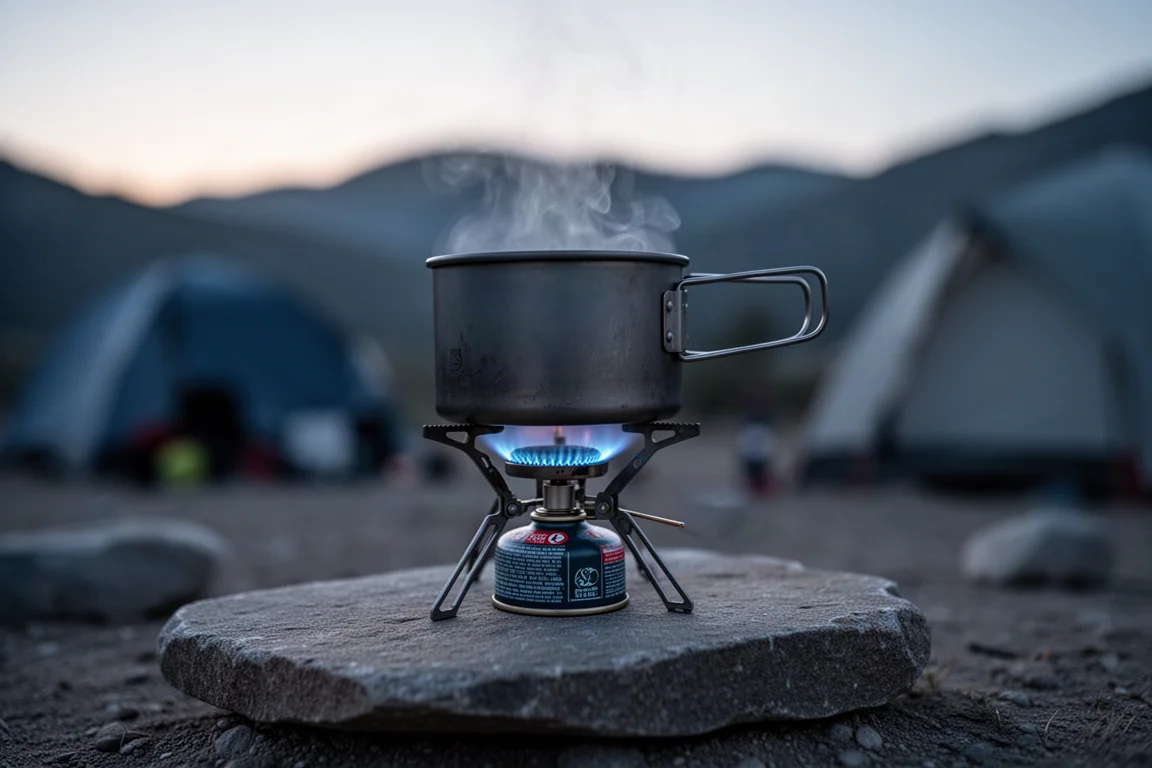
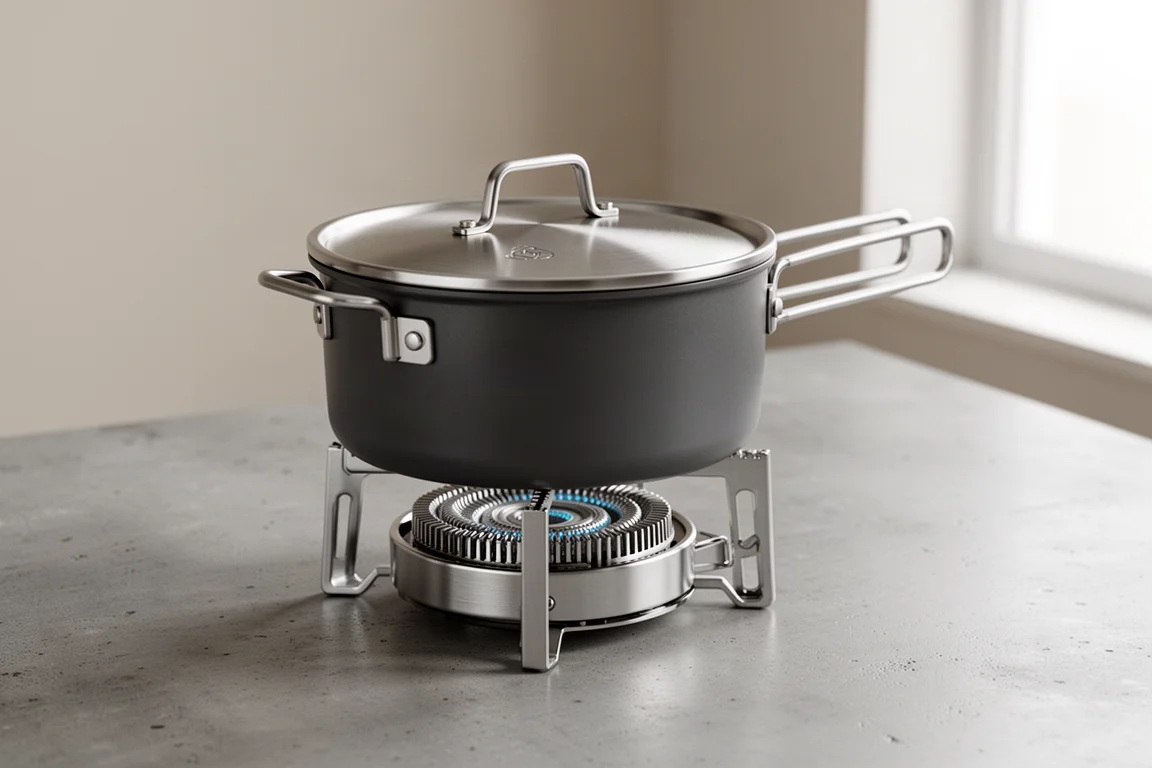
For three-season trips, a small canister stove and a titanium pot do the same job with far less weight and money. A basic canister stove can cost as little as $12 to $13, and pairing a stove such as the Soto WindMaster with a 750 ml or 1100 ml titanium pot often lands in the $40 to $50 range. That combination packs smaller and covers everything a fair-weather backpacker needs.
MSR Reactor
The MSR Reactor is the other integrated system that comes up constantly. It shares the strengths and the trade-offs of the category: strong fuel efficiency in demanding conditions, and more bulk and cost than an ordinary backpacking trip requires.
Sleeping Pads: Nemo Tensor Trail and Nemo Tensor All Season
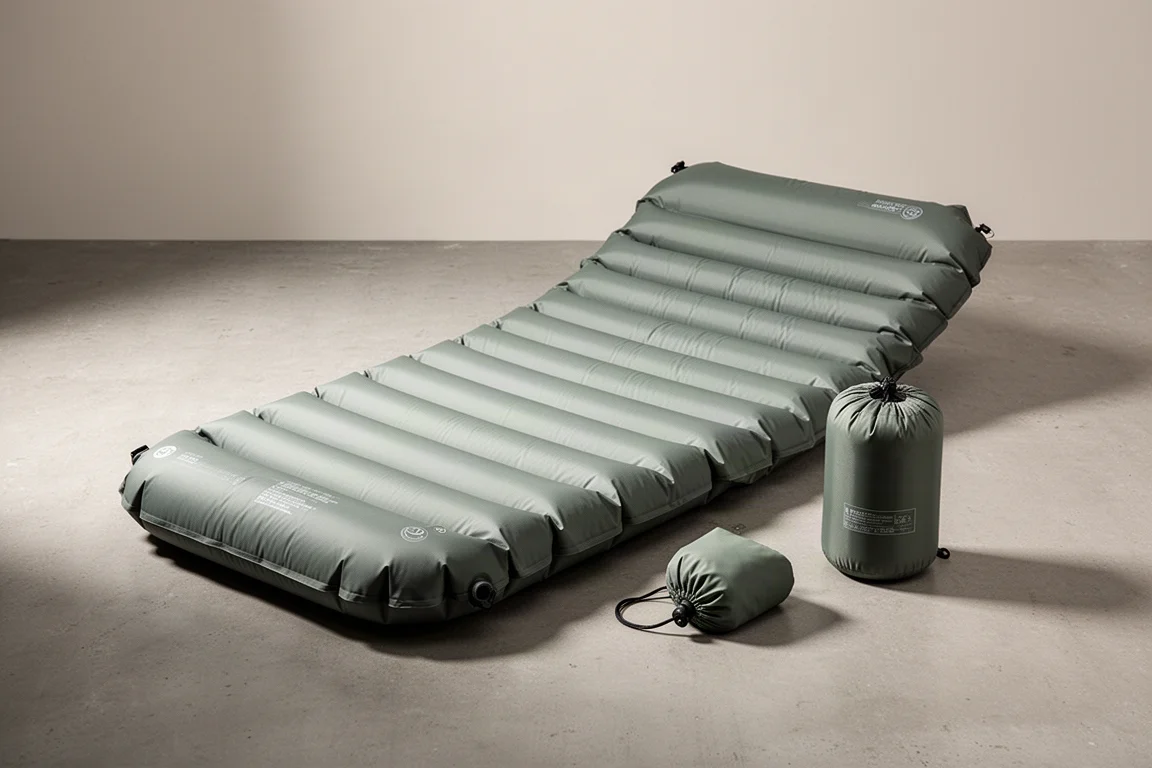
The Tensor line is one of the most frequently recommended sleeping pad families among backpackers, and it is also one of the most divisive. Sizing and packed size get most of the attention in recommendations, while comfort is where opinions actually split.
Nemo Tensor Trail
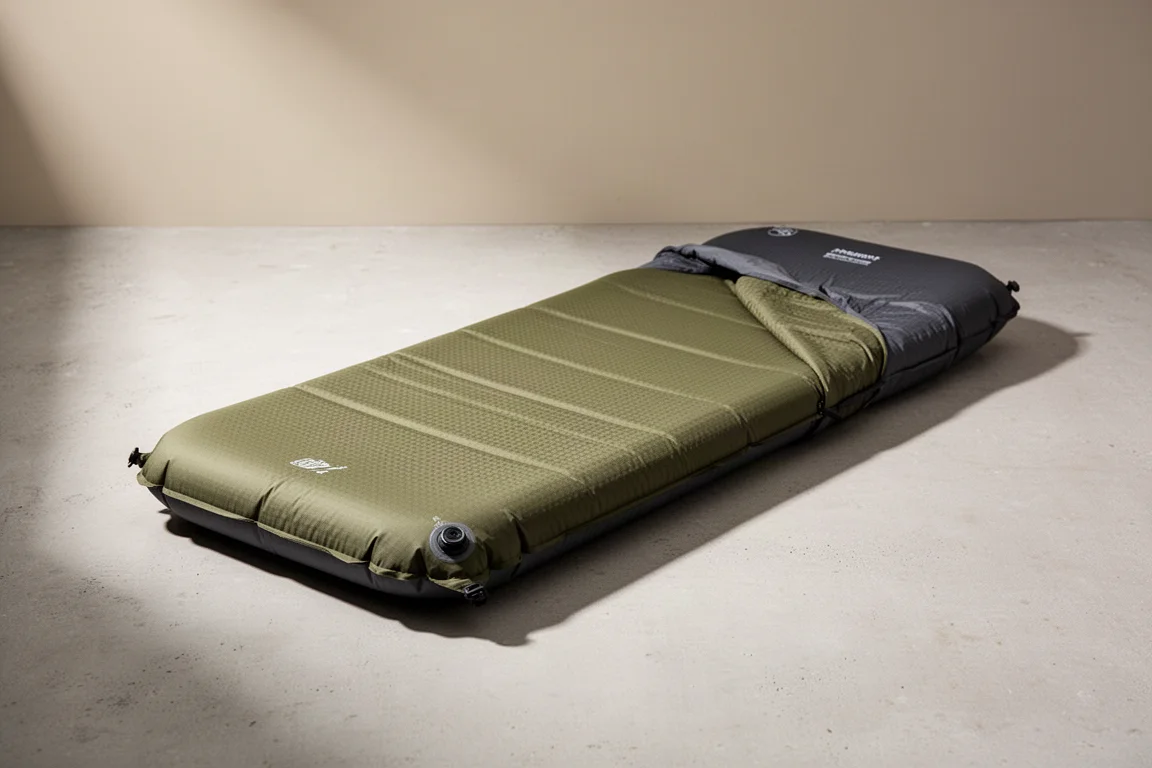
The Tensor Trail is the well-known model in the line, available in wide and long sizes for sleepers who want more room. Size, however, does not guarantee a good night. Comfort is the point where the Tensor line divides opinion most sharply, and the Trail is no exception.
The valve design is the second friction point. The flat, low-profile valve is built for a pump sack or a small electronic pump, which works well if you carry one. Inflating the pad by mouth at the end of a long day is awkward compared with a standard valve that sits proud of the pad.
Nemo Tensor All Season
The Tensor All Season is the colder-weather model in the same family, and it shares both the flat valve design and the same open question about comfort over consecutive nights.
For backpackers who weigh sleep quality heavily, the Therm-a-Rest pads that the Tensor line is usually measured against remain a common reference point, and comparing the two before committing is a sensible step.
Hydration Bladders and a Better Water Strategy
Hydration bladders with a drink tube are popular because they let you sip without stopping. The cost shows up at refill time. Filling a bladder usually means stopping, taking the pack off, pulling the reservoir out, getting it under a water source, and then routing the hose again before you can move on.
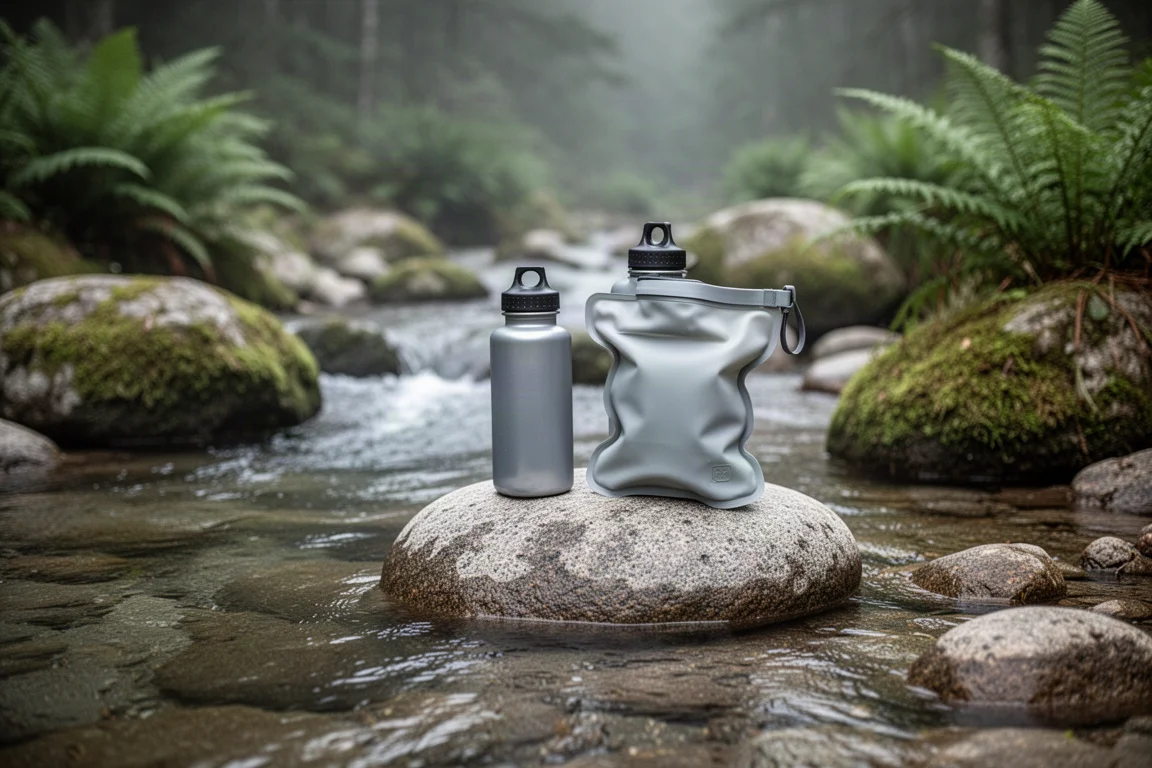
Maintenance is the second consideration. Reservoirs and hoses need regular cleaning to stay hygienic, while a bottle that turns unpleasant can simply be recycled and replaced. Water shifting against your back on a long descent is a further drawback worth weighing.
A bottle in a side pocket covers everyday drinking, and a collapsible container such as the CNOC Vecto handles extra capacity for dry stretches or a dry camp. It packs down small when empty and adds water storage without the reservoir and hose routine.

Tent Footprints: An Extra Layer Most Hikers Do Not Need
Tent footprints are sold alongside tents as floor protection, and they are one of the easiest accessories to skip. They add weight, cost, and packed volume to solve a problem that careful campsite selection usually prevents.
Tent floors handle more abuse than the accessory market implies. Clearing rocks, pine cones, and debris before pitching removes most puncture risk, and a floor that needs constant protection is a sign that the tent itself may not suit the trip. Homemade ground sheets cut from Polycro or Tyvek fall into the same category as the branded footprints.
A Navigation Upgrade Worth Paying For: onX Backcountry
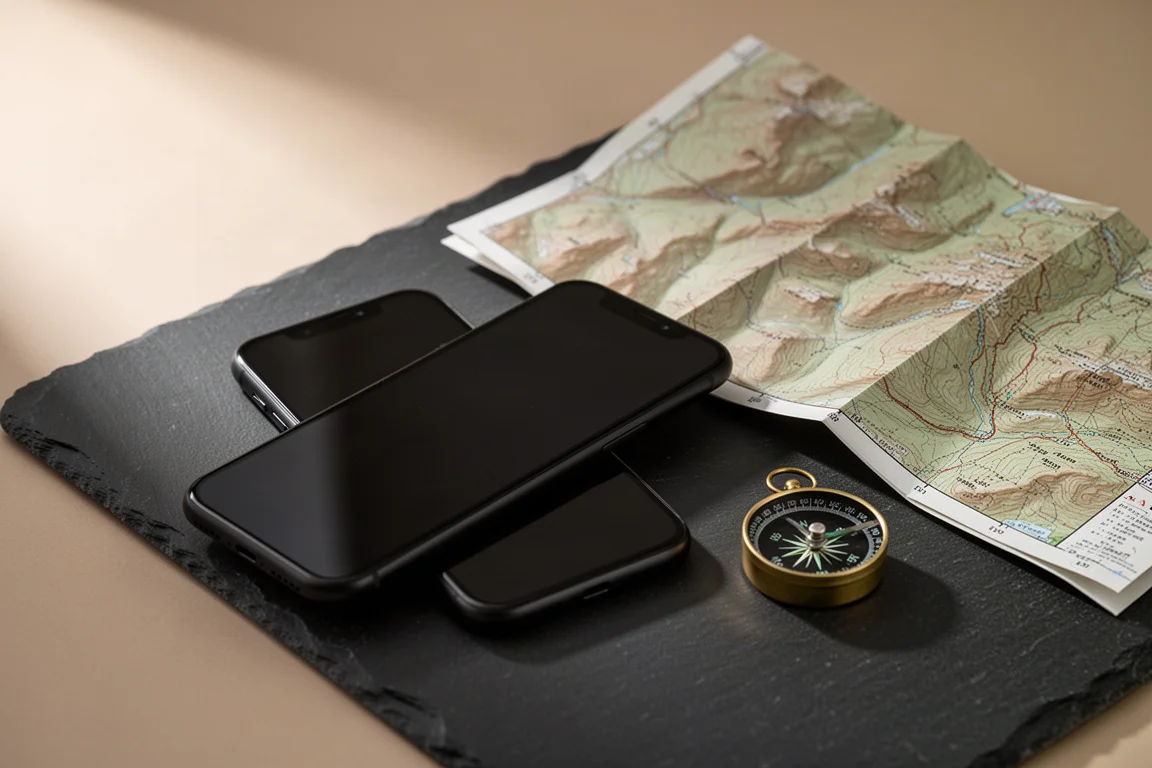
Not every popular item deserves skepticism. A trip planning and navigation app such as onX Backcountry earns its place in a kit, especially for hikers in the southwestern United States and along Pacific Coast sections where conditions change quickly. The active wildfire layer is the feature that stands out: toggle it on and current fire activity appears on the map, so routes can be adjusted around dangerous areas.
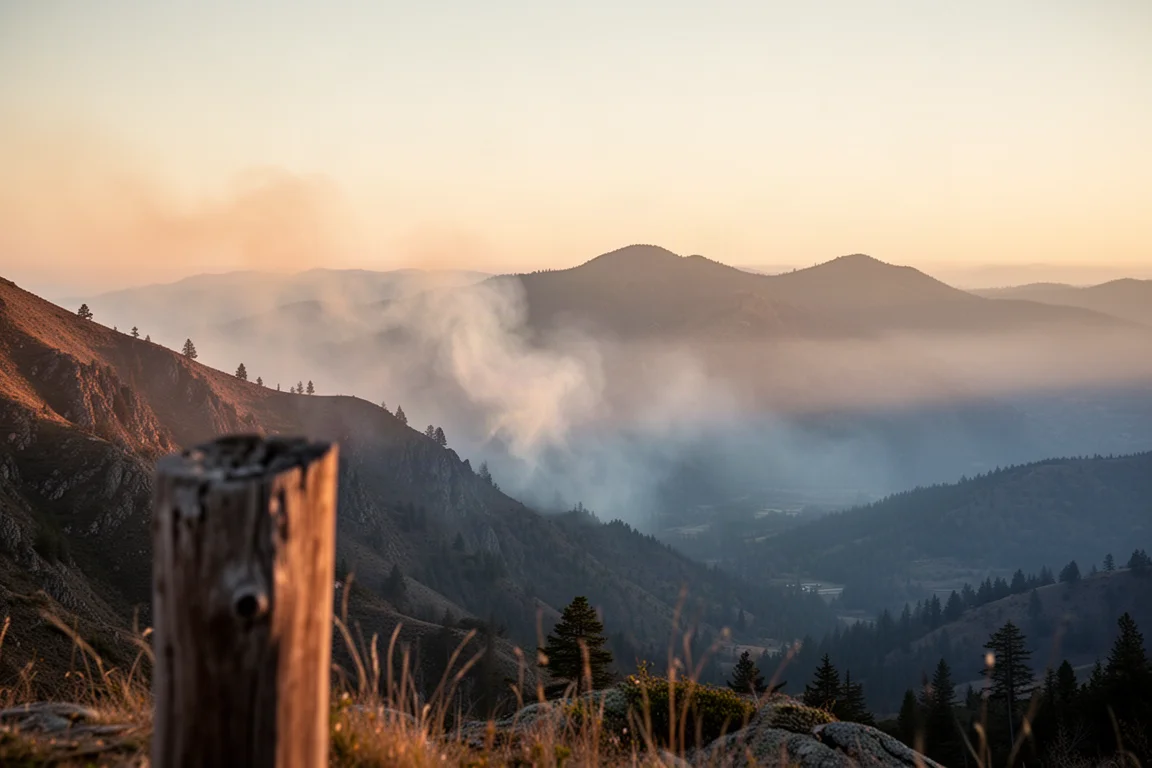
That layer matters most during summer hiking season, which now overlaps with wildfire season in many regions. The same information supports air quality decisions, making it easier to avoid camping in thick smoke. It is available while planning at home and while out on the trail, which is where a subscription tends to pay for itself. A free trial is available for anyone who wants to test it before committing.
Buying Advice
Matching gear to the trips you actually take matters more than following a recommendation list. A thru-hiker counting grams and a weekend backpacker who values camp comfort have different priorities, and both approaches can be correct.
For most three-season backpacking, the lighter and cheaper option is usually the better one. A canister stove and titanium pot replace an integrated cook system, side-pocket bottles replace a hydration bladder, and careful campsite selection replaces a tent footprint. Those swaps reduce pack weight and cost without giving up capability.
There are real exceptions. Winter backpacking, mountaineering, and high-altitude trips are where integrated cook systems earn their weight, thanks to efficient fuel use in cold and windy conditions. Sleeping comfort is another area worth spending on, since a pad that does not suit you costs more in lost rest than it saves in grams. And for anyone hiking in fire-prone regions, navigation tools with live wildfire and air quality data are a practical safety purchase rather than an optional extra.
Conclusion
Popular backpacking gear is popular for a reason, but that reason is not always a good fit for the next trip. Camp shoes, cult fleeces, integrated cook systems, and tent footprints all solve problems that many hikers can handle with lighter and cheaper alternatives.
The items that hold up best are the ones matched to real conditions: a canister stove and titanium pot for three-season trips, a collapsible container for extra water capacity, and a navigation app with wildfire data for summer hiking in fire-prone country. Choose for the trips you take, and the pack gets lighter while the decisions get easier.
Further reading
Related Reviews

Backpacking Gear
Building a 10 lb Base Weight: An Ultralight Backpacking Gear List
A practical walkthrough of the ultralight pieces behind a 10 lb base weight, from a 765 g pack and a roomy one-person tent to a full camp chair and a dependable water filter.
Backpacking Gear
A 15-Pound Lightweight Backpacking Gear List for Solo Trips
A beginner-friendly 15-pound backpacking setup built from easy-to-find gear, with notes on what each piece does, how it packs, and where to spend your attention.
Backpacking Gear
8 Ultralight Backpacking Gear Upgrades Worth Carrying
Eight small, affordable backpacking upgrades that solve real trail annoyances, from a pillow that stays put to a fuel valve that rescues leftover canister gas.