Camping Tents
Pomoly Stovehut 70 Review: A Hot Tent That Struggles in Real Rain
The Pomoly Stovehut 70 brings a fresh hot-tent design and a quick pitch, but a sustained rain test exposed serious leaking through the vent and an adjacent seam.
Introduction
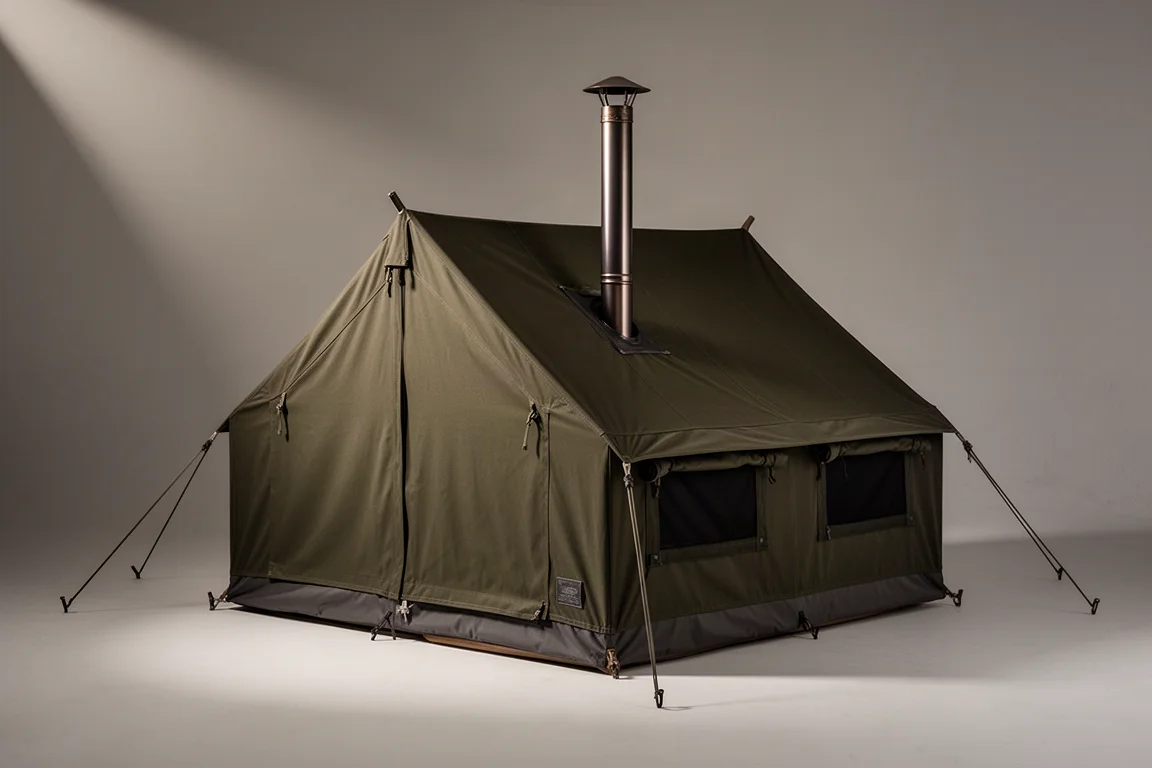
The Pomoly Stovehut 70 is a hot tent with a shape you do not see every day. It is built around a stove, but it can also be used in summer, where an integrated bug net and a bathtub floor keep insects and ground moisture out of the sleeping area. In a category crowded with near-identical shelters, that combination of ideas is genuinely refreshing.
Setup is one of its better qualities. The tent can be pitched with its own poles or with trekking poles, and there are several ways to configure it. A normal pitch takes roughly 10 to 15 minutes depending on the terrain, and on frozen, snow-covered ground the process simply takes a little longer.
Waterproofing is the problem. During a sustained rain test, the tent took on substantial water and ended the storm with standing pools inside. This review covers what the design gets right, where it failed, and what that means for anyone considering it.
Who This Tent Is For
On the evidence of this test, the Stovehut 70 is a dry-weather shelter. It suits campers who pitch in reliably dry conditions, or who use it in summer where the bug net and bathtub floor do most of the work. It does not suit anyone who expects to camp in rain.
That distinction matters more here than it would for an ordinary three-season tent. Hot tents are used in cold weather by definition, and staying dry in the cold is not a comfort question, it is a safety question. A shelter that leaks in a moderate rain event puts its occupant in a genuinely risky position once the temperature drops.
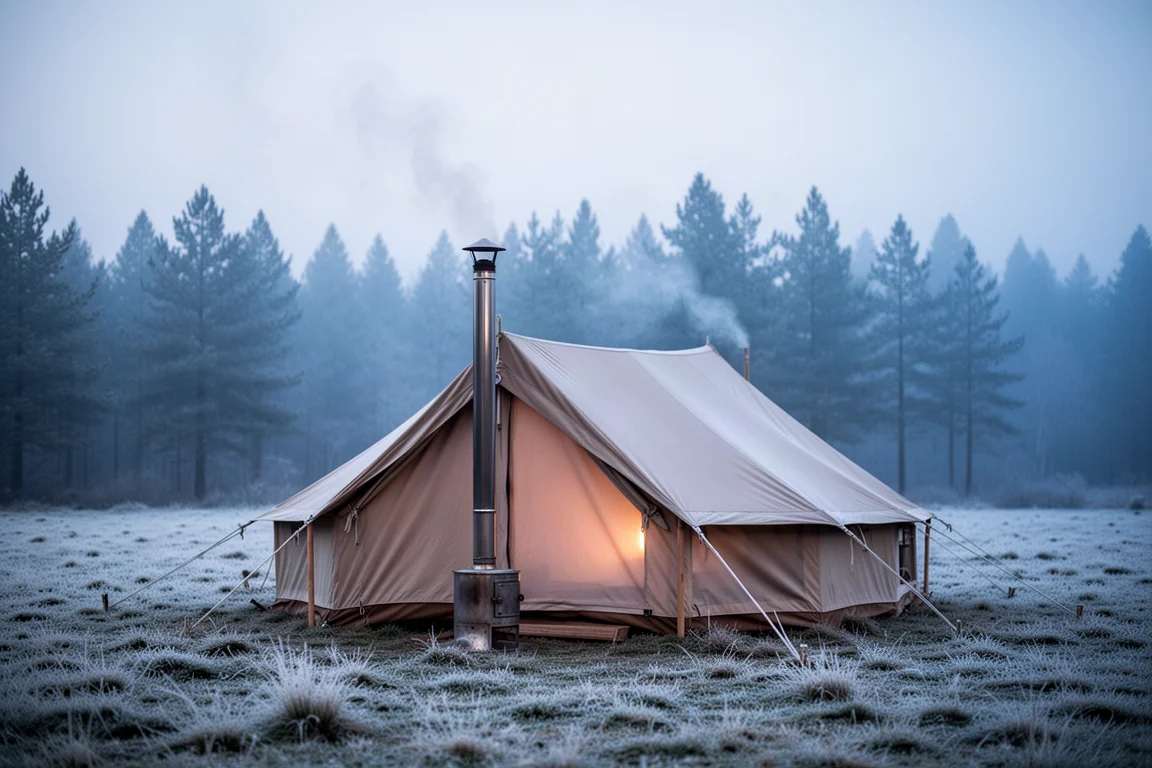
It is also worth being precise about the current state of the design. As it stands, this is not a wet-weather shelter and not a wet-snow shelter. Anyone shopping for a hot tent to use through a wet winter should treat that as the starting point rather than a minor caveat.
Design and Setup Strengths
The pitch is quick and forgiving. With the included poles or a pair of trekking poles, the tent goes up in a handful of steps, and the multiple setup options make it easier to adapt to different ground. On a normal site, 10 to 15 minutes is realistic.
Inside, the integrated bug net and bathtub floor make the tent genuinely usable in warmer months, which is unusual for a hot tent. Being able to run the same shelter in summer and in cold weather is a real convenience for anyone trying to keep their gear list short.
The overall design deserves credit as well. It is not a copy of anything obvious, and the layout shows a company willing to try something different rather than follow the crowd. Those are the qualities that made this tent interesting in the first place.
Waterproofing Performance in Sustained Rain
The test was realistic rather than extreme. Rain began in the evening and stayed light to moderate overnight, with a heavier band arriving in the morning. Over the full period, about 2.5 inches of rain fell on the tent.
The morning inspection was disappointing. Water had collected inside in volume: pools along one side, a soaked floor area, and a visible run of water down the inner wall. Only one source could be traced. Water appeared to pass through a seam beside the vent, travel into the vent, and then into the living space. Leaving the vent guard raised made no difference at all.
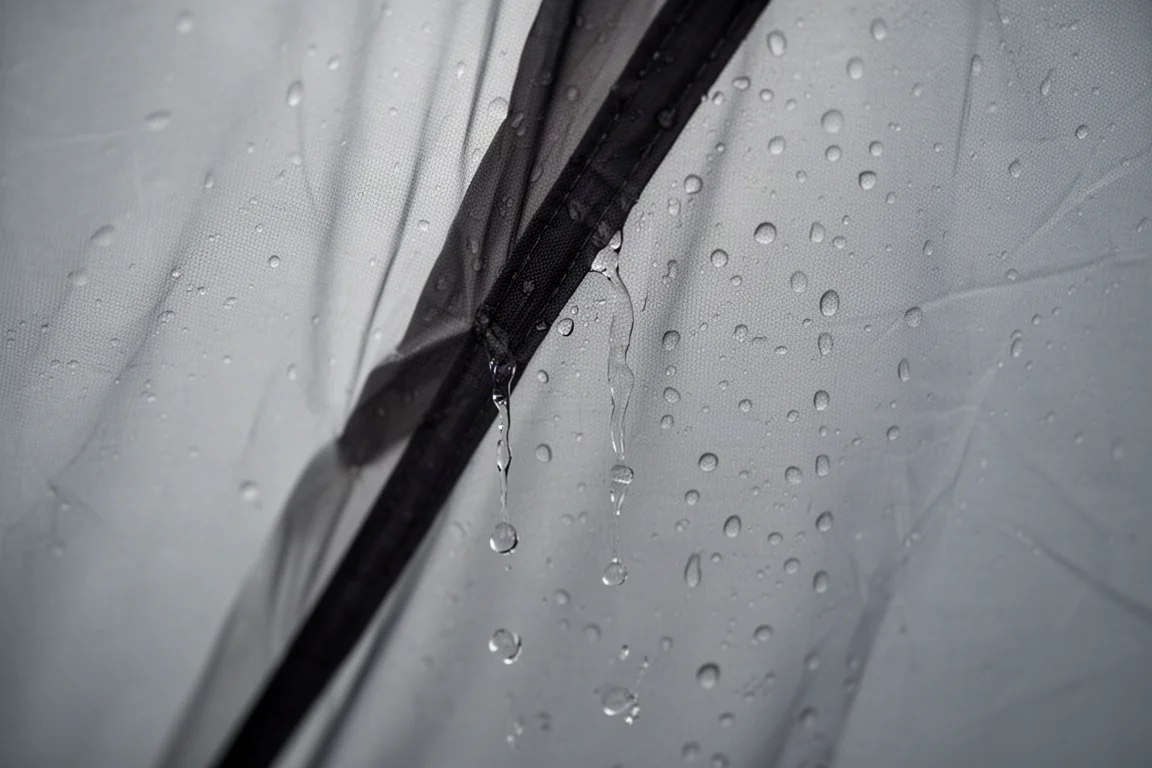
By the end of the storm the interior held large pools of standing water. The vent is the primary suspect, and the seam next to it appears to have a defect that lets water through before the vent even becomes the deciding factor. This is not a damp patch or a little condensation; it is water entering the shelter in quantity.
A second two-person tent pitched nearby during the same storm also took on water, which is a useful reminder of a broader point: a shelter is unproven until it has been tested in real rain.
What the Leak Means in Cold Weather
The consequences of a leak like this are worse in a hot tent than in a summer shelter. Hot tents are taken into cold conditions, and a wet sleeping bag or wet insulation at low temperatures is a serious situation rather than an inconvenience.
There is a second route to the same outcome. Because the shell is designed to hold heat, snow that settles on it melts, and meltwater on a leaking wall finds its way inside. Rain and wet snow both end in the same place: a wet occupant.
That is why the recommendation here is blunt. A tent that leaks is a dangerous tent, particularly when it is used in the conditions hot tents are built for.
Vent and Seam Design Concerns
The leak points to a design problem rather than a one-off manufacturing slip. The vent, as built, does not keep water out when rain is driven against it, and the seam beside it appears to let water through on its own.
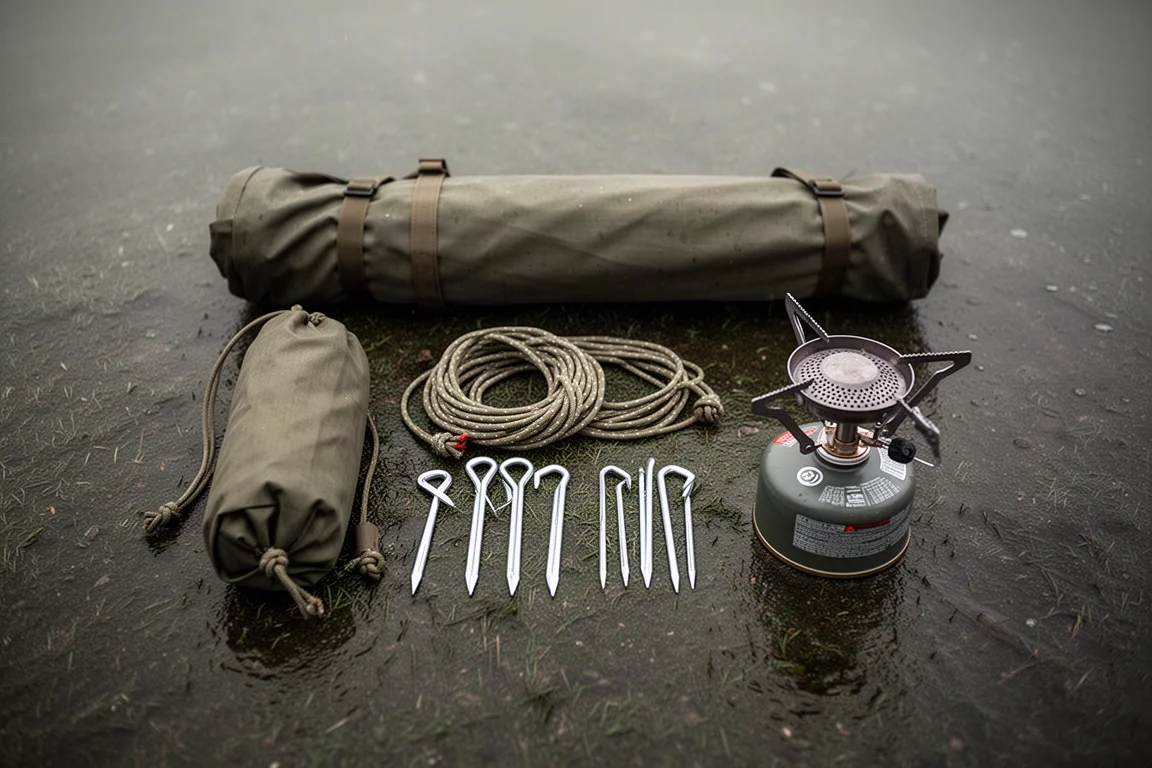
Until the vent and the adjacent seam are reworked, the same failure should be expected in a comparable rain event. The vent area needs to be redesigned rather than adjusted, and the seam defect needs to be addressed at the same time.
There is also some uncertainty about revisions of this model. The unit tested was the latest version available at the time, but accounts of how many revisions exist differ. That makes it difficult for a buyer to know whether a specific unit carries a fix, which is its own reason to be cautious.
Returns, Warranty, and Support
The manufacturer was contacted directly about the leaking through a standard customer channel and had not responded at the time of writing, in part because of a holiday period.
The warranty and return terms deserve a close read before buying. A policy that declines refunds on gear that has been used sits awkwardly with a product whose central question is whether it stays dry in the rain, since the only way to answer that question is to use it. Buyers should also expect that a return will depend on documentation, so keep the order confirmation and photograph anything that goes wrong.
If you already own this tent, the practical step is to rain-test it early, watch the vent and the seam beside it, and keep the evidence in case you need to make a claim.
Buying Advice
The current recommendation is straightforward. If you camp in dry conditions and want a summer-capable hot tent, the concept is appealing, but the waterproofing has to be treated as unproven. If you camp where rain, wet snow, or cold, damp weather is normal, this is not the shelter to buy.
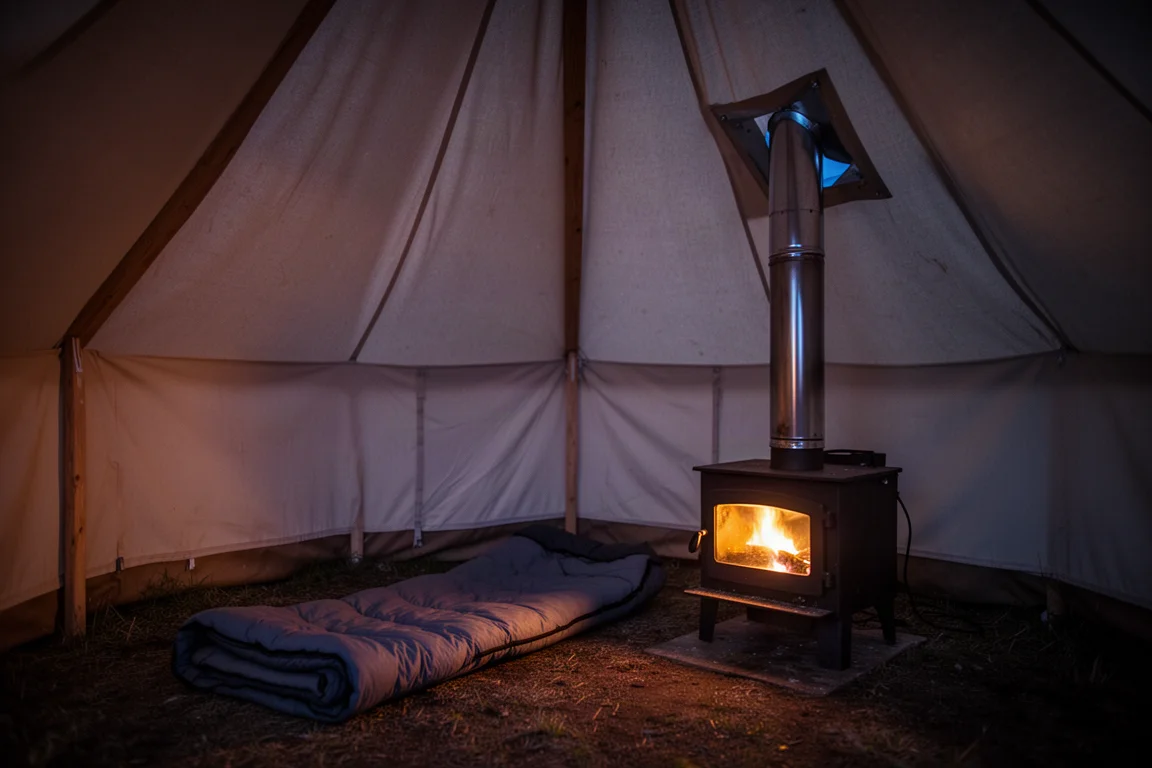
If an order is already in progress, it is worth deciding whether the risk is acceptable before the tent arrives. If a unit is already in hand, test it in rain before trusting it on a trip, and check the vent area first, since that is where the water entered here.
For anyone shopping for a hot tent to use through a wet season, the sensible move is to wait until the vent and seam issues are clearly resolved and independently verified. There is no shortage of alternatives, and no reason to gamble on a shelter that has failed a realistic test.
Conclusion
The Pomoly Stovehut 70 gets the interesting parts right. The design is fresh, the pitch is quick, and the summer configuration with a bug net and bathtub floor is a smart use of the hot tent format.
Waterproofing is not a detail, though. It is the core function of a tent, and this unit failed a moderate rain test badly, with water coming in through the vent and a seam beside it. Until that is fixed, this tent is a dry-weather shelter only, and buyers who need protection from rain or wet snow should look elsewhere.
Product link
View more details for Pomoly Stovehut 70
This product is mentioned in the review. Check the specifications, options, and compatibility before buying.
View more details for Pomoly Stovehut 70Further reading
Related Reviews
Camping Tents
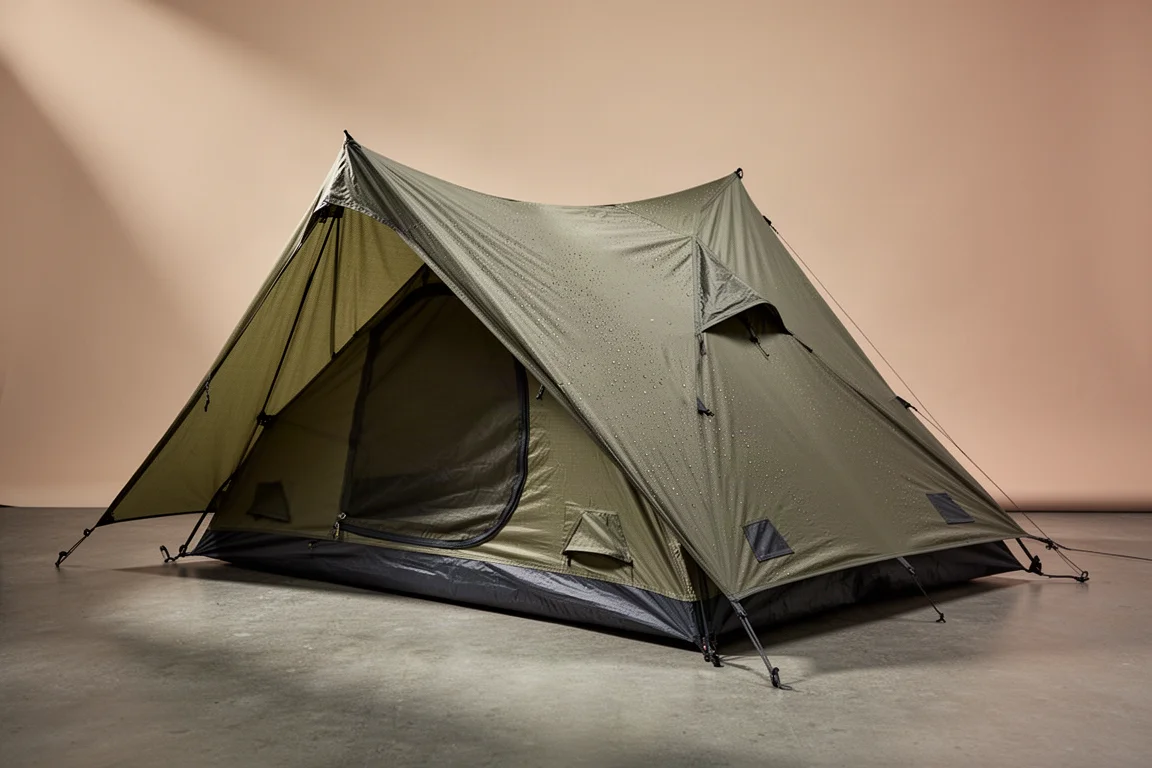
3F UL Gear Taiji Two-Person Tent Review: Field Waterproofing Results and Buying Advice
The Taiji pairs an attached fly with a removable inner, but sustained rain exposed untaped vent seams that need sealing before this shelter can be trusted.
Camping Tents
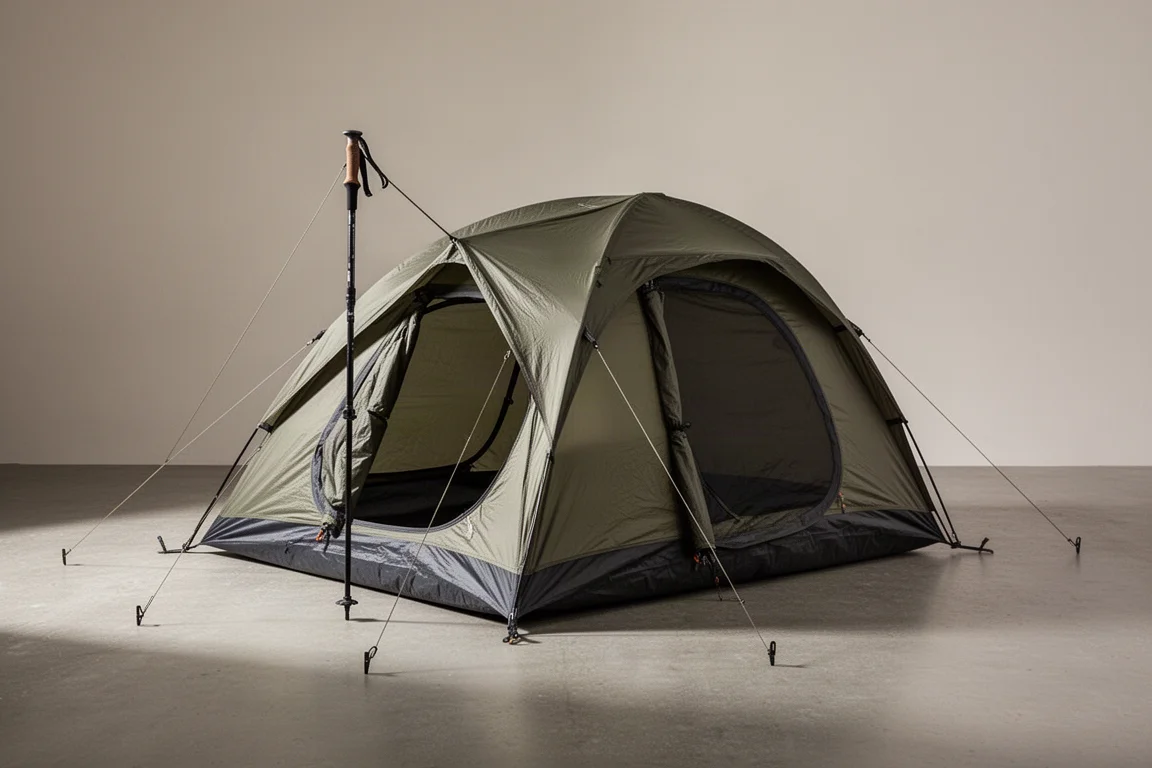
3FUL Gear Lanshan 2 Pro 4-Season Review: A Sub-$200 Single-Wall Trekking Pole Tent
An early look at the 3FUL Gear Lanshan 2 Pro 4-Season, covering its straightforward pitch, generous interior space, and the condensation and seam-sealing questions that come with any single-wall shelter.
Camping Tents
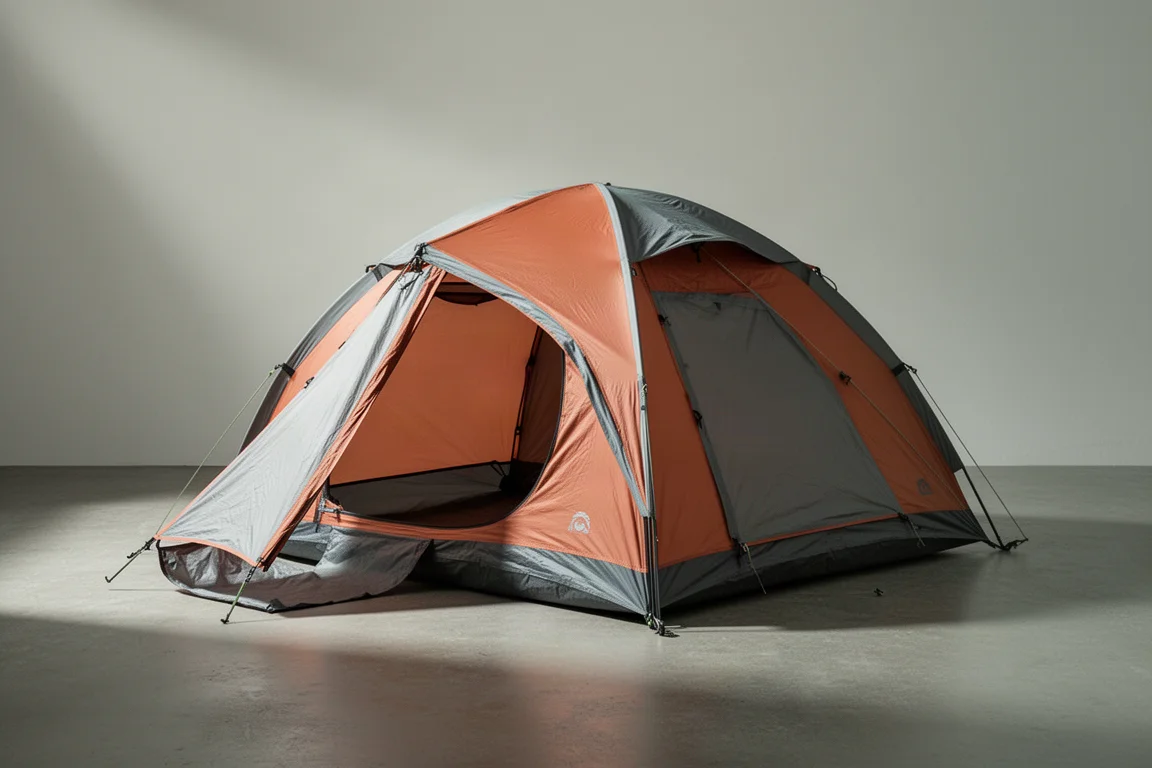
Alps Mountaineering Lynx 1-Person Tent Review: Big Value in a Small Budget Tent
A close look at the Alps Mountaineering Lynx 1-Person Tent, covering real interior dimensions, materials, setup time, ventilation limits, and who should buy it.