Camping Tents
Pomoly Stovehut 70 and Decathlon Quick Hiker 2: Rain Test Results and Buying Advice
Two tents faced roughly 2.5 inches of rain. Both finished the night with water inside. Here is where each one failed and what to check before you order.
Introduction
Most tent decisions start with weight and packed size. The detail that decides whether a trip is enjoyable or miserable is how the shelter behaves when the sky opens. Two tents were pitched and left standing through a storm that delivered roughly 2.5 inches of rain, and both finished the night with standing water on the floor.
This breakdown covers what happened, where each tent let water in, and the checks worth making before you spend money on a shelter you plan to use in wet weather.
How These Tents Were Tested
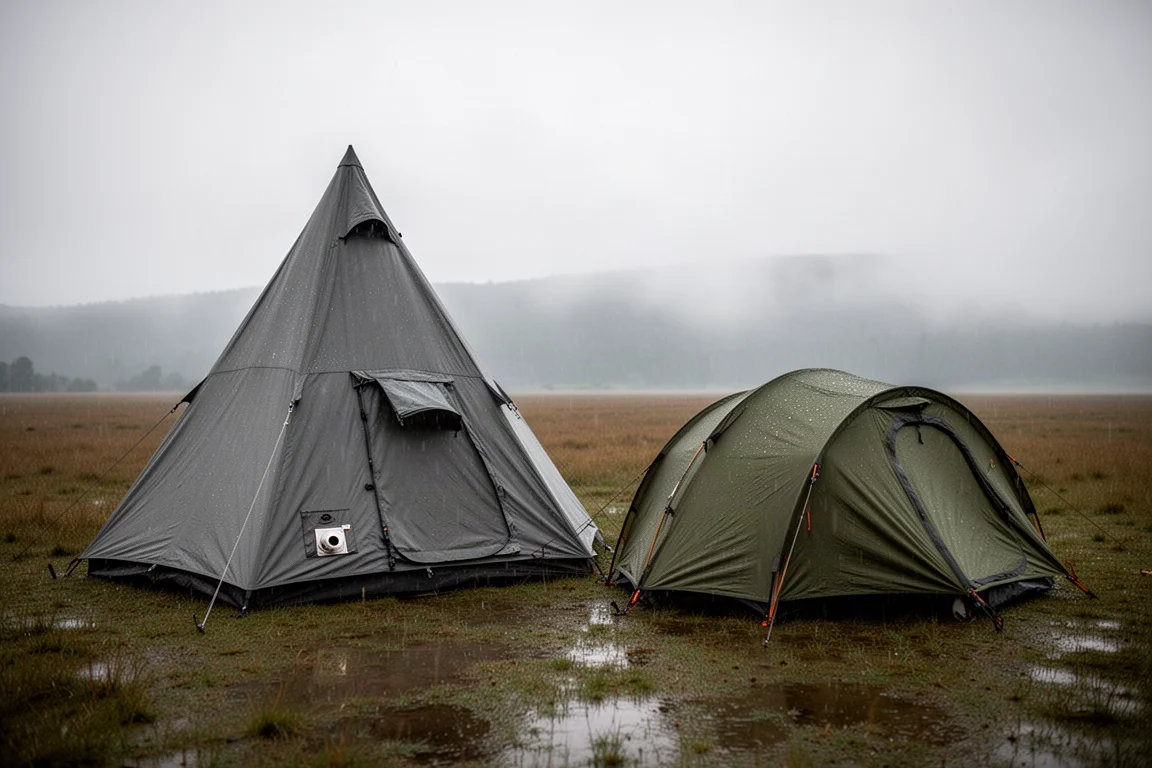
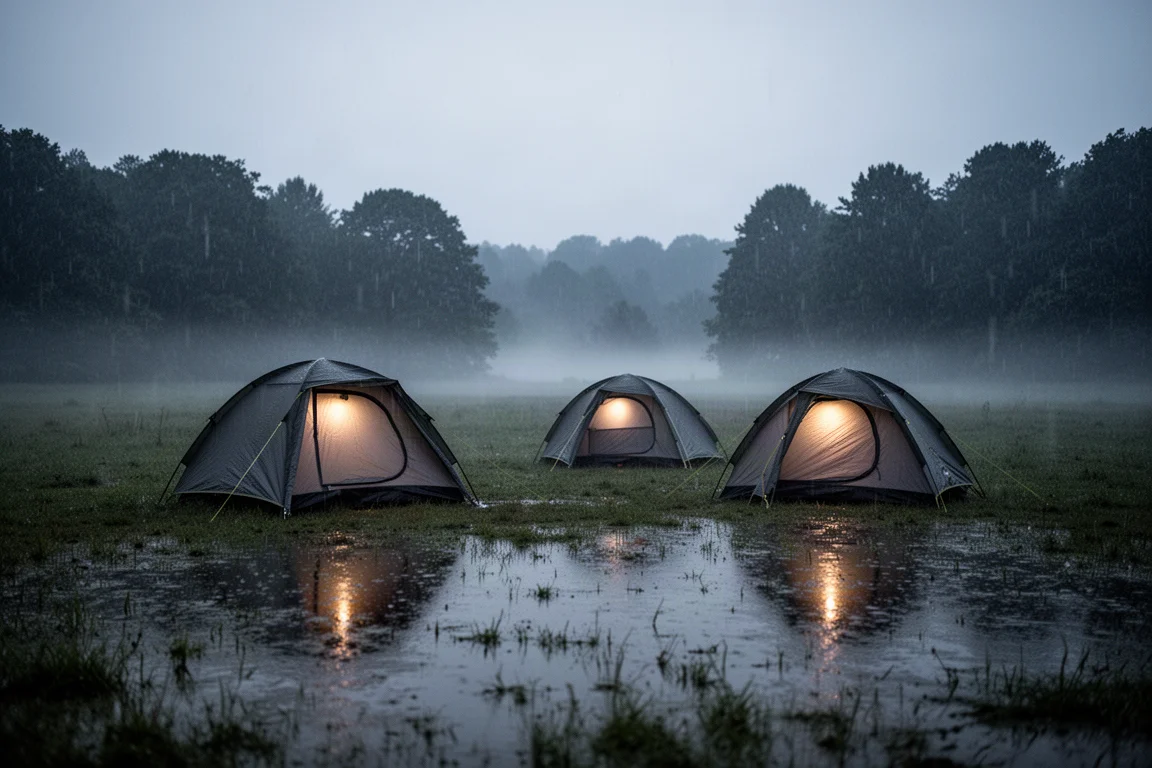
Both tents were pitched ahead of a forecast rain system, in cold conditions with snow on the ground and frozen soil underfoot. Rain arrived in the evening and continued overnight as light to moderate fall, with a heavier band moving through in the morning. By the time the weather cleared, roughly 2.5 inches of rain had fallen, which is a meaningful amount for any tent to absorb.
Each shelter was inspected the following morning without being moved or adjusted. Both had water inside.
The value of a test like this is that it replaces marketing language with an outcome. A tent either keeps the interior dry through sustained rain or it does not, and a single wet night is enough to change how you plan the next trip.
Pomoly Stovehut 70: A Distinctive Design With an Easy Pitch
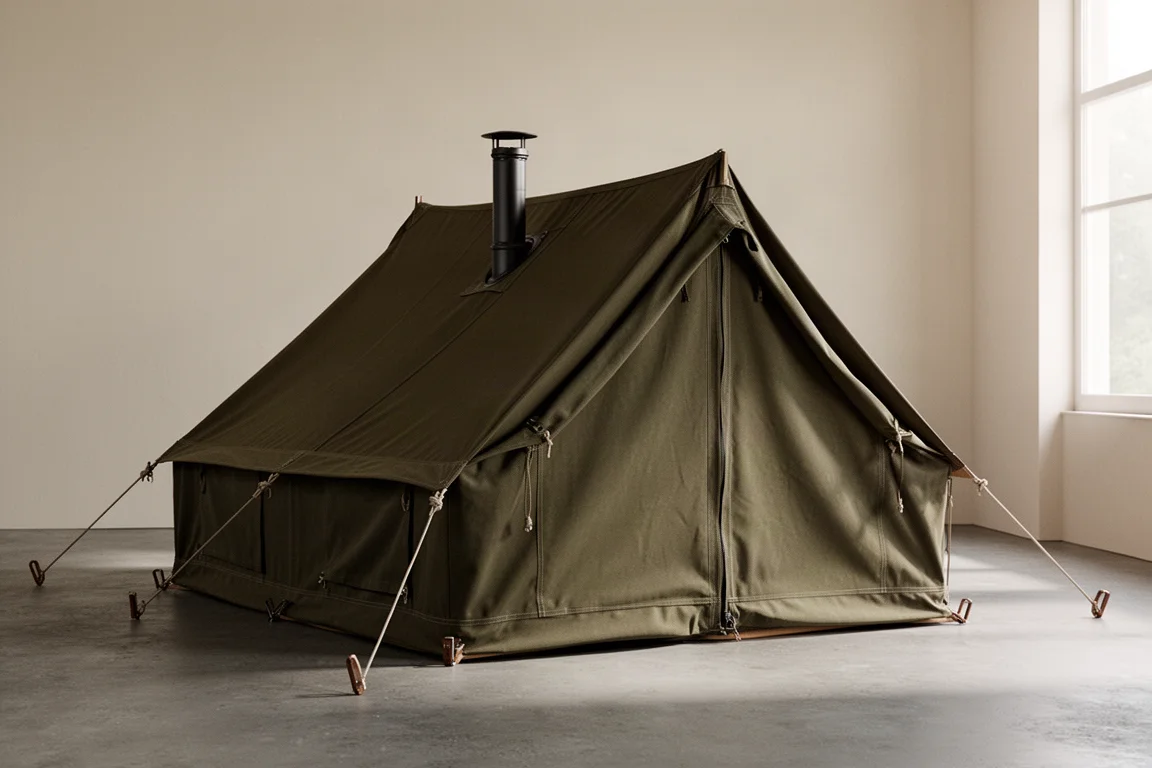
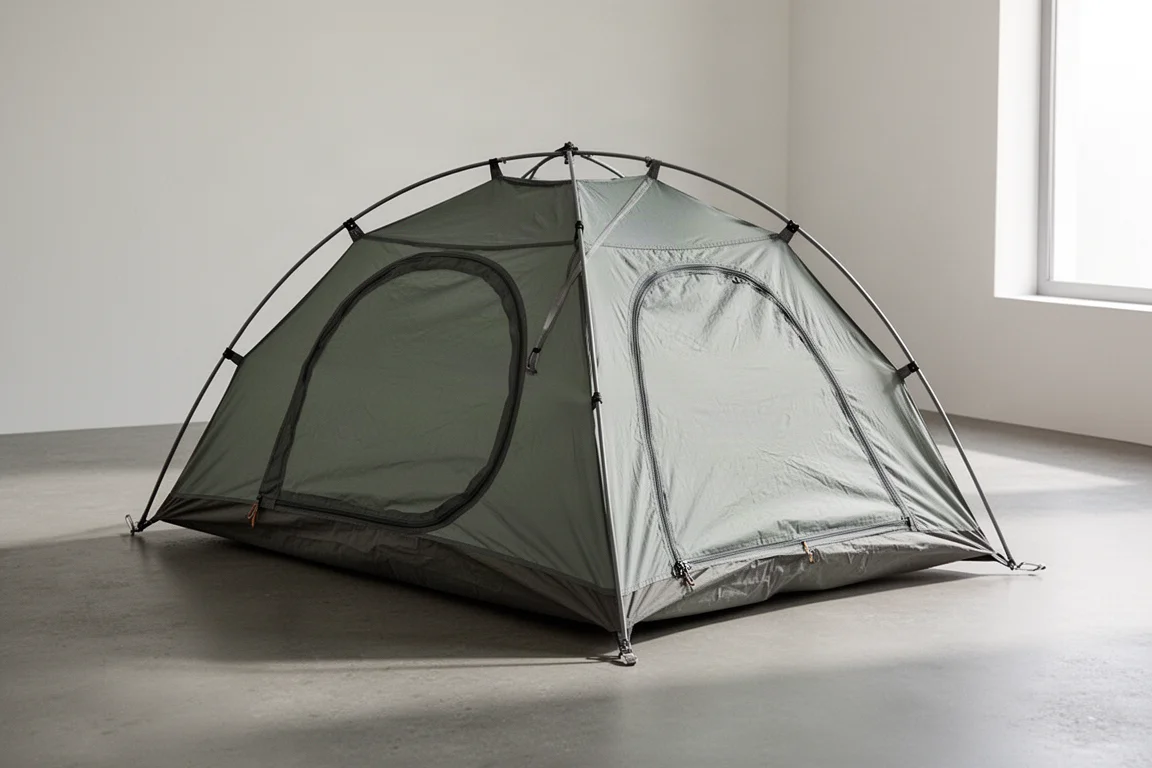
The Stovehut 70 is a hot tent, which means it can be used with a stove in cold conditions, and it also works as a summer shelter thanks to an integrated bug net and a bathtub floor. That combination is unusual, and the overall shape does not read as a copy of anything else on the market.
Pitching is straightforward. The tent can be set up with dedicated poles or with trekking poles, and there are several ways to configure it. In practice a pitch takes roughly 10 to 15 minutes depending on the terrain, and soft ground speeds that up considerably. On frozen ground with snow cover, expect to spend extra time on stakes and guy lines.
Pomoly Stovehut 70: Where the Water Comes In
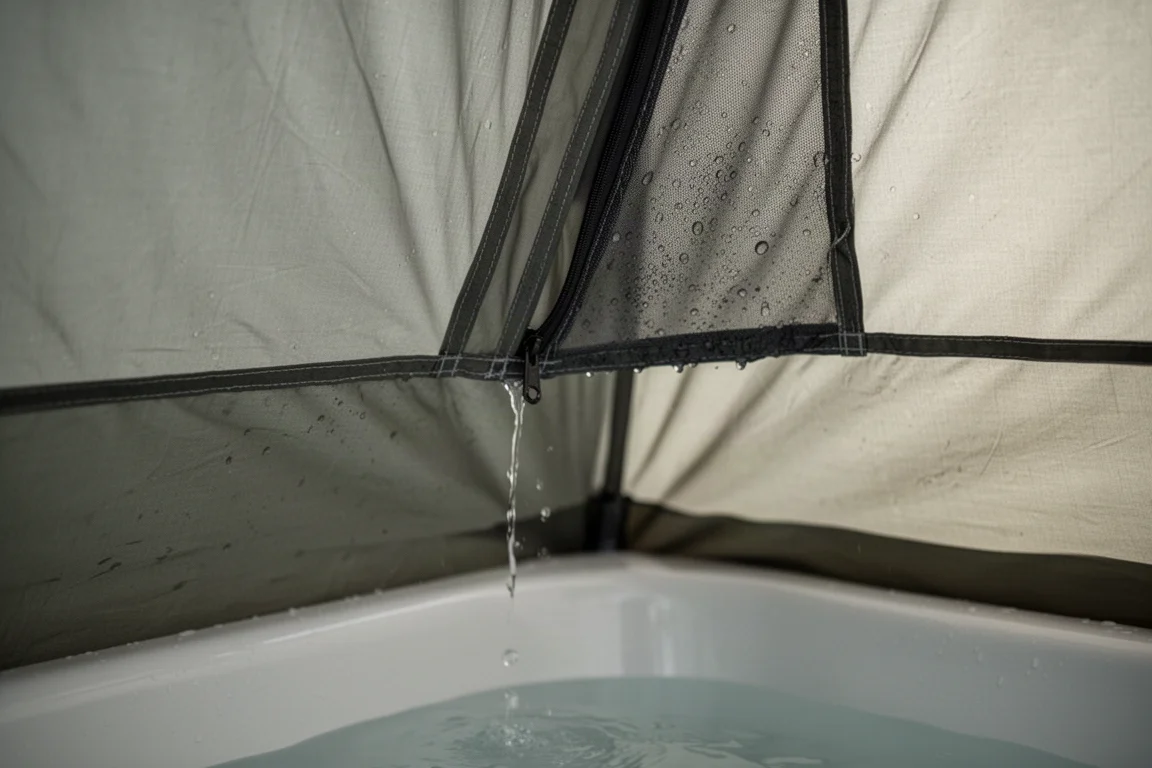
That easy setup did not translate into weather protection. After the first night of rain, the interior held pools of standing water, one full side was soaked, and water was tracking down the inside of the wall. The entry point was consistent: a seam defect alongside the vent. Water passed through the seam, ran into the vent, and then into the living space.
The vent cover was raised and that side of the tent was fully protected, which makes the result more frustrating rather than less. Closing the vent down did not solve it either. The unit tested was described as the latest model, and there is conflicting information about how many revisions of this tent have been produced, which makes it hard to know whether a newer batch behaves any differently.
As it stands, this is a dry conditions shelter. For rain or wet snow, the leaking makes it unsuitable, and that is a serious limitation for a hot tent, since hot tents are used in exactly the cold, damp conditions where a wet interior becomes a safety concern rather than an inconvenience.
If you already own one, a controlled water test before your next trip is the sensible step: pitch it, run a hose over the vent area for several minutes, then check the floor and the wall behind the vent. If you have an order in progress, cancelling is worth considering, and if the tent is still unused, returning it may be simpler than testing it.
The Vent and Seam Problem in Detail
The failure pattern here is specific enough to be useful. The vent opening is not the only issue. The seam that runs alongside it appears to be the entry point, and water then follows the vent inward. That means a raised guard or a simple cover is not a fix, because the water is already inside the fabric assembly by the time it reaches the vent itself.
For buyers, the practical takeaway is that a vented hot tent lives or dies on how well the seams around the vent are sealed. When you inspect a tent in person, that area deserves more attention than the large, easy-to-see panels.
Decathlon Quick Hiker 2: The Same Storm, the Same Outcome
A second tent was pitched alongside for the same test: the Quick Hiker 2 from Decathlon. It faced identical conditions and the same roughly 2.5 inches of rain, and it also finished the storm full of water.
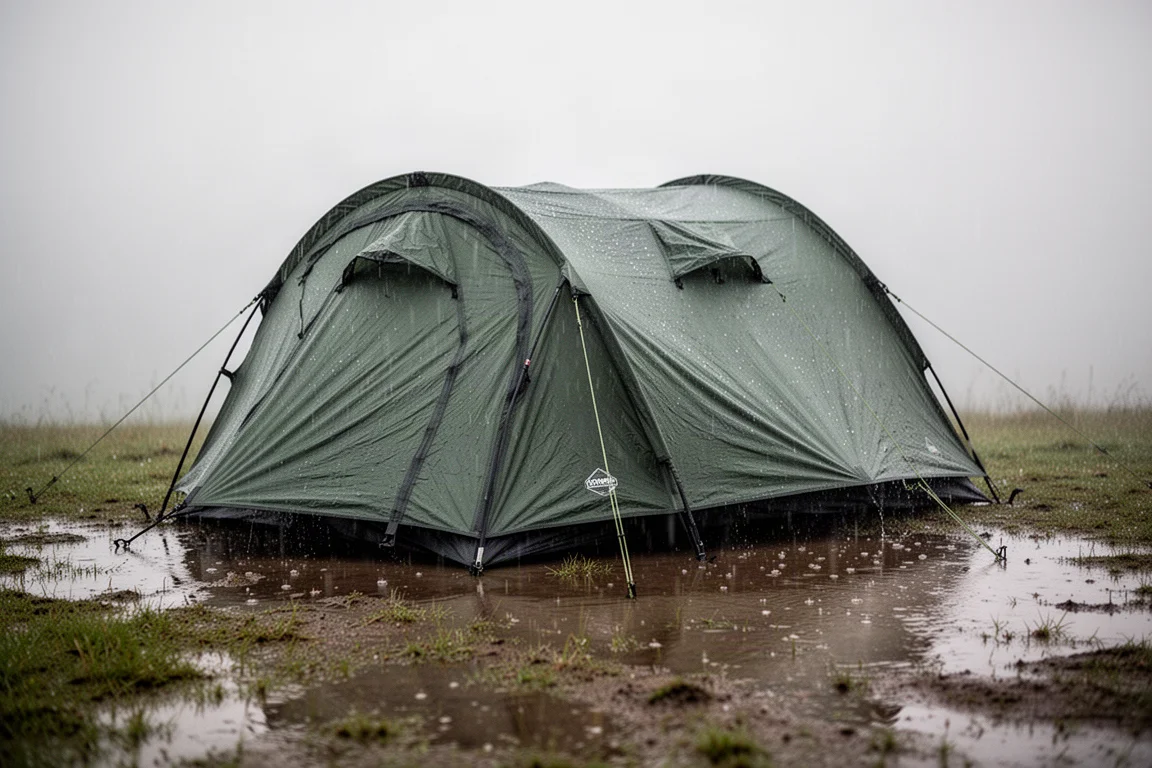
Two tents failing in the same storm does not automatically mean that every tent from either brand will leak, but it does underline how much variation exists between individual designs and production batches. Waterproofing is not a brand level guarantee. It is a property of the specific seams, coatings, and construction of the tent in front of you.
Returns, Warranties, and Why They Matter Here
Waterproofing problems usually appear only after a tent has been used, which makes return terms unusually important. Return policies that exclude products that have been used leave buyers in an awkward position: the only way to discover a leak is to pitch the tent and get it wet, and by then the tent may no longer qualify for a refund.
Before ordering, read the return and warranty terms and check whether a used tent can be sent back if it fails. If the answer is no, plan to test the shelter thoroughly as soon as it arrives and keep the original packaging until you are confident in it.
Buying Advice: How to Decide
Neither tent should be treated as a wet weather shelter based on this test. The Stovehut 70 remains an interesting design for dry, cold trips where a stove is part of the plan, and the Quick Hiker 2 is a straightforward option for fair weather camping. Neither result suggests they are safe choices for trips where sustained rain is likely.
If you are shopping for a tent now, a few practical steps reduce the risk. Pitch it at home before your first trip and inspect the seams around every vent and opening. Check the return window and keep the packaging until the tent has proven itself. And treat a single dry night as no evidence at all.
For anyone who already ordered the Stovehut 70, the decision is simpler: cancel if you still can, or test it carefully on arrival and send it back if water gets through.
Conclusion
Roughly 2.5 inches of rain was enough to expose a clear waterproofing failure in the Stovehut 70, with water entering through a seam near the vent, and the Quick Hiker 2 ended the same test with water inside as well. Until the vent and seam issue is resolved, the Stovehut 70 belongs in dry conditions only, and buyers should treat both tents as fair weather options rather than all-season shelters.
Further reading
Related Reviews
Camping Tents
3F UL Gear Taiji Two-Person Tent Review: Field Waterproofing Results and Buying Advice
The Taiji pairs an attached fly with a removable inner, but sustained rain exposed untaped vent seams that need sealing before this shelter can be trusted.
Camping Tents
3FUL Gear Lanshan 2 Pro 4-Season Review: A Sub-$200 Single-Wall Trekking Pole Tent
An early look at the 3FUL Gear Lanshan 2 Pro 4-Season, covering its straightforward pitch, generous interior space, and the condensation and seam-sealing questions that come with any single-wall shelter.
Camping Tents
Alps Mountaineering Lynx 1-Person Tent Review: Big Value in a Small Budget Tent
A close look at the Alps Mountaineering Lynx 1-Person Tent, covering real interior dimensions, materials, setup time, ventilation limits, and who should buy it.