Camping Tents
Pomoly Dome X6 Tent Review: A Huge Hot Tent With Real Trade-Offs
A six-person hot tent with a stove jack, three doors, and a strong material spec, plus the waterproofing and roof-pooling issues worth knowing before you buy.
Introduction
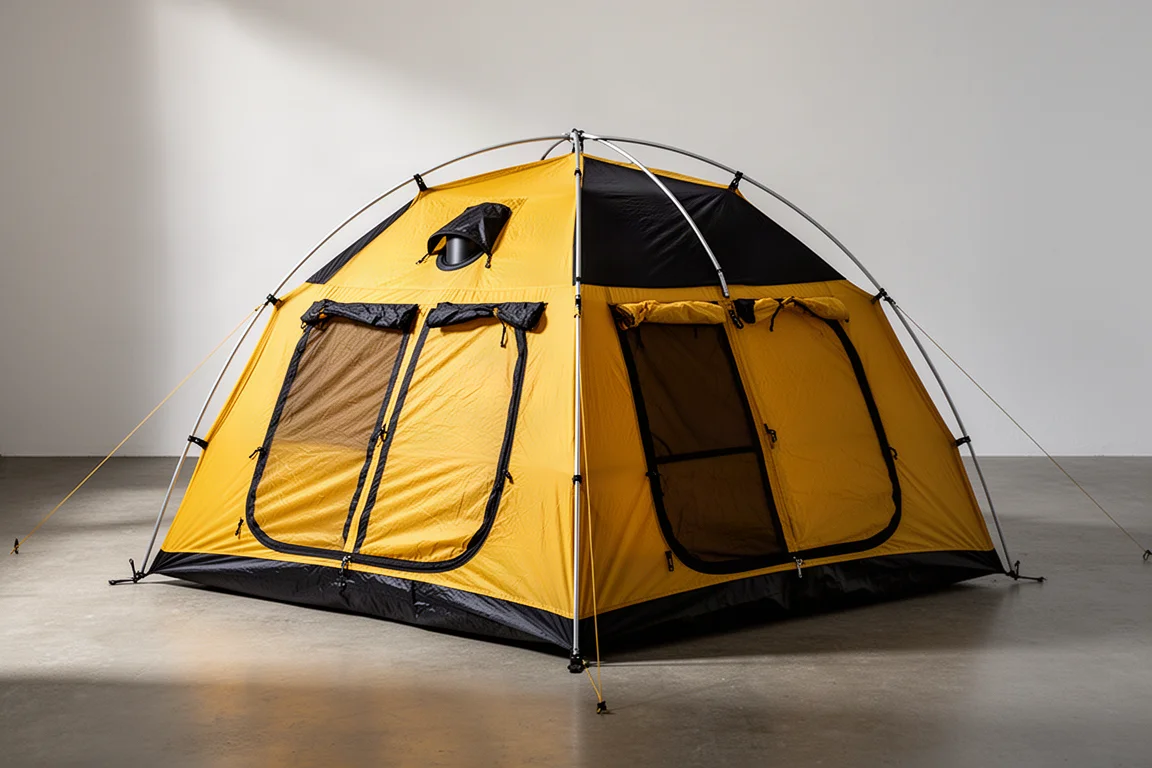
The Pomoly Dome X6 is a six-person hot tent built around a single stove jack port, three full-size doors, and a shell made from 40D ripstop silnylon with a 3,000 mm hydrostatic head rating. Pitched, it covers roughly 11.5 ft by 13.2 ft and stands about 6.5 ft at the center, and the full package weighs 18.7 lb. In plain terms, this is a very large shelter, and everything about owning it follows from that.
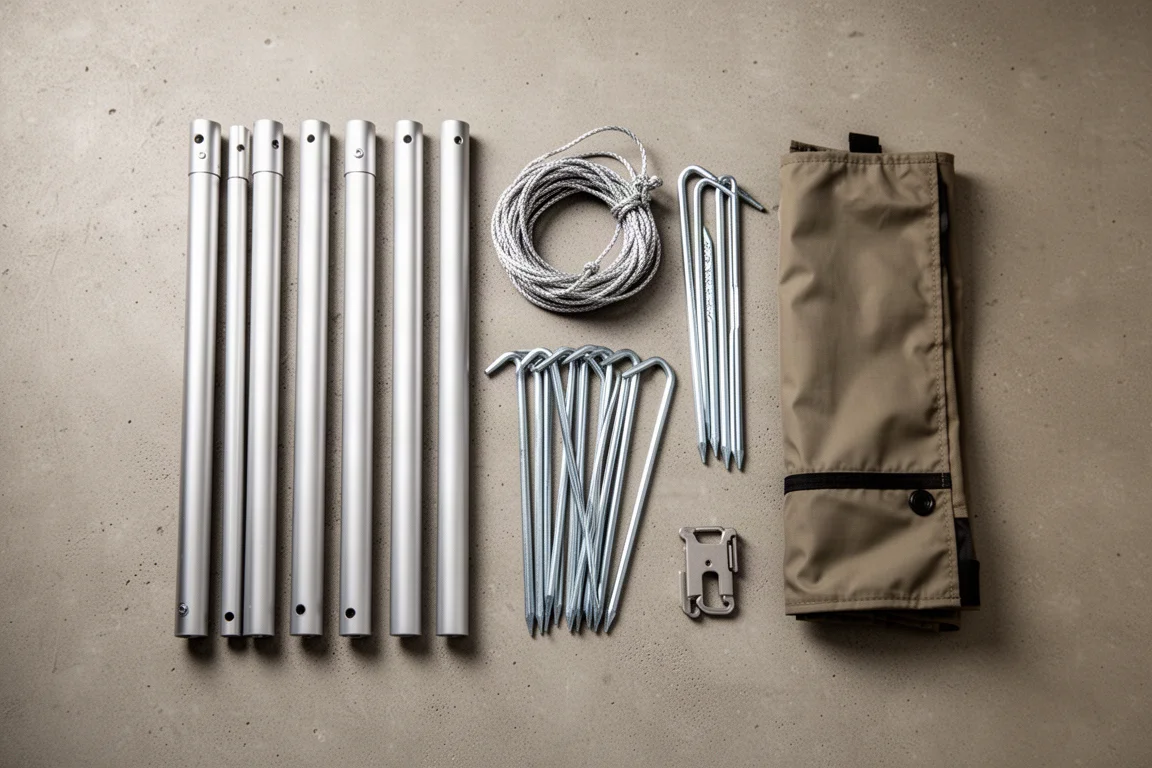
The kit arrives with a storage bag measuring about 25 in long and 11 in by 11 in, six 11 mm aluminum poles, eight guylines, a compression strap for the tent, eighteen stakes, a set of spare clips, a small top cover, and a stove jack that comes already mounted, along with a velcro stove jack cover for sealing the port when it is not in use.
This assessment is based on one overnight trip in wet weather, so it reflects early impressions rather than a long-term verdict. The strengths are immediately obvious, and so are the compromises.
Who the Pomoly Dome X6 Is For
This tent makes the most sense for fishing trips, car camping, and truck camping. Backpacking is off the table given the packed weight and bulk. The appeal is straightforward: a very large interior, a wood stove, and a price that stays well below what oversized four-season shelters often cost.
Capacity deserves a realistic read. The company states that four people will fit inside with a wood stove present plus firewood, and that matches what the interior supports comfortably. The six-person rating is generous, because the walls taper away from the center peak. Six occupants can be made to work, but they would be bumping into each other, and each person loses the room to move around that makes this tent pleasant in the first place.
Main Strengths: Materials, Space, and Ventilation
The material specification is the first thing that stands out. The outer shell is 40D ripstop silnylon, the zippers are YKK, and the reinforcements are Dyneema. Seam tape is applied cleanly, stitching is consistent, and there are no loose threads anywhere on the build. The six aluminum poles are 11 mm thick and feel substantial, and because every pole is exactly the same length, any pole can go into any position, which removes a common source of setup confusion.
Ventilation is handled well. Each of the three doors has a storm flap over the zipper at the top and bottom, tie-offs so the door can be rolled and stowed, and a full-size mesh panel behind the fabric door. All three doors and all three mesh panels can be rolled out of the way. There are also three vents with covers that zip shut, a snow skirt that runs around the entire perimeter, and a second snow skirt inside.
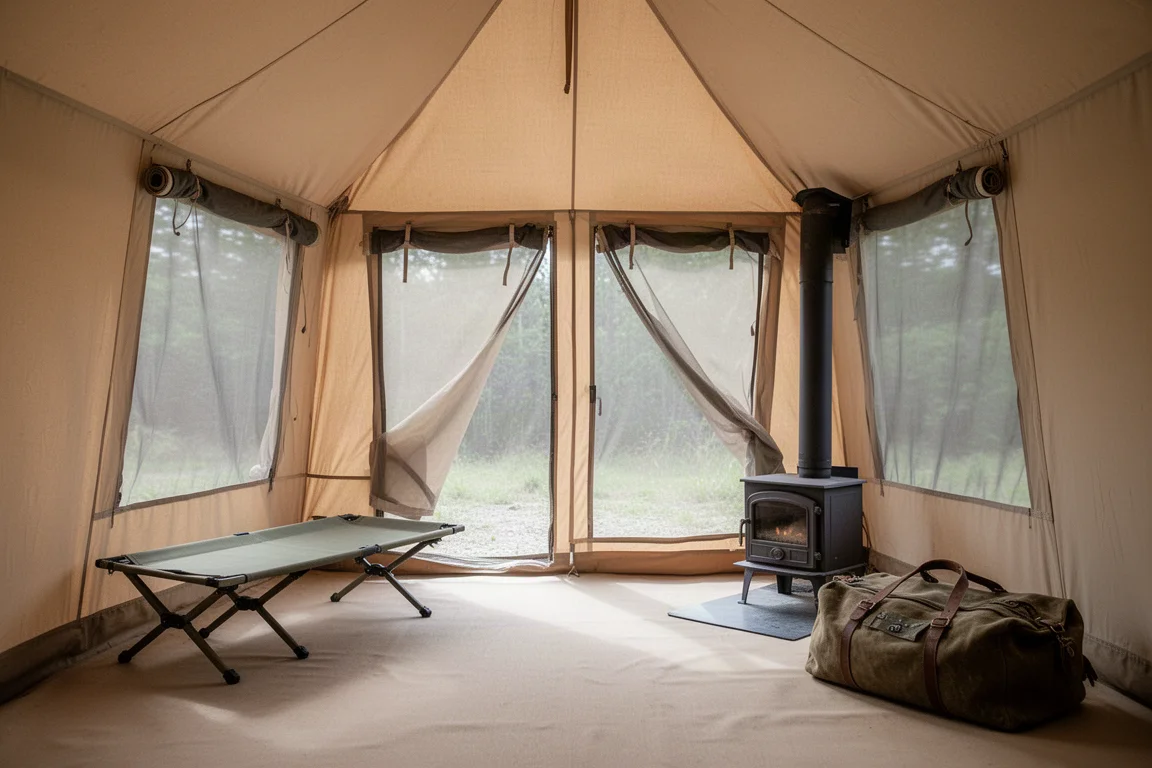
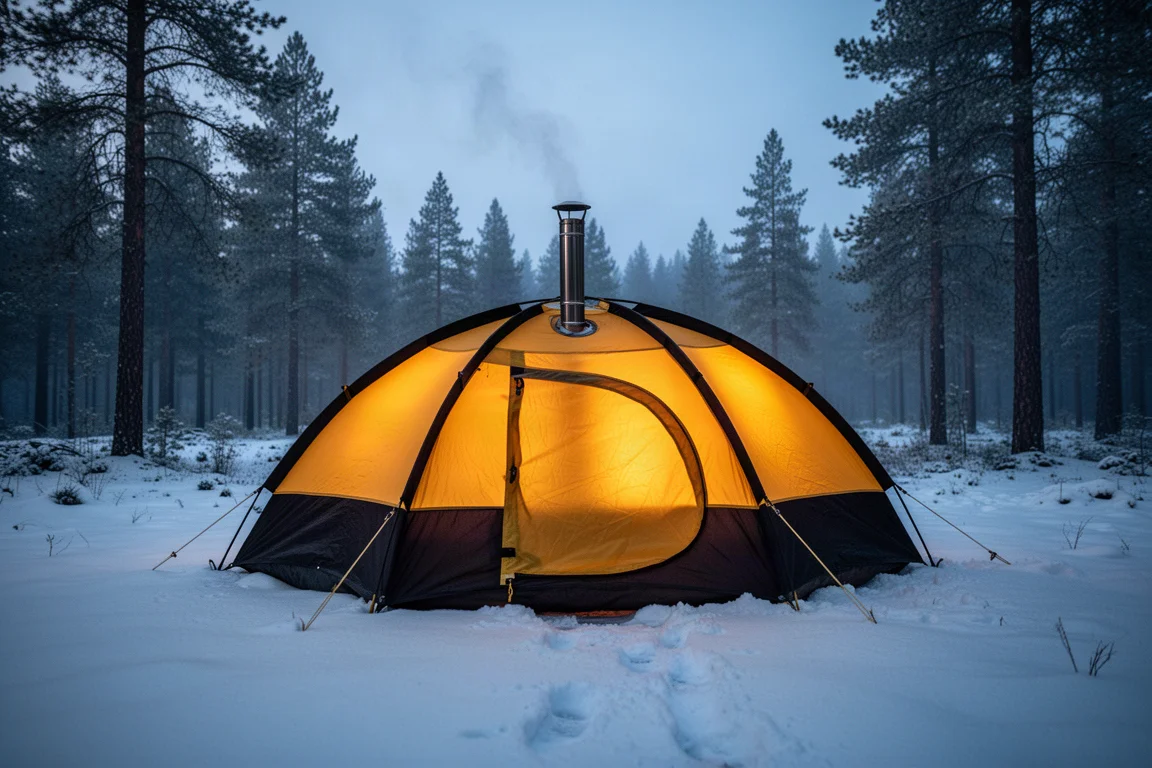
Inside, a bathtub floor rises about 8 in around the perimeter, and a mesh cargo net sits overhead for drying gloves or stashing light gear. The stove jack port has a protective flap, and the fabric cover over it can be rolled back and tied out of the way so it does not interfere with a stove system. When the port is not in use, the included cover velcros over it to seal the opening.
Setup, Size, and Living Space
Allow at least 30 minutes for one person to pitch this tent, and expect a faster process with a second pair of hands. Threading the poles through the sleeves is easy enough. Raising the tent body is the demanding part, because the poles are heavy, they cross over each other on top, and lifting the whole structure into place takes real force. The identical pole lengths help here, since there is no need to match a specific pole to a specific sleeve.
The storage bag is correspondingly large, with two compression straps, two grab handles, and a zipper that runs across the top. Two practical requirements follow from the size: you need enough ground to pitch it, and you need enough space at home to dry it out thoroughly after a trip.
Things to Consider Before Buying
Condensation is the first thing to plan for. This is a single-wall tent, so sealing it up fully in cold conditions will produce condensation on the interior, and that applies to the standard version and the Pro version alike. The vents help, and the sheer interior volume means condensation is less disruptive than it would be in a smaller shelter, but it will be there, especially with more people inside.
Bugs are the second consideration. The tent has no built-in floor. The optional ground sheet buckles into the interior, but that alone does not seal the shelter completely against insects.
The model lineup is also harder to navigate than it should be. The Dome series includes the X4, the X6, the X4 Pro, and the X6 Pro. The Pro versions add large mesh panels beside the doors for more ventilation and are intended for warm conditions as well as winter, while the standard X4 and X6 are designed primarily for cold weather. The differences are not clearly documented on the product pages, and the listed specifications for the standard and Pro versions read almost identically, so buyers should look carefully at photographs of each model side by side before choosing.
Finally, be honest about how many people will actually sleep inside. Four occupants with a stove and firewood is the configuration that works. Beyond that, the tapered walls start to matter.
Weather Protection: What One Rainy Night Revealed
Overnight rain produced three leaks in total: two along the bottom perimeter and one at the base of a door. The amount of rain was moderate rather than extreme, and the leaking was minor in that context. It is also worth weighing against the size of the shelter, because a tent this large carries an enormous amount of seam tape, and three small leak points is a modest failure rate for that much material. Seam sealer is a reasonable fix, and a replacement through the manufacturer is another route. What matters for buyers is the expectation: this tent is not waterproof straight out of the bag.
The top cover is the more serious issue. It buckles over the roof and is designed to prevent water pooling and snow loading on top of the tent. During that rainy night it did not prevent pooling. Silnylon is strong and light, but it stretches considerably when wet, and that is exactly what happened. Water collected in the center of the roof, roughly 10 lb of weight by morning, and it would have kept building. Adjusting the cover means going outside in the rain to do it, which is not something most people want to repeat through a long storm. For anyone using this tent in sustained rain or snow, this is the drawback to weigh most heavily.
Buying Advice
Pricing for the tent alone sits around $610, and adding the inner tent and ground sheet brings a complete setup to roughly $800. For a shelter of this size with silnylon, YKK zippers, and Dyneema reinforcements, that is a competitive figure.
The two optional accessories are worth understanding. The ground sheet buckles to the inside of the tent and includes a fireproof section for the stove to sit on, so falling debris does not burn through it. The inner tent adds a bathtub floor with mesh attached, which keeps bugs out, and it is large enough for three people.
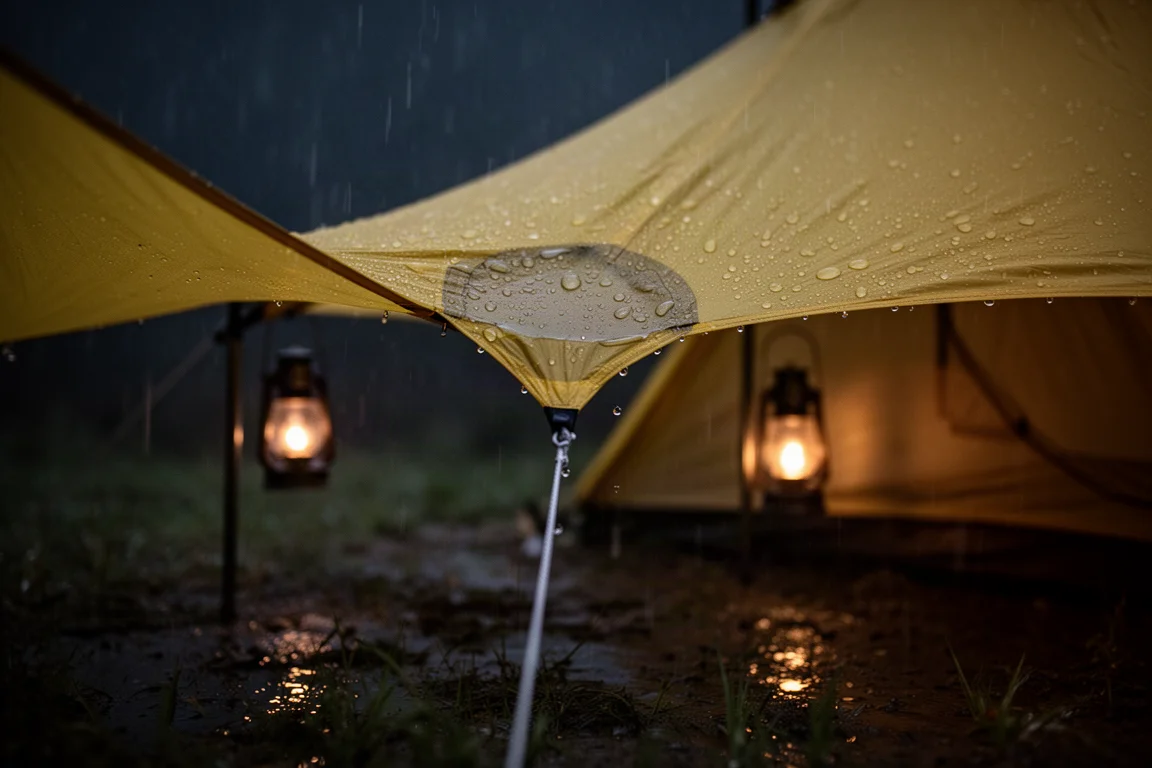
Buy this tent if you car camp, truck camp, or take fishing trips, and you want a wood stove plus generous living space without spending four figures. Look elsewhere if you backpack, if you need guaranteed waterproof performance from the first trip, or if you do not have the room to pitch and dry a shelter of this size. Given the materials, the size, and the price, the minor leaking is not a deal breaker, and sealing the affected areas is a sensible first step before more testing in rain and snow.
Conclusion
The Pomoly Dome X6 delivers a genuinely huge interior, a solid material specification, and thoughtful ventilation for a price that is hard to argue with. It also arrives with a small waterproofing weakness and a top cover that pools water because the fabric stretches when wet. Buyers who want space, a stove jack, and a fair price, and who are willing to seal a few seams and manage the roof in bad weather, will find a lot to like here.
Product link
View more details for Pomoly Dome X6
This product is mentioned in the review. Check the specifications, options, and compatibility before buying.
View more details for Pomoly Dome X6Further reading
Related Reviews
Camping Tents
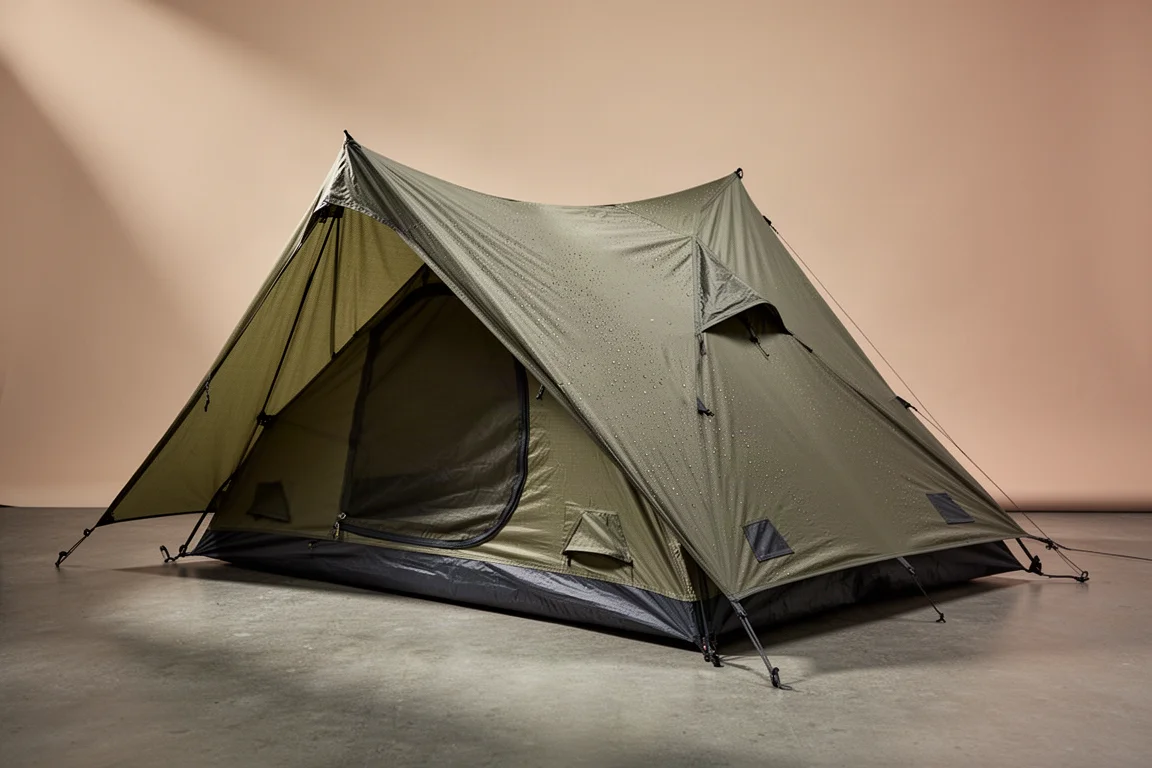
3F UL Gear Taiji Two-Person Tent Review: Field Waterproofing Results and Buying Advice
The Taiji pairs an attached fly with a removable inner, but sustained rain exposed untaped vent seams that need sealing before this shelter can be trusted.
Camping Tents
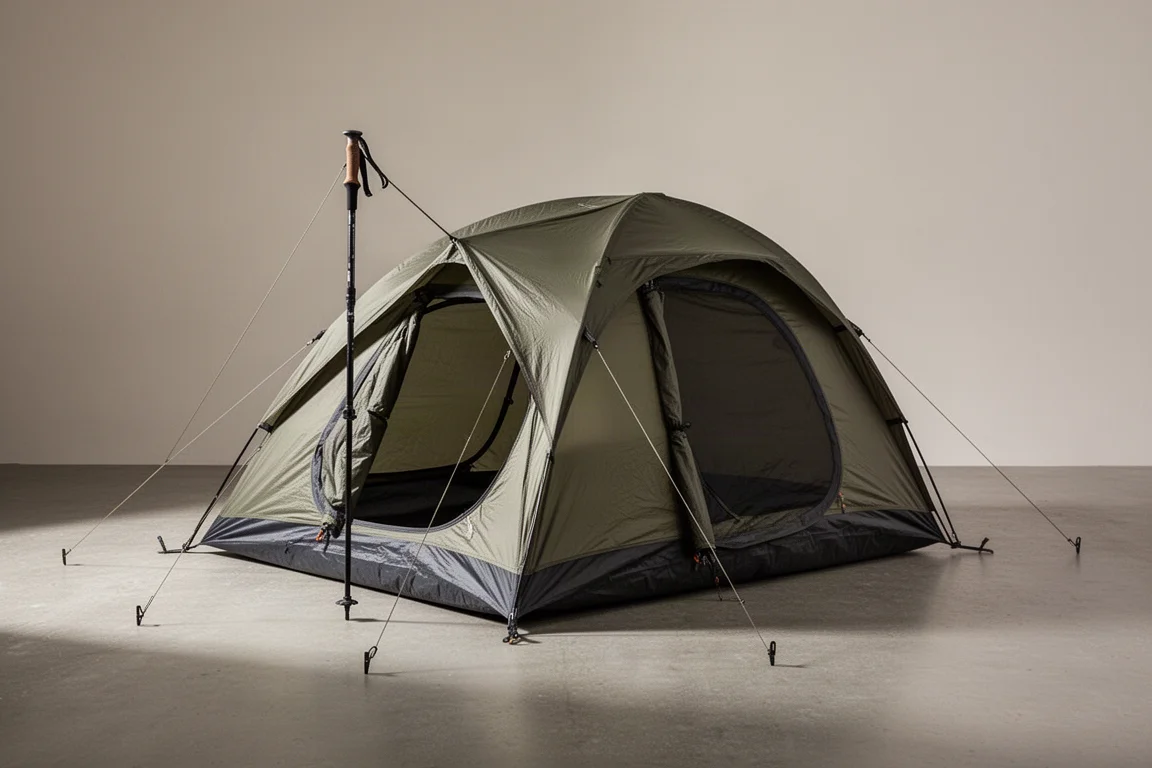
3FUL Gear Lanshan 2 Pro 4-Season Review: A Sub-$200 Single-Wall Trekking Pole Tent
An early look at the 3FUL Gear Lanshan 2 Pro 4-Season, covering its straightforward pitch, generous interior space, and the condensation and seam-sealing questions that come with any single-wall shelter.
Camping Tents
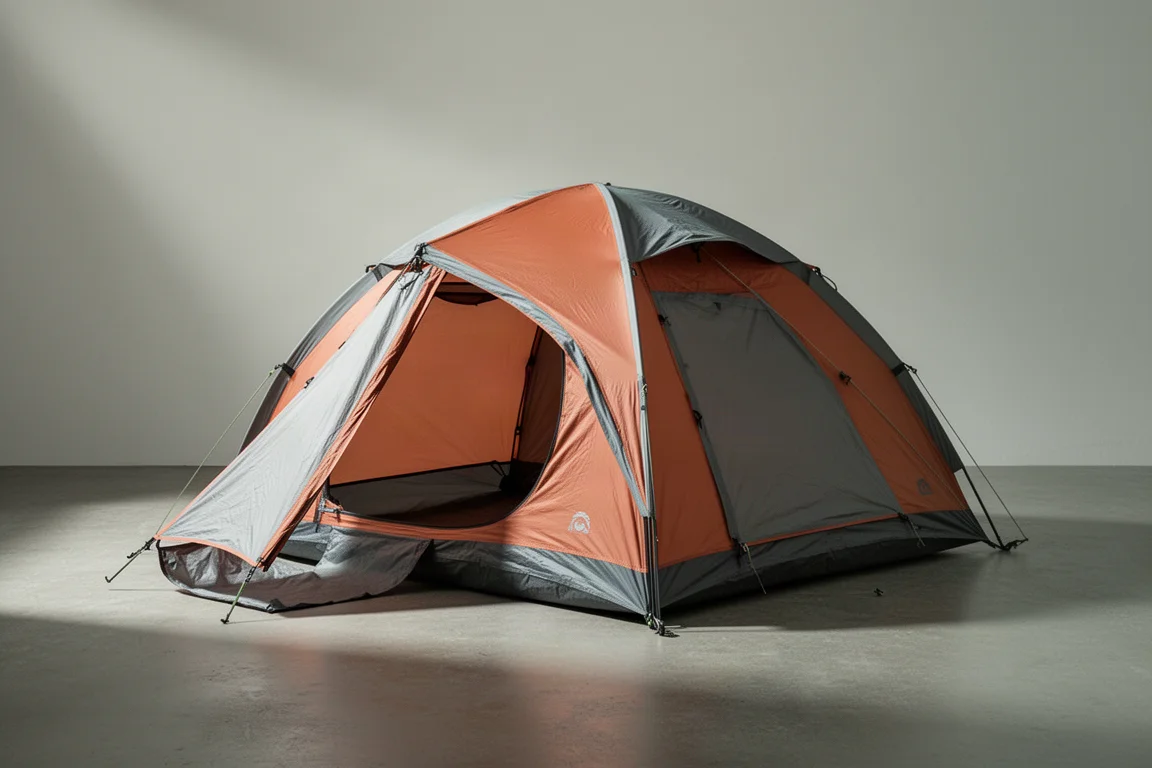
Alps Mountaineering Lynx 1-Person Tent Review: Big Value in a Small Budget Tent
A close look at the Alps Mountaineering Lynx 1-Person Tent, covering real interior dimensions, materials, setup time, ventilation limits, and who should buy it.