Bookshelf Speakers
Polk XT20 Review: A Budget Bookshelf Speaker With Real Low-End Weight
The Polk XT20 pairs a genuine 6.5-inch woofer with a smooth, warm sound. Here is what it does well, where it needs care, and who should buy it.
Introduction
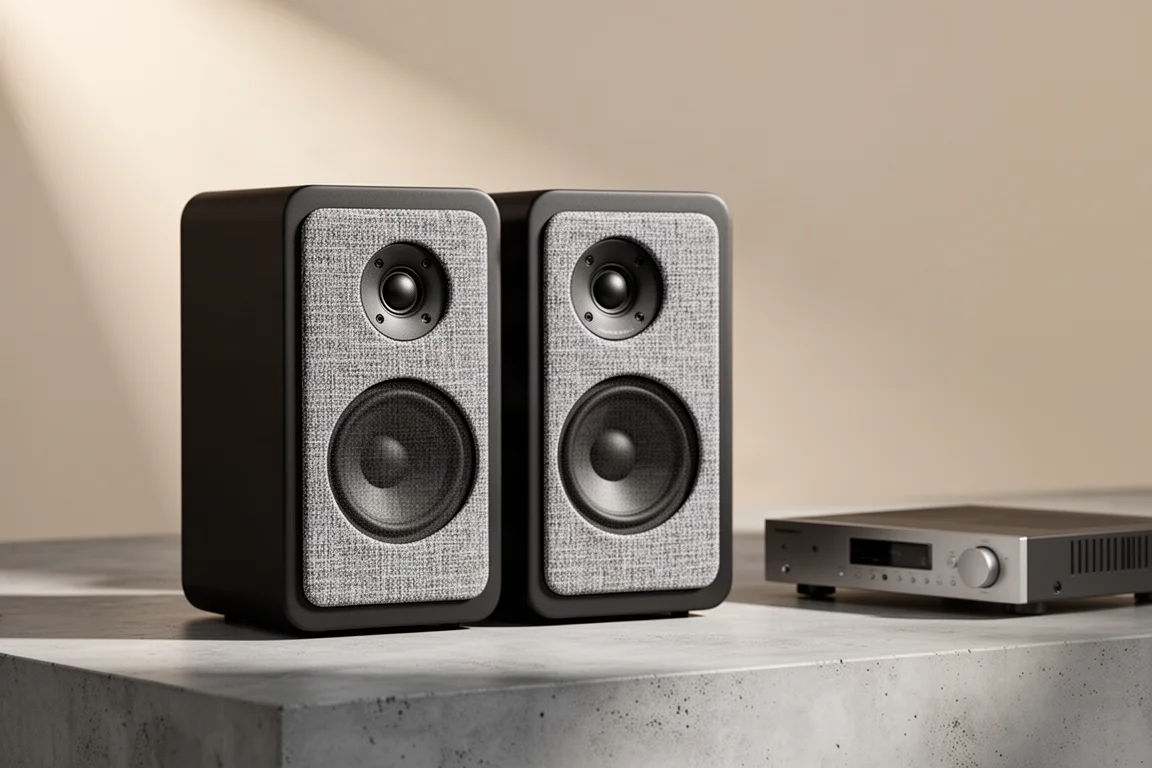
Polk’s XT series is a fresh take on the company’s entry-level T series, and the XT20 is the larger of the two bookshelf models in the line. It is a two-way design in a bigger cabinet than the XT15, sold at a retail price of $250. The headline detail is straightforward: this is one of very few affordable bookshelf speakers built around a genuine 6.5-inch woofer, and that single decision shapes nearly everything about how it sounds.
This breakdown covers what the XT20 does well, where it asks for a little patience, and how to decide whether it belongs in your system.
Who the Polk XT20 Is For
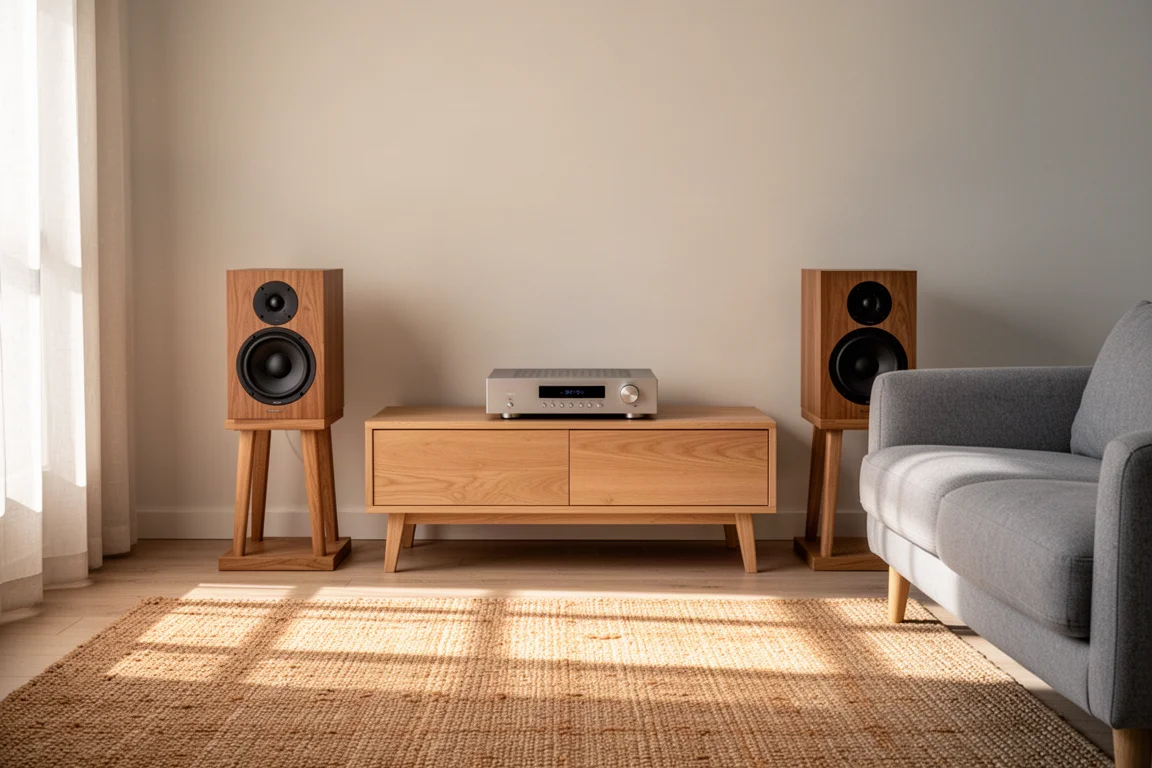
The XT20 targets budget stereo and home theater setups, the kind of system built around an affordable receiver rather than separates. With a nominal impedance of 8 ohms it is not a difficult load, and a rated sensitivity of 87 dB means most receivers can drive it to sensible volumes without strain.
It suits listeners who want weight and impact from a compact speaker. In a small room, the low-end output is strong enough that a subwoofer is not strictly necessary, which is rare at this price.
It is a less natural fit for listeners chasing maximum mid-range detail or the last degree of refinement. The XT20 prioritizes presence and scale over forensic clarity, and that trade-off runs through the entire design.
What Stands Out in the Sound
Bass That Punches Above Its Price
Polk rates the XT20 down to 38 Hz, an aggressive figure for a bookshelf this size. In practice it holds up. Sine sweeps reach 38 Hz, and in-room output appears to extend to roughly 35 Hz before rolling off smoothly rather than dropping off a cliff.
The bass is plentiful and physical. Material with deep synthetic low end delivers both punch and usable extension, and on rock recordings the kick drum stays tight. A frequency response sweep showed a mild dip around 80 Hz, which may explain why some tracks sound tighter than others.
The trade-off is control. Low frequencies can sound a little loose, and at times they step into the mid-range and mask some detail. The cabinet could likely benefit from additional bracing, since enclosure resonance seems to color certain frequencies. For listeners who put low-end output first, the Q Acoustics 3030i is another well-known option in this territory, though it plays by different rules.
A Smooth, Warm Mid-range
The XT20 crosses over at 3,200 Hz, higher than the 2,200 Hz point used on the XT15, so the woofer carries most of the mid-range. The result is smooth and warm rather than hyper-detailed. Voices sound natural and never veiled, but they do not carry the extra bite that brighter competitors deliver.
Sibilance is handled well. Even notoriously sharp vocal recordings stay listenable, and the speaker avoids the hard edge that makes long sessions tiring. Some listeners may notice mild fatigue over extended listening, though nothing in the response stands out as obviously boosted.
Treble and Detail
Treble follows the same philosophy as the rest of the speaker: smooth and unfussy rather than revealing. Cymbal decay is present but short and slightly veiled next to more detailed designs. Piano and acoustic material sound correct and properly placed, and the top end never turns sharp. At this price, that is a sensible set of priorities.
Soundstage and Imaging
The tweeter assembly is more elaborate than the one used on the T series, with a waveguide and small vents around the dome. Whatever engineering went into it pays off. Depth is apparent on large-scale recordings from the first listen, and once the speakers are toed in properly, the center image locks in and movement across the stage becomes seamless, extending well past the cabinets.
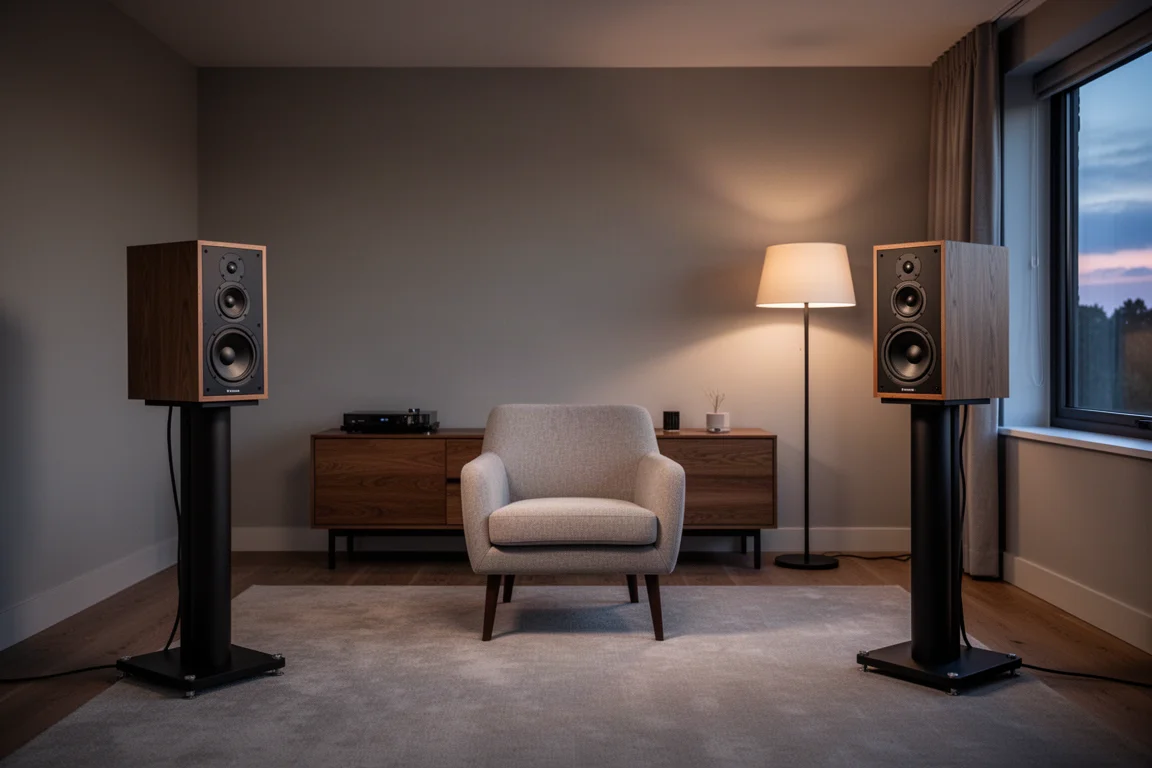
Getting there takes adjustment. Placed casually, or straight out of the box, the image can jump between channels instead of sitting in the middle. Toe-in and positioning matter here, and room boundaries will influence the result as they do with any speaker. The payoff is imaging that outperforms some considerably more expensive Polk models from earlier generations.
Build, Design, and Specifications
The XT20 uses a 6.5-inch paper woofer with a rubber surround and a 1-inch soft dome tweeter. A rear port handles low-frequency tuning, and the five-way binding posts accept bare wire, pins, or banana plugs. Cabinet finish is in line with other speakers in this price bracket, and the heather grey grille gives the speaker a more distinctive look than the usual black cloth.
Specification listings for the woofer are inconsistent. Polk’s own product page describes a 5.25-inch driver, while several retailers list 6.5 inches. Measuring the driver confirms the larger size, with the cone and surround spanning close to the full 6.5 inches. Other rated figures include 8-ohm impedance, 87 dB sensitivity, a low-end rating of 38 Hz, and an upper rating of 40 kHz.
Things to Consider Before Buying
Bass output is the XT20’s strongest argument, but it is not the most controlled low end in its class, and cabinet resonance can add coloration at certain frequencies.
Mid-range detail is good rather than class-leading. Speakers such as the Sony SSCS5 and the JBL Stage A130 come across as more refined, though they use smaller 5.25-inch woofers and do not punch as hard.
Center imaging requires careful setup. Buyers who cannot adjust toe-in or placement may not hear the speaker at its best.
The rated 40 kHz upper limit is an aggressive claim and says little about real-world performance. The 38 Hz figure, by contrast, is backed up in practice.
At the $250 retail price the value case is decent. It becomes considerably stronger if the speaker drops toward $185 during seasonal sales, where it starts to undercut several rivals.
Buying Advice
The XT20 makes its case on driver size. Apart from the ELAC Debut B6.2, very few affordable bookshelf speakers in this bracket use a 6.5-inch woofer. The Yamaha, JBL, and Sony models most often compared against it are 5.25-inch designs. Several of those are more refined, but none of them hit harder, and the XT20 can carry a small room without a subwoofer.
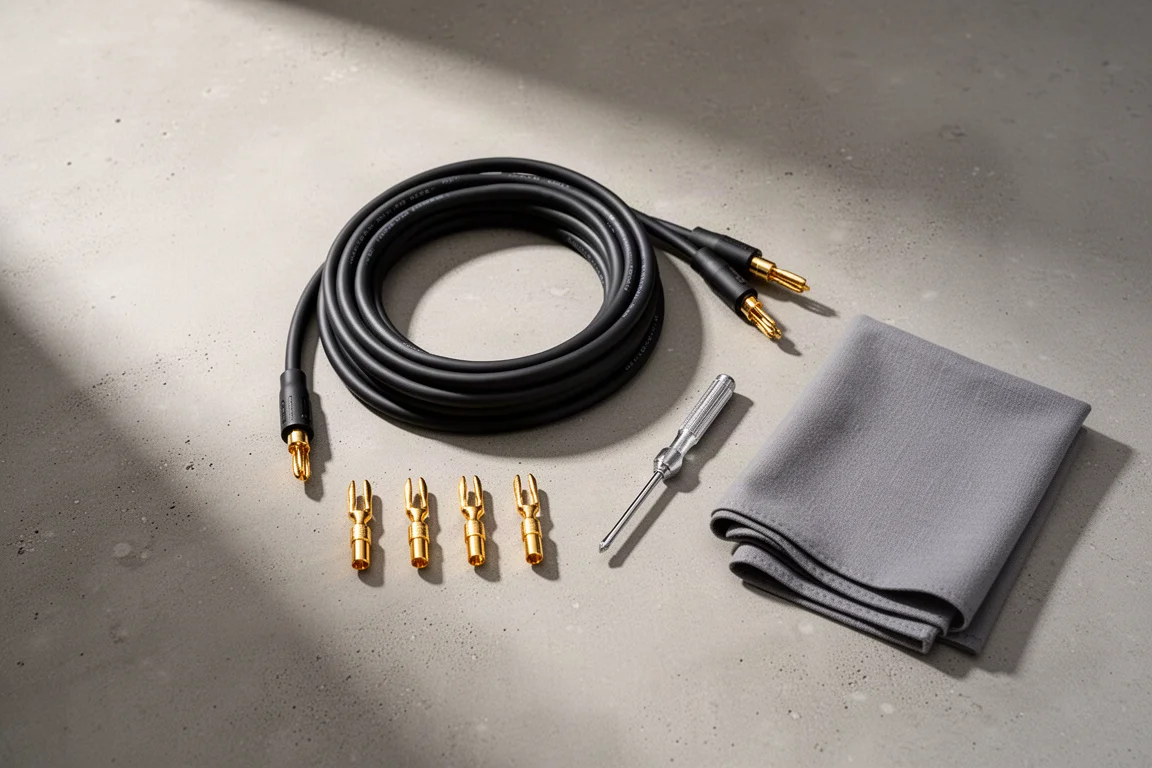
At full retail it is a competitive but not automatic choice. On sale it becomes difficult to argue with, and availability is not a concern, since it is stocked by major retailers and can be bought today. If your priority is low-end presence at a modest price, this is one of the few options that genuinely delivers it.
Conclusion
The XT20 is a real step forward from the T series. The redesigned tweeter assembly produces genuine depth and imaging, the 6.5-inch woofer gives the speaker a physicality that smaller rivals cannot match, and the mid-range stays smooth enough for long listening sessions. Refinement is not its strong suit, and setup rewards patience, but the fundamentals are right. For a budget system that needs bass without a subwoofer, it is a strong candidate.
Product link
View more details for Polk XT20
This product is mentioned in the review. Check the specifications, options, and compatibility before buying.
View more details for Polk XT20Further reading
Related Reviews
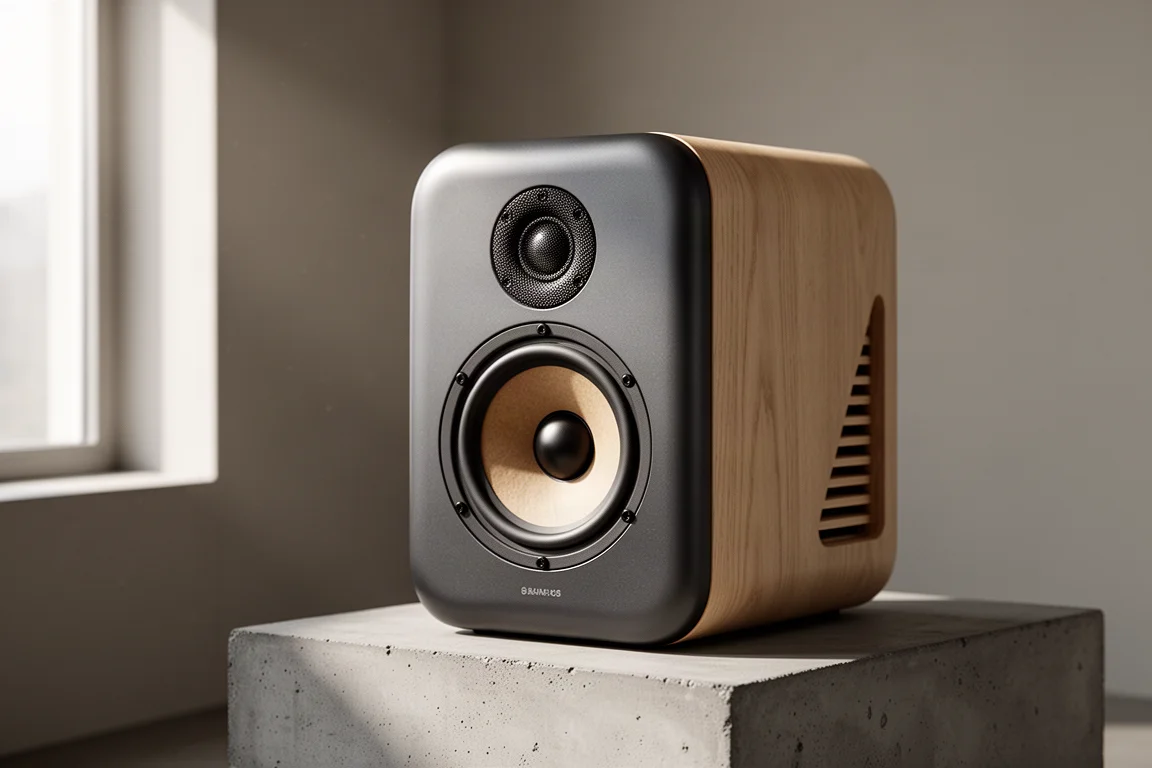
Bookshelf Speakers
Acoustic Energy A100 Mark II Review: A Compact Standmount With an Expansive Soundstage
The Acoustic Energy A100 Mark II brings clarity, natural tonality and a wide soundstage to an entry-level standmount, with a few setup details worth knowing first.
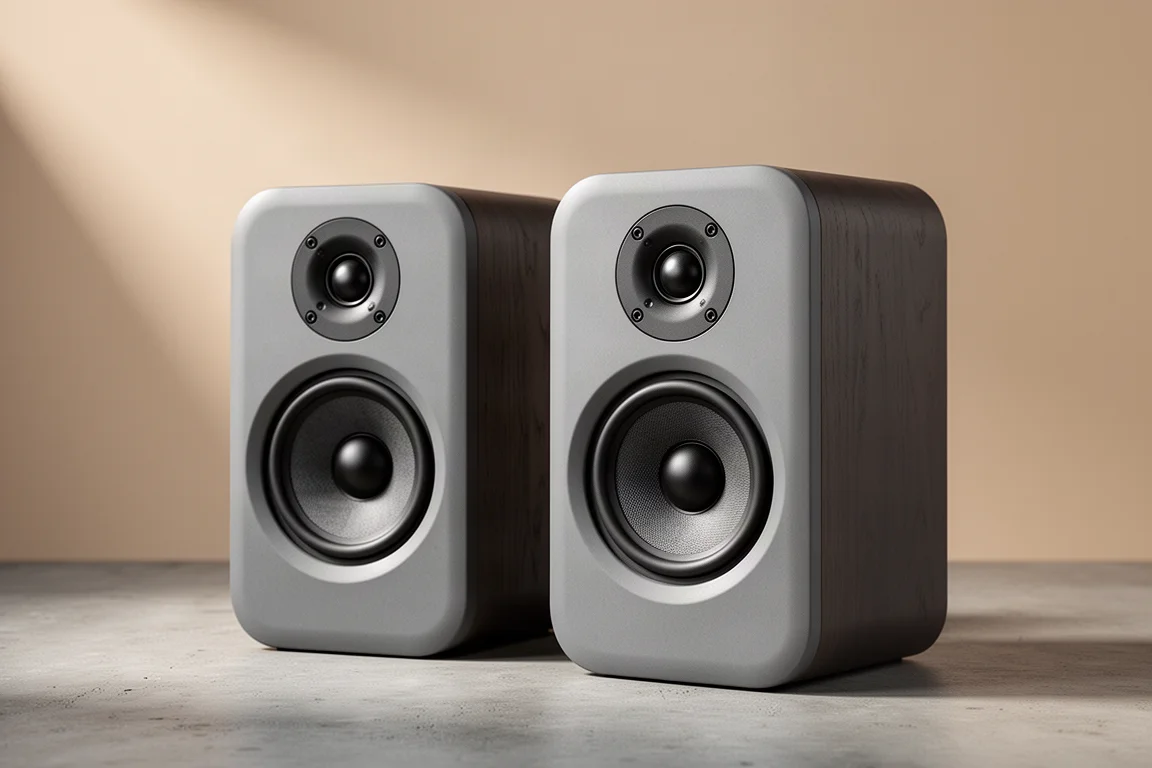
Bookshelf Speakers
Acoustic Energy AE-100 Mark II Review: Compact Bookshelf Speakers With Standout Imaging
A compact British two-way bookshelf speaker with deep, layered imaging, fast bass, and a slight treble lift to weigh against a crowded $500 field.
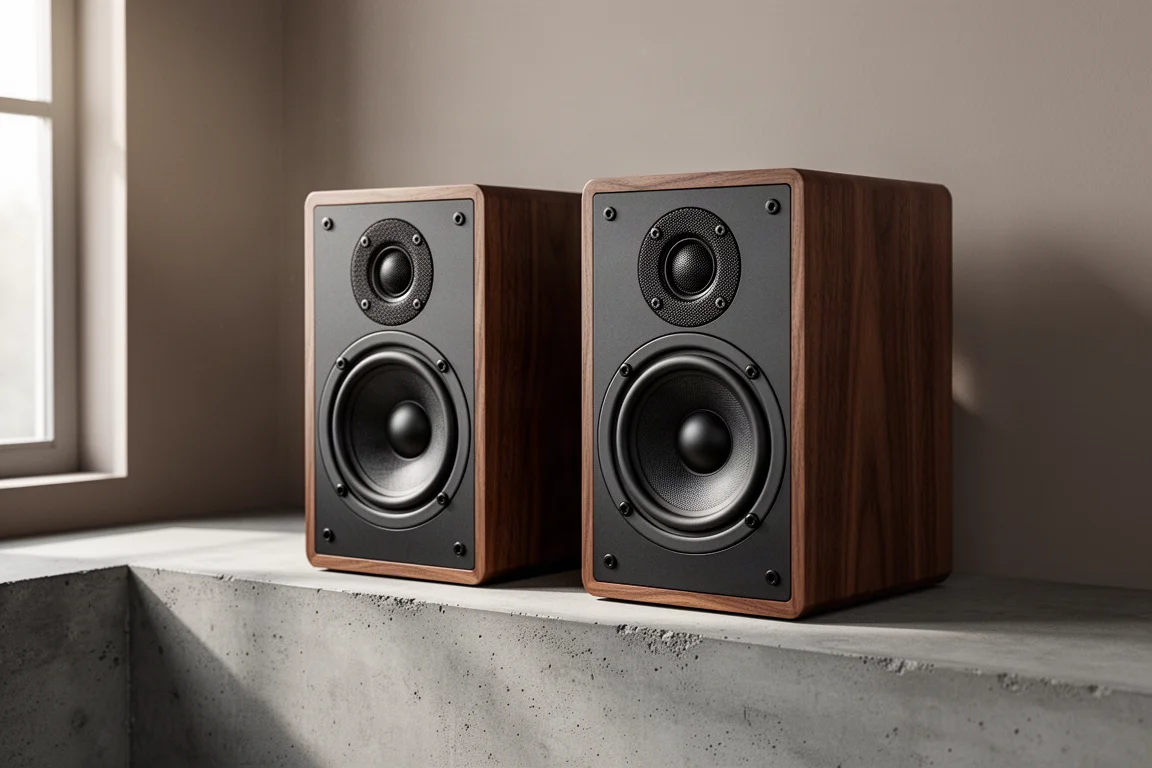
Bookshelf Speakers
Acoustic Energy AE100 MK2 Review: Measured Performance and Four Alternatives
A close look at the Acoustic Energy AE100 MK2 bookshelf speaker, what its measured performance reveals, and four alternatives with different trade-offs.