Home Audio
Polk XT Speaker Lineup Review: Six Budget Home Theater Options Compared
A practical walk through the Polk XT lineup, from the XT15 bookshelf to the XT70 tower, with the strengths, the treble lift, and the resonances to weigh before buying.
Introduction
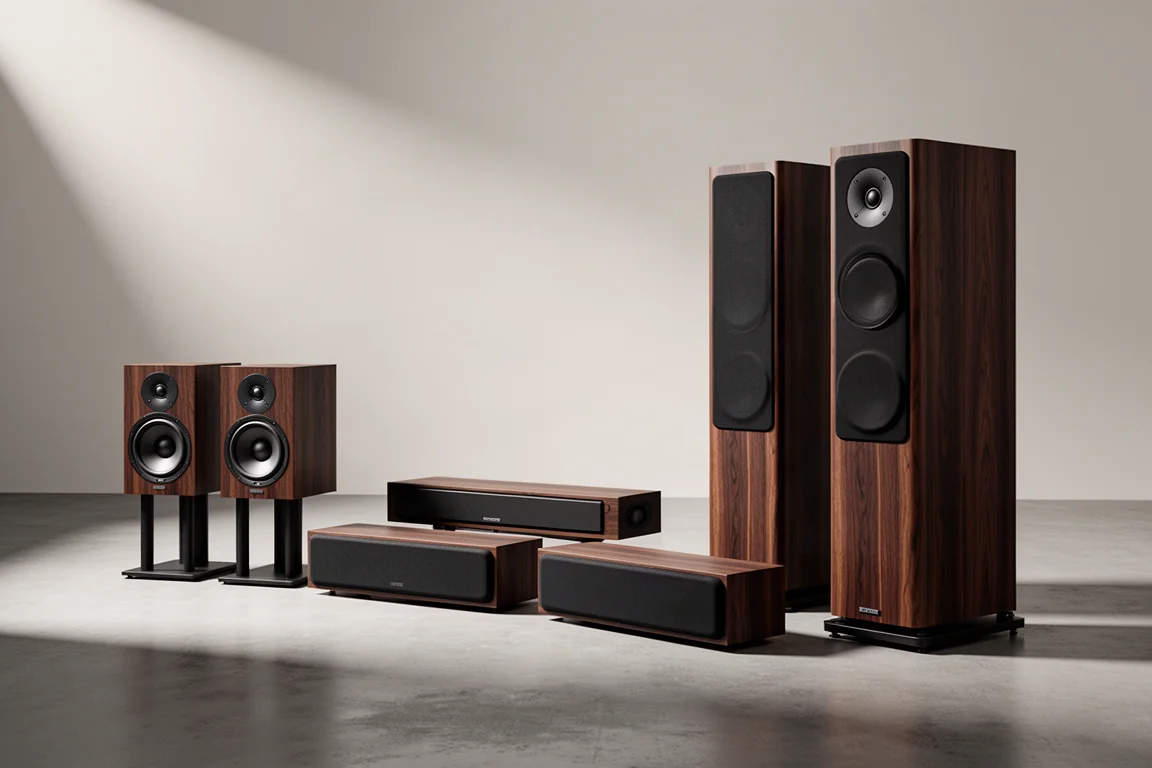
The Polk XT series sits at the affordable end of Polk’s home theater range, and the lineup covers most of what a basic surround system needs: two bookshelf models, two center channels, and two floorstanding towers. At MSRP the prices run from roughly $200 for the smallest bookshelf up to about $700 for a pair of the largest towers.
Across the range the character is consistent. These are reasonably neutral speakers with one clear deviation: a treble lift that measures somewhere between one and about four decibels above the midrange, and which is easy to hear on dialogue and cymbals. The lift responds well to equalization, and most modern AV receivers with automatic room correction will tame it without much effort.
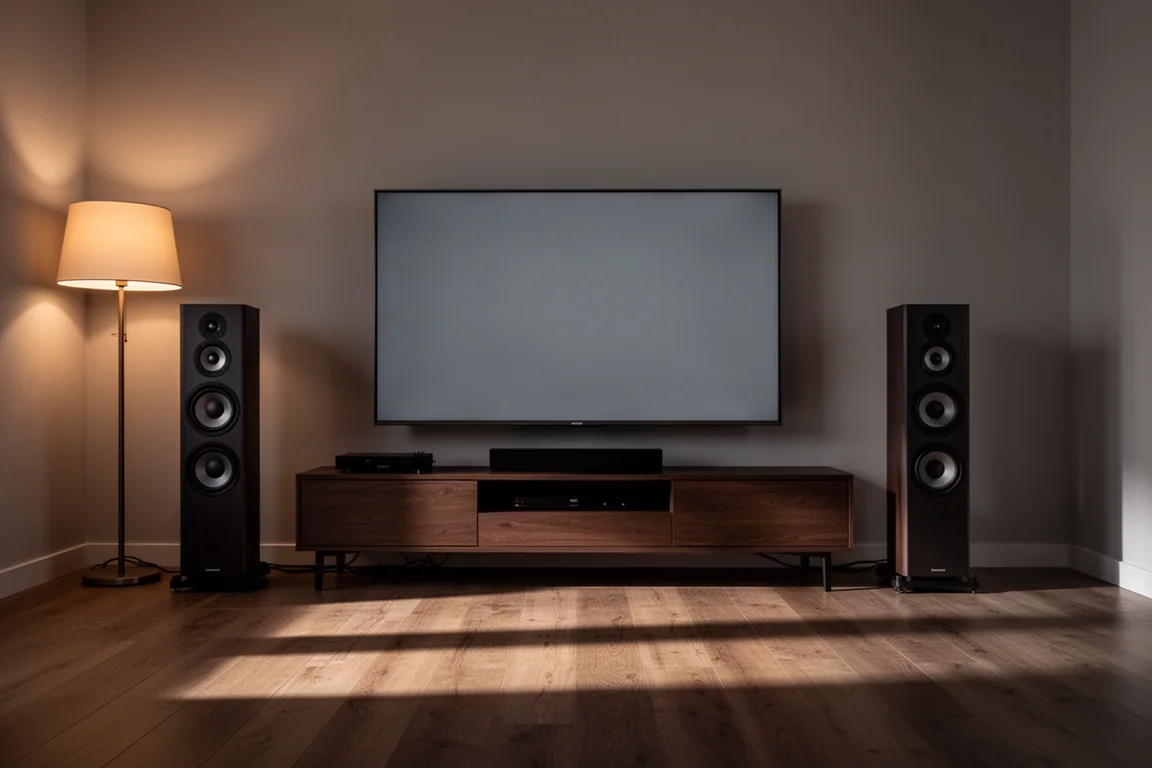
There are also midrange resonances scattered across the lineup, most noticeably in the tower models. The sections below walk through each speaker in the range, what it does well, and where it needs help.
How This Lineup Is Built
Five things matter most when judging a speaker like this. First, on-axis linearity, or how evenly the speaker reproduces the frequency range when you sit directly in front of it. Second, early reflection directivity, which describes how the sound behaves as it leaves the cabinet and reaches the walls around you. Third, predicted in-room response, a reasonable estimate of how the speaker will behave in a normal room rather than in a test chamber. Fourth, the radiation window, which sets expectations for soundstage width and height. Fifth, output capability and compression, which determine how loud the speaker can play before it starts to strain.
All six models were evaluated with the listener positioned on the tweeter axis. The treble lift described throughout is measured relative to the midrange rather than against an absolute target, which is why it shows up as a character trait rather than a defect in every model.
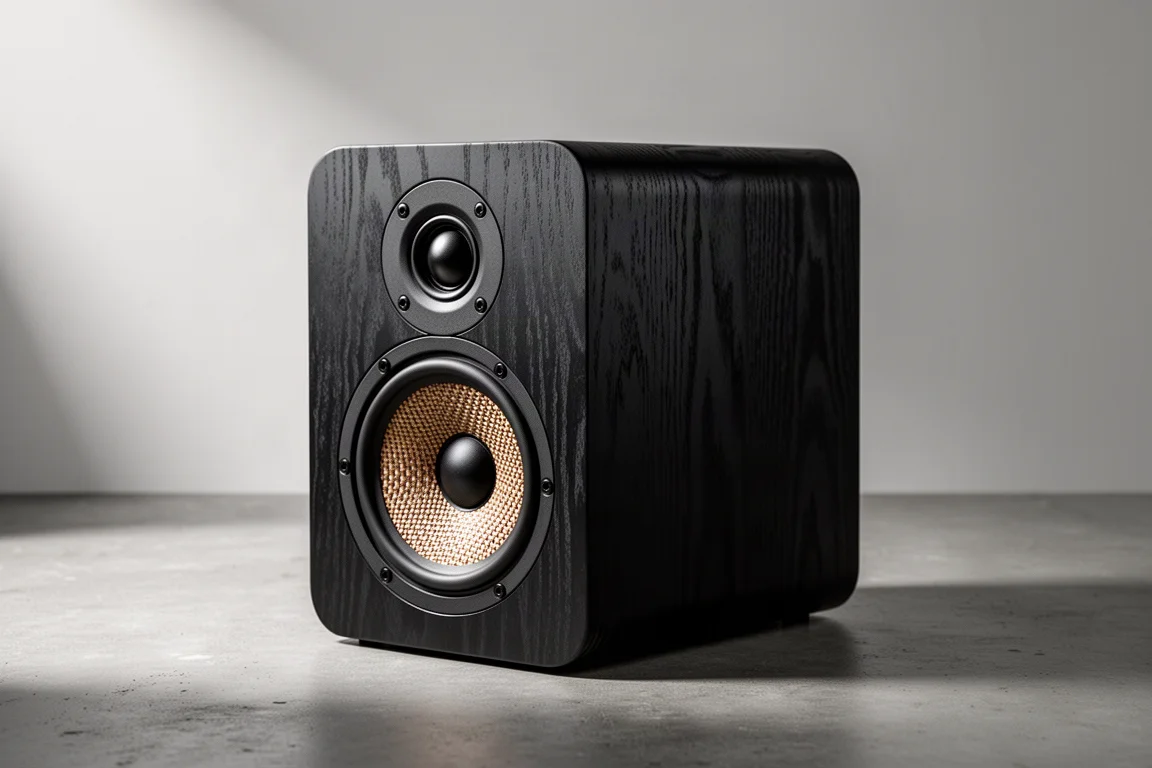
Polk XT15: The Entry Bookshelf
The XT15 pairs a one inch tweeter with a five and a quarter inch midwoofer. Mean sensitivity lands around 85 dB, and F3 sits close to 80 Hz, so the low end rolls off early and a subwoofer is a sensible addition.
The on-axis response is fairly linear apart from a strong resonance near one kilohertz and some visible edge diffraction higher up. Horizontal radiation holds to roughly plus or minus 50 degrees, which gives a decent soundstage width for a cabinet this size. The treble tilt is present and audible, and the speaker takes well to equalization through the midrange and bass, though a small remnant stays in the crossover region. Vertically, you can sit about 20 to 25 degrees above the tweeter axis before the sound suffers.
Polk XT20: The Step-Up Bookshelf
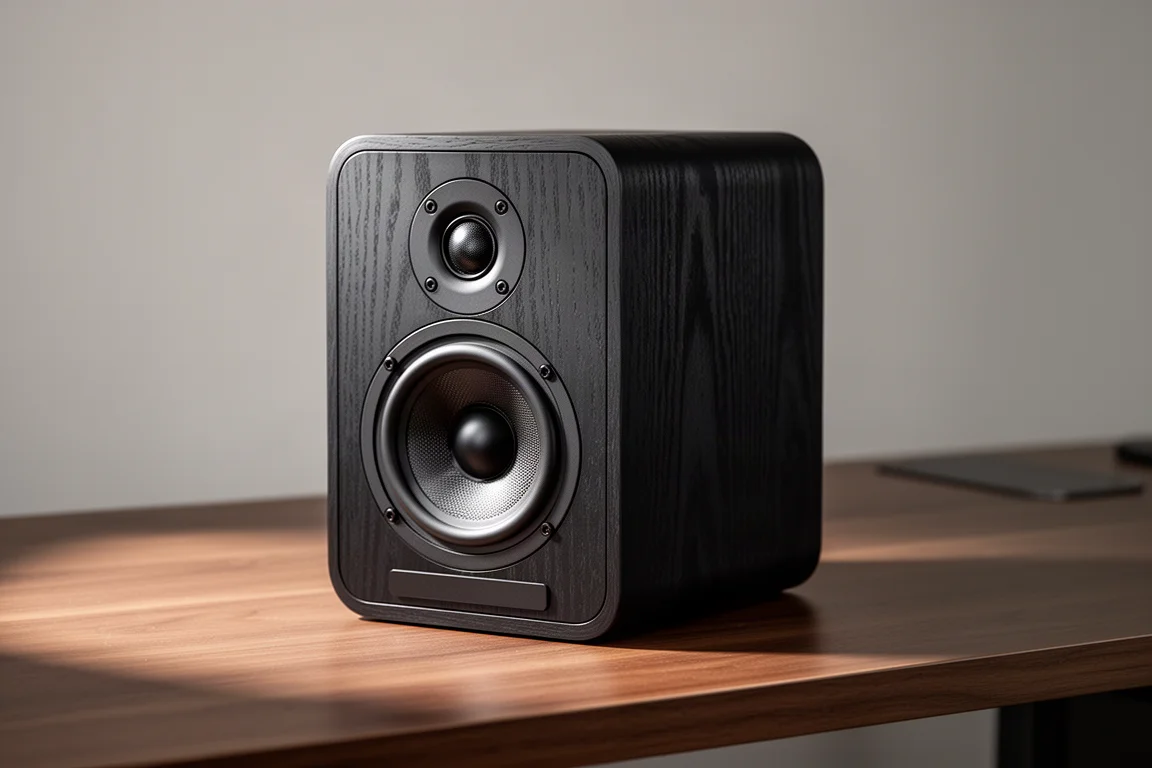
The XT20 swaps the five and a quarter inch woofer for a six and a half inch unit, and the result measures better than the smaller model. Sensitivity is about 86 dB and F3 drops to 63 Hz, giving noticeably more usable bass.
Resonances appear around 300 Hz and again near 800 Hz, where some energy leaks from the port area. Set against that, the listening window is smoother than the XT15’s and the tweeter is not as bright, so the speaker stays more comfortable over long sessions. The response tracks within about plus or minus one and a half decibels from the bass through to roughly 10 kHz, which makes it a good candidate for equalization. Keep your ears on the tweeter axis; the vertical window is narrow, with only a couple of degrees of tolerance above or below.
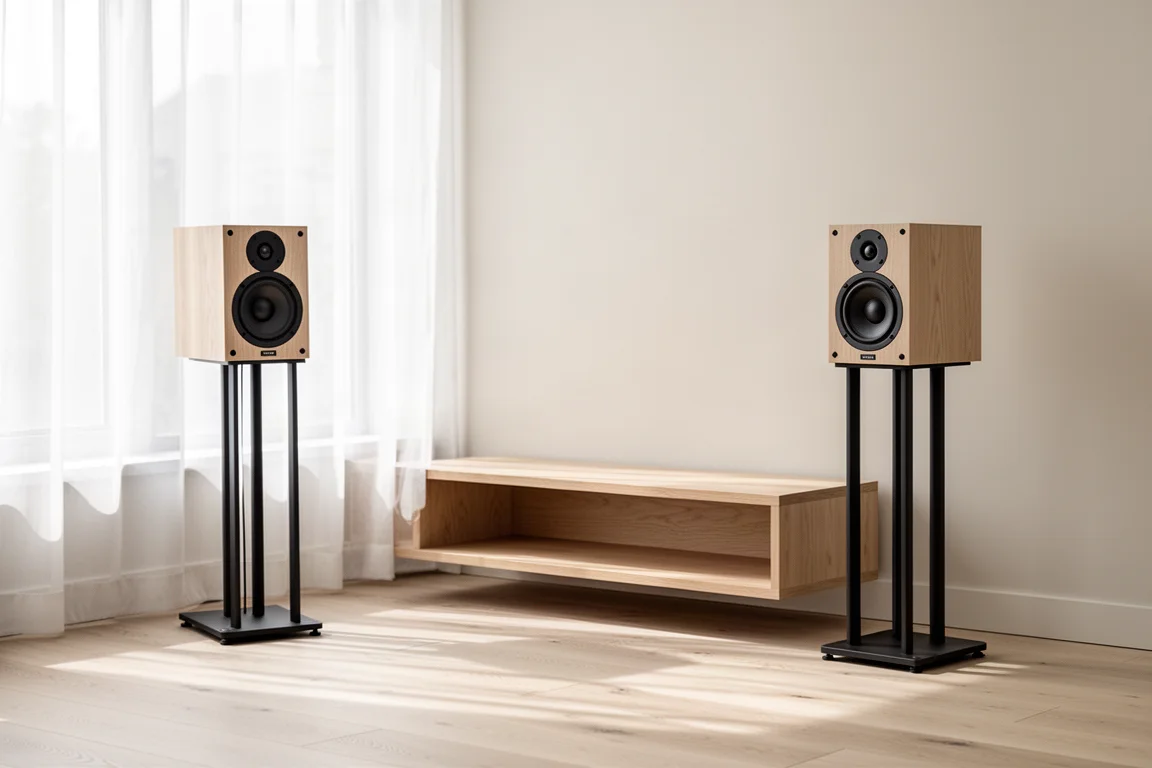
For a two channel setup in a small or medium room, the XT20 is the most convincing speaker in the lineup on measured behavior alone. Add a subwoofer for anything with real low frequency content.
Polk XT30: The Compact Center
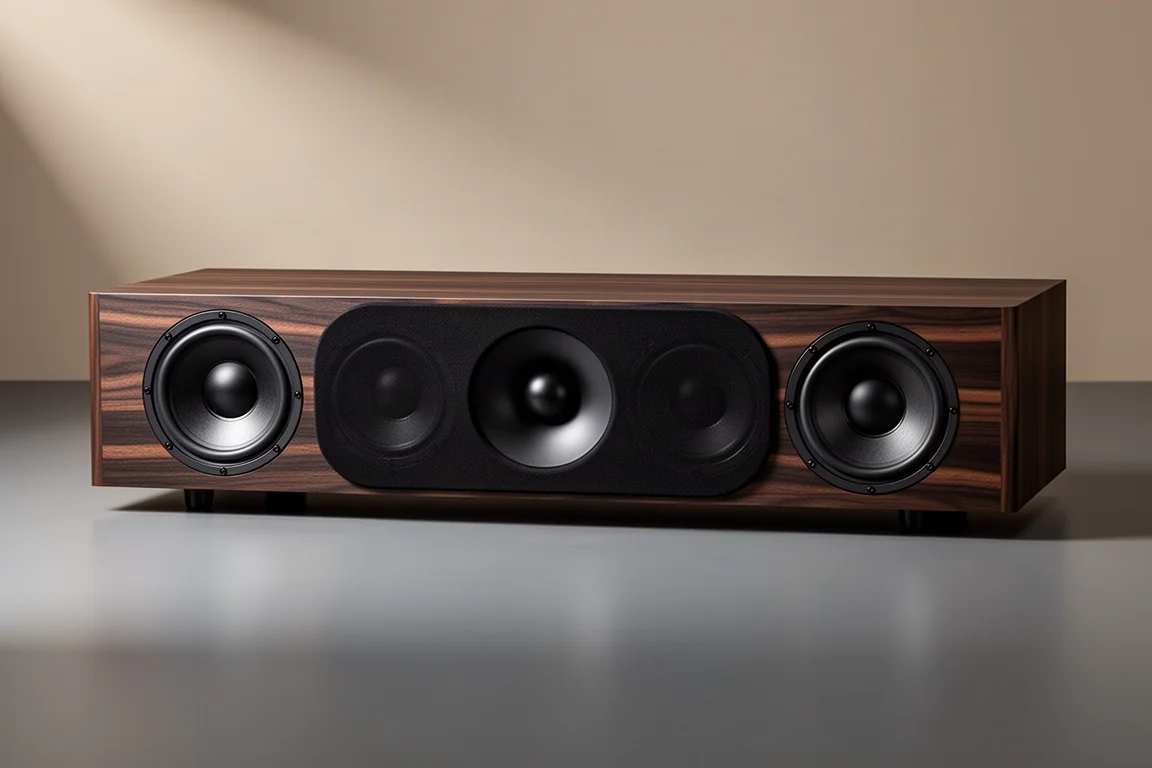
The XT30 is a classic MTM center: a one inch dome tweeter between two five and a quarter inch woofers, arranged horizontally. Sensitivity is a strong 87 dB, F3 measures 75 Hz and F10 lands at 50 Hz.
On axis the response holds up until the crossover region, where a fairly wide dip appears. The horizontal window is the real limitation. Consistent midrange coverage stays within roughly plus or minus 15 degrees, so listeners seated to either side will not hear dialogue the way the person in the center seat does. Vertically the pattern is good at and above the tweeter axis. Output capability is a bright spot: compression stays near half a decibel from 76 dB up to 102 dB, and the speaker only gives up below about 80 Hz, so a crossover to a subwoofer is all it needs.
Polk XT35: The Slim Center
The XT35 takes a different approach, using four three inch midrange drivers alongside the same dome tweeter. Sensitivity is around 86 dB and F3 is 83 Hz.
The appeal here is the form factor. This is a genuinely slim cabinet that will fit under almost any television. The trade-off is directivity. Below roughly 800 Hz the midrange stays fairly wide, but above that the coverage narrows sharply, which means the person sitting next to you hears the high frequency detail at about the same level but loses much of the dialogue. Vertical polar response is strong enough that the cabinet can be rotated and used upright if you want to experiment. Output capability is limited by those small drivers, and a subwoofer crossed as high as 200 Hz is a reasonable choice if your receiver allows it.
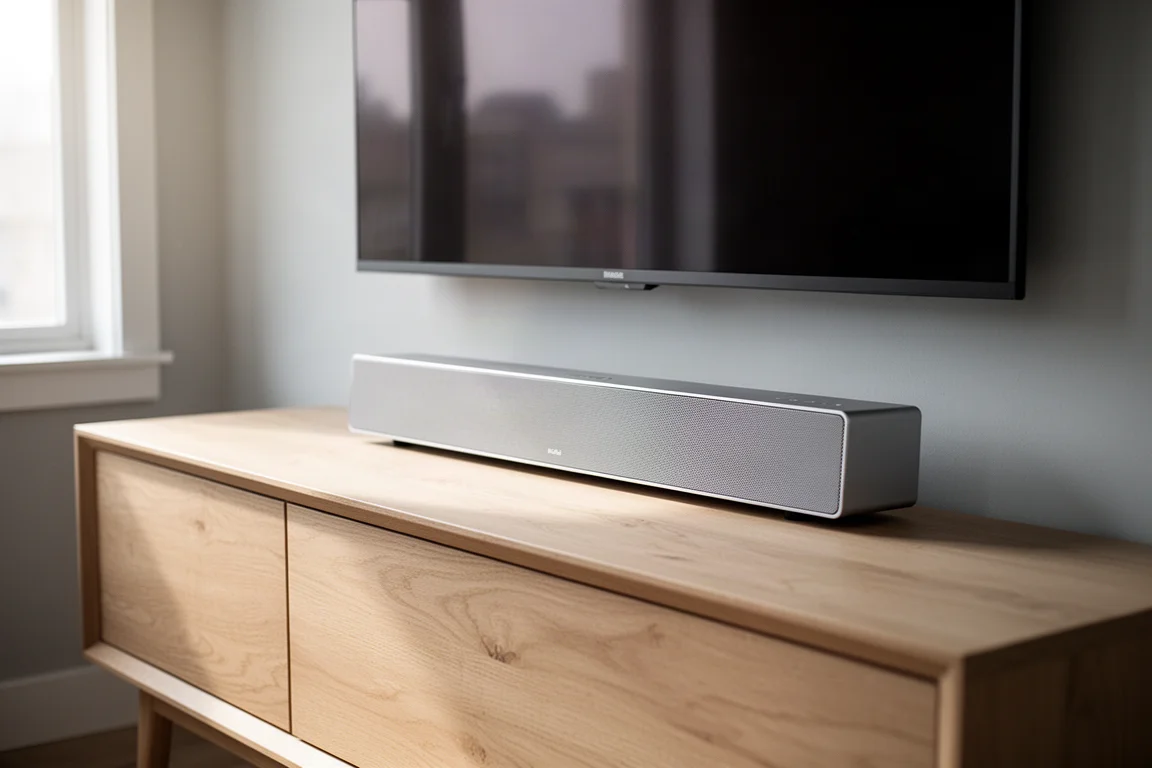
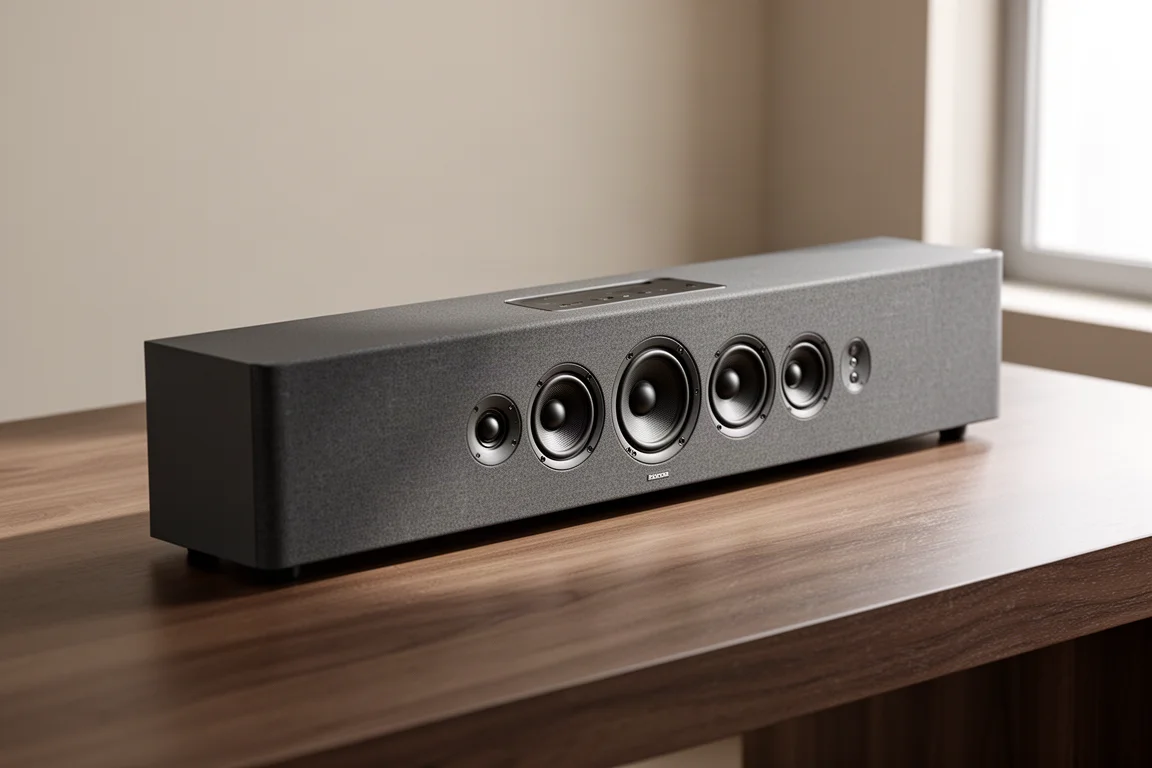
If the choice comes down to these two centers, the XT30 is the more capable speaker, while the XT35 wins on placement flexibility and appearance.
Polk XT60: The Smaller Tower
The XT60 uses a one inch dome tweeter, a six and a half inch midwoofer, and two six and a half inch passive radiators for bass tuning. Sensitivity is about 85 dB, and an F3 of 44 Hz is the standout number: this tower reaches low enough that a subwoofer is optional for music in a modest room.
The cabinet is where the compromises show. A strong resonance appears near 900 Hz, and there are more small dips and peaks across the range than the bookshelf models show, which points to cabinet volume, bracing, and wall thickness. Those low level resonances may not be individually audible, but there are enough of them to wonder how they combine. Horizontal coverage is broad at roughly plus or minus 60 degrees until it narrows near 8 kHz. Note that the tweeter sits below ear level in most rooms, so seating height matters. Compression at very high levels is not as controlled as you would hope, and a subwoofer helps relieve the low end.
Polk XT70: The Larger Tower
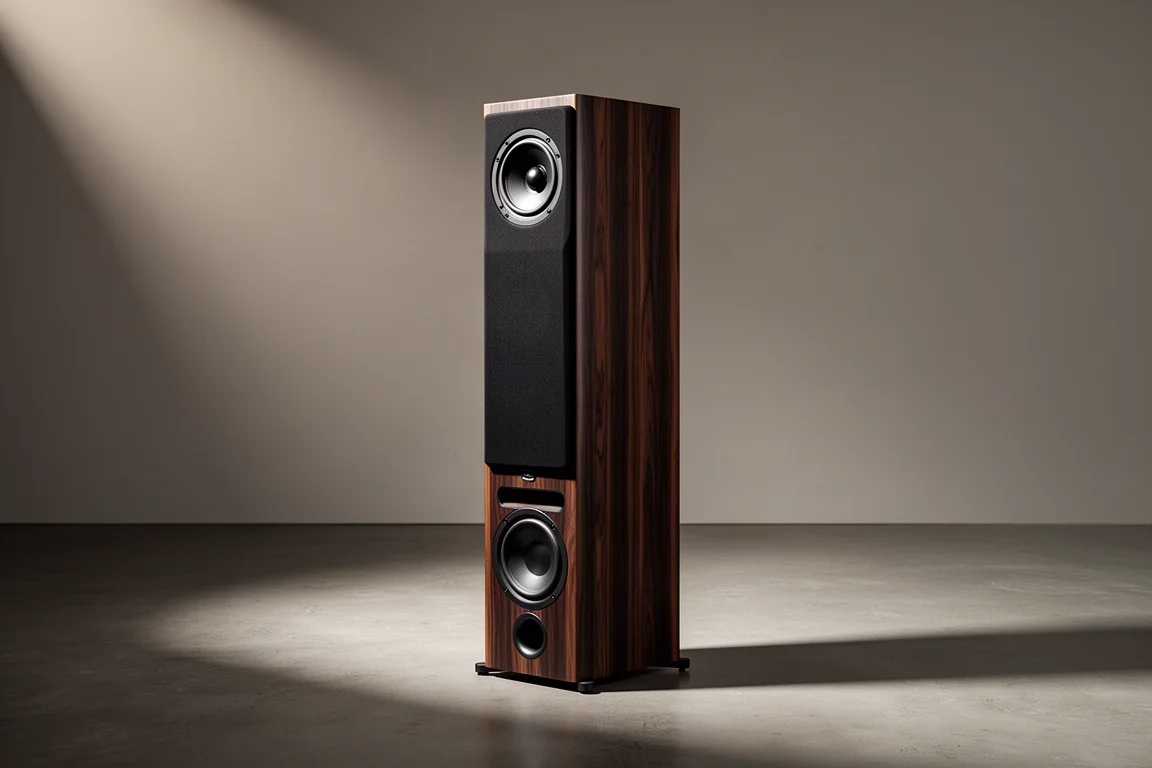
The XT70 steps up to two six and a half inch woofers and two eight inch passive radiators, with the same dome tweeter on top. Sensitivity is a healthy 87 dB.
There is one significant problem: a strong resonance just below 300 Hz that is clearly audible and also visible in the impedance plot. Beyond that, this is one of the better speakers in the range. Neutrality through the midrange is good, and the treble lift is the mildest of the group. The directivity shift comes from the spacing between the two midrange drivers and the tweeter. Vertical placement matters, so stay on or very near the tweeter axis for the midrange to hold together. Compression behavior is similar to the XT60, which means a subwoofer is still the right call.
At around $700 per pair, the XT70 asks for more money than anything else here, and the resonance is the kind of thing a bit of internal damping might have solved. As it stands, it is a strong tower with one obvious flaw.
Buying Advice
Start with the tweeter level. Every speaker in this lineup benefits from a small reduction in the treble region, whether that comes from a manual EQ curve or an automatic room correction system. If your receiver offers room correction, run it and then check whether the result sounds smoother on dialogue.
Positioning is the second lever. Aiming the speakers straight into the room rather than directly at the listening seat reduces the sibilance the treble lift produces, and it costs nothing. With the towers, make sure your ears line up with the tweeter, since the vertical window is narrow on both models.
A subwoofer is worth budgeting for regardless of which model you choose. The XT15 rolls off near 80 Hz, the XT20 near 63 Hz, the XT30 near 75 Hz, and the XT35 near 83 Hz. The XT60 and XT70 dig much deeper, but both still benefit from a crossover on the low end.
On center channels, the honest guidance is to be careful. Both the XT30 and the XT35 keep their midrange coverage tight, so they work best for one or two listeners seated directly in front. In a room where several people spread across a wide couch, dialogue intelligibility drops for everyone except the center seat, and movie mixes are already difficult enough on that front.
Conclusion
The Polk XT lineup is a solid budget range with a consistent personality: mostly neutral, easy to equalize, and a little bright on top. The XT20 is the strongest value in the bookshelf pair, the XT70 is the most neutral of the towers once you account for its midrange resonance, and the XT60 delivers the deepest bass for the money. The centers are the models to think about hardest, because their narrow horizontal coverage limits who in the room gets a good seat. Buy with a subwoofer, plan on a little EQ, and this range delivers a lot of home theater for the price.
Further reading
Related Reviews
Home Audio
Aperion Novus Tower and Center Review: Punchy Home Theater Sound With Real Refinement
A close look at the Aperion Novus tower and center speakers, from their layered paint finish and punchy bass to the 4-ohm load and what the price actually buys.
Home Audio
Arendal 1610 Tower Review: Flagship Dynamics in a Room-Friendly Tower
A compact floorstanding tower with three 8-inch aluminium woofers, a 5-inch carbon midrange, and the kind of bass heft usually reserved for much larger speakers.
Home Audio
Arendal 1723 S THX Review: A Reference Speaker Built Like a Tank
A practical look at the Arendal 1723 S THX, a sealed, THX-certified speaker with exceptional build quality, a very flat top end, and a midrange that responds beautifully to EQ.