Home Theater Speakers
Polk Signature Elite Home Theater Speakers: ES50, ES35, ES15 and HTS 10 Compared
A component-by-component look at the Polk Signature Elite ES50 towers, ES35 center, ES15 bookshelves and HTS 10 subwoofer, covering sound, pricing and the trade-offs to weigh.
Introduction
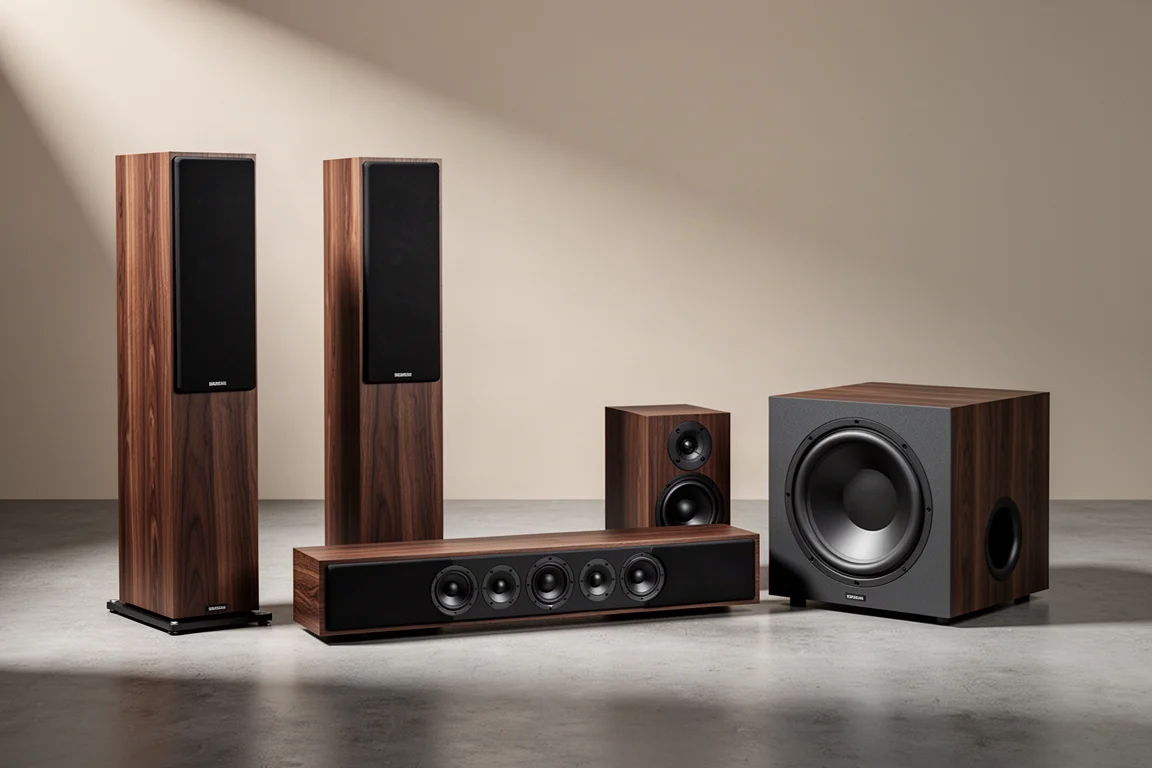
Polk’s Signature Elite series, usually shortened to the ES series, sits one step above the company’s most affordable speakers and one step below the Reserve and Legend lines. The family covers everything a surround system needs, from compact bookshelves to slim towers, and the model numbers all begin with ES.
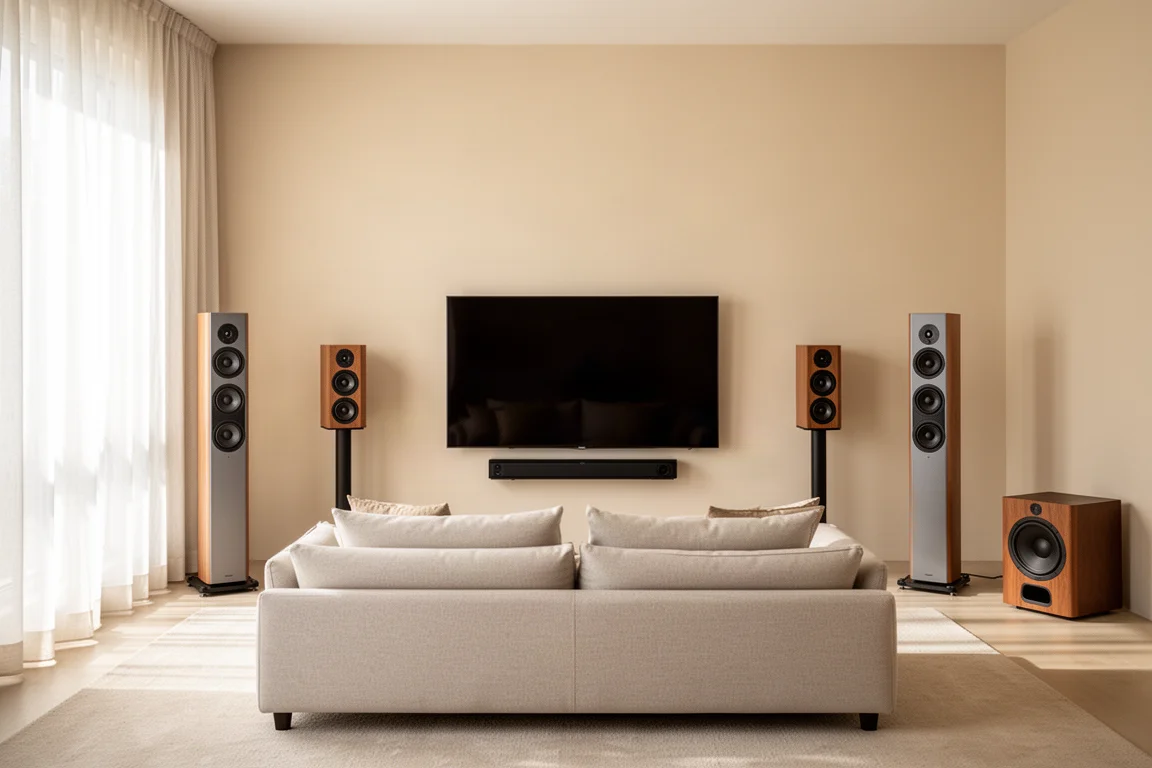
This guide covers the four pieces that make up a complete 5.1 arrangement: the Signature Elite ES50 tower speakers, the ES35 center channel, the ES15 bookshelf speakers and the HTS 10 subwoofer. Each has a defined role, its own price and a handful of trade-offs worth understanding before you buy.
How the Signature Elite Series Fits Into Polk’s Lineup
Polk’s current range runs from the Legend series at the top, through the Reserve series, then the Signature Elite series, and finally the entry-level XT series that replaced the older T series. The ES models are a mid-tier proposition: a meaningful step up in cabinet construction and driver quality from the entry line, without the cost of the Reserve range.
Several details are shared across the group. The drivers use mica-reinforced polypropylene Dynamic Balance cones, paired with 1-inch soft dome Terylene tweeters. Nominal impedance is 8 ohms throughout, which keeps the speakers friendly to ordinary AV receivers rather than demanding a high-current amplifier. Grilles are magnetic on every model, and the rear Power Port has a funnel-like internal shape that manages airflow instead of simply venting it, which also allows the center and bookshelf models to hang on a wall.
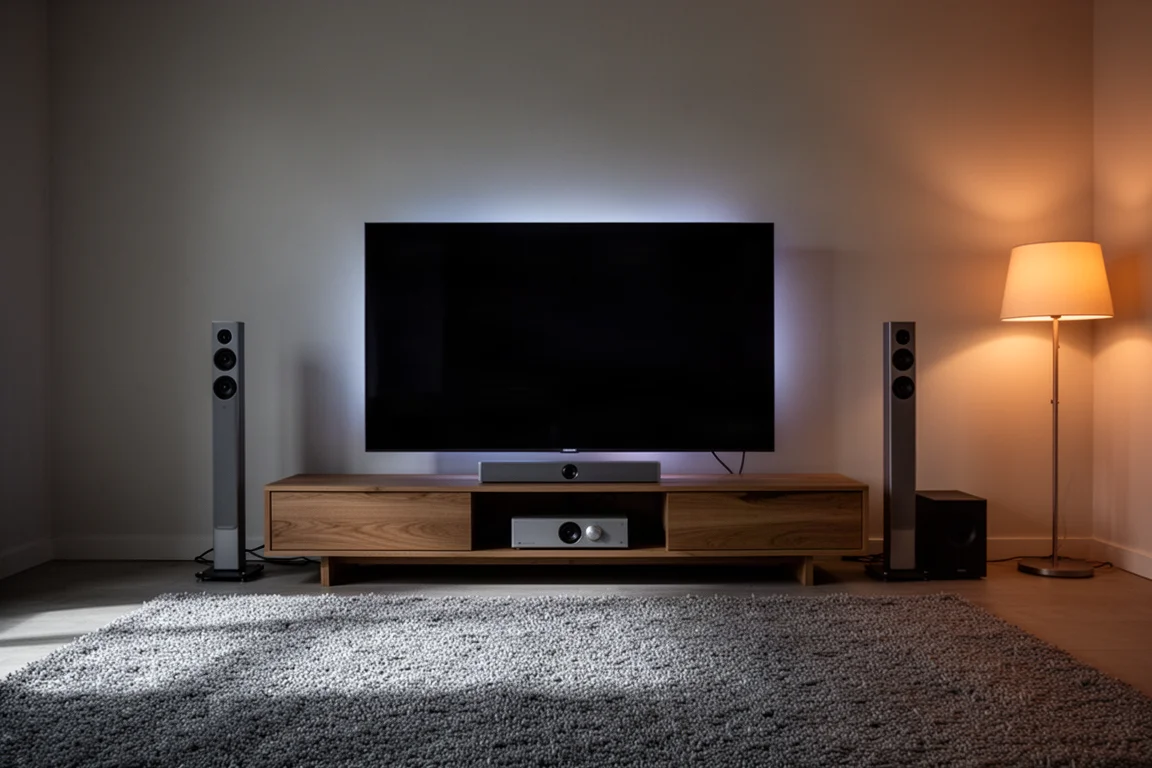
That consistency matters in a surround system, because a matched tonal character across the front three speakers and the surrounds keeps dialogue and panning effects sounding coherent.
Polk Signature Elite ES50 Tower Speakers
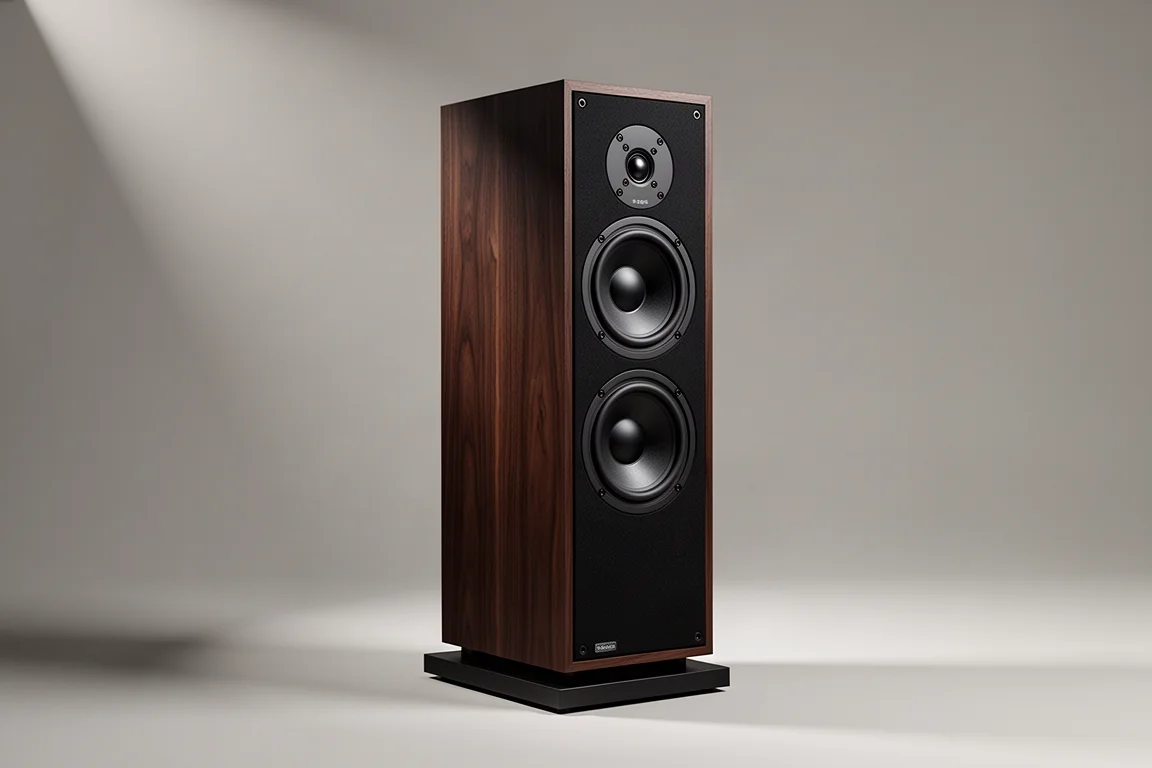
The ES50 is a slim tower standing around 38 inches tall, 10.5 inches wide and 11 inches deep. Each cabinet holds two 5.25-inch mica-reinforced polypropylene Dynamic Balance woofers plus a 1-inch soft dome Terylene tweeter, with a rated response of 38 Hz to 40 kHz, 88 dB sensitivity and an 8-ohm nominal load. Five-way binding posts allow bi-wiring or bi-amping.
Bass extension is the headline. The towers reach genuinely low for their size, and the rear Power Port design lets them sit fairly close to a wall without the usual penalty. On the top end they are not the brightest or most forward speakers available; detail is present, but the presentation stays relaxed rather than crisp. The mid-range avoids the harshness that some home theater speakers lean on, which makes long listening sessions easier on the ear.
With room correction engaged or bypassed, they register as full-range speakers. Adding a high-pass filter around 70 Hz tightens the low end noticeably and turns them into a very capable music speaker as well as a movie speaker.
Polk Signature Elite ES35 Center Channel Speaker
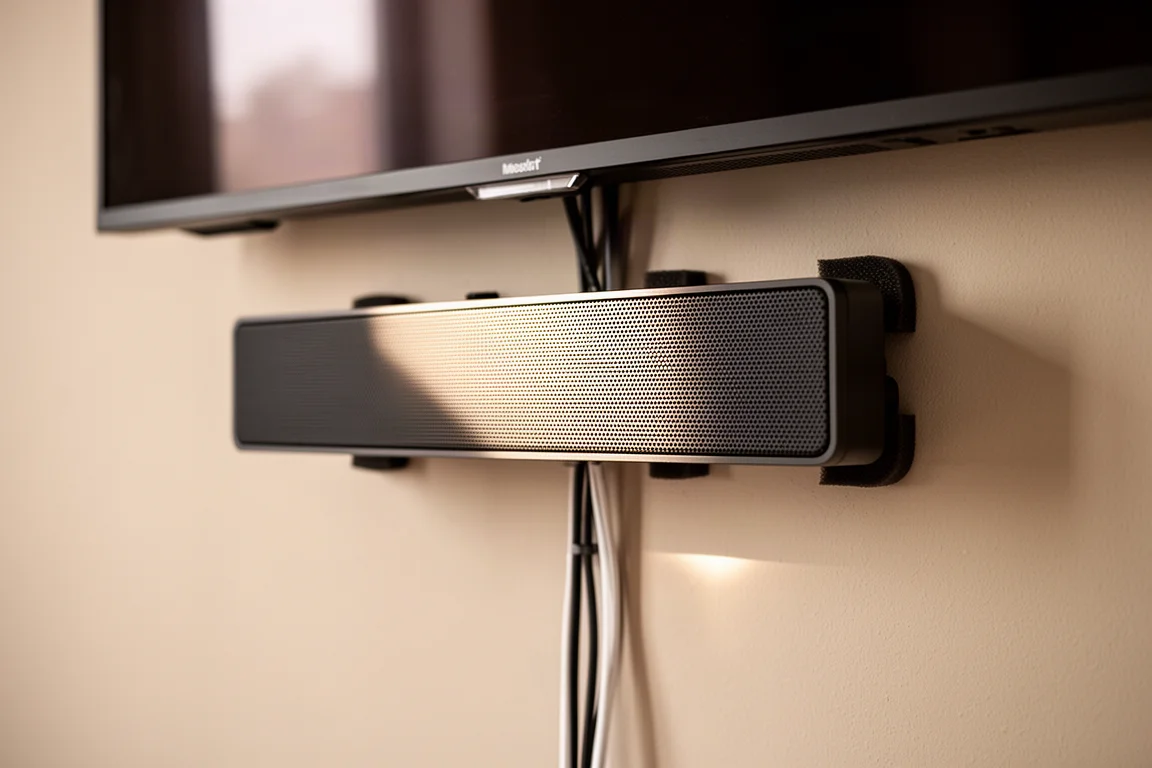
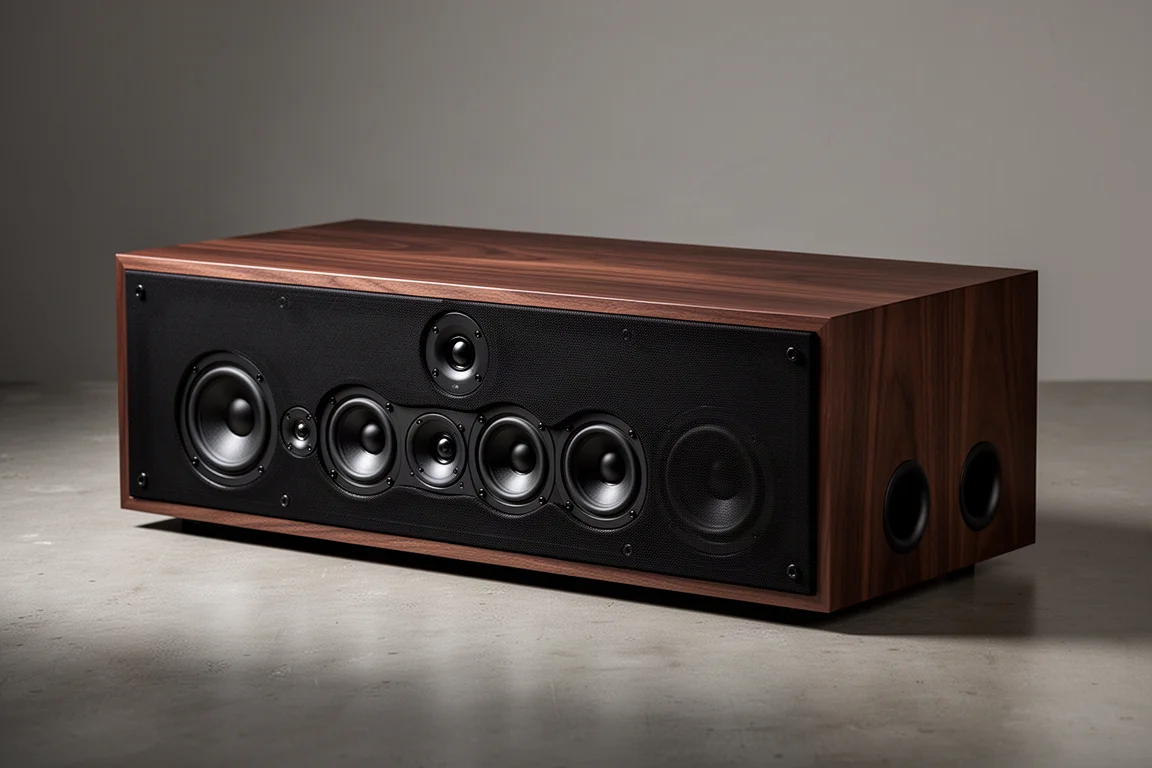
The ES35 is the most distinctive piece in the group. Six 3-inch mica-reinforced polypropylene Dynamic Balance drivers with rounded surrounds sit in a row alongside a 1-inch soft dome tweeter, all in a cabinet roughly 24 inches wide, 4.5 inches tall and 6 inches deep that weighs about 15 pounds. That is smaller than many soundbars, yet the driver count and the resulting 89 dB sensitivity let it produce far more output than its footprint suggests. Rated response is 66 Hz to 40 kHz.
The rear ports double as wall mounts, so the ES35 can hang directly beneath a television, and the magnetic grille keeps the front clean. Dialogue comes through clearly and naturally, with noticeably less sibilance than more forward designs, and the same warm character as the towers. If you wall mount it, a few foam pads or a little putty behind the cabinet will stop it rattling against the surface.
For many buyers this is the piece to build the rest of the system around.
Polk Signature Elite ES15 Bookshelf Speakers
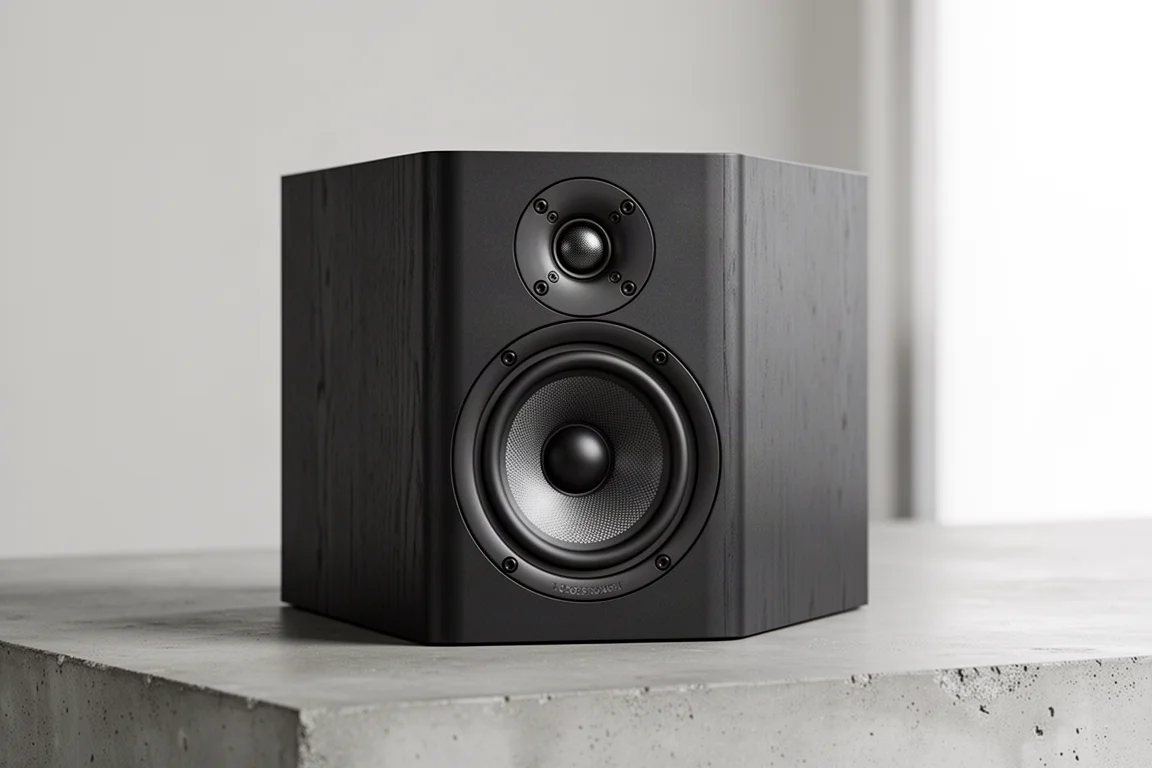
The ES15 pairs a 5.25-inch mica-reinforced polypropylene Dynamic Balance driver with the same 1-inch soft dome Terylene tweeter used elsewhere in the range, and it is rated from 44 Hz to 40 kHz. Five-way binding posts are included, and the rear Power Port again doubles as a wall hanger.
Two practical points are worth noting. At nearly 10 inches deep, the ES15 protrudes a long way when mounted on a wall, so it can be knocked loose in a busy household; a bracket or a creative mounting approach helps. The cabinet is also bottom heavy, which makes it slightly prone to tipping on a shelf.
Sound quality is the pleasant surprise. These are not embarrassed by front-channel duty, and they handle surround use comfortably even though they are arguably better than that job requires. Compared with the earlier S series, the bass is tighter and the overall presentation is cleaner. At $300 per pair at retail, they are strong value, and they regularly sell for less.
Polk HTS 10 Subwoofer
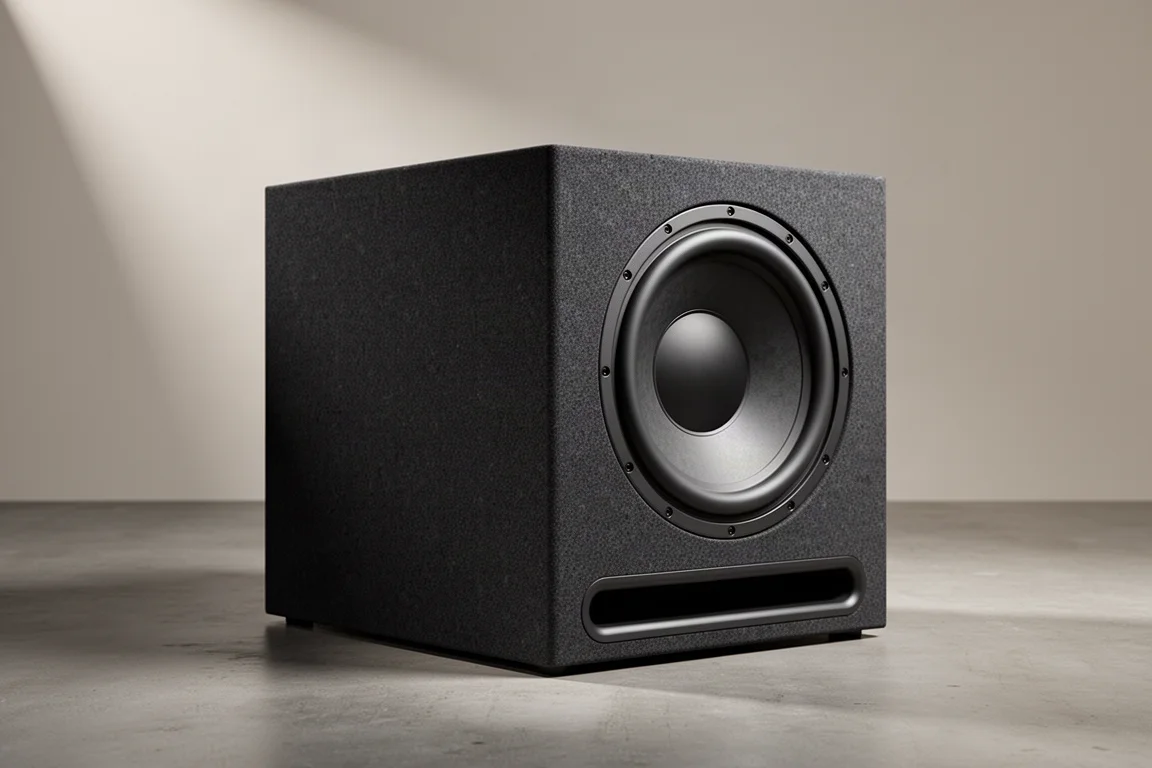
The HTS 10 is a ported 10-inch subwoofer rated at 100 watts RMS with a claimed response of 30 Hz to 120 Hz. It is physically large for the output on offer, and its feature set is basic: a low-pass filter and a phase switch with 0 or 180 degree positions, and very little else.
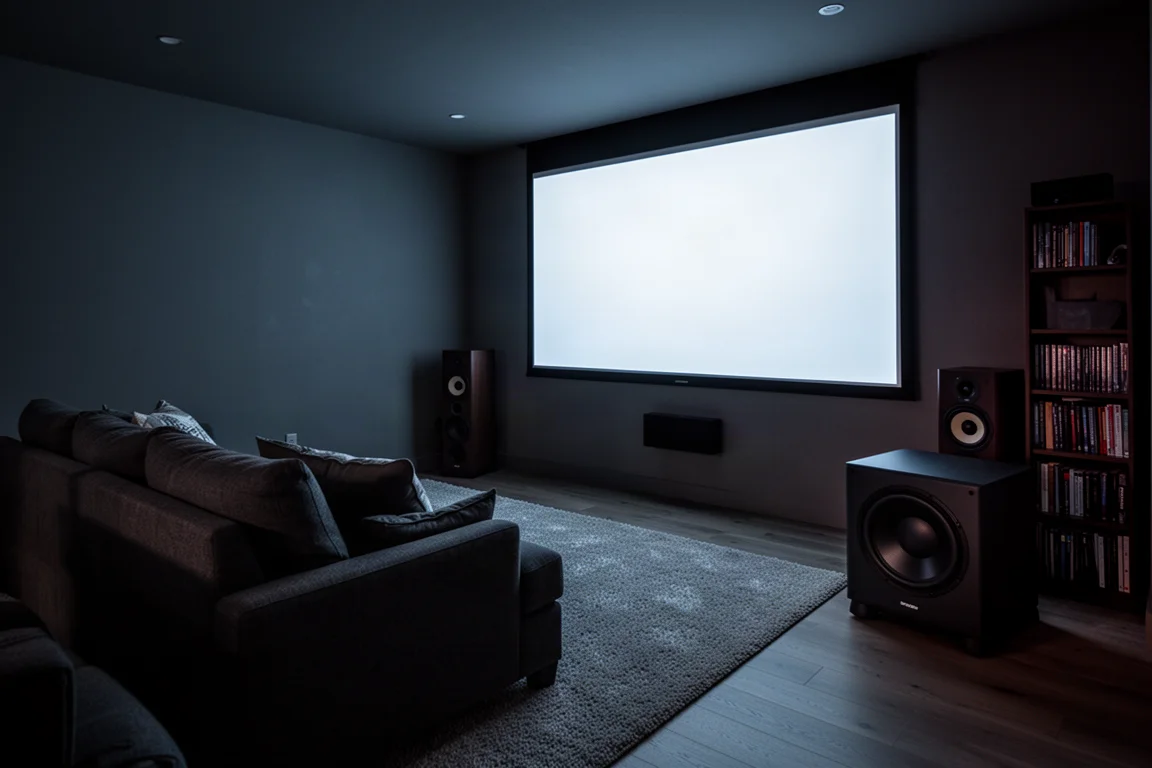
For movies in a medium-sized room it does the job, adding weight to effects and giving the system a proper low-end foundation. Push it hard, though, and it will bottom out on demanding low-frequency passages, and it does not reach the 20 to 30 Hz region where the deepest effects live. For music it needs careful blending and a restrained level to stay clean. At $400 at retail, there are more capable and better-featured subwoofers if you are willing to spend a little more.
Building a System Around These Speakers
Bought separately at retail, the four pieces come to roughly $1,800. As a bundle the set is around $1,570, and Polk runs sales regularly, so individual models, the subwoofer especially, often cost less than list price. Timber matching matters here, and the ES15 is the smallest speaker in the group, which makes it the natural choice when space is tight.
You do not need the towers to assemble a good system. The ES35 center plus a pair of ES15s up front, with a second pair behind, covers a smaller room nicely. If you want more output at the front, the larger ES20 bookshelf exists in the same family and uses the same driver technology.
Overall Buying Advice
The Signature Elite set is easy to recommend to a particular buyer: someone who wants a warm, unfatiguing sound for movies in a medium room and does not want to spend weeks auditioning individual speakers. The mid-range is clear without being harsh, bass extension is a genuine strength of the series, and the ES35 center is the standout piece in the group.
There are limits to accept. Fine detail retrieval is not as sharp as some rivals, and the sound is deliberately relaxed rather than forward. If you prefer an aggressive upper mid-range, brands such as Klipsch, Emotiva, SVS and Yamaha offer different signatures at a range of prices, and the towers share a tonal family with Yamaha’s S series, though the Polk cabinets are heavier and better braced, with less resonance and more extended bass. The subwoofer is the weakest link in the package, so if music matters as much as film, plan to budget for something better.
If the bundle price in your market is close to the individual retail total, buying only the pieces you actually need is the smarter move.
Conclusion
Polk has improved its speaker range steadily, and the Signature Elite series is a clear step forward from the S series it replaced, with tighter bass and a cleaner mid-range. The ES35 center and the ES15 bookshelves are the highlights, the ES50 towers deliver deep, punchy bass for the money, and the HTS 10 is the one component worth upgrading later. As a complete set at bundle pricing, it is a sensible way to build a home theater without hand-picking every speaker.
Further reading
Related Reviews
Home Theater Speakers
Arendal 1723 THX S Monitor vs 1723 THX Monitor: Which Two-Way Monitor Fits Your Room?
A practical comparison of the Arendal 1723 THX S Monitor and the larger 1723 THX Monitor, covering driver size, sensitivity, bass extension, and room fit.
Home Theater Speakers
Emotiva A1 Review: A Small Speaker With Serious Surround Flexibility
A sealed two-way speaker built for Dolby Atmos, surround, and compact desktop duty at $179. Here is what it does well and what to check before buying.
Home Theater Speakers
Emotiva C2+ Review: High Output Center Channel With a Narrow Sweet Spot
The Emotiva C2+ delivers serious output, deep bass for its size and high sensitivity, but its widely spaced midrange drivers create a horizontal sweet spot that rewards centered seating.