Home Audio
Polk Reserve R600 Review: The Two-Way Tower That Gets the Midrange Right
The Polk Reserve R600 brings a neutral, midrange-forward tower sound at around $1,700 a pair. Here is what it does well, what it needs, and how it compares with the R700 and rival towers.
Introduction
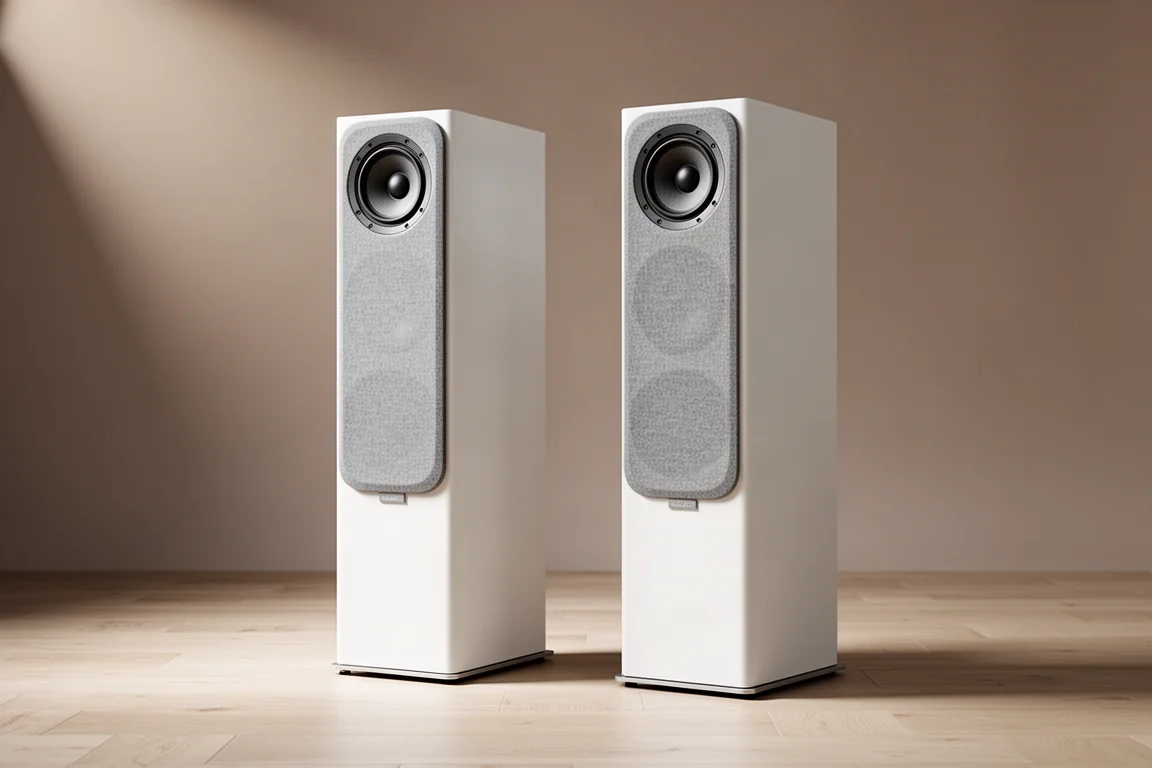
The Polk Reserve R600 is the smaller of the two floorstanding towers in Polk’s Reserve line, a two-way design that shares its tweeter and midrange driver with the larger Polk Reserve R700. The difference comes down to bass. The R700 pairs a one-inch Pinnacle ring radiator tweeter and a 6.5-inch turbine cone driver with dual 8-inch woofers, while the R600 uses the same tweeter and a pair of 6.5-inch turbine cone drivers and goes without the woofers.
At roughly $1,700 per pair, and with the R700 becoming harder to find, the R600 raises an obvious question for anyone shopping in this range: how much of the bigger speaker’s character survives in the smaller cabinet?
Who the Polk Reserve R600 Is For
The R600 makes the most sense for listeners in small to medium rooms, and for anyone who already owns a capable subwoofer or is willing to budget for one. Its presentation leans toward the midrange and treble rather than the lowest octaves, so it rewards people who care about vocal intelligibility, instrument separation, and a neutral tonal balance across most of the audible range.
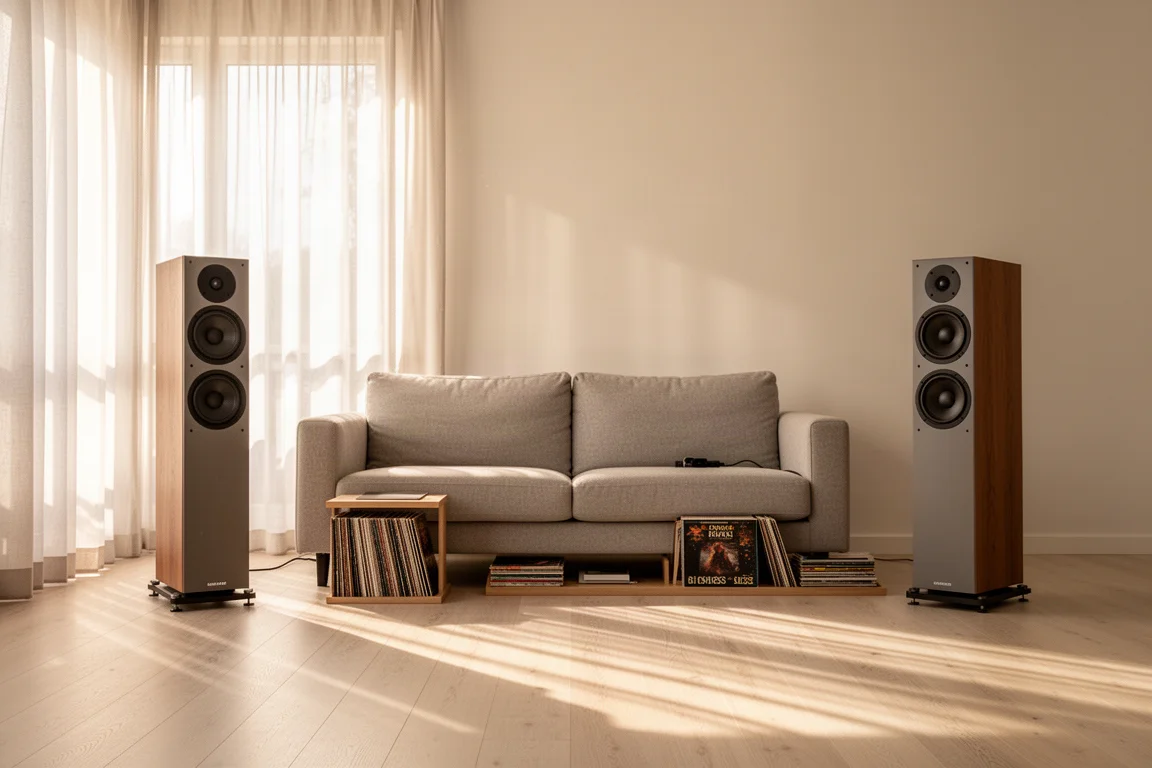
It is also the natural pick for buyers who want a white finish. The R600 is available in matte white, matte black, and walnut, all built to the same standards as the rest of the Reserve line, with magnetic grilles and a heather grey grille cloth that pairs particularly well with the white cabinet.
Listeners who want a tower that delivers deep, weighty bass on its own, without a subwoofer, should look elsewhere or plan to add a sub.
Main Strengths
The strongest case for the R600 is neutrality. From 200 Hz upward it is about as neutral as a speaker in this class could reasonably be asked to be, and the imaging and soundstage are genuinely wide and deep, with clear separation between instruments and performers. Toe-in is not a requirement to enjoy either quality, although aiming the speakers directly at the listening position gives the tweeter a little more presence.
The treble deserves specific praise. It is not aggressive, shrill, or fatiguing, and it works across essentially every genre of music and film material. That combination of a forward upper midrange and treble, without brightness, is what makes the R600 easy to live with over long sessions.
Practicality is the other strength. The R600 is easier to set up than the R700, weighs nearly half as much, and the downward-firing flow port makes it less fussy about placement. With a sensitivity of 87.5 dB and a nominal impedance of 8 ohms that dips to 4 ohms, it also asks less of an amplifier than its larger sibling, and it comes alive at slightly lower volumes, which helps in smaller rooms or with lower-powered electronics.
Sound Quality and Measurements in Practice
Measured sweeps taken from the listening position at 75 dB tell a consistent story. Above 200 Hz, the R600 is remarkably neutral. It rolls off as it transitions from the midrange into the treble, but less than the R700 does, which gives the smaller speaker a greater sense of top-end presence.
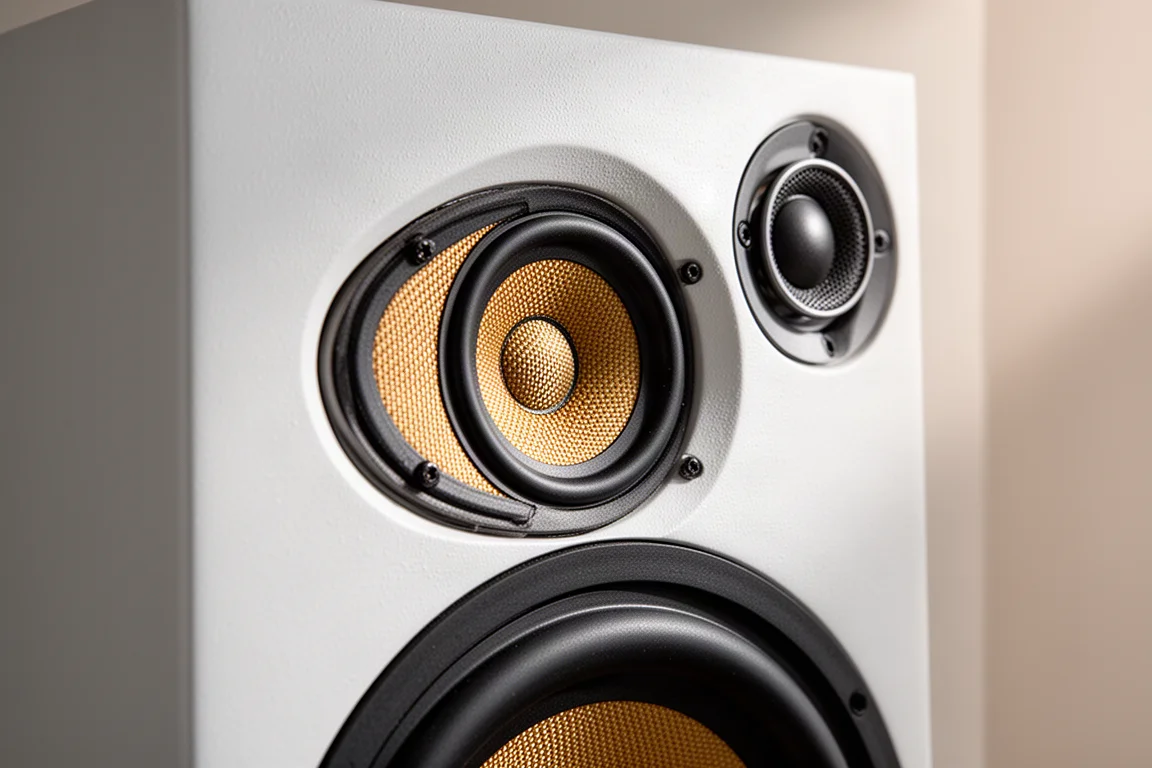
Down low, the R600 applies a boost that helps it feel weightier on its own and makes crossing over to a subwoofer straightforward. Polk reports a frequency response of 43 Hz to 38 kHz, against 38 Hz for the R700, so the bass limitation is real but modest for a two-way tower of this size.
It is worth being clear about what the R600 is not. It is not a smaller R700. With its smaller cabinet volume and two-way design, it sounds closer to a larger pair of Polk Reserve R200 bookshelf speakers than to a scaled-down flagship, and it does not have quite the total coherence of the R700 on its own.
Setup, Placement, and Amplifier Matching
Because the impedance dips to 4 ohms, the R600 needs an amplifier or receiver that is comfortable with a 4-ohm load. Around 50 watts of good quality power is enough in most rooms. A Marantz AV-10 processor and AMP-10 amplifier, an Onkyo RZ50, a Pioneer 805, and an Audiolab 7000A all drove the speaker without difficulty.
Placement is forgiving, but not unlimited. Pull the speakers out into the room by at least 12 inches, and avoid pushing them directly into corners unless extra bass loading is the goal. In practice, they worked best roughly 18 inches from the front wall, nine feet apart, and about 10 feet from the listening position.
How the R600 Compares With Other Tower Speakers
The Polk Reserve R700 remains the better speaker of the two, at around $500 more per pair, with deeper bass extension and greater overall coherence, and that premium is easy to justify for a room that can take the larger cabinet. The Klipsch RP-8000F II goes the other direction: more weight, more dynamic interest at lower volumes, a live you-are-there quality, and easier dialogue intelligibility, at the cost of some of the R600’s composure and neutrality.
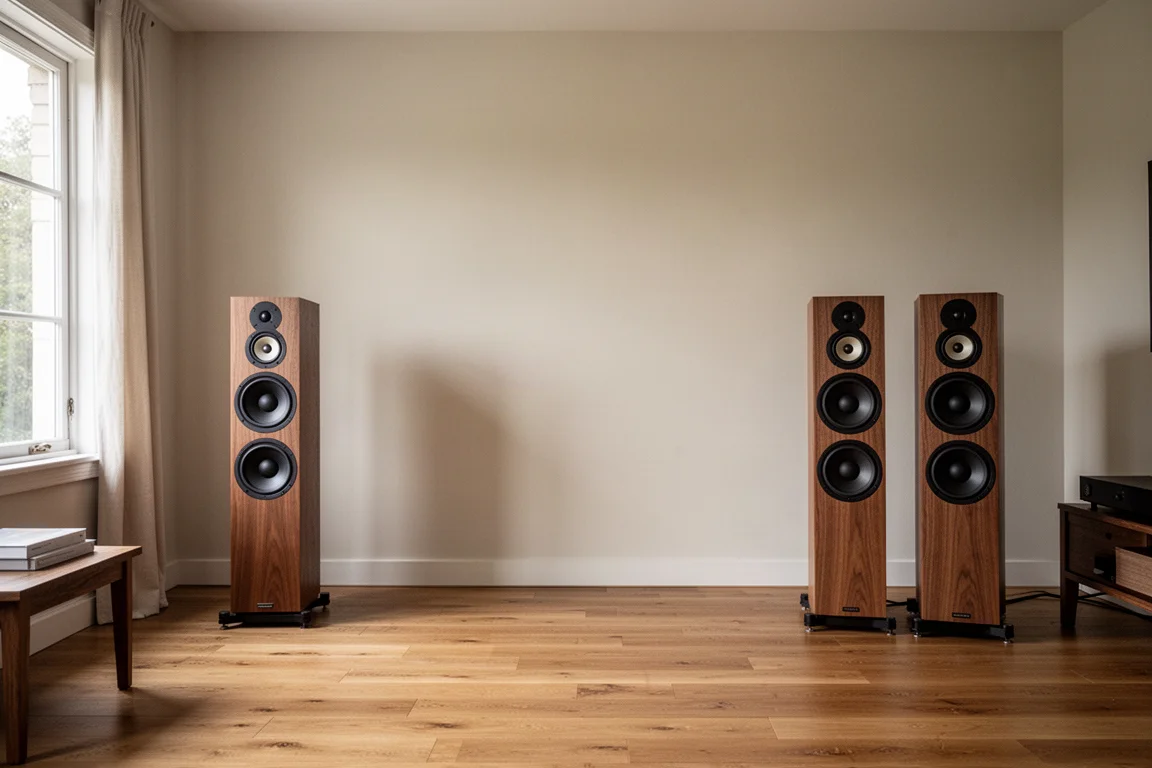
The Arendal 1961 Tower is the closest rival in spirit. Both designs are space friendly, both are 4-ohm speakers with some bass limitations, both measure remarkably linear for their price, and both handle music and film well. The Arendal sounds better overall, but it costs more, so budget is likely to decide. The Q Acoustics 5040, at around $1,500, is also not quite as linear, though still very respectable, and it adds a hint of warmth with a more airy and extended tweeter that is less dependent on careful toe-in, although it can expose sibilance on poor recordings in a way the Polk’s ring radiator tweeter rarely does.
Things to Consider Before Buying
The first consideration is a subwoofer. Budget for one, especially in a larger room, because the R600’s bass output stops short of full range. A subwoofer such as the Klipsch RP-1000, which typically sells for roughly $750 to $800, rounds out the performance and adds needed weight to the mids.
It is also worth doing the total math. A pair of Polk Reserve R200 bookshelf speakers on stands, plus a subwoofer, approaches $2,000, which is close to what the R700 costs. Bookshelf speakers on stands occupy roughly the same footprint as a pair of R600s, so there is no meaningful space saving to be had there.
Finally, the feet are integral to the cabinet and its performance, so they are not really optional. The downward-firing port adds placement flexibility, but corners will still load up the bass.
Buying Advice
If your room is on the smaller side, or you already own a good subwoofer, the R600 is an easy recommendation. It offers a neutral, midrange-forward tower that handles music and movies with equal competence, and it is available in finishes that many rivals do not offer.
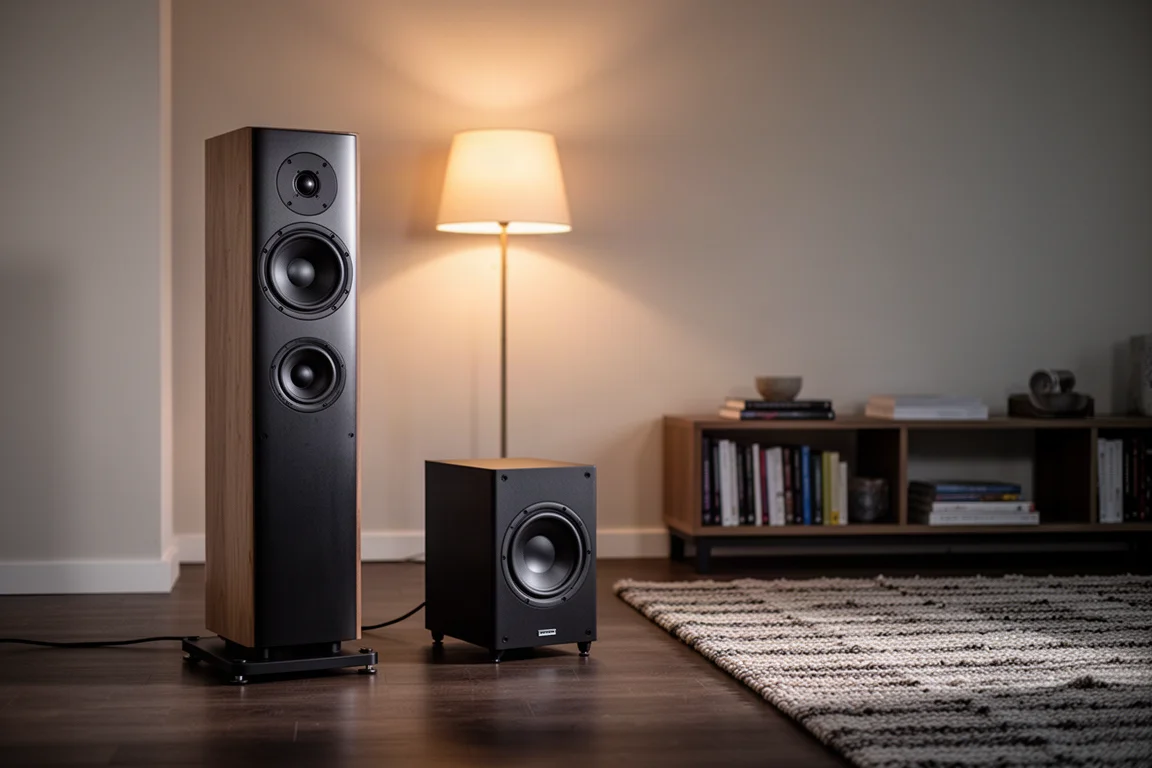
If you can stretch to the R700 and have the space for it, do it. It remains the better speaker in the Reserve line. If dialogue intelligibility is your priority, the Klipsch RP-8000F II deserves a listen. And if you want a touch of warmth with a more airy top end, the Q Acoustics 5040 is worth auditioning. Whichever way you go, make sure the amplifier can handle a 4-ohm load and delivers around 50 watts or more.
Conclusion
The Polk Reserve R600 does not replace the R700, and it was never going to. What it does offer is something the R700 does not always manage: an upper midrange and treble presence that stays forward without ever turning bright or fatiguing, which pays off in intelligibility and long listening sessions.
Paired with a good subwoofer and a competent amplifier, it delivers a neutral, well-imaged performance for around $1,700 a pair. Taken together with the rest of the Reserve line, the R600 reinforces the case that this family of speakers is one of the more consistently enjoyable and attainable options in its class.
Product link
View more details for Polk Reserve R600
This product is mentioned in the review. Check the specifications, options, and compatibility before buying.
View more details for Polk Reserve R600Further reading
Related Reviews
Home Audio
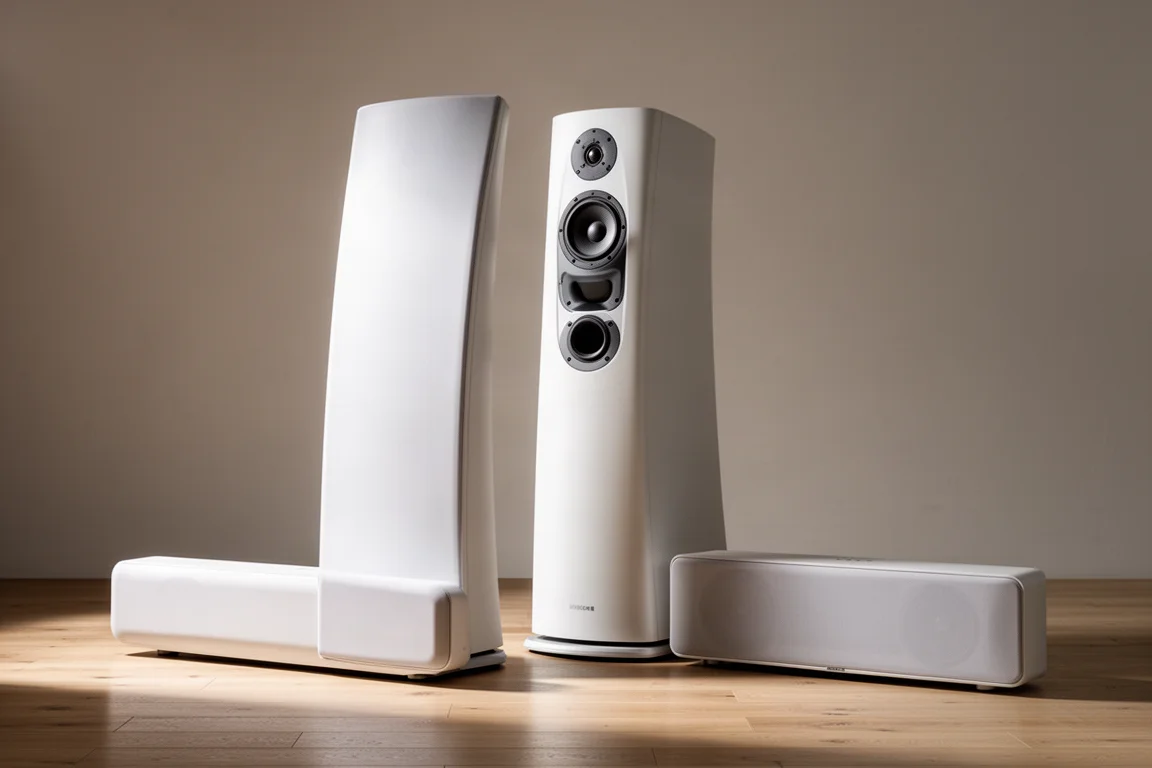
Aperion Novus Tower and Center Review: Punchy Home Theater Sound With Real Refinement
A close look at the Aperion Novus tower and center speakers, from their layered paint finish and punchy bass to the 4-ohm load and what the price actually buys.
Home Audio
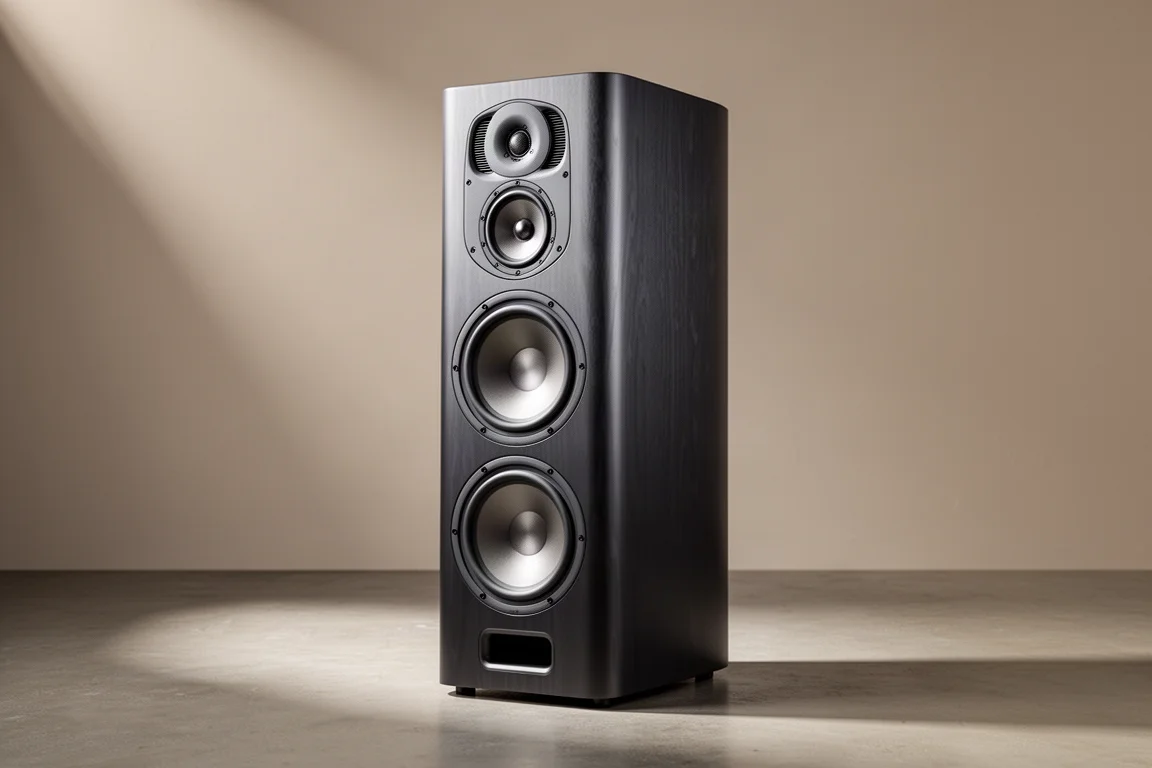
Arendal 1610 Tower Review: Flagship Dynamics in a Room-Friendly Tower
A compact floorstanding tower with three 8-inch aluminium woofers, a 5-inch carbon midrange, and the kind of bass heft usually reserved for much larger speakers.
Home Audio
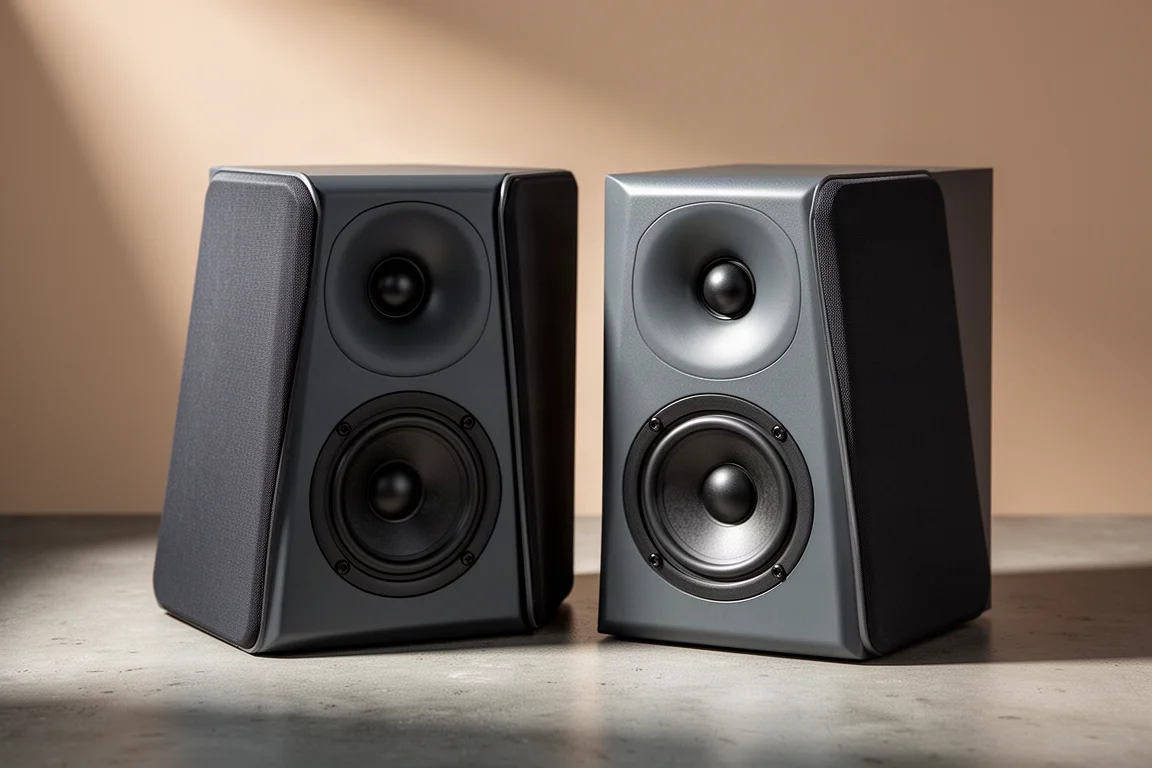
Arendal 1723 S THX Review: A Reference Speaker Built Like a Tank
A practical look at the Arendal 1723 S THX, a sealed, THX-certified speaker with exceptional build quality, a very flat top end, and a midrange that responds beautifully to EQ.