Bookshelf Speakers
Polk Reserve R200 Review: The Balanced Bookshelf Speaker Under $1,000
The Polk Reserve R200 pairs deep, controlled bass with an even, unfatiguing balance that makes it one of the most complete bookshelf speakers under $1,000.
Introduction
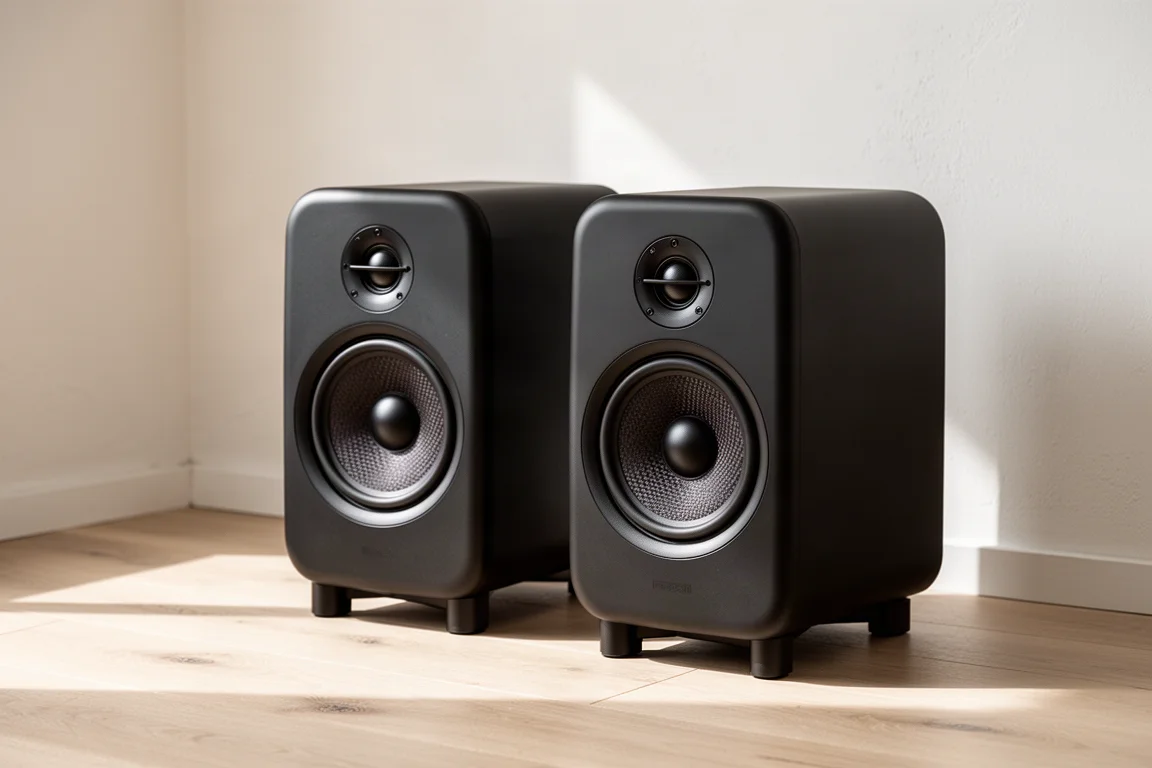
Polk Audio built its reputation on home theater systems, and for years that reputation kept two-channel enthusiasts from taking the brand seriously. The Reserve series is aimed squarely at changing that. The Reserve R200 is the model most likely to do it: a compact two-way bookshelf speaker with a rear port, a matte cabinet finish, and an MSRP of $750.
After spending proper time with a pair, the takeaway is simple. This is one of the most complete bookshelf speakers you can buy for under $1,000. It does not win every category outright, but it also does not fall apart in any of them, and that kind of balance is rarer in this price band than it should be.
Who the Polk Reserve R200 Is For
The R200 makes the most sense for listeners who are still working out what they like. Buyers stepping up from a soundbar or a desktop setup, or building a first proper stereo, are usually pushed toward speakers with strong personalities: a bright top end here, a detail-first midrange there. Those choices are excellent if you already know your taste. They are a gamble if you do not.
This speaker takes the other route. Bass, midrange and treble are blended rather than highlighted, so it handles a wide range of music without asking you to adapt. It also works well in a mixed system, because the same qualities that make it a comfortable stereo speaker make it a capable front pair for film, and the matte finish avoids the reflective glare that glossy cabinets can throw back at a screen in a dark room.
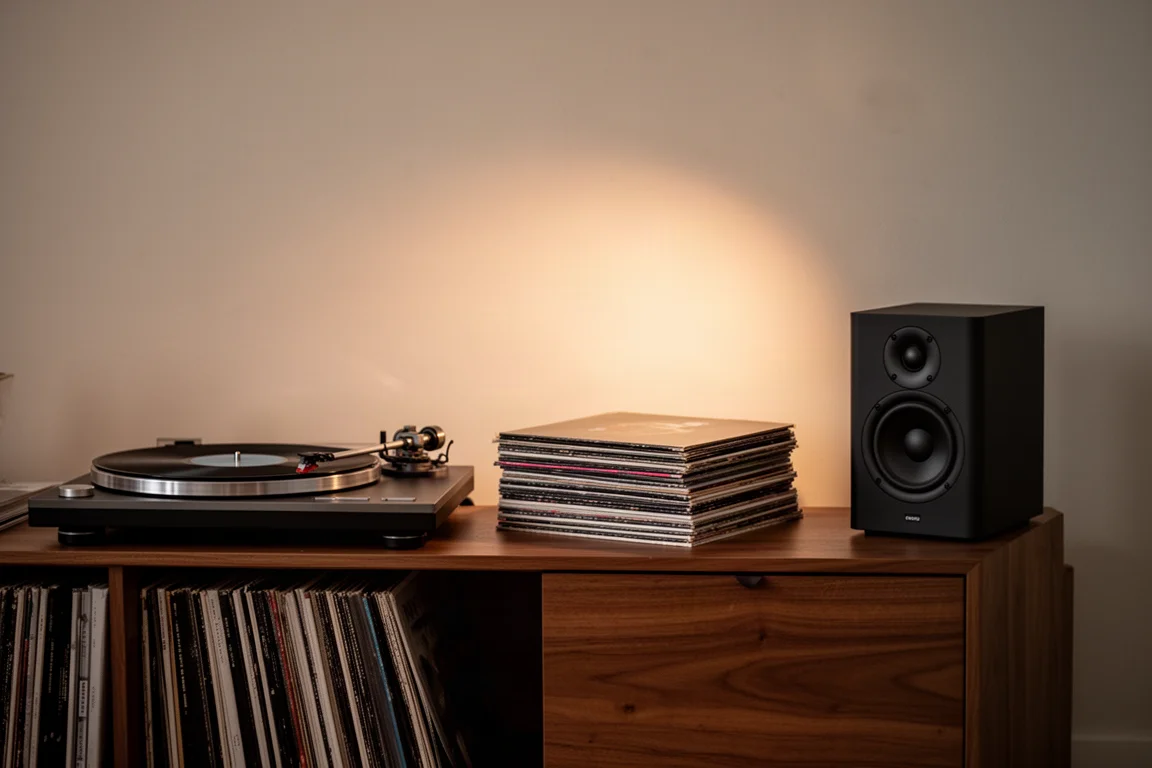
It suits anyone who wants one pair of speakers to do several jobs, and it suits bass-led listeners who still want the rest of the range to stay intact rather than getting buried underneath.
Main Strengths: Balance and Bass Weight
Bass is the headline. For a cabinet this size, the R200 produces a genuinely substantial low end, and it stays controlled rather than loose. Kick drums land with weight, and low notes remain defined instead of blurring into the midrange. That combination of quantity and grip is unusual at this price.
The midrange is clean and natural, with enough warmth to flatter voices and acoustic instruments. The treble is smooth and refined, and it stays composed when you push the volume. Across a long listening session nothing in the presentation becomes tiring, which is not something every speaker in this bracket can claim.
Tonally, the R200 leans slightly warm and slightly dark rather than bright and analytical. If you are chasing maximum detail retrieval, other designs in this price range push considerably harder in that direction. If you want a speaker you can leave running for hours, this tuning is the friendlier choice.
Because the speaker responds well to better electronics, it also grows with a system. Feed it a more capable amplifier and the improvements are audible rather than marginal, which makes it a sensible long-term purchase instead of a stepping stone.
Bass Control and the Rear Port Design
The rear port is central to how this speaker behaves, and it is designed to reduce the chuffing noise that ports can produce when air moves through them quickly. The result is bass that stays tidy even on fast, punchy material where ported cabinets often give themselves away.
The port also hands you a useful setup tool. Move the speakers closer to the wall behind them and you gain low-end weight. Pull them further out and the bass tightens while the soundstage opens up and depth improves.
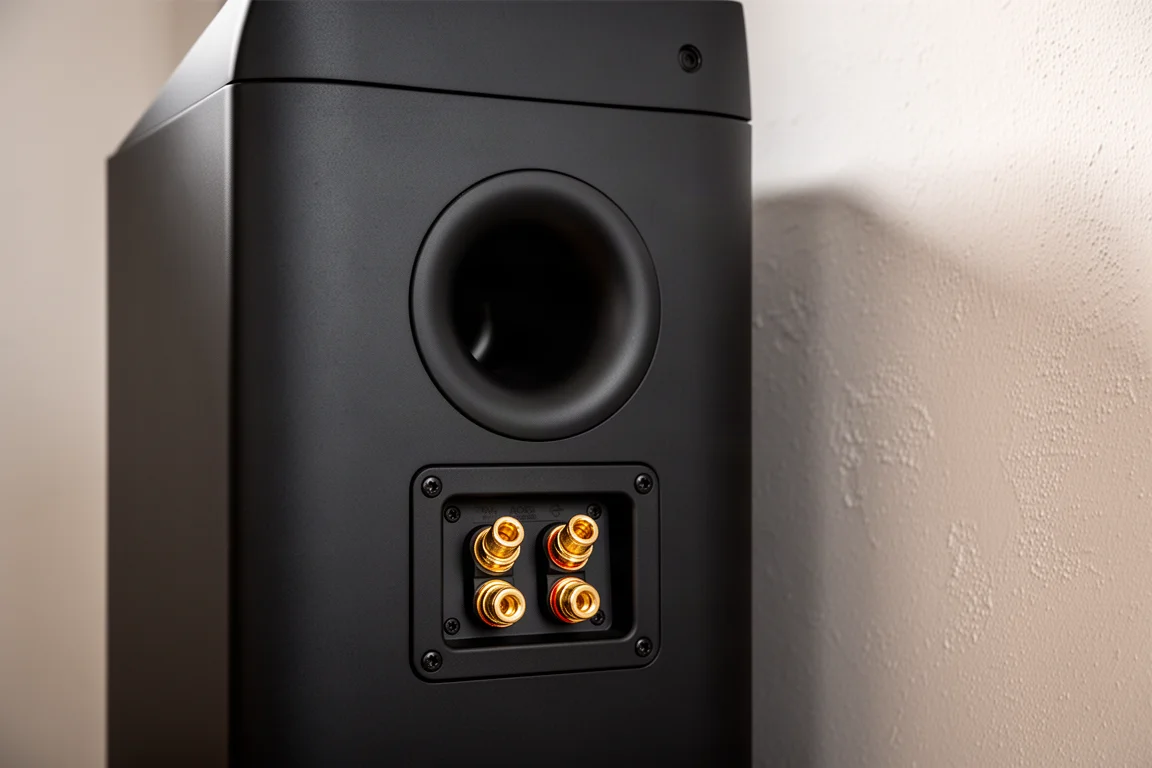
In practice, three to four feet out into the room produced the best sense of space, while a position closer to the wall, around a foot and a half, delivered the fuller low end that most listeners will prefer for everyday listening. Treat the distance to the wall as a tone control, and adjust it before you spend money on anything else.
High-Frequency Character, Imaging, and Soundstage
The tweeter uses a ring radiator design, and its job is to spread high frequencies evenly so the listening sweet spot is wide rather than a single narrow seat. In a room with two or three listeners, that matters. Angling the speakers outward widens the sweet spot further, while angling them inward sharpens the centre image for a single listener.
Centre imaging is good and stable, though it is not as surgically precise as speakers costing considerably more. The soundstage is nicely layered but not the widest in the category. Where the R200 wins is in consistency: nothing about the presentation draws attention to itself.
Tone is where personal preference matters most. The R200 adds a touch of warmth that flatters large stringed instruments and bass-heavy tracks, and it rounds off the top end slightly rather than exposing every edge in a recording. If you want a speaker that tells you exactly what an instrument sounds like, a more tonally neutral design will suit you better. If you want a speaker that makes a wide range of recordings pleasant to sit through, this is the more forgiving option.
Amplification and Placement Notes
With a sensitivity of 86 dB, the R200 asks for a reasonable amount of amplifier power. That used to be a real problem for budget speakers, but affordable high-power integrated amplifiers and compact class-D designs are now easy to find, so it is no longer a serious obstacle.
Solid state amplification is the straightforward match here. It brings the power the speaker needs and keeps a firm grip on the bass region. Tube amplifiers are an option, and they add a sweeter midrange, a more holographic sense of space, and a little extra high-frequency sparkle. The trade-offs are real, though: high-powered tube designs get expensive quickly, and lower-powered ones limit how loud you can listen while giving up bass control.
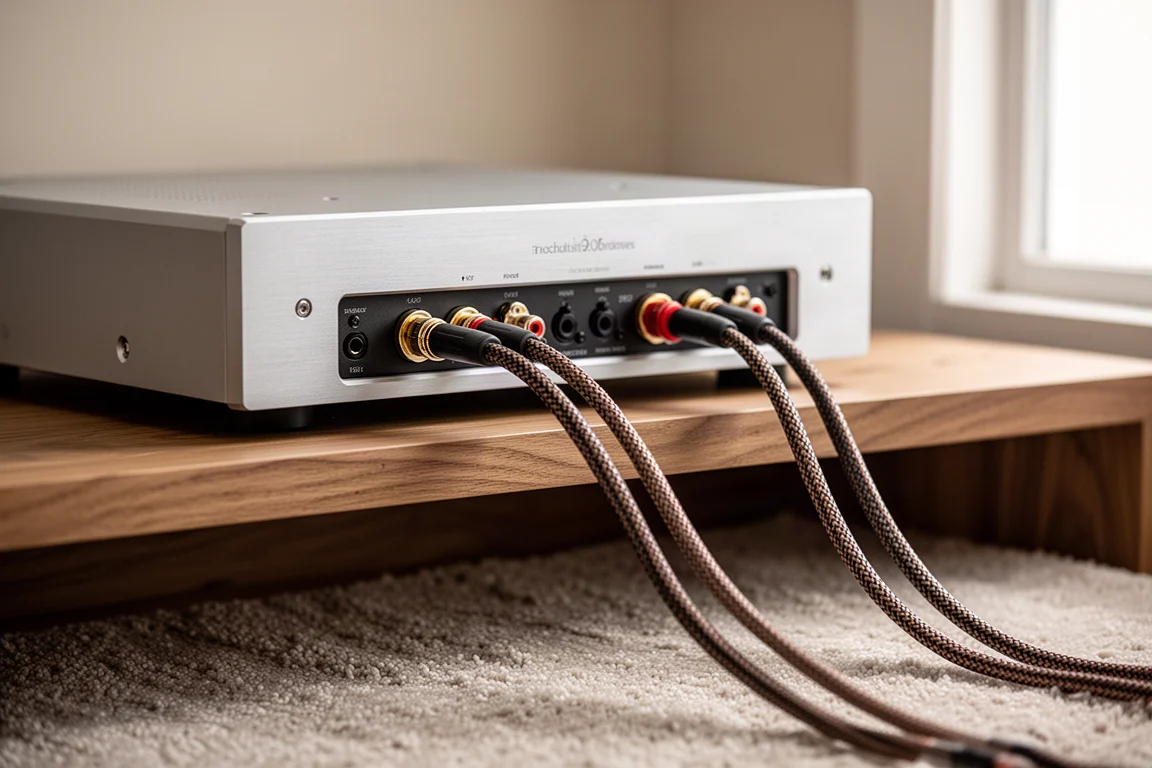
Placement deserves the same attention as electronics. Give the speakers a stable stand or shelf, keep them at roughly ear height, and take the time to experiment with distance from the wall and toe angle. This is a speaker that rewards a little patience, and those adjustments cost nothing.
Things to Consider Before Buying
The R200 is not the most detailed or the most exciting speaker in its price class, and it is not trying to be. Buyers who prioritise fine detail retrieval, a wide and airy soundstage, or a bright, energetic top end will find other designs more immediately impressive.
Its 86 dB sensitivity means it will not flatter a weak amplifier, and a low-powered receiver may leave it sounding flat. Plan for electronics that can deliver real power.
Its tonal warmth is a matter of taste. Listeners who want a strictly neutral window onto a recording may prefer a more analytical speaker.
The finish is also worth a thought. The matte black cabinet has a textured, rigid feel that reads as understated rather than flashy, and it becomes more appealing the longer you live with it. Walnut and white finishes are also available if matte black is not right for your room.
Buying Advice
At $750 MSRP, the Reserve R200 sits in the most competitive part of the speaker market, and it earns its place there. It is not a compromise pick. It covers the widest range of music and use cases in its bracket, and it is the safest choice for anyone who has not yet settled on a preferred sound signature.
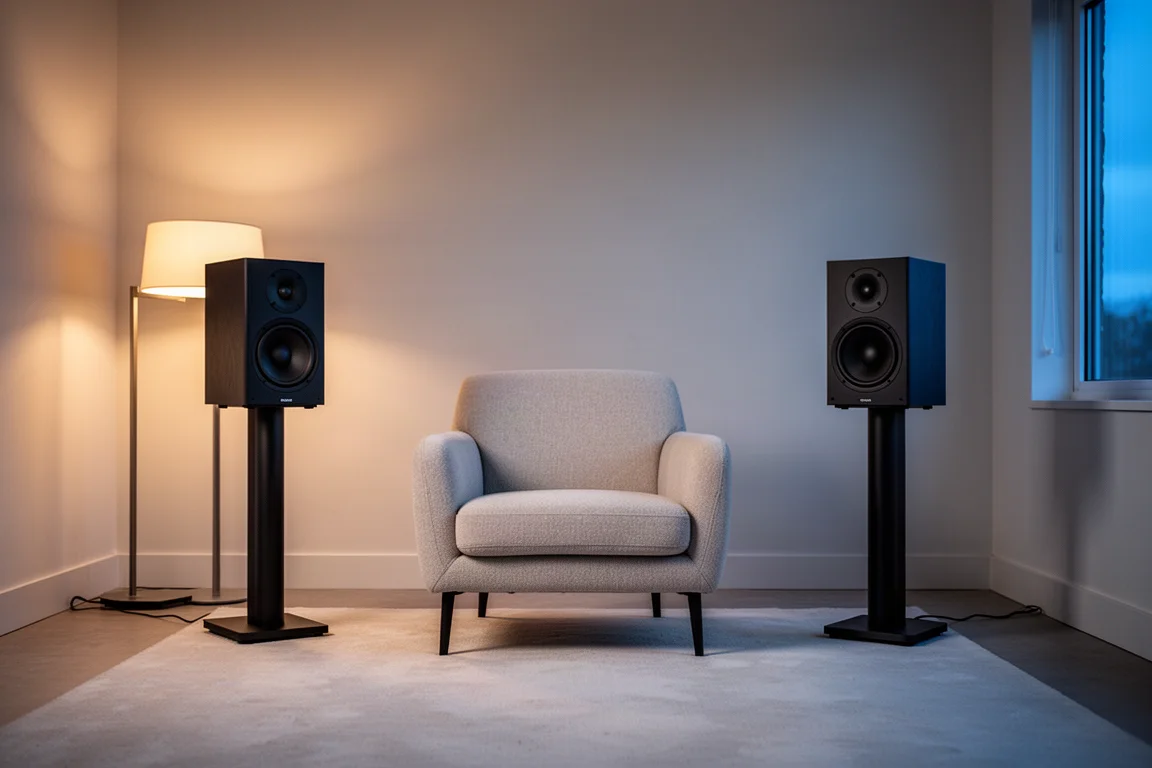
Before buying, plan the rest of the chain. A solid state integrated amplifier with healthy power output will get the most out of these speakers, and a pair of sturdy stands is worth the modest extra cost. Once they are set up, spend an evening moving them closer to and further from the wall. The difference is easy to hear, and it is free.
If you already know you want maximum detail or a bright, forward presentation, look at speakers built around those priorities. If you want a pair that handles everything well and improves as your system does, the R200 belongs at the top of your shortlist.
Conclusion
The Polk Reserve R200 is the speaker that finally makes Polk a serious name in affordable two-channel audio. Its bass is deep and disciplined for its size, its midrange and treble are smooth and unfatiguing, and its balance means it works with almost any genre you throw at it. It does not match speakers costing several times more in absolute imaging precision or soundstage scale, and it is not the most analytical option under $1,000.
What it does better than almost anything else in its class is avoid weaknesses. For a first serious pair of speakers, or for anyone who wants one system to handle both music and film, that makes it an easy recommendation.
Product link
View more details for Polk Reserve R200
This product is mentioned in the review. Check the specifications, options, and compatibility before buying.
View more details for Polk Reserve R200Further reading
Related Reviews
Bookshelf Speakers
Acoustic Energy A100 Mark II Review: A Compact Standmount With an Expansive Soundstage
The Acoustic Energy A100 Mark II brings clarity, natural tonality and a wide soundstage to an entry-level standmount, with a few setup details worth knowing first.
Bookshelf Speakers
Acoustic Energy AE-100 Mark II Review: Compact Bookshelf Speakers With Standout Imaging
A compact British two-way bookshelf speaker with deep, layered imaging, fast bass, and a slight treble lift to weigh against a crowded $500 field.
Bookshelf Speakers
Acoustic Energy AE100 MK2 Review: Measured Performance and Four Alternatives
A close look at the Acoustic Energy AE100 MK2 bookshelf speaker, what its measured performance reveals, and four alternatives with different trade-offs.