Camping Tents
Poler 4-Person Tent Review: Strong Airflow, Weak Rain Protection
A fast-pitching double-wall tent with excellent ventilation and budget materials, but waterproofing that let water in at three separate points during heavy rain.
Introduction
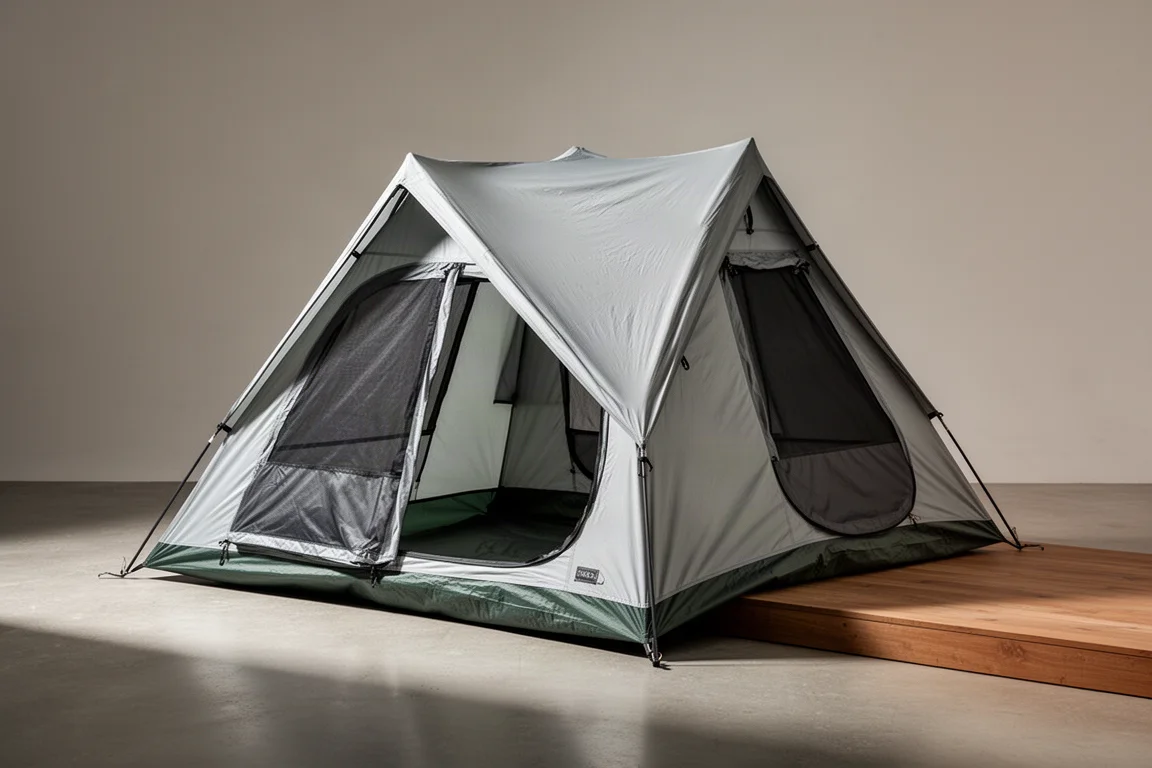
The Poler 4-Person Tent is a pop-up style A-frame shelter with a genuine double-wall construction, two oversized doors, and mesh panels on nearly every side. It weighs roughly 14 pounds and goes up in about 15 minutes. Poler’s four-person rating is generous, and the realistic sleeping capacity sits closer to three adults, or two people with a lot of room to spread out.
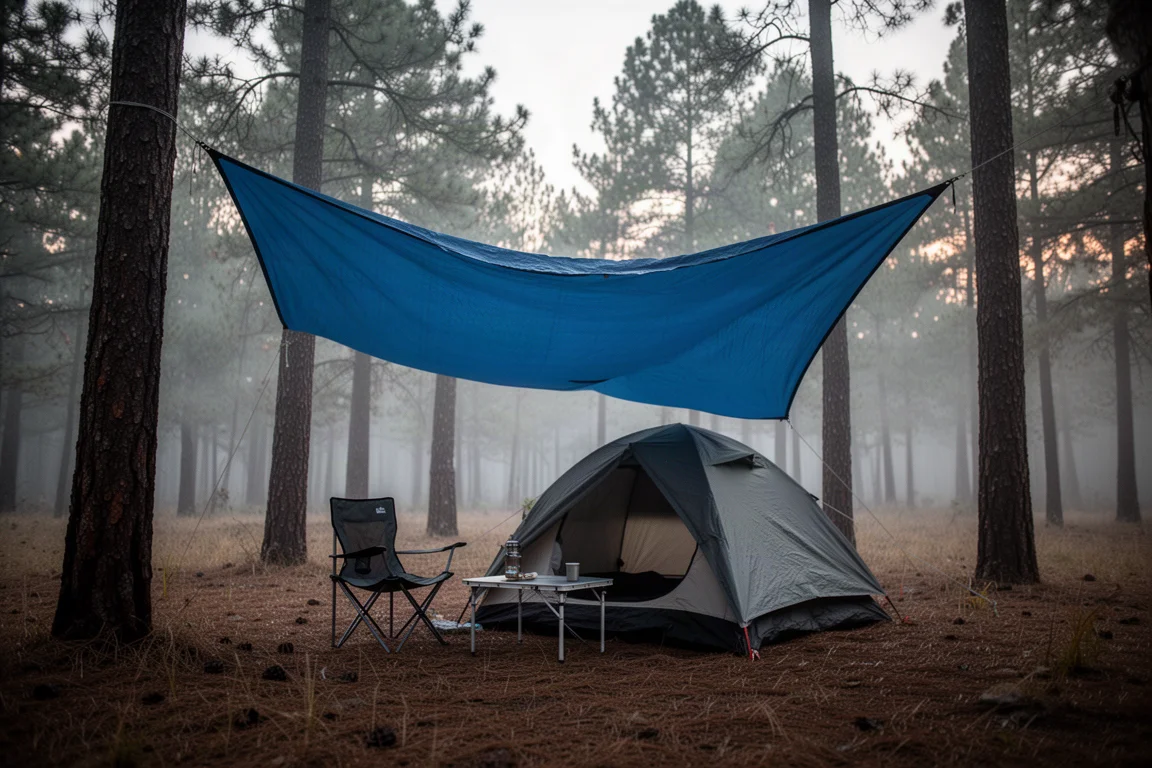
It has been on the market for roughly nine months and sells for around $300. At that price, the tent’s strongest argument is airflow: on a warm, humid day the mesh moves a serious amount of air. Its weakest argument is weather protection. During field testing in a night of torrential rain, the tent leaked in three places even though almost all of it sat under a large tarp with the fly fitted.
That combination makes this an interesting shelter rather than an easy recommendation, and the sections below explain where it shines and what to check before you buy.
Who This Tent Is For
Poler positions this as a four-person tent. In practice, four people can sit inside, one in each corner, but four sleeping adults would be pressed against the walls. Three adults fit comfortably, and for two people the interior feels generous enough that you can sit up, move around, and change clothes without fighting the fabric. You cannot stand upright inside, but the peak height is enough for easy entry and exit.
The tent suits warm-weather campers who care most about ventilation and quick setup, and who are not planning to sleep through sustained rain. It also suits buyers who want a lighter packed load: at roughly 14 pounds it is far easier to handle than many comparable pop-up shelters, some of which weigh more than twice as much.
Availability is worth planning around. At the time of testing the tent was sold through the company’s own store rather than its website, and Poler indicated it would arrive on the website in the fall. If you want one for a specific trip, confirm stock before you commit to a date.
Setup and Interior Space
Setup is the tent’s clear highlight. The frame and shell go up as one unit in about 15 minutes without a complicated pole sequence, and the process is simple enough that a single person can manage it. The A-frame profile creates steep walls, which translates into more usable head and shoulder room than the footprint suggests.
Two large doors make the interior easy to load and easy to move through, and they open wide enough to drag in a sleeping pad and a duffel without wrestling. The floor space is rectangular and predictable, so standard pads fit without odd gaps.
Ventilation and Design Details
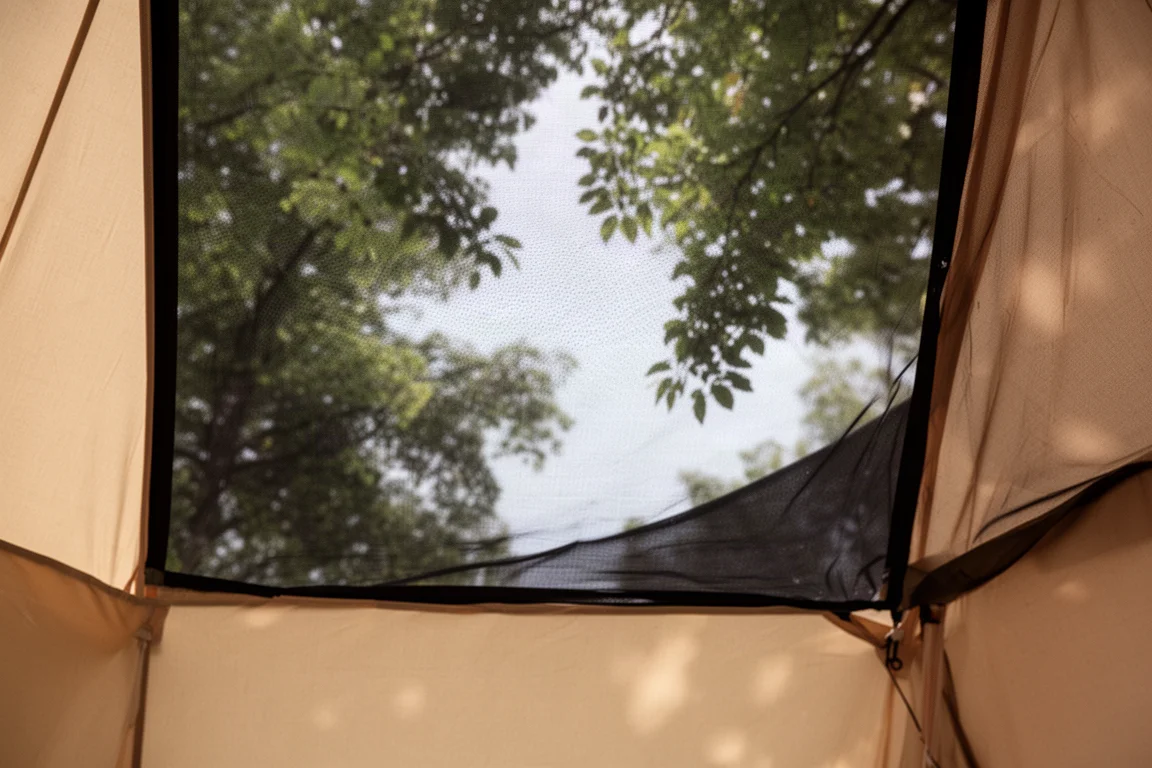
Ventilation is where this tent separates itself from single-wall alternatives. There is a large mesh door, a second mesh panel opposite it, and extensive mesh along the sides, so air moves through the shelter rather than sitting inside it. On a humid evening in the mid-70s Fahrenheit, the airflow remained noticeable even with the fly fitted, which is exactly the scenario a hot-weather shelter needs to handle.
The double-wall build is real rather than marketing language, and it is the main reason the mesh can be this generous. The trade-off shows up in the materials. The body uses a 210 denier polyester Oxford, which sits at the inexpensive end of tent fabrics, and the frame and mesh are likely the most costly components in the build. Zipper hardware was not confirmed as a premium branded set. Nothing about the construction feels fragile, but it does feel budget.
Waterproofing in Heavy Rain
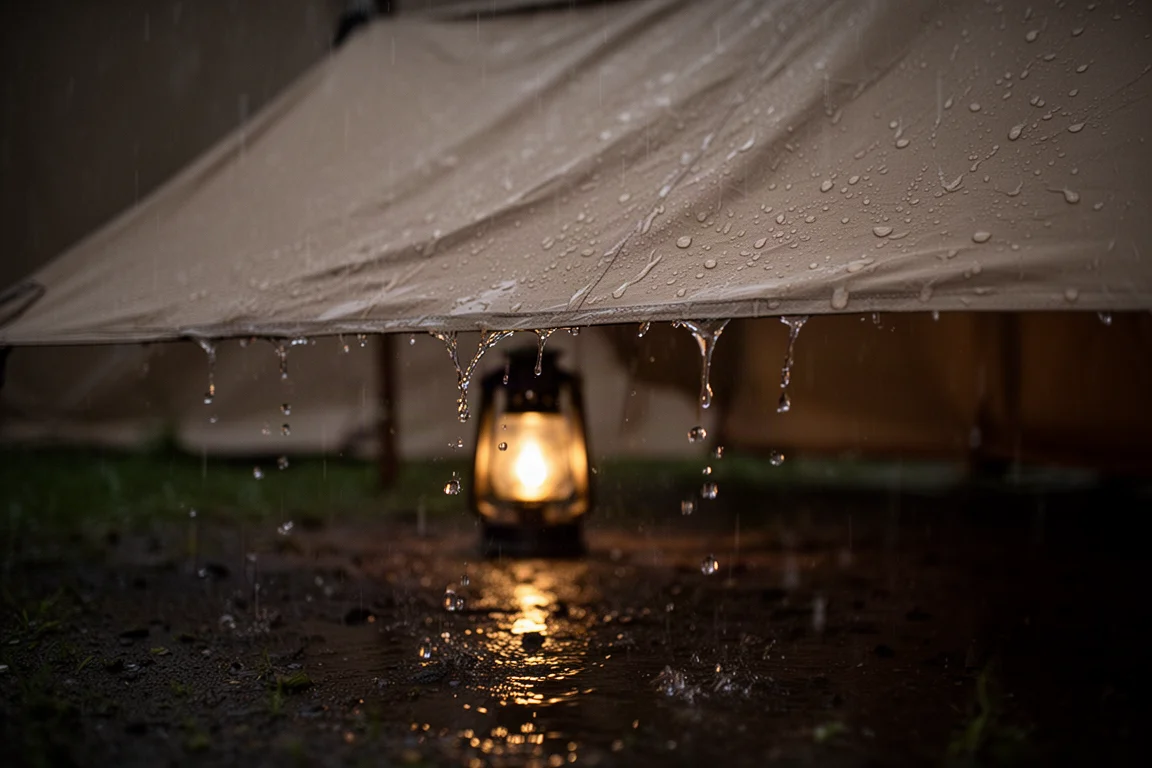
This is the section that decides the purchase. During testing, the fly was fitted and roughly 99 percent of the tent sat beneath a large tarp, leaving only a small fraction exposed. Rain arrived as a genuine downpour, measured in inches per hour, and it lasted for hours.
The tent leaked in three locations. Both door tie-back points, the corded loops used to hold the doors open, let water through, and an additional seam allowed water to run down the inside of the fly. With almost the entire shelter shielded from direct rainfall, that result raises real questions about how the tent would behave fully exposed to a storm.
Things to Consider Before Buying
Waterproofing is unproven at best. If you plan to camp where rain is likely, assume you will need to seam seal the tent and test it before trusting it on a trip. Seam sealing is straightforward and inexpensive, but it is work you should budget for.
Capacity deserves a second look. The four-person label is optimistic, and three adults is the realistic maximum for sleeping.
Materials are functional rather than premium. The 210 denier polyester Oxford shell is a common, low-cost fabric choice, so treat this as a fair-weather shelter rather than an expedition tent.
Finally, consider where you camp. A dry climate and a shaded pitch play directly to this tent’s strengths, because the airflow and the quick setup are genuinely good. A wet climate exposes its main weakness.
Who Should Look Elsewhere
Skip this tent if reliable storm protection is a priority, if you regularly camp in sustained rain, or if you need a true four-person sleeping capacity. Campers who want heavier fabrics and a longer track record of weather performance will be better served by a different design, even at a higher weight.
Buying Advice
At around $300, the Poler 4-Person Tent asks you to accept a trade: excellent ventilation and a fast, simple setup in exchange for uncertain waterproofing and budget materials. That trade can make sense. If your trips are mostly dry, warm, and short, the airflow and interior space are worth the money, and seam sealing the seams and the door tie-back points is a reasonable first step.
If rain is part of your normal camping season, plan differently. Test the tent in a backyard downpour before you rely on it, and keep a waterproof shelter option in reserve for the trips that matter most.

Either way, buy from a retailer with a clear return window. A tent in this price range should earn its place after one wet night, and knowing you can send it back makes the decision far easier.
Conclusion
The Poler 4-Person Tent gets the fun parts right: it goes up quickly, it breathes better than almost anything in its class, and it gives two people a genuinely comfortable interior. It falls short on the part that matters most when the weather turns, with leaks at both door tie-back points and along a seam during heavy rain. For dry-climate campers who want airflow above all, it remains a compelling option. For everyone else, plan for seam sealing, test it early, and keep your expectations about waterproofing realistic.
Product link
View more details for Poler 4-Person Tent
This product is mentioned in the review. Check the specifications, options, and compatibility before buying.
View more details for Poler 4-Person TentFurther reading
Related Reviews
Camping Tents
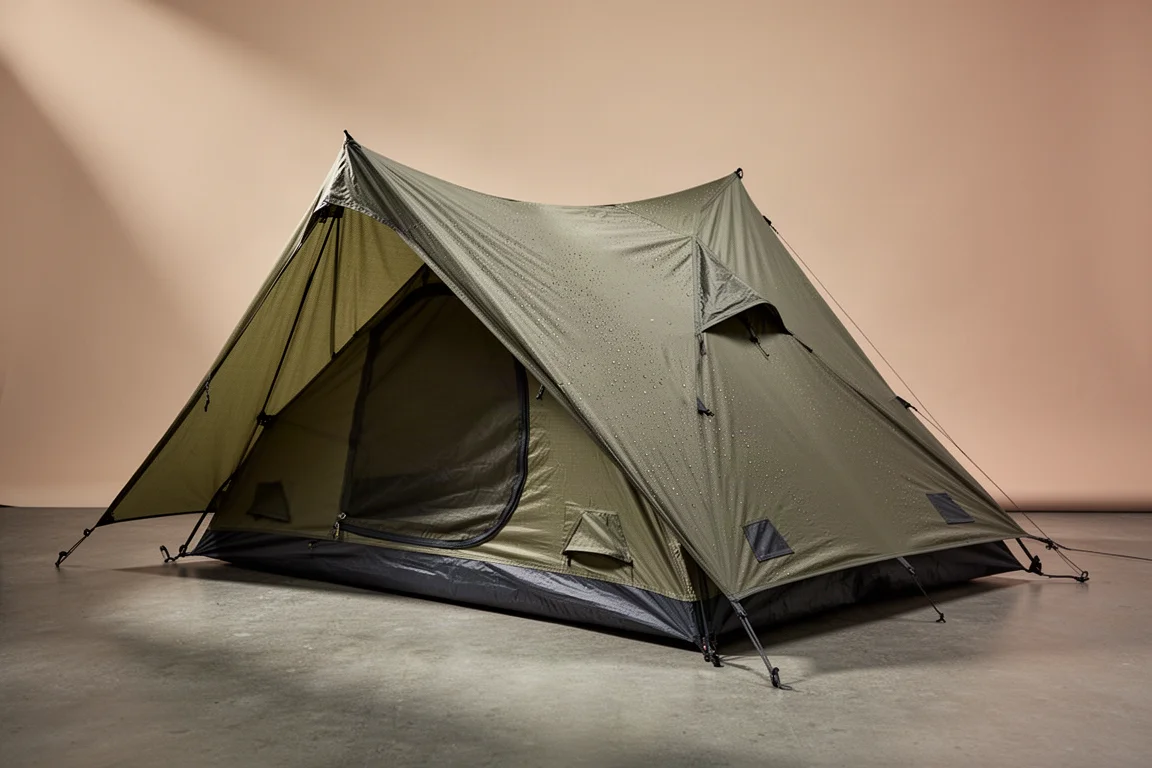
3F UL Gear Taiji Two-Person Tent Review: Field Waterproofing Results and Buying Advice
The Taiji pairs an attached fly with a removable inner, but sustained rain exposed untaped vent seams that need sealing before this shelter can be trusted.
Camping Tents
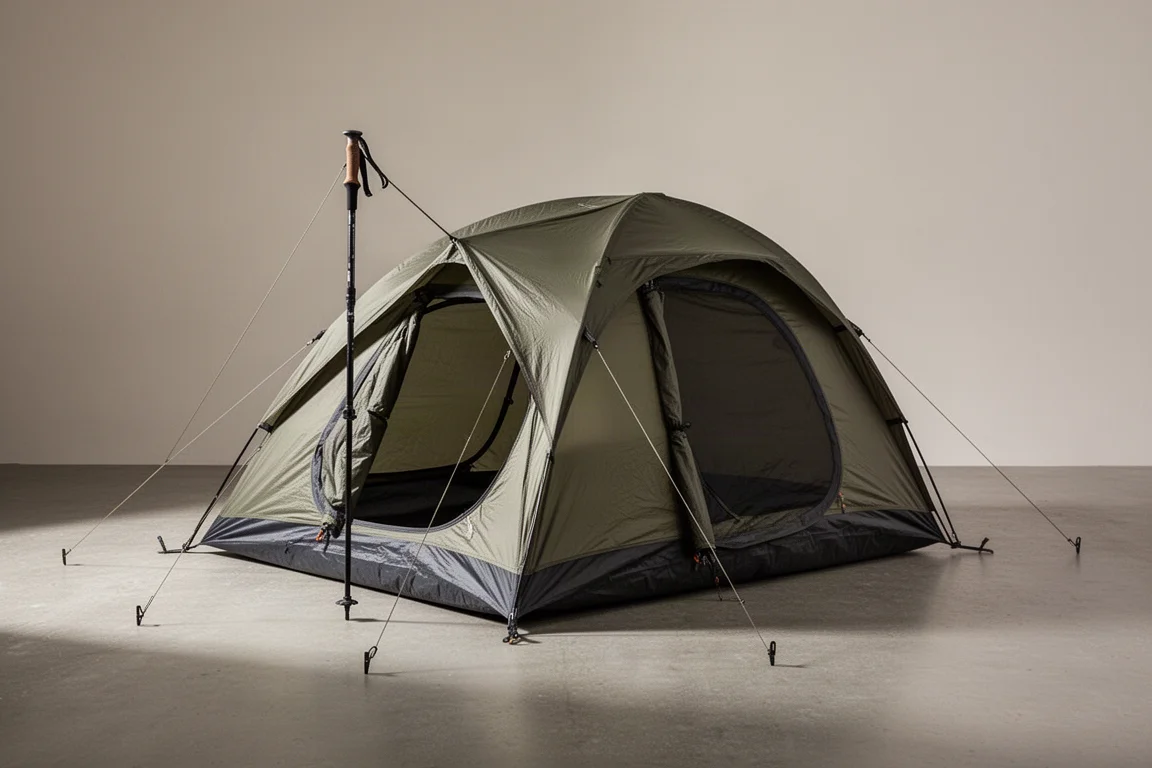
3FUL Gear Lanshan 2 Pro 4-Season Review: A Sub-$200 Single-Wall Trekking Pole Tent
An early look at the 3FUL Gear Lanshan 2 Pro 4-Season, covering its straightforward pitch, generous interior space, and the condensation and seam-sealing questions that come with any single-wall shelter.
Camping Tents
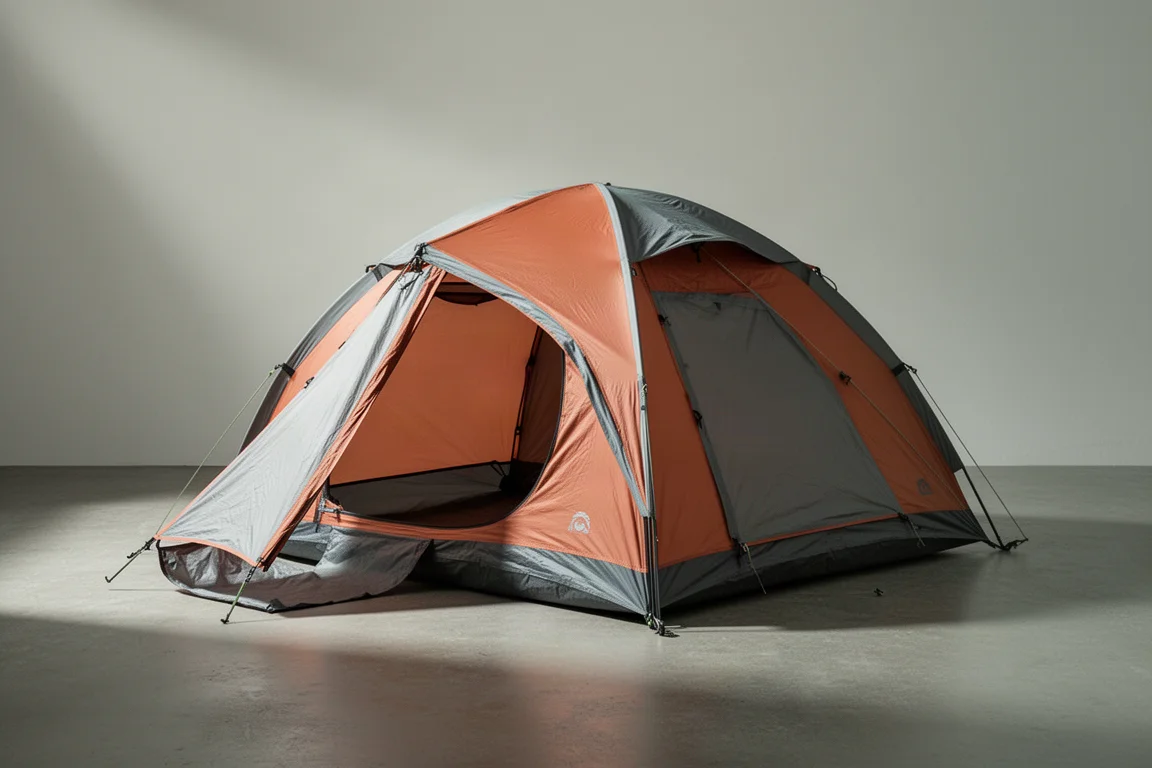
Alps Mountaineering Lynx 1-Person Tent Review: Big Value in a Small Budget Tent
A close look at the Alps Mountaineering Lynx 1-Person Tent, covering real interior dimensions, materials, setup time, ventilation limits, and who should buy it.