Camping Tents
Poler 4-Person Pop-Up Tent vs Gazelle Tent: Two Summer Shelters Compared
A practical comparison of two similarly priced warm-weather shelters, covering airflow, weight, interior space, and how the Poler 4-Person Pop-Up Tent handled sustained heavy rain.
Introduction
Warm-weather camping asks two things of a shelter: it has to let air move through, and it has to pitch fast enough that you actually use it. The Poler 4-Person Pop-Up Tent and the Gazelle Tent both aim at that brief, and they sell for roughly the same money. They get there in very different ways.
This comparison looks at what each shelter does well, where each one gives something up, and which kind of camper each one genuinely suits.
How These Two Shelters Compare
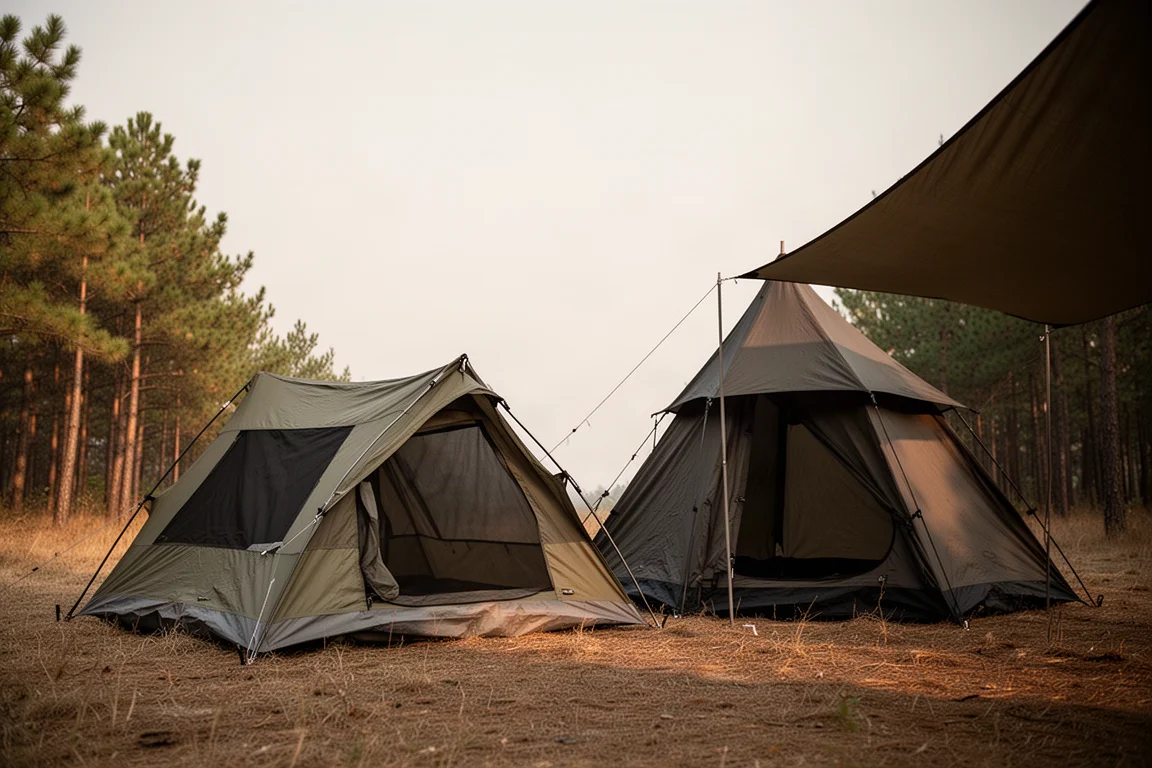
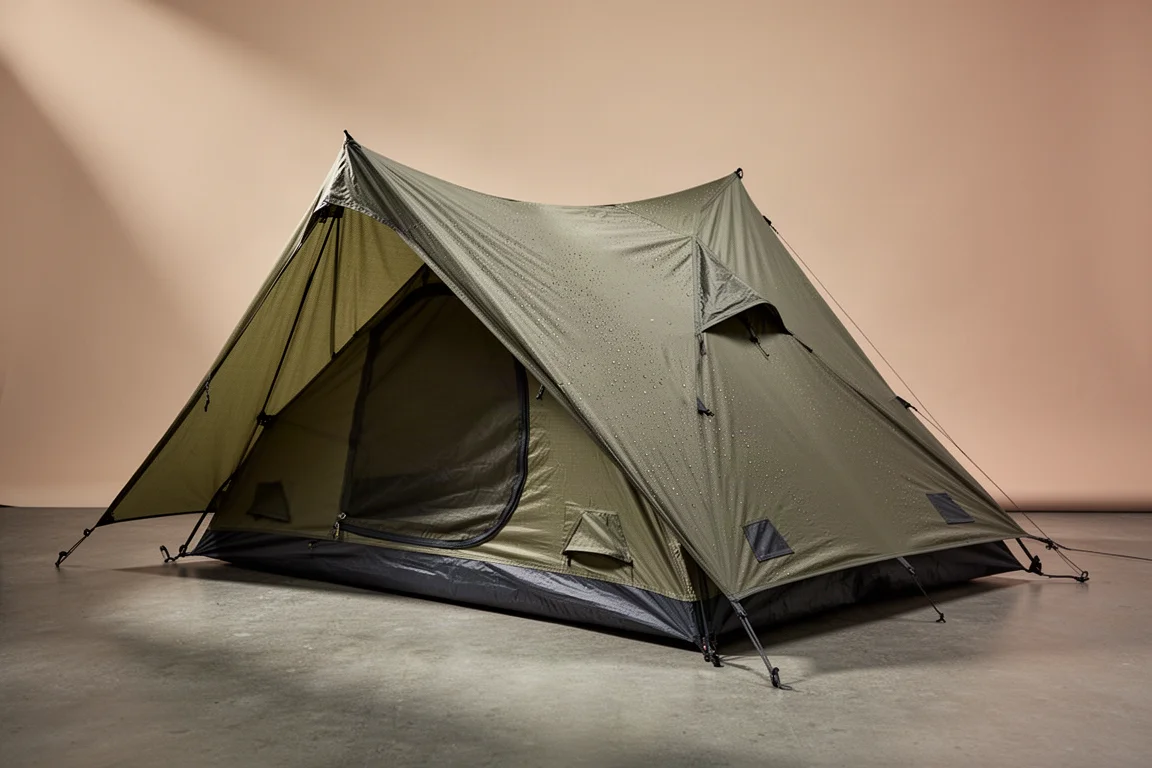
The Poler 4-Person Pop-Up Tent is a pop-up style shelter built around an A-frame profile. It has two large doors, a true double-wall construction, and a body dominated by mesh. Poler lists it as a four-person tent, and it has been on the market for around nine months. In practice, three adults sleeping side by side is the realistic figure, while two people get a genuinely spacious interior.
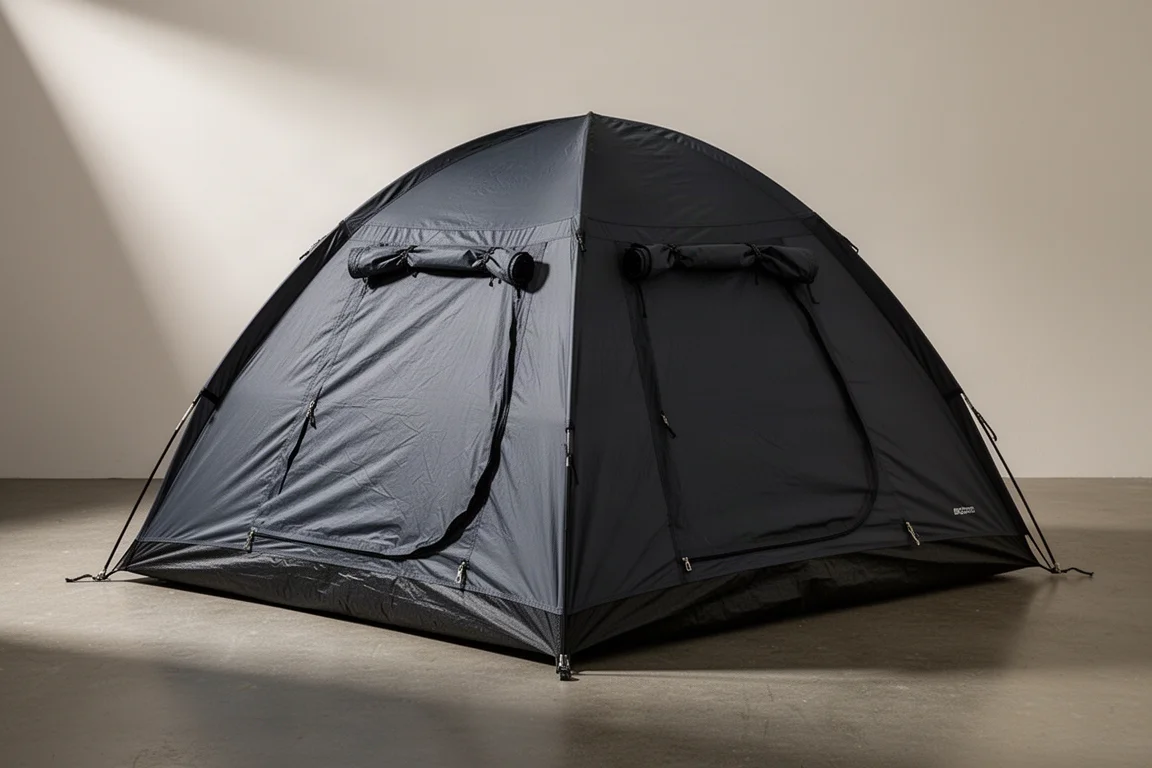
The Gazelle Tent is a three-person shelter that weighs roughly 30 pounds, more than double the Poler’s roughly 14 pounds. It uses single-wall construction rather than a double-wall system, and it has been the reference point for this style of shelter for longer.
Those two differences, wall construction and weight, shape almost everything else. A double wall paired with heavy mesh manages heat and humidity far better in warm weather, while a single-wall design saves complexity but holds warmth inside. Weight decides how far you are willing to carry the shelter from the vehicle.
Poler 4-Person Pop-Up Tent: Space, Airflow, and a Fast Pitch
Setting the Poler up took about 15 minutes on a first attempt, with no prior familiarity with the design. That is a genuinely quick pitch for a shelter of this size.
Inside, you cannot stand upright, but the height is comfortable enough to move around, change clothes, and sit up without ducking. The two doors are large, which makes loading and unloading gear much easier than the numbers suggest.
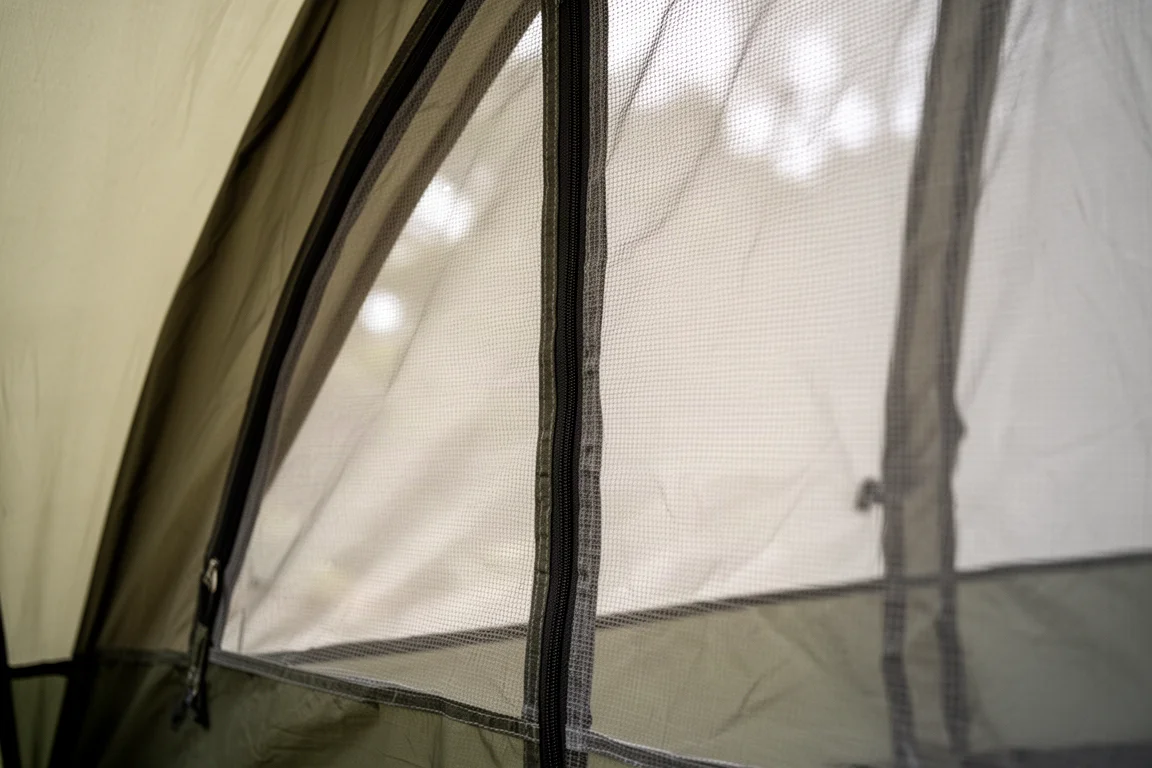
The interior is where the Poler earns its keep. Mesh panels run across the sides and both doors, and air moved through the shelter all night long. In warm, humid conditions that airflow is the difference between sleeping well and lying awake.
The trade-off is material quality. The body uses a 210 denier polyester Oxford fabric, which sits at the inexpensive end of what tent makers use. The frame and the mesh are likely the most expensive components in the build, which explains where the money went.
How the Poler Handled Heavy Rain
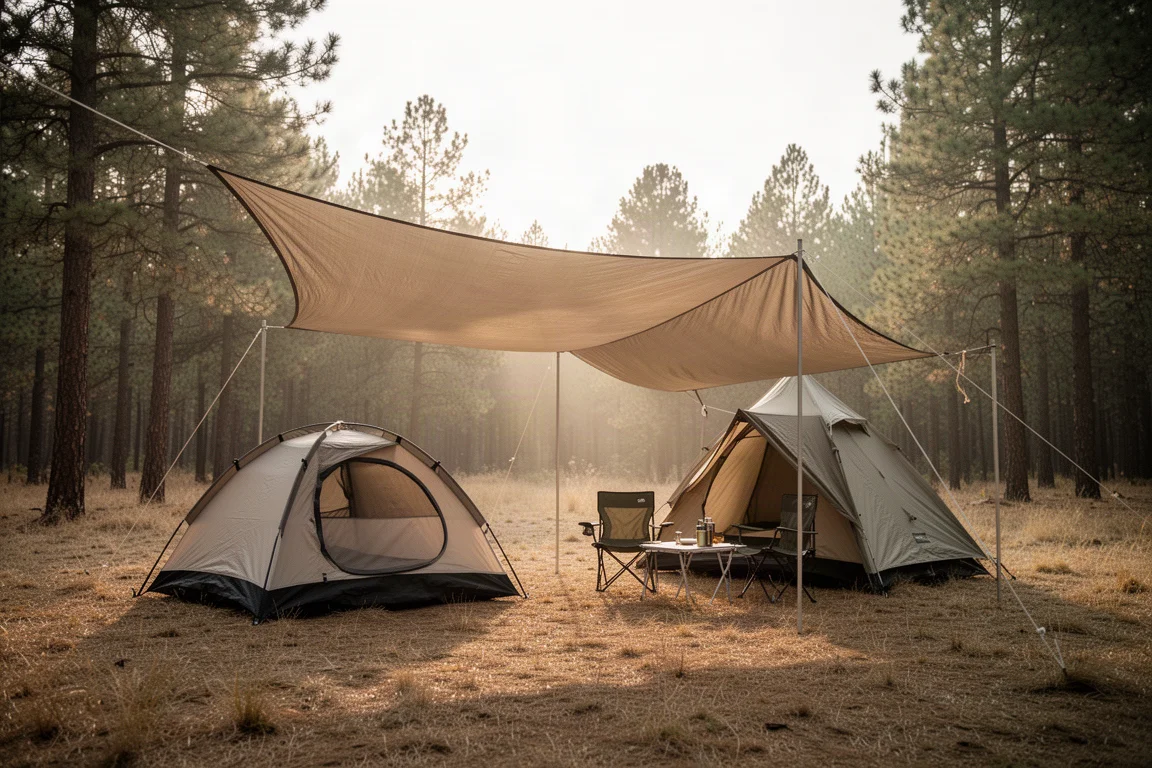
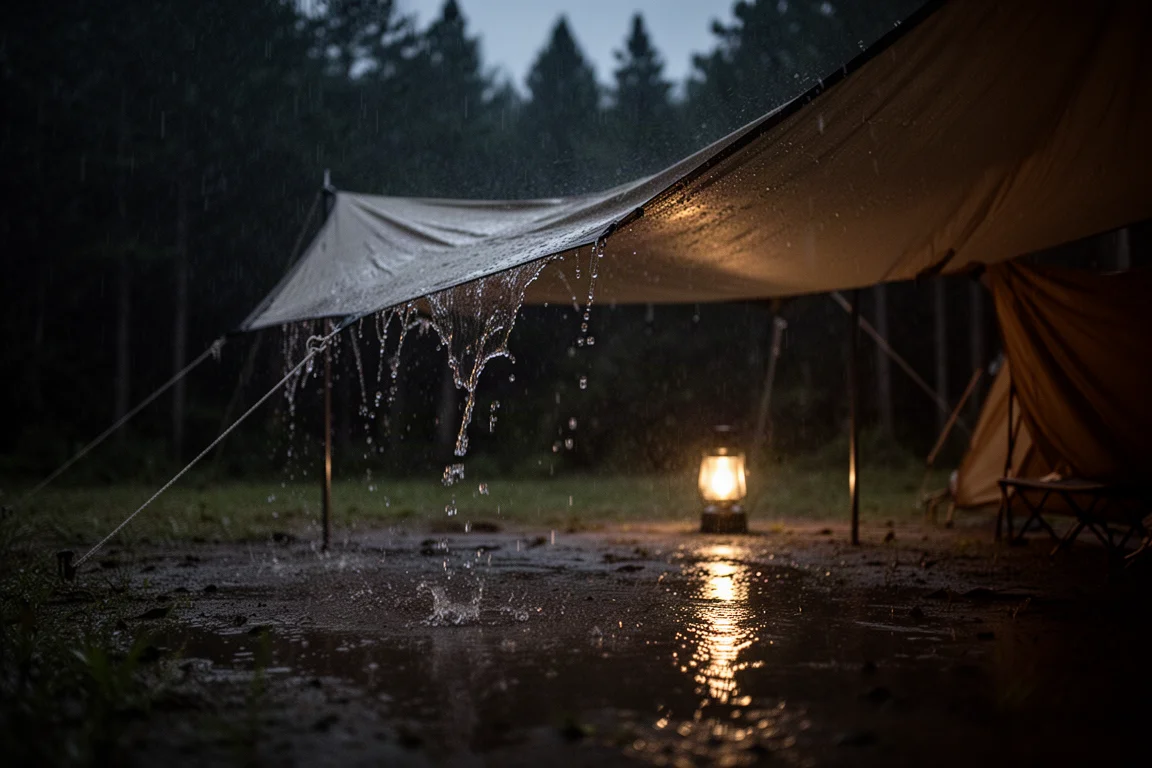
The shelter was pitched beneath a 13 by 20 foot tarp, with a second tarp rigged as a wind wall, so only a small fraction of the tent was ever exposed to the sky. Overnight rain arrived in heavy, sustained bursts and continued for several hours.
Water came through in three places: around the strap used to tie back one door, the equivalent point on the other door, and along a seam that could not be pinpointed. That is a significant result for a shelter that was almost entirely under cover.
Gazelle Tent: The Older Three-Person Alternative
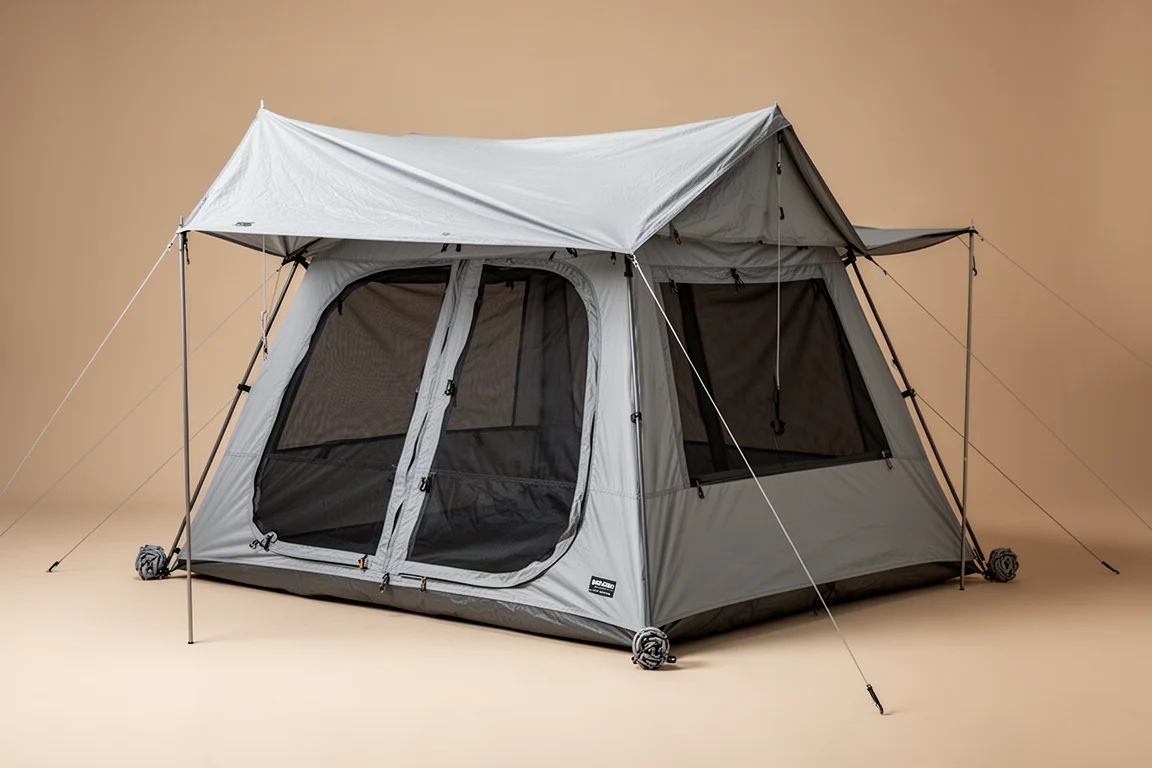
The Gazelle Tent is the shelter this category keeps getting compared against, and it is the natural reference point for the Poler. It sleeps three, weighs around 30 pounds, and uses a single-wall build.
In warm summer conditions that combination works against it. A single wall holds heat, the shelter is not bug proof, and the doors are awkward enough that getting in and out becomes a chore. For a summer shelter, those are difficult compromises at this price.
Weight is the other consideration. At roughly 30 pounds, the Gazelle is more than twice as heavy as the Poler, which matters if the shelter has to travel any distance from the car. The two cost about the same, so the lighter, better-ventilated design is the more logical starting point for warm-weather camping.
What the Build Quality Means for Buyers
Both shelters sit at the affordable end of the fabric spectrum, and the Poler’s 210 denier polyester Oxford is a clear example of that. It is a widely used, low-cost material rather than a premium one.
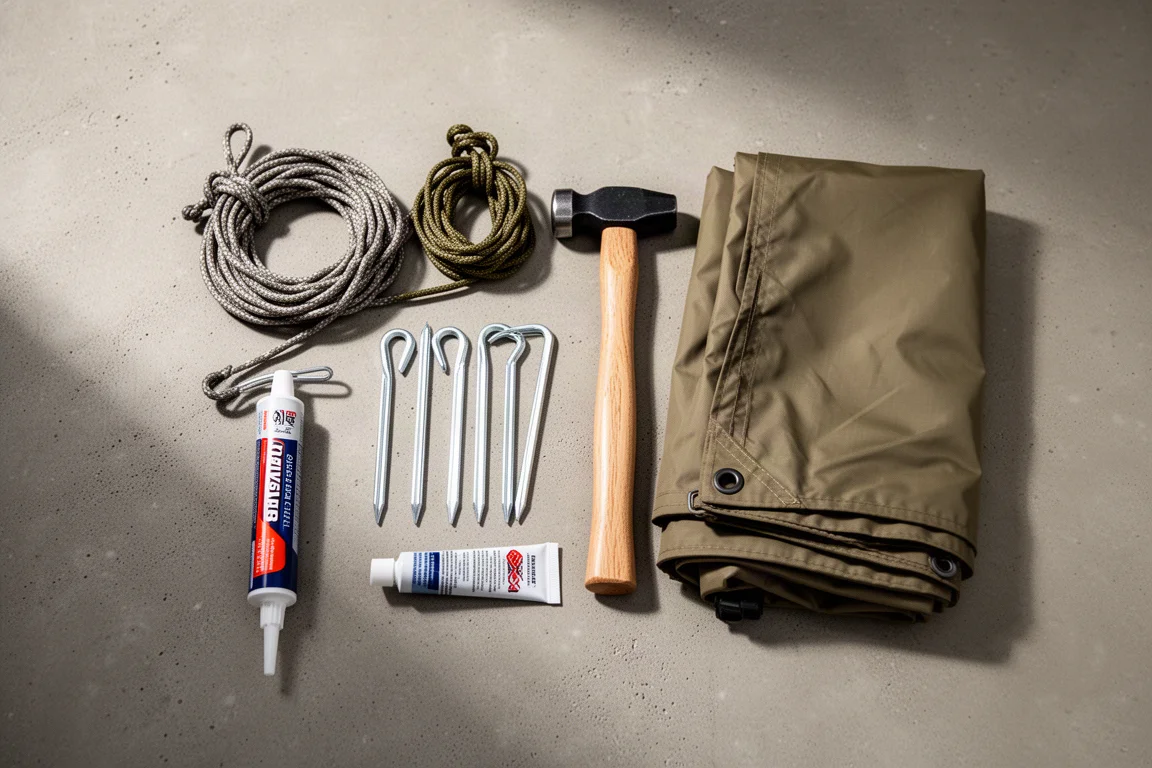
That does not automatically make a shelter a bad buy, but it does change what you should check before committing. Seams, tie-back points, and door hardware are where inexpensive builds give trouble first, and those are exactly the areas where the Poler let water through. Seam sealing the shelter is one possible remedy, though it is a fix rather than a design guarantee.
Buying Advice: Which Shelter Fits Your Trip
The Poler 4-Person Pop-Up Tent makes sense for warm, dry trips where airflow, interior space, and a fast pitch matter most. It is light for its size, easy to live with, and comfortable to sleep in when the weather is kind. If your trips regularly include sustained rain, the leak points found in this test are a real concern, and sealing the seams would be a sensible first step before relying on it in wet conditions.
The Gazelle Tent is harder to recommend for summer use. It is heavy, it runs hot, it is not bug proof, and it costs about the same as the Poler. Campers who need a three-person shelter will get more comfort from the Poler’s ventilation and lighter carry weight.
Availability is worth checking before you decide. At the time of testing, the Poler shelter was sold through the company’s own store rather than its website, with an online listing expected in the fall. If you are buying ahead of a trip, confirm stock and the return policy first, particularly if you intend to test the shelter in rain before committing to it.
Conclusion
These two shelters cost roughly the same and target the same season, but they are not equal choices. The Poler 4-Person Pop-Up Tent brings a double-wall build, extensive mesh, a quick pitch, and a much lighter carry weight, and it earns its place on warm, dry trips. The Gazelle Tent gives up weight, ventilation, and bug protection without a price advantage.
The one clear reservation on the Poler is weather performance: it leaked from three points during sustained rain despite being almost entirely under a tarp. Buy it for warm-weather comfort, and treat seam sealing and a protective tarp as part of the plan if rain is likely.
Further reading
Related Reviews
Camping Tents
3F UL Gear Taiji Two-Person Tent Review: Field Waterproofing Results and Buying Advice
The Taiji pairs an attached fly with a removable inner, but sustained rain exposed untaped vent seams that need sealing before this shelter can be trusted.
Camping Tents
3FUL Gear Lanshan 2 Pro 4-Season Review: A Sub-$200 Single-Wall Trekking Pole Tent
An early look at the 3FUL Gear Lanshan 2 Pro 4-Season, covering its straightforward pitch, generous interior space, and the condensation and seam-sealing questions that come with any single-wall shelter.
Camping Tents
Alps Mountaineering Lynx 1-Person Tent Review: Big Value in a Small Budget Tent
A close look at the Alps Mountaineering Lynx 1-Person Tent, covering real interior dimensions, materials, setup time, ventilation limits, and who should buy it.