Camping Tents
Poler 4-Person Pop-Up Tent Review: Strong Airflow, Weak Rain Protection
A lightweight pop-up tent with genuine double-wall construction and superb mesh ventilation, let down by leaking in sustained overnight rain.
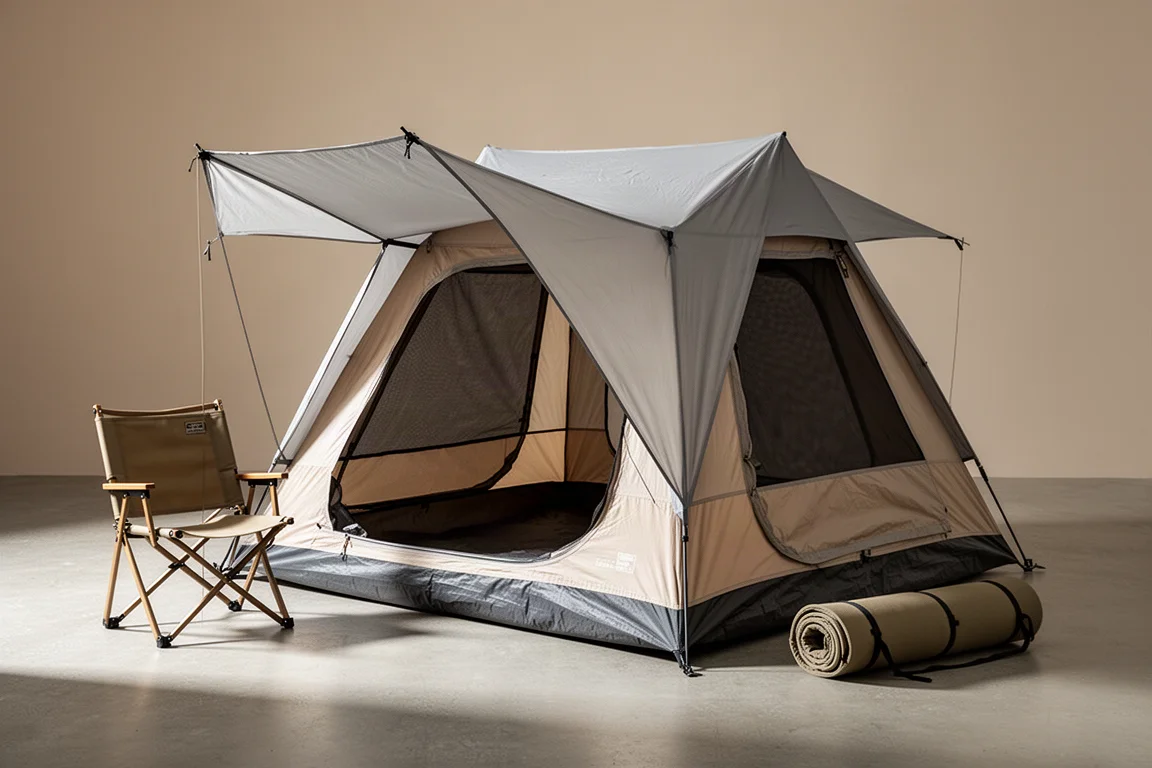
Introduction
Poler’s four-person pop-up tent is a genuinely different take on the quick-pitch shelter. It uses a true two-wall system, an A-frame profile, two large doors and an unusually generous amount of mesh, which together promise fast setup and strong airflow on warm, humid days. At roughly 14 pounds it is also considerably lighter than many comparable quick-pitch tents.
It is not, however, a tent without caveats. It has been on the market for roughly nine months, it sells for around $300, and in sustained overnight rain it let water in through several points. This review covers what it does well, where it struggles, and who should consider it anyway.

That combination of clear strengths and one significant weakness is what makes the tent worth a careful look rather than a blanket recommendation. The sections below break down the setup experience, the interior, the weather performance and the buying case.
Who This Tent Is For
Poler markets this as a four-person tent. In practice it is closer to a three-person shelter. Three adults can sleep inside without fighting for room, and for two people the interior feels genuinely spacious, with enough space to sit up, change clothes and move in and out through either door without a struggle.
You cannot stand upright inside, but the headroom is adequate for seated use and for getting dressed. The design suits warm-weather camping, car camping and campsites where overhead cover such as a large tarp is already part of the setup. Anyone who expects to face long, wind-driven rain should weigh the waterproofing findings below very carefully before ordering.
Main Strengths: Setup, Space, and Airflow
Setup is the tent’s headline strength. Pitching it took about 15 minutes from arrival, and the pop-up frame combined with the A-frame geometry keeps the process simple rather than fiddly. Two large doors make access easy from either side, and the door openings are wide enough to move gear in and out without gymnastics.
The ventilation is the other standout. Mesh panels cover both doors and a substantial portion of the sides, so air moves through the tent freely even on a muggy day. Because the tent is double-walled, with an inner mesh body and a separate fly, it manages airflow and condensation better than single-wall designs of a similar size.

Interior volume is generous for the footprint. The combination of two doors and extensive mesh makes the shelter feel larger than its dimensions suggest, and the light weight of roughly 14 pounds keeps it manageable for a tent of this size. For two campers it is roomy enough to live in comfortably rather than simply sleep in.
How It Held Up in Overnight Rain
This is where the tent ran into trouble. It was pitched beneath a large tarp that covered the vast majority of its footprint, and the fly was fitted before the weather arrived. Despite that, water entered in three separate locations during hours of heavy rain: at both door tie-back points, where corded loops run through the fabric, and along a seam that could not be pinpointed precisely.
Earlier light drizzle had been handled without incident, and the interior stayed well ventilated throughout. The problems appeared only once the rainfall became torrential and wind-driven. Even so, the leaks were significant enough to disturb sleep, and they occurred on a tent that was almost entirely shielded from direct rainfall.
The fly kept most of the canopy dry and the frame stayed stable, so this is not a structural failure. It is a sealing failure, and it is the single issue that should shape any purchase decision.
Materials and Build Quality
The shell is a 210 polyester Oxford fabric, a lightweight and inexpensive material that is common on budget-oriented tents. The frame and the mesh appear to be the more substantial parts of the build, and the mesh coverage in particular is generous. The zippers are not clearly branded.

The practical trade-off is straightforward. A lighter, cheaper shell helps keep the total weight down to roughly 14 pounds, but it also means the tent leans heavily on taped seams and a well-sealed fly to stay dry. Owners willing to seam seal the tent may reduce the leaking, though sealing is a remedy rather than a guarantee.
Availability and Price
At around $300, the tent sits in the upper part of the quick-pitch market. Availability has been limited: at the time of writing the tent was sold through the brand’s own retail store, with the company indicating that it would be offered through its website in the fall.
That narrow availability matters for two reasons. First, it makes it harder to compare the tent side by side with alternatives. Second, it puts more weight on the retailer’s return policy, which is worth confirming before you commit, especially given the weather performance described above.
Buying Advice
If you camp in dry, warm conditions and value fast setup, strong airflow and a roomy interior for two or three people, this tent has real appeal. The double-wall design and the extensive mesh are meaningful advantages on hot, sticky nights, and the 14-pound weight is easy to live with.
If your trips regularly involve sustained rain, the waterproofing results are hard to overlook at this price. Seam sealing the fly and the door attachment points is a reasonable step if you already own the tent, and pairing it with an overhead tarp and a windbreak wall adds useful protection. Neither measure turns it into a storm-ready shelter, though.

For most buyers the decision comes down to climate and expectations. In a reliably dry region this is an interesting, lightweight, quick-pitching shelter with excellent ventilation. Where rain is a regular companion, the same tent becomes a gamble, and a return plan should be part of the purchase.
Conclusion
Poler’s four-person pop-up tent gets the fundamentals right: simple setup, generous mesh, a genuine two-wall design and a light carry weight for its size. It falls short in the one area a tent can least afford to fail, which is keeping heavy rain outside. Campers in warm, dry climates have a compelling option here. Everyone else should proceed with clear expectations, a realistic view of the materials, and confirmation of the return policy before ordering.
Product link
View more details for Poler 4-Person Pop-Up Tent
This product is mentioned in the review. Check the specifications, options, and compatibility before buying.
View more details for Poler 4-Person Pop-Up TentFurther reading
Related Reviews
Camping Tents
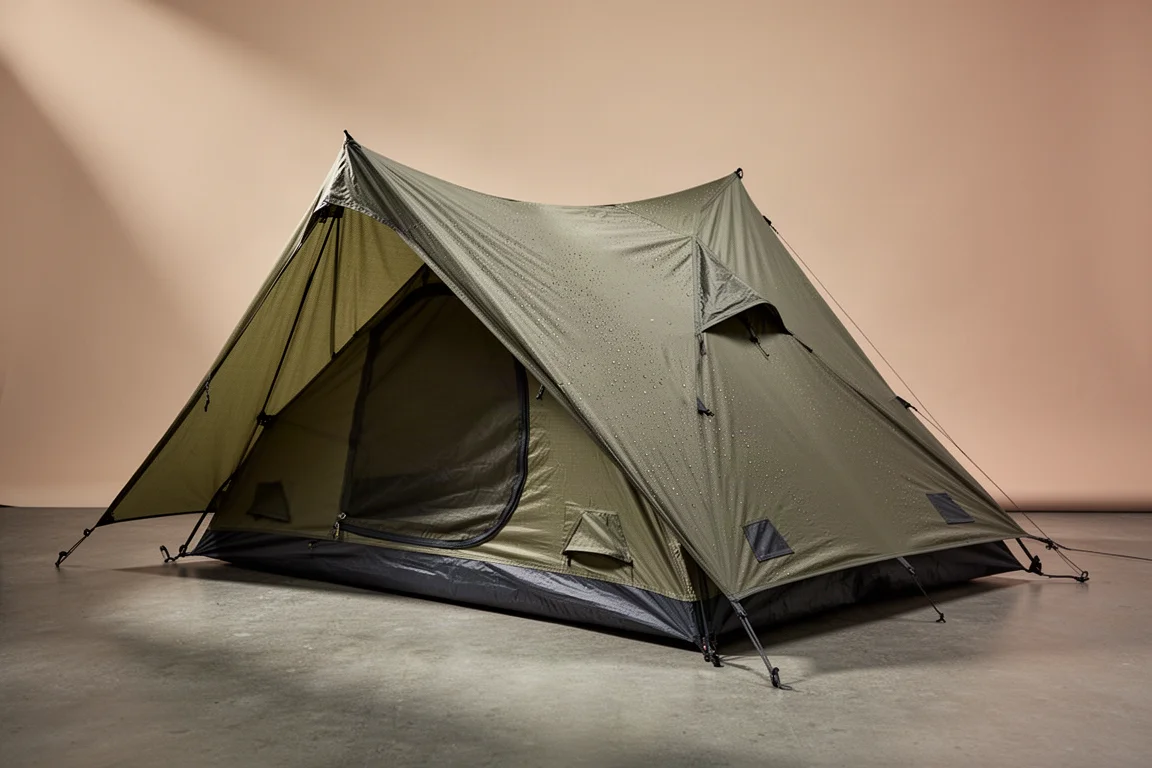
3F UL Gear Taiji Two-Person Tent Review: Field Waterproofing Results and Buying Advice
The Taiji pairs an attached fly with a removable inner, but sustained rain exposed untaped vent seams that need sealing before this shelter can be trusted.
Camping Tents
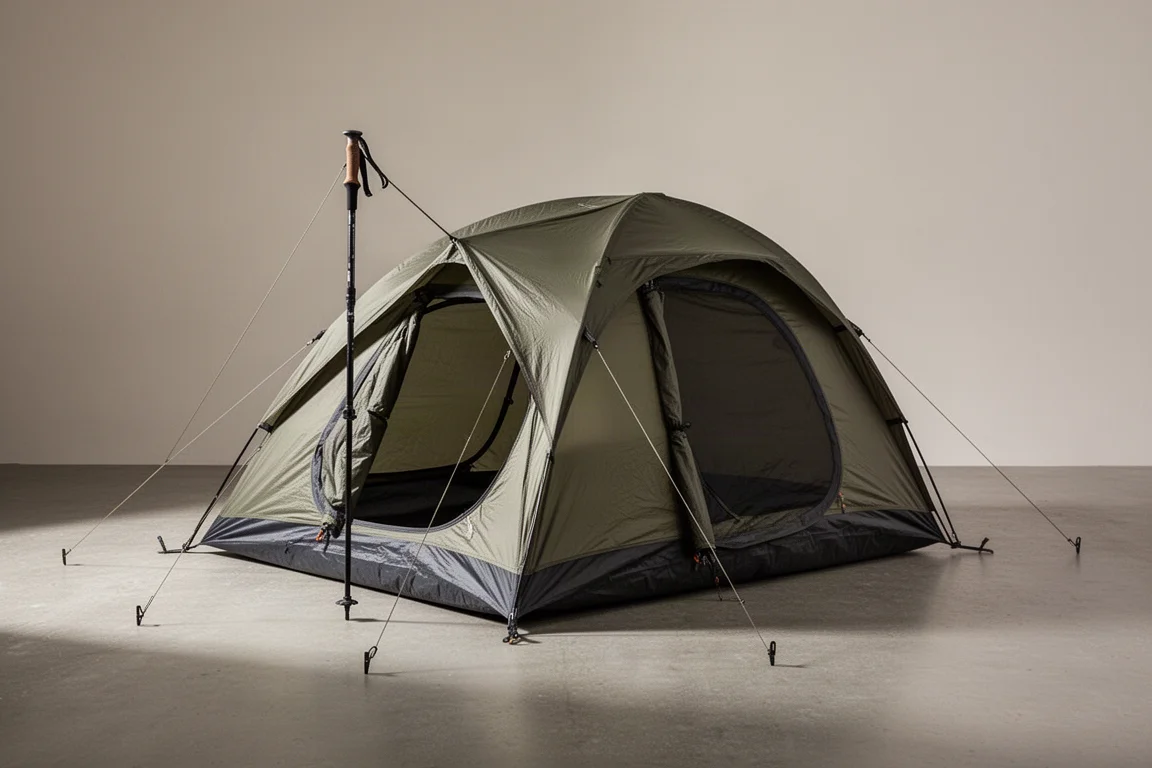
3FUL Gear Lanshan 2 Pro 4-Season Review: A Sub-$200 Single-Wall Trekking Pole Tent
An early look at the 3FUL Gear Lanshan 2 Pro 4-Season, covering its straightforward pitch, generous interior space, and the condensation and seam-sealing questions that come with any single-wall shelter.
Camping Tents
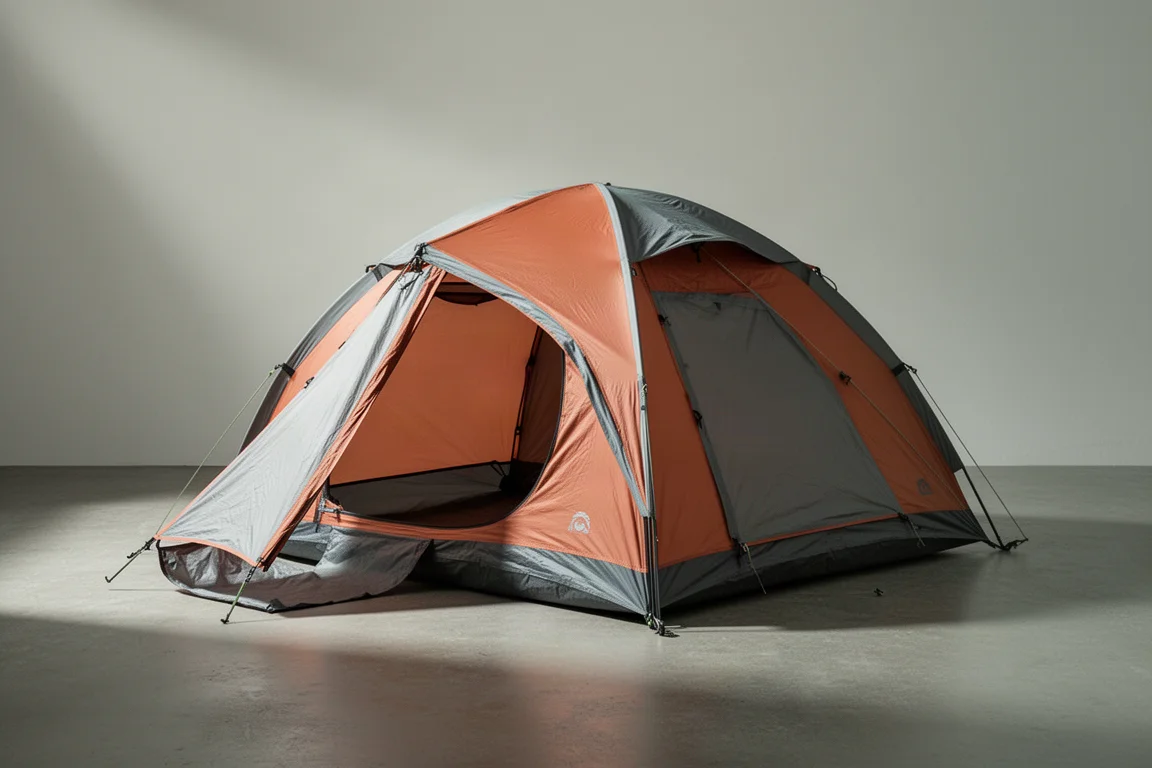
Alps Mountaineering Lynx 1-Person Tent Review: Big Value in a Small Budget Tent
A close look at the Alps Mountaineering Lynx 1-Person Tent, covering real interior dimensions, materials, setup time, ventilation limits, and who should buy it.