Camera Reviews
Polaroid I2 Instant Camera Review: Manual Control Meets Instant Film
The Polaroid I2 brings autofocus and exposure control to instant film photography, combining creative flexibility with the tactile appeal of physical prints.
Introduction
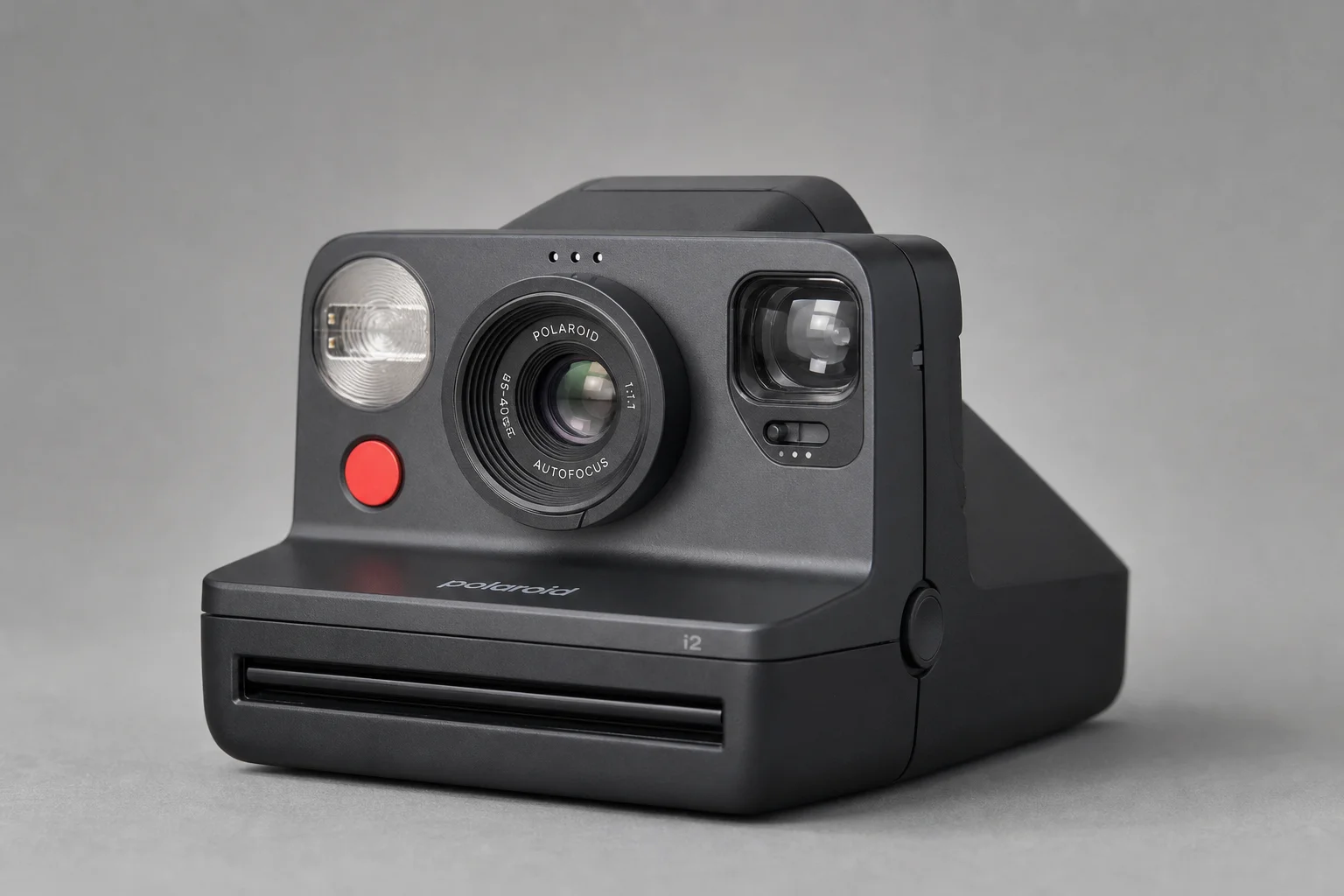
The Polaroid I2 represents a significant shift in instant film camera design. For the first time on a Polaroid camera, this model introduces autofocus, manual exposure control, and aperture/shutter priority modes, bringing creative flexibility to a format traditionally known for point-and-shoot simplicity. The camera uses Polaroid’s classic square instant film format, producing prints larger than standard 35mm equivalent but smaller than traditional medium format, creating a distinctive visual presence.
Design and Build Quality
The I2 feels like a purposeful tool despite its plastic construction. The body is lightweight enough to slip into a camera bag without significant weight penalty, making it practical for travel or everyday carry. The rear LCD screen is modest in size but displays all essential information: battery status, frame counter, and exposure settings. A USB-C charging port handles the internal battery, eliminating the need for disposable batteries.

The most distinctive design element is the large red shutter button on the front, which immediately signals the camera’s primary function. The overall aesthetic balances modern functionality with Polaroid’s heritage design language, making it visually appealing whether or not it becomes your primary camera.
Autofocus and Viewfinder Experience
The I2’s autofocus system represents the biggest technical leap from previous Polaroid cameras. Rather than relying on fixed focus, close-up lens attachments, or ultrasonic autofocus, the I2 uses LiDAR technology for precise distance measurement. Half-pressing the shutter button triggers autofocus, and the viewfinder displays real-time distance information at the bottom, allowing you to confirm focus before taking the shot.
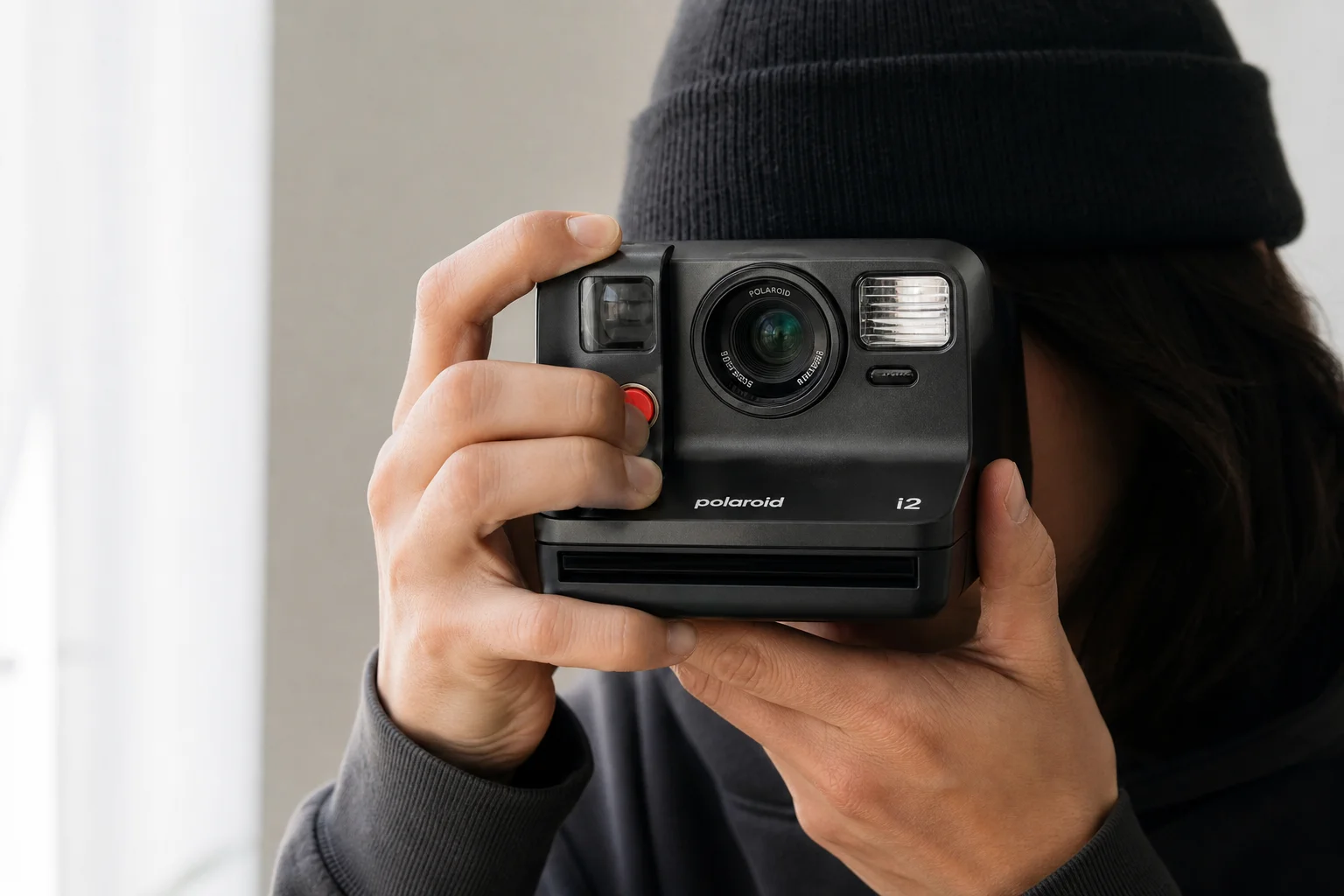
The minimum focusing distance of 40 centimeters makes close-up work and selfies practical. The autofocus mechanism is audible and visible through the lens as it adjusts focus, though it is not instantaneous. In real-world use with moving subjects, such as photographing a child learning to ride a bike, the system performed reliably without missing critical moments.
The viewfinder itself requires careful eye placement to see the full frame, particularly if wearing glasses. The frame lines indicate different focus zones: the outer frame for infinity focus, the inner frame for close-up work, and the space between for intermediate distances. This design is functional but demands more precision than typical camera viewfinders.
Exposure Control and Manual Modes
The I2 offers four exposure modes: fully automatic, aperture priority, shutter priority, and manual. This flexibility is unprecedented on a Polaroid camera and opens creative possibilities for experienced photographers.
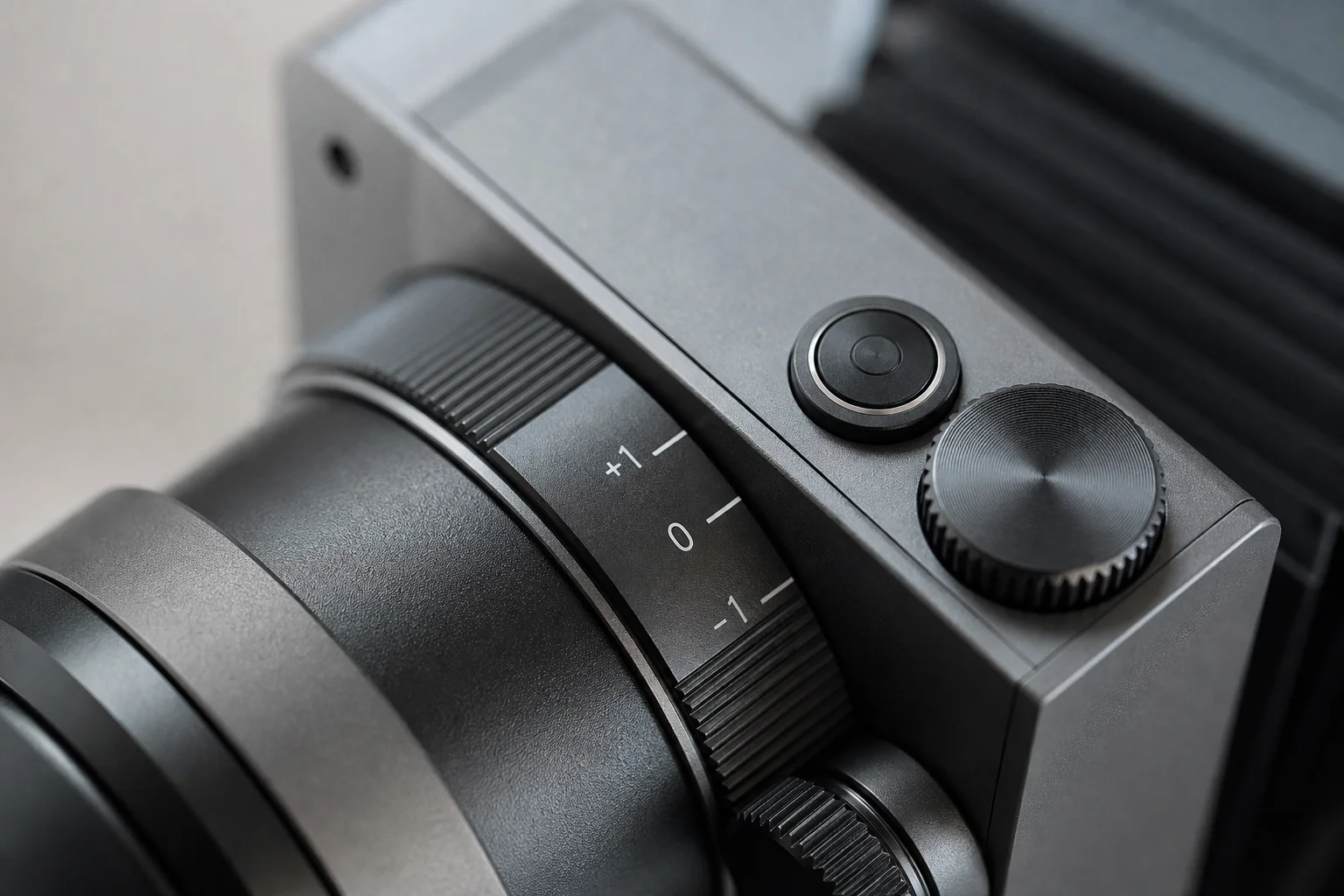
Control is minimal and intuitive. An exposure compensation dial around the lens barrel adjusts exposure in automatic mode. A second dial switches between aperture and shutter speed settings in priority modes, with a mode button toggling between the two parameters in manual mode. A dedicated power button, mode button, and flash button complete the control layout.
The lens is fixed at f/8, which might seem limiting, but the large film format and 98-millimeter focal length (equivalent to 38mm on 35mm film) produce noticeable shallow depth of field even at f/8. At the closest focusing distance of 40 centimeters, the depth of field effect rivals that of an f/2.8 lens on a standard 35mm camera.
Film Compatibility and Shutter Speed
The I2 works with Polaroid’s instant film, which comes in ISO 640 and ISO 160 variants. The camera’s maximum shutter speed is 1/250 second, and the aperture ranges from f/8 to f/64. With ISO 640 film in daylight, f/8 at 1/250 second can result in overexposure, making aperture priority mode with smaller apertures or shutter priority mode essential for bright conditions. ISO 160 film (such as SX70 stock) offers more flexibility in daylight without requiring neutral density filtering.
The 98-millimeter focal length is slightly wider than a standard lens, avoiding the tight framing of longer focal lengths while remaining versatile for portraiture, landscapes, and documentary work.
Optical Performance and Depth of Field
The plastic lens is not critically sharp, but it is not soft or diffuse either. At f/11, sharpness improves noticeably, though at slower shutter speeds, camera shake becomes a concern unless you use the app-based remote shooting feature. For a Polaroid camera, pixel-level sharpness is not the primary goal; the format prioritizes the tactile, immediate experience of instant film over technical perfection.

The shallow depth of field at close distances is one of the I2’s most appealing optical characteristics, allowing you to isolate subjects and create images with a three-dimensional quality that belies the fixed aperture.
Price and Value Proposition
At approximately 600 pounds or dollars, the I2 sits between refurbished SX70 models and vintage SLR 670 cameras in the used market. For a new camera with modern autofocus, multiple exposure modes, and USB-C charging, the price is reasonable when weighed against the creative flexibility and convenience it offers. The autofocus system alone justifies the cost for photographers who want accurate focus at close distances without the trial-and-error of fixed-focus or manual focusing.
Conclusion
The Polaroid I2 successfully bridges instant film photography and creative control. The autofocus system is the standout feature, offering reliable focus at close distances without the limitations of previous Polaroid designs. Manual exposure modes add flexibility for photographers who want to push the format creatively. The camera appeals to a broad audience, from casual users seeking instant gratification to photography enthusiasts exploring the aesthetic and tactile qualities of instant film. If you value the physical immediacy of instant prints and want a camera that does not demand constant technical fussing, the I2 is a compelling choice.
Product link
View more details for Polaroid I2
This product is mentioned in the review. Check the specifications, options, and compatibility before buying.
View more details for Polaroid I2Further reading
Related Reviews
Camera Reviews
Best Budget Full-Frame Cameras for Video: Four Strong Options Compared
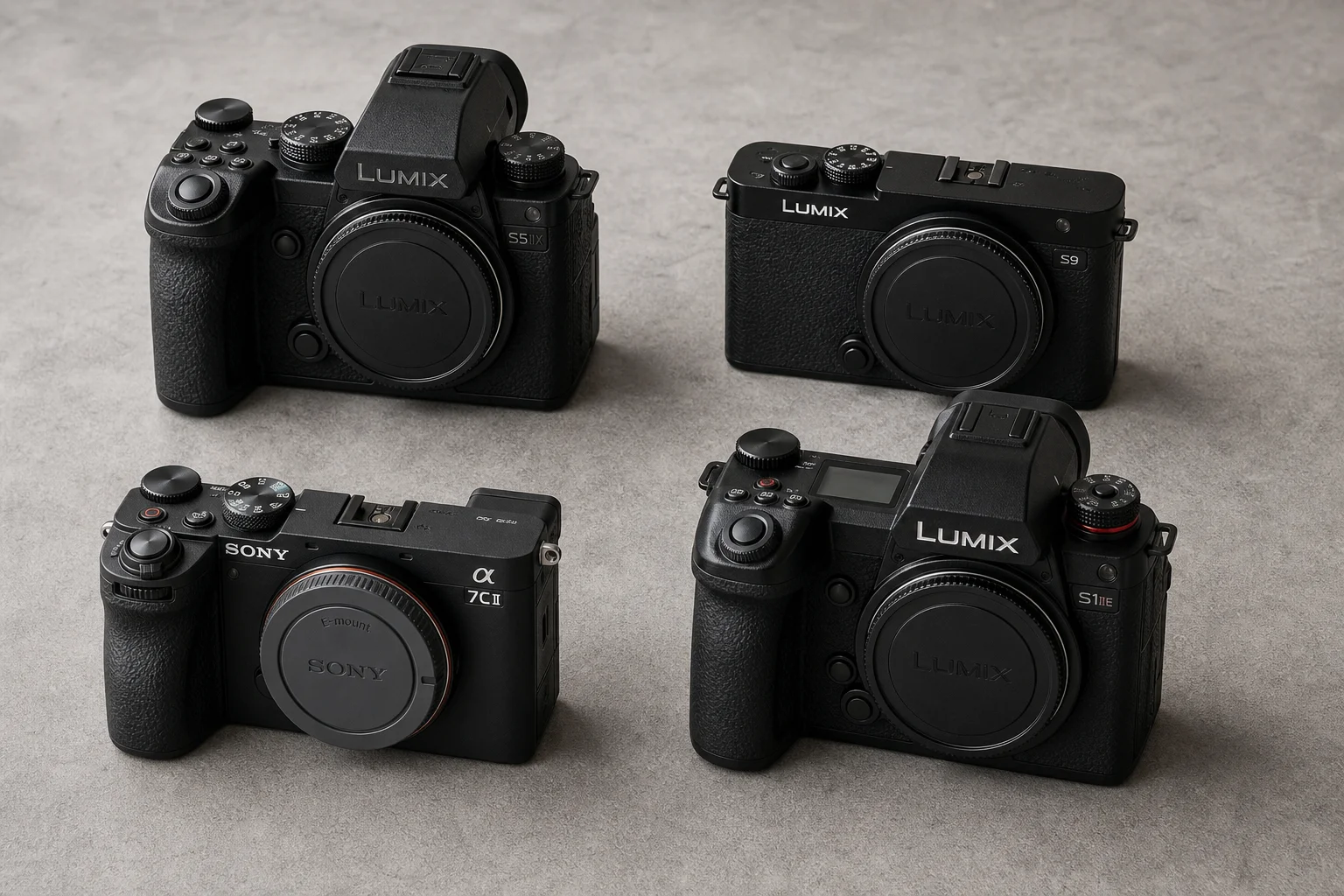
Four full-frame cameras that deliver excellent video capabilities without premium pricing. Lumix leads with unique features, while Sony offers strong autofocus for hybrid shooters.
Camera Reviews
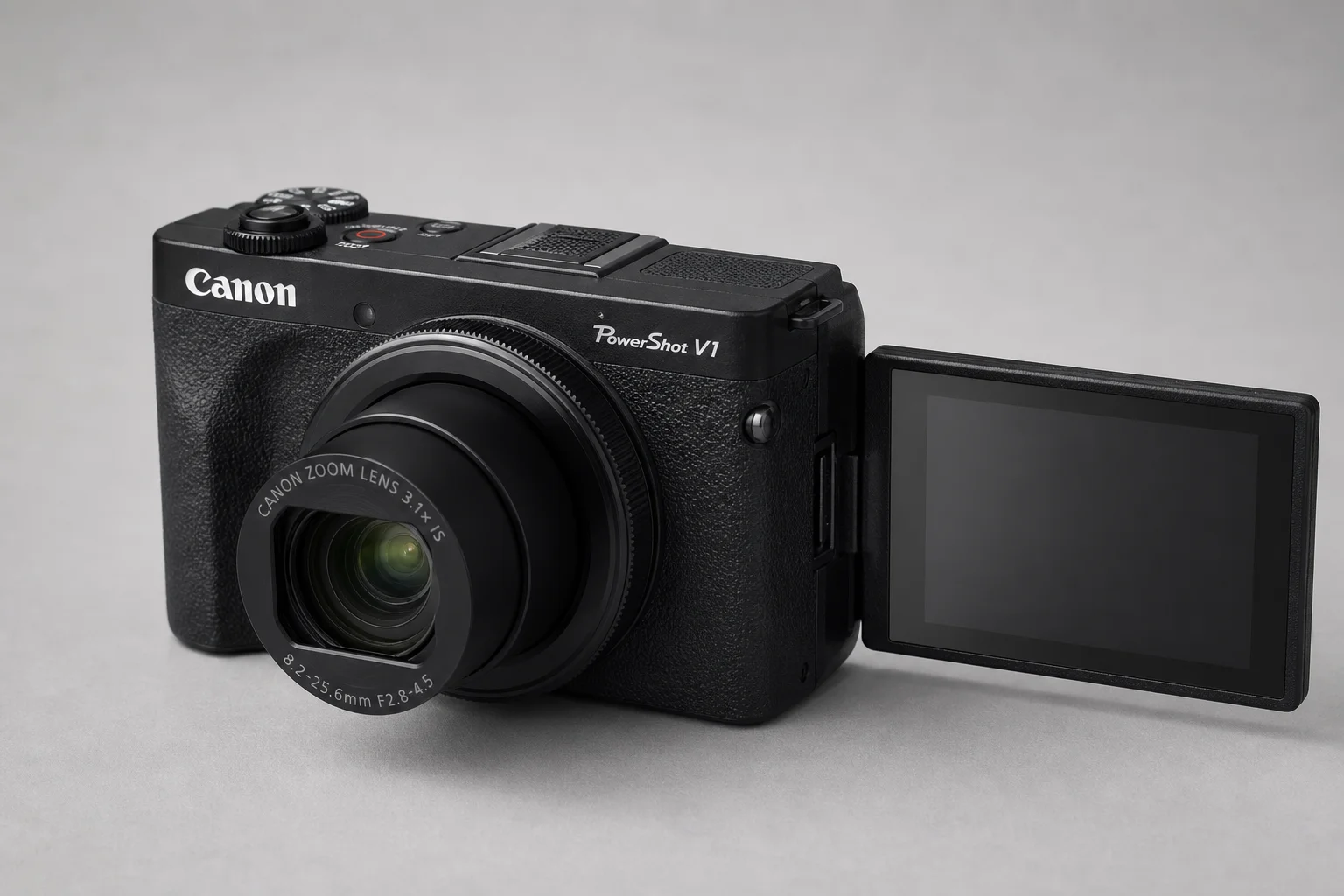
Canon PowerShot V1 Review: A Serious Vlogging Camera with Real Trade-offs
The Canon PowerShot V1 brings a larger sensor and optical stabilization to compact vlogging, but size, battery life, and dynamic range limitations deserve careful consideration.
Camera Reviews
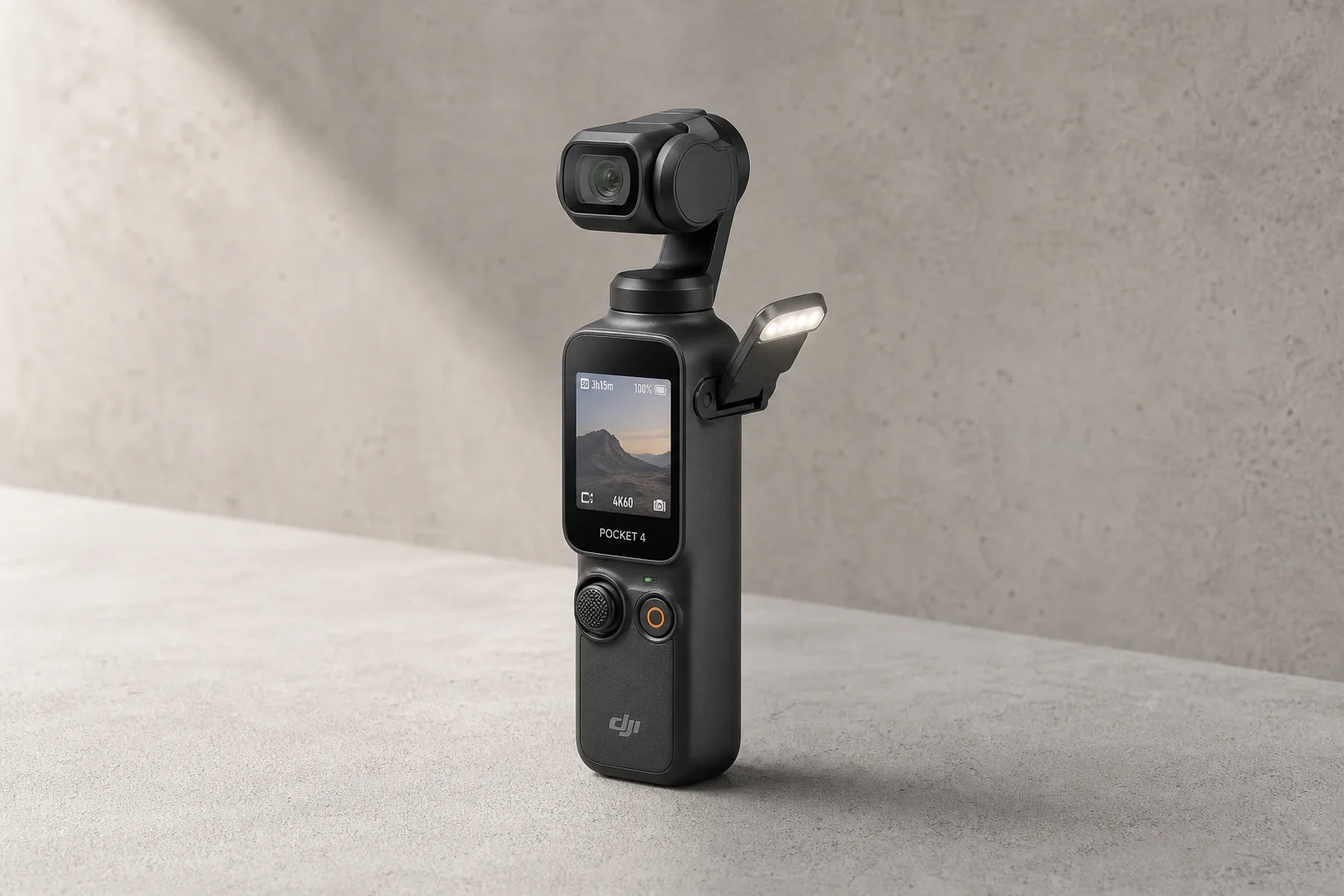
DJI Pocket 4 Review: Compact Gimbal Camera with 1-Inch Sensor and Fill Light
The DJI Pocket 4 brings a 37-megapixel 1-inch sensor, built-in fill light, 4K 240fps video, and 107GB internal storage to a single-handed stabilised camera. A detailed look at what's new and what remains unchanged.