Fitness Trackers
Polar Loop vs Polar 360 vs Whoop MG: Screenless Fitness Bands Compared
Polar finally takes on Whoop with the Loop. We compare it with its business sibling, the Polar 360, and the Whoop MG on price, tracking, and training load.
Introduction
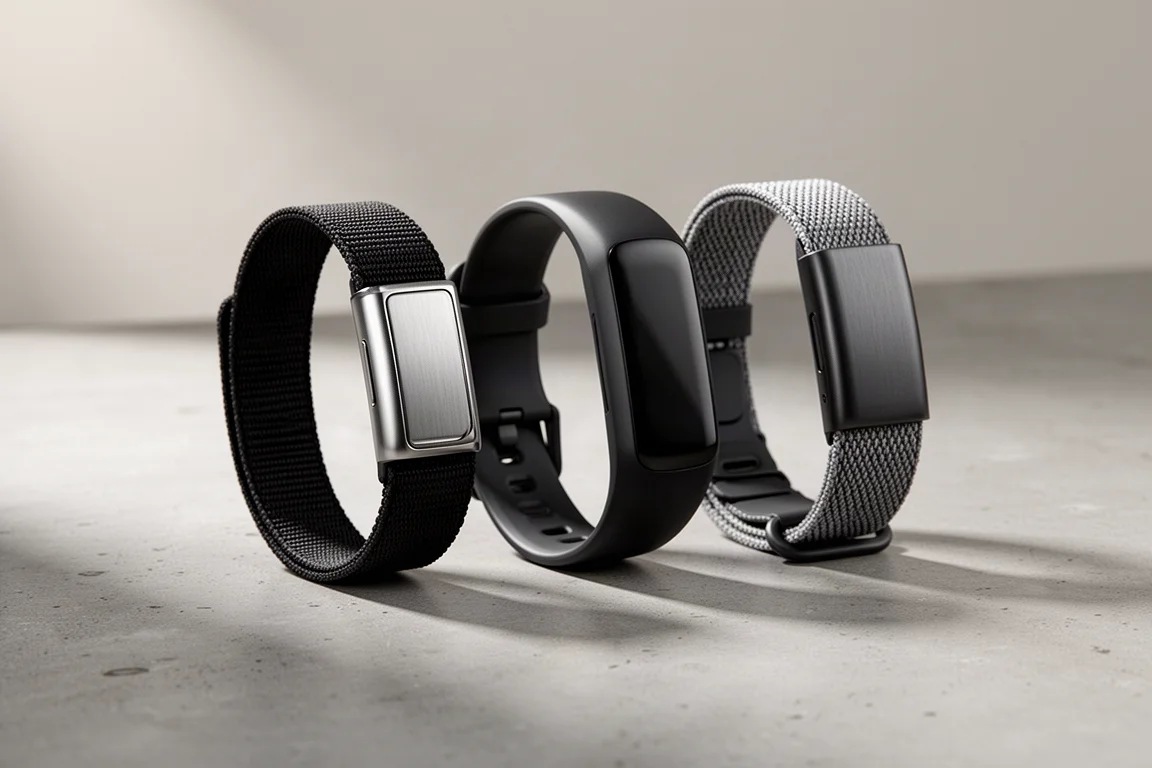
Polar has finally answered the request many riders and athletes have been making for years: a screenless subscription-free band aimed squarely at the Whoop category. The new Polar Loop follows the Polar 360, a band Polar introduced about a year and a half earlier for business use cases, and it inherits the same internals, sensor, and platform.
This comparison walks through pricing, hardware, and software across the Polar Loop, the Polar 360, and the Whoop MG, and explains where each one makes sense today.
Pricing and What You Actually Pay
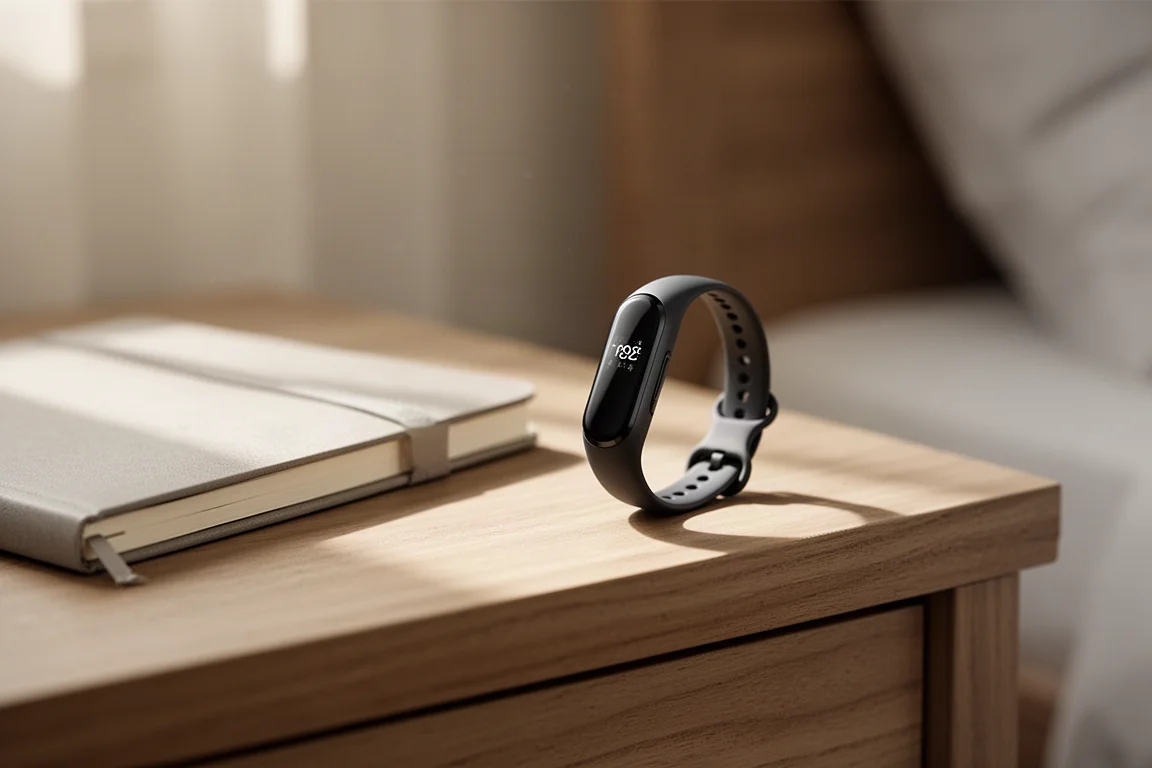
The Polar Loop launched at $199 in the US, with UK pricing of £149. Polar revised its US pricing shortly before launch, so some listings may still show the earlier figure. The headline detail is that there is no subscription fee. Everything in the Polar Flow platform that normally comes with a Polar wearable is included in the one-time price.
That is a major contrast with Whoop, which relies on a subscription that roughly runs $200 to $250 US per year. Replacement bands for the Loop cost €19 or $29, which is far more reasonable than the fabric bands offered by some competitors.
Hardware and Battery Life
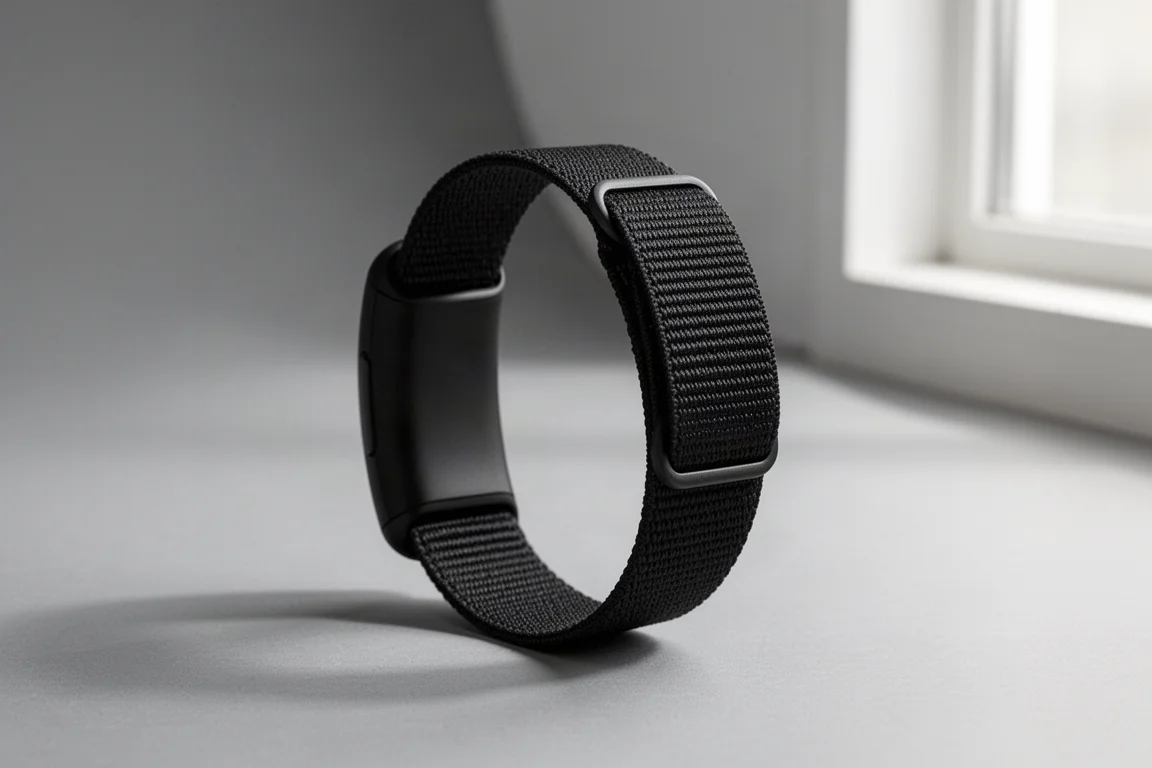
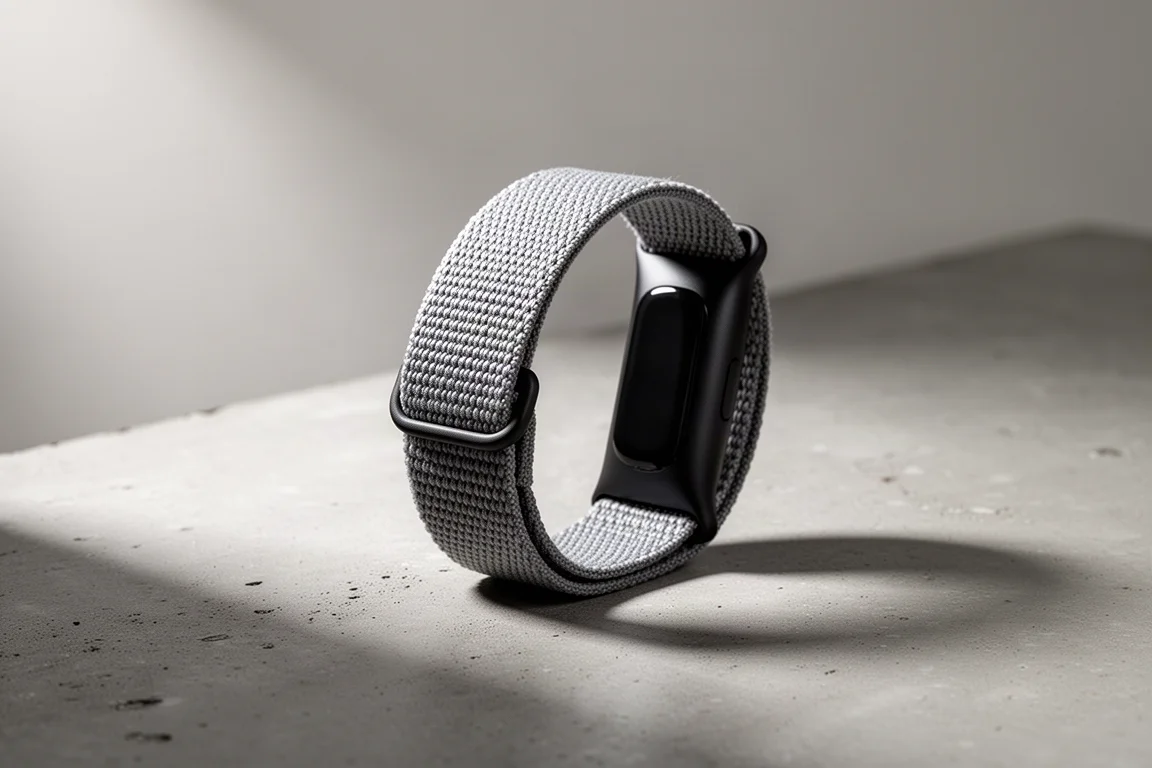
The Polar Loop uses Polar’s Precision Prime sensor and is rated for about 8 days of battery life. It is a screenless tracker with a stainless steel case and multiple color options.
The Polar 360 is functionally its identical sibling. Polar has confirmed repeatedly that the two share the exact same internals and sensor, with only two differences: the 360 has roughly 5 to 6 days of battery life (about 2 days less), and its shell is plastic rather than stainless steel, because it was designed for business use. The 360 comes in a single black color option.
Software and Daily Use
Like the Whoop, the Loop is designed to be worn and forgotten. There is no screen and no button; all data flows into the Polar Flow platform on your smartphone or the web. A paired Android or iOS device is required.
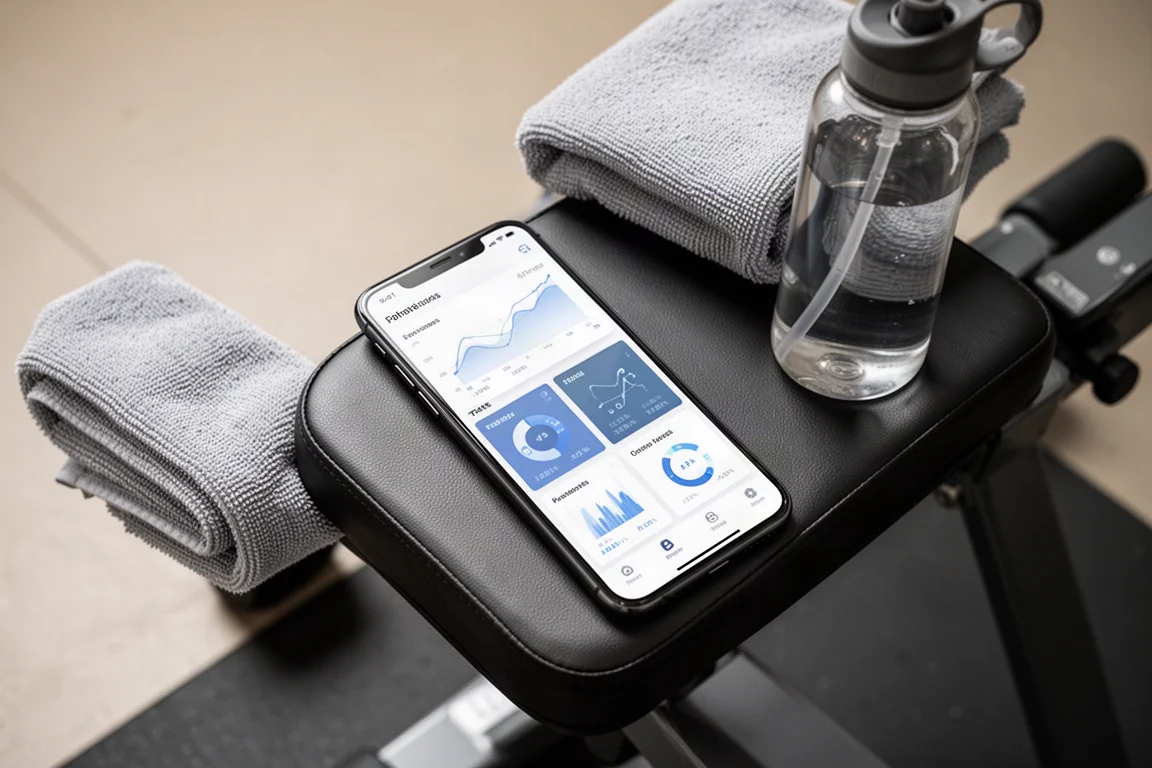
Sleep tracking has worked reliably in testing, with the full set of Polar sleep stats available on waking. Activity stats such as steps and calories are counted, though the platform remains more limited here than competitors, with only two configurable screens. Polar Flow is also getting a significant revamp in phases: a near-term reorganization that brings HRV to the front page and adds arrangeable tiles, expected by the end of the year, followed by a more ambitious redesign with customization and onboarding planned further out.
Training Tracking and Activity Detection
This is where the biggest differences show up. With no buttons, the Loop starts sessions automatically based on heart rate, controlled by a training intensity slider. When it works, a run or ride is captured as a workout, though everything is categorized generically as indoor rather than by sport.

In real use, automatic detection has been inconsistent: runs started late or ran long, and long descents ended the recorded session entirely. Polar attributed some of this to a firmware mistake and promised improvements, but even if timing improves, activity types remain generic. A missed workout also contributes nothing to training load or strain and cannot be added after the fact.
By contrast, the Whoop MG detects activities down to the minute with the correct sport type, captures elevated background heart rate even when a session is missed, and lets you manually create workouts afterward. Polar does use a standard, industry-common training load calculation rather than Whoop’s unusual capped approach, and heart rate accuracy looks spot-on against a chest strap. You can also start defined sessions manually from the phone, including GPS for outdoor workouts, with syncing to Strava and other platforms.
Polar 360: Same Core, Business Focus
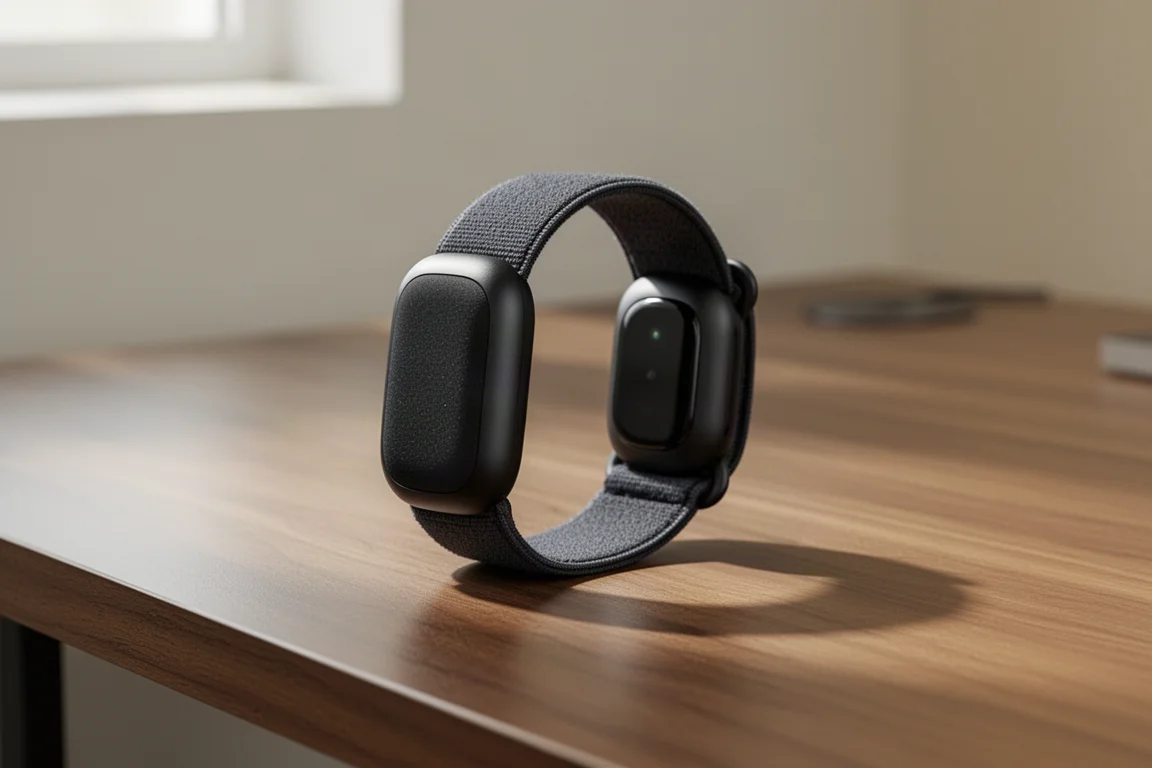
The Polar 360 delivers the same sensor, the same software experience, and the same training behavior as the Loop, in a plastic shell with about 2 days less battery life. Its single color and business-oriented positioning make it the less polished choice for most individual buyers, but it is the way to get the same platform if availability differs.
Whoop MG: The Auto-Detection Benchmark
The Whoop MG remains the strongest screenless tracker for automatic workout capture: accurate start and end times, correct sport typing, strain and training load even from missed detections, and manual workout creation that pulls in heart rate afterward. It lacks Polar’s sensible training load math and its subscription cost adds up quickly, but the wear-it-and-forget-it experience is what made Whoop successful in the first place.
Buying Advice
If you want a screenless band without a subscription, the Polar Loop is the most compelling option at $199, and its battery life, accuracy, and standard training load numbers are all strong. Its weakness is automatic activity detection, which still needs manual intervention to keep training load vaguely correct. The Polar 360 makes sense only if you want the identical platform in the business configuration.
If effortless, accurate auto-detection matters most to you, the Whoop MG still does that better than anything else, provided you accept the annual subscription. As of today, the Loop is not yet a full Whoop competitor in this respect, though if Polar fixes detection timing and workout typing, the subscription-free price could make it very successful indeed.
Conclusion
The Polar Loop is a promising, fairly priced entry into the screenless tracker category with excellent accuracy and no ongoing fees. The Polar 360 offers the same core in a plainer shell. The Whoop MG still leads on automatic activity detection and training load capture. Choose based on which matters more to you: subscription-free ownership or a truly set-and-forget tracking experience.
Further reading
Related Reviews
Fitness Trackers
Amazfit Helio Band Review: A $99 Screenless Fitness Band That Isn't a Whoop Killer (And Doesn't Need to Be)
The Helio Band delivers impressive hardware and accurate heart rate tracking for $99 with no subscription, but its software keeps it from truly competing with Whoop.
Fitness Trackers
Fitbit Air Review: A $99 Screenless Band That Challenges Whoop
After weeks of testing across running, cycling, swimming, and everyday wear, the Fitbit Air proves to be impressive hardware with a few software growing pains.
Fitness Trackers
Fitbit Charge 5 vs Garmin Vivosmart 5: Which $149 Fitness Band Should You Buy?
Two fitness bands at the same list price take very different approaches to displays, health data, and sports tracking. Here is how they compare in practice.