Fitness Trackers
Fitbit Charge 5 vs Garmin Vivosmart 5: Which $149 Fitness Band Should You Buy?
Two fitness bands at the same list price take very different approaches to displays, health data, and sports tracking. Here is how they compare in practice.
Introduction
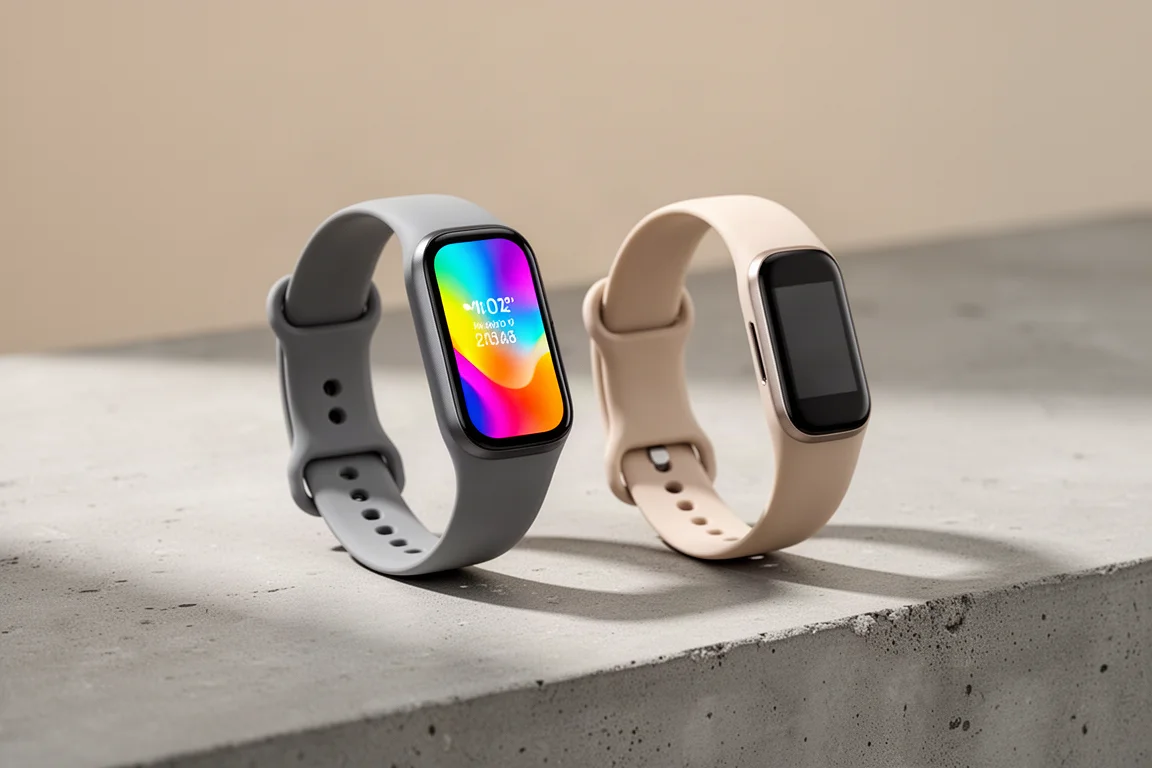
The Fitbit Charge 5 and Garmin Vivosmart 5 sit at the same list price of $149, yet they make almost opposite choices about what a fitness band should be. This comparison walks through the general basics first, then health tracking, then sports features, so you can match the differences to how you actually plan to use one.
One pricing note up front: the Charge 5 is on sale for around $129 the vast majority of the time, so practically speaking this is a contest between roughly $130 and $150.
Display and Visibility
The most immediately noticeable difference is the screen. The Charge 5 has a bright, colorful AMOLED display, while the Vivosmart 5 uses a black-and-white panel. Both are touchscreens and both swipe and respond well, but notifications, widgets, and everyday readability are clearly more pleasant on the Fitbit simply because of the color and clarity.
Outdoors the gap widens. The Charge 5 is genuinely good in bright sunlight, a big step up from earlier Charge models. The Garmin is fine indoors, but smaller workout data fields can become nearly impossible to read in direct sun because the thin text simply disappears.
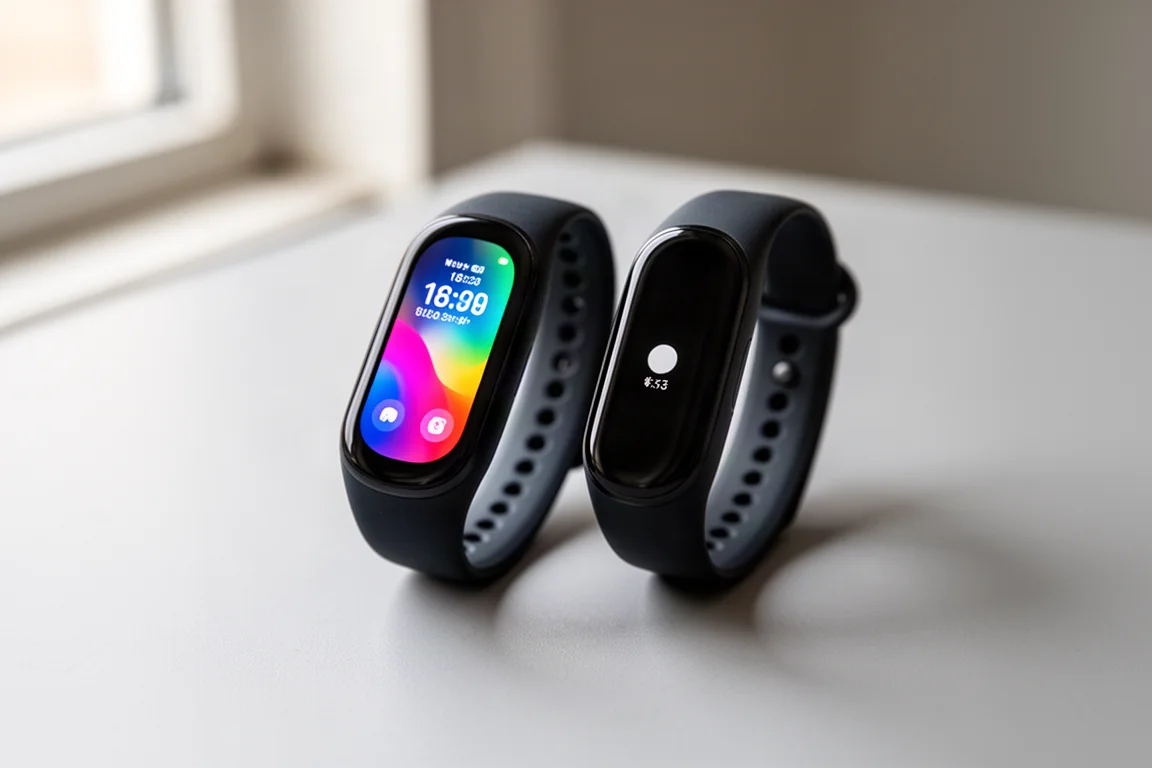
Neither display is always-on by default; both dim and turn off to conserve battery. On the Fitbit you can enable an always-on mode for a battery cost, which many will find worthwhile. The Garmin has no equivalent option here.
Battery, Bands, and Everyday Basics
Both bands claim about seven days of battery life, and that figure is described as realistic for both, though heavy workout use or the Fitbit’s always-on display will shorten it. Both also have swappable bands, which is new territory for the Vivosmart line, since earlier Garmin models had straps locked in place.
Both support Android and iOS, both show smartphone notifications (though you can clear but never reply to them on either), and both include alarms and timers.
Contactless Payments
Here is one of the clearest wins for Fitbit. The Charge 5 supports contactless payments; the Vivosmart 5 does not, despite Garmin offering its payment system on many other devices and despite the Fitbit often costing less. If tapping to pay from your wrist matters to you, this alone narrows the field to one.
Sleep, Respiration, and SpO2
Both bands handle basic and advanced sleep tracking, with sleep scores visible on the device and full history in the app going back as far as you want. One quirk: the Garmin shows sleep stages on the watch itself, while the Fitbit keeps them in the app. On accuracy, sleep stage estimates on both are best treated as interesting rather than clinically reliable.
Both track respiration rate at night, and both offer breathwork sessions. Garmin also shows daytime breathing rate; Fitbit limits you to seven days of history unless you subscribe to Fitbit Premium.
SpO2 (blood oxygen) tells a similar story. Fitbit reads it at night only; Garmin lets you choose continuous, nighttime, manual, or off. Fitbit caps history at seven days for free users, while Garmin keeps everything. Frankly, SpO2 on most consumer wearables is more marketing than meaningful, and if you truly need it, a device that supports manual spot checks under your own conditions, which Garmin does, is the better tool.
Advanced Health Metrics: ECG, Stress, and More
The Charge 5 has an ECG feature that can check for atrial fibrillation and export a PDF for a doctor. Garmin has no ECG capability on any current device. That said, ECG realistically matters most to a small slice of users who would check frequently; most people will try it once.
Stress tracking differs in approach. Garmin shows a stress level on demand, anytime, and records it continuously; it is described as generally useful and reasonably reflective of real states. Fitbit produces a single daily stress score each morning, with the breakdown of what drove it locked behind Premium, making it fairly opaque otherwise.
Fitbit also offers skin temperature variation from baseline (seven days free) and HRV readings taken overnight (also seven days free), neither of which the Vivosmart 5 offers at this price.
Resting heart rate trends work on both, again with Fitbit’s seven-day cap versus Garmin’s unlimited history. Both support configurable high and low heart rate alerts for free, both offer hydration tracking (Garmin also logs water on the watch itself), and both produce a daily readiness score: Fitbit’s Daily Readiness is Premium-only, while Garmin’s Body Battery is free, updates live through the day, and is described as impressively accurate in how it matches subjective energy levels.
One more platform note: Garmin syncs a good share of its metrics to Apple Health. Fitbit does not, and has never done so, a stance that predates and has continued under Google’s ownership. If you are an iPhone user who wants data in Apple Health, that matters.
GPS and Workout Tracking
The Charge 5 has built-in GPS; the Vivosmart 5 does not, though both can use your phone’s GPS in connected mode. When connected GPS is used, the two are essentially a wash, since they are drawing from the same source.
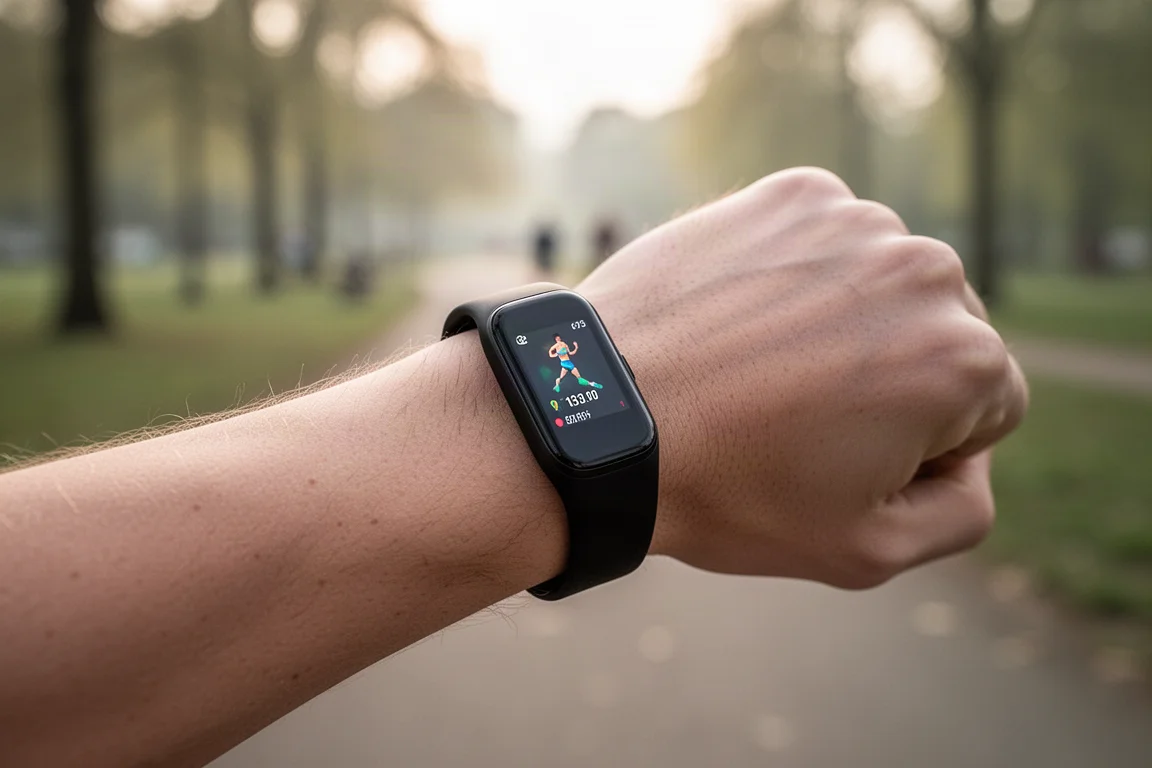
The Charge 5’s built-in GPS has a known catch: you have to choose between GPS accuracy and heart rate accuracy. Tightening the band for better optical heart rate readings hurts GPS reception, and vice versa. Used loosely for good GPS, the heart rate from the band becomes much less useful. Neither band supports an external heart rate strap.
For workouts, the Garmin’s optical heart rate sensor is clearly the stronger performer. For steady-state sessions, including high-intensity indoor workouts where you are not moving much, the two are similar. For running outdoors, the Garmin tracks much closer to a chest strap, while the Charge 5 tends to struggle.
Garmin also lets you broadcast heart rate over Bluetooth and ANT+ to third-party apps; Fitbit allows no outbound broadcasting at all, which is a notable omission.
Sport Profiles and Training Features
Profile counts are close: Fitbit offers 21 sport profiles with up to 5 loaded at once; Garmin offers 14 with up to 10 loaded. Both allow some data page customization, though on the Garmin the central timer field is fixed, and it is the customizable upper and lower fields that are hardest to read in sunlight.

Garmin adds interval-style HIIT timers that are more flexible than Fitbit’s simpler work/recovery intervals, plus two features Fitbit lacks: a VO2 max estimate and a fitness age estimate based on metrics like resting heart rate and recovery. Garmin also supports live location tracking during workouts, sharing pace and heart rate data with friends and family via the companion app.
Post-workout, both sync fine to services like Strava, but Garmin’s app delivers far deeper data, essentially the same core data sets as its far more expensive watches.
Which One Should You Buy?
If you are more athletic and data-driven, the Garmin is the better pick. Its weaknesses are real: the display is underwhelming next to the Fitbit’s in every condition, and it arguably costs more than it should. But it gives you all of your data, free, with unlimited history on the app and website.
If you lean toward simplicity, or you care about contactless payments, ECG and potential passive AFib detection, the Fitbit Charge 5 is the stronger choice, especially at its habitual $129 sale price.
Finally, consider your social circle. If your friends are on Fitbit, challenges and shared encouragement will pull you toward Fitbit; if they are on Garmin, the same logic applies there. An activity tracker on a platform where your friends already are tends to get used more.
Conclusion
The Vivosmart 5 is the data-lover’s band: deeper metrics, free unlimited history, better workout heart rate, and broadcasting, all dragged down by a monochrome screen and a few missing conveniences. The Charge 5 is the polished everyday band: a superb display, payments, ECG, and a friendlier app, offset by premium paywalls and a seven-day data cap. Match the trade-offs to your priorities and the right choice is fairly clear.
Product link
View more details for Fitbit Charge 5
This product is mentioned in the review. Check the specifications, options, and compatibility before buying.
View more details for Fitbit Charge 5Further reading
Related Reviews
Fitness Trackers
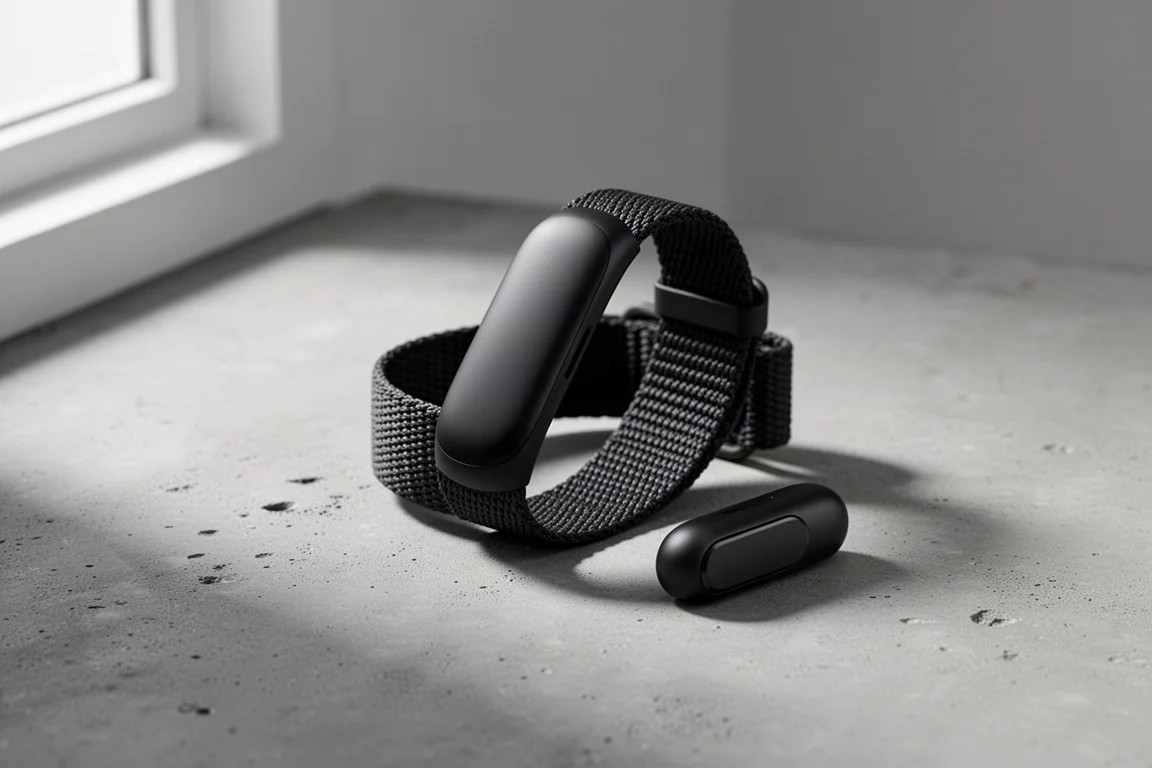
Amazfit Helio Band Review: A $99 Screenless Fitness Band That Isn't a Whoop Killer (And Doesn't Need to Be)
The Helio Band delivers impressive hardware and accurate heart rate tracking for $99 with no subscription, but its software keeps it from truly competing with Whoop.
Fitness Trackers
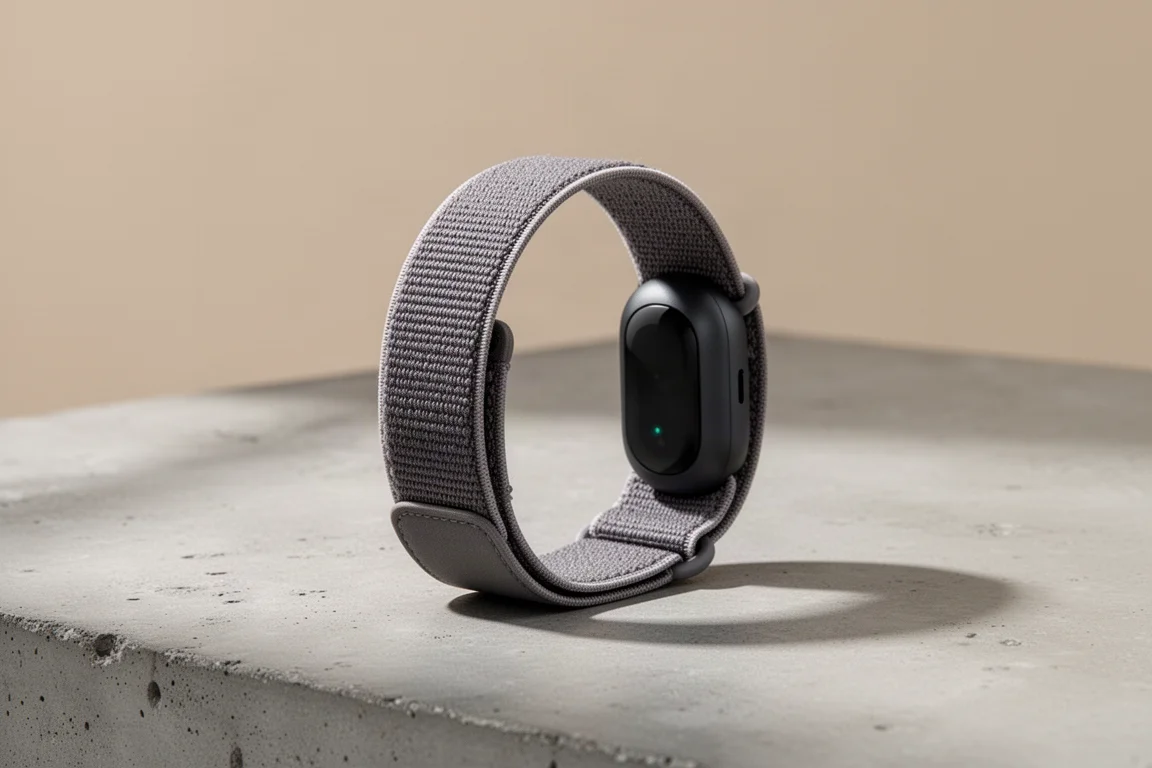
Fitbit Air Review: A $99 Screenless Band That Challenges Whoop
After weeks of testing across running, cycling, swimming, and everyday wear, the Fitbit Air proves to be impressive hardware with a few software growing pains.
Fitness Trackers
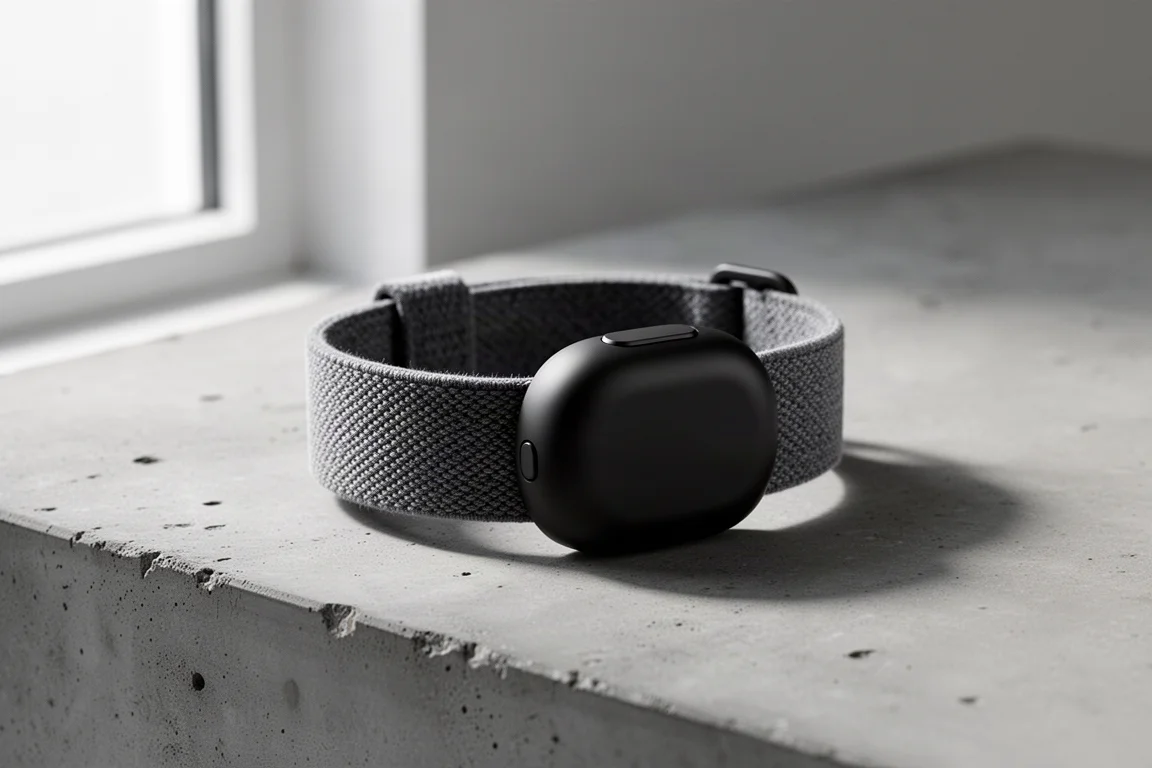
Garmin Circa Review: A Subscription-Free Screenless Tracker for Runners
After a month of testing, we look at what the Garmin Circa gets right, where it falls short, and whether it can replace your running watch.