Fitness Trackers
Amazfit Helio Band Review: A $99 Screenless Fitness Band That Isn't a Whoop Killer (And Doesn't Need to Be)
The Helio Band delivers impressive hardware and accurate heart rate tracking for $99 with no subscription, but its software keeps it from truly competing with Whoop.
Introduction
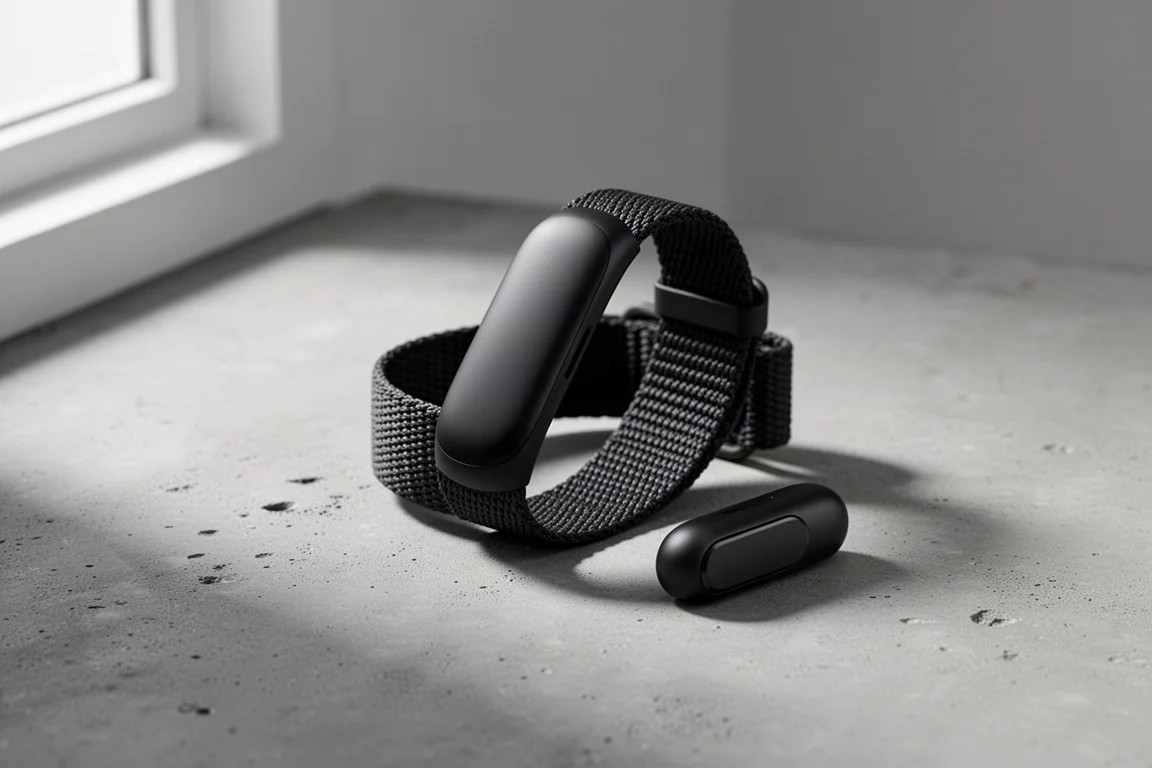
The Amazfit Helio Band has been widely framed as a “Whoop killer,” a band that undercuts Whoop on price while offering a similar screenless experience. Having spent real time with both, the honest answer is that it is not a Whoop killer. It is, however, a very good product in its own right, and the distinction matters if you are deciding between them.
The headline figure is the price: $99 with no subscription at all. Everything covered in this review is available at that base price, with no paywall or membership tier required. That alone makes it one of the most accessible screenless trackers on the market. The question is what you give up to get there.
First Impressions: Small, Light, and Honest About Battery
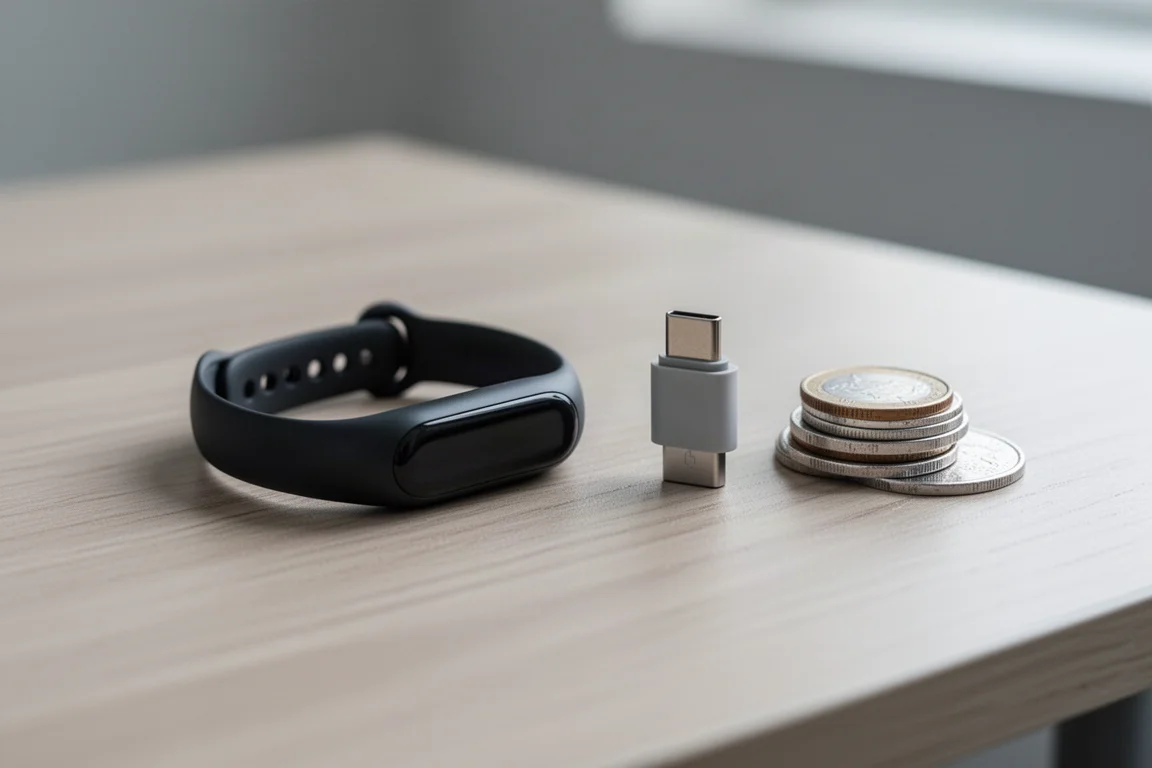
The Helio Band is tiny. It looks roughly the same size as a Whoop band side by side, but it is considerably lighter at around 20 grams, compared to roughly 30 grams for the Whoop MG or 5.0 bands. On the wrist, that difference fades into the background quickly.
Battery claims are refreshingly accurate. Amazfit claims about 10 days, and that has been spot on in use. By comparison, Whoop claims 14 days for its bands, which has also proven accurate. One quirk: the charging adapter is a minuscule USB-C plug, easily the smallest charging accessory around. It works fine, but you will almost certainly misplace it, so plan accordingly.
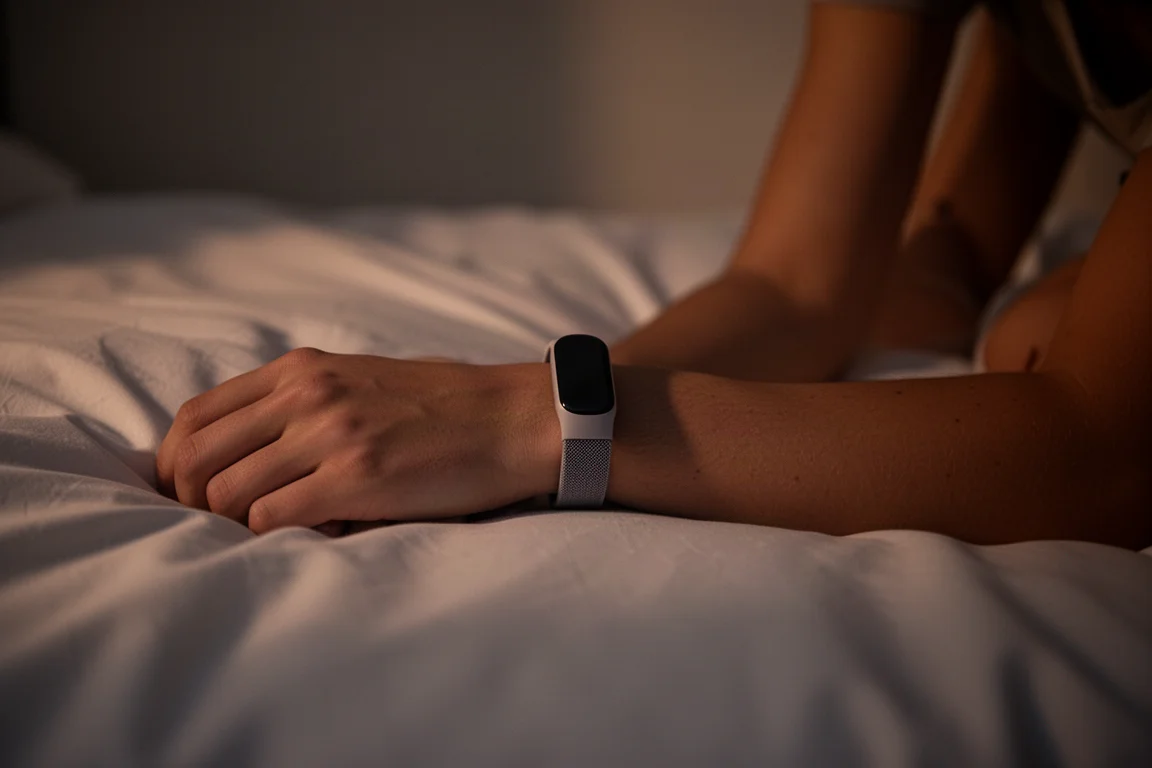
The band ships at launch with a single fixed-size wristband that does not expand much, so you need to hold the end snug when fastening it or it comes apart. Once on, it is comfortable for sleep and workouts with no issues. What is missing is a bicep band option like Whoop offers. Because Amazfit uses a standard connector, though, third-party bicep bands are available for around $10 online, at least in some regions. That is a cheap and easy workaround.
Sleep Tracking and Daily Metrics
The optical heart rate sensor on the underside runs 24/7, tracking continuous heart rate, sleep, sleep stages, and an attempt at sleep apnea detection. Sleep timing has been consistently good: the time you fall asleep and wake up lines up closely with other devices, with only the occasional small discrepancy. Heart rate variability readings also land within a couple of milliseconds of comparable devices.
Sleep scores are where things get fuzzier, though that is true across the industry since every company defines the score differently. On one mediocre night, the Helio Band gave 78 percent, which felt slightly generous, while another device’s 62 percent felt a bit harsh. The truth sat somewhere in between. One amusing touch: the app’s generated sleep insights occasionally ask whether you drank alcohol or exercised late before bed, even when you did neither. It is a small glimpse of software that feels less polished than the hardware.
BioCharge, Exertion, and Where the Software Stumbles
The app’s home screen is built around three core metrics. Sleep score sits on the left, BioCharge in the middle, and Exertion on the right. BioCharge works like a body battery: it recharges overnight during sleep and drains through the day based on activity, with naps or relaxation adding a little back. Sleep is what really drives it.
Exertion is where the problems start. It is meant to reflect how much workout-style effort you have done, accumulated through automatic workout detection. But the score caps at 100 percent, and automatic detection is aggressive to a fault. In testing, it logged doing the dishes and walking around the yard as workouts, pushing the daily total to 100 percent quickly, sometimes before the day has really begun. The underlying load can accumulate far beyond 100 percent, but the display never shows it. That feels like a design miss.
Whoop, by contrast, has genuinely excellent automatic workout detection. It logs gardening as a workout only when your heart rate says it actually was one, and its strain metric moves sensibly throughout the day. Whoop has its own quirks, including a theoretical maximum training load of 22 that requires an extraordinarily long, intense day to approach. But its detection and strain curves are simply better executed.

BioCharge has one more caveat worth knowing: when it bottoms out near zero, further hard workouts register almost no additional drain, which flattens the metric on heavy training days. It is an example of a recurring pattern: the science-y features sometimes skip the science part.
Training Load: The Real Reason It Is Not a Whoop Competitor
Each logged activity gets a training load number that feeds into a trending load figure, similar to what you would find on Garmin, Polar, or Coros devices. You can view 7-day and 28-day windows, and the load figure itself is reasonable.
The problem is that training load is not integrated into anything else. Your daily scores are driven by activity like steps, not by your accumulated training load. Combined with the weaker automatic workout detection, this is the fundamental reason the Helio Band does not compete with Whoop directly. Feature for feature, it aligns much more closely with a screenless Fitbit Charge 6 than with Whoop.
You can turn off automatic detection and track workouts manually instead, choosing a workout profile on your phone, adding GPS if needed, and uploading to Strava. Done that way, the band tracks training load pieces quite well. It just does not do the automatic part well.
Heart Rate Accuracy: The Genuine Highlight
This is where the Helio Band genuinely shines. Optical heart rate accuracy has been very, very good across the board. On a trail run it was essentially spot on, even beating a premium watch reference in one category. On an outdoor ride and an indoor trainer session it again matched a chest strap closely, with the only dropout coming after the strap was adjusted and briefly fell off, which is not a sensor problem.
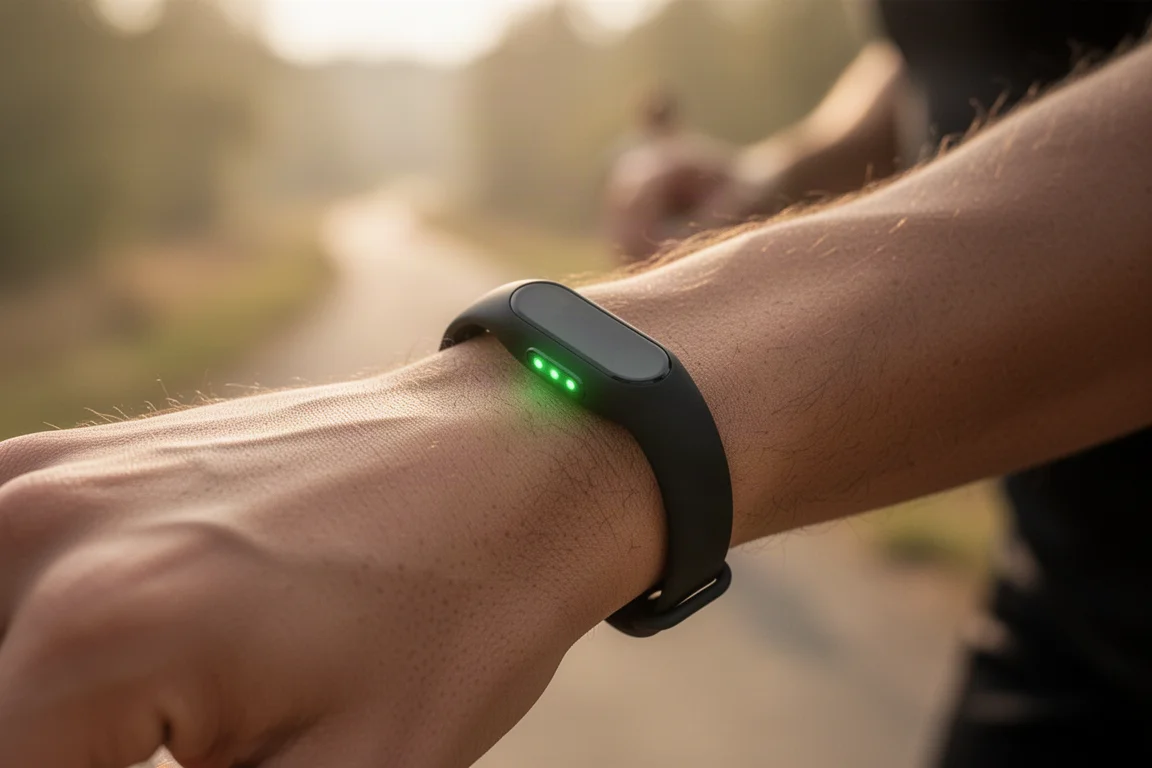
This matches the pattern across all workouts tested: an impressively consistent optical sensor. Whoop delivers broadly similar results these days, though it has historically shown a few quirks at very high intensities.
Buying Advice
At $99 with no subscription, the Helio Band is remarkable value if you want a screenless tracker focused on sleep, recovery-style metrics, and accurate heart rate. If you do not care much about training load integration and automatic workout detection, this is effectively a great screenless Fitbit at a lower long-term cost.
If you want everything to just work, with excellent automatic workout categorization and training load woven into your daily guidance, Whoop is the safer choice, at a much higher ongoing cost: roughly $200 to start including about a year of subscription, then over $200 per year after that. The Helio Band’s zero-subscription model is a genuine advantage, but the software does not match it.
Conclusion
The Amazfit Helio Band is not a Whoop killer, and the clickbait framing around it does it a disservice. It is excellent hardware with a superb optical heart rate sensor, honest battery life, and no subscription, held back by software that treats training load as an afterthought. Buy it for what it is: a very good, very cheap screenless fitness band. Buy Whoop if you need the deeper training analysis, and be prepared to pay for it year after year.
Product link
View more details for Amazfit Helio Band
This product is mentioned in the review. Check the specifications, options, and compatibility before buying.
View more details for Amazfit Helio BandFurther reading
Related Reviews
Fitness Trackers
Fitbit Air Review: A $99 Screenless Band That Challenges Whoop
After weeks of testing across running, cycling, swimming, and everyday wear, the Fitbit Air proves to be impressive hardware with a few software growing pains.
Fitness Trackers
Fitbit Charge 5 vs Garmin Vivosmart 5: Which $149 Fitness Band Should You Buy?
Two fitness bands at the same list price take very different approaches to displays, health data, and sports tracking. Here is how they compare in practice.
Fitness Trackers
Garmin Circa Review: A Subscription-Free Screenless Tracker for Runners
After a month of testing, we look at what the Garmin Circa gets right, where it falls short, and whether it can replace your running watch.