Fitness Tech
Polar H10 vs Garmin HRM Pro Plus: Which Heart Rate Chest Strap Should You Buy?
Two of the most trusted heart rate chest straps go head to head on accuracy, battery life, tracking features, and comfort to help you pick the right one.
Introduction
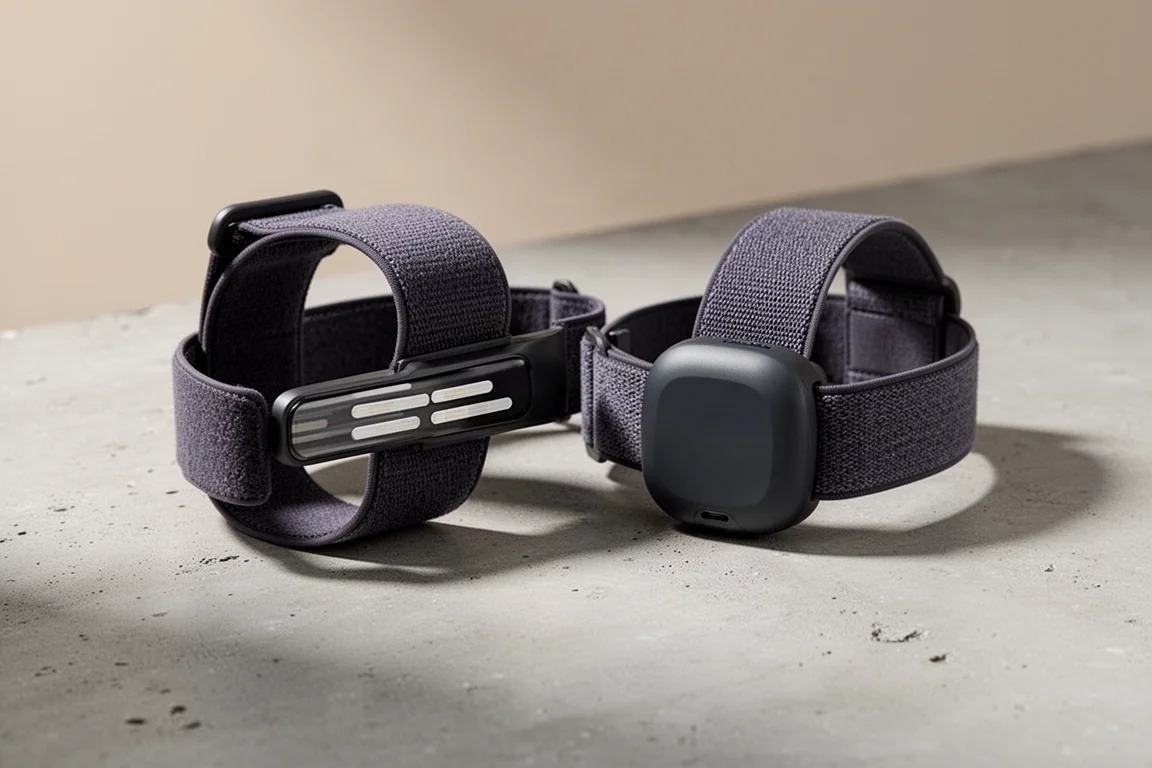
The Polar H10 and Garmin HRM Pro Plus are two of the best heart rate chest straps in the business, and both are reliable enough that they are often used to evaluate the optical sensors on running watches. On accuracy, there is not much to choose between them. The differences show up in the details: price, battery life, waterproofing, connectivity, and the extra running metrics the Garmin offers. If you want to level up your run tracking and training data, here is how the two compare.
Key Specs and Basics
The Garmin HRM Pro Plus costs £119.99 or $129.99, while the Polar H10 is a chunk cheaper at £76.50 in the UK and $99.95 in the US. Both use a coin cell battery. Garmin rates its strap for 12 months of training an hour daily, while Polar lists a slightly longer 400 hours on a single battery.
Size and weight are close: the HRM Pro Plus weighs 1.8 oz (52 g) and the Polar H10 comes in at 2.1 oz (60 g). Waterproofing favours Garmin, which is rated to 50 m against the Polar’s 30 m.
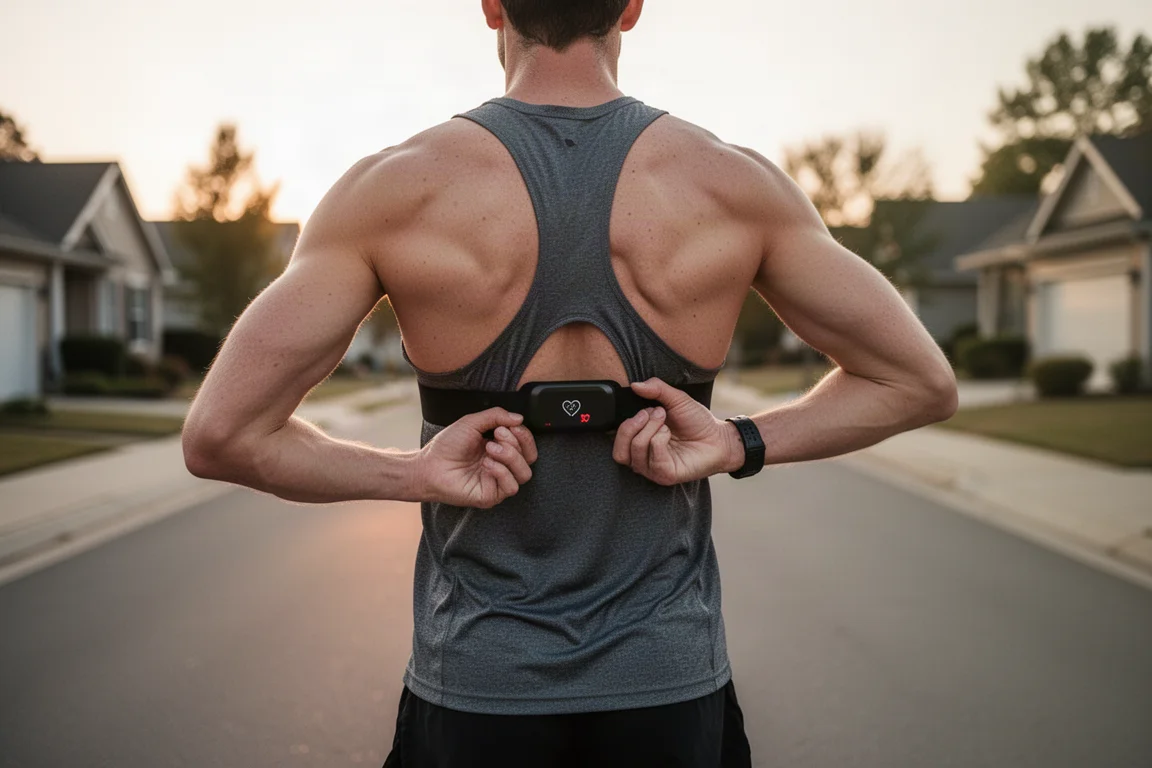
Connectivity is another big one. The Garmin HRM Pro Plus supports unlimited ANT+ connections and three concurrent Bluetooth connections. The Polar H10 also offers ANT+ and Bluetooth, transmitting your heart rate signal simultaneously via both, but with only two concurrent Bluetooth connections supported.
Tracking Features
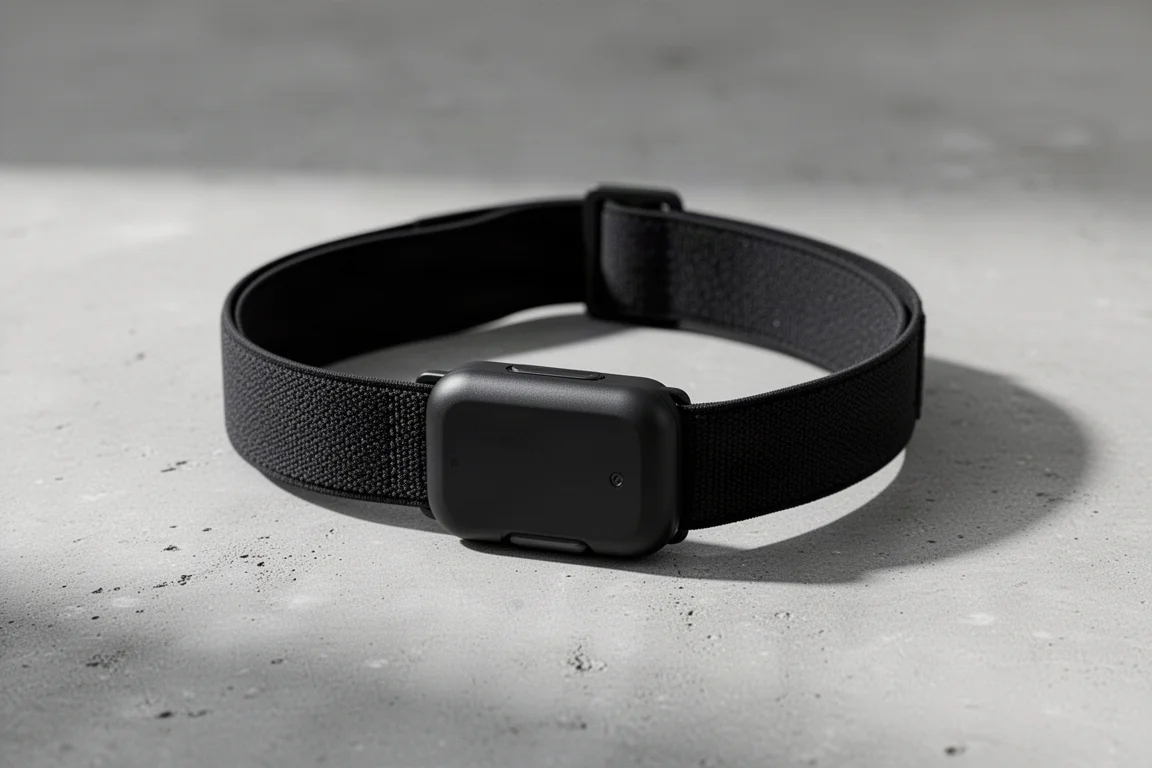
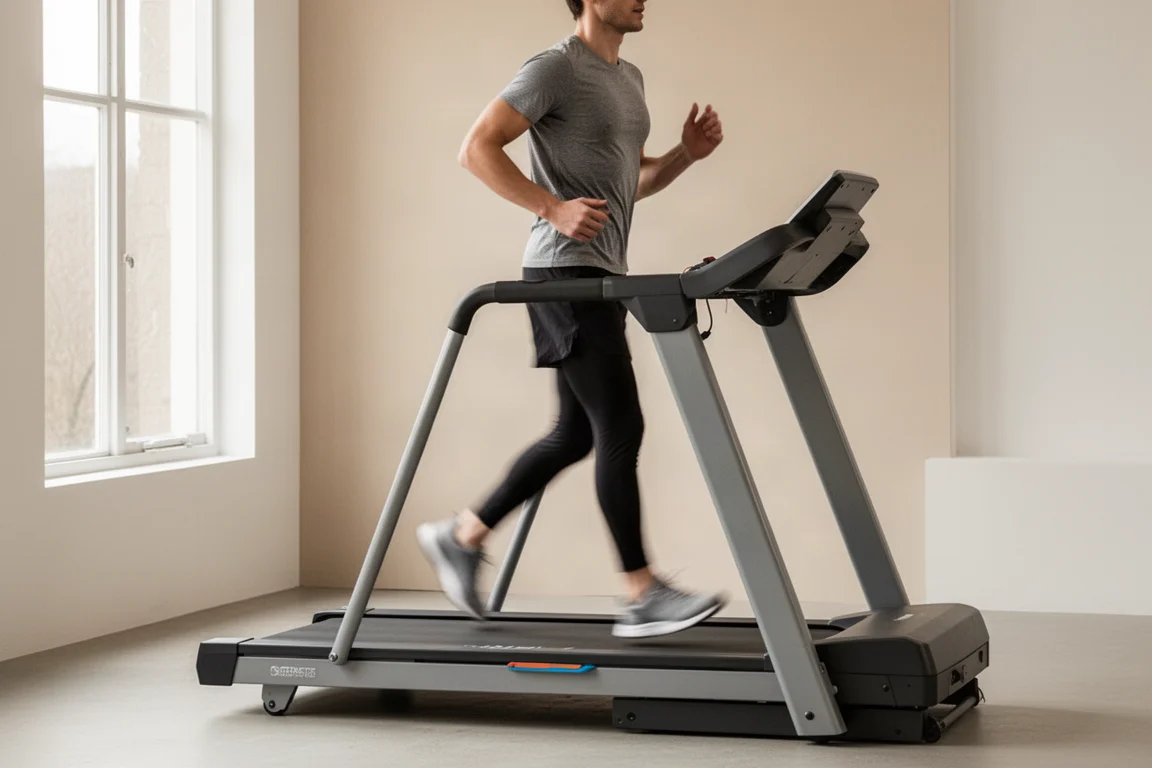
This is where the major difference kicks in. The Garmin HRM Pro Plus offers more run tracking smarts. It monitors running dynamics such as vertical oscillation, ground contact time, stride length, and vertical ratio. It also tracks running pace and distance during indoor track or treadmill sessions and sends that information to compatible Garmin watches, or to the treadmill itself.
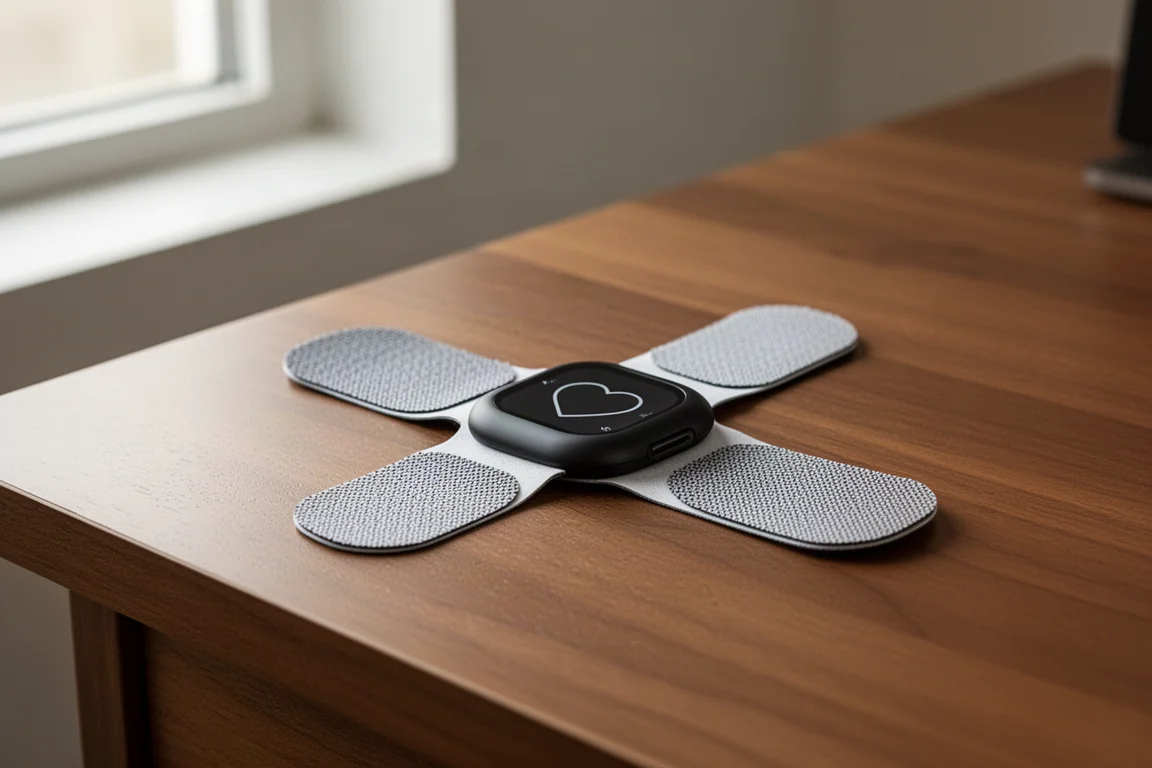
If you are not wearing a watch, the HRM Pro Plus will still track steps, calories burned, and intensity minutes, and it can store workout data to share directly to the Garmin Connect app later. That means if your watch battery dies mid session, you have some cover.
The Polar H10 is a more regular chest strap. It simply tracks your BPM heart rate, offers onboard storage for just one workout, and does not capture any of those running form metrics. That is the key difference between the two.
Comfort and Design
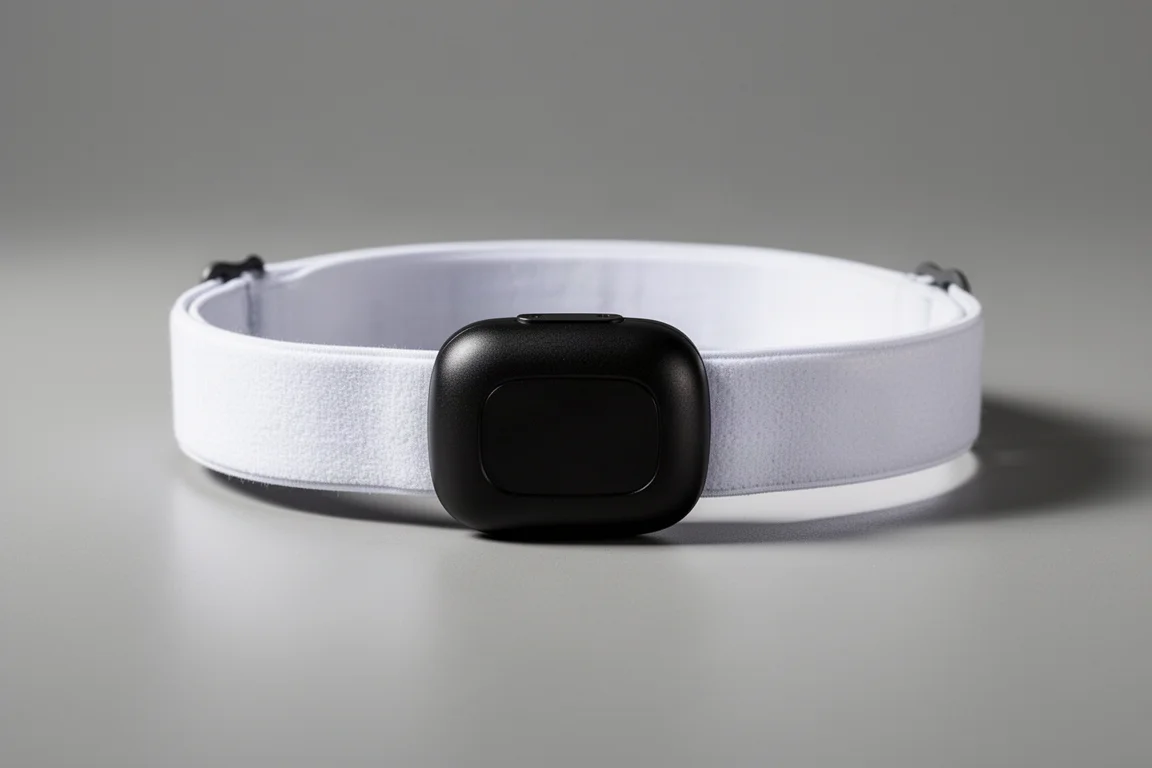
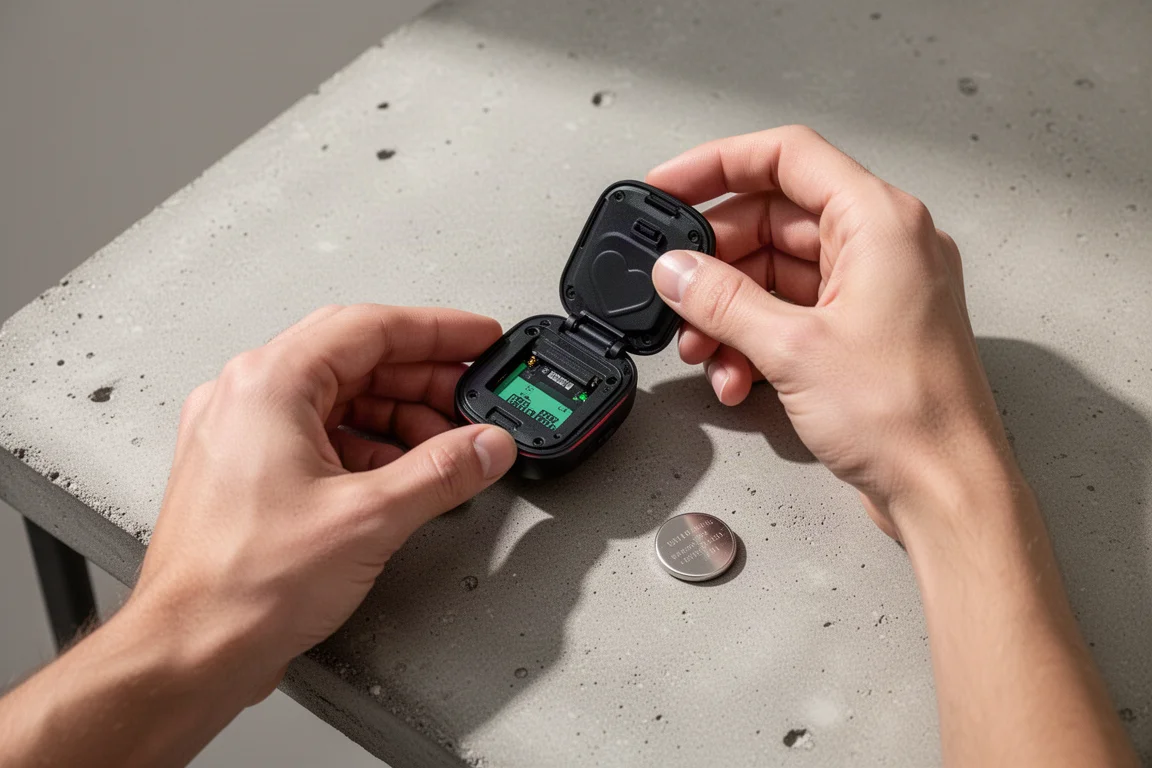
Garmin now uses an easier method for replacing the battery: no screwdriver needed, so you can swap it without searching through the toolbox. The Polar has always had easy access, and popping the sensor off after a run also gives some peace of mind about saving battery life. The Polar uses a clip for fastening the strap, while Garmin’s hook is marginally more fiddly.
Both are about as comfortable as chest straps get. The HRM Pro Plus sensor is slightly smaller, while the fabric on the Polar strap is slightly softer, particularly where the sensor touches the skin. The Polar strap is also machine washable, while the Garmin is not. Polar also adds small silicone dots to help the strap stay in place.
Which One Should You Buy?
For pure running purposes, these straps are much of a muchness, and the Polar H10 wins out on price and comfort details. Unless you are really invested in capturing running dynamics from a chest strap, it is hard to justify paying the extra for the HRM Pro Plus. The roughly £40 difference makes the H10 the easier recommendation for runners, especially if you like the idea of a machine washable strap and a simple clip fastening.
There are two situations where the Garmin makes more sense. If you own a Garmin watch and you are a triathlete, the HRM Pro Plus will do a lot more for you: it records your data in the water, thanks to its 50 m waterproofing, and it is generally more compatible with the Garmin ecosystem. It is also the pick if you want workout storage on the strap itself, though even then it does not store a huge amount.
Conclusion
Both straps are accurate, comfortable, and long lasting, so the decision comes down to what you need. Choose the Polar H10 for pure running value, softer washable fabric, and easy battery access. Choose the Garmin HRM Pro Plus if you swim, use a Garmin watch heavily, or want running dynamics and onboard workout storage. For most runners, the Polar H10 is the cheaper and more appealing pick.
Further reading
Related Reviews
Fitness Tech
Garmin HRM 200 Review: A Heart Rate Strap Built for the Next Few Years
Garmin's new HRM 200 adds a button, a light, and encrypted heart rate broadcasting to a familiar chest strap formula, at a reasonable price.
Fitness Tech
Garmin Connect Plus Nutrition Logging: A Hands-On Look at Food Tracking Inside Garmin Connect
Garmin has added food and nutrition logging to its paid Garmin Connect Plus tier. Here is how the feature works, where it excels, and the trade-offs to know before subscribing.
Fitness Tech
Garmin Forerunner 255 Review: A Complete Beginner's Guide to Garmin's Mid-Range Running Watch
A practical walkthrough of the Garmin Forerunner 255, covering the interface, training tools, HRV status, race widgets, GPS accuracy, battery life, and music support.