Fitness Tech
Garmin HRM 200 Review: A Heart Rate Strap Built for the Next Few Years
Garmin's new HRM 200 adds a button, a light, and encrypted heart rate broadcasting to a familiar chest strap formula, at a reasonable price.
Introduction
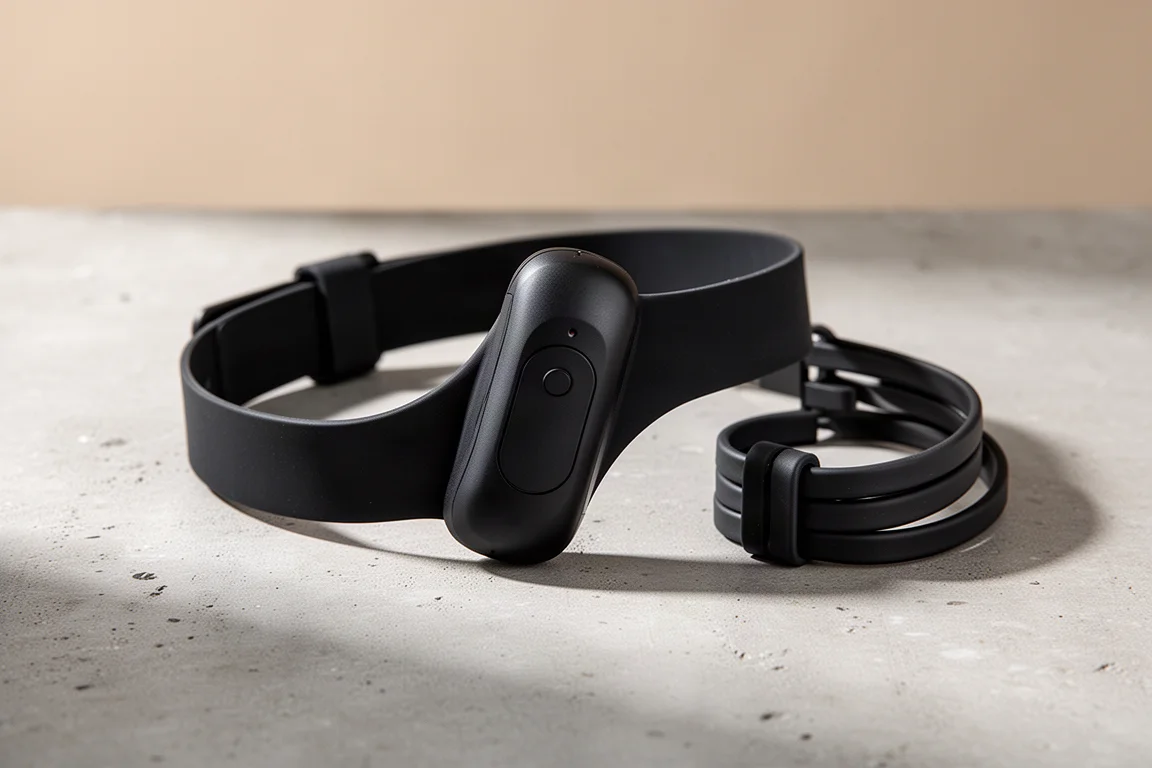
At first glance, the Garmin HRM 200 looks like almost every other chest strap heart rate monitor on the market. Underneath, it is a meaningfully different product from the HRM Dual it replaces, which had been around for six-plus years. The headline changes are a physical button and an indicator light on the pod, plus support for authenticated and encrypted heart rate broadcasting. That combination makes it one of the most future-proof basic straps you can buy right now, and it does so at a price that sits comfortably among competing straps rather than at Garmin’s usual premium level.
Hardware and Battery Access
The HRM 200 uses a removable pod design, similar to past Garmin straps like the HRM Dual and the classic Garmin heart rate strap. What is new is that this pod carries both a button and a light, a first for Garmin straps.
The back of the pod has a redesigned, child-resistant battery door. This is driven by worldwide regulations around coin cell batteries, which small children can swallow with serious consequences. Instead of a screwdriver, you use a small piece of the strap itself as a tool to unlock the door. It is deliberately not easy to open; even adults need to apply a fair bit of force, so there is little risk of a young child getting inside. Once open, it takes a standard CR 2032 coin cell battery, with a battery life of roughly one year.
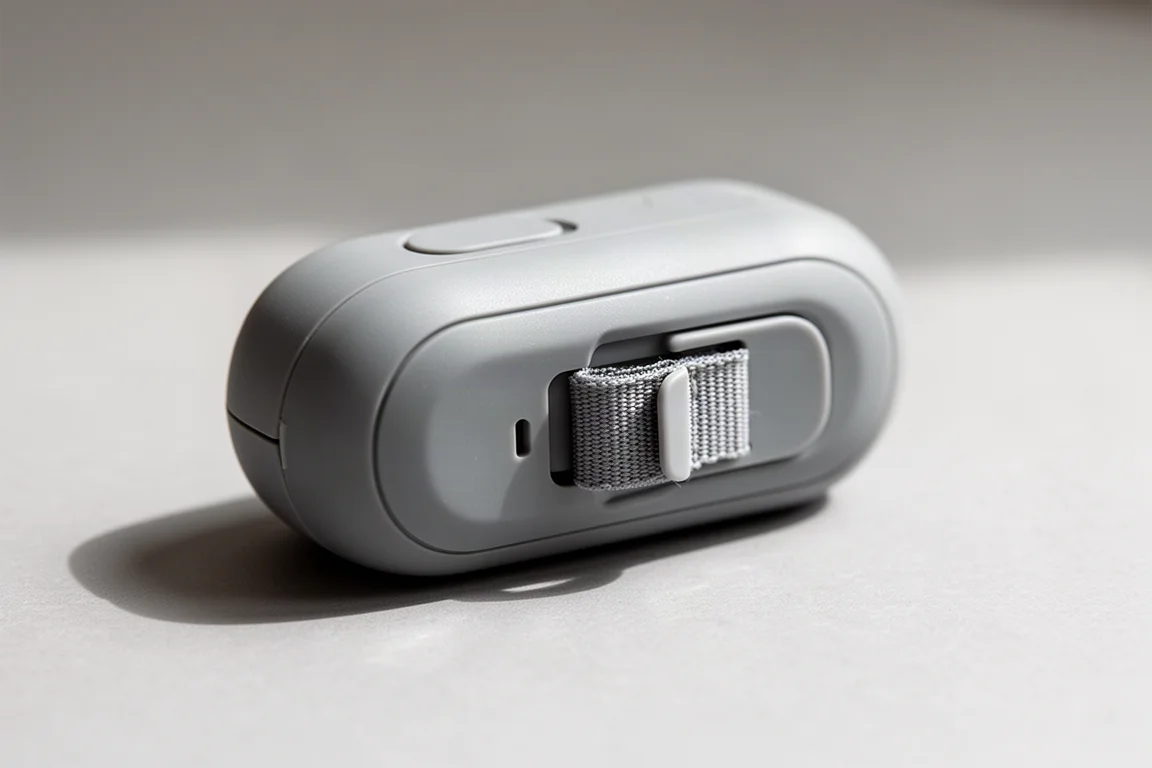
The pod is the same across both of the two included strap sizes: an extra small through small strap and a medium through extra large strap, chosen based on chest size. The price is $79, which is somewhat more than the current HRM Dual at around $59 in real-world pricing.
Pairing, Open and Secure Modes
Out of the box, the HRM 200 ships in open configuration, meaning it behaves exactly like every other heart rate strap of the last 20 years: it openly broadcasts heart rate over both ANT+ and Bluetooth Smart, with three concurrent Bluetooth channels and unlimited ANT+ channels. In this mode it works with essentially any device on the planet, from bike computers to watches to training apps.

The second configuration is secure mode, where the strap both authenticates and encrypts your heart rate data. Authentication happens by pressing the button to confirm the first pairing with a new device, while encryption protects the transmission between strap and device. The background here is regulatory: a set of EU directives rolling out over the coming years push toward authenticating and encrypting personal data transmitted wirelessly, and a chest strap can only comply by adding a button to manually confirm broadcasting.
Switching between modes is simple: double-tap the button to toggle between open and secure mode, and long-press it for 4 seconds to enter pairing mode. The indicator light confirms the current mode with a color blink. In secure mode, the encrypted channel is Bluetooth only, not ANT+, and multiple concurrent encrypted pairings work without issue.
One caveat: at launch, only newer Garmin devices running recent firmware supported secure mode pairing. Other devices, including some Polar watches with related past features, initially paired but then showed a flatline data stream instead of heart rate. The underlying Bluetooth authentication and encryption standard is not Garmin-specific and has existed for years, so broader support from other brands is likely to follow over the coming months. In open mode, the strap was used successfully with numerous watches, a range of bike computers across multiple rides, and apps including Peloton, Zwift, and TrainerRoad, all without any issues.
Accuracy in Real Workouts
Accuracy testing covered a wide range of workouts against multiple trusted comparison sensors, and the HRM 200 was essentially flawless throughout.

On a 90-minute interval run with longer intervals, the strap matched the other sensors identically. Hill repeats are a good stress test both for adapting quickly to rising heart rate on the climb and for avoiding cadence lock on the descent, where a sensor mistakes foot cadence for heart rate. The HRM 200 was clean across the board here, while some optical devices, including an Apple Watch Ultra 2 and a Whoop 4.0 band, struggled on the same workout.
Trainer sessions told the same story. Across a nearly two-hour indoor trainer workout and a second trainer session with a high-intensity block in the middle, the strap matched other chest straps, including the Polar H10, with zero problems. Data broadcast concurrently to multiple devices on the same ride was identical across all of them, and outdoor rides produced the same clean results, including cooler-weather starts and early descents where some other devices wavered.
Note that there is no swim use case here: the strap has no internal storage, and underwater digital transmission only reaches about an inch or 3 cm, so it is not useful for swimming.
How It Compares to Other Garmin Straps
The HRM Pro and HRM Pro Plus series, along with the sports-bra-clipping HRM Fit, sit above the HRM 200 in Garmin’s lineup. Those higher-end straps transmit additional running dynamics data and include onboard storage for activities where you cannot wear a watch, such as swimming, with data syncing to your watch or the Garmin Connect app afterward. The HRM 200 can talk to Garmin Connect for settings, but it has no storage and transmits only heart rate and HRV.
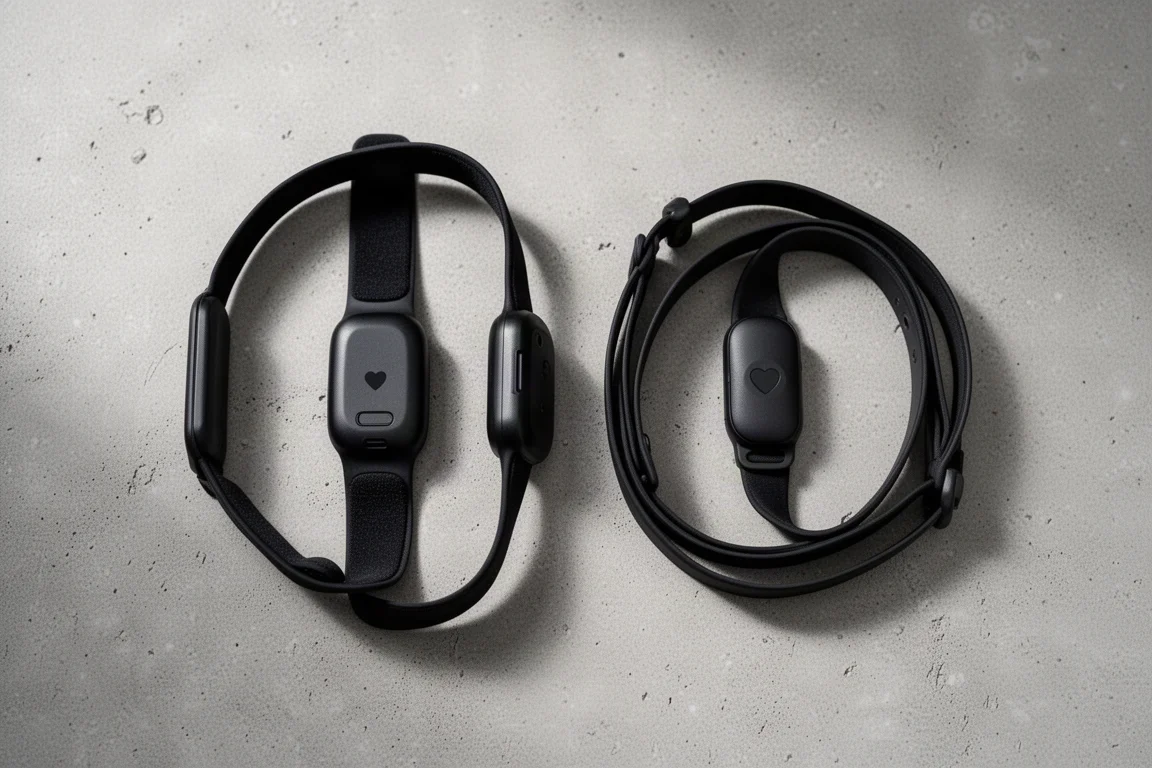
Compared to the HRM Dual at $20 less, the basic data and the level of accuracy are the same. The only real difference is that the HRM 200 has the button and the encryption capabilities going forward, which makes it the more future-proof pick. The HRM Dual should remain fully usable with existing watches and devices for many years, since the regulatory requirements concern the transmission side rather than the receiving side, so there is no imminent limitation on the horizon for the older strap.
Buying Advice
The HRM 200 is a perfectly capable device priced quite reasonably by Garmin standards, sitting in the mix with other straps on the market. If you want to future-proof your setup, it has the technology to stay relevant for quite some time. If you are simply after a cheap, accurate strap and privacy is not a concern, the HRM Dual at $20 less remains the pragmatic choice, and for most applications it simply does not matter. But if you value the authentication and encryption features, or you want a strap that will keep working smoothly as new requirements and firmware land over the next few years, the HRM 200 is the one to get.
Conclusion
The Garmin HRM 200 takes a familiar, dependable strap formula and quietly adds the button, light, and secure broadcasting hardware that upcoming regulations will increasingly demand. With excellent real-world accuracy, broad compatibility in open mode, and a sensible $79 price, it is an easy recommendation for anyone buying a chest strap today who wants it to still make sense a few years from now.
Product link
View more details for Garmin HRM 200
This product is mentioned in the review. Check the specifications, options, and compatibility before buying.
View more details for Garmin HRM 200Further reading
Related Reviews

Road Bikes
10 New Road Bikes Worth Watching: Aero, Titanium, Steel and Endurance Standouts
A practical roundup of 10 new road bikes, from aero flagships chasing single-watt gains to titanium, steel and endurance platforms built for real roads.

Saltwater Aquarium Setup
10 Questions About Cycling a Saltwater Aquarium: What You Need to Know
Essential questions and answers for cycling a reef tank or saltwater aquarium, from biome building to light management and bacterial supplements.

Cycling Components
A 20,000-Mile Budget Race Bike Build: Five Parts Worth Knowing
A rim brake race bike assembled from low-cost components and ridden for 20,000 miles. Here is what delivered real speed, what caused problems, and what to weigh before copying the formula.