Camping Tents
Polar Four-Person Pop-Up Tent Review: Fast to Pitch, Not Waterproof
A four-person pop-up tent with quick A-frame pitching and a $300 price, let down by leaking in sustained rain. Here is what to weigh before buying.
Introduction
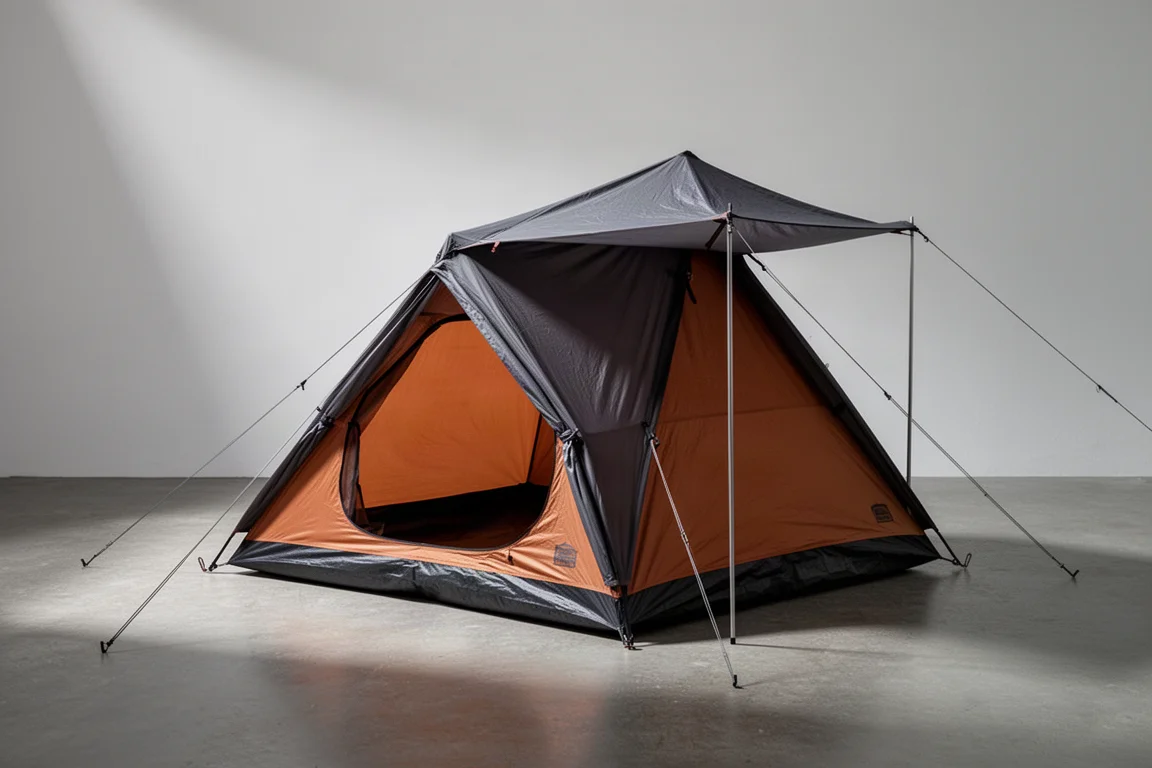
The Polar four-person pop-up tent is built around one clear promise: a shelter that goes from bag to standing in a couple of minutes. Two sides of the frame fold out and lock into place, forming an A-frame structure, and a rain fly is included in the package. The tent sits at around $300, which places it well above what many four-person camping tents cost.
That price sets an expectation of dependable weather protection, and water is exactly where this tent struggles. It has leaked on repeated wet-weather outings, including one trip where only a very small fraction of the shell was exposed to rain. The useful question is not whether it leaks, but how badly it leaks once the tent is fully pitched and fully exposed to rainfall.
Who this product is for
This tent makes the most sense for campers who value pitching speed and interior volume above all else. The pop-up frame removes most of the fiddling that comes with a conventional pole set, and the four-person footprint gives a couple or a small family plenty of room to spread out. The included fly and the A-frame profile are the parts of the design that aim at weather protection.
It is a reasonable match for fair-weather car camping, short weekend trips, and situations where the tent is only a sleeping space under a larger overhead shelter. It is a poor match for anyone who camps in sustained rain, camps in exposed sites, or expects the tent itself to be the thing that keeps them dry. Buyers who need a waterproof shelter should treat this model as unsuitable rather than as a risk to manage.
Setup and Design
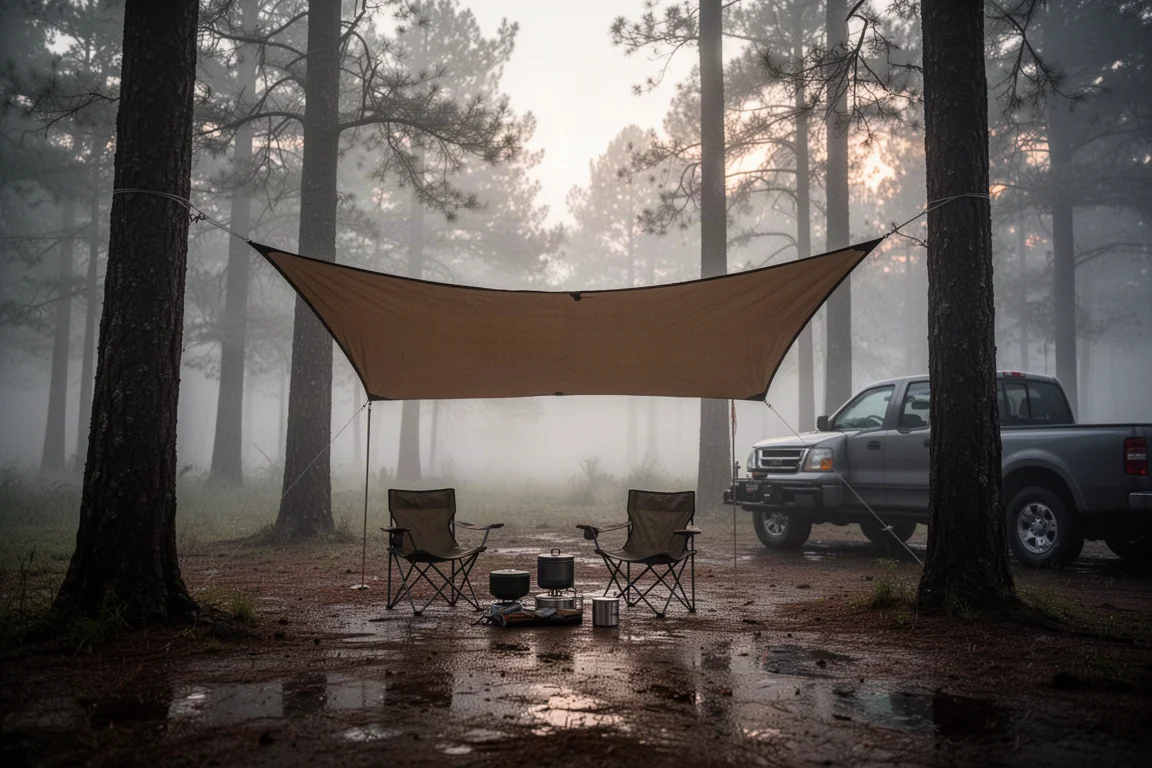
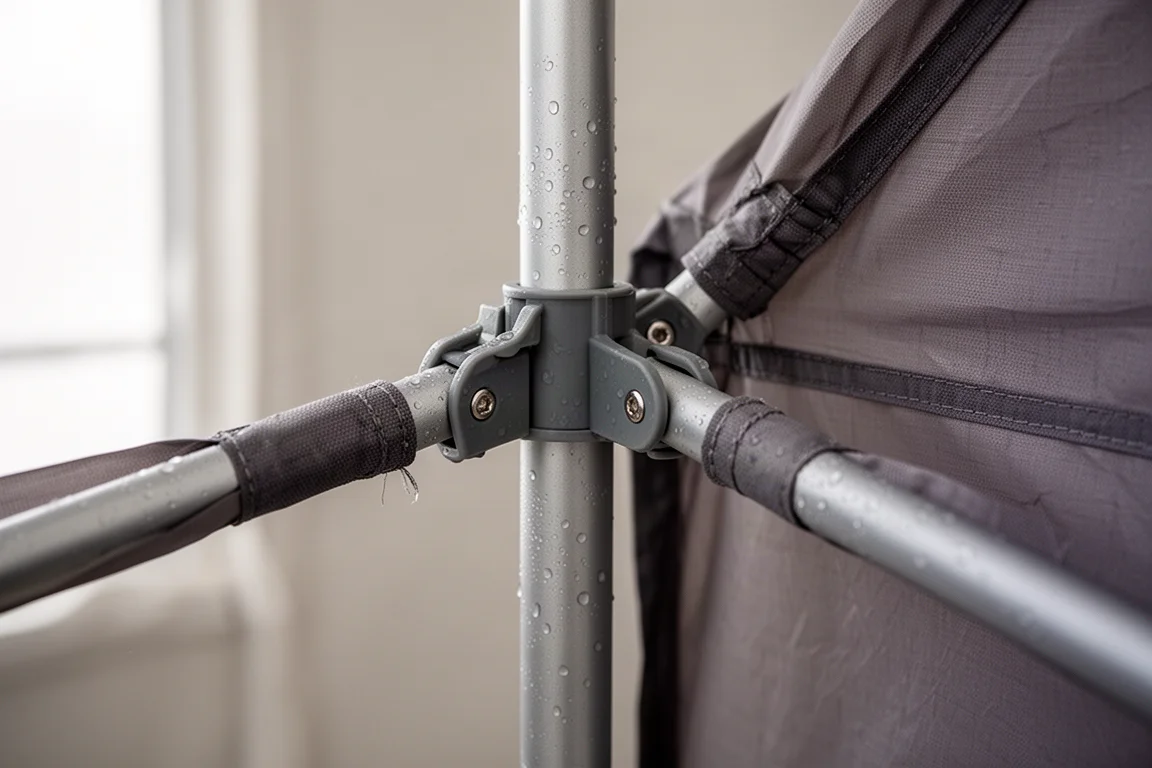
Pitching is the strongest part of the experience. The frame uses a pop-up mechanism in which two sides fold outward, and once those sides are locked into position the tent forms its A-frame shape. The fly then goes over the top, and the whole assembly is staked out. In practice the tent was pitched underneath a tarp during wet weather so that it stayed dry during setup, and the process itself was quick and straightforward.
The design details are ordinary. The fly covers the roof, the frame holds the structure taut, and the staking points are conventional. The material story is less reassuring: the body is described as an inexpensive polyester, which is a notable point when the tent carries a $300 price. There is also a simple tree-like emblem on the tent body, which is only cosmetic.
Main Strengths
The first strength is speed. The pop-up frame locks into place quickly, and the A-frame shape holds without a long pole-building session. For campers who arrive late or move sites often, that matters.
The second is space. A four-person rating gives real interior volume, and the A-frame profile provides usable headroom along the centre. The fly is included rather than sold separately, which keeps the package complete out of the box. The tent also packs down into a form that is easy to slide into a truck bed alongside other gear.
Real-World Weather Performance
This is where the tent falls apart. On an earlier overnight trip, the tent was pitched under a large tarp with only a small portion of the shell exposed to rain, less than five percent by estimate. It still leaked in three separate locations.
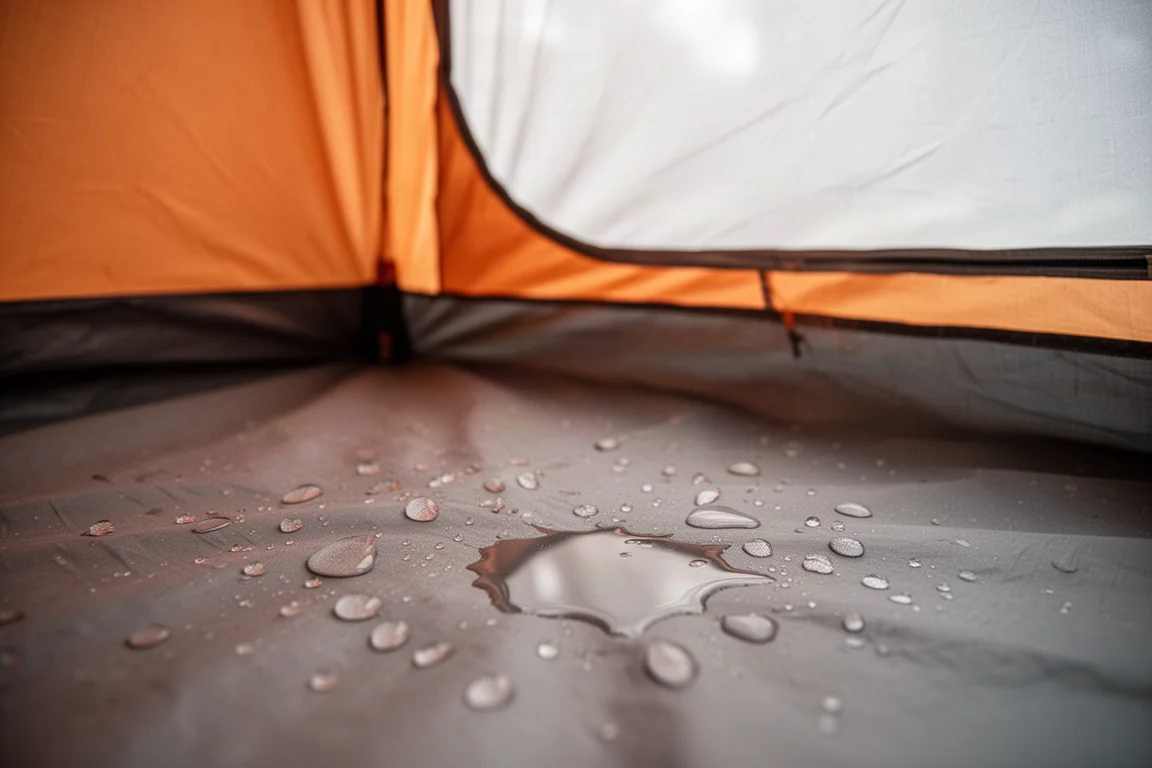
A follow-up test removed the protection entirely and left the tent fully exposed to steady rainfall. The result was worse. Water appeared on the floor, small droplets spread across the groundsheet, one side of the inner body became soaked, and water pooled in a corner. In total, leaking was observed from at least six locations. Notably, this happened during periods of light and moderate rain rather than only in a downpour, and the interior was already dripping before conditions turned heavy.
The practical conclusion is simple: this tent is not waterproof. It cannot be relied on to keep a camper dry, and the orange interior lining makes small amounts of water harder to spot until the floor is noticeably wet.
Things to Consider Before Buying
The price is the first thing to weigh. At around $300, the tent is expensive for a body made from inexpensive polyester, and the leaking problem is not a rare defect that appears only in extreme weather. Buyers should assume they will need a tarp or another overhead shelter as the primary rain protection, and even that is not a guarantee, since the tent leaked in three places on a trip when it was mostly covered.
Customer support is another factor. Contact with the company has been described as polite and courteous but very slow, with replies arriving roughly every three to five days. That pace matters if a problem needs resolving before a trip.
Finally, consider the material and how it ages. Polyester of this grade offers limited durability and water resistance, and nothing in the design compensates for that with a heavier coating or a more substantial fly. Anyone shopping for a tent in this price range should compare what other shelters offer for the same money before committing.
Buying Advice
The honest recommendation is to look elsewhere if dry shelter is a requirement. A tent that leaks from at least six points in ordinary rainfall is not doing the one job that matters most, and no amount of quick pitching makes up for a wet sleeping bag.
There is a narrow case for this tent. If you camp almost exclusively in dry conditions, want maximum interior space with minimum setup effort, and always have a separate overhead shelter, the fast frame and roomy A-frame interior still have value. Even then, the $300 asking price is hard to justify for a build that uses basic polyester and has a known water problem.
A reasonable way to decide is to ask what the tent is protecting you from. If the answer is sun, bugs, and the occasional light shower under a tarp, it can serve that role. If the answer involves rain, keep looking.

Conclusion
The Polar four-person pop-up tent gets the pitching part right. The frame folds out and locks quickly, the A-frame shape is stable, the fly is included, and the four-person interior is genuinely roomy. Those are real advantages for campers who prize convenience.
The water problem overrides them. This tent leaked in three locations when barely exposed to rain, and from at least six locations when fully exposed. It is not waterproof, the materials are basic for the price, and support responses have been slow. For most buyers, particularly anyone who camps in wet conditions, this is not a tent worth the money. It is best treated as a dry-weather shelter only, and only at a price that reflects what it actually delivers.
Product link
View more details for Polar Four-Person Pop-Up Tent
This product is mentioned in the review. Check the specifications, options, and compatibility before buying.
View more details for Polar Four-Person Pop-Up TentFurther reading
Related Reviews
Camping Tents
3F UL Gear Taiji Two-Person Tent Review: Field Waterproofing Results and Buying Advice
The Taiji pairs an attached fly with a removable inner, but sustained rain exposed untaped vent seams that need sealing before this shelter can be trusted.
Camping Tents
3FUL Gear Lanshan 2 Pro 4-Season Review: A Sub-$200 Single-Wall Trekking Pole Tent
An early look at the 3FUL Gear Lanshan 2 Pro 4-Season, covering its straightforward pitch, generous interior space, and the condensation and seam-sealing questions that come with any single-wall shelter.
Camping Tents
Alps Mountaineering Lynx 1-Person Tent Review: Big Value in a Small Budget Tent
A close look at the Alps Mountaineering Lynx 1-Person Tent, covering real interior dimensions, materials, setup time, ventilation limits, and who should buy it.