Backpacking Gear
Pocket-Sized Backpacking Gear: 10 Small Essentials Worth Packing
Ten small, lightweight items that earn their place in a backpacking kit, from repair patches and blister care to clip-on lights and pocket power banks.
Introduction
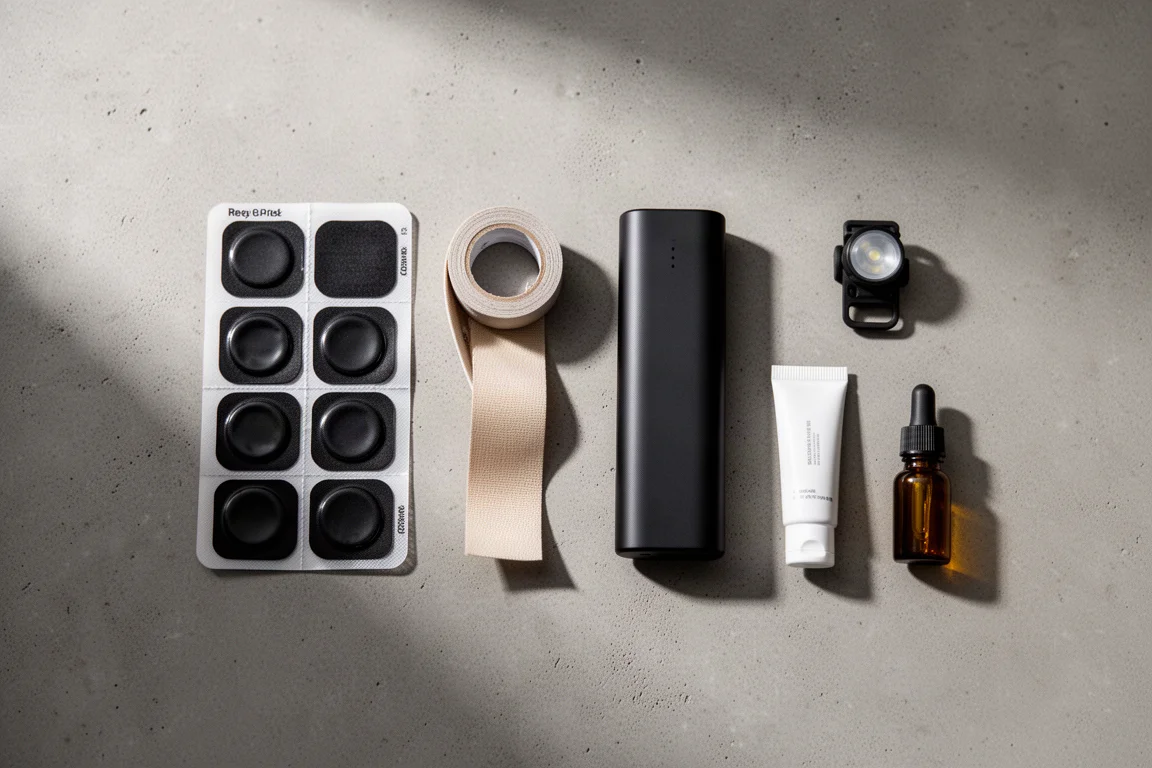
Backpacking gear conversations tend to focus on the big four: shelter, sleep system, pack, and footwear. The items that actually save a trip, though, are often the ones that disappear into a hipbelt pocket. A strip of repair tape, a few blister patches, a light that clips to a cap, a power bank the size of a deck of cards. Individually they weigh almost nothing. Together they cover the small failures that can otherwise cut a trip short.
This roundup covers ten pocket-sized items worth considering for a backpacking kit. Some are essentials, some are nice to have, and a couple are pure comfort. Each one earns its place by solving a specific problem rather than by adding capability you will never use.
What Makes Pocket-Sized Gear Worth Carrying
The test for small gear is different from the test for big gear. Weight matters, but so does how many jobs a single item can handle and how quickly you can find it when something goes wrong.
Four things are worth checking before anything goes into a pocket:
- Weight and packed size, since small items add up faster than expected.
- Multi-use potential, because one item that covers two problems is worth more than two single-purpose items.
- Reliability in the conditions you actually hike in, including cold and wet weather.
- Ease of replacement, because consumables like tape and ointment run out.
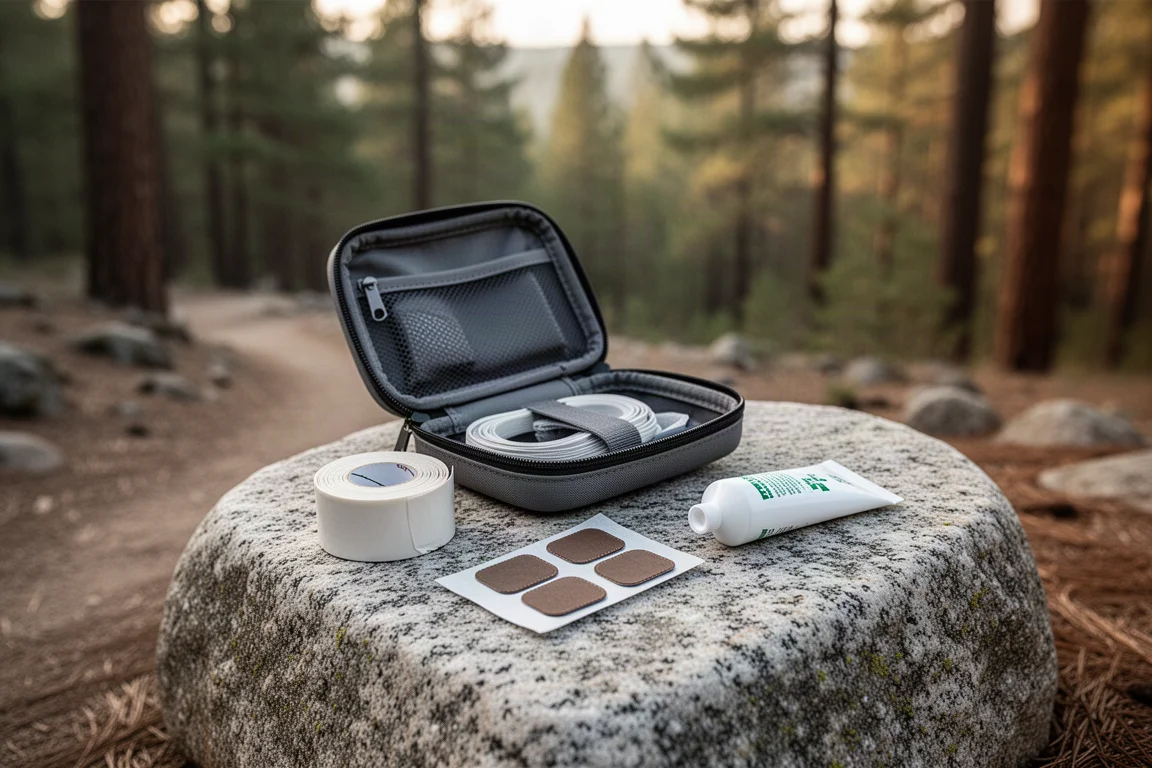
A kit built this way stays light while still covering the realistic failure points: a torn jacket, a hot spot on a heel, chafing, a dead phone, a buggy evening at camp. The ten items below are grouped by the problem each one solves, so you can pick the ones that match your own trips rather than packing the whole list.
Best for Repair: Gear Aid Tenacious Tape Gear Patches
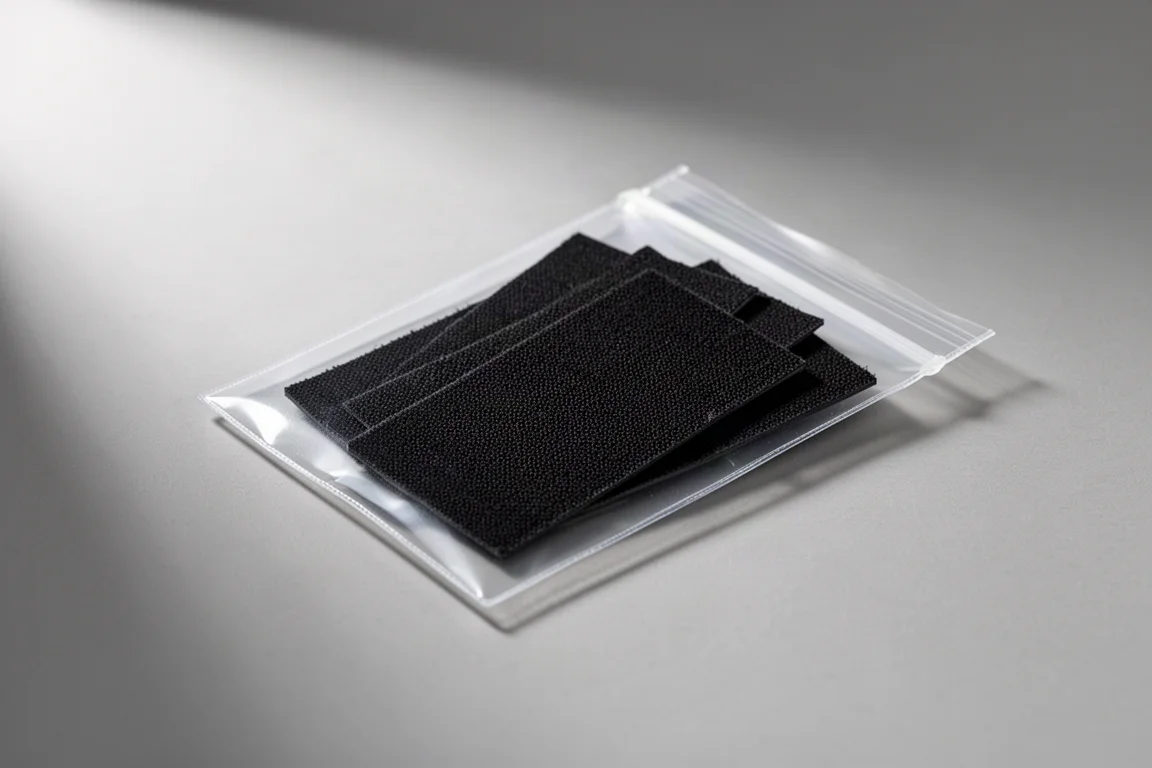
A rip in a down or synthetic jacket, a burn hole from a stray ember, or a punctured sleeping pad can turn a comfortable trip into a cold one. Pre-cut repair patches are the fastest fix for all three, and they take up almost no space in a first aid or repair pouch.
The appeal is speed. There is no cutting to size, no separate backing to manage, and no waiting. Stick one over the damage and keep moving, which matters most when the weather is turning and you need the layer back on. Patching a sleeping pad in the field follows the same process, and having done it once is usually enough to justify carrying the patches on every trip after that.
Best for Blisters and Joint Support: KT Tape
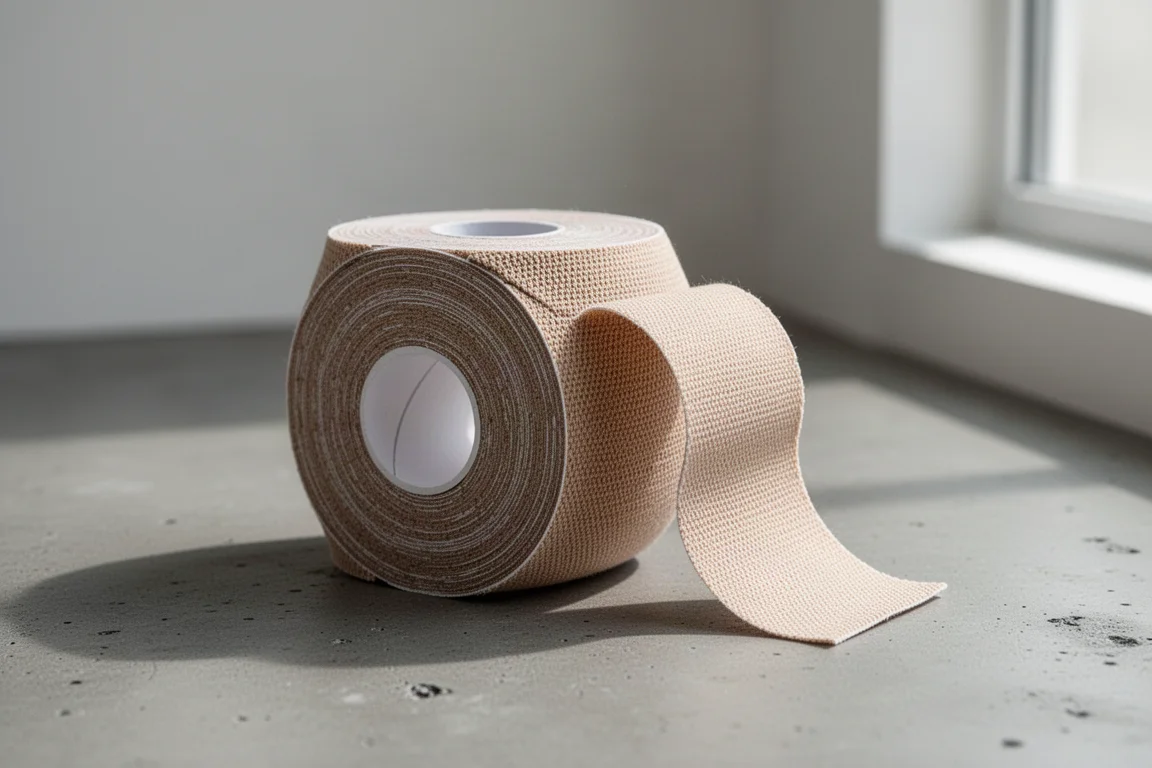
Flexible kinesiology-style tape covers two problems that show up on long days: blisters and joint discomfort. On feet, it can be shaped and applied around the areas that rub. On the body, it can be used to support a knee, an IT band, or another joint or muscle that is starting to complain.
That dual role is what makes it worth the pocket space. A roll weighs very little and can be trimmed to whatever length the situation needs, so it adapts to a heel, a toe, or a knee without carrying three separate products.
Best for Hot Spots: MyMedic Super Skin
Hot spots are the stage before a blister, and they are much easier to deal with early. These thin adhesive strips are designed for exactly that moment: apply one over a heel, around the ball of the foot, or over a toe as soon as the skin starts to feel warm and tender.
They hold better than athletic tape and better than moleskin, which is why they are worth trying first. They are also small and flat, so a few strips add almost nothing to a first aid kit. If you have ever limped the last few miles of a hike, this is one of the cheapest ways to avoid repeating it.
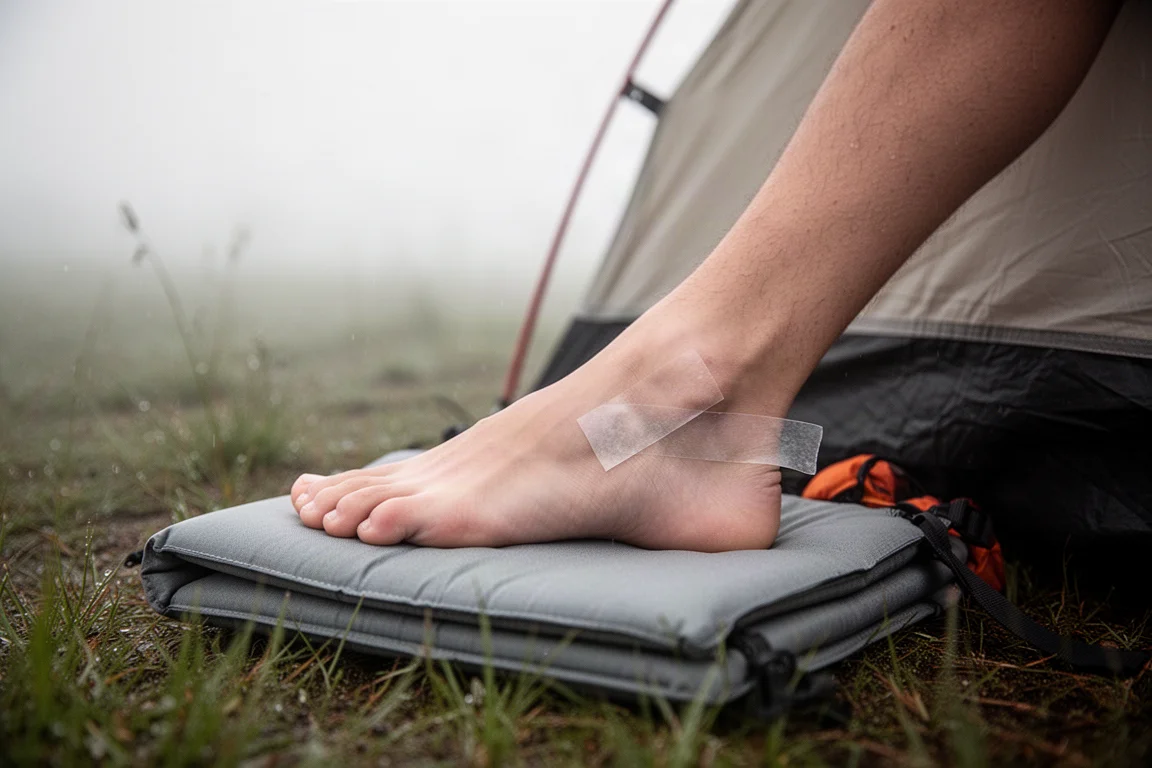
The same logic applies to prevention. If a particular pair of shoes rubs in a predictable place, applying a strip before the hike starts is easier than stopping to deal with it later.
Best for Chafing: Aquaphor Ointment
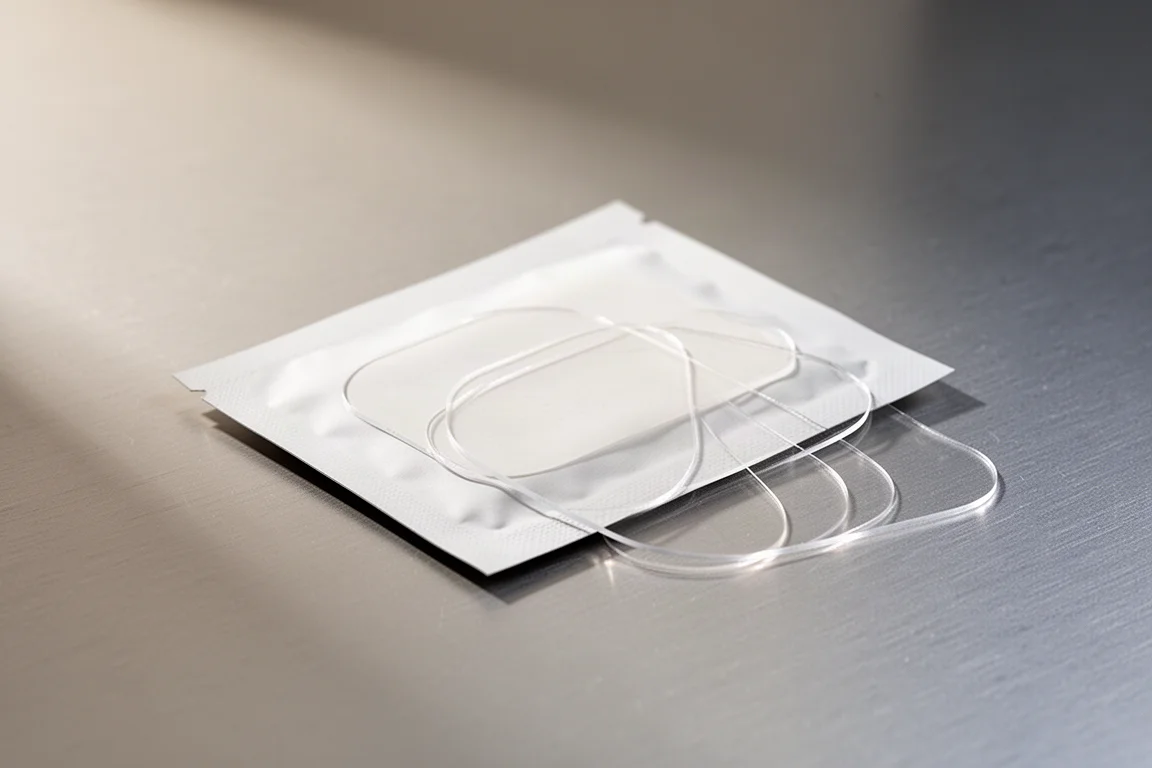
Once chafing has progressed past the point where a lubricant helps, the goal changes from prevention to relief and skin protection. A thick ointment does that job: it shields the irritated area, manages dryness, and reduces the friction that keeps the problem going.
The second use is what makes it a genuine multi-tasker. The same tube works as a lip balm, which means one small item covers chafing and dry, cracked lips in cold or windy conditions. A small tube is enough for a multi-day trip.
Best Clip-On Light: Claymore Capon 40B
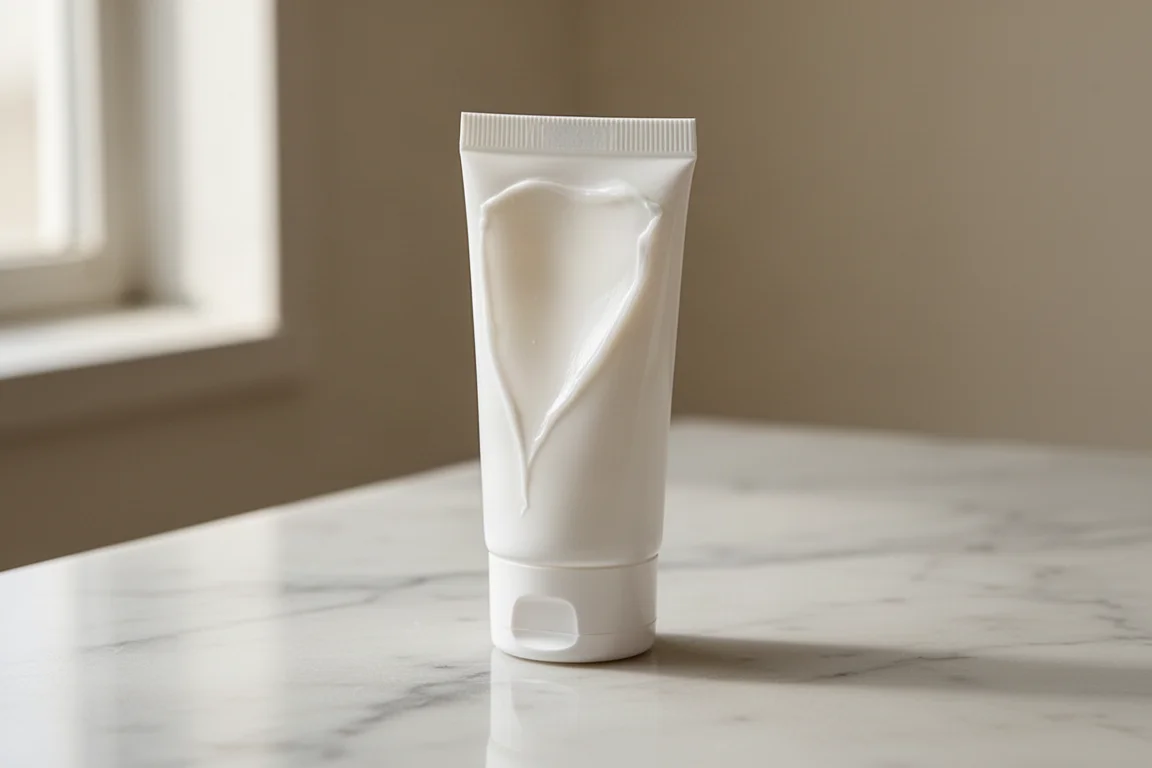
Headlamps are the default camp light, but a clip-on light solves a different problem. This one clips directly onto the brim of a cap, so the beam points where you are looking without a strap across your forehead. It is lightweight and quick to move between a hat and a pack.
It is also more than a single-purpose light. The main body includes a dimmable lantern, and the set includes a smaller unit that can be clipped to a loop at the top of a tent to light the interior. A red light and a standard forward beam round out the controls, which makes it useful for everything from cooking dinner to reading after dark without blinding everyone else at camp.
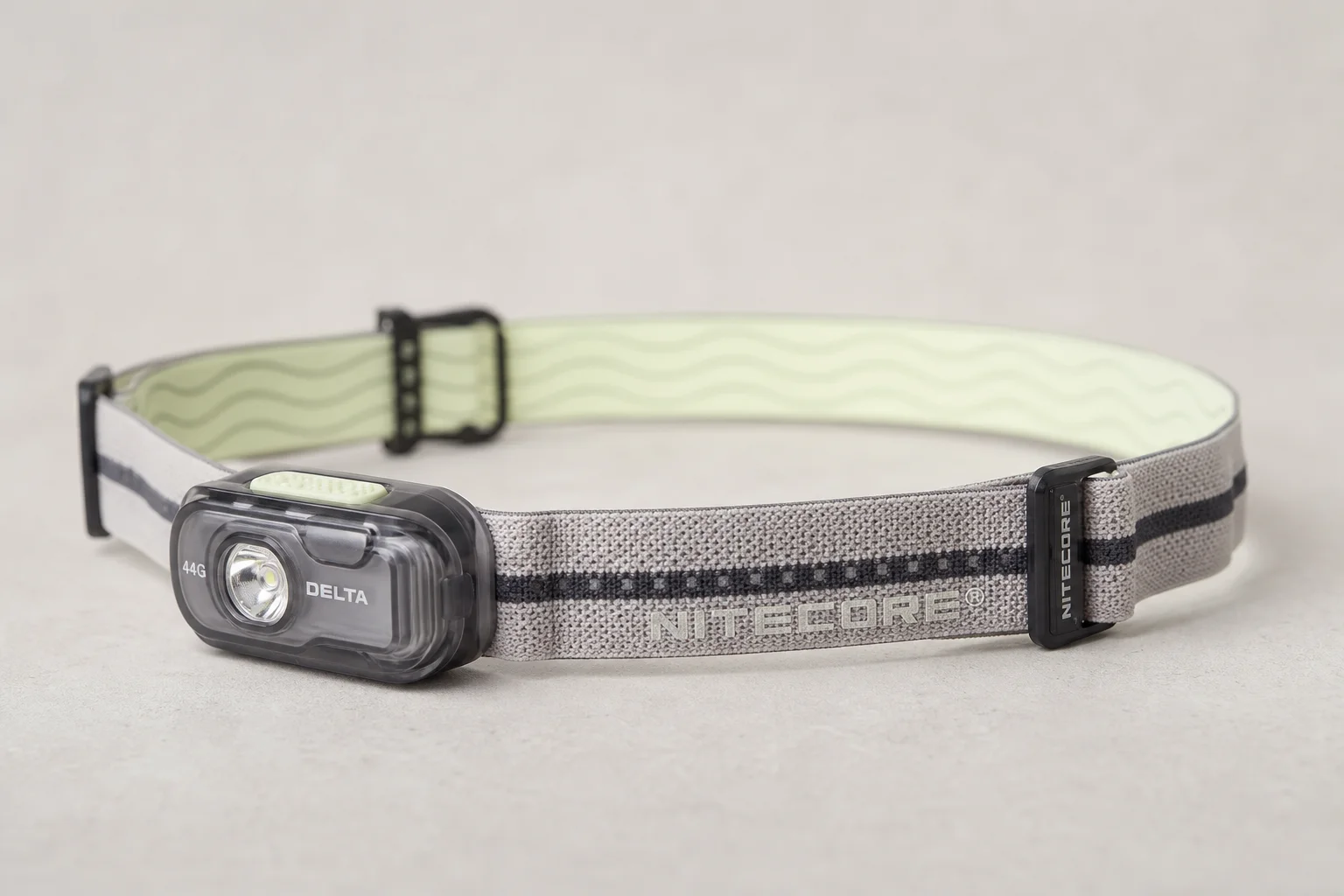
Best Budget Headlamp: Nitecore NU21
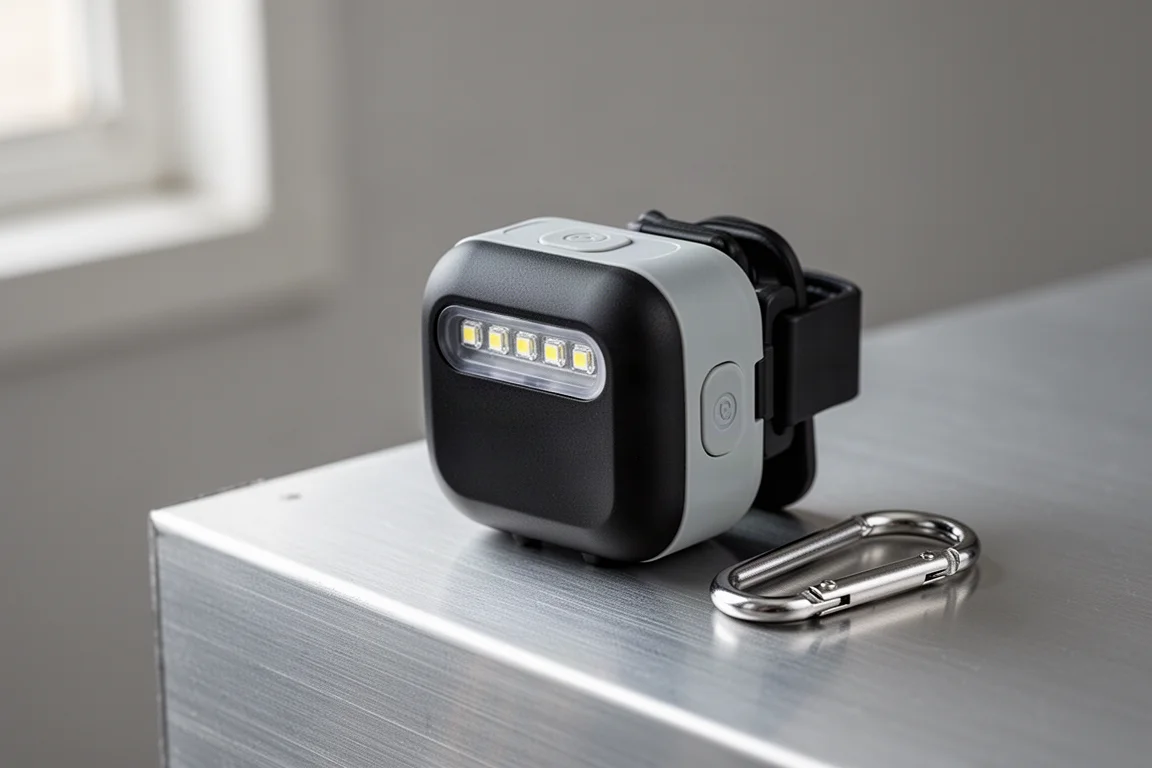
If you prefer the traditional setup, a headlamp with an elastic band remains the simplest option. The NU21 sits below the better-known NU25 in both cost and light output, and it is a little lighter as well, which makes it a sensible pick for hikers who mostly need a light for camp chores and the occasional early start.
Honest assessment: many backpackers use a headlamp only a handful of times per year. That is an argument for a light that is affordable, light, and reliable rather than one with the highest output on the market. It still belongs in the pack on every trip, because the one night you need it, nothing else substitutes.
Best Small Power Bank: Nitecore NB Air
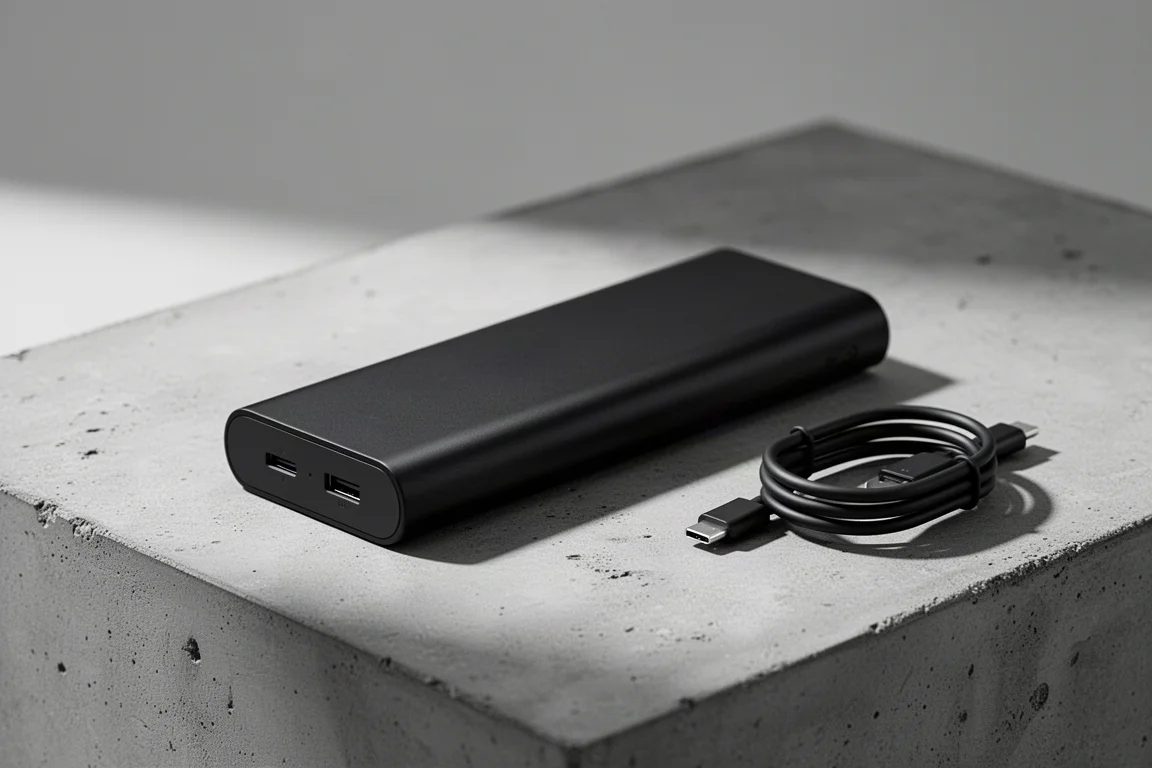
A phone is a camera, a navigation tool, a journal, a podcast player, and an e-reader, and all of those functions drain the battery. A small power bank keeps it alive. The NB Air is a 5,000 mAh unit, which is enough to top up a phone once or twice and light enough that there is little reason to leave it behind.
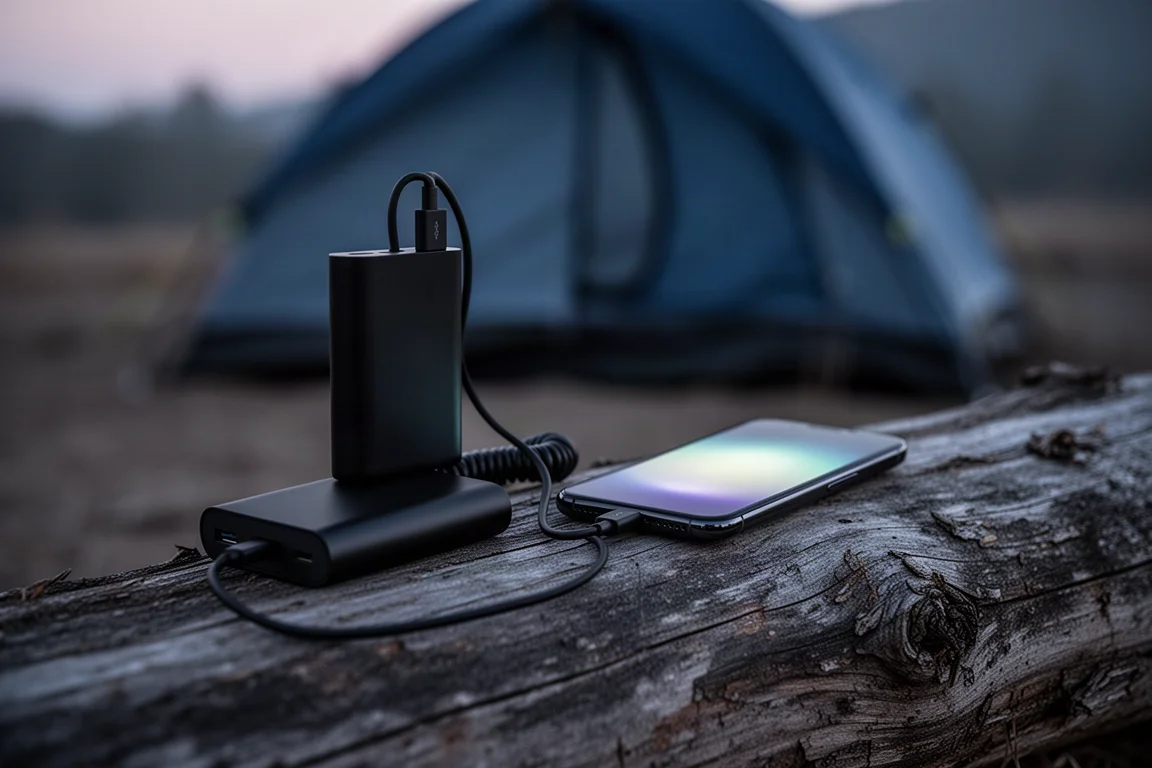
It is best understood as a nice-to-have rather than a necessity. Hikers who shoot a lot of photos and video or navigate from the phone all day will get more use out of it than someone who checks the map twice. Pairing it with a short USB-C cable keeps the whole charging setup compact.
Best Insect Repellent: Sawyer Picaridin
Bug pressure can define an evening at camp, and repellent is the difference between eating dinner in peace and retreating to the tent. Picaridin-based repellent is a good choice for backpacking because it does not damage waterproof gear the way some alternatives can, which matters when the item being sprayed is a rain shell or a tent.
Buying it in a larger bottle and decanting into a small one is the practical approach. It keeps the carried volume down to a few days’ worth and makes the refill cost much lower over a season.
Best Field Soap: Pah Outdoors Summit Suds
Soap sounds like a luxury until you need it. Cleaning hands before handling food, rinsing off after a sweaty day, and cleaning up irritated skin are all small hygiene wins that make a multi-day trip more comfortable and reduce the chance of a skin problem getting worse.
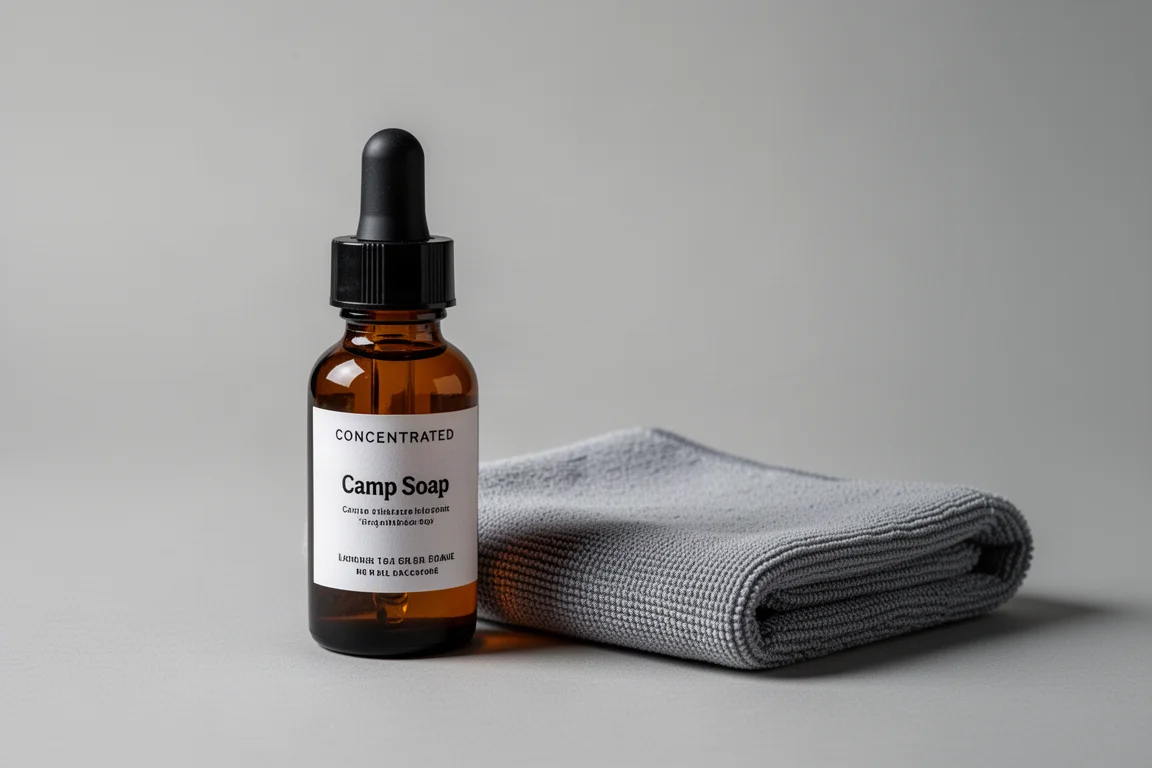
A concentrated camp soap takes up very little space. Used sparingly with a small amount of water, a tiny bottle lasts a long time, which is what makes it worth carrying rather than leaving at home.
Best Stackable Containers: HumanGear Stacks
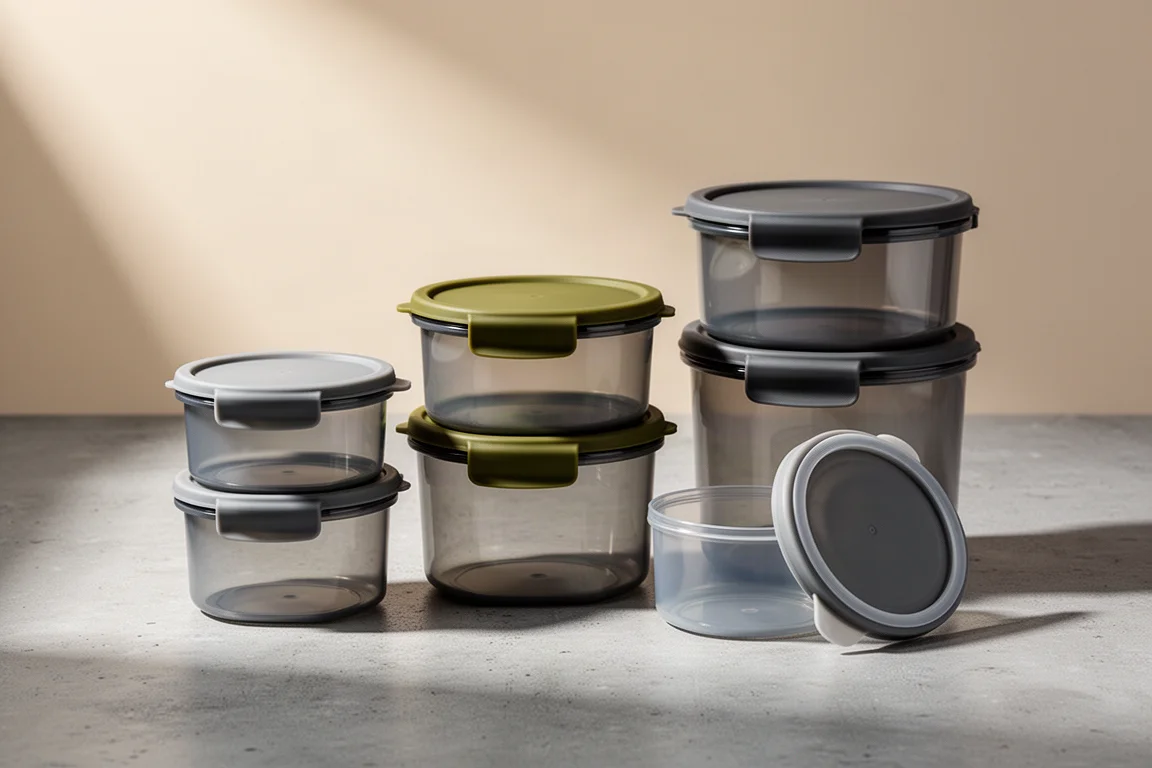
For hikers who cook real food rather than rehydrating meals, carrying oil, sauce, or a small amount of medicine is a genuine problem. These stackable containers solve it with a silicone gasket in the lid that keeps liquids contained.
They come in small, medium, and large sizes, and the containers separate so you can carry only what you need. They also clip together, which keeps a set organized instead of rattling loose at the bottom of a food bag. This is squarely a luxury item, but it is one that opens up a different style of backcountry cooking.
Buying Advice: Building a Small Gear Kit
The mistake to avoid is buying the whole list at once. Start with the items that address problems you have actually experienced. If you have patched a jacket with tape in the field, keep carrying tape. If you have finished a hike with a blister, add blister strips. If your phone has died before the end of a trip, add a small power bank.
A practical way to organize it is three small pouches: first aid, electronics, and everything else. First aid gets the repair patches, blister strips, flexible tape, and ointment. Electronics gets the power bank, a short cable, and the light. The third pouch holds soap, repellent, and containers.
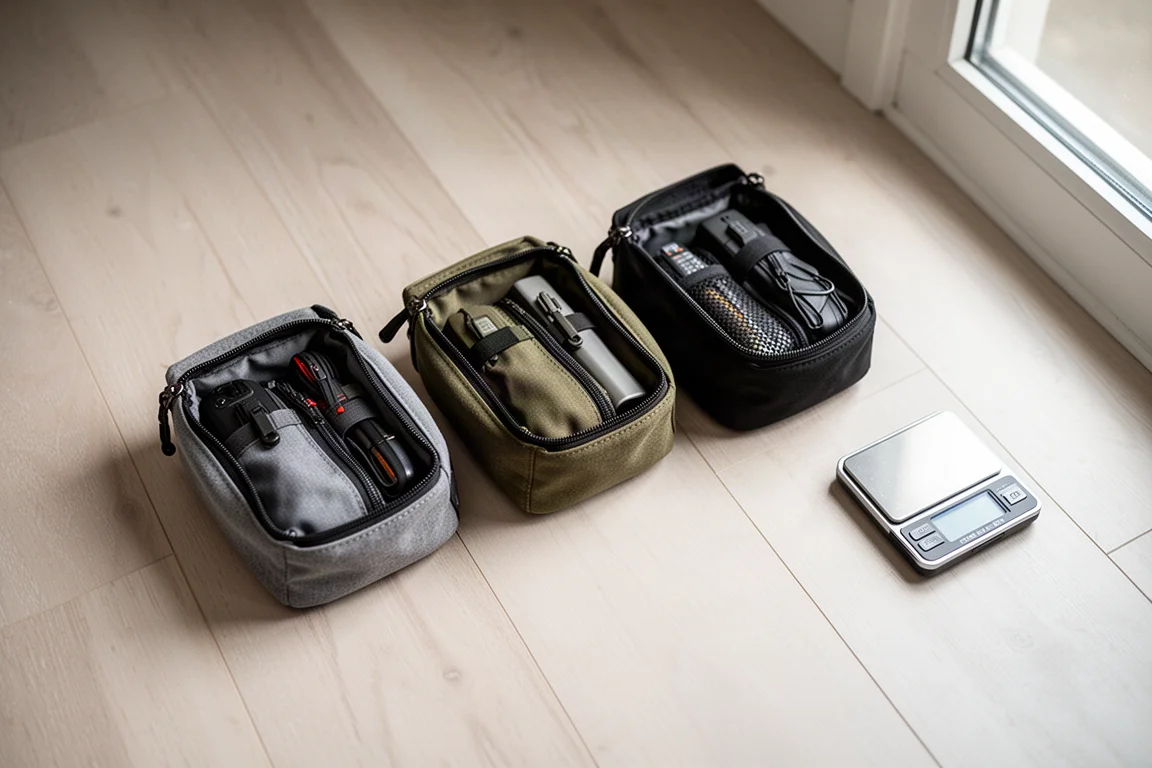
Weigh the pouches once they are packed. Small items add up, and a kit that has grown to half a kilo has stopped being pocket-sized. If something has not been used in three or four trips, it is a candidate to leave behind.
Conclusion
The best pocket-sized backpacking gear is boring in the best sense: it sits unused until the moment it is needed, then solves the problem completely. Repair patches, blister strips, flexible tape, a thick ointment, a clip-on light, a compact headlamp, a small power bank, repellent, camp soap, and a stackable container set each cover a specific failure or discomfort.
Pick the ones that match your trips, keep them in a pouch you can find without emptying your pack, and re-evaluate the kit once a season. That is usually enough to keep small problems from becoming trip-ending ones.
Further reading
Related Reviews

Backpacking Gear
Building a 10 lb Base Weight: An Ultralight Backpacking Gear List
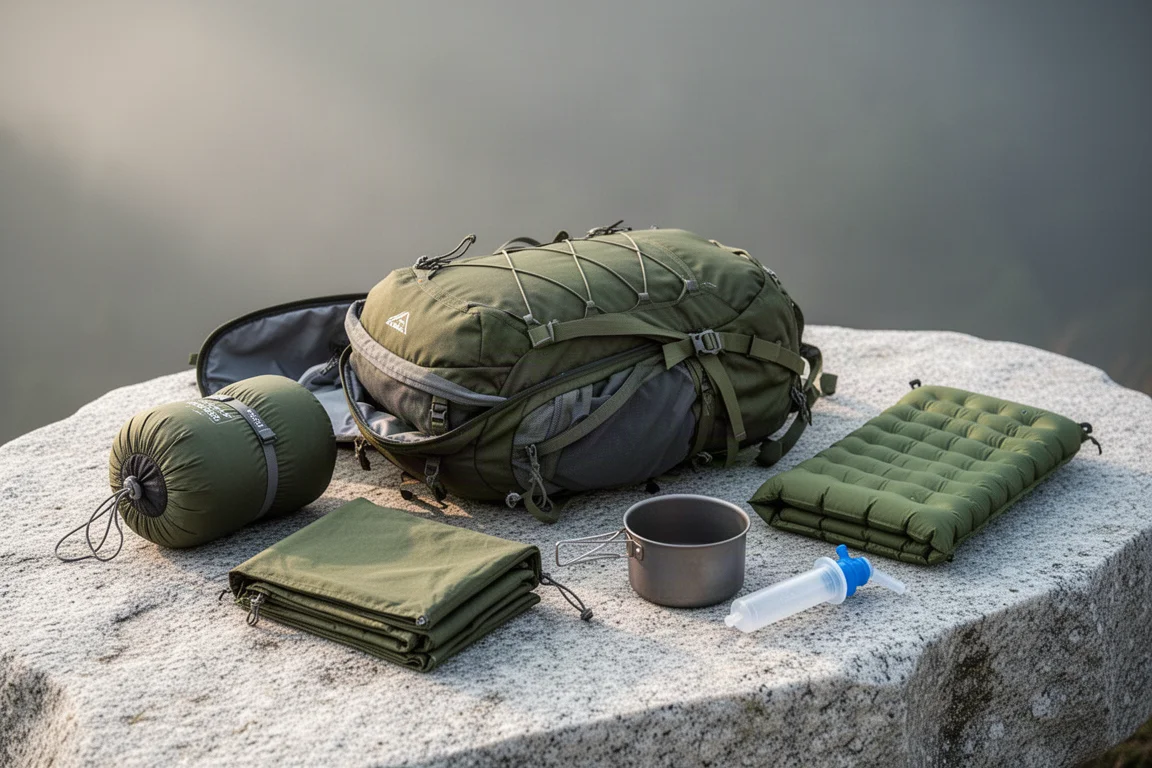
A practical walkthrough of the ultralight pieces behind a 10 lb base weight, from a 765 g pack and a roomy one-person tent to a full camp chair and a dependable water filter.
Backpacking Gear
A 15-Pound Lightweight Backpacking Gear List for Solo Trips
A beginner-friendly 15-pound backpacking setup built from easy-to-find gear, with notes on what each piece does, how it packs, and where to spend your attention.
Backpacking Gear
8 Ultralight Backpacking Gear Upgrades Worth Carrying
Eight small, affordable backpacking upgrades that solve real trail annoyances, from a pillow that stays put to a fuel valve that rescues leftover canister gas.