Bookshelf Speakers
PMC Prodigy 1 Review: Transmission Line Sound in a Small Cabinet
The PMC Prodigy 1 is the most affordable speaker from a UK studio monitor maker. Here is what its transmission line cabinet delivers and where it asks for care.
Introduction
PMC is a UK-based loudspeaker company founded in 1990 that builds studio monitors and home speakers, with design and manufacturing based in the UK. Its monitors have been used in recording work by artists such as Prince, Brian May, and Stevie Wonder, and the brand has a long history at the high end of the market.
The Prodigy 1 is the most affordable speaker in that catalogue, at around $1,700. That is still a serious amount of money for a compact standmount, and it places the Prodigy 1 in the upper range of what most buyers audition. What makes it interesting is what sits inside the cabinet: a transmission line, a design approach that is considerably more expensive to build than a sealed or ported box.
This review is based on extended listening in a living room, with the speakers first on a small wall and later on a much larger wall, driven by two very different amplifiers.
Who the PMC Prodigy 1 Is For
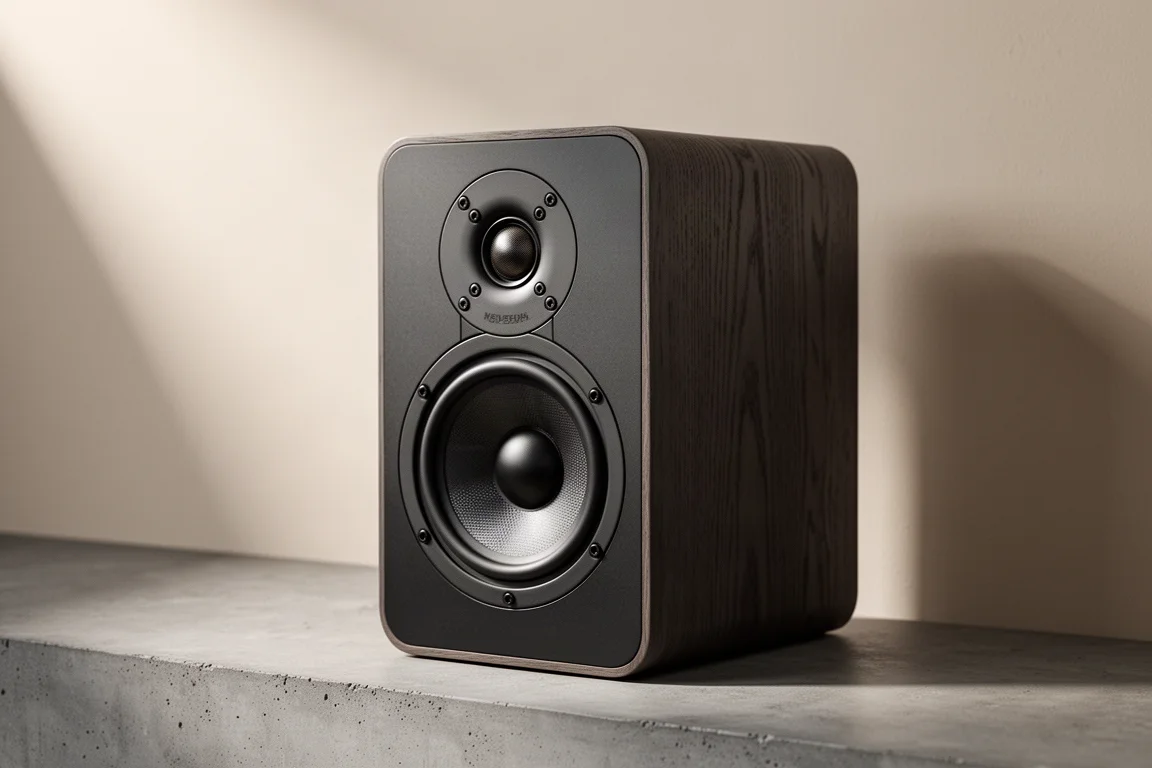
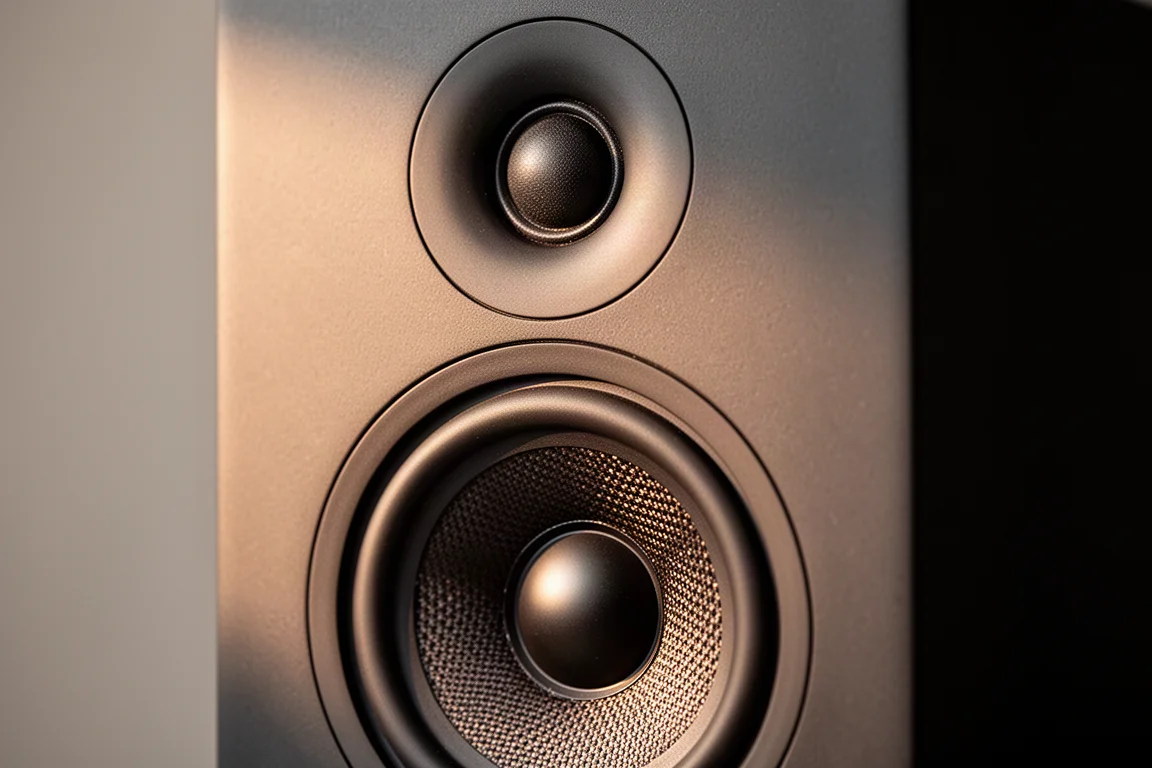
Physically the Prodigy 1 is small. The cabinet stands 12.5 inches tall and houses a 1-inch soft dome tweeter above a 5.25-inch woofer, with a claimed frequency response of 50 Hz to 25,000 Hz, a 6-ohm nominal impedance, and sensitivity of around 87 dB.
That combination makes it a natural fit for a desk, a study, or a modest living room where the listening position is close. The speaker is not hard to drive, though it is not especially easy either, which means a wide range of amplifiers will work with it. It also rewards being placed with some care, and it is unusually forgiving about listening height.
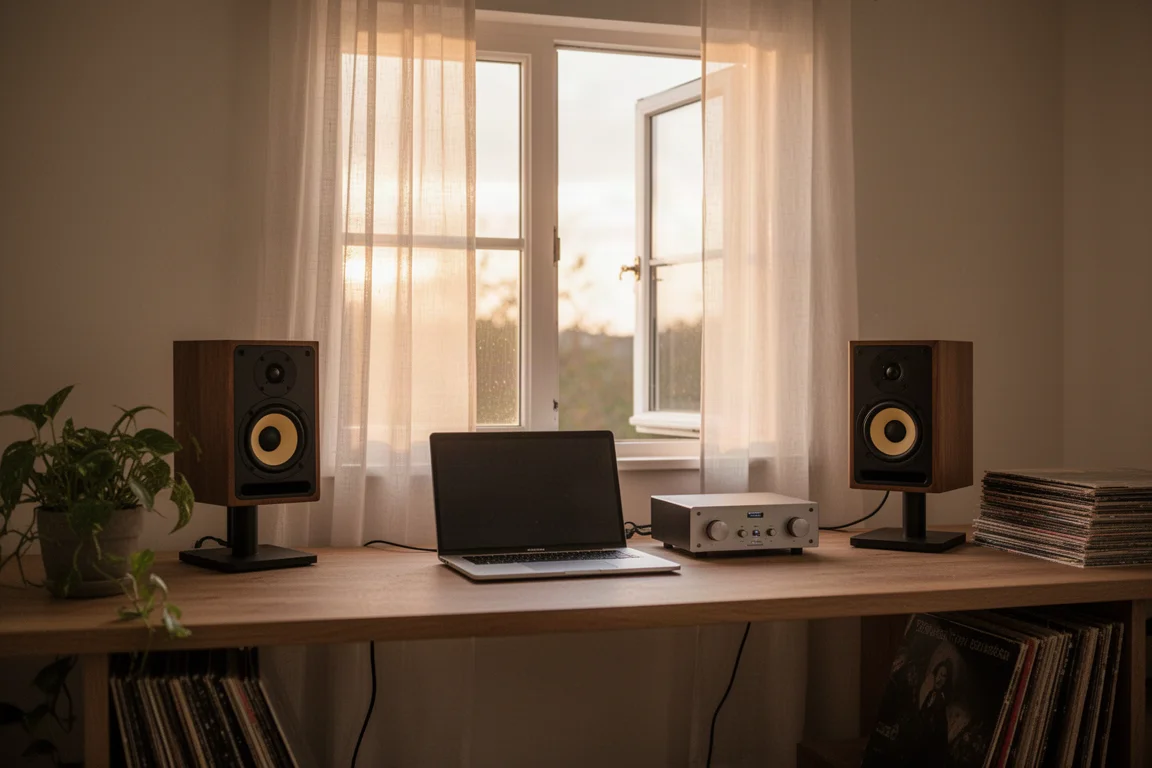
Where it makes the most sense is a small or medium room used for nearfield or close listening at moderate levels. In a very large room it can still work, but that setup benefits from a subwoofer and a high-pass filter to keep the small woofer from doing all of the heavy lifting.
Main Strengths
What stands out over time is balance. Nothing in the presentation feels pushed forward for effect, and the low end, mid-range, and top end hold together as one coherent sound.
Soundstage and Imaging
There is no large waveguide on the front baffle, yet the Prodigy 1 throws a wide and tall soundstage. Imaging is precise enough that instruments and voices stay locked in place, and the presentation holds up well off axis.
That off-axis strength is worth underlining. The speakers remained clean and articulate when heard from a different room roughly 15 feet above and away from them, and the vertical off-axis performance in particular is excellent. If the tweeter cannot be placed exactly at ear level, the Prodigy 1 will not punish you for it.
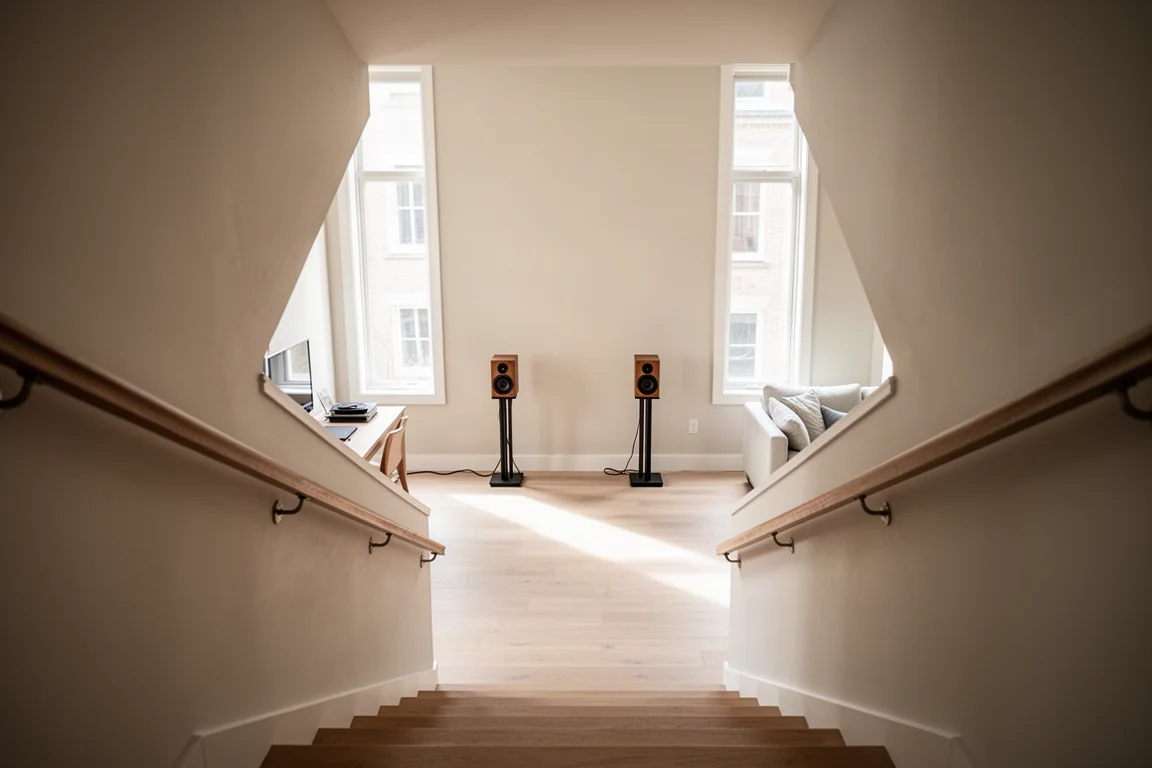
The result is a presentation that stays stable as you move around the room, which matters in spaces where the listening seat is not fixed or where more than one person is listening at once.
Bass from a Transmission Line Design
A transmission line uses a long, folded path behind the driver, damped with absorbent material and tuned to reinforce low frequencies. It is a costly cabinet to manufacture, which is why it appears mostly in high-end designs.
The payoff here is bass that is lower, quicker, and more authoritative than the cabinet size suggests. On busy, complicated tracks it never sounded strained. It is not a substitute for a tower, and a subwoofer is still welcome for film soundtracks and sometimes for music, but the low end is extended and effortless at sensible listening levels. In a small or medium room there is enough weight for real physical impact without a sub.
Mid-Range Warmth and Vocal Realism
The mid-range carries a touch of warmth that flatters voices. Female vocals come across as full and organic, male vocals are equally convincing, and the overall tonality feels believable rather than clinical.
On television, some lower mid-range dialogue around 350 Hz needed a little more attention, and leaning in helped. It was never unclear, just slightly less forward than the rest of the range, and it did not show up on music at all.
Treble Clarity and Air
The top end is fast and snappy. It has the immediacy usually associated with a metal dome tweeter, without the nasal quality that can come with it, which makes the soft dome used here something of a surprise. There is plenty of air, and the sense of the recording space comes through clearly on well-recorded material.
Things to Consider Before Buying
Volume Ceiling
The Prodigy 1 is at its best between roughly 75 and 85 dB. Below 85 dB everything stays effortless, but push past that and the speaker stops sounding comfortable. This is not a system for filling a large room at high volume.
Amplifier Pairing
The speaker is transparent enough to reveal the amplifier behind it. Driven by a compact class D integrated amplifier rated at 60 watts into 8 ohms and 120 watts into 4 ohms, the bass sounded lighter and the mid-range a little more forward. Driven by a high-power multichannel amplifier running in mono mode, the low end was fuller and more authoritative. Both drove the speaker without difficulty, but they did not sound the same.
Placement and Finish
Moving the speakers from a small wall to a large wall changed the perceived size of the presentation noticeably. The finish looks good but picks up fingerprints, so it is worth handling the cabinets carefully before final placement.
Buying Advice
At around $1,700 the Prodigy 1 sits at the top of what many buyers will consider, and it is worth being clear about the alternatives. The Buchardt P300, at roughly $1,500 to $1,600, is a strong speaker, but the Prodigy 1 offers more top-end extension, more air, and greater clarity, and it was preferred here to the Buchardt S400 MKII as well. Compared with the Emotiva B2 Plus, which costs around $350, the Prodigy 1 has a cleaner mid-range, cleaner bass, and a more natural top end, along with better tonal accuracy. The PSB Imagine XB and the DIY CSS Kiton 1 TDX share a broadly similar character for far less money, but they cannot match the clarity. A second listener in the room also preferred the Prodigy 1 to the B&W 606 S3.
The honest framing is that this is an expensive small speaker that happens to be the cheapest way into a line that costs considerably more. For a buyer who has saved for a few years and wants a nearfield or small-room system built around accuracy, that trade is reasonable.
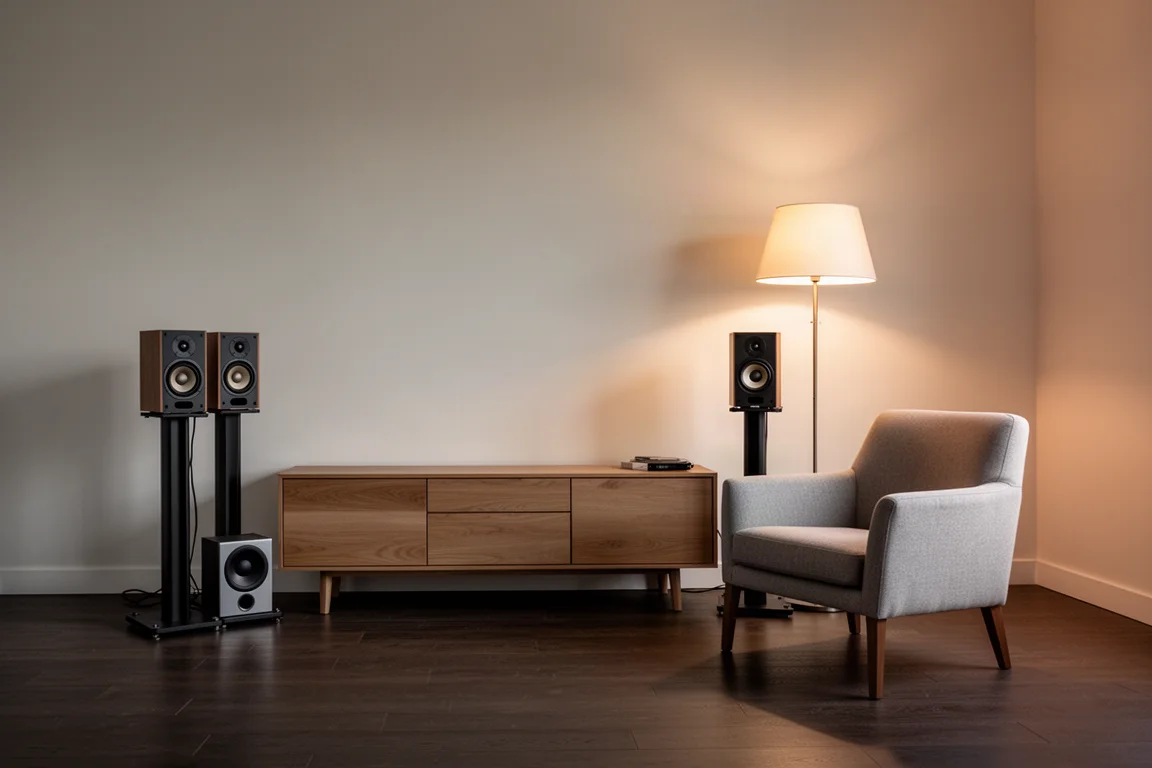
Pair it with a competent amplifier, give it a room that lets it breathe, and keep expectations of volume realistic. Buyers who need to fill a large space or listen loud should look at a larger speaker or budget for a subwoofer alongside it.
Conclusion
The PMC Prodigy 1 is a knockout at what it does: a small, UK-built standmount with a warm and believable mid-range, a quick and airy top end, and transmission line bass that punches above its cabinet size. It asks for a sensible room, a sensible volume, and an amplifier that suits it. Within those limits it is one of the more compelling small speakers at its price, and a genuinely exciting way for a long-standing high-end brand to become reachable.
Product link
View more details for PMC Prodigy 1
This product is mentioned in the review. Check the specifications, options, and compatibility before buying.
View more details for PMC Prodigy 1Further reading
Related Reviews
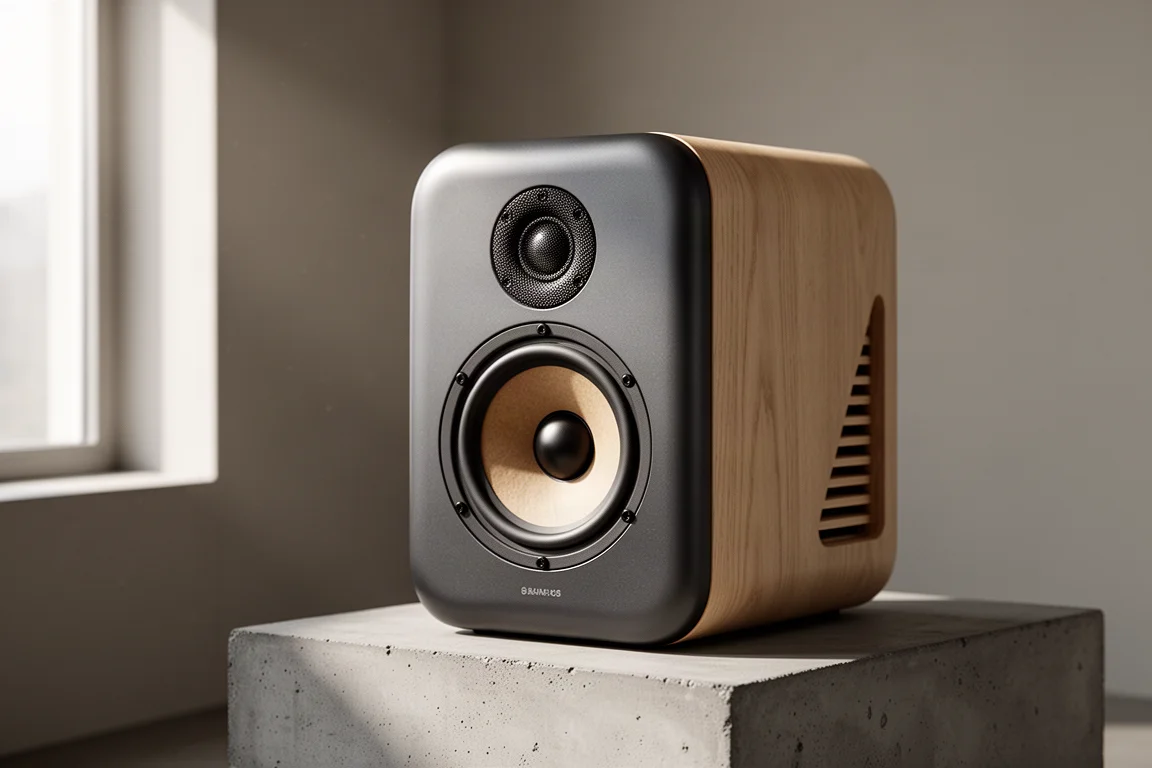
Bookshelf Speakers
Acoustic Energy A100 Mark II Review: A Compact Standmount With an Expansive Soundstage
The Acoustic Energy A100 Mark II brings clarity, natural tonality and a wide soundstage to an entry-level standmount, with a few setup details worth knowing first.
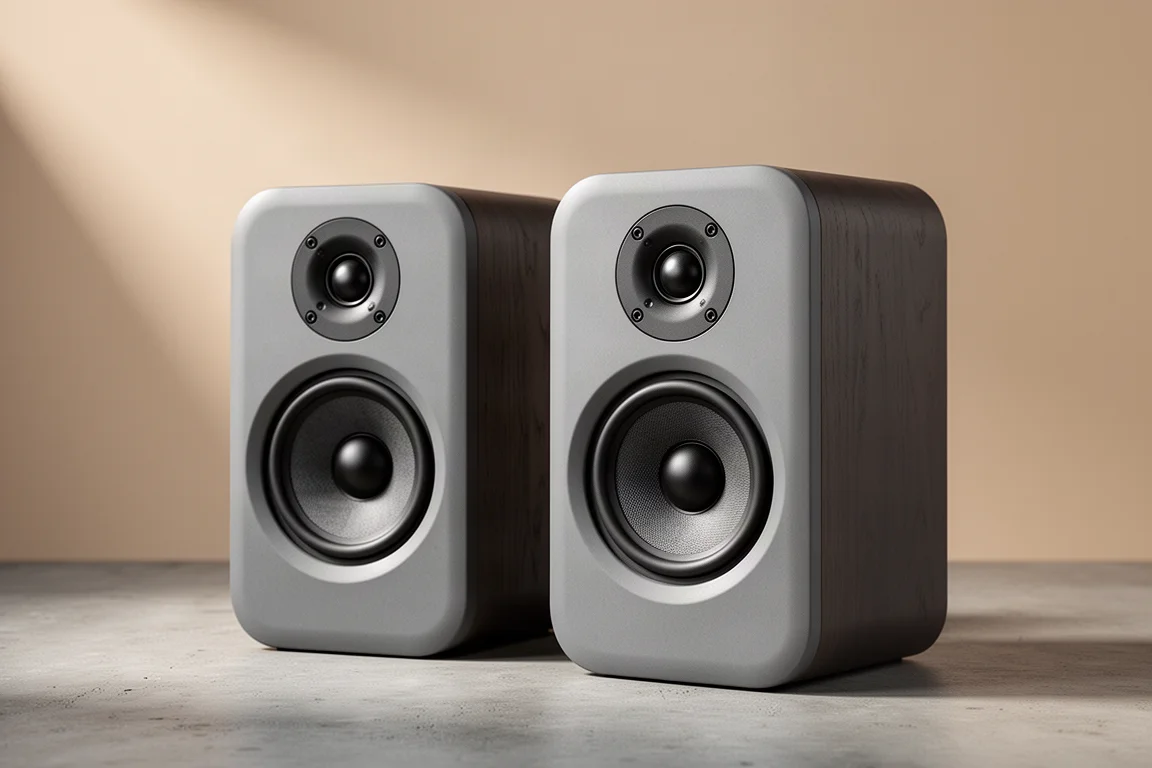
Bookshelf Speakers
Acoustic Energy AE-100 Mark II Review: Compact Bookshelf Speakers With Standout Imaging
A compact British two-way bookshelf speaker with deep, layered imaging, fast bass, and a slight treble lift to weigh against a crowded $500 field.
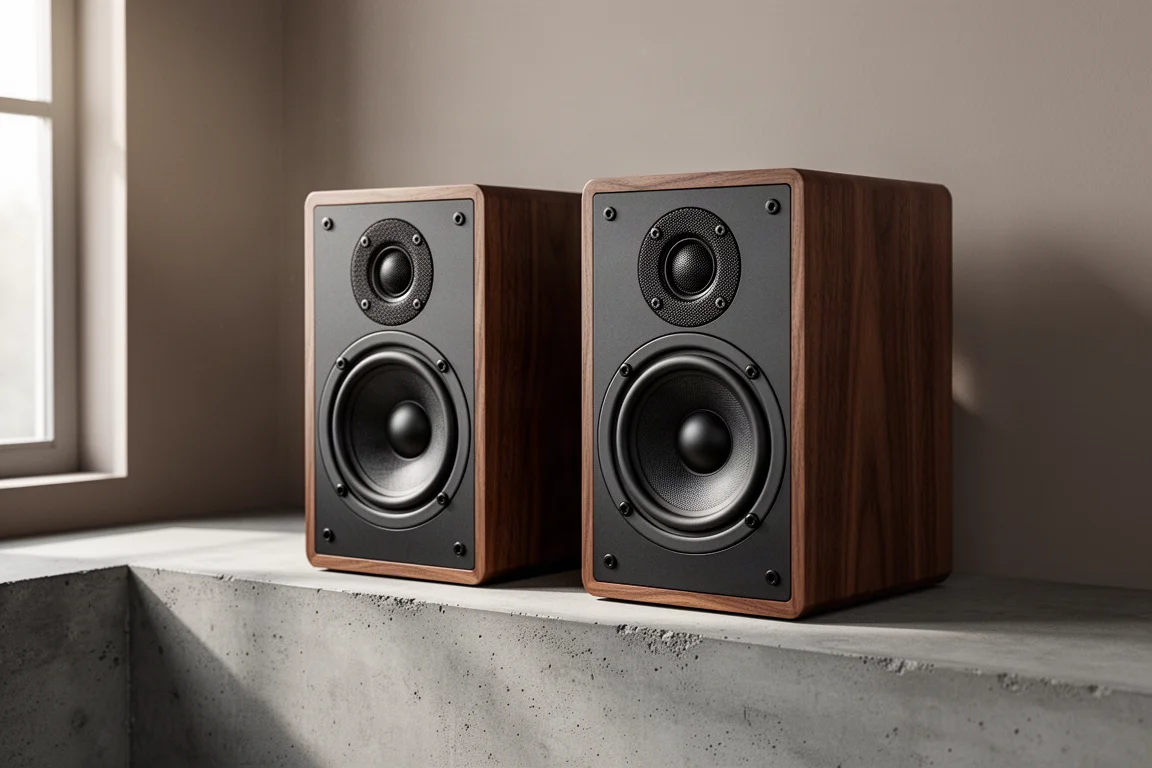
Bookshelf Speakers
Acoustic Energy AE100 MK2 Review: Measured Performance and Four Alternatives
A close look at the Acoustic Energy AE100 MK2 bookshelf speaker, what its measured performance reveals, and four alternatives with different trade-offs.