Art & Outdoor Gear
Plein Air Painting Gear: A Practical Field Loadout for Watercolor and Sketch Artists
Seven field-tested pieces of gear for painting outdoors, from adjustable sketch easels and umbrella rigs to a tool roll that clips straight onto your tripod.
Introduction
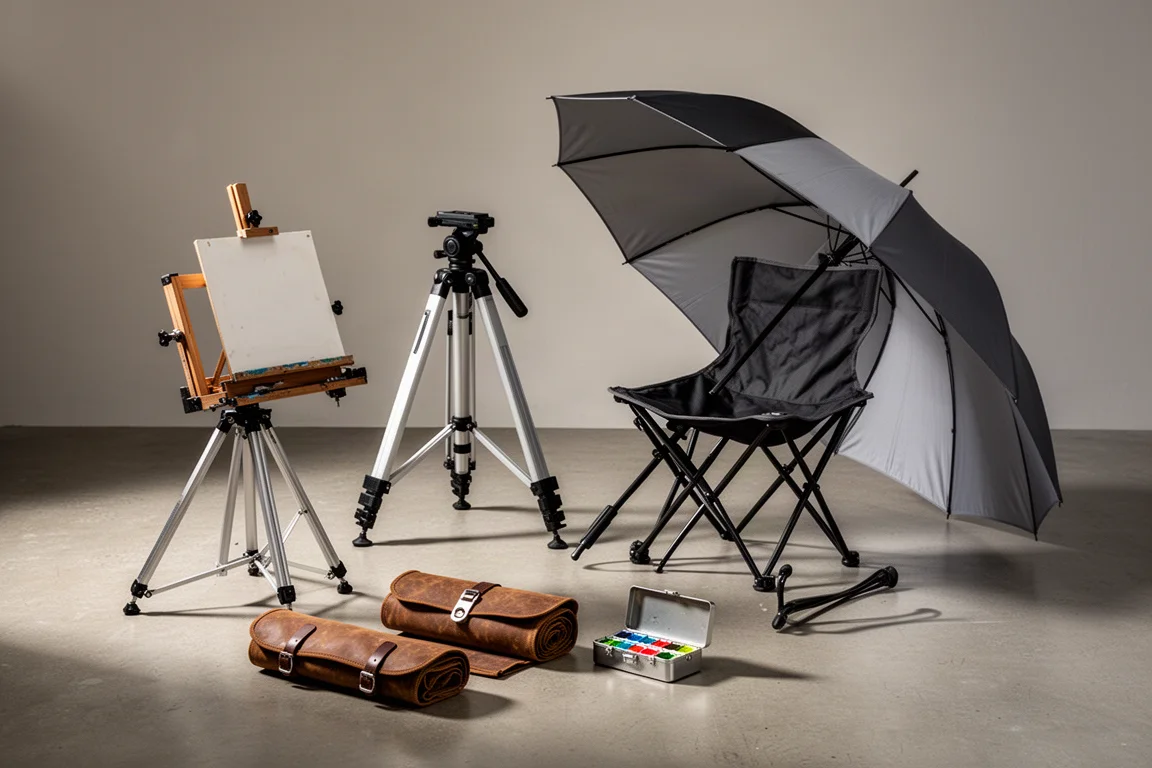
Painting outdoors does not require a truckload of equipment. In its simplest form, a watercolor kit and a sketchbook are enough. But for anyone who wants to work comfortably in the field for a full session, a small set of supporting tools makes a real difference. This loadout covers the essentials: two sketch easels, an umbrella system for light and weather control, a sturdy tripod, a tool roll, a compact watercolor kit, and a seat that disappears into a pack. Everything here totals roughly 25 to 30 pounds, not counting the tripod, which adds another 8 to 10 pounds on its own.
How the Loadout Is Chosen
The biggest decision in plein air gear is how much weight you are willing to carry, and that depends entirely on transport. Heading out by car means you can bring extras like a lightweight aluminum table, a rag, mosquito spray, and a spare umbrella. Going by bicycle, on foot, or by motorcycle means trimming down to a light tripod, one sketch easel, paints, and a backpack with water.
Small habits make the system work. An upcycled plastic water bottle clips to the tripod as a water container. A pencil tin with a white-painted interior doubles as a palette, an idea borrowed from painters who keep their kits minimal. A few spring clips keep sketchbook pages flat. None of these items are fancy, and together they keep the whole setup honest.
Yugo Portable Poet Sketch Easel
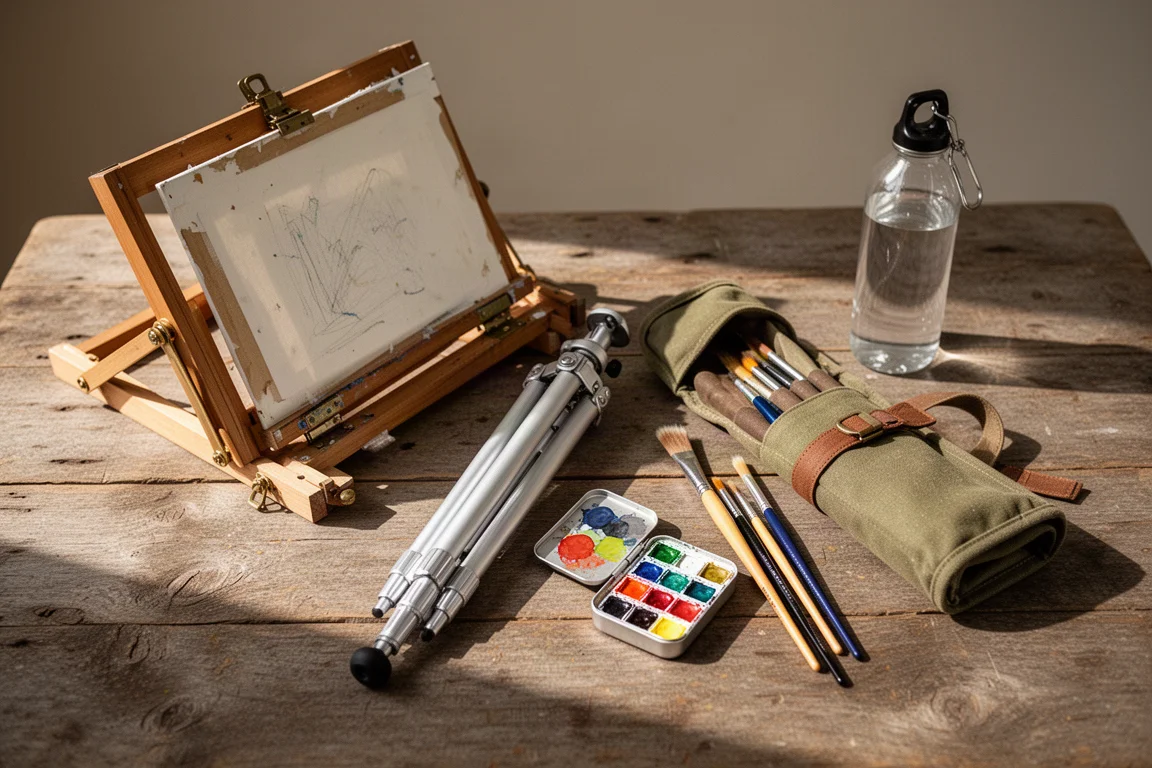
The Yugo, marketed as the Portable Poet but best described as a sketch easel, stands out for its adjustability. Its arms run on very strong neodymium magnets, so you can slide them up and down to hold a sketchbook, a large illustration board, or a canvas without any fuss. Clips can be added to keep pages flat, and they stick neatly to the magnets as well.
There is one feature worth calling out: if you forget your palette, the easel has a removable palette surface built in. It pops out, can be cleaned or flipped over, and clips back in. That kind of redundancy matters when you are far from home. Brushes can be stored in a clip on the side of the easel, kept in the tool roll, or simply laid down while you work.
Charlie Lee’s Sketch Easel
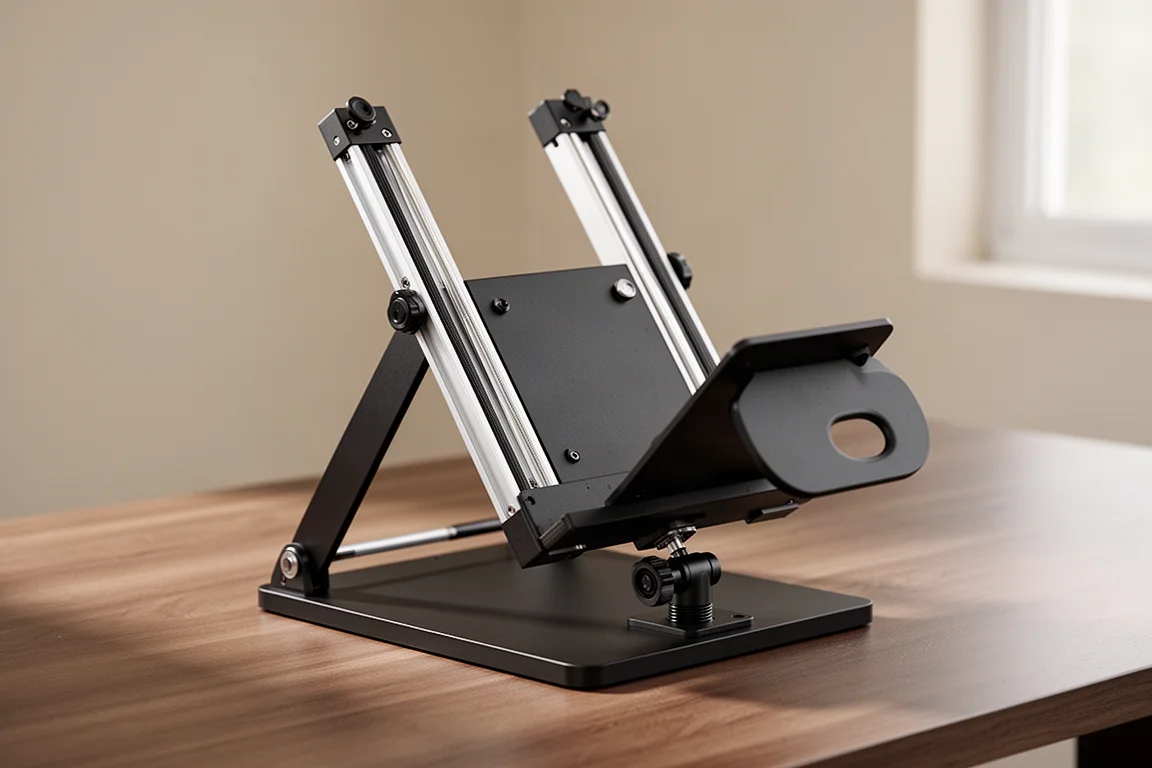
Charlie Lee’s sketch easel shares the same strong magnet system but skips the adjustable arms, holding your paper or kit with clips instead. It mounts on a standard camera mount, so it swaps onto the tripod easily, and it can carry a tin palette, a sketch kit, or a watercolor box. The build quality is solid and well finished.
In practice, the two easels cover slightly different needs. Most painters will pick one per trip rather than pack both, since there is no sense carrying extra weight for capability you will not use. Either choice is a good one; it just comes down to whether adjustable arms or a simpler clipped setup suits your workflow.
Versa XL Umbrella
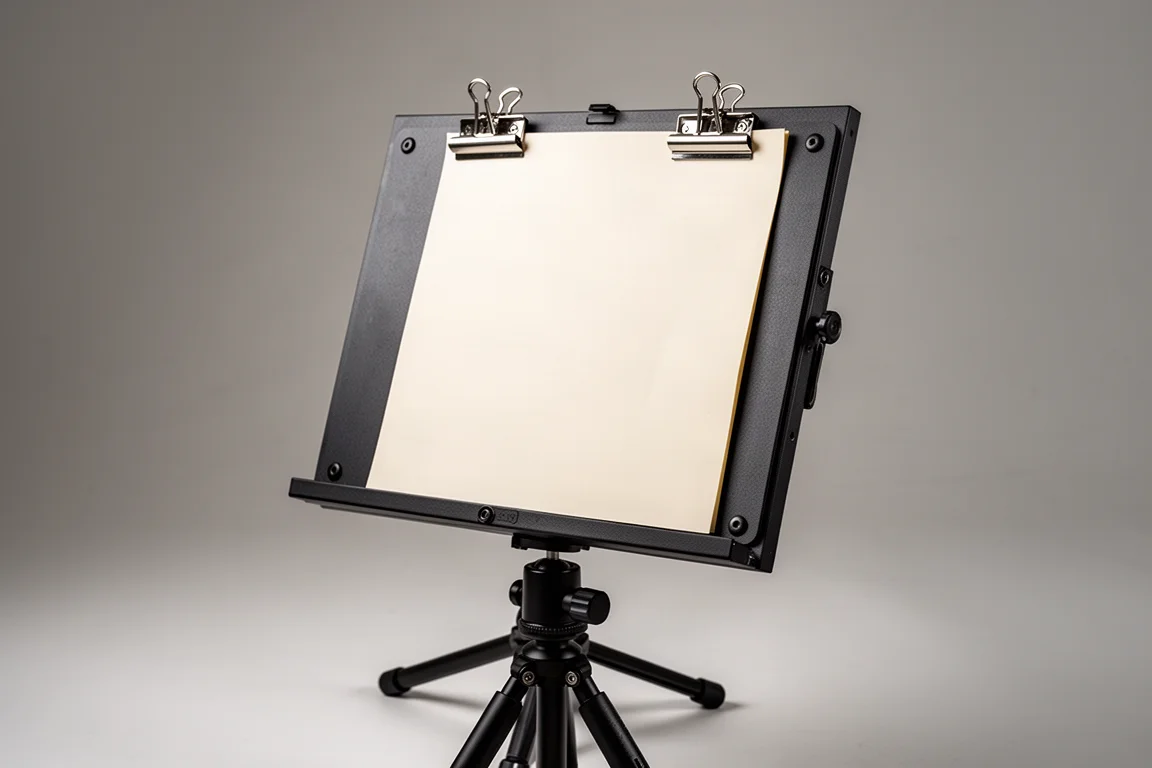
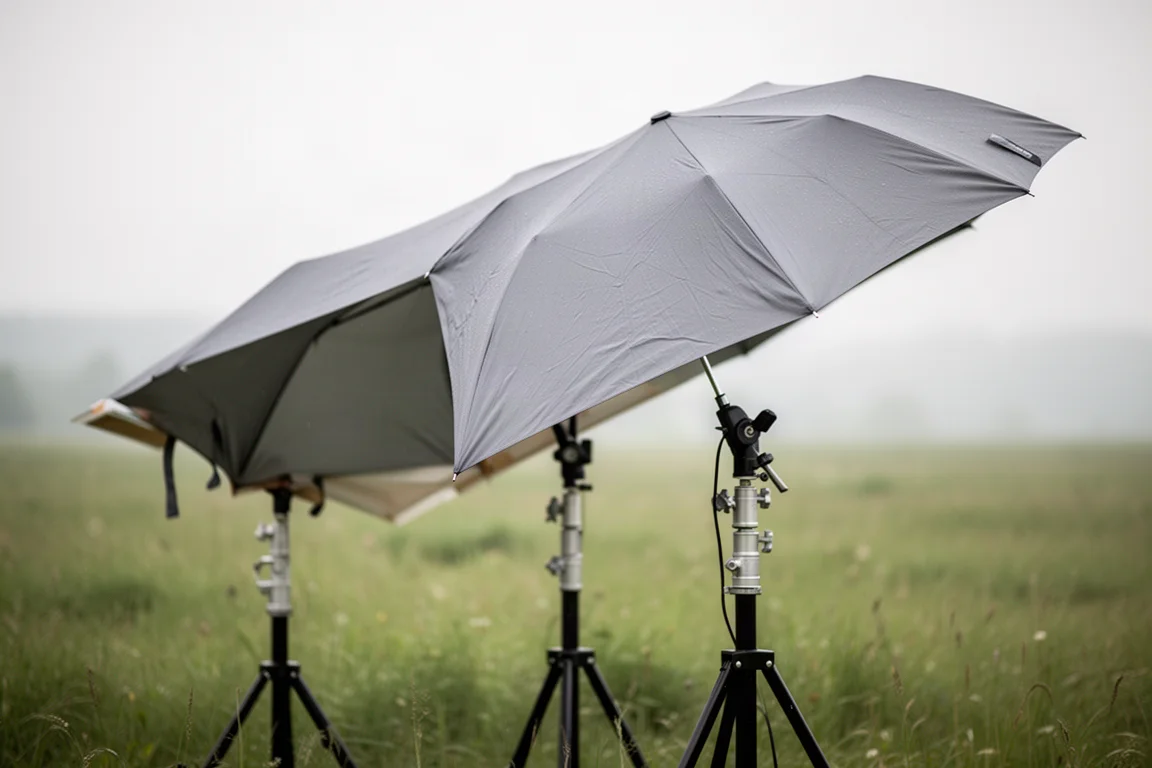
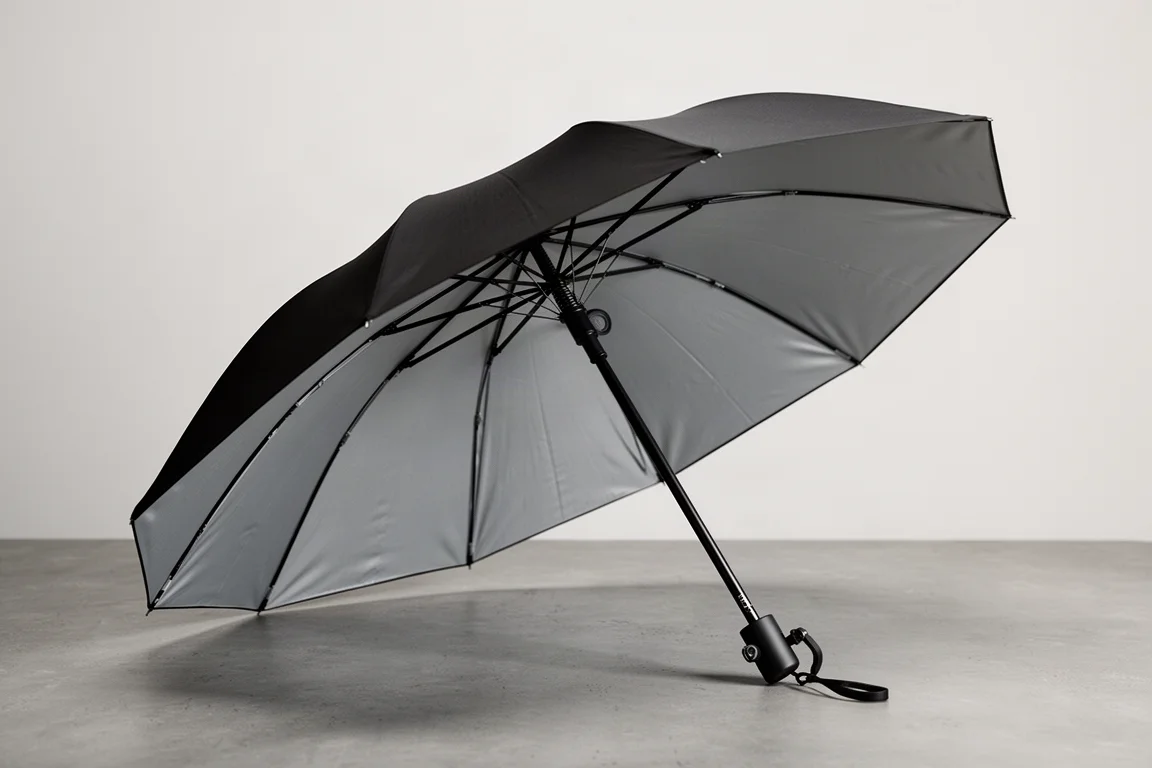
The Versa XL is the umbrella that gets used most often in this setup, and the reason is articulation. It has multiple adjustment points: a push button that moves the shade in or out, another for up and down positioning, and a rotating collar that locks in place, with rotation of what feels like a full 360 degrees. There is also a second push-button articulation point where it clamps to the tripod, so you can tilt in and out as well. Once set, it snaps firmly into position.
Because it is deliberately not round, rotation matters, since you will often want to reorient it as the light changes. The gray interior diffuses light well, keeping direct sun off your painting surface or sketchbook, and it doubles as a light diffuser setup for anyone who wants more control over illumination. It also sheds rain effectively, keeping everything underneath bone dry.
Manfrotto Tripod
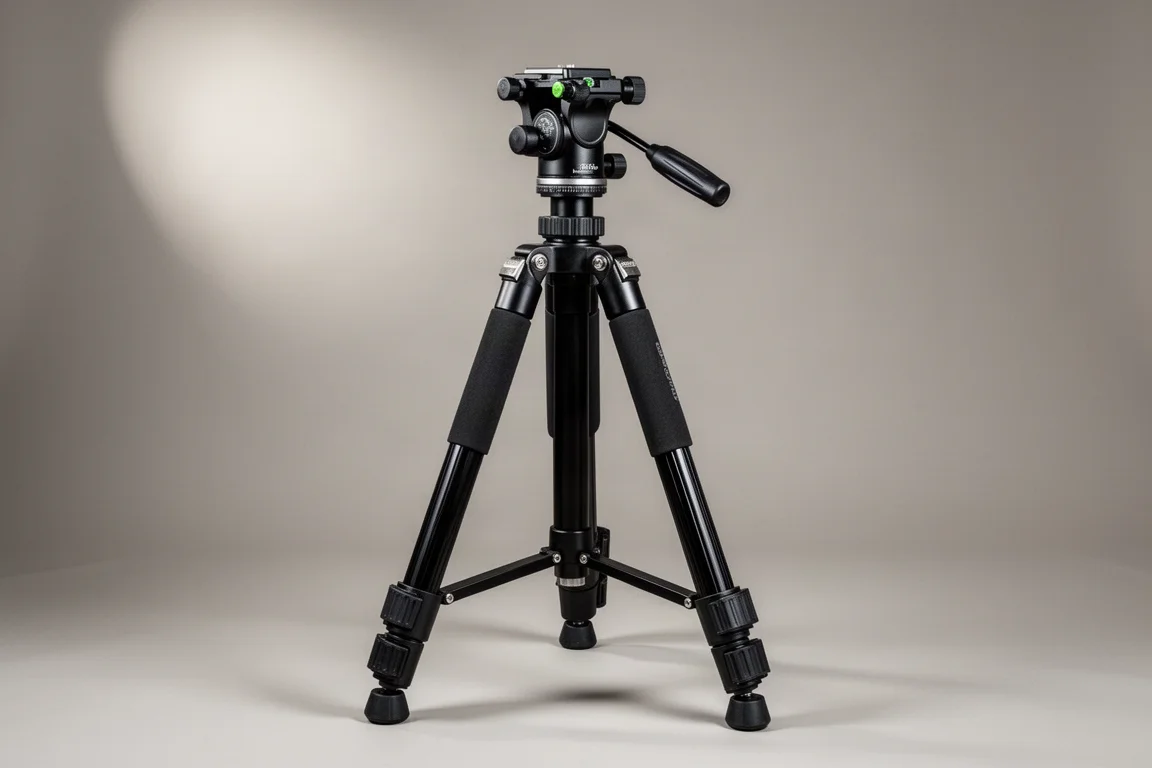
The tripod is a Manfrotto, and it is unapologetically heavy duty. At around 8 to 10 pounds, it is more tripod than strictly necessary for this kind of work, but the trade-off is deliberate: it is durable, it never causes problems, and it provides a very stable base for the easel, umbrella, and everything clipped to it.
Stability matters more than it first appears. The umbrella, the water bottle, and the tool roll all attach to this tripod, and in light wind the extra mass keeps the whole assembly planted. It is also the anchor point for the umbrella bracket, a separate adapter that holds larger umbrellas and articulates in many directions. If weight is the priority over durability, a lighter tripod is the better field choice, but this one simply works.
Locky Tool Roll
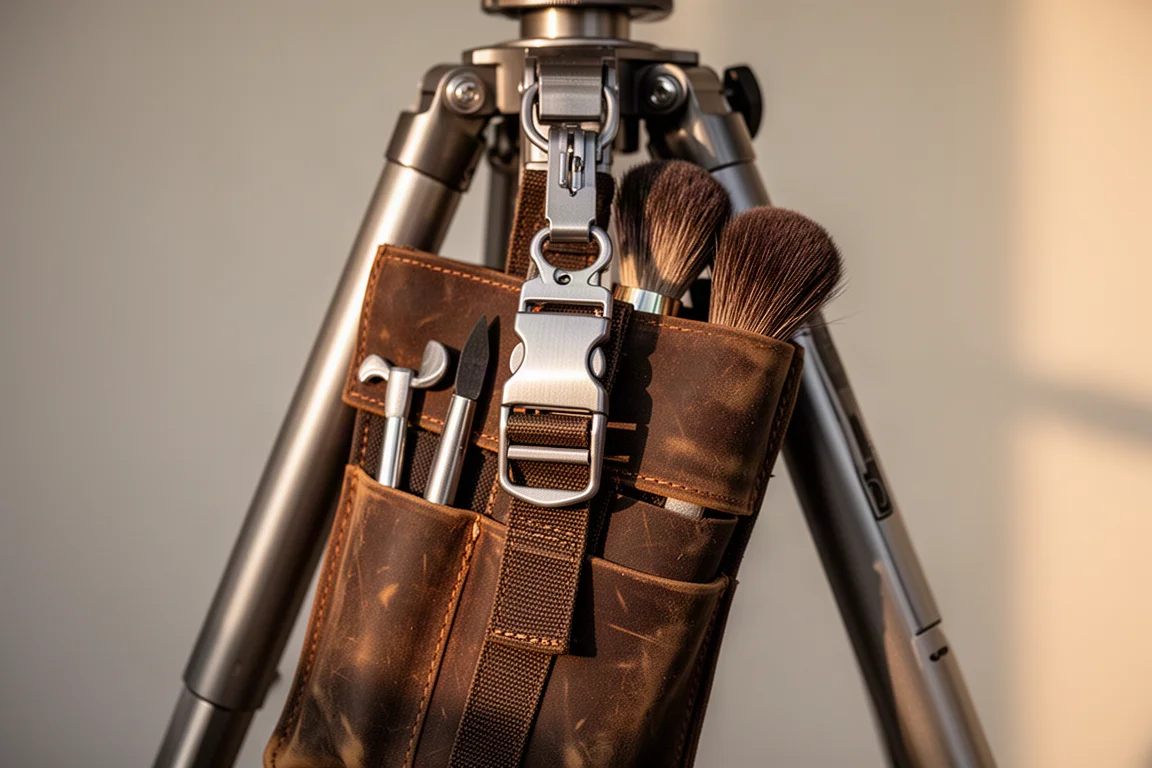
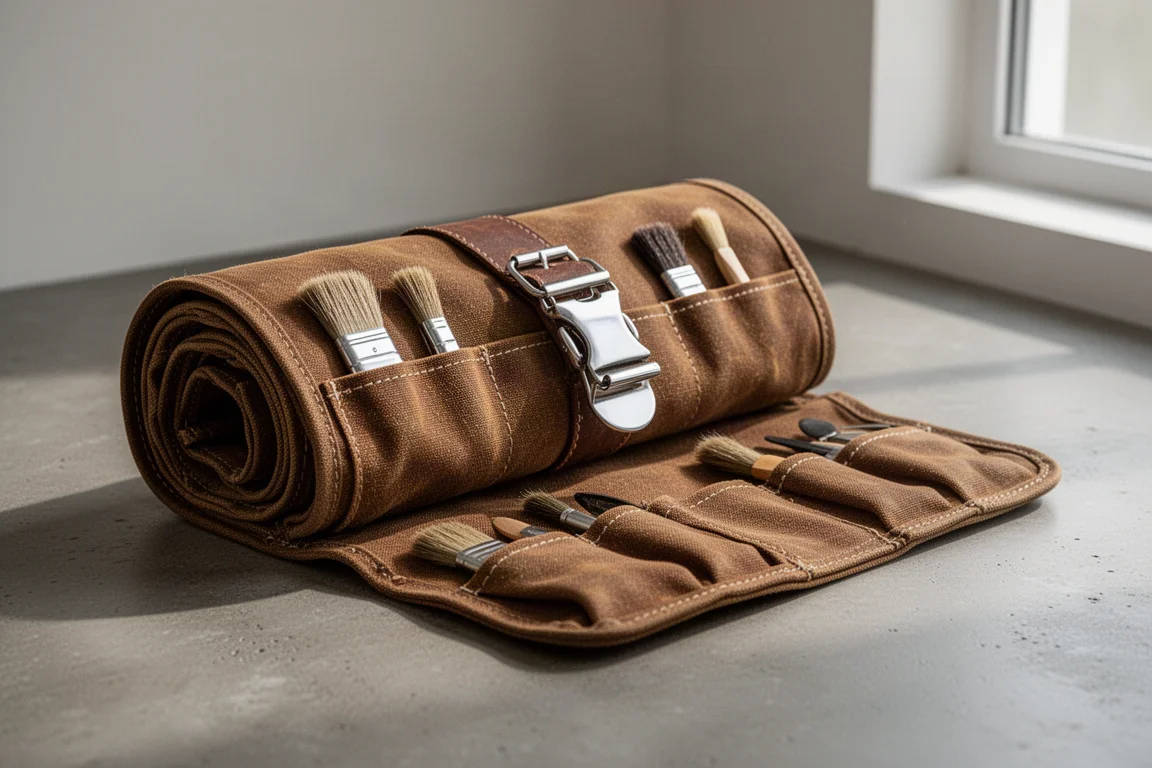
The Locky tool roll has earned its place through one clever field habit: its really strong aluminum clip buckle fits directly onto a clip on the tripod leg. Unroll it with everything inside, clip it on, and all your tools hang within arm’s reach for the entire session. When you are done, it lifts straight off.
A small carabiner clip can be added to stabilize the whole tripod assembly, which helps in light winds, though it is not foolproof on gusty days. Brushes fit here too; the typical loadout is just what is needed, a couple of flats and a round, rather than a full set. Beyond this use case, the tool roll itself is rock solid and well made, which is reason enough to recommend it.
Sha Watercolor Kit
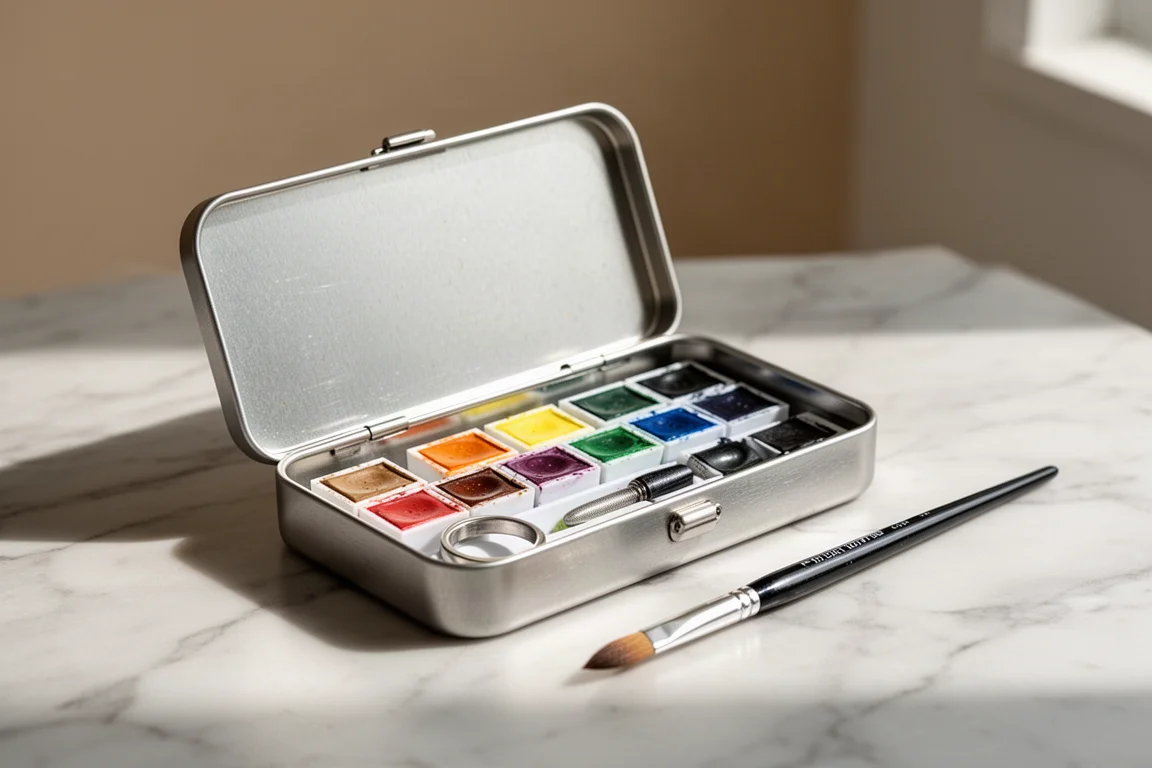
The Sha watercolor kit is the paint core of the whole loadout. Compact enough to ride in a backpack alongside a Ziploc bag of gouache paints, which keeps everything contained and nothing smeared across the bag. Pair it with a couple of sketchbooks, illustration board, or small heavy-duty watercolor paper that can be taped or clipped to the easel.
This is the one category where minimalism pays off most. If you are trimming the loadout to the bare minimum, the watercolor kit and a sketchbook are genuinely all you need. Everything else in this list is about comfort, control, and convenience.
Helinox Three-Legged Chair
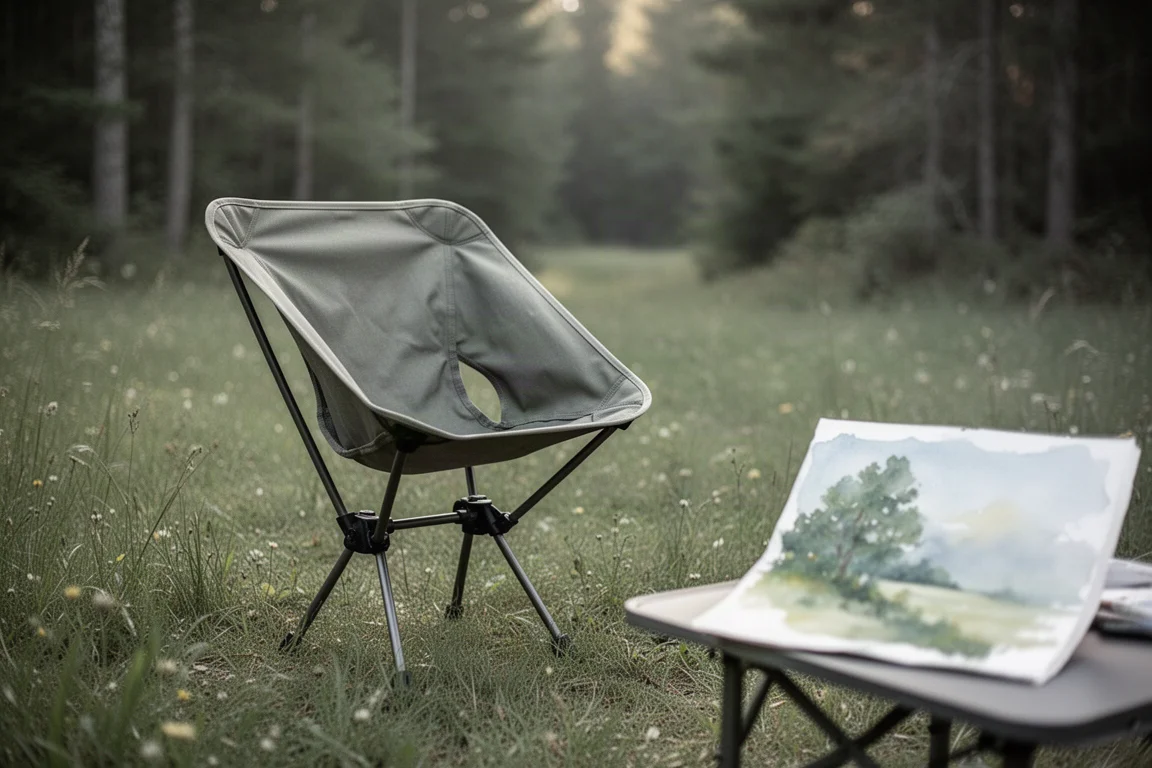
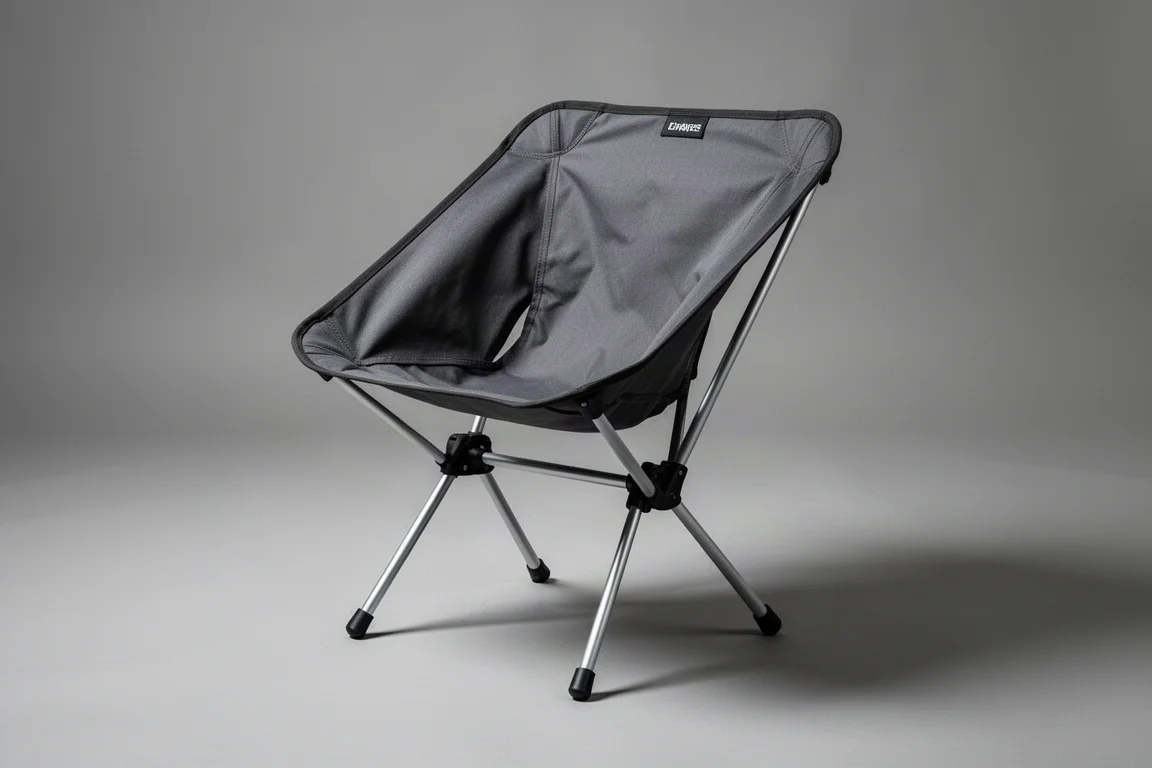
The Helinox three-legged chair is the optional comfort item, and it is worth having. It is a super lightweight camping chair with a three-legged design, easy to carry and quick to set up. A larger, much more comfortable version exists in the same family, but it weighs significantly more, so the compact model is the one that earns a spot in the pack.
Seating changes how long you can paint comfortably. Standing for a two-hour watercolor session is possible, but a stable, light chair makes longer sessions far more pleasant, and the three-legged footprint handles uneven ground well.
Packing Light: Final Advice
Everything here packs into a backpack, with the umbrella, tripod, and a few extras carried separately. A vintage JanSport backpack, if you can find one in good condition, is a surprisingly excellent carrier thanks to its build quality. For car trips, a lightweight aluminum table that weighs only a few pounds and straps to a pack with MOLLE straps or a bungee cord is a handy addition.
For anyone going truly mobile on foot, bike, or motorcycle, the advice is simple: cut the list down to a lightweight tripod, one sketch easel, paints, and a backpack with water. Add the Locky tool roll if you can. Umbrellas are best reserved for light wind or no wind at all, and in genuinely heavy wind it is better to skip the umbrella entirely than fight a canopy that wants to take off with you and your palette.
Conclusion
None of this gear is essential on its own, but each piece removes a small friction from working outdoors: an easel that holds what you bring, shade that stays where you put it, tools that hang within reach, and a seat that weighs almost nothing. Start with the watercolor kit and a sketchbook, add what genuinely improves your sessions, and leave the rest in the truck.
Further reading
Related Reviews
Insulated Jackets
Aerogel vs Down Insulation: Two Aerogel Jackets Compared
Aerogel is the lightest solid on record, but two aerogel jackets measured against a comparable down jacket tell a more complicated story about warmth.
Power Banks
Anker 737 PowerCore 24K Review: Fast Charging in a Simple Package
A 140W portable power bank with a 52-minute recharge time, a health-tracking display, and a three-port layout that skips the app entirely.
Emergency Shelters
Aqua Quest Survivor Emergency Tarp Review: A High-Visibility Shelter Built for Hard Weather
A 10 x 10 ripstop nylon emergency tarp with taped seams, a 5,000 mm hydrostatic head rating, 19 tie-out points, and reflective trim, tested through winter storms and driving rain.