Power Banks
Anker 737 PowerCore 24K Review: Fast Charging in a Simple Package
A 140W portable power bank with a 52-minute recharge time, a health-tracking display, and a three-port layout that skips the app entirely.
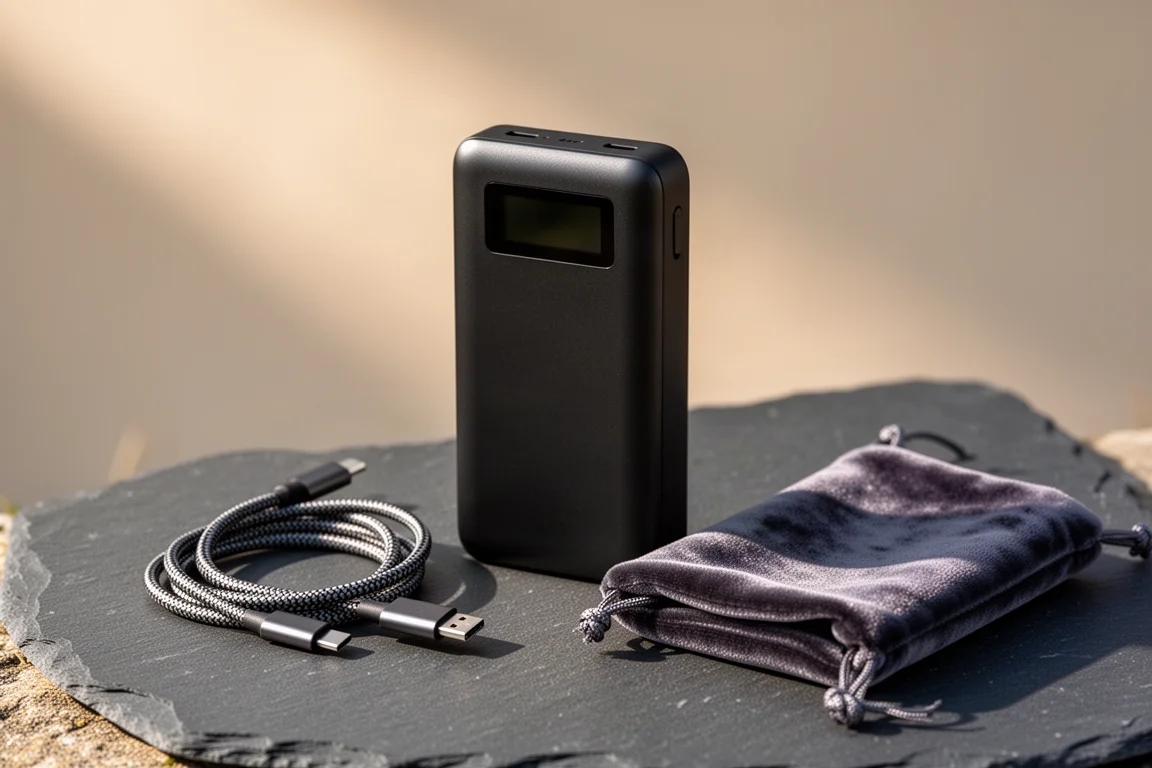
Introduction
A power bank earns its place in a pack when it keeps phones, watches, cameras, and lights running through a multi-day trip without weighing the trip down. The Anker 737 PowerCore 24K is the 140W version of the company’s 737 line, sitting below the 220W and 300W models but well above the small everyday packs. It is not the newest design Anker sells, and it has been on the market for a long time, which is part of its appeal: the feature set is settled, the price has come down, and it frequently sells for around $80 on sale.
The pitch is straightforward. Two USB-C ports and one USB-A port, a recharge time of roughly 52 minutes with a 140W charger, and a small display that reports battery health, cycle count, and usage statistics. Nothing about it requires an app, an account, or a pairing step.

That simplicity is the whole point. The pack wakes when something is plugged in, the screen shows what you need to know, and a single side button handles everything else. For anyone who has grown tired of accessories that demand a phone app before they will work, this is a refreshingly quiet approach.
Who This Power Bank Is For
The 737 PowerCore 24K makes the most sense for people who carry several small devices and want them topped up quickly. A phone, a watch, camera batteries, and a string of LED lights are a realistic overnight load, and the pack still has charge left when the trip ends. That covers backpackers, car campers, and truck campers who would rather carry one reliable block of power than a handful of small batteries.
It also suits travelers. The pack is TSA approved, so it can go into carry-on luggage without special arrangements or paperwork.
The case for fast output depends on your phone. Many phones sold in the United States charge at relatively modest rates, which means a high-wattage power bank has less to work with. A phone that accepts 100W charging is a far better match for what this pack can deliver, and that is the scenario where the 140W ports prove their value.
If your main goal is charging a laptop, a larger model from the same family is the better starting point. The 140W port can charge a laptop, but the capacity here is aimed at smaller devices and multi-day top-ups rather than running a workstation away from an outlet.
Main Strengths: Charging Speed, Output, and Simplicity
Recharging the pack is the headline feature. With a 140W charger, a full recharge takes about 52 minutes. That is fast enough to refill the pack during a meal stop or a shower break, and it removes the overnight charging ritual that slower packs demand. The wall charger is sold separately, but a 140W USB-C cable is included in the box.
Output is equally strong. The two USB-C ports deliver up to 140W each when used on their own, and power is shared between them when both are in use. The USB-A port tops out at 18W for older accessories. To reach the highest speeds you need a USB Power Delivery 3.1 cable, so it is worth checking the cable you plan to carry.
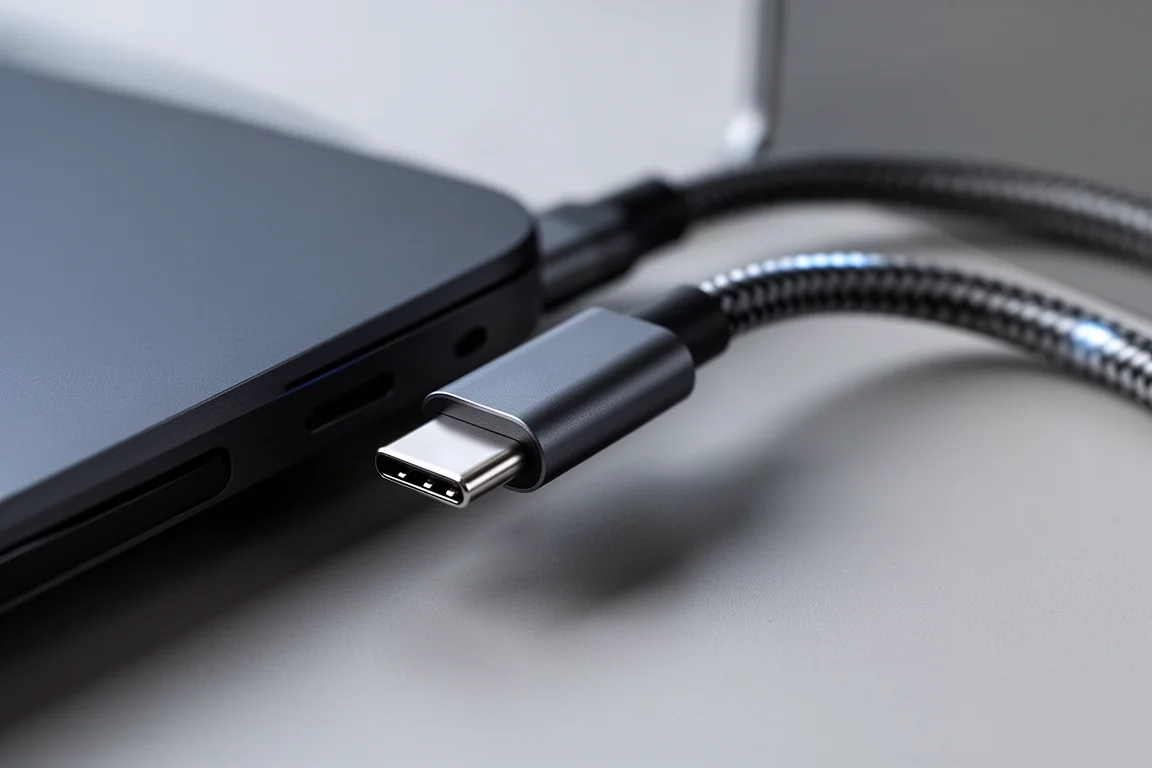
In practice the output is flexible enough for a phone at its maximum rate, a camera battery, or a laptop at full speed from a single USB-C port. Splitting power between two devices happens automatically, which keeps things simple when several items need charging at once.
The control scheme is the other strength. Three ports, a display, and one button. There is no Bluetooth pairing, no magnetic attachment, and no companion app to keep updated. Newer models in the range add those features, and they add complexity along with them. This pack does the basic job without asking anything extra from the user.
Build Quality, Controls, and the Screen
At 22 oz and 6.1 by 2.1 by 1.9 inches, the pack is substantial but manageable. It slides into a backpack without being noticeable on the move, though it is too heavy and bulky to carry comfortably in a jacket or trouser pocket. The housing has held up well, showing only light cosmetic scratches after extended use.
The display is the most useful addition and the weakest physical part. Plugging in a device wakes the screen, and it stays on for a few seconds by default; the timeout can be changed in the settings. A side button wakes the screen on demand and cycles through settings and usage statistics, including battery health and cycle counts.
Two caveats come with that screen. It is dim in bright sunlight, which makes the readings hard to read outdoors. It is also made from a soft plastic that scratches very easily, which is why the included storage pouch matters: the velvet bag protects the front face when the pack is rattling around inside a rucksack. Leaving the screen on permanently is expensive in power terms as well, draining roughly 15 percent of the pack’s total capacity every 24 hours, so a short timeout is the sensible setting.
Protection circuitry covers the usual ground. Short circuit, overcharge, over discharge, and overheat protection are all built in.
Long-Term Durability: Fourteen Months of Use
Durability is where a power bank either earns trust or loses it, and this one has a long track record behind it. Fourteen months of use across four seasons, including summer temperatures in the 90s Fahrenheit and winter conditions around 15 degrees Fahrenheit, produced no swelling, no glitches, and no drop in performance.

Usage over that period covered 34 trips. The pack was used to charge phones, watches, and camera batteries, and to run LED string lights overnight. Despite that workload, the internal counter shows only 13 full charge cycles, and battery health still reads 100 percent. The capacity is generous enough that a single charge covers several devices across a long weekend rather than a single top-up.
The materials have held up in the same way. There are light scratches on the body from ordinary handling, but nothing structural, and no sign of the casing or the ports loosening over time.
Things to Consider Before Buying
The biggest omission is the charger. The pack does not include a wall charger, so the 52-minute recharge time only applies if you already own a 140W USB-C charger or buy one alongside it. The 140W USB-C cable is in the box, but the brick is not.
The screen is the second compromise. It scratches easily and it is hard to read in daylight. The scratches do not affect function, and the display stays legible in low light, but a screen protector or careful use of the included pouch will keep it clearer for longer.
The ports are also not color coded. In dim light, telling the two USB-C ports from the USB-A port takes a moment, and colored surrounds would have solved that. It is a small thing that shows up every time you plug something in after dark.
Weight is worth a thought as well. At 22 oz the pack is not ultra light. It is light enough for backpacking, but anyone counting grams should look at dedicated ultralight packs instead, accepting the lower capacity and slower speeds that come with them.
Finally, if charging speed and recharge time are not priorities, cheaper packs will do the job. What you pay for here is speed, a display, and a settled design rather than raw capacity alone.
Buying Advice
At around $80 on sale, the 737 PowerCore 24K lands in a sensible middle ground. Stepping up to the 220W or 300W versions of the 737 brings faster output and, in some cases, more capacity, but the price rises sharply from this point. For phones, watches, camera batteries, and lights, this version covers the job at a price that is easy to justify.
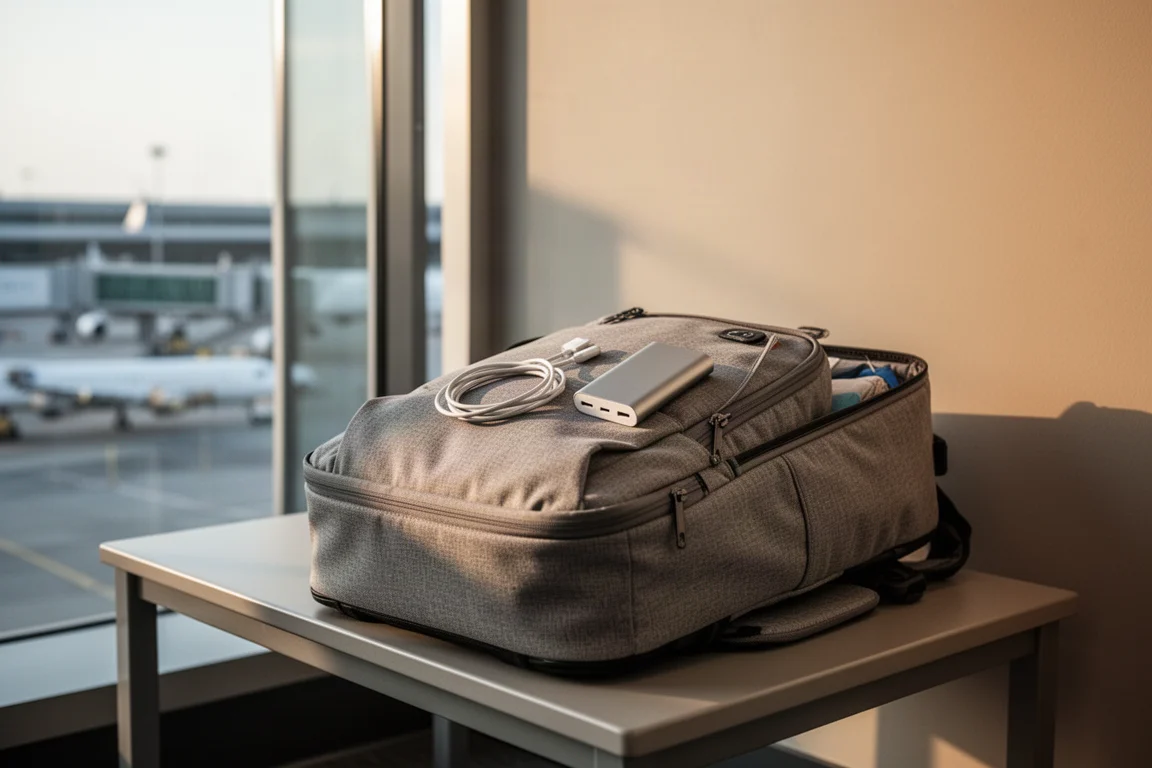
Two accessories are worth budgeting for. A 140W USB-C wall charger unlocks the fast recharge time, and a Power Delivery 3.1 cable is needed to reach the highest transfer rates. The included cable handles that job, but a spare is useful for travel.
The pack is TSA approved, so it can travel in hand luggage without fuss. For anyone who wants a power bank that recharges quickly, reports its own health, and does not need an app to operate, this is a straightforward recommendation. For laptop-first users, a larger model in the same family is the more appropriate choice.
Conclusion
The Anker 737 PowerCore 24K is a well-made power bank with a clear purpose: fast recharge, fast output, and simple controls. Fourteen months of regular use with no failures, no swelling, and full battery health is a strong signal for a device that lives inside a pack. The trade-offs are honest ones. The screen scratches, the wall charger is not included, and there are lighter options for weight-conscious trips. If your devices charge quickly and you want a pack that can keep up, this one is easy to recommend. If you are charging laptops most of the time, or you simply do not care about speed, there are simpler and cheaper ways to spend the money.
Product link
View more details for Anker 737 PowerCore 24K
This product is mentioned in the review. Check the specifications, options, and compatibility before buying.
View more details for Anker 737 PowerCore 24KFurther reading
Related Reviews
Power Banks
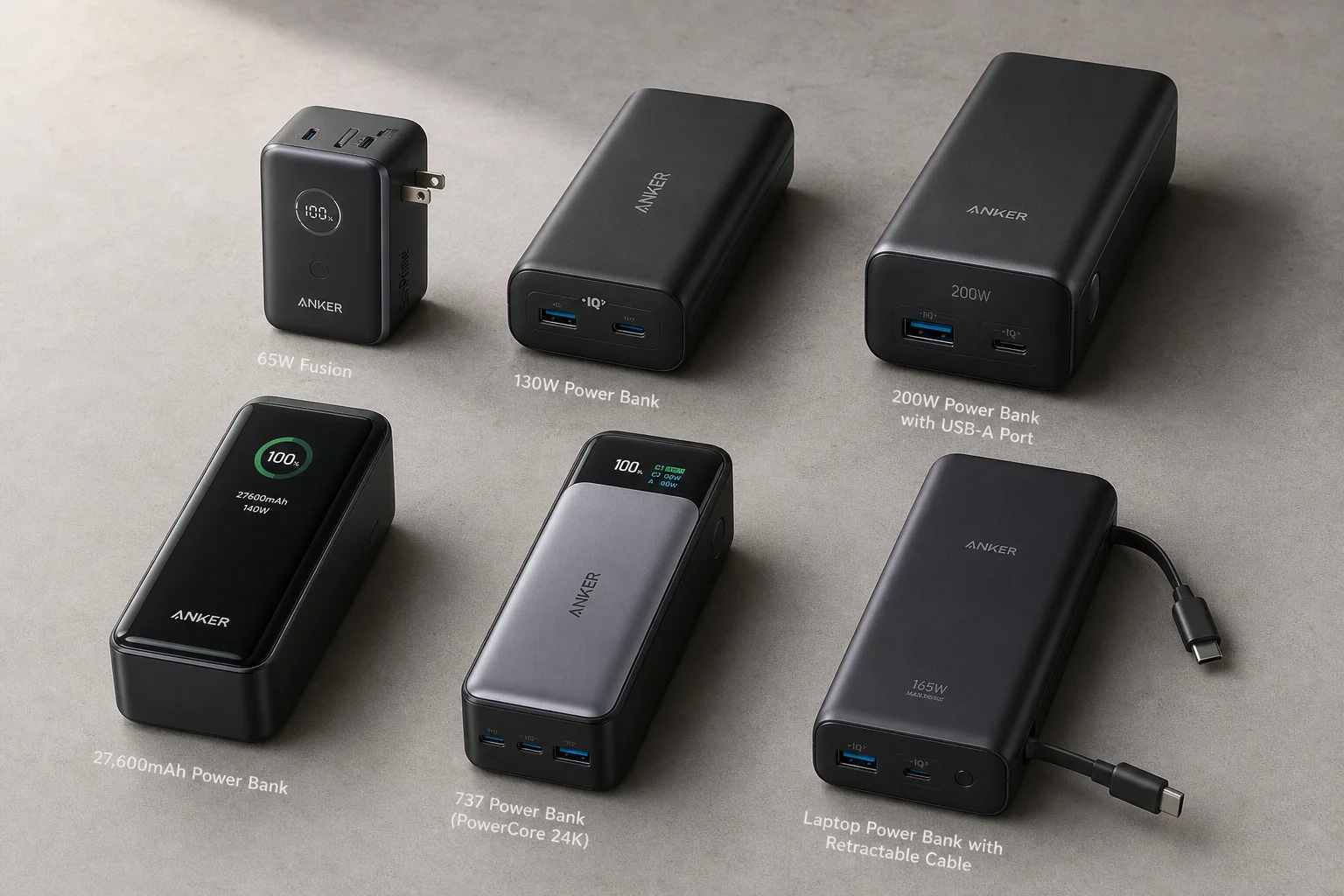
Best Anker Power Banks 2026: Six Models Tested and Ranked
A comprehensive guide to six Anker power banks, from compact 65W chargers to high-capacity 250W models. Find the right fit for your charging needs.
Power Banks
Flextail Zero Power Battery Bank Review: Ultralight 10,000 mAh Power for Backpacking
The Flextail Zero Power pairs a carbon fiber shell with a 5.1 oz body and 10,000 mAh of capacity. Here is what it does well, and what to weigh before you buy.
Power Banks
Nitecore NB10000 4th Generation Review: Ultralight Power at a Premium
The fourth generation Nitecore NB10000 keeps the carbon fiber shell and 10,000 mAh capacity, adds illuminated USB-C ports, and asks around $84 for the upgrade.