Outdoor Water Treatment
Platypus QuickDraw Review: A Fast, Versatile Squeeze Water Filter
A close look at the Platypus QuickDraw squeeze filter, covering filtration speed, bottle compatibility, tool-free cleaning, freeze integrity checks, and how it handles very dirty water.
Introduction
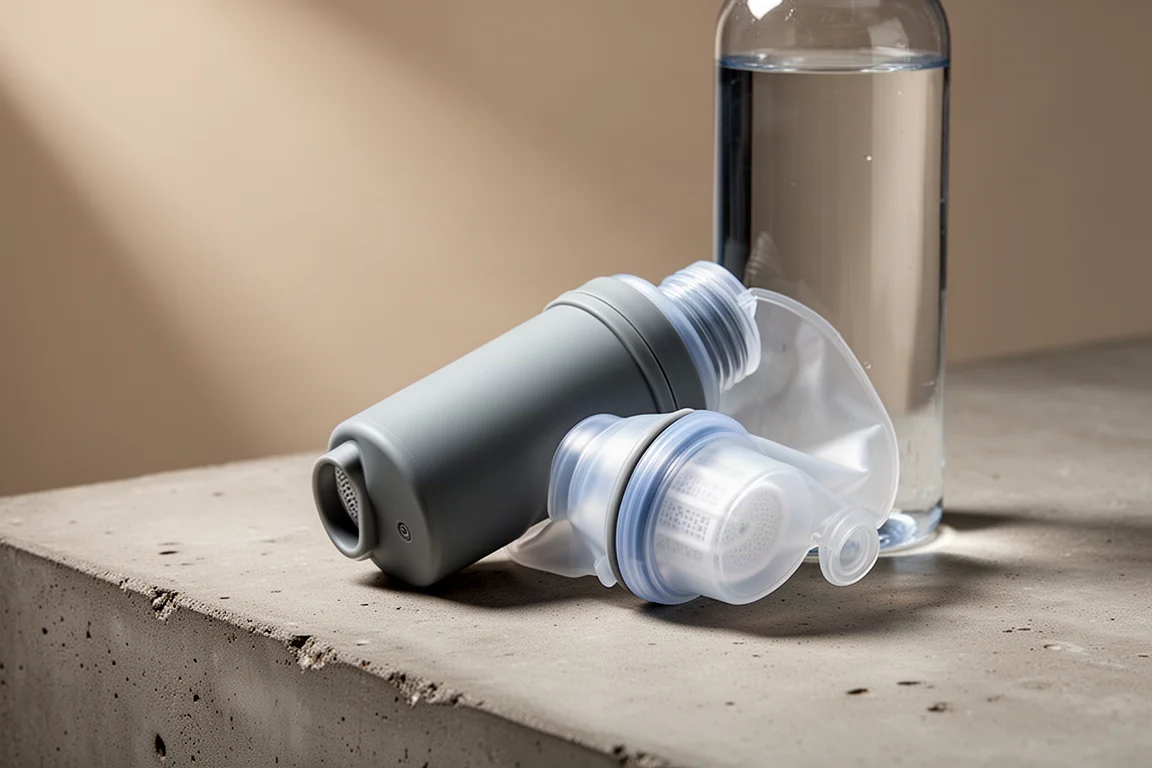
The Platypus QuickDraw is a hollow-fibre squeeze water filter built for backpackers, thru-hikers and anyone who wants clean drinking water without carrying a pump. It is compact, light, and threads directly onto a range of bottles and reservoirs. Pricing sits at around $30 for the filter alone, or $40 for the filter bundled with a dedicated squeeze bag.
What makes it worth a closer look is not speed alone. It is the combination of quick flow, unusually broad compatibility, tool-free cleaning, and a simple way to check the filter after it has been exposed to freezing conditions. This review works through each of those points and then looks at how the filter behaves when it is fed water that is far dirtier than most people would ever encounter on a trail.
Who This Product Is For
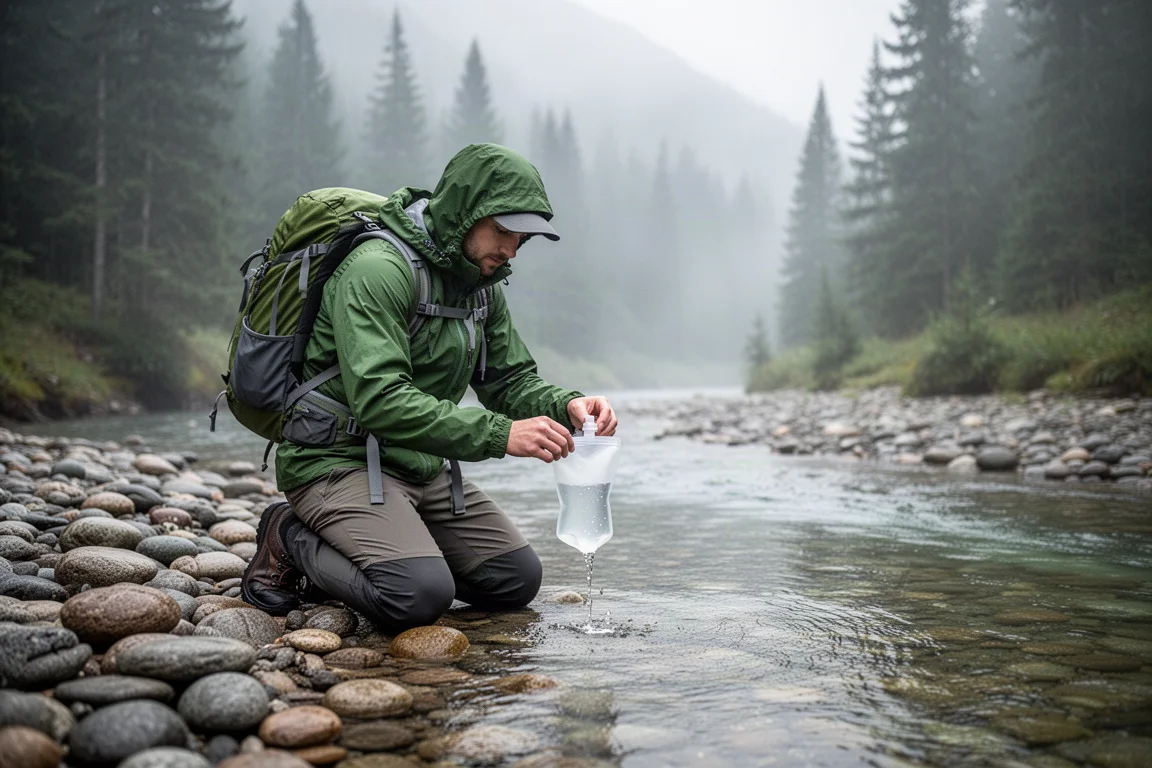
The QuickDraw suits hikers who filter a lot of water and want the process to feel effortless rather than like a workout. It is also a strong fit for anyone who already carries a standard 28 mm threaded bottle or bag, because the filter can be used with gear that is already in the pack.
It makes sense for three broad groups. First, backpackers who treat water several times a day and care about how much hand effort each litre costs. Second, travellers and campers who want a gravity setup that can be hung and left to drain. Third, cold-weather hikers who want a way to confirm the filter is still intact after a freezing night, which is a genuine gap in most open-fibre filter designs.
Anyone who prefers a pump filter for large group volumes, or who wants a filter that has been verified over many seasons of use, should weigh that against what this design offers.
Main Strengths
The QuickDraw earns its place through four practical qualities rather than a single headline number.
Fast Filtration With Less Effort
Timed runs produced a fastest litre in around 18 seconds, although that figure required squeezing the bag hard enough to be genuinely uncomfortable, and the water was essentially being pushed straight to the ground. In more realistic use, a casual pace of roughly 34 seconds per litre is a fair expectation.
The more useful takeaway is not the record time but the effort required. Water moves through the filter easily, which is a noticeable difference from filters where every mouthful demands sustained force. One caveat is worth knowing: when filtering into a rigid bottle, it is easy to create a seal and build positive pressure inside the bottle, which slows the flow. Leaving a little air gap or angling the bottle helps.
Versatility Across Bottles and Bags
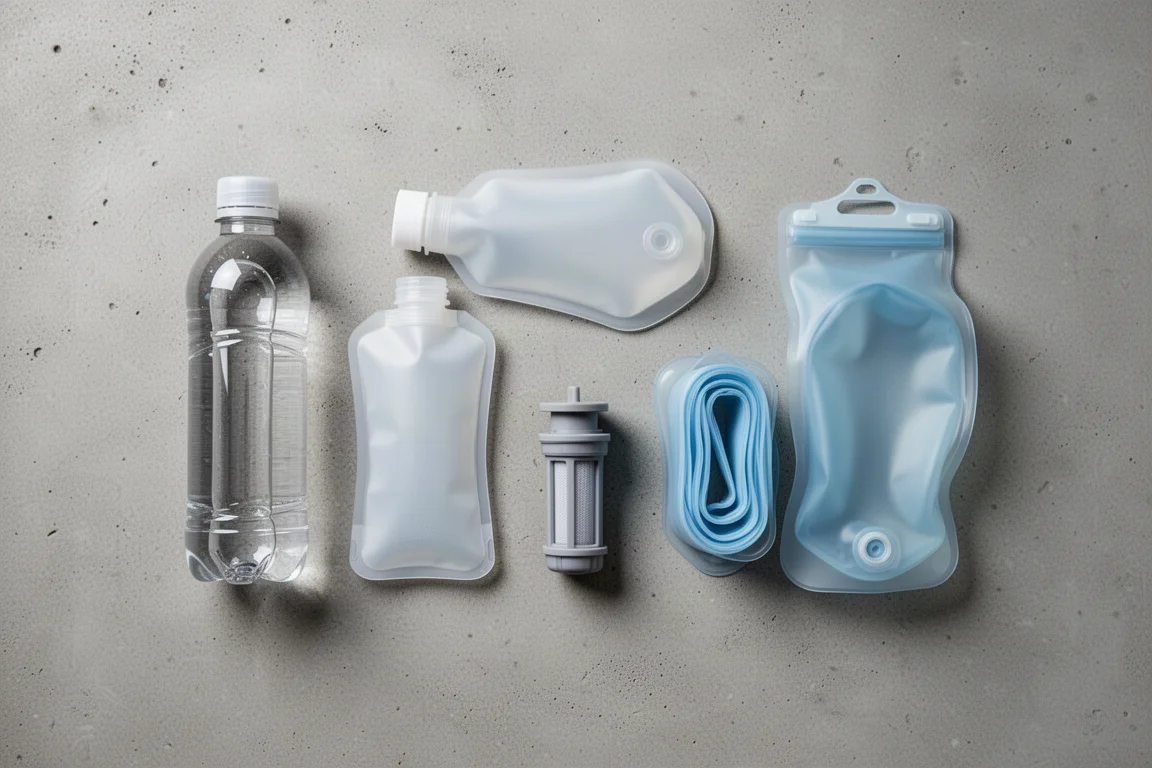
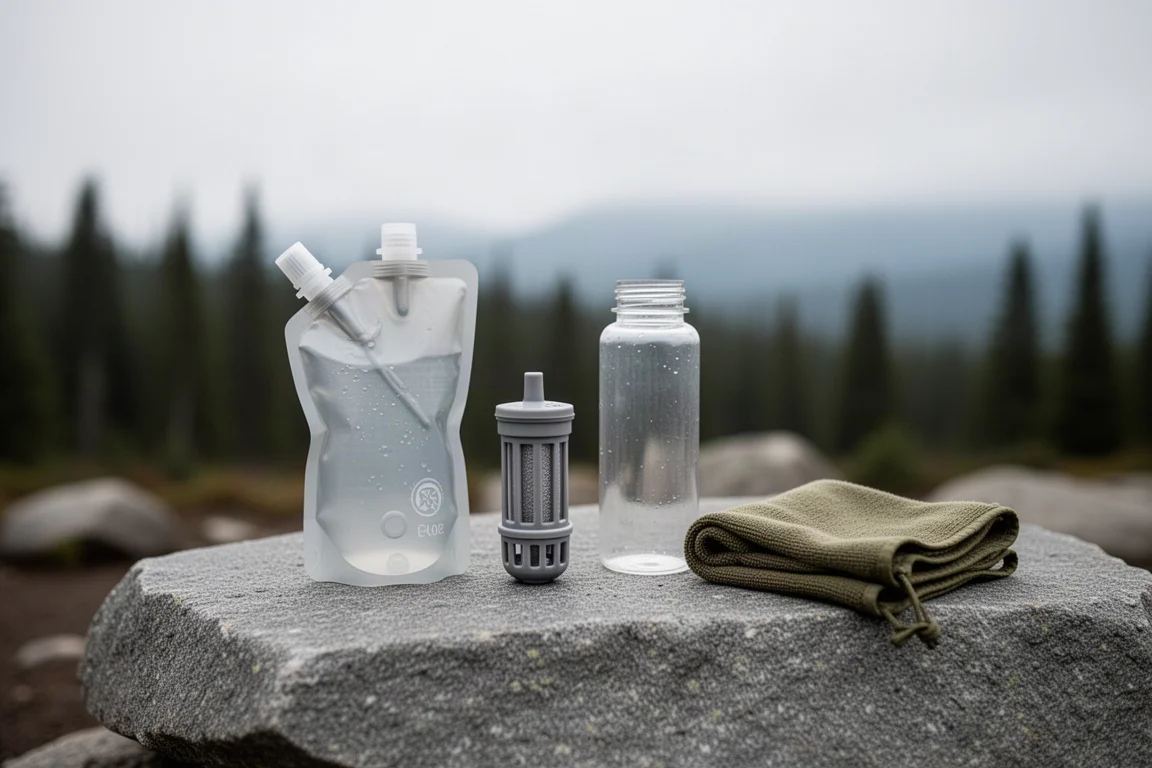
This is where the QuickDraw separates itself from most squeeze filters. Platypus has given it two thread options. The first is a standard 28 mm thread that screws onto the top of bottles and bags using that common size. The second is a Platypus-specific thread that pairs with a range of Platypus bags and reservoirs and offers a slightly wider opening when collecting water from a source.
Beyond bottles, the filter can be hung as a gravity system so water drains while you set up camp, or the dirty end can be placed directly into a stream for drinking without any container at all. That flexibility means the same filter can serve a fast solo setup and a relaxed camp setup without extra parts.
Cleaning and Backflushing Without Tools
Maintenance needs no special equipment. The first method is a shake clean: fill a dirty bag about a quarter full with clean water, then shake it back and forth to dislodge trapped particles from the fibres. In practice this restores flow noticeably well.
The second method is a true backflush using nothing but an open water bottle. The filter is designed so that a bottle mouth seals fairly easily against the top of the unit, and holding it tight while squeezing pushes clean water backwards through the fibres. This is the same sealing behaviour that creates back pressure during fast filtering, put to useful work. No syringe, no adapter kit, no tools.
Freeze Integrity Check
Freezing is one of the main ways an open-fibre filter can be silently damaged, and the QuickDraw is unusual in offering a way to check for it. Unscrew the clean-side cap, make sure the fibres are fully wet by squeezing at least one litre of water through, then squeeze a small amount of water and flip the filter so you are pushing only air.
A healthy filter shows an even layer of bubbles across the whole surface. A single concentrated stream of bubbles from one spot indicates the filter is compromised and should be replaced. It is a quick check that turns an uncertain situation into a clear answer.
Things To Consider Before Buying
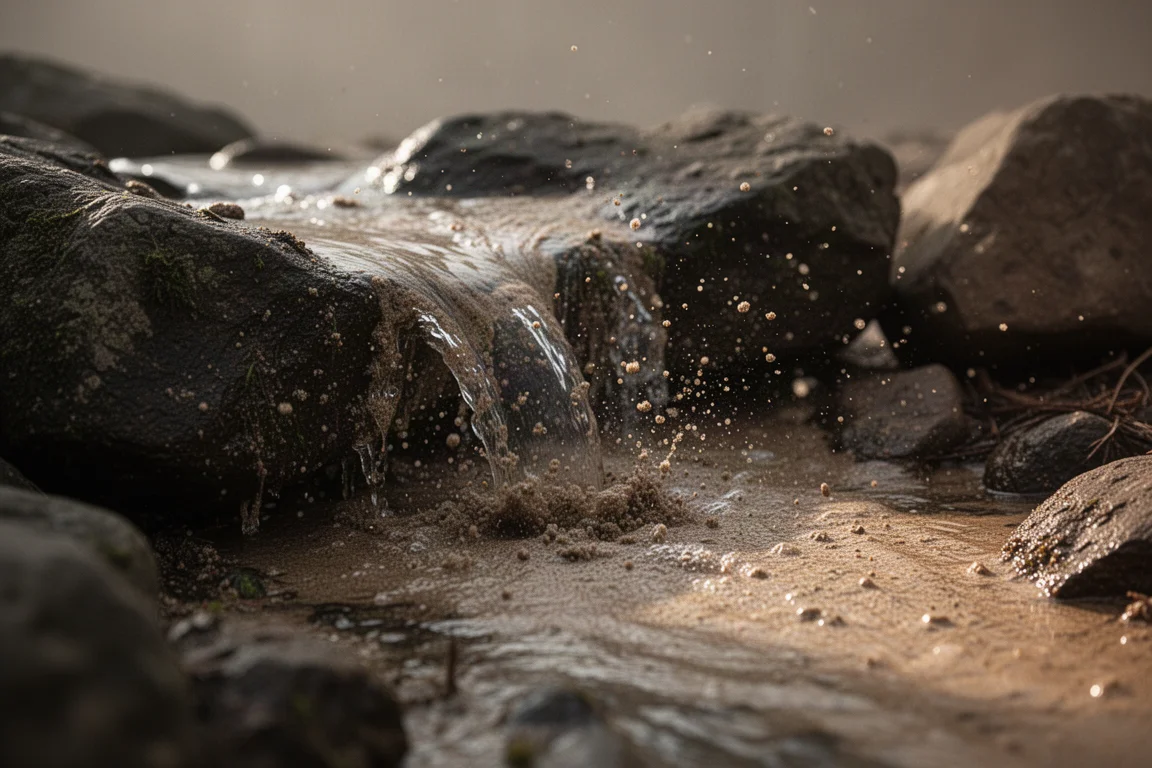
Durability against clogging is not something that can be confirmed from short-term use. Several gallons of extremely dirty water slowed the filter to around 45 seconds per litre, and a shake clean brought that back to roughly 25 seconds per litre. Filtering what amounted to straight mud pushed the time past two minutes per litre and made squeezing genuinely difficult, with the run stopped before a full litre was collected. A shake clean recovered 45 seconds per litre, and the first backflush brought it back to 25 seconds per litre.
At no point was it impossible to force water through the filter, but that is not the same as proving it cannot clog over multiple seasons. Long-term results may differ, and carrying a backup water treatment method on any trip remains sensible.
Two smaller points are worth noting. Filtering at maximum speed is not practical in the field, so the realistic pace matters more than the best-case number. And if you already own compatible bottles or bags, the squeeze bag in the $40 bundle may be unnecessary.
Buying Advice
The QuickDraw is a good purchase for hikers who want fast, low-effort filtration with wide bottle compatibility and straightforward maintenance. The $30 filter-only option makes the most sense if you already carry a standard 28 mm threaded bottle or a compatible bag, since the filter will thread straight on.
Choose the $40 bundle if you want a dedicated dirty-water bag that pairs with the Platypus thread and a wider fill opening. Either way, the cleaning routine is simple enough to do at camp, and the freeze check adds a level of confidence that most filters in this category do not offer.
Conclusion
The Platypus QuickDraw is an impressive squeeze filter. It filters quickly, demands less hand effort than expected, works with a wide range of bottles and bags, cleans without tools, and provides a reliable way to verify the filter after freezing. Its clogging resistance held up well under deliberately harsh testing, though that should not be read as a guarantee over years of use. For hikers who want a versatile, affordable filter and are willing to carry backup treatment on longer trips, it is an easy recommendation.
Product link
View more details for Platypus QuickDraw
This product is mentioned in the review. Check the specifications, options, and compatibility before buying.
View more details for Platypus QuickDrawFurther reading
Related Reviews
Outdoor Water Treatment
Best Water Filters and Purifiers for Backpacking: 7 Options Compared
A practical comparison of seven outdoor water filters, purifiers, and treatment devices, and how to match the right method to your trip.

Backpacking Gear
Building a 10 lb Base Weight: An Ultralight Backpacking Gear List
A practical walkthrough of the ultralight pieces behind a 10 lb base weight, from a 765 g pack and a roomy one-person tent to a full camp chair and a dependable water filter.

Backpacking Gear
A 15-Pound Lightweight Backpacking Gear List for Solo Trips
A beginner-friendly 15-pound backpacking setup built from easy-to-find gear, with notes on what each piece does, how it packs, and where to spend your attention.