Hi-Fi Audio
Planar Headphones, Analog Crossovers, and Desktop Hi-Fi: Seven Components Worth Knowing
Two planar headphones at the same price, an analog crossover, a desktop CD player, a budget R2R stack, and a ten-driver IEM, with the trade-offs that matter.
Introduction
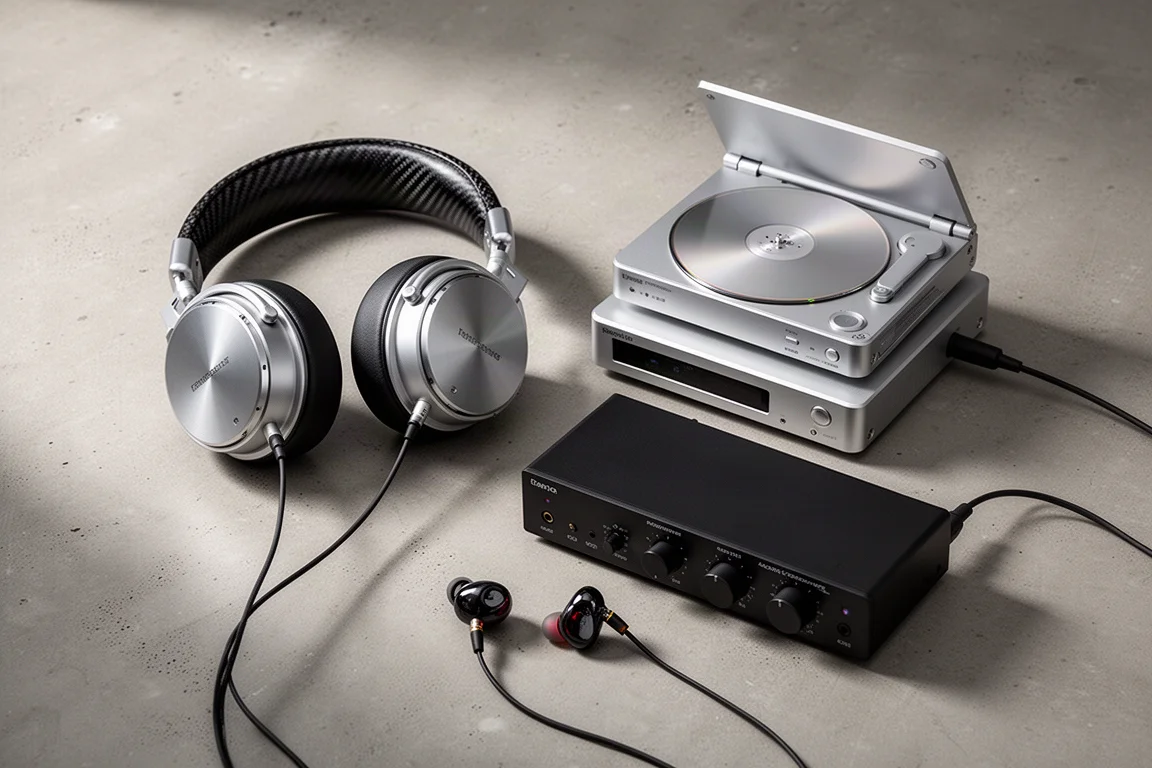
Some upgrades change what you hear in a single sitting. Others quietly change how the whole system behaves. The seven pieces in this roundup sit in both camps: two planar magnetic headphones at the same price point with almost opposite voicings, an analog crossover that takes bass management out of the loudspeaker, a desktop CD player with a ladder converter inside, a two-box entry-level R2R stack, and a ten-driver anniversary in-ear monitor.
They range from a few hundred euros to a few thousand dollars, and they do very different jobs. The common thread is that each one has a clear use case, and each one has at least one trade-off worth knowing before you spend.
How We Evaluated These Components
Four things matter most here: circuit or driver topology, build quality and ergonomics, connectivity and real-world use cases, and how large the performance delta actually is once the rest of the system is already sorted.
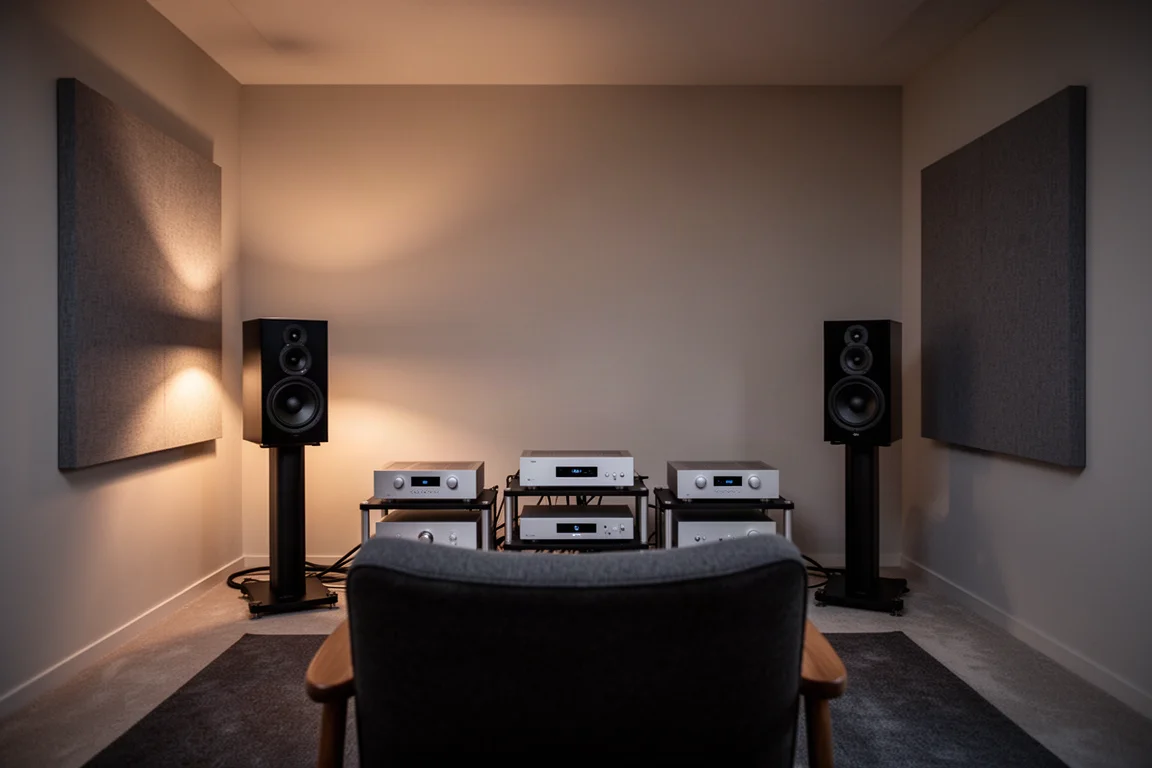
That last point deserves emphasis. In a well-sorted system with a low noise floor, sensible acoustics, and speakers that suit the room, differences between source components tend to be subtle rather than dramatic. Where a component changes system behavior, such as a crossover that removes low bass from a main amplifier, the effect is easier to hear than a straight converter swap. Headphone listening is a useful reference point for this, because it takes the room out of the equation and shows what bass and detail can sound like without reflections.
Each entry below covers what the component does, who it suits, and where the compromises sit. Prices are quoted where they were confirmed at the time of writing.
Moondrop Skyland: A 600g Planar Built for Studio Neutrality
At around $800, the Skyland is a planar magnetic headphone from a Chinese brand best known for headphone-focused designs. The driver measures 100 mm across, uses a diaphragm listed at 500 nanometers thick, and is driven by 18 N55 neodymium magnets per side, 36 in total. The traces on the diaphragm are spread across more of its surface than a simple switchback pattern would allow, which the manufacturer calls full drive technology. Magnets sit on both sides of the film.
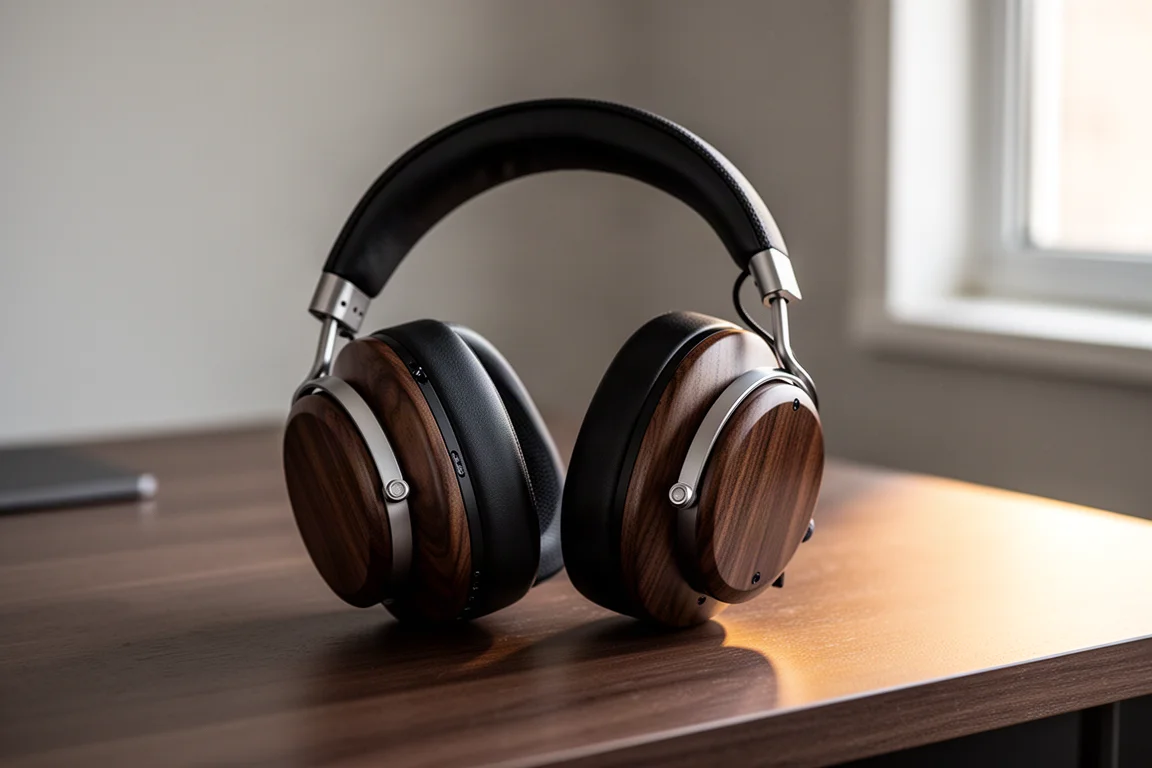
Physically it is a distinctive object: a carbon fiber headband up top, a flexible 3D printed suspended mesh beneath it, round aluminum ear cups rather than oval ones, and lambskin ear pads. Height adjustment clicks through firm detents. The cable is a flat ribbon that terminates in a 4.4 mm balanced connector by default, with 4.4 mm to quarter-inch and XLR adapters included. A rigid silver travel case is supplied.
Two numbers shape the experience. The first is 600 grams, which is a lot of weight to hang on a headband with light side clamping. The second is a sensitivity of 84 dB at 60 ohms, which means these need more drive than most planars at this price. Roughly half a watt is a sensible target, and the extra power is about weight and body in the sound, not just volume.
The voicing follows a diffuse field target rather than the Harman curve, so the bass is flat rather than elevated. There is ear gain built in around 2 to 3 kHz, which makes percussion and female vocals sit forward, and the response settles again above that, so the result reads as present rather than bright. Presentation is coherent and unified rather than heavily layered. One quirk worth knowing: listeners who wear glasses can break the ear cup seal, which lets the driver move more freely and produces more bass than a fully sealed fit.
This is a specialist headphone. It suits mixing and studio-adjacent work where flat bass is an advantage, and it rewards listeners who sit still while they listen. Small heads and long ears are likely to struggle with the fit.

FiiO FT7: The Lighter Planar Alternative
At a similar price, the FT7 is the obvious comparison and the clearest contrast. Its planar driver is 106 mm and just one micrometer thick, with a sensitivity of 94 dB at 25 ohms, so it is noticeably easier to drive than the Skyland.
The two headphones share a driver type and a price bracket but not a personality. The FT7 separates layers more aggressively, pushing individual elements apart for an open, exploratory presentation. The Skyland pulls those layers back together into something more cohesive. Fit and finish is where the FT7 gives ground: it can feel and look a little cheaper than its rival, which is understated and classy in person. Weight is the FT7’s clear advantage.
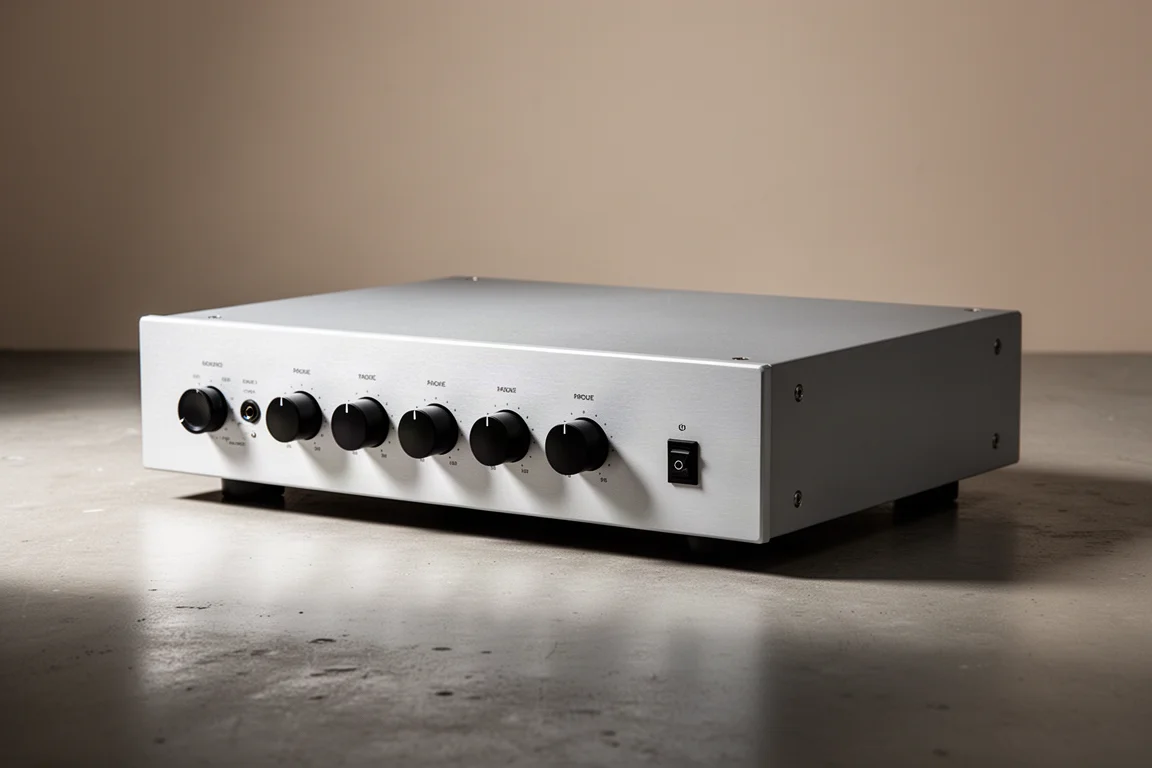
SPL Crossover: Analog Bass Management for Two-Way Systems
At around €3,400, the SPL Crossover is the most expensive item here and the most specialized. It is a purely analog two-thirds-width chassis with a toroidal transformer and a multi-layer board stack, and it exists to split high and low frequencies before they reach your amplifiers.
The interesting engineering is in the gain stage. SPL uses discrete op amps running on plus and minus 60 volts, roughly four times the 15 volts typical of chip and discrete op amps, for higher headroom and lower noise. Around twenty vertical cards hold those op amps across two layers.
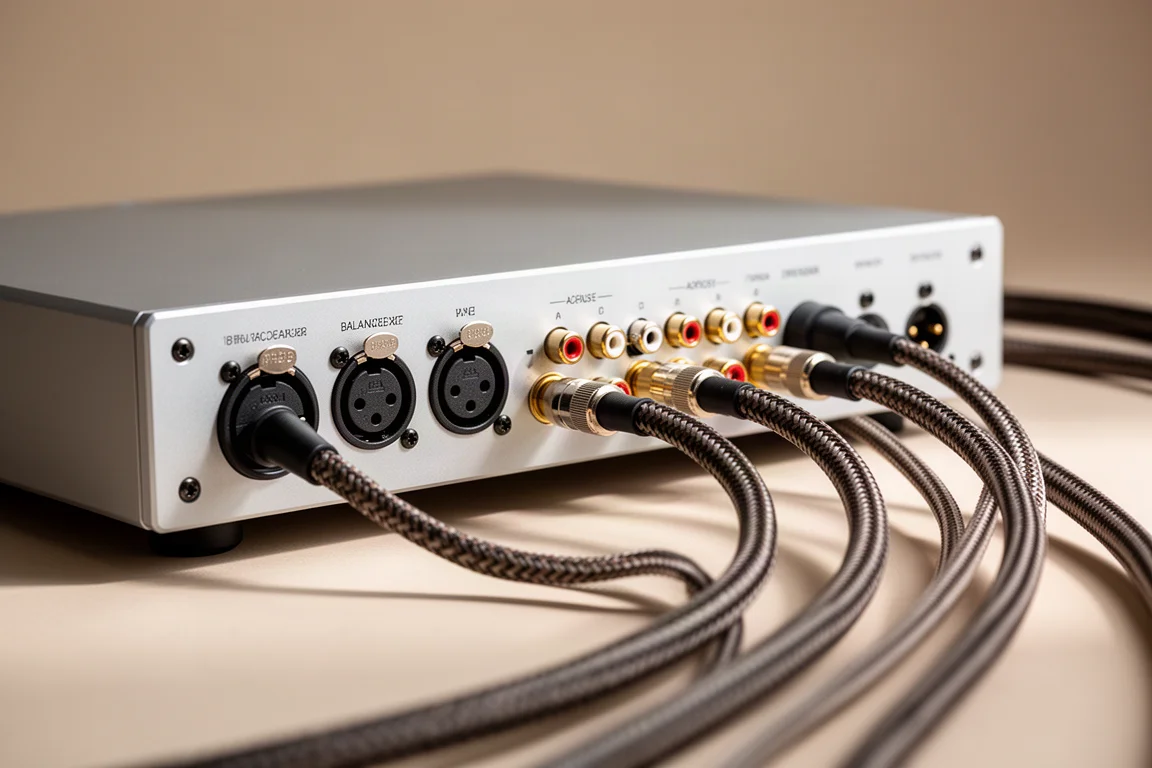
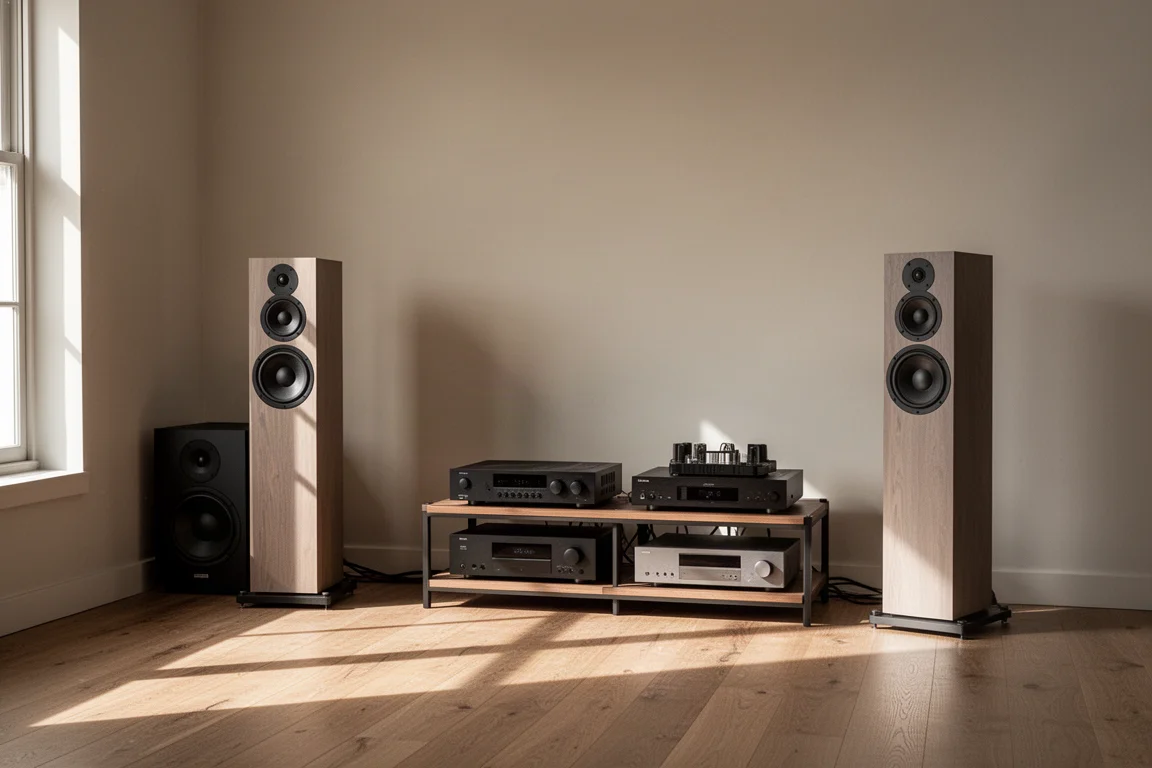
Functionally it is a traffic cop for bass. High pass and low pass frequencies are set independently, which lets you open a small gap between them and notch out a room mode that sits near your crossover point. Filters are second or fourth order, which matters because a sealed speaker rolls off at roughly 12 dB per octave and a ported design rolls off closer to 24 dB per octave. You can also run the mains wide open or through the filter with a switch. Inputs and outputs are balanced XLR and single-ended RCA, with separate high pass and low pass outputs and a mono or stereo subwoofer feed.
Two practical consequences follow. The first is that high passing a two-way stand mount stops the main amplifier from ever seeing low bass, which can make a far less powerful amplifier entirely adequate. The second is that inserting the unit into a system can audibly expand dynamic range rather than simply filtering, and in a direct comparison against wiring the converter straight into the speaker amps, the crossover version was preferred. Adding a subwoofer, properly integrated, remains one of the largest single gains available in a system. Getting there is fiddly, and this is the kind of box that makes it less fiddly.
If you already run an outboard subwoofer and want analog rather than DSP-based bass management, this is a serious tool. If you are happy with the plate amplifier on a powered sub, you do not need it.
Dunu Concept R: A Desktop CD Player and USB DAC
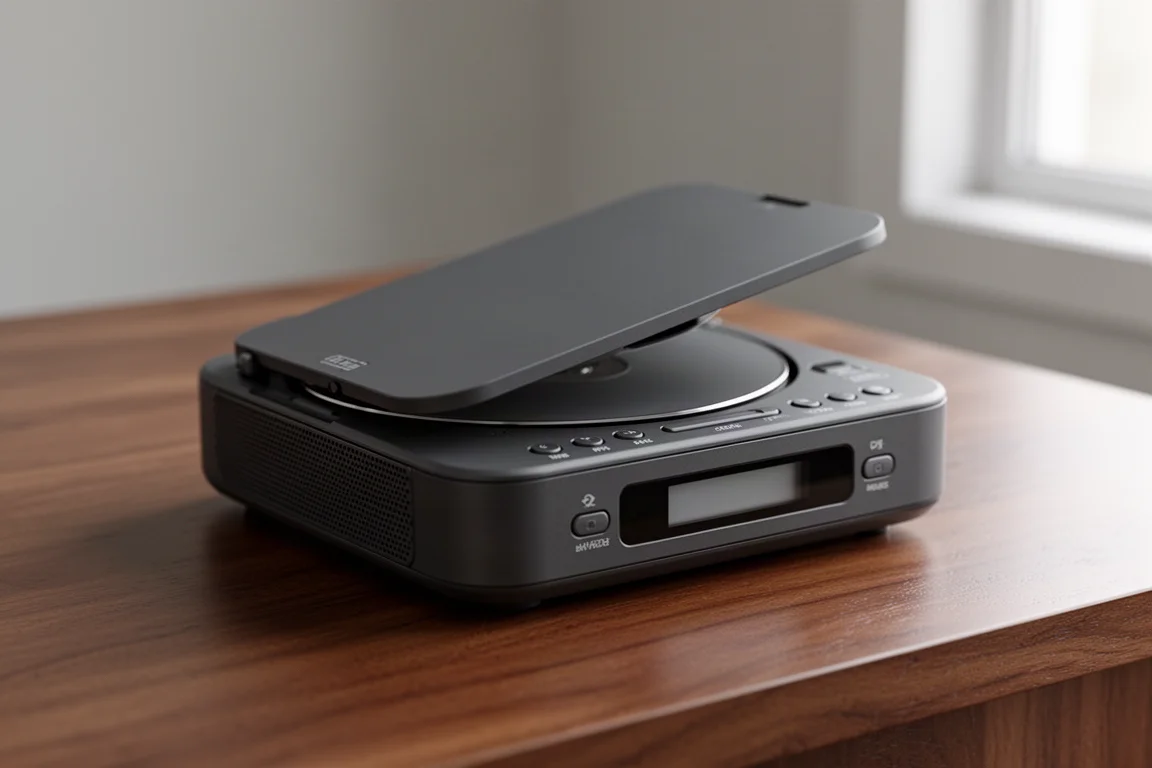
At around €800, the Concept R is a compact top-loading CD player built into a solid aluminum chassis only about as deep as a CD itself. It weighs roughly 1.2 kg, which makes it transportable rather than portable. The flip lid has a stiff, confidence-inspiring mechanism.
The controls are a highlight. The transport buttons have the positive feel of a good turntable, there is a numeric keypad for direct track access, and a slider that looks like a pitch control actually sets headphone volume. Holding the play mode button toggles between Class A and Class AB operation, and Class A sounds more extended and natural without running noticeably hotter.
Around the back you get two USB-C sockets, one for charging and one USB audio input, an optical digital output, and a 4.4 mm line level analog output. On the front there are 4.4 mm and quarter-inch headphone sockets. Inside is an R2R ladder converter, which is the detail most likely to raise eyebrows at this price. Battery life is quoted at about eight hours and lands closer to six in practice. Output is roughly 1.5 watts from the balanced socket when running from a high-speed USB-C charger, and about half that on battery, which is still enough for demanding planar headphones.
Because the USB-C port is an input, the Concept R works as a desktop USB DAC as well as a CD player, and the optical output lets it feed another converter. Some listings describe the unit as including tubes, but the design is solid state.
Audalytic DR70: A Compact R2R Ladder DAC
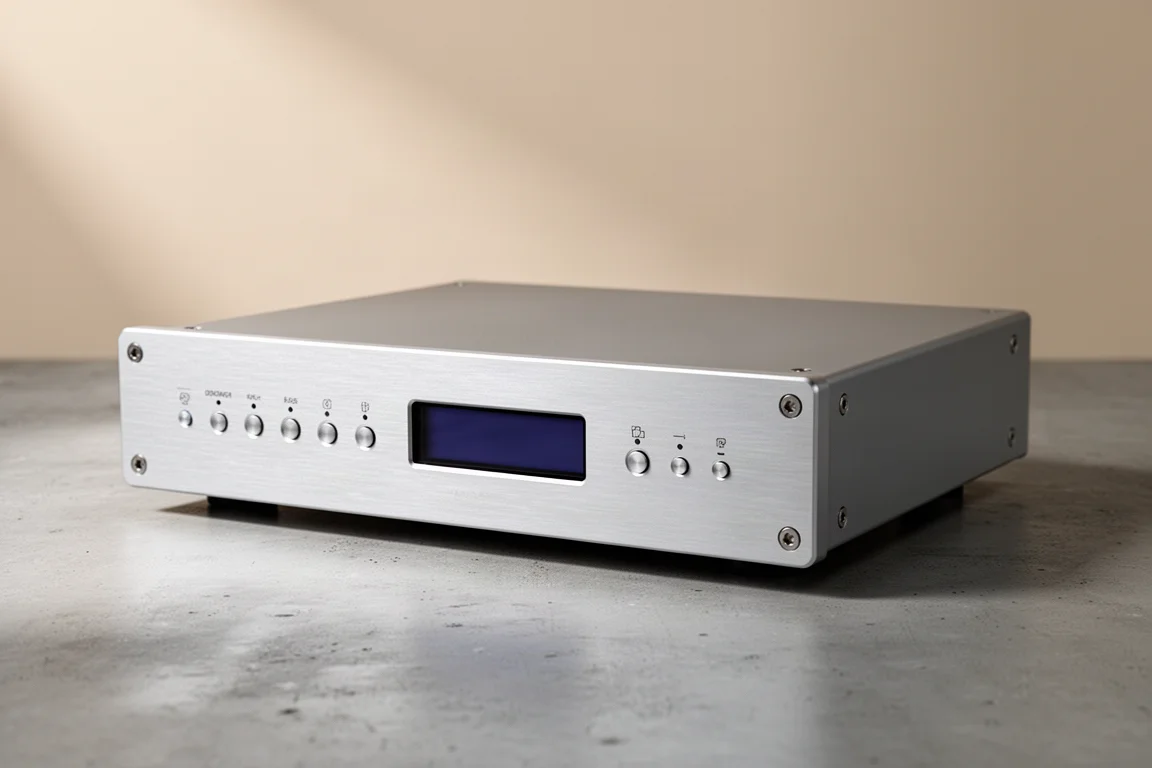
Audalytic is a new entry-level brand from Gustard, and the DR70 is its converter at €399. It is half width and roughly six to seven centimeters tall, and inside it is a 25-bit discrete, fully balanced R2R ladder. Volume control is analog but implemented on a chip, using an R2R network. There is also a pure one-bit DSD modulator.
That last feature is the reason to pay attention. By default, DSD input is converted internally and you end up listening to PCM even though the display reads DSD. Selecting DSD Direct in the menu changes the character completely: the treble opens up and edge definition returns, while the soundstage takes on a softer, more billowy quality. The difference is immediate and reversible, which makes it easy to audition both paths.
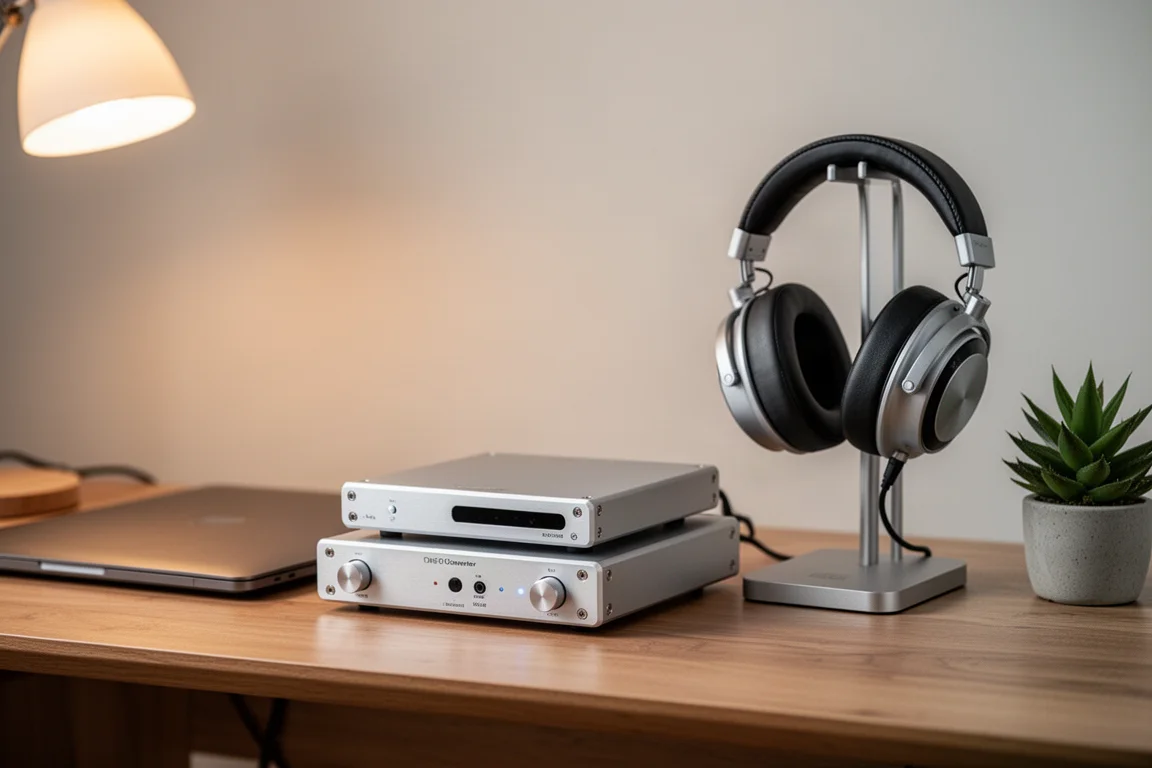
Used with software upsampling on a computer, this is a low-cost route into a discrete ladder converter and a one-bit DSD path in the same box.
Audalytic HP70: A Discrete Preamp and Headphone Amp
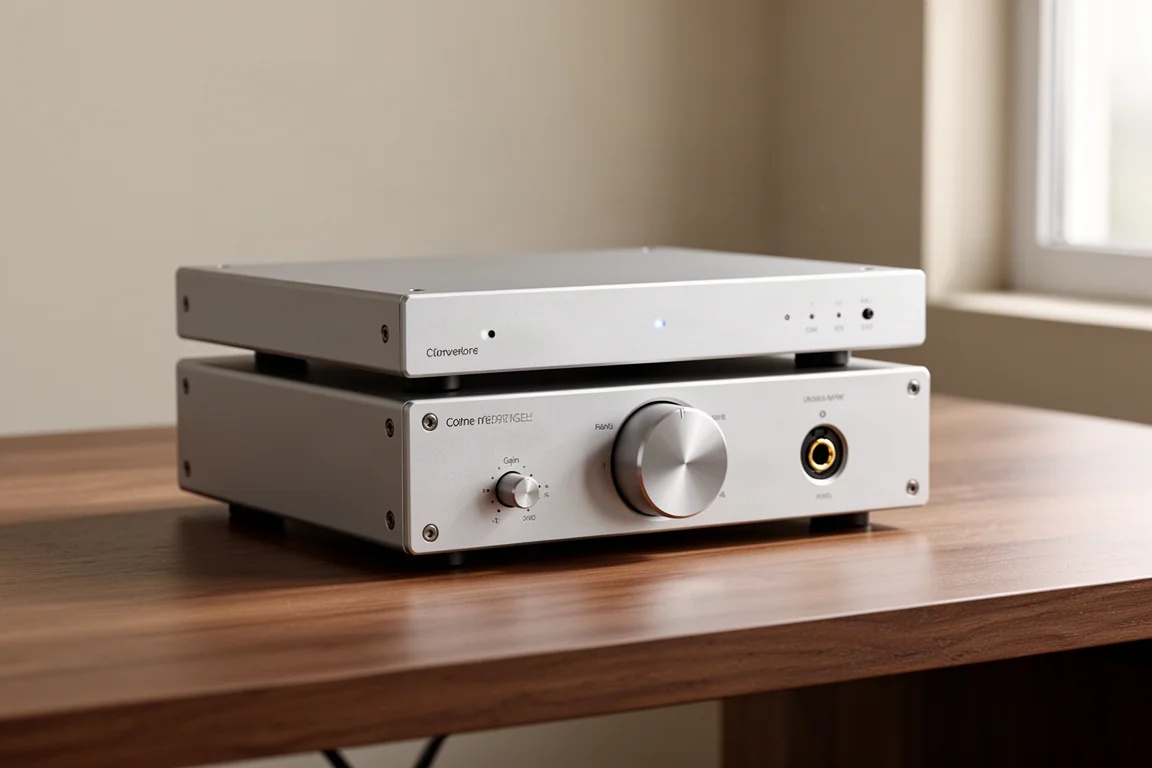
The HP70 is the matching preamp and headphone amplifier at €349. It delivers two watts into 32 ohms, is purely discrete with eight output transistors, and offers adjustable voltage gain from 0 to 28 dB, kept separate from the master volume. That master volume is an R2R analog design. XLR and RCA inputs and outputs let it serve as a full preamp rather than just a headphone stage.
Together the pair costs €750. Used with the preamp as an output buffer, this stack was preferred over far more expensive reference converters. The value case here is straightforward: a discrete ladder DAC, a one-bit DSD path, and a discrete headphone amplifier with real gain flexibility for less than the price of many single components.
Campfire Andromeda 10: A Ten-Driver Anniversary IEM
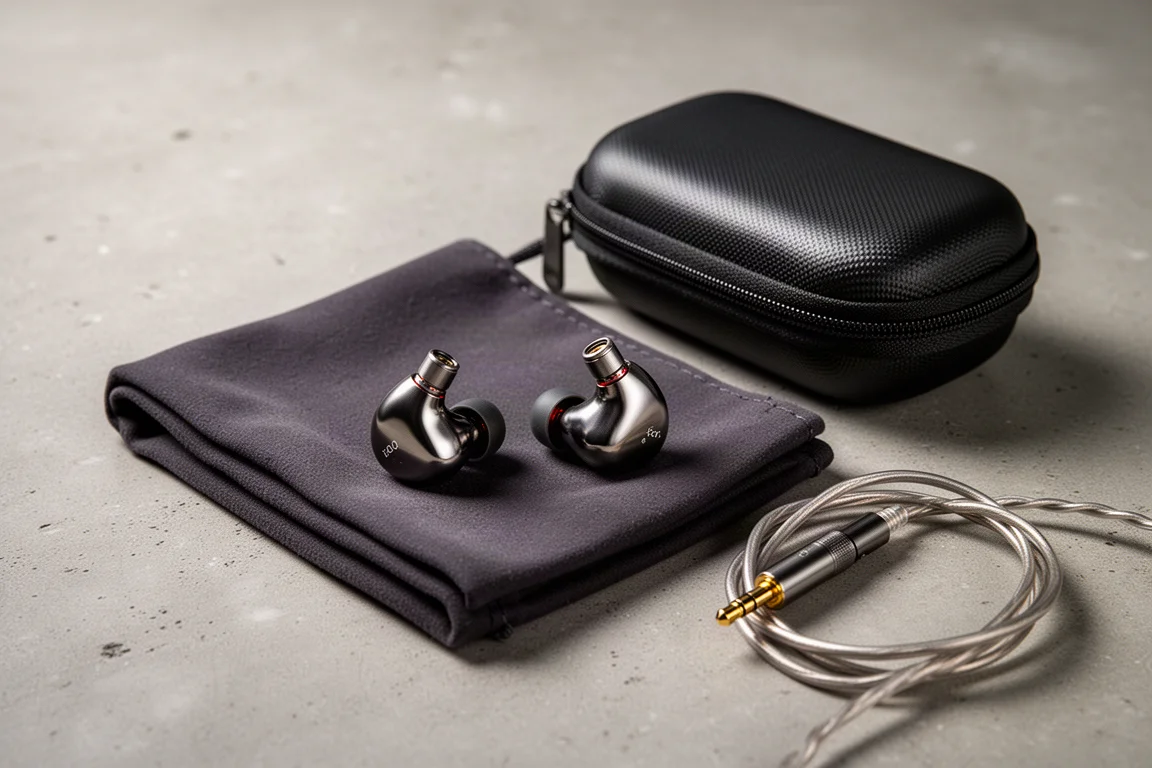
The Andromeda 10 marks ten years of a wired in-ear monitor that has stayed in production and stayed popular. The original launched in 2016 with five drivers at around $1,200. This anniversary edition carries ten balanced armature drivers: four for bass, four for the mids, and two for the highs.
It is also a very sensitive, very easy to drive earphone. Nominal input impedance is 8.5 ohms, which puts the burden on the source rather than the earphone. Ideally you want an amplifier output impedance below one ohm, following the rough rule of an eight-to-one ratio between load and output impedance, otherwise the frequency response can shift. One useful data point: the 4.4 mm output on the Concept R measures 1.2 ohms, so that pairing is not an ideal match on paper.
Campfire has moved from MMCX to two-pin connectors here, a change driven by the Asian market’s appetite for cable rolling. The standard version comes in a green CNC aluminum housing at $1,800. This launch edition uses a PVD-coated stainless steel body, which is heavier, at $2,500, and appears to be sold out. The package includes a 4.4 mm cable, a carry case, and a pin. Passive isolation is a question worth testing on a long flight, since the company’s other models have handled cabin noise well.
Buying Advice
Spend in the right order. The room and the speakers do more for what you hear than anything downstream, and a properly integrated subwoofer is the single biggest gain most two-way systems can make. A good headphone system is a useful reference for that project, because it shows you what bass and detail sound like without room reflections, and it does not have to cost much.
Source components sit at the thin end of the wedge. The differences are real, but they show up properly only once the rest of the system is sorted, the noise floor is low, and the room is not smearing everything. Formats and filter settings land at the very end of that chain.
With that in mind, the choices here are about fit rather than ranking. If you want a planar headphone for studio-neutral work and you can live with 600 grams, the Skyland is the specialist pick, while the FT7 is the lighter, more layered alternative at the same price. If you run an outboard subwoofer and want analog bass management with genuinely useful filter options, the SPL Crossover is the tool. If you still play CDs and want one desktop box that also works as a USB DAC, the Concept R covers both. If you want to experiment with a discrete R2R ladder and a one-bit DSD path on a budget, the Audalytic pair is the low-risk entry point. And if you want a sensitive high-end IEM, the Andromeda 10 is a decade-old design that has earned its run, provided your source has a low output impedance.
Conclusion
None of these seven pieces is a universal recommendation, and that is the point. Each one solves a specific problem: flat-bass planar monitoring, lighter planar listening, analog crossover control, a desktop disc player that doubles as a converter, an affordable ladder and DSD path, and a sensitive ten-driver IEM. Match the tool to the job and to the system you already own, and the money goes further than it does chasing the smallest delta in the chain.
Further reading
Related Reviews
Hi-Fi Audio
Accuphase C-57 vs Allnic H-7000V: Two High-End Phono Stages Compared
A fully balanced solid-state phono stage with a pitch-black noise floor meets a tube design built for well-loved records. Here is how to choose between them.
Hi-Fi Audio
Active vs Passive Hi-Fi: Five Components for a Modern System
Five components that define modern active and passive hi-fi systems, with the strengths, trade-offs and setup details worth weighing before you buy.
Hi-Fi Audio
Advance Paris A10 Apex Review: A Hybrid Integrated Amplifier That Covers a Lot of Ground
A French hybrid integrated amplifier with a class A tube preamp stage, analogue power meters, and an internal DAC and phono stage good enough to make extra boxes unnecessary.