Mountain Bikes
Pivot Mach 4 SL vs Canyon Lux World Cup: Light Cross-Country Bikes Compared
A first-ride comparison of the Pivot Mach 4 SL and Canyon Lux World Cup: two light cross-country mountain bikes with very different ride characters.
Introduction
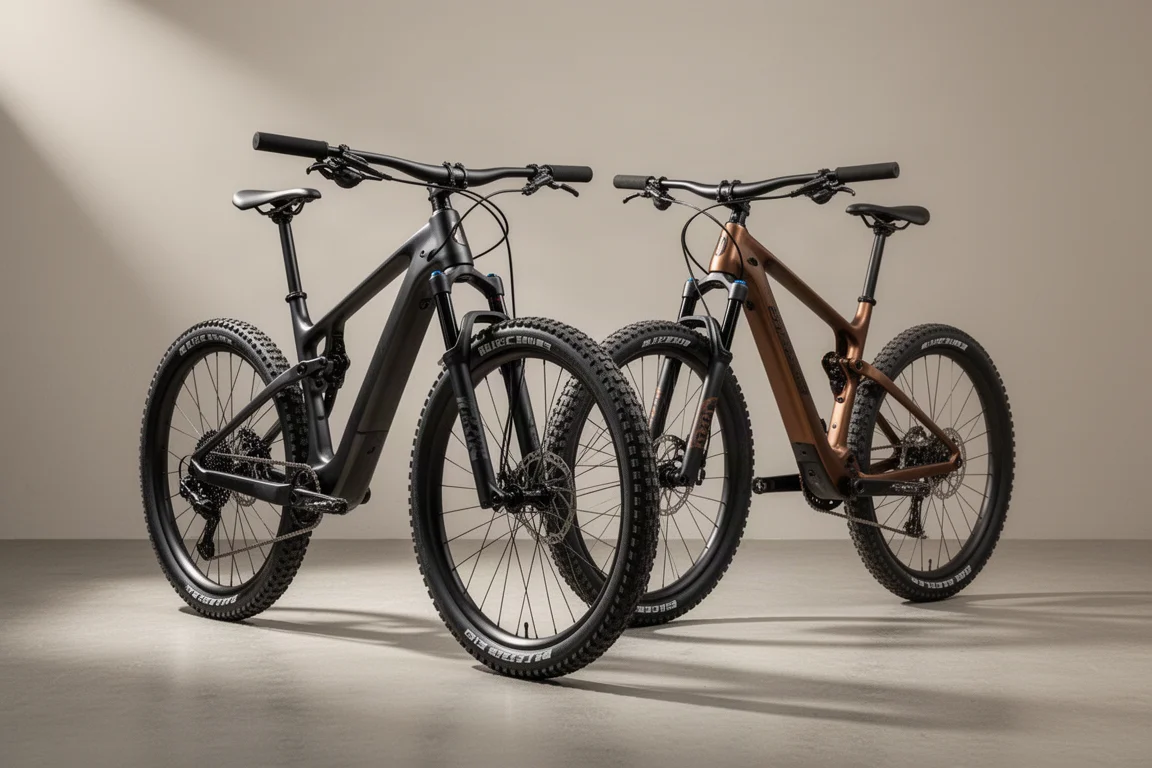
Two cross-country bikes can share the same weight, the same travel figures and broadly similar geometry, and still ride like they came from different planets. That is the takeaway from time on the Pivot Mach 4 SL, a brand new carbon cross-country platform, with the Canyon Lux World Cup along as a reference point.
Both bikes are light. Both are fast. The real difference shows up once the trail stops being smooth. The Mach 4 SL stays composed and playful when the terrain turns rocky, while the Lux World Cup stays locked into its race brief. This article walks through what each bike does well and who each one is genuinely built for.
What Matters in a Modern Cross-Country Bike
Cross-country bikes live or die by a handful of qualities: low weight, an efficient pedalling platform, suspension that stays sensitive without bobbing, and geometry that keeps the rider confident when the trail turns technical.
Weight and efficiency are the easy parts to measure. Frame weight, fork stiffness and drivetrain choice all feed directly into how quickly a bike climbs and how fresh the rider feels after a long day. Suspension character is harder to quantify. Two bikes can offer the same travel and feel completely different, because the linkage design decides how the rear wheel reacts to small bumps, square-edged hits and hard pedalling efforts.
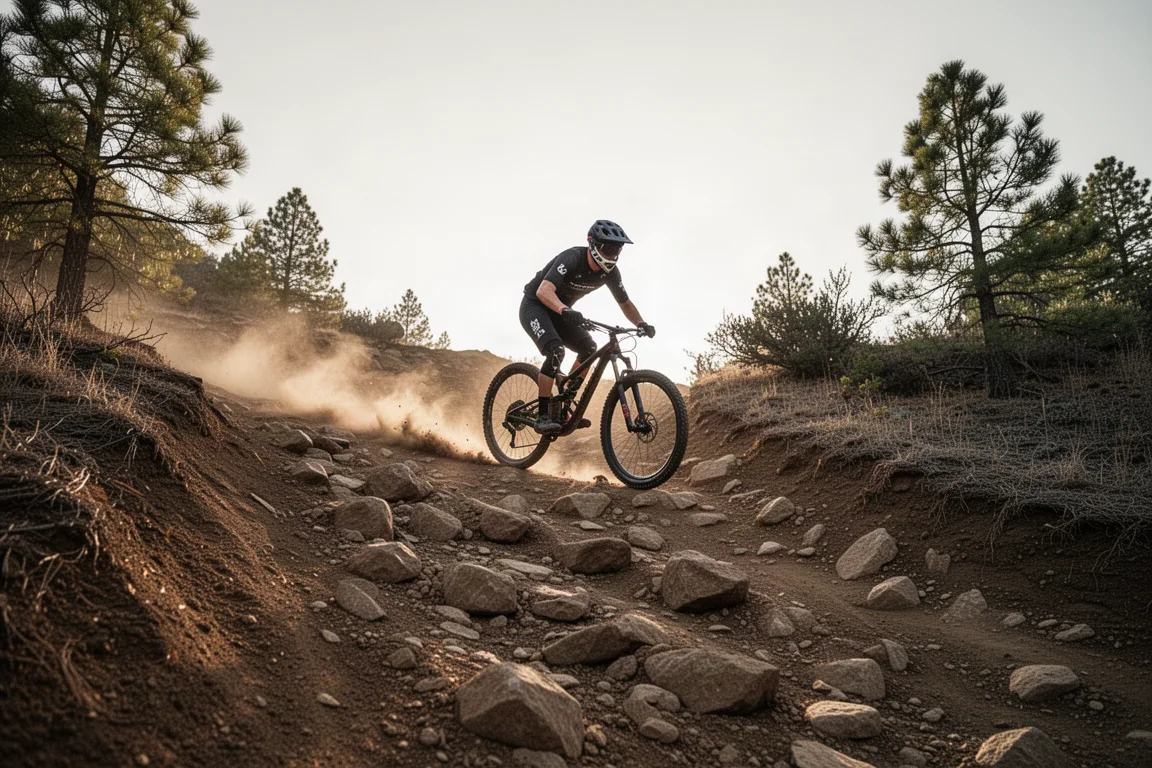
The other variable is how much of the bike’s race focus is left switched on. A pure race machine rewards smooth surfaces and full commitment, while a more trail-oriented build asks far less of the rider on rough, loose ground. Neither approach is wrong, but they suit very different riders and very different trails.
Pivot Mach 4 SL: Light, Fast, and Playful
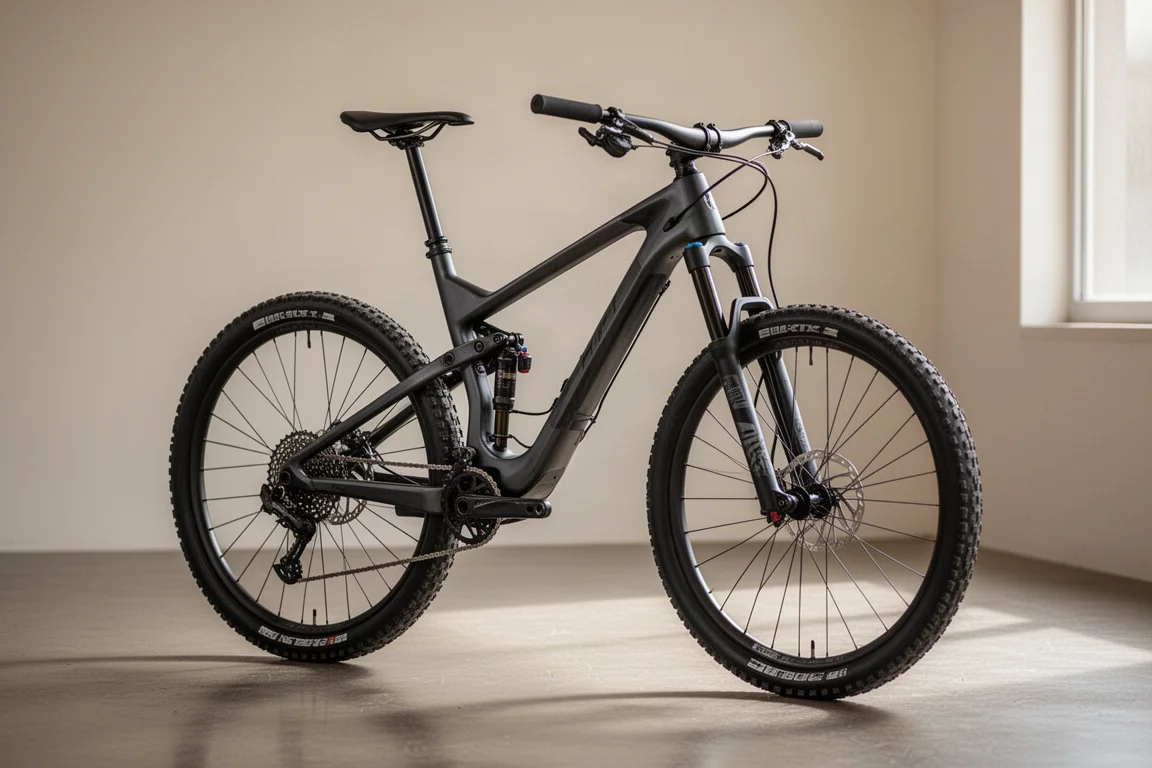
The Mach 4 SL uses a brand new carbon frame that is lighter than the previous version, paired with a carbon swingarm. In a size large, without pedals, it weighs 10.5 kg, which is a genuinely low figure for a full-suspension cross-country bike. The top build helps get there with carbon wheels, a carbon handlebar and a wireless electronic SRAM XX transmission drivetrain.
The suspension is the DW-link design, in which two short links connect the swingarm to the mainframe. It is engineered to cut excessive pedal bob and to stop the rear end squatting when the rider powers out of corners. In practice it delivers unusually good sensitivity to small and medium impacts while still pedalling efficiently, and on technical climbs where traction is scarce the rear wheel keeps finding grip.
The trail version runs 120 mm of travel up front and up to 115 mm at the rear, with a flip chip in the linkage that lets you drop the rear travel to 106 mm. That extra margin, plus a stiffer 34-series fork, a wide handlebar and a short stem, is a big part of why the bike carries speed through corners and rocky descents. It rarely feels like it is using more travel than it actually has.
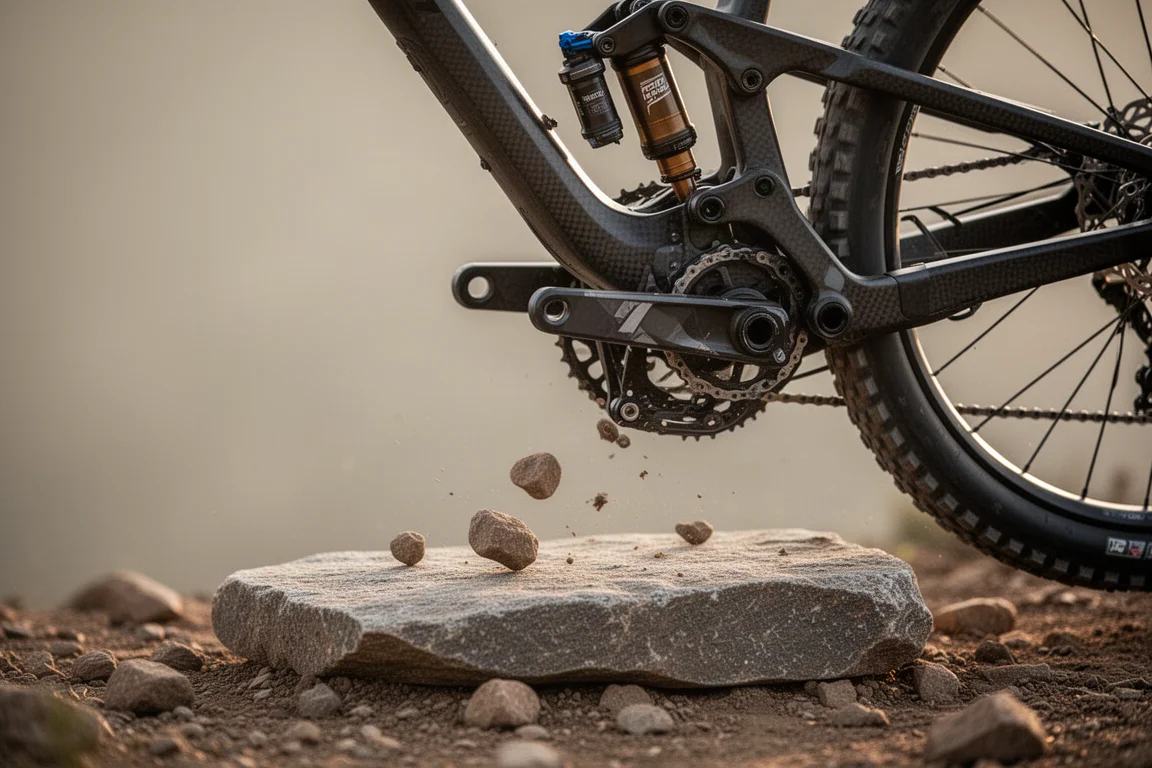
Frame details are thoughtful. The compact front triangle uses a heavily sloping top tube and a very short seat tube, which allows a long-travel dropper post. The trade-off is that there is only room for a single bottle cage. Cables run neatly through the down tube using ports and blanking plates rather than through the headset or steerer, a bash guard protects the down tube, and there are three bolts under the top tube for Pivot’s own modular multi-tool system. A rear shock sag indicator with trail and race marks makes setup straightforward.
The cockpit is busy. On the right there are two buttons for the wireless electronic rear shifting, on the left a dropper post lever, plus a grip-shift twist lever for the rear shock. That lever offers an open setting and a firm setting rather than a true lockout, and it makes a real difference on smoother climbs. On genuinely rough ground, the open setting is the one to leave it in.
The wheels use Reynolds rims with Industry Nine hubs, and the freehub is extremely loud and high-pitched. It is a detail worth hearing before you commit.
Pricing is the hard part. The top-of-range build sits at around £12,500, and the range starts at roughly £8,500. That is a serious outlay for a cross-country bike, though the ride quality goes some way to explaining where the money lands.
Canyon Lux World Cup: A Pure Race Tool
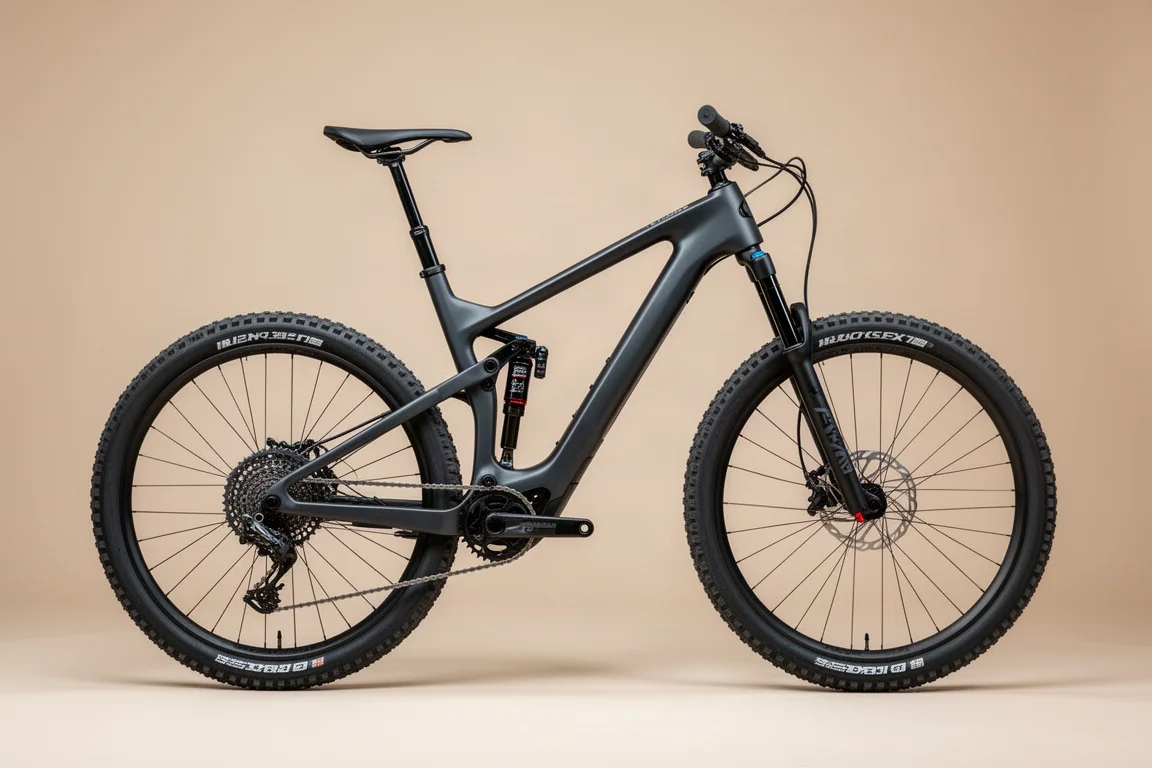
The Canyon Lux World Cup uses the same carbon frame concept with different components and different suspension tuning, aimed squarely at World Cup cross-country racing and fast trail riding. It weighs about the same as the Mach 4 SL, and the geometry sits in a similar ballpark.
The difference is character. The Lux is so focused on racing that it brings some real limitations and compromises along with it. Where the Mach 4 SL feels active, smooth and playful, the Lux feels more single-minded: brilliant when the surface is fast and the effort is high, less forgiving once the trail gets rough and technical.
Two areas show this most clearly. On steep, technical climbs where rear-wheel traction is at a premium, the Lux does not help the rider the way the Mach 4 SL does. On rocky descents it holds you back rather than encouraging you to push on.

The rear shock takes a lockout rather than a trail firm setting, which suits the race brief. It is a bike that rewards a rider who wants to race, or who spends most of their time on smooth, fast courses and values the sharpness that comes with that focus.
Pivot Mach 4 SL vs Canyon Lux World Cup: Which Character Suits You
Put side by side, these two bikes show how much ride character matters beyond the numbers. They weigh roughly the same, carry similar travel and sit in similar geometry territory, yet the Mach 4 SL feels far more active and playful on the trail.
If your riding mixes steep, rocky descents with technical climbs, the Pivot’s more sensitive suspension and its firm-but-not-locked pedalling platform make it the easier bike to live with. It still carries race DNA, and it is light enough and fast enough to race, but it is happiest away from a pure race course.
The Lux World Cup is the sharper instrument. Its race-first tuning makes it feel precise on fast, flowing terrain, and that same tuning is what makes it less comfortable and less helpful once the trail turns rough. Neither bike is better in the abstract. The question is whether you want a bike optimised for racing or one optimised for the trail ride around it.
Buying Advice
The Mach 4 SL is the more versatile of the two, but it comes at a price. The top-of-range model sits around £12,500, with the range starting at roughly £8,500, so more accessible builds lower down the line would make the platform easier to recommend to a wider group of riders. If value matters, look at the entry point of the range rather than the flagship build, since the frame and suspension design are the parts that define the ride.
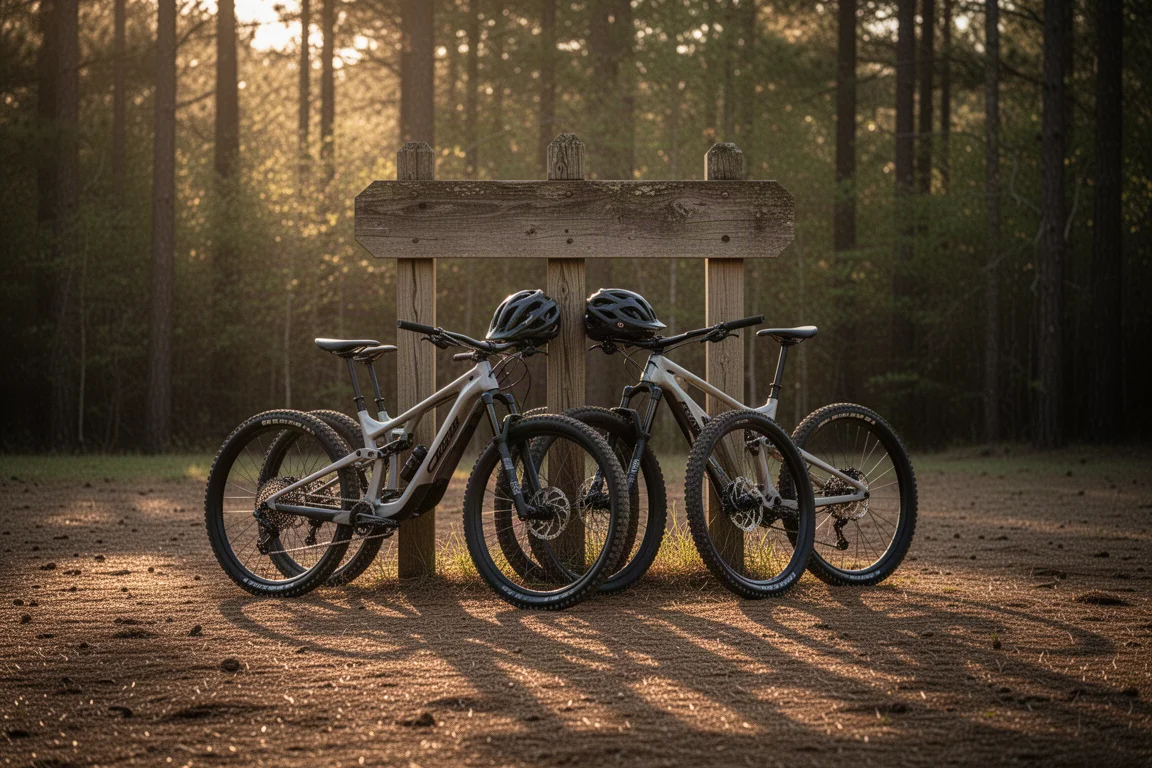
The Lux World Cup suits a different buyer: someone whose priority is racing, or very fast and smooth cross-country riding, and who accepts the compromises that come with a race-first design. Neither of these bikes is a casual purchase, so it is worth being honest about the trails you actually ride most often before choosing between a playful, trail-capable cross-country bike and a dedicated race weapon.
Conclusion
The Pivot Mach 4 SL and the Canyon Lux World Cup are both light, fast cross-country bikes with a similar footprint on paper, and on the trail they could hardly be more different. The Mach 4 SL is the more capable, more playful option, with active suspension and a platform that genuinely helps the rider on technical climbs. The Lux World Cup is the purer race tool, sharp on fast ground and less accommodating when the trail turns rough. Match the bike to the riding you do, and either one will serve you well.
Further reading
Related Reviews
Mountain Bikes
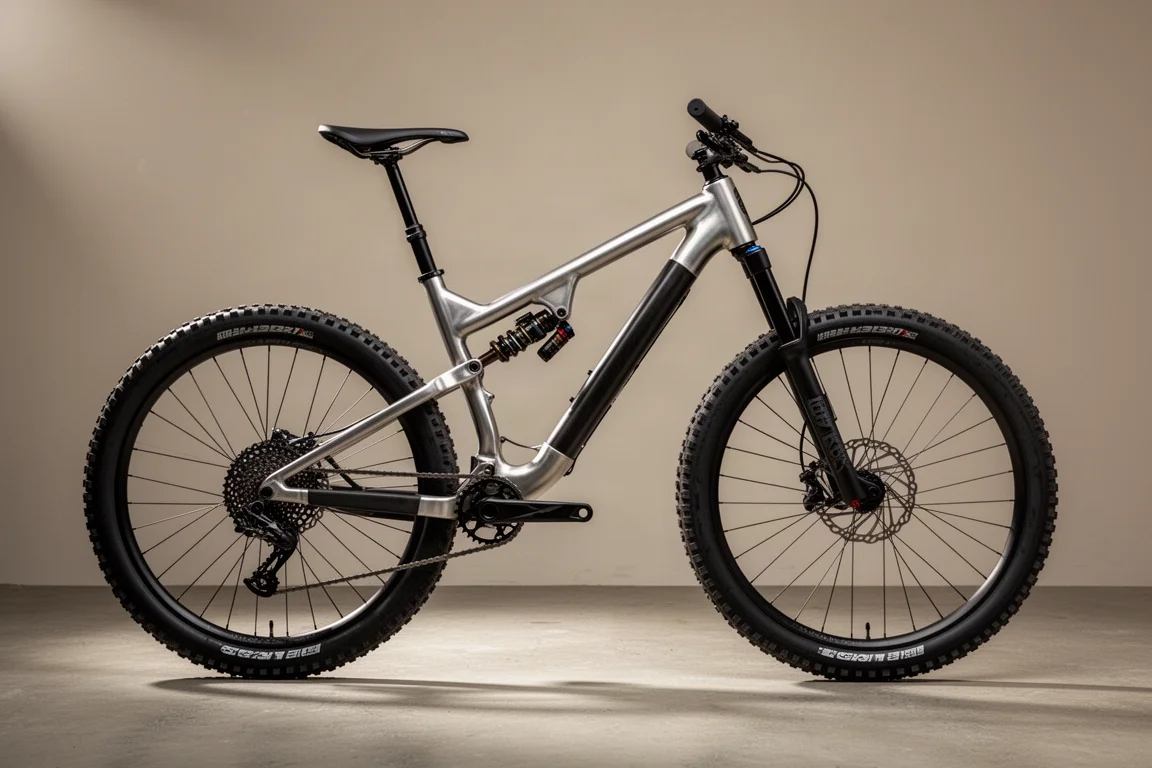
Atherton AM.130 Review: 3D-Printed Titanium Lugs and a 130mm Trail Bike That Descends Like a Bigger Machine
The Atherton AM.130 pairs 3D-printed titanium lugs with carbon tubes and a DW6 suspension platform. Here is how it rides, what the build delivers, and who it suits.
Mountain Bikes
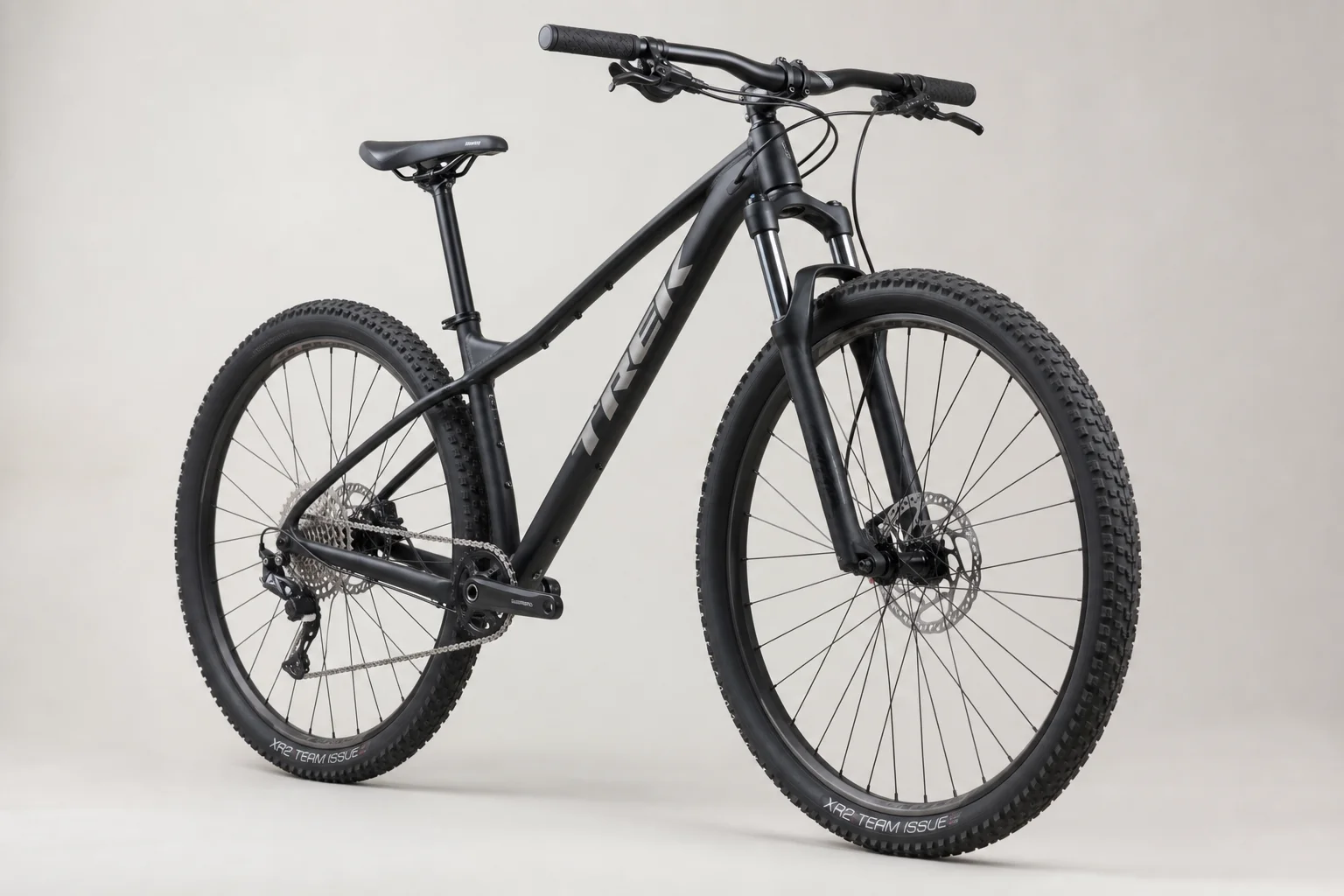
Beginner Mountain Bike Buying Guide: What to Look For in a Trailworthy Hardtail
A practical framework for evaluating beginner mountain bikes, whether new or used, by examining key components that indicate real trail capability.
Mountain Bikes
Best Aluminum Mountain Bikes 2026: Five Alloy Bikes Worth Your Attention
Five aluminum mountain bikes that show how far alloy has come, from a 120mm trail bike and a versatile machined frame to a 180mm freeride machine.