Aviation
Piper PA-46 Malibu Mirage: The Cabin-Class Piston Single That Still Makes Sense
A close look at the pressurized, cabin-class PA-46 Mirage, from its turbocharged engine and G1000 cockpit to what it is like to fly and own.
Introduction
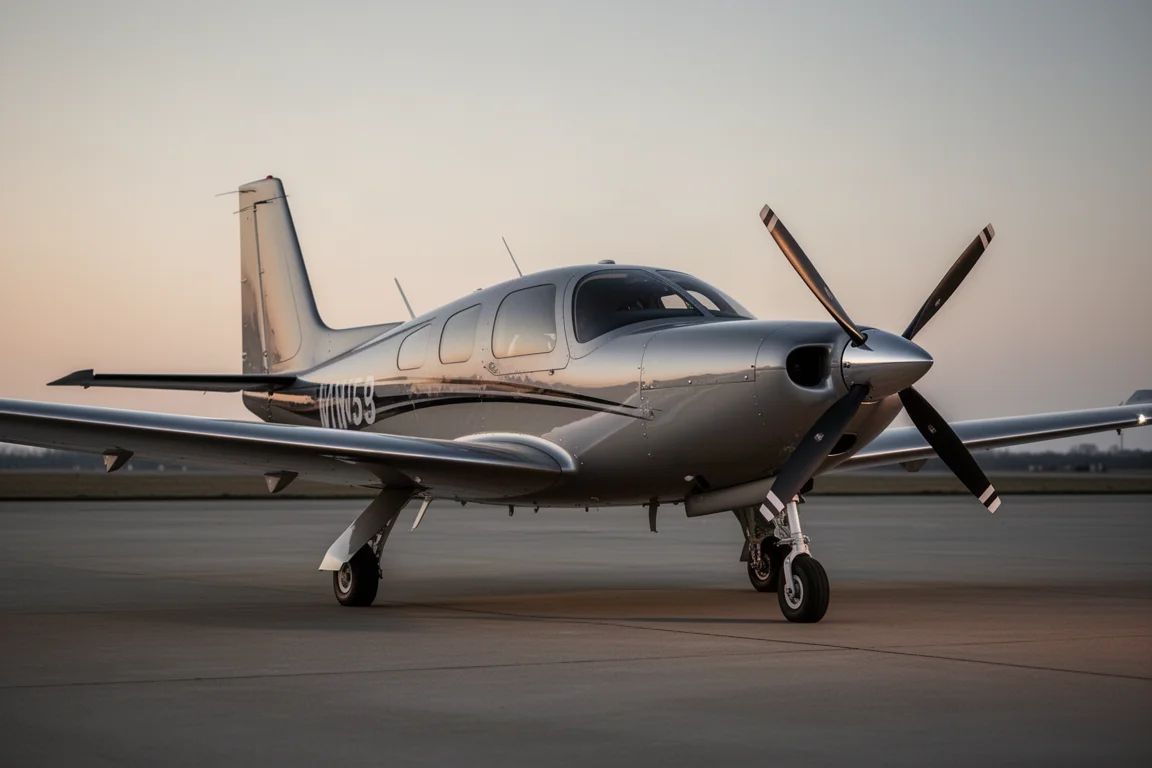
Few single-engine piston aircraft generate as much debate as the Piper PA-46. Pressurized, cabin-class, and capable of cruising in the flight levels, the Malibu Mirage has long been described by enthusiasts as the ultimate piston single. This review walks through what makes the PA-46 Mirage special, what it is like to fly from an owner’s perspective, and who should realistically consider one.
The PA-46 Family at a Glance
The PA-46 family started in 1984 with the original Piper Malibu, known as the 310P because it used a Continental TSIO-520 engine, twin-turbocharged and producing 310 horsepower. That engine allowed cruises up to 25,000 feet at over 200 knots on only 15 gallons of fuel per hour, thanks to a design intended to run lean of peak very efficiently.
In 1988 Piper introduced the Malibu Mirage, known as the 350, powered by a Lycoming TSIO-540, also twin-turbocharged, with 350 horsepower. It delivers more boost and roughly 5 to 10 extra knots of speed, but Piper and most operators recommend running rich of peak, so fuel burn sits closer to 20 gallons per hour. The Mirage remained largely unchanged until the mid-2000s, when Avidyne avionics were added, followed in 2009 by the Garmin G1000 glass cockpit.
The family kept growing. Around 2009 the Matrix arrived, essentially a Malibu Mirage without pressurization. In 2000 the turboprop Meridian was certified, and it still sells today in three variants: the M500 with 500 horsepower, the M600 with 600 horsepower, and the M700 Fury, new in 2024, a 700-horsepower high-performance version of the M600. The modern equivalent of the Mirage is the M350, updated in 2015 and still in production. There is even an aftermarket JetPROP conversion by Rocket Engineering, which swapped the twin-turbo flat sixes in Malibus and Mirages for a PT6 turboprop before the Meridian existed.
Why Owners Choose the Mirage
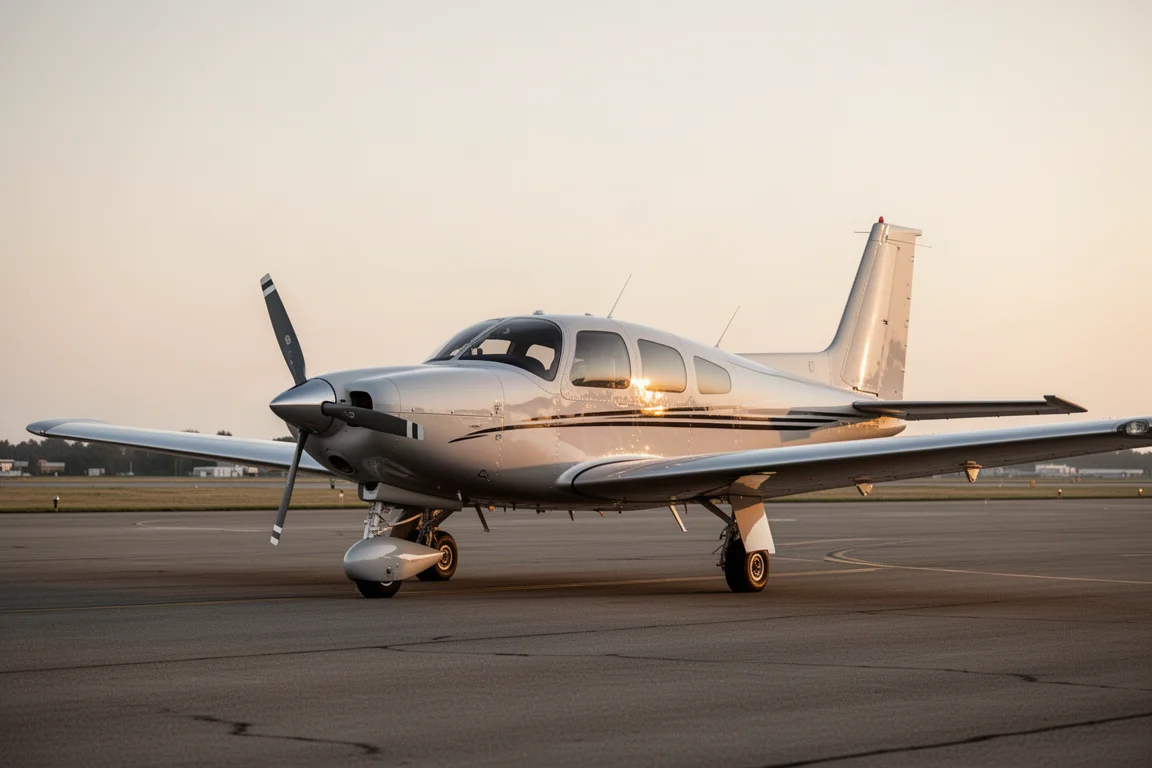
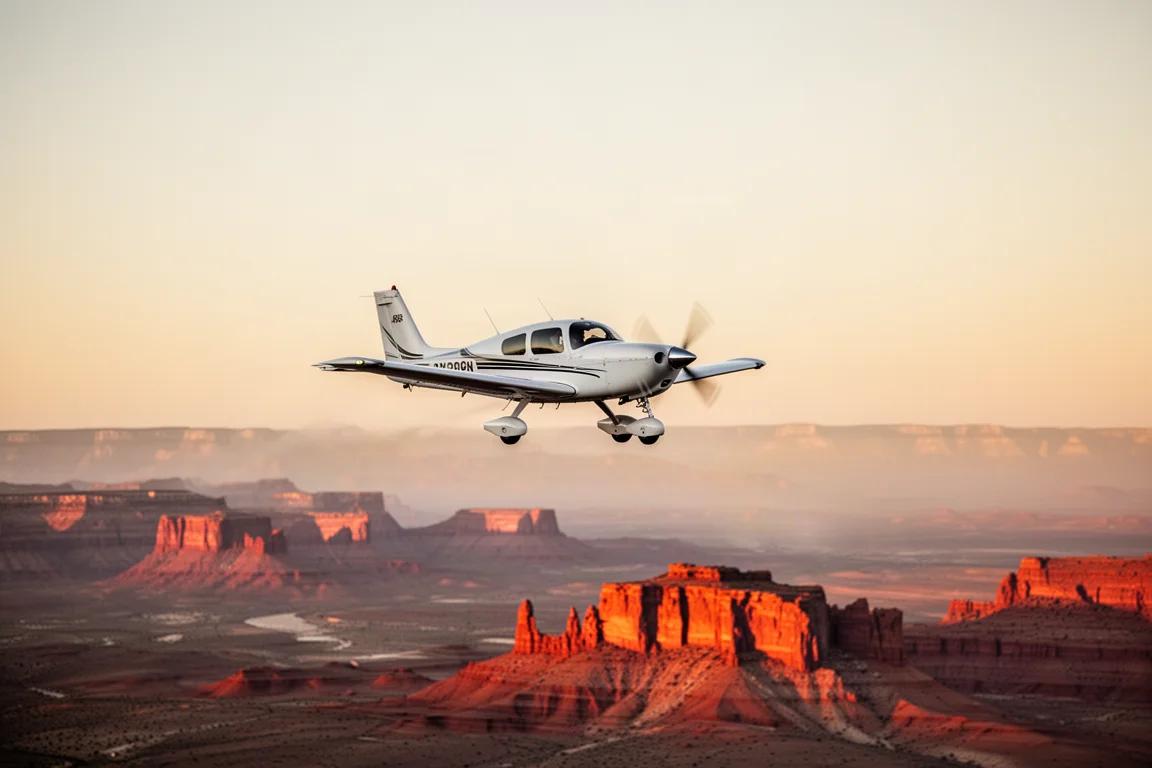
The example examined here is a 2013 Piper Mirage, a PA-46 airframe chosen specifically because it is pressurized and can climb into the flight levels, above the weather, up to 25,000 feet. It trues out around 200 knots, and with a nice tailwind at altitude the ground speed can reach 250 to 260 knots.
A serious engine is required to reach those altitudes. The twin-turbocharged Lycoming produces 350 horsepower and delivers up to 42 inches of manifold pressure on takeoff, which translates into strong climb performance. Another standout feature is that the aircraft is certified for flight into known icing, something the owner calls a genuine advantage when flying in Denver.
Fuel capacity is 120 gallons, 60 in each wing, and an STC is available for more fuel if flying eastbound into the winds. Average fuel burn, combining climb, cruise, and descent, comes out to about 25 gallons per hour, which is a step up from smaller aircraft but reasonable for the speed and mission.
Cabin Comfort and the Two-Part Entry Door
Piper clearly cared about ramp appeal: the Mirage features a two-part entry door, similar in spirit to a Learjet. Stepping inside, the cabin is genuinely large for a single-engine piston, and comparisons to very light jets are not far-fetched. Passengers in the back describe it as noticeably bigger than a Bonanza, with a quiet, comfortable ride.
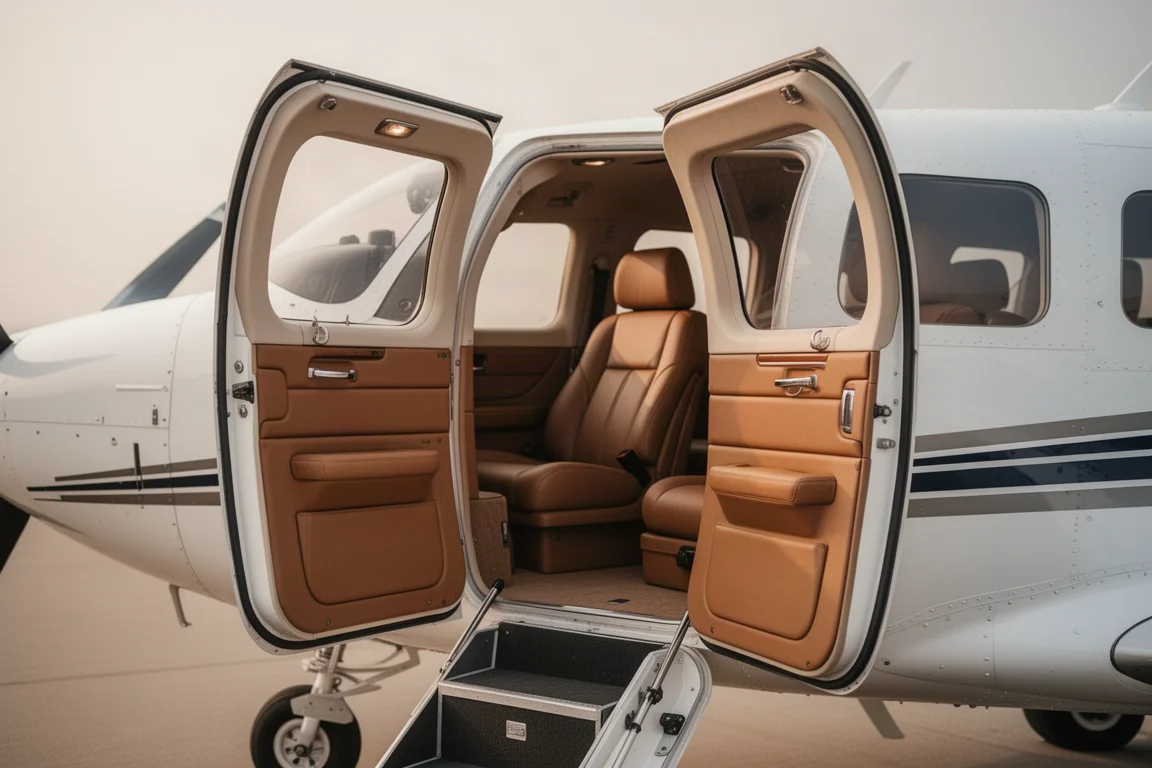
The rear seat even reclines with the push of a small button, creating a workspace suitable for a laptop and emails. One limitation worth noting: tall passengers find headroom tight in the back, and some will need to squish down or slouch to fit comfortably.
Avionics and Flight Deck
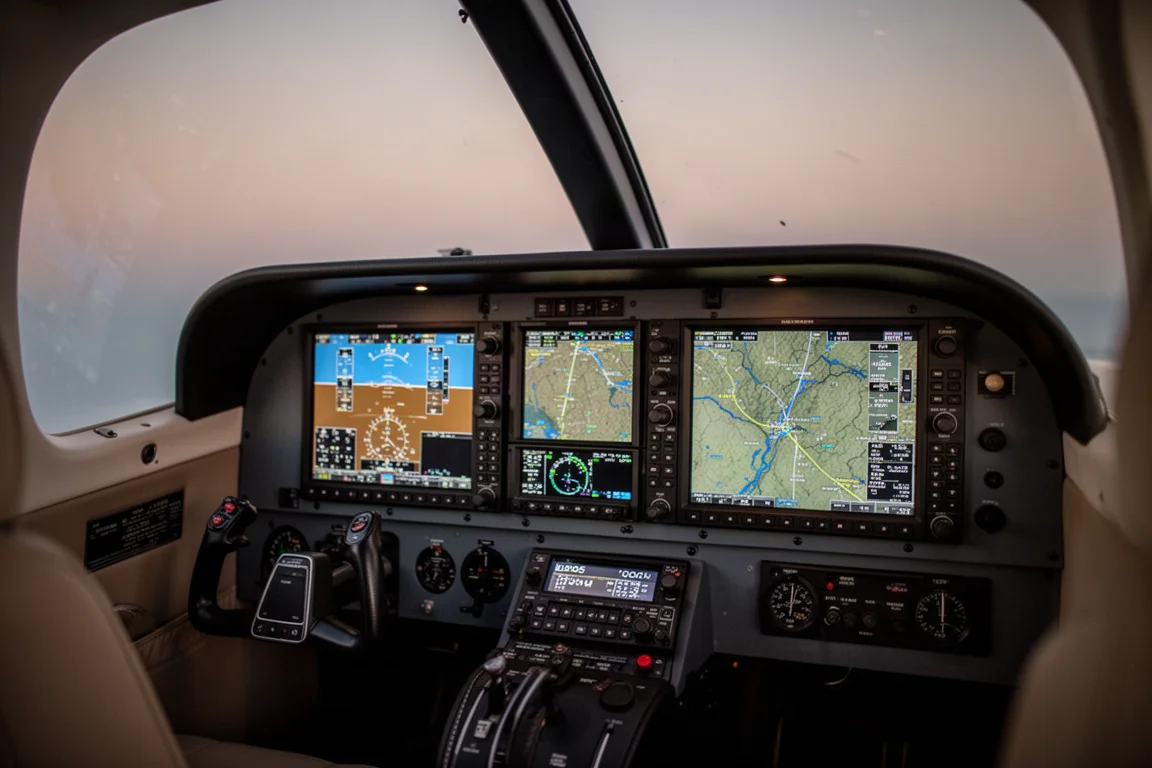
The 2013 Mirage ships with the Garmin G1000 glass cockpit, and the setup is thorough. There are primary flight displays on each side, identical but with their own separate computers, two air data computers, and two AHARS, providing redundancy in case of failure. A multi-function display adds a moving map and weather.
The panel covers everything you would expect: manifold pressure, RPM, turbo inlet temperature, fuel flow, cylinder head temperature, oil pressure and temperature, plus crew alerting, cabin pressure indication, fuel quantities, alternator volts and amps, vacuum pump, and flap indicator. The owner also runs three weather sources on board: XM, ADS-B weather, and onboard radar. Notably, both the radar and the flight-into-known-icing equipment come factory-equipped on the Mirage.
What It Feels Like to Fly
Starting the Mirage follows a deliberate routine: boost pumps prime the tanks, the mixture is set, mags are on, and oil pressure, alternator, vacuum, and avionics are all verified in the green before taxi. The runup includes magneto checks, alternator checks off both buses, and a full light and gear indicator test.
Takeoff brings the turbos into play as power comes up slowly, with the aircraft accelerating through 85 knots before lifting off. After the gear comes up and the yaw damper engages, the cruise setting is 29 inches of manifold pressure at 2,400 RPM with 1,500 on the exhaust temperature. Climb performance is strong, and the cabin pressurization means that at 7,500 feet actual altitude, occupants are breathing air equivalent to 1,700 feet.
The aircraft is quiet enough that noise-cancelling headsets still feel like a luxury, and it calms down further when the prop is pulled back. In mountain wave turbulence, the thin wing transfers loads to the fuselage, and the advice is simple: tighten the seatbelt and slow down. Speed brakes deploy quickly and can be felt clearly when they come up, which makes descending and configuring for landing that much easier.
Ownership, Mission, and Competition
The Mirage occupies a narrow niche: it is one of very few pressurized cabin-class single-engine airplanes still in production, so it does not face many direct competitors at this price point. A brand-new M600 sits around the $2.5 million range, and the equivalent of this Mirage new is roughly in the $1.5 million range.
For owners, the aircraft also serves a practical career role. Insurance requirements make stepping directly into a turbine like a TBM or a light jet difficult, and the Mirage provides the flight time and experience insurers want to see before that transition. As a first owned aircraft after years of renting 172s and 182s, it represents a big but deliberate step up.
Buying Advice
If your mission involves regularly climbing above the weather, covering long distances at genuine jet-like ground speeds, and doing it in pressurized comfort, the PA-46 Mirage is one of the few piston aircraft that fits. Buyers should budget for higher fuel burn than smaller singles, accept rich-of-peak operation, and be aware of the headroom limits for tall rear-seat passengers. Those wanting newer avionics or turboprop performance can look at the M350, M500, M600, or M700 Fury, while budget-conscious buyers may find excellent value in well-maintained used Mirages like this 2013 example.
Conclusion
The Piper PA-46 Malibu Mirage earns its reputation as the ultimate piston single for a reason: pressurization, known-icing certification, factory radar, strong twin-turbocharged performance, and a cabin that feels closer to a light jet than a typical single. It is not the cheapest or the simplest piston aircraft, but for the right mission it is arguably the ticket, and it remains a credible stepping stone toward turbine aircraft.
Product link
View more details for Piper PA-46 Malibu Mirage
This product is mentioned in the review. Check the specifications, options, and compatibility before buying.
View more details for Piper PA-46 Malibu MirageFurther reading
Related Reviews
Aviation
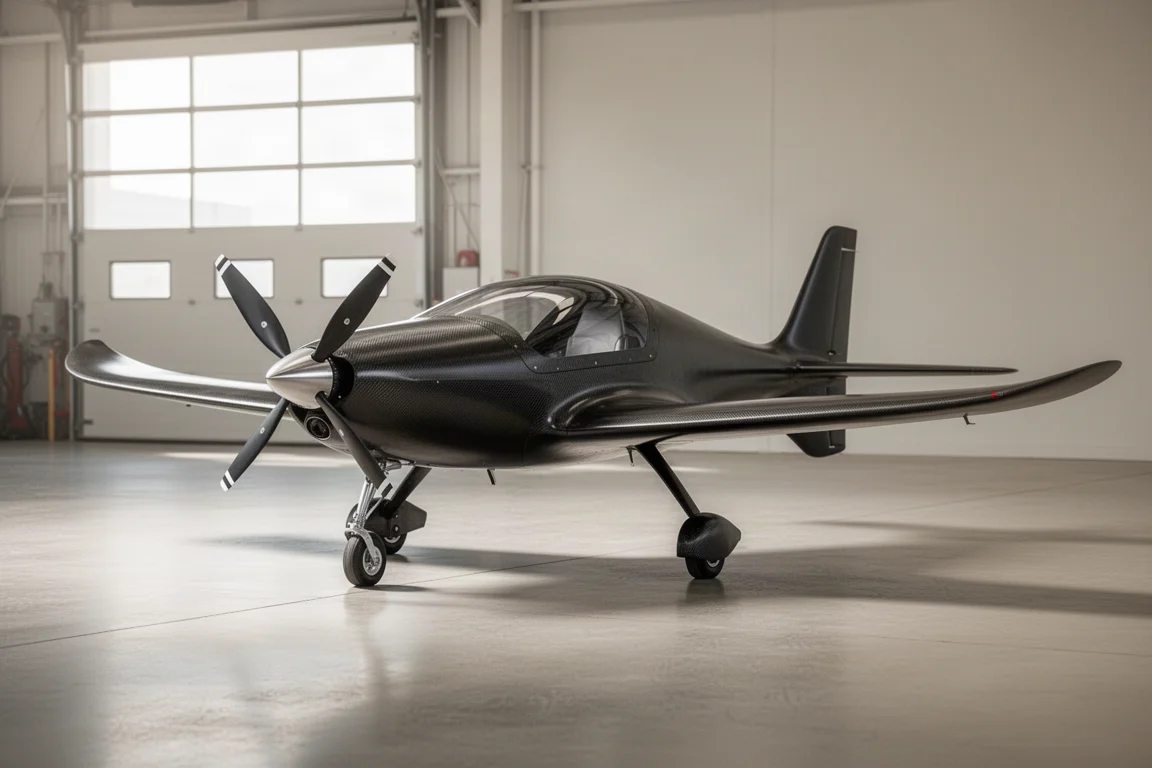
Aero Technics ACH 212 Solo Review: A Carbon Fiber Solo Kit Aircraft You Can Build Fast
A nearly 30-year-old Czech design still offered only as a kit: 90% carbon fiber, quick-release wings, a 350 to 400 hour build, and performance that surprises.
Aviation
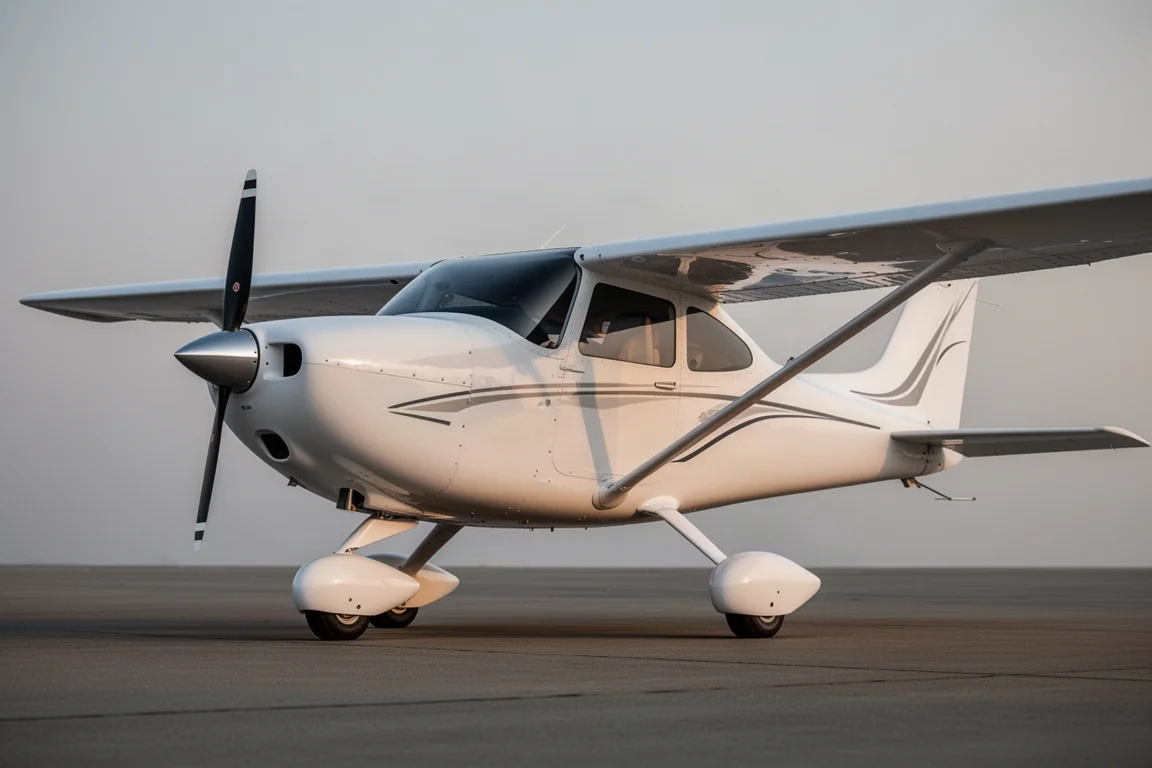
Aeropilot: The 80% Scale Cessna-Style Light Sport Aircraft Winning Over Flight Schools
A full-carbon, two-seat light sport aircraft modeled after the Cessna 182, with a larger cabin, big climb performance, and fuel burn that flight schools love.
Aviation
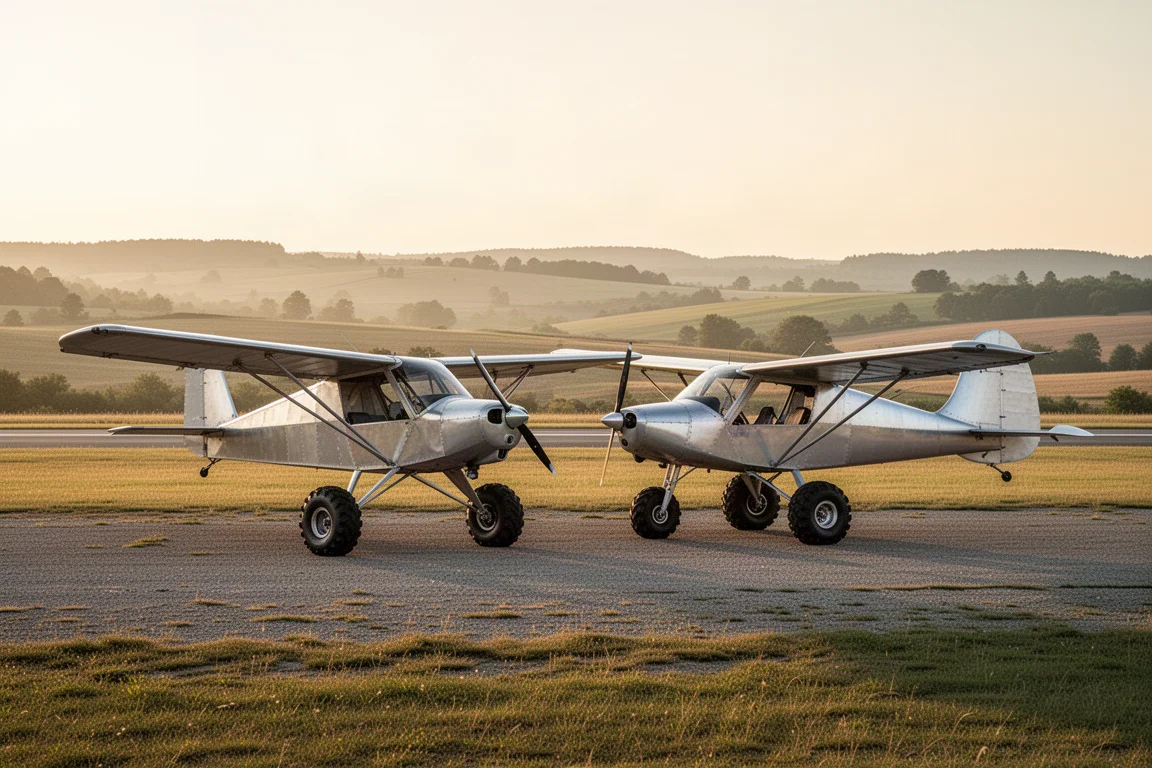
Aeropro A22 and A32: Two Light Sport Aircraft Worth a Close Look
A side-by-side look at the Aeropro A22 and A32, covering performance, pricing, customization, and what buyers should know before ordering.