AV Receivers
Pioneer Elite VSX-LX805 Review: A Neutral Flagship AV Receiver
The Pioneer Elite VSX-LX805 is an 11.4-channel flagship with Dirac Live included, 4K at 120Hz gaming support and a deliberately neutral sound. Here is what to weigh before buying.
Introduction
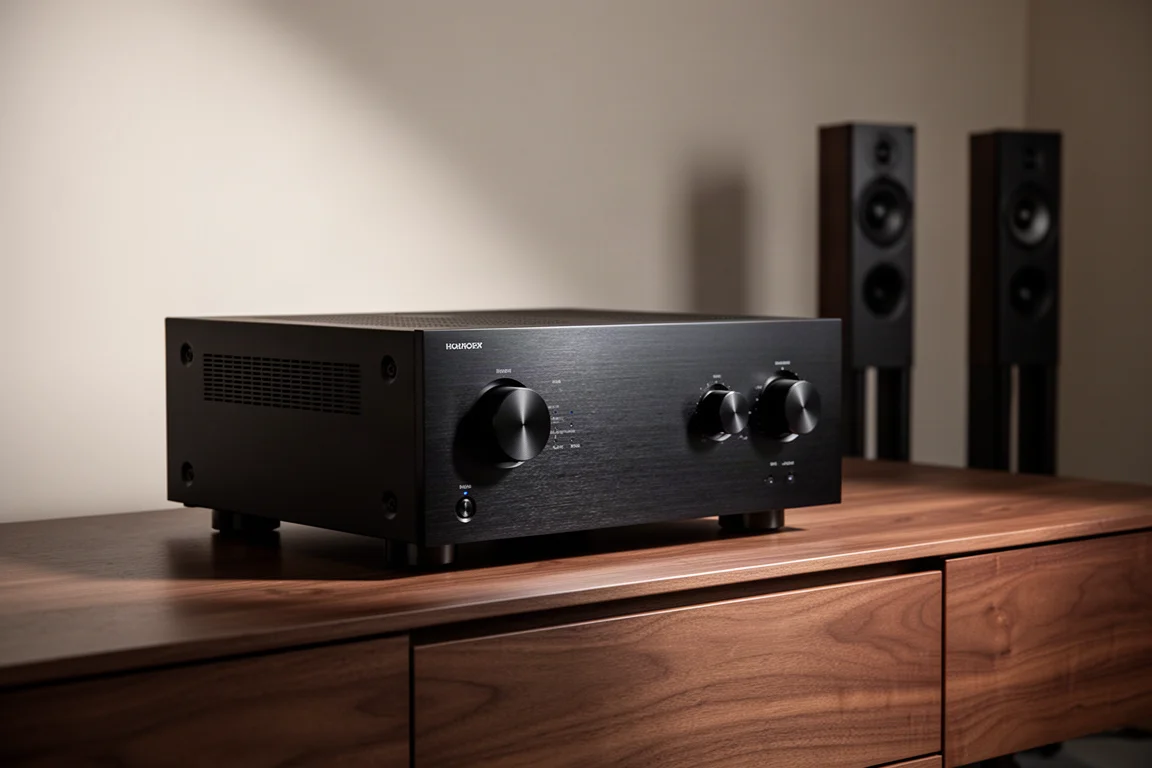
The home theater receiver market is crowded and competitive, and the Pioneer Elite VSX-LX805 is Pioneer’s flagship entry into it. It is also the first receiver to benefit from a genuine design hand from Premium Audio Company, Pioneer’s parent company, which makes it a more interesting product than the specification sheet alone suggests.
The VSX-LX805 is an 11.4-channel receiver with Dolby Atmos, DTS:X and IMAX Enhanced support, with Auro-3D arriving through a firmware update. It produces 150 watts per channel with two channels driven from a Class AB amplifier built around a new symmetric design. Full preamp outputs, two of them balanced, allow external amplification, and there are four subwoofer outputs, though they are grouped into two discrete channels.
Who This Receiver Is For
Pioneer has aimed the VSX-LX805 at a more upscale, discerning buyer than the other Elite receivers in the line. The clearest fit is a listener who wants a neutral, reference-leaning presentation rather than a warm or characterful one. If you prefer electronics that add a little personality to the sound, this receiver is unlikely to be your first choice.
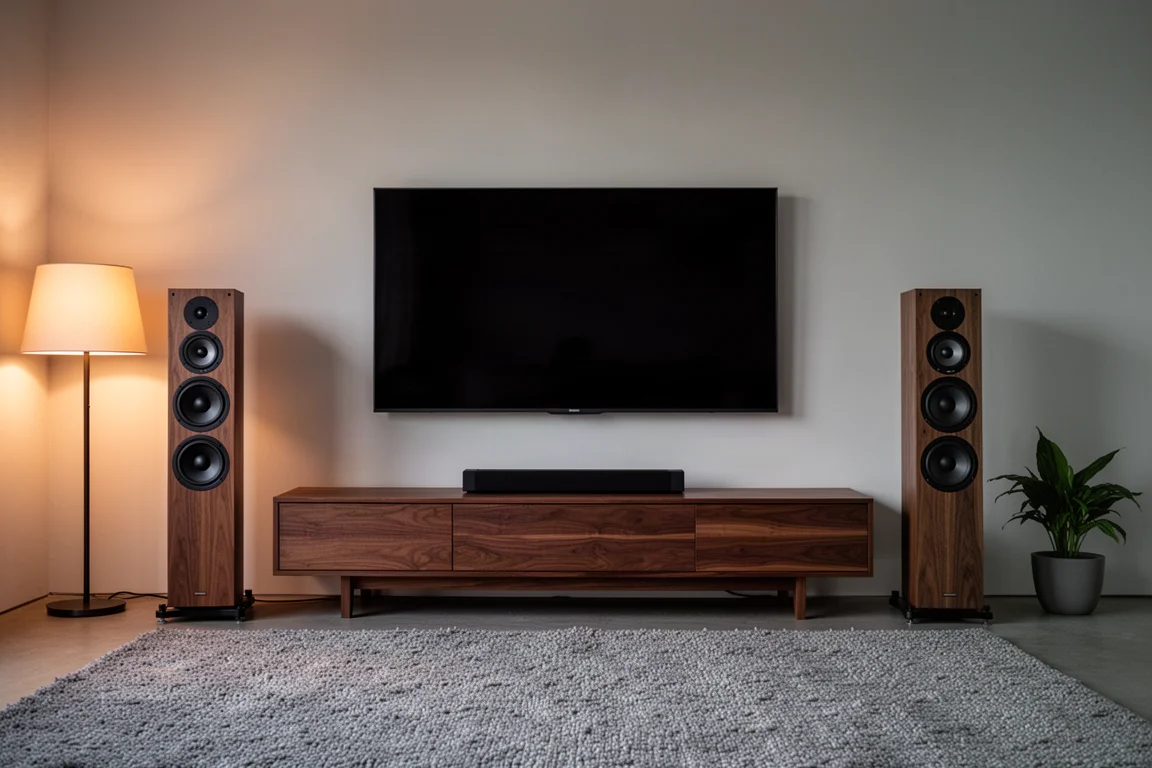
It also suits two-channel listeners. Two 32-bit ESS Pro DACs, a pair of balanced audio inputs and a moving magnet phono preamp give the receiver genuine stereo capability, and the definition and separation between instruments goes beyond what most receivers manage. Gamers get high-frame-rate 4K, variable refresh rate and auto low latency mode, and anyone who wants Dirac Live room correction will find the full version included rather than sold as an add-on.
Design and Build Quality
The chassis is stout, with bracing and support that put it in a different class from the brand’s less expensive models. It is noticeably heavier than the Onkyo RZ50, a weight that follows from the redesigned amplifier section, and its build quality belongs in the conversation with considerably more expensive Marantz, Denon and Yamaha receivers. The design is classic and elegant rather than flashy.
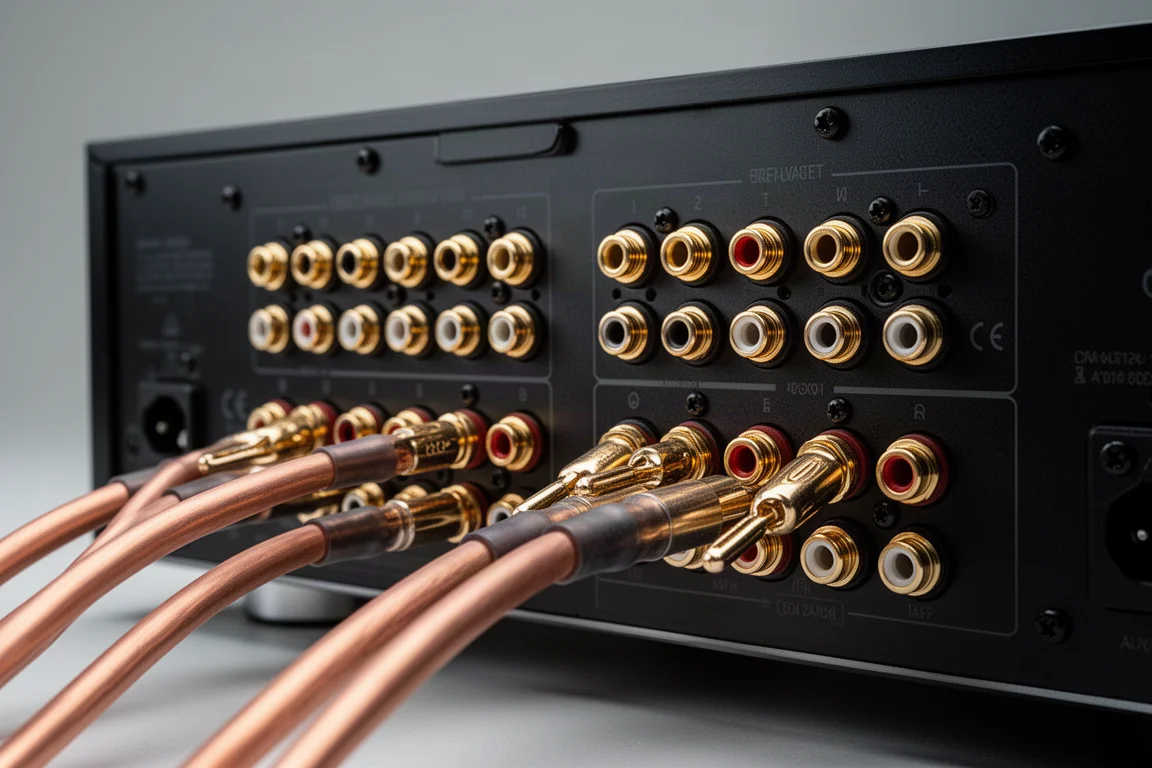
One detail stands out. The speaker binding posts are separated into two groups, left and right, rather than the more common arrangement that pairs similar speakers together. It is an unusual layout, and it may be a consequence of the symmetric amplifier design.
Amplifier Performance and Sound Signature
The most surprising thing about the VSX-LX805 is how unlike previous Pioneer and Onkyo receivers it sounds. Rather than a familiar house character, the presentation here is neutral, linear and controlled, closer in spirit to a Yamaha receiver. That absence of coloration is technically admirable, but it is also a choice that some listeners will appreciate and others will miss.
In the bass, the Pioneer offers better linearity and detail retrieval than the Onkyo RZ50, though it lacks the grip and snap of the Sony 7000ES and can feel more subdued as a result. Midrange and treble have good body and detail with no added boost or brightness. In two-channel listening, the soundstage, instrument layering and separation make it feel closer to a good stereo integrated amplifier than a receiver. Surround placement is broadly comparable to Marantz and Denon models, though it does not reach the spatial effect of Sony’s ES receivers. Dynamically the receiver is well damped rather than explosive, and demanding action sequences need a little more volume to deliver their impact. THX-certified power drove 4-ohm speakers such as the Polk R700 and KEF R11 Meta without strain or distortion, and the unit runs warm under load without becoming uncomfortably hot.
Dialogue intelligibility is the one area that split opinion. The dialogue enhancement does improve clarity, but it also skews the upper midrange and treble and cuts bass, and the change is measurable even at its lowest setting. Without it, some listeners found actor dialogue harder to follow than expected, even on speakers known for their clarity. If you watch a lot of dialogue-driven content, try the enhancement before you commit, and remember to switch it off for music.
Room Correction: MCACC and Dirac Live
Two automatic room correction systems come as standard: Pioneer’s own multi-channel acoustic calibration, known as MCACC, and Dirac Live Premium. The full version of Dirac is included in the purchase price, which is not something every competing brand offers. Dirac Bass Control is available as a paid upgrade for single-subwoofer or multi-subwoofer setups, at an additional cost.
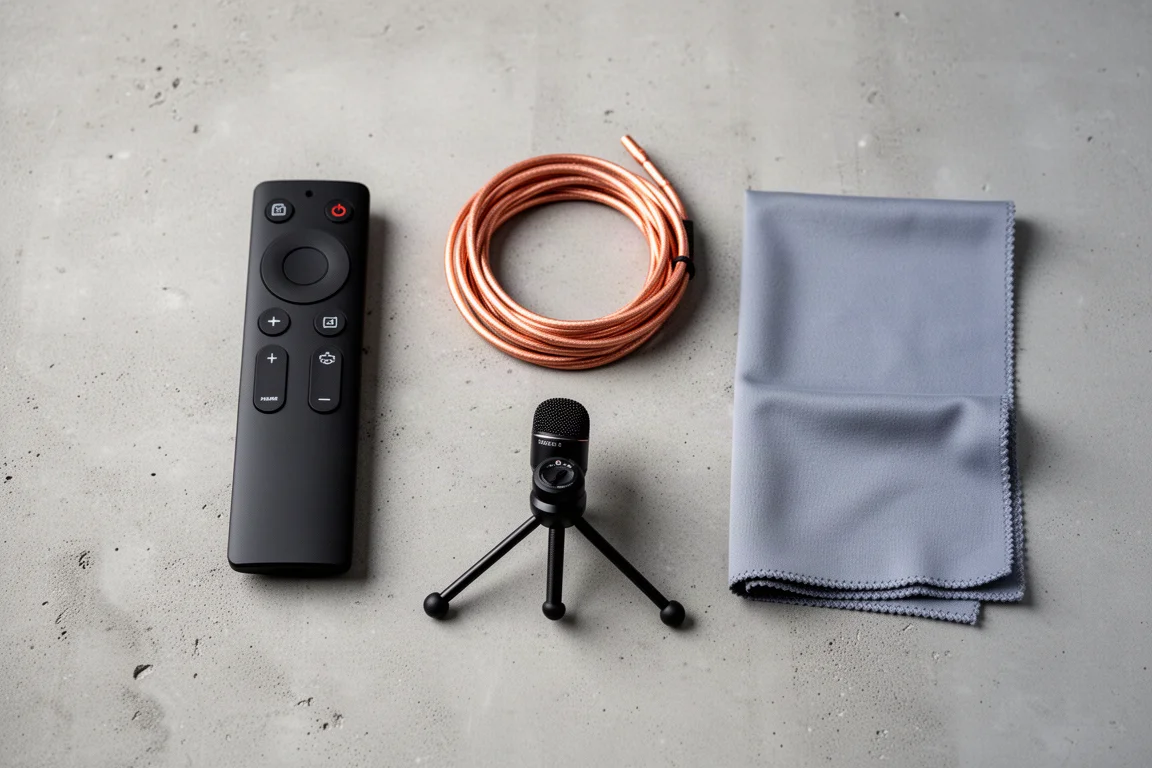
Dirac is the system to use. Its laptop-based interface is class leading, and its results were quicker and more consistent, with factory curves and settings producing dramatically better sound than MCACC in the same room. MCACC, by contrast, produced thinner, more disjointed results with several inaccurate speaker settings. Manual adjustment is possible, but advanced controls such as manual parametric EQ sit inside the MCACC dashboard, which is awkward to navigate. Listeners who prefer to configure everything by hand may find rival brands more accommodating.
Connectivity, Gaming, and Everyday Use
Seven HDMI inputs and three HDMI outputs cover a busy system, and the receiver supports 4K at 120Hz, Dolby Vision, HDR10+ and the wider range of HDR formats, along with variable refresh rate and auto low latency mode for gaming. Legacy video signals can be upscaled to 8K depending on your settings.
Video switching is good, on par with Marantz receivers including more expensive models and a clear step ahead of some competitors. Gaming is trouble free: 4K at 120Hz in HDR ran without issue, and fast-paced titles stayed smooth with no detectable added lag.

Bluetooth pairing is quick and straightforward, and the control app is more capable than Sony’s, though not as feature rich as what Denon and Marantz provide. Wireless and Wi-Fi music services including Spotify, Tidal and Roon are supported, alongside smart home control through Google Home and Alexa. The built-in phono preamp works well enough that a good turntable loses nothing by connecting directly. Just as importantly, the receiver’s features work out of the box, with the exception of the single Auro-3D firmware update, rather than arriving months after purchase.
Things to Consider Before Buying
The neutral, character-free presentation is the central trade-off. If you enjoy a little warmth or drama from your electronics, this receiver may leave you cold, and its controlled dynamics mean blockbuster sequences need more volume than usual to feel thrilling.
Room correction is a mixed bag. Dirac Live is excellent and included, but MCACC is inconsistent and manual fine tuning is routed through an awkward dashboard. Dialogue enhancement helps intelligibility while altering the tonal balance and cutting bass, so it is not a set-and-forget solution. The four subwoofer outputs are grouped, leaving only two discrete channels, and the binding post layout takes some getting used to.
Positioning also matters. The VSX-LX805 asks more than the Marantz Cinema 50, which softens that receiver’s apparent price advantage once Dirac Live included as standard and the extra channels are taken into account. Against the similarly priced Sony 7000ES, the Pioneer is the more accurate of the two, while the Sony remains the more captivating and spatially engrossing choice for movies. The Onkyo RZ50 continues to represent excellent value, and although the Pioneer’s amplifier section is more mature and refined, that does not automatically make it the better experience for every listener.
Buying Advice
Buy the VSX-LX805 if you want a neutral, honest receiver that gets out of the way of your speakers, and if you value Dirac Live being included rather than sold separately. It is a strong fit for listeners with demanding 4-ohm speakers, for two-channel listeners who want balanced inputs and a phono stage, and for gamers who need 4K at 120Hz with VRR and ALLM. Its build quality and comprehensive feature set should support years of worry-free use.
Look elsewhere if you want a receiver with obvious character, if you want cinematic dynamics that hit hard without extra volume, or if dialogue clarity without enhancement is a priority. It is also worth being clear about what this receiver represents. If you own an Onkyo RZ50 or an earlier Pioneer Elite model such as the VSX-LX305 or VSX-LX505, do not assume the VSX-LX805 is simply a bigger version of the same sound. It is a departure, and expectations may need to be adjusted accordingly. In the end, the only person who has to like the sound of your system is you.
Conclusion
The Pioneer Elite VSX-LX805 is among the least objectionable receivers you can buy at its level: very well built, generously equipped and free of the quirks that usually come with a new platform. Dirac Live is included, the gaming and video features work as promised, and almost everything functions from day one rather than after a long wait for updates. Its neutrality will appeal to listeners who want an accurate, uncolored presentation, while those who prefer a more dramatic or characterful sound will find more to like elsewhere in this price class.
Product link
View more details for Pioneer Elite VSX-LX805
This product is mentioned in the review. Check the specifications, options, and compatibility before buying.
View more details for Pioneer Elite VSX-LX805Further reading
Related Reviews
AV Receivers
Anthem MRX 740 8K Review: Composed Home Theater Sound With a Few Rough Edges
A close look at Anthem's mid-tier MRX 740 8K receiver, covering its sound, ARC Genesis room correction, HDMI 2.1 features and the daily quirks worth knowing before you buy.
AV Receivers
Anthem MRX 740 vs MRX 1140: Which AV Receiver Fits Your System?
A measured look at the Anthem MRX 740 and MRX 1140, covering preamp output performance, amplifier behaviour, bass management, and expansion headroom.
AV Receivers
Best AV Receivers for Home Theater: Denon, Onkyo, Marantz and Yamaha Compared
Four home theater receivers compared on features, sound character, setup and value, with clear guidance on which one fits which kind of buyer.