Mountain Bikes
Pinarello Dogma XC Review: A Carbon Cross-Country Hardtail With a Distinctive Frame
A detailed look at the Pinarello Dogma XC carbon hardtail, covering its asymmetric frame design, race geometry, component builds, and the trade-offs to weigh before buying.

Introduction
Modern cross-country race bikes chase the same three goals: speed, efficiency, and capability. Because that brief is shared by every brand, many hardtails end up looking remarkably similar. The Pinarello Dogma XC follows the same formula, but it carries enough of the brand’s signature design language to stand apart from the crowd, and it comes with a racing pedigree to match.

This article looks at what the Dogma XC does differently, who it is genuinely suited to, and what the two available builds include so you can judge whether it fits your riding.
Who This Bike Is For
The Dogma XC is a cross-country hardtail built for riders who prioritise low weight, sharp handling, and efficient power delivery. It suits racers, marathon and stage event riders, and fast local-loop riders who spend most of their time on courses that reward acceleration and climbing speed.
Because it is a hardtail, it does not offer rear suspension. Riders who want maximum comfort and traction on long, rough descents are usually better served by a full-suspension design. The Dogma XC makes its case through weight, stiffness, and precise steering rather than through plushness.
Main Strengths
Asymmetric Frame Design
The frame is constructed from carbon fibre, and the asymmetric layout is the clearest point of difference. The non-drive side of the bike is reinforced to counterbalance the higher forces that the drivetrain puts through the drive side. Pinarello claims this improves traction and delivers a more balanced transfer of energy. It is a genuinely distinctive engineering choice in a category where frames often look interchangeable.
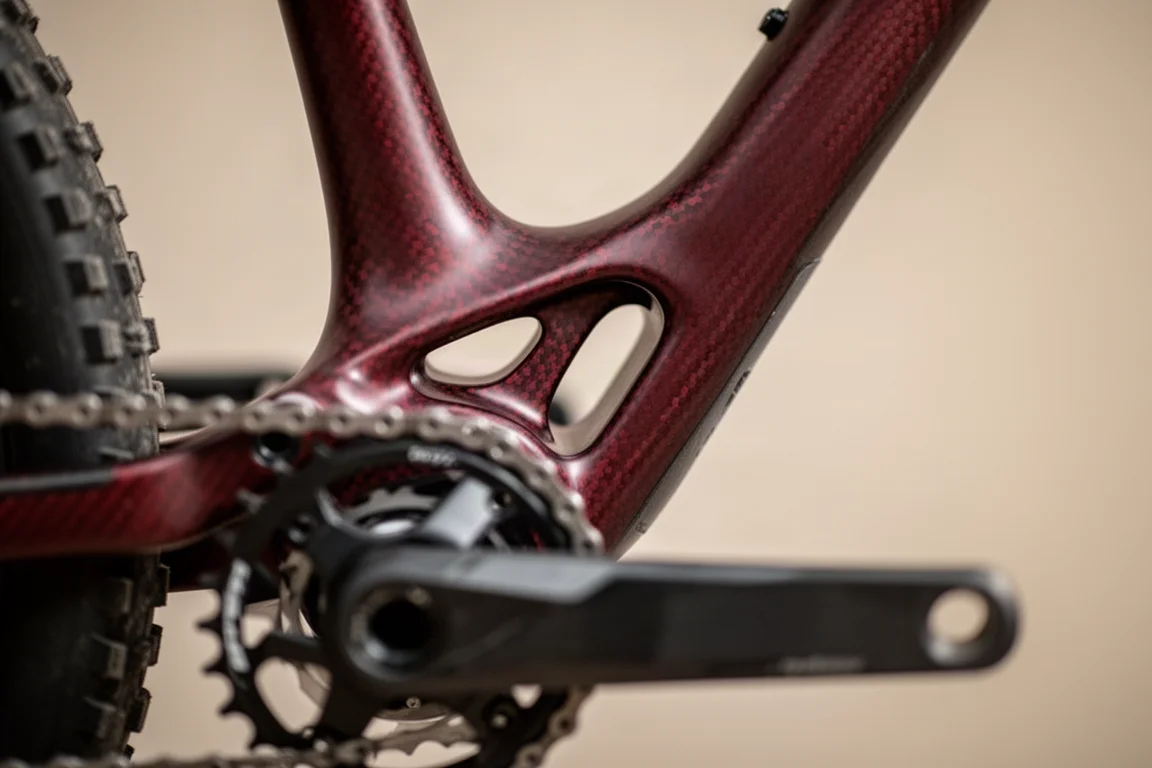
The chainstays and seatstays do much of the work here, withstanding the substantial power and rapid accelerations that cross-country racing demands.
Rear End, Tyre Clearance, and Frame Details
The rear end is laid out without a connection between the chainstays and the seatstays. That approach saves weight and allows shorter chainstays, which helps keep the handling sharp. It also leaves ample clearance for a 29 x 2.4in tyre with room to spare for mud.
Stiffness is further boosted by a brace joining the down tube, bottom bracket, and seat tube. Oversized junctions in this area are common across the category, but the cutout brace design here is visually striking and helps the Dogma XC stand out. It is difficult to think of another bike in this class with a similar arrangement. The bottom bracket is a threaded unit rather than a press-fit design, which many riders will appreciate for straightforward servicing.
Geometry and Handling
The longer, lower, and slacker direction that reshaped mountain biking has reached cross-country racing as well, and the Dogma XC follows it without going to extremes. The head angle sits at 67.5 degrees on small and medium sizes, becoming slightly steeper on large and extra large sizes to keep steering sharp. The seat tube angle is 74.5 degrees on small and medium, and 75 degrees on large and extra large. Reach on a size large is 470mm, and the chainstays are size specific.
Up front, the bike comes with Fox’s 100mm travel 32 StepCast fork with a reverse arch. The prototype electronic suspension used on race bikes is not part of the production builds.
Build Options and Pricing
Two complete bikes are offered. The range-topping model is priced at 9,700 pounds or 11,200 dollars, and it is specified with top-tier equipment: Fox’s 32 StepCast Factory fork, SRAM’s XX SL AXS transmission, Shimano XTR brakes, DT Swiss XRC 500 Spline carbon wheels, and Maxxis Rekon Race tyres in a 2.35in front and 2.25in rear width. It is available in True Red or True White, the latter detailed with gold and rainbow stripes. On the scales, this build weighs 9.11kg.

The second-tier model uses a different type of carbon fibre but keeps the same geometry. Its parts list steps down while staying within the same component families: Fox Performance Elite suspension, SRAM GX AXS transmission, Shimano XT brakes, and DT Swiss XR 700 alloy wheels. It is priced at 6,200 pounds or 6,600 dollars and is offered in black.
Both bikes share the one-piece MOST Talon Ultra XC handlebar and stem. This fully integrated design is claimed to save weight and increase precision compared with a two-piece setup. It also brings fully integrated cable routing and a specific headset bearing with an internal stopper, which keeps the front end very neat and prevents the handlebar from over-rotating and damaging the bike in a crash.
Things to Consider Before Buying
The first consideration is the format itself. As a hardtail, the Dogma XC asks you to accept less rear-end comfort in exchange for lower weight and a more direct pedalling feel. That trade is usually worthwhile on race courses, but it is worth being honest about how much rough descending you actually ride.
The second is build choice. The range-topping model carries a significant price, and much of that cost sits in the component specification and the lighter carbon. The second-tier bike keeps the same geometry and the same one-piece cockpit, but it is only available in black and uses alloy wheels, so the finish and wheel choice are narrower.
Finally, geometry and pricing vary by size and market. Head angles change across the size range, and the prices quoted here are the figures given for the two builds. Availability and final cost will differ depending on where you buy.
Buying Advice
If the Dogma XC appeals to you, the decision usually comes down to which build matches your priorities rather than whether the bike itself is right. Both models share the same frame shape, geometry, and integrated cockpit, so the handling character is consistent across the range. What changes is weight, wheel material, and component tier.

Choose the range-topping build if you want the lightest package available and the top-tier drivetrain, brakes, and carbon wheelset. Choose the second-tier model if you value the frame and geometry most and are comfortable stepping down to alloy wheels and a lower component tier, which brings the price down considerably.
In both cases, check the sizing carefully. Because the head angle and seat tube angle shift between the smaller and larger sizes, the bike you order should match your height and riding position rather than simply the size you ride on another brand.
Conclusion
The Pinarello Dogma XC is a cross-country hardtail that combines a proven racing silhouette with a few genuinely unusual engineering choices. The asymmetric carbon frame, the disconnected rear triangle, and the cutout brace near the bottom bracket give it a character that is easy to spot in a crowded category. With a 9.11kg range-topping build, threaded bottom bracket, and two clearly differentiated price points, it gives fast riders a focused option worth putting on a shortlist.
Product link
View more details for Pinarello Dogma XC
This product is mentioned in the review. Check the specifications, options, and compatibility before buying.
View more details for Pinarello Dogma XCFurther reading
Related Reviews
Mountain Bikes
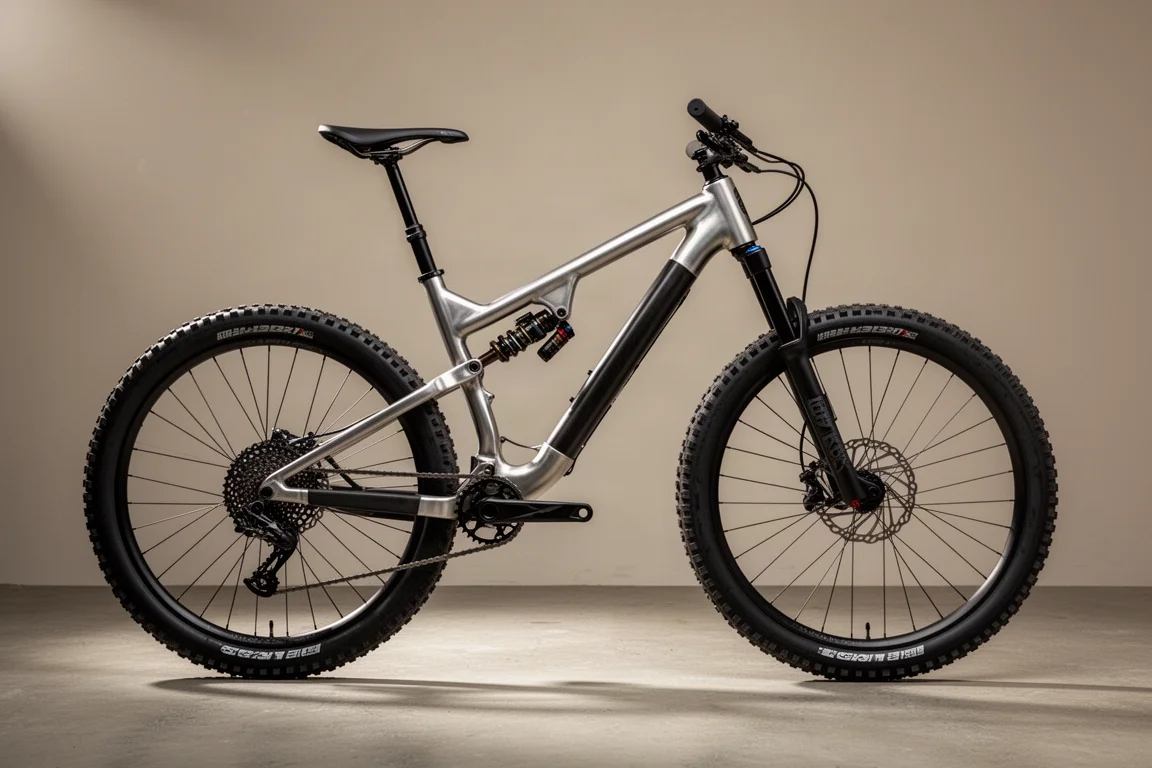
Atherton AM.130 Review: 3D-Printed Titanium Lugs and a 130mm Trail Bike That Descends Like a Bigger Machine
The Atherton AM.130 pairs 3D-printed titanium lugs with carbon tubes and a DW6 suspension platform. Here is how it rides, what the build delivers, and who it suits.
Mountain Bikes
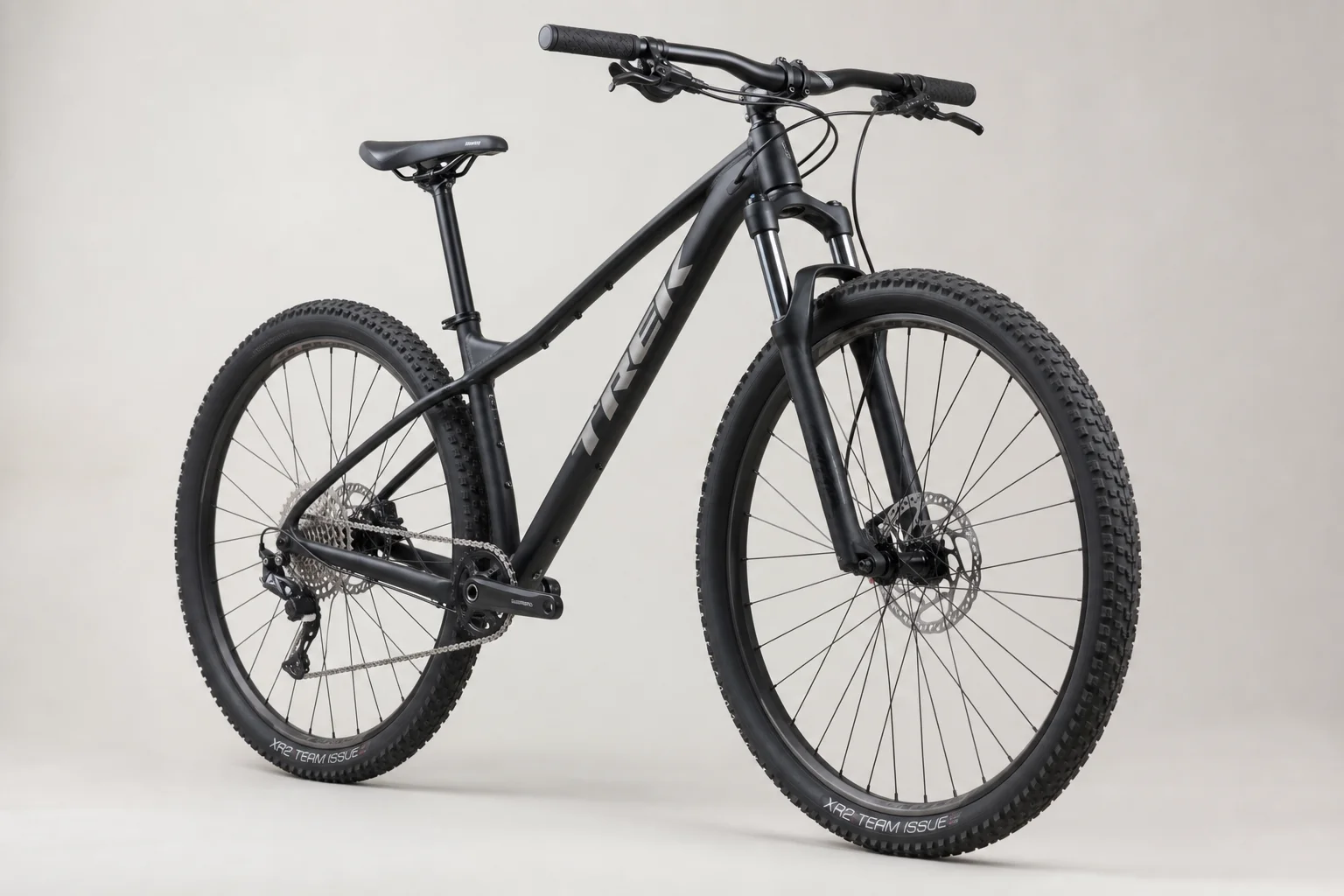
Beginner Mountain Bike Buying Guide: What to Look For in a Trailworthy Hardtail
A practical framework for evaluating beginner mountain bikes, whether new or used, by examining key components that indicate real trail capability.

Mountain Bikes
Best Aluminum Mountain Bikes 2026: Five Alloy Bikes Worth Your Attention
Five aluminum mountain bikes that show how far alloy has come, from a 120mm trail bike and a versatile machined frame to a 180mm freeride machine.