Grow Lighting
Photon App vs Apogee MQ-500: Can a $6 Light Meter App Match a $600 Meter?
We compare the Photon light meter app on two phones and several paper diffusers against the Apogee MQ-500 quantum sensor to see how close a phone can get to a professional PPFD reading.
Introduction
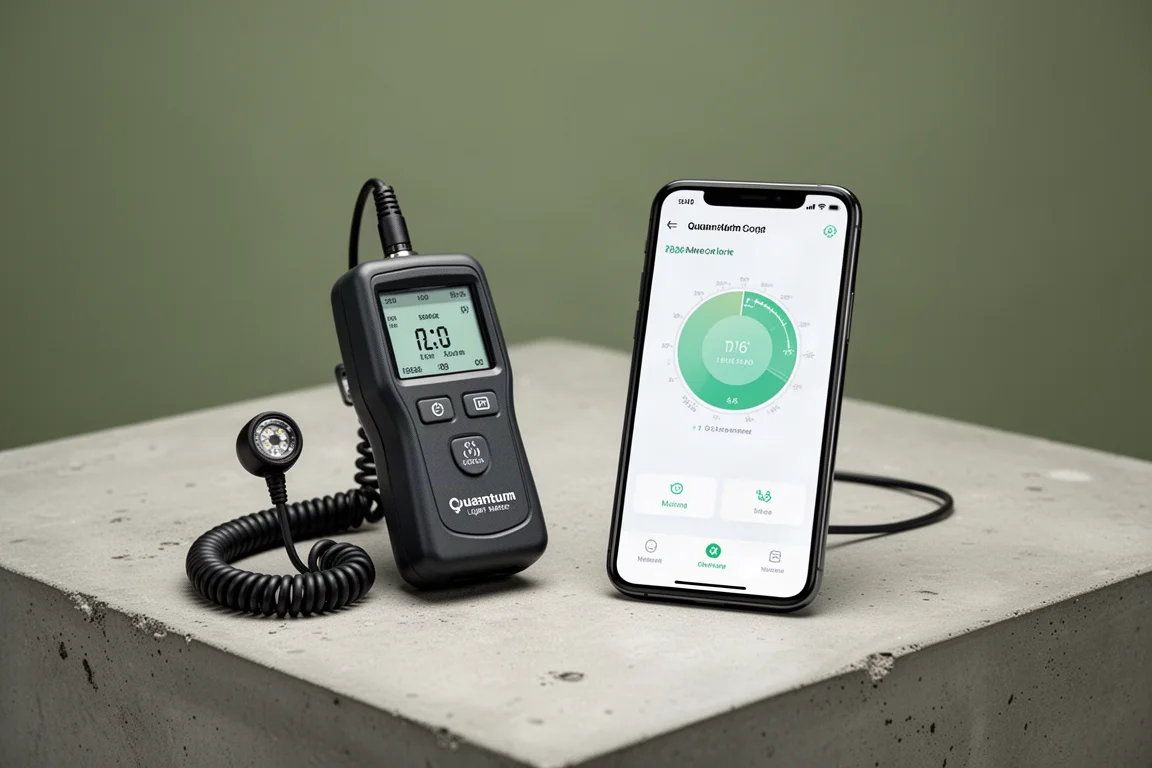
Getting light intensity right at every stage of a grow is one of those details that separates average results from good ones. But measuring that intensity requires a tool, and the tools sit at wildly different price points: a professional quantum sensor like the Apogee MQ-500 costs around $600, while the Photon light meter app costs about $6 on a phone you already own.
To find out how much accuracy you give up with the cheap option, both tools were tested side by side under the same light at the same distance. The results were more encouraging for the app than most people would expect.
How the Test Was Set Up
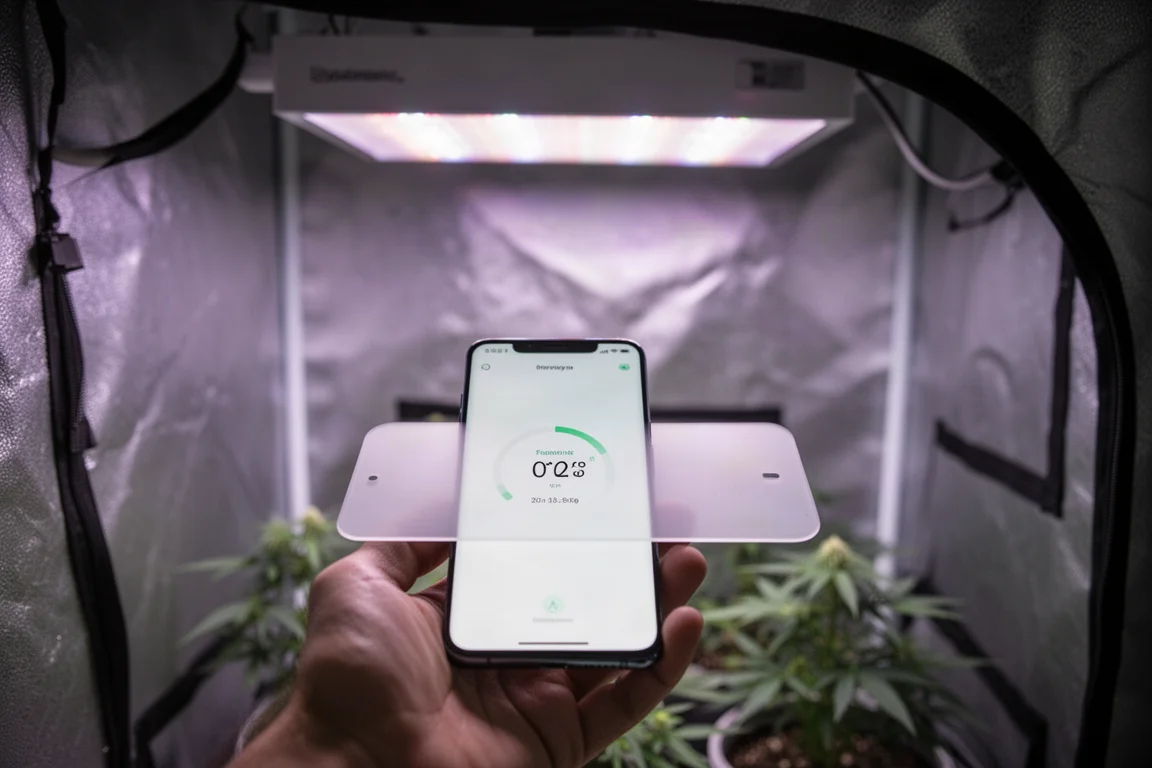
The test environment was a 3x3 grow tent with a Spider Farmer SF 2000 light centered and mounted exactly two feet above the floor. A marked spot on the floor ensured every reading was taken from the same position, and a raised box elevated each phone’s camera to the same height as the Apogee’s sensor probe.
Measurements were taken at three light levels: minimal power, 50 percent power, and 100 percent power. Both phones ran the latest version of Photon with no manual calibration applied.
The Paper Diffuser Variable
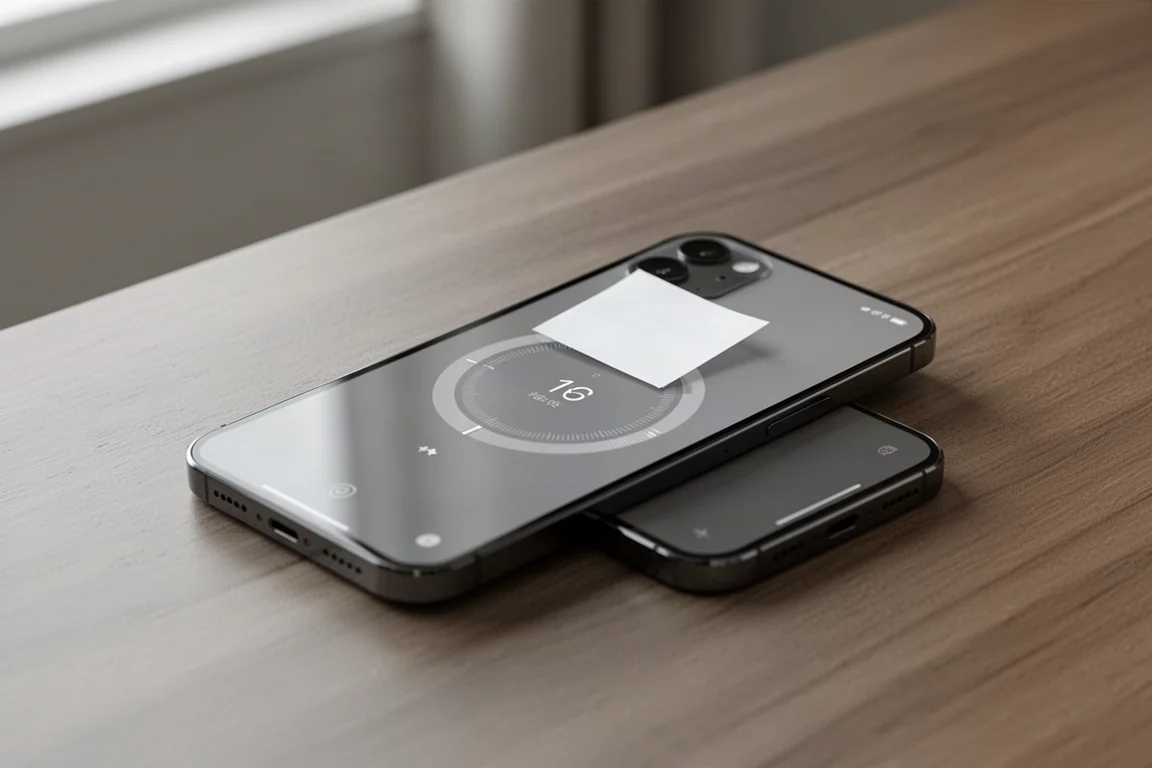
iPhone users need a paper diffuser over the camera for the app to read correctly, and the type of paper genuinely matters. The test compared Walmart paper, Staples 22 lb bright white paper, Epson paper, and even IRS paper.
One clear pattern emerged: the cheaper and thinner the paper, the higher the readings skewed. The Walmart and IRS paper results were noticeably off, so those are best avoided unless you calibrate against a known reference.
Results: How the Readings Compared
At minimal power, the Apogee read 69 PPFD. The Samsung Galaxy S22 Ultra with Photon read 69, the iPhone with Staples paper read 74, Epson paper read 77, Walmart paper read 89, and IRS paper read 108.
At 50 percent power, the Apogee read 295 PPFD, with the S22 Ultra at 323, Epson at 322, Staples at 313, Walmart at 374, and IRS at 448.
At 100 percent power, the Apogee read 545 PPFD, while the S22 Ultra read 598, Epson 593, Staples 573, Walmart 686, and IRS 840.
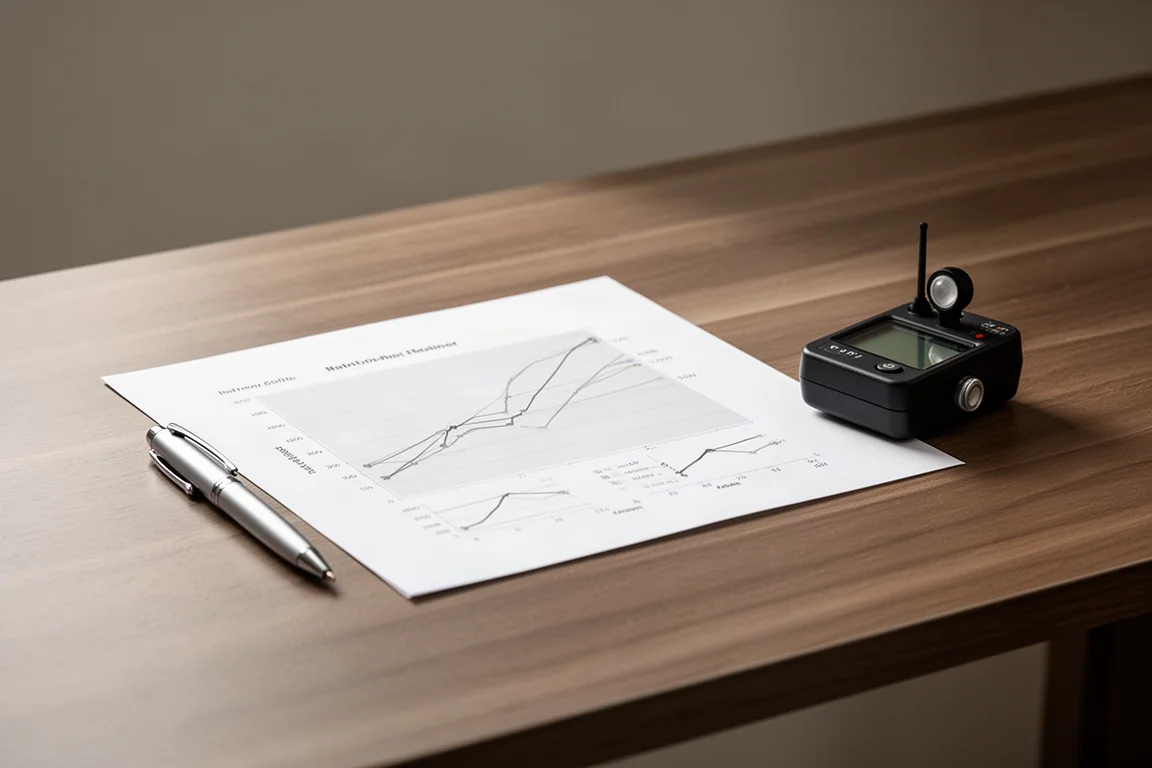
Worth noting: the Apogee manual states the meter itself may have a discrepancy of up to 5 percent out of the box. When the data is mapped to a chart, the relationship is linear, which means the app can be calibrated against a reference reading for better accuracy.
What the Numbers Tell Us
The Apogee consistently produced the lowest readings. Next lowest was the iPhone with Staples paper, followed closely by the Epson paper setup, then the Galaxy S22 Ultra. The Staples 22 lb bright white paper showed a discrepancy of about 6 percent, the best result of any paper tested.
The fact that Photon read slightly higher than the Apogee is actually good news for anyone who has relied on the app: it means readings taken with the app err on the conservative side, so lights that looked marginal under the app are even weaker than they appeared.
Which One Should You Use?
If a Staples store is nearby, the 22 lb bright white paper is the best diffuser tested. Saving roughly $600 in exchange for a 6 to 10 percent discrepancy is hard to argue with, especially once you calibrate your readings using a known reference.
The Apogee MQ-500 remains the reference tool: it is the professional-grade quantum sensor that gives you a trustworthy baseline and, if you grow seriously, removes a layer of doubt from every measurement you take.
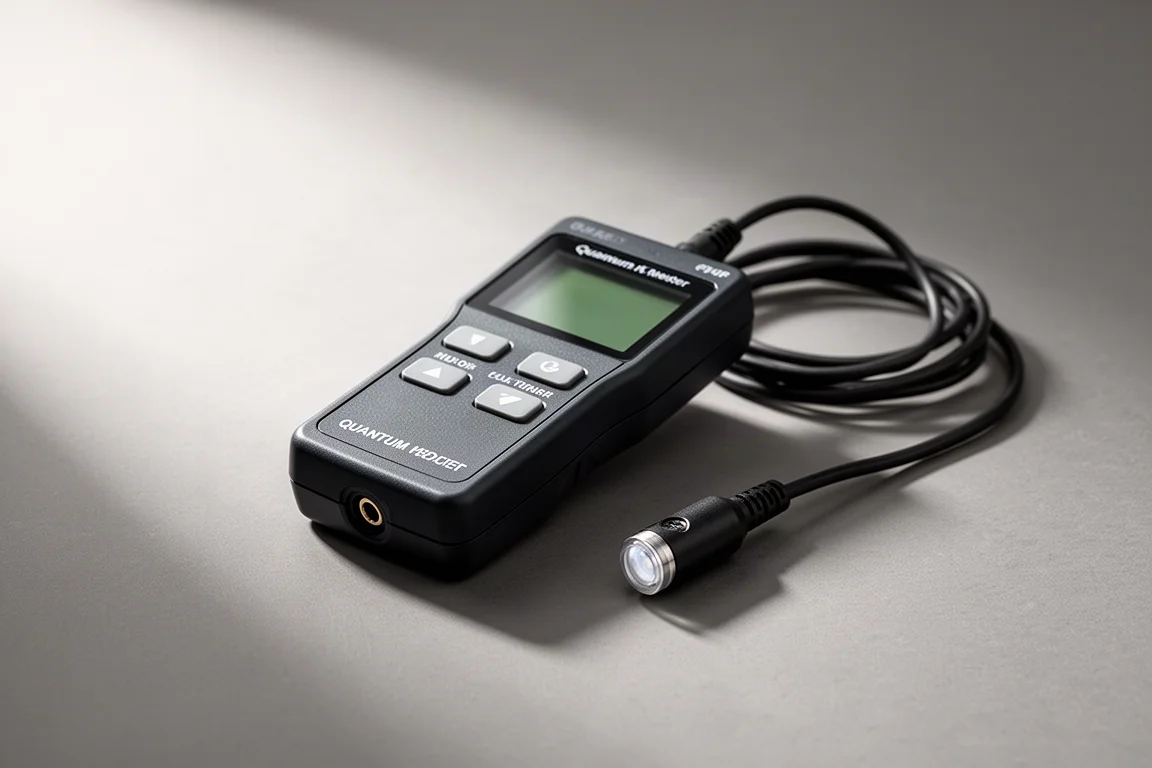
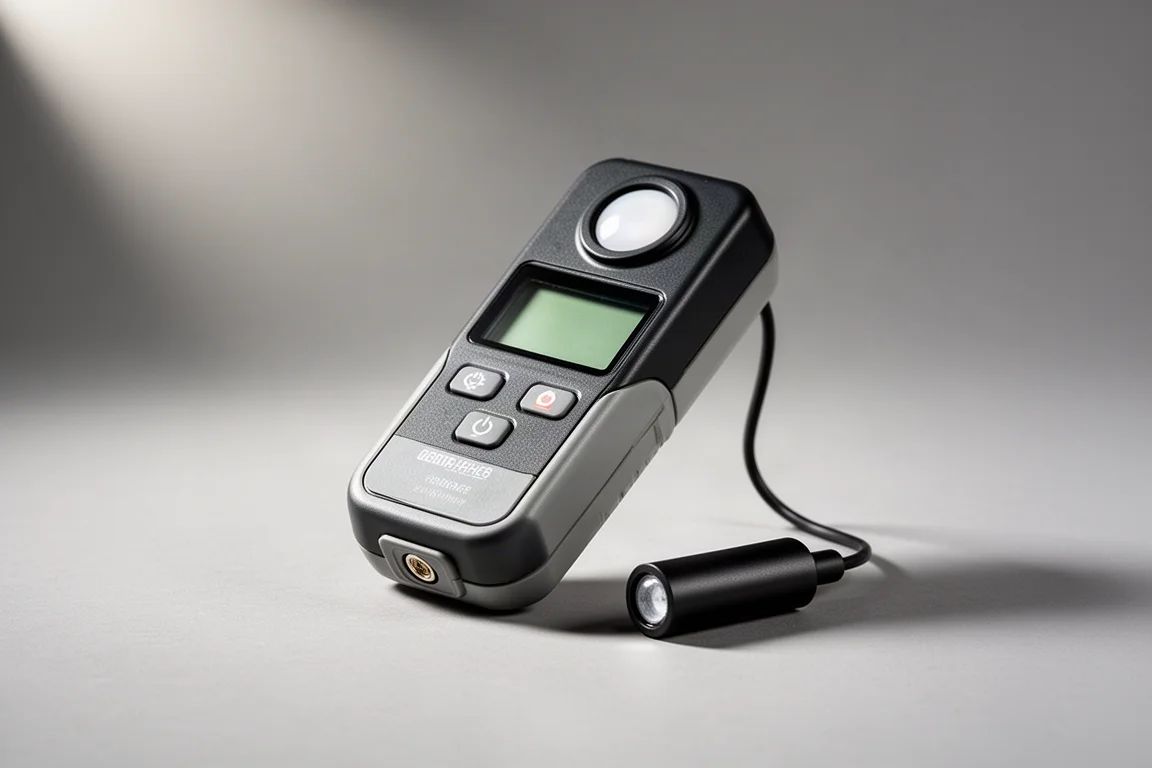
For most hobby growers, though, the Photon app with a decent paper diffuser gets you close enough to make informed decisions about light height and intensity. It looks less professional, but the numbers hold up surprisingly well.
Conclusion
A $6 app will not fully replace a $600 quantum sensor, but the gap is smaller than the price difference suggests. With the right paper diffuser and a one-time calibration, Photon delivered readings within roughly 6 to 10 percent of the Apogee MQ-500 across every power level tested. Buy the Apogee if you want laboratory-grade certainty; use the app if you want 90-plus percent of the accuracy for one percent of the cost.
Further reading
Related Reviews
Backpacking Gear
Building a 10 lb Base Weight: An Ultralight Backpacking Gear List
A practical walkthrough of the ultralight pieces behind a 10 lb base weight, from a 765 g pack and a roomy one-person tent to a full camp chair and a dependable water filter.
Road Bikes
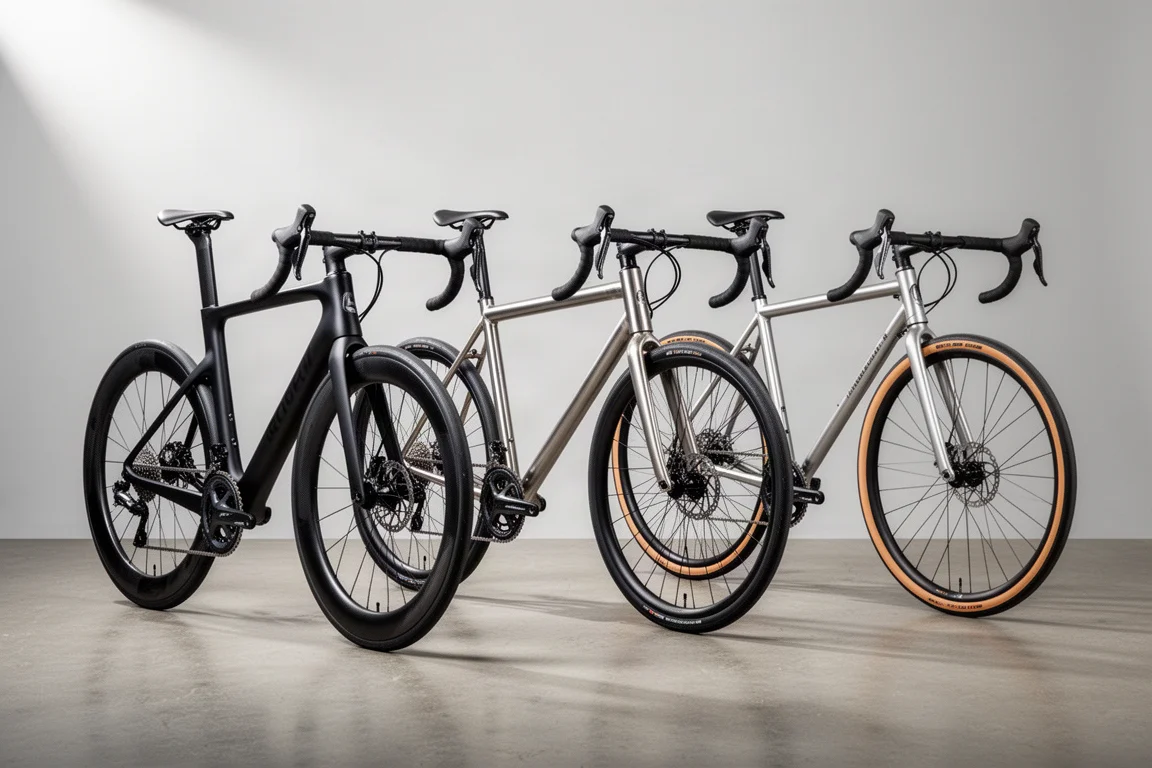
10 New Road Bikes Worth Watching: Aero, Titanium, Steel and Endurance Standouts
A practical roundup of 10 new road bikes, from aero flagships chasing single-watt gains to titanium, steel and endurance platforms built for real roads.
Bikepacking Gear
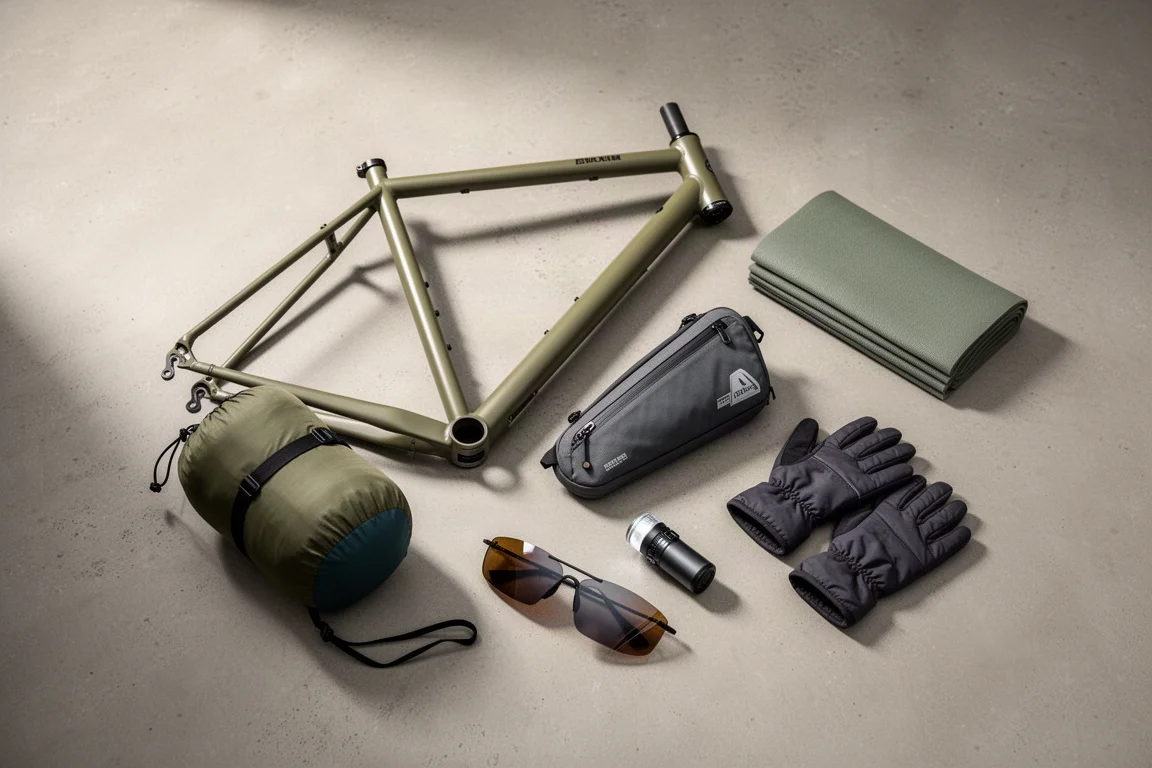
11 Bikepacking Essentials for Long-Distance Cycling
Eleven bikepacking essentials for long-distance cycling, from a steel gravel frame and a two-person tent to helmet lights, packable gloves, and a frame bag that puts weight in the right place.