Analog Audio
Two Phono Preamps and an Ultrasonic Record Cleaner: An Analog Roundup
A compact solid-state phono stage, a tube phono stage built from an upgraded circuit, and an automated ultrasonic record cleaner, compared on what each one actually changes in a vinyl system.
Introduction
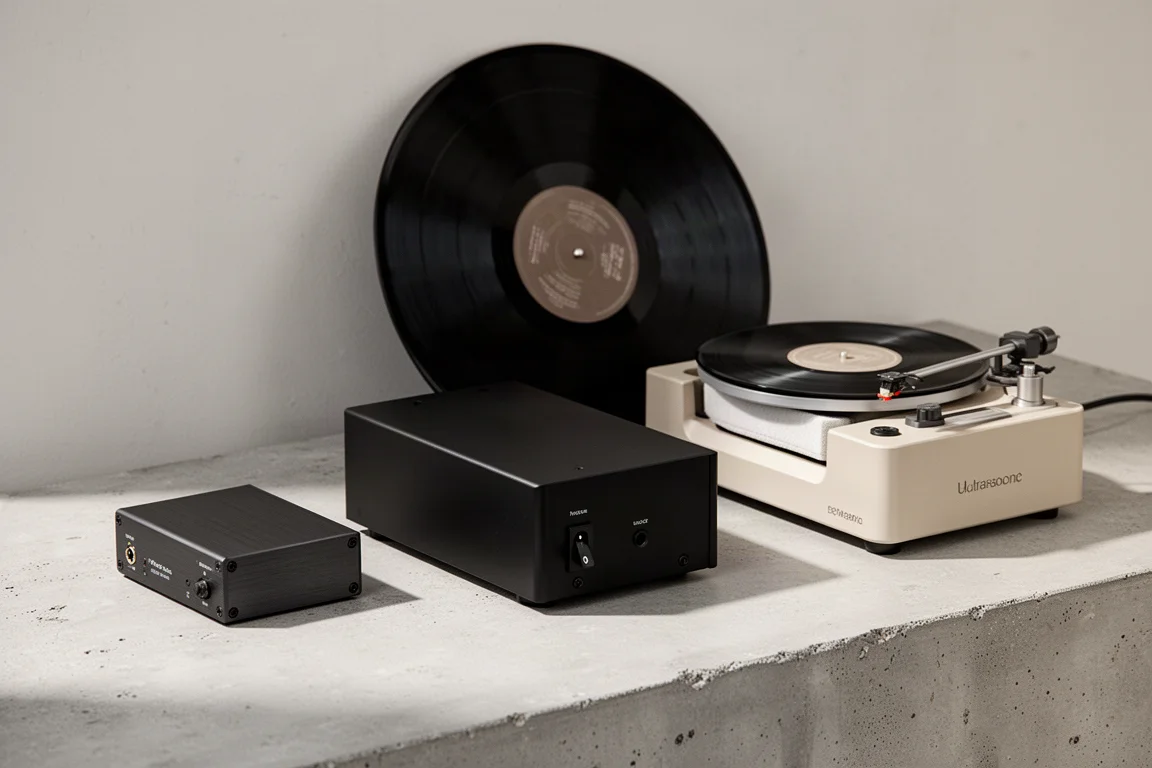
Some analog upgrades change the sound of a system. Others change how much you actually use it. The three pieces in this roundup sit on both sides of that line: two phono stages with very different characters, and an ultrasonic record cleaner that takes most of the effort out of vinyl maintenance.
Two of these are phono stages, one solid state and one tube. They are not interchangeable, and they do not suit the same cartridge or the same listener. The third is a record cleaning machine, which is a different kind of purchase altogether, closer to a workshop tool than to a component in the signal chain.
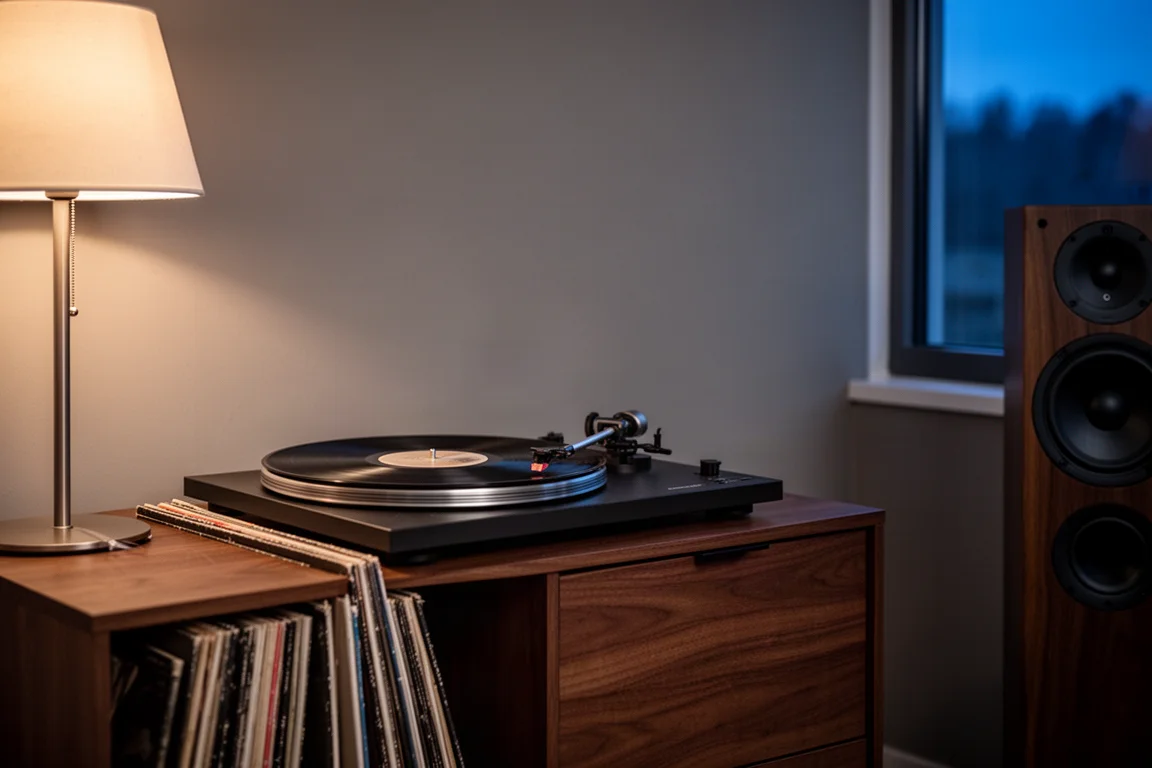
What follows is a practical look at what each one does well, where each one asks for patience, and which listeners are most likely to be happy with the result.
What to Check Before Choosing an Analog Upgrade
Cartridge compatibility comes first. A phono stage has to match the output of the cartridge it serves, and the two stages here approach that problem in opposite ways. One offers adjustable gain and impedance through small switches on the underside of the chassis. The other offers no adjustments at all and is built around a single moving magnet input, which means moving coil cartridges need a step-up transformer in front of it.
The second question is whether you want a tool or a tone. A phono stage shapes the character of everything you play. A record cleaner changes the condition of the records themselves, which is a slower and less dramatic kind of improvement, but one that applies to the entire collection.
The third is simply how much work you are willing to do. Part of the appeal of the products below comes down to ergonomics as much as sound.
Octave Phono EQ.2: Small Solid-State Stage, Big Sense of Life
The Octave Phono EQ.2 is a solid-state phono stage that is genuinely tiny, selling for $2,150. It feels dense and well made for something so small, and it takes up almost no shelf space. Gain and impedance are set with dip switches on the underside of the chassis, and power comes from a separate wall-wart supply, a detail some buyers will accept at this price and others will not.
Used as a moving coil stage without a step-up transformer, it performed well. With a step-up transformer in front of it, it performed better still, and that pairing was clearly the more satisfying of the two.
What stands out is not weight or warmth but drive. Larger solid-state stages costing roughly twice as much can offer more body and more mass, and some of them sound matter-of-fact on their own. The Octave goes the other way. It hands the music a sense of momentum that makes familiar records feel less flat. On quieter acoustic material, instruments take on a density and believability that is easy to notice, and the gap against a well-known digital copy of the same album is immediately audible.
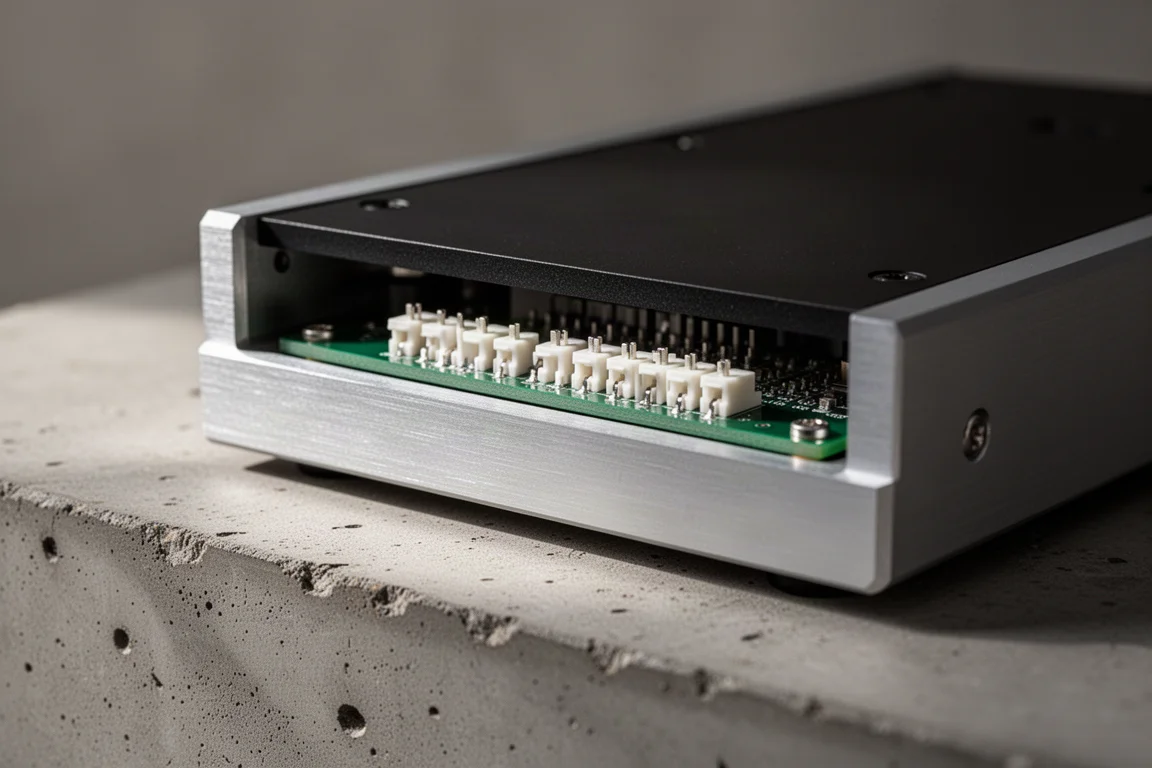
If you want the last word in bass weight and tonal richness, a bigger and more expensive solid-state design will still deliver more of it. If you want a small, lively stage that makes records feel awake, this one deserves a serious listen.
EAR 834P Clone: Tube Warmth From an Independent Build
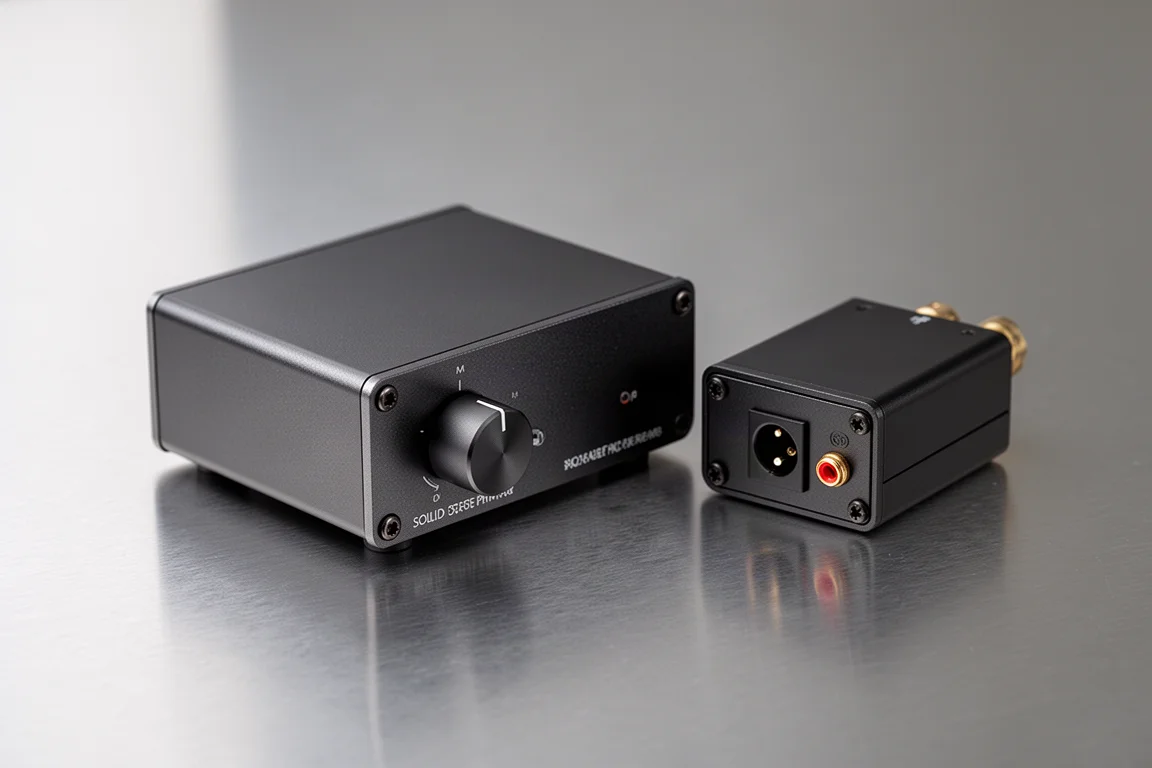
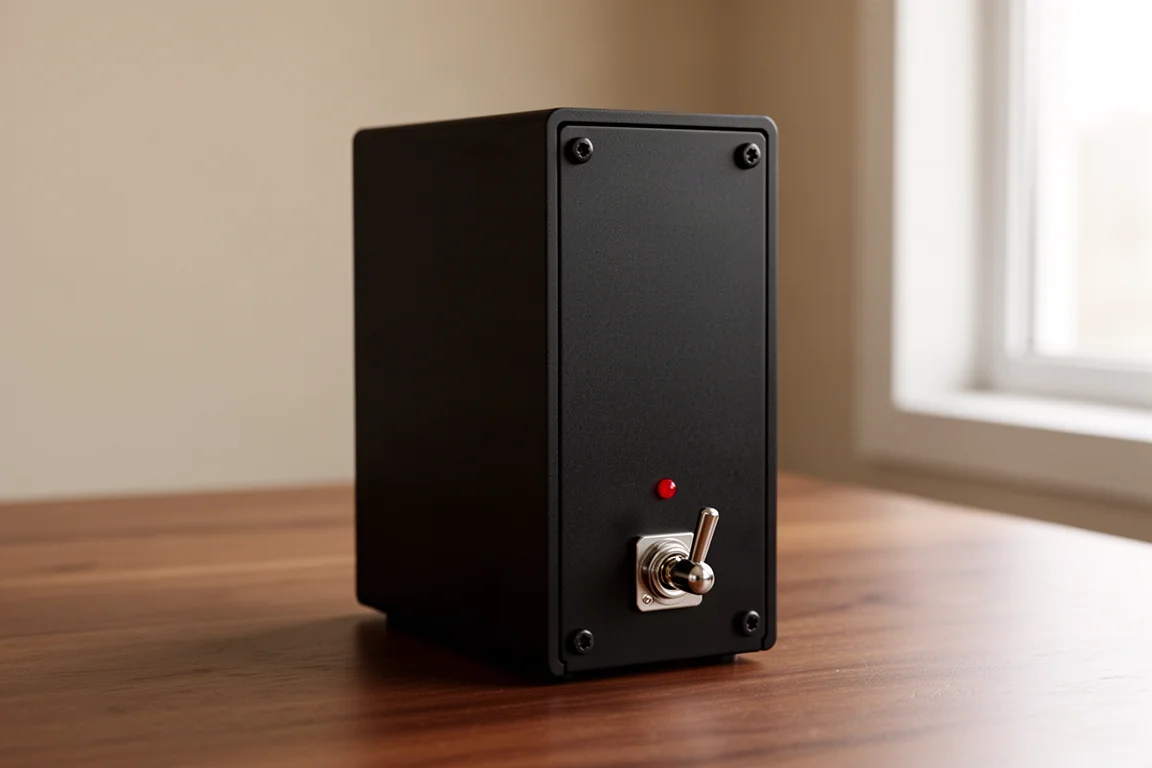
The second phono stage is a clone of the EAR 834P circuit, built by an independent builder rather than a manufacturer. The circuit board is populated with parts upgraded well beyond the original design, and the finished unit sits in a plain but expensive chassis made in Italy.
Featureless is the right word for it. There is a heavy-duty on-off toggle switch on the back, a moving magnet input, an output, and a small red power LED on the front that is barely visible. There are no loading options, no gain switches, and nothing to adjust. Inside are three 12AX7 tubes, in this build from JJ.
Paired with a moving magnet cartridge, the result was underwhelming. Paired with moving coil cartridges through step-up transformers, it came alive. That configuration is where this stage makes its case, and it is completely quiet there, with no hiss and no hum reaching the speakers, which is not what everyone expects from a tube design.
The character is exactly what a tube-first listener is looking for. There is warmth, dimensionality, body and a real sense of space around instruments. It is not as quick or as transparent as the best solid-state stages, and it does not try to be. Earlier versions of this circuit could sound sleepy. This build does not.
At around $1,100 for one built to this specification, it is a specialist purchase. There is no dealer network and no product line, just a builder who takes commissions, so buyers should be comfortable with that arrangement.
Humming Guru Ultrasonic Record Cleaner: Automated Deep Cleaning
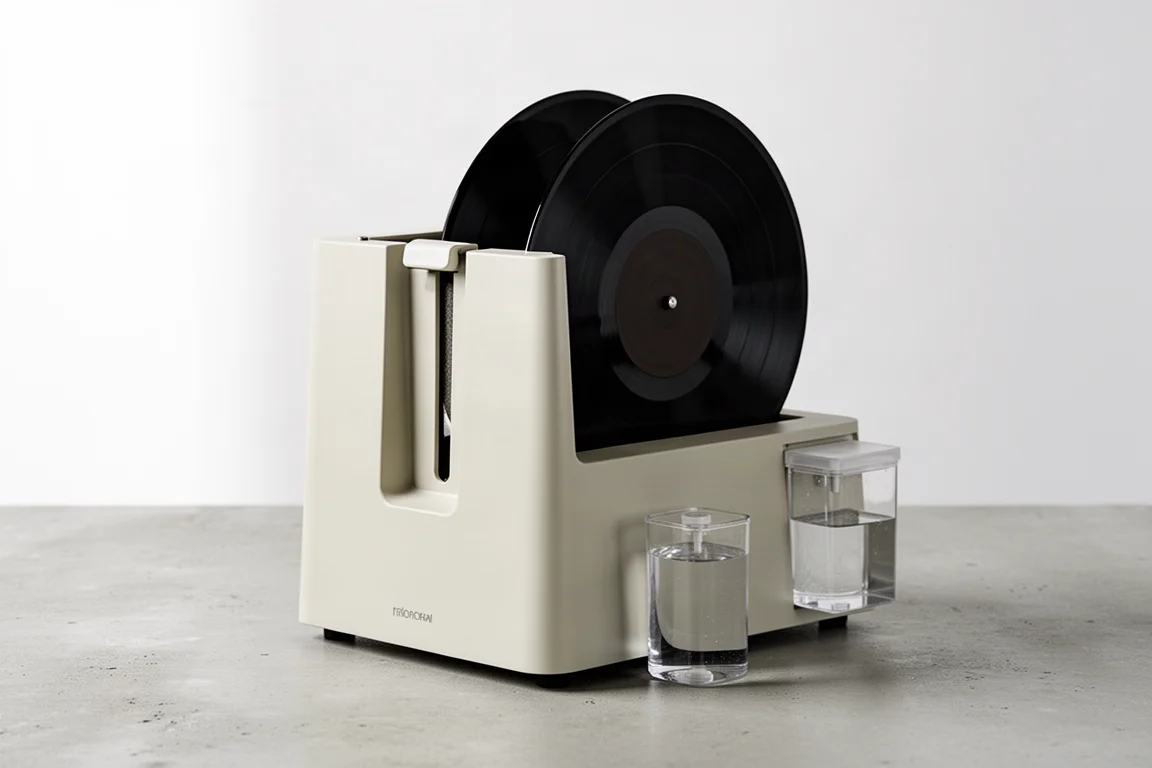
The Humming Guru is an ultrasonic record cleaning machine, and it is the product here that changes a habit rather than a sound. Older cleaning machines, particularly vacuum-based ones, are loud, demanding and full of maintenance. This one is not.
The process is short. Pour seven ounces of distilled water into the reservoir tank through the slot on top, which takes about a minute. Slide that tank into the side of the machine, where the water collects again automatically once cleaning finishes. Seat the record in the slots on top, press start, and walk away. The full cycle runs about seven minutes and is completely automated from that point on.
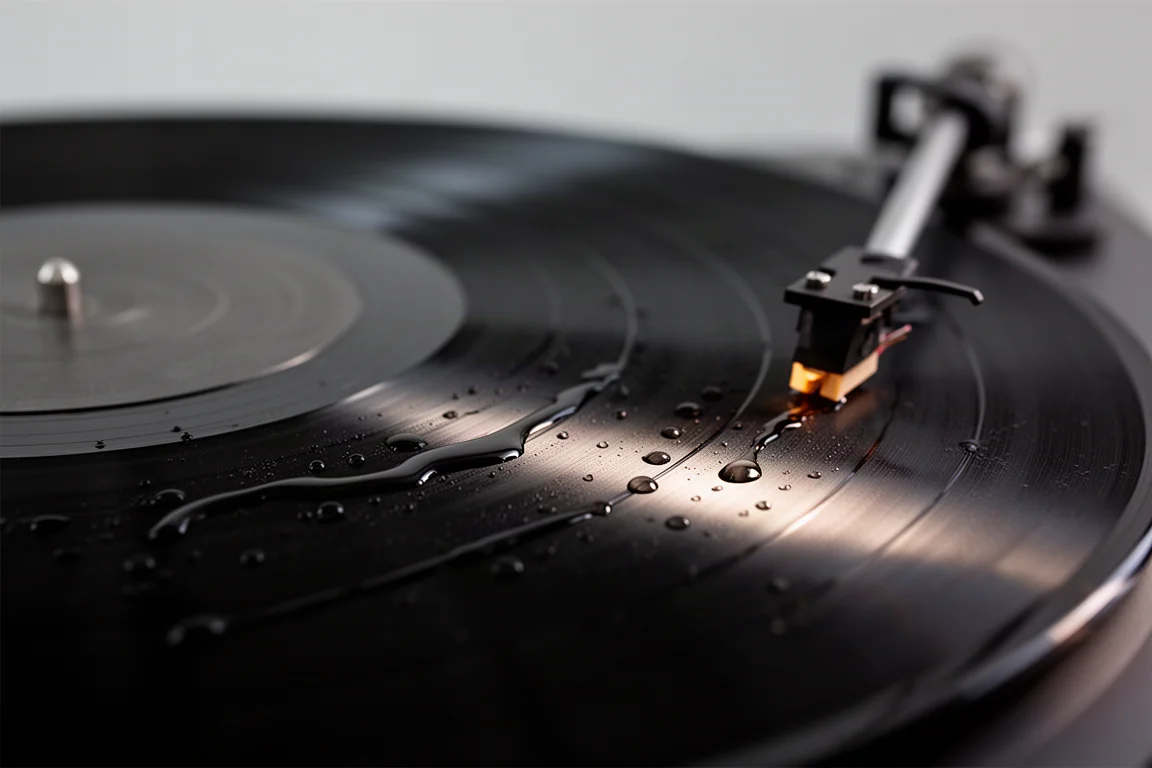
The result is audible. Cleaned records have fewer clicks and pops, and the quieter passages open up, with bass that feels more solid. The effect is comparable to moving to a better pressing, or to a modest step up in cartridge quality. It is not a transformation, and it will not make a badly worn record silent, but the improvement is real and it applies across a whole collection.
This particular model is discontinued, and used examples generally sell for around $300 to $400. The current version, the Humming Guru Nova, sells for $695 and is made in China. According to the manufacturer, the Nova runs at different ultrasonic frequencies and has improved drying capability, which makes it the more sensible choice for anyone who wants a new machine with support behind it.
Buying Advice: Matching the Upgrade to the System
The two phono stages answer different questions. If the goal is a compact, lively solid-state stage that works with a moving coil cartridge and adjusts easily through dip switches, the Octave Phono EQ.2 is the more flexible choice. If the goal is tube character and the listener already uses a step-up transformer with moving coil cartridges, the EAR 834P clone delivers something the solid-state option does not.
Cartridge matching decides more here than price does. The Octave flattered a moving magnet cartridge that the tube stage did not, and the tube stage was at its best with moving coil cartridges fed through a step-up transformer. Buying either one without checking that pairing first is the fastest way to be disappointed.
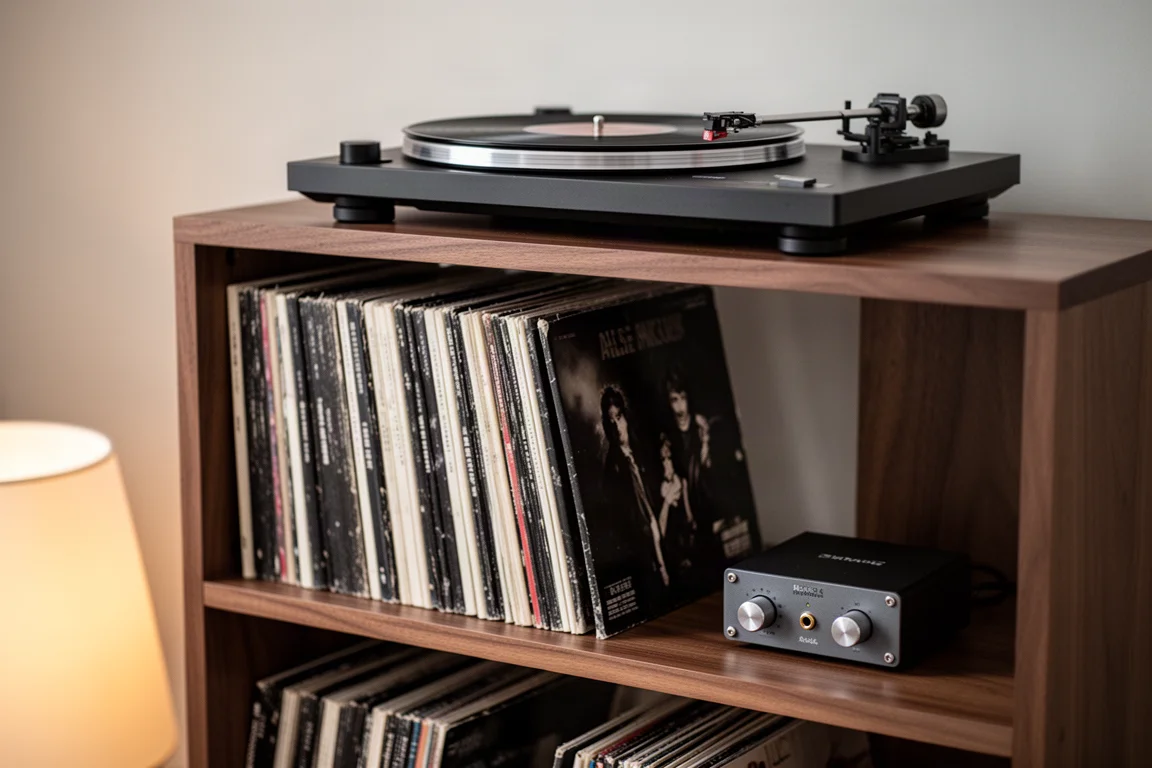
The record cleaner is a separate decision. It does not compete with either phono stage, because it improves the records you already own rather than the electronics that play them. For a large collection and a low tolerance for maintenance, it is the upgrade that gets used most often. The honest caveat is that the gain per record is modest, and the machine is a tool rather than a thrill.
Conclusion
Three analog additions, three different jobs. The Octave Phono EQ.2 is a small, energetic solid-state stage with useful adjustments and a premium price. The EAR 834P clone is a specialist tube build with real character and a requirement that you bring the right cartridge and a step-up transformer. The Humming Guru is the quiet, low-effort way to get records genuinely cleaner, whether as a discontinued used unit or as the current Nova.
Pick the one that matches the problem you actually have. A dull-sounding system needs a phono stage; a shelf of noisy records needs a cleaner. Buying for the wrong problem is the only real way to get this wrong.
Further reading
Related Reviews
Hi-Fi Audio
Accuphase C-57 vs Allnic H-7000V: Two High-End Phono Stages Compared
A fully balanced solid-state phono stage with a pitch-black noise floor meets a tube design built for well-loved records. Here is how to choose between them.
Hi-Fi Amplifiers
Accuphase E-280 Review: Entry-Level Accuphase With Flagship Attention to Detail
A close look at the Accuphase E-280 integrated amplifier, covering its champagne build, AAVA volume control, sound quality, and the speakers and sources that suit it best.
High-End Audio
Accuphase E-3000 Review: A Class AB Integrated Amplifier Built to Last
The Accuphase E-3000 is the entry point into a legendary Japanese high-end line. Here is how it sounds, how it is built, and who should consider it.