Climbing Gear
Petzl Neox vs Petzl GriGri: Choosing the Right Assisted Belay Device
A practical comparison of the Petzl Neox and the Petzl GriGri, covering rope payout, locking behaviour, and which climbers each assisted belay device suits.
Introduction
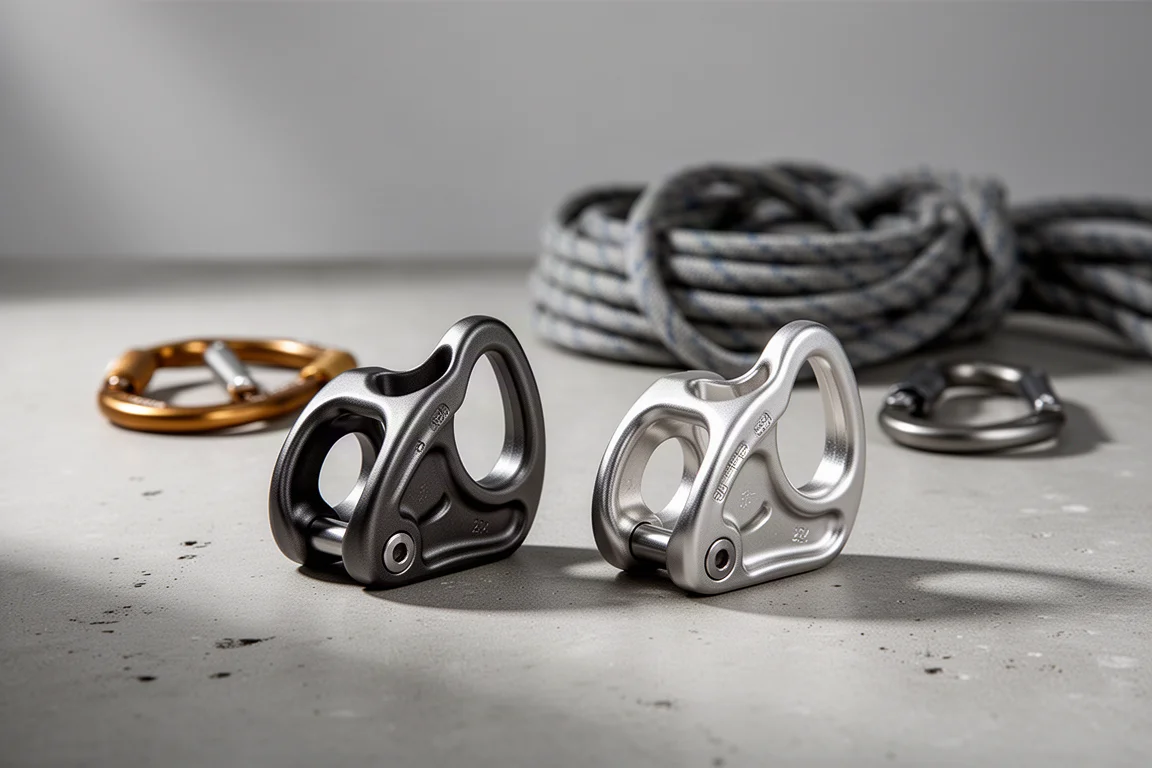
Assisted belay devices have become standard equipment for sport climbers, and Petzl offers two of them. The GriGri has been the trusted choice for years, while the Neox is a newer design built around a different internal mechanism. They look similar, both assist when a fall is caught, and both are aimed at the same style of climbing. The differences show up in how rope moves through them.
This comparison looks at how each device pays out slack, locks, and lowers, and at which climbers each one suits.
How Assisted Belay Devices Work
An assisted belay device does exactly what its name suggests: it assists a fall, making it much easier for the belayer to catch a climber when they come off. These devices are almost always used for sport climbing rather than trad climbing. Sport climbers fall often, usually while trying at their limit, so that assistance is genuinely useful.
Both the Petzl Neox and the Petzl GriGri are assisted braking devices with a handle for lowering, so when a climber tops out you can bring them back down smoothly. Where they differ is the rope path and what happens inside the housing.
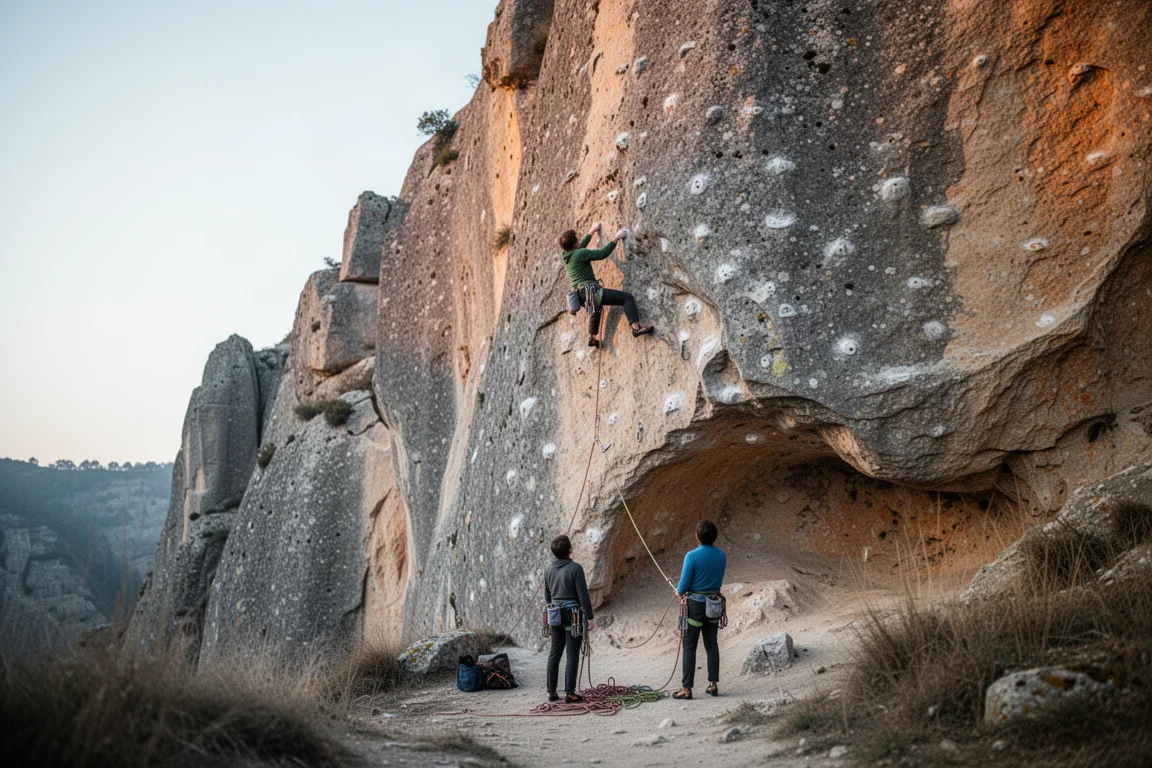
It helps to picture the range of options. A plain friction plate pays out slack extremely quickly but offers no assistance at all. A device with assisted braking adds security but can feel sticky when you are feeding rope fast. The Neox is designed to sit between those two behaviours, while the GriGri is the device most sport climbers already know.
Petzl Neox: Smoother Slack Payout for Lead Climbing
The Neox is a lead belay device and is meant to be used that way, in the same manner as a friction plate, with assisted braking as a bonus. Its distinguishing feature is a moving wheel inside the housing. Rope enters and leaves in a similar direction to the GriGri, but the wheel spins as the rope runs through, so slack feeds out much more slickly.
When a fall happens, the rope is pulled up and compressed in one area of the device, where it locks properly. The notable part is how it behaves afterwards. If you feed quickly and the device locks, or a climber falls and you need to keep paying out, you can generally release it with the weight of the rope alone. A mistake is therefore quick to correct, and the climber gets the slack they need without a fight.
The device also takes in rope well and keeps its assisted braking, which is why it feels like a middle ground between a friction plate and a GriGri. Belayers who have spent years on a standard tubular device tend to find the switch straightforward, and short roping becomes far less of a problem for anyone who has struggled to feed slack quickly.
Petzl GriGri: The Familiar Assisted Belay Device
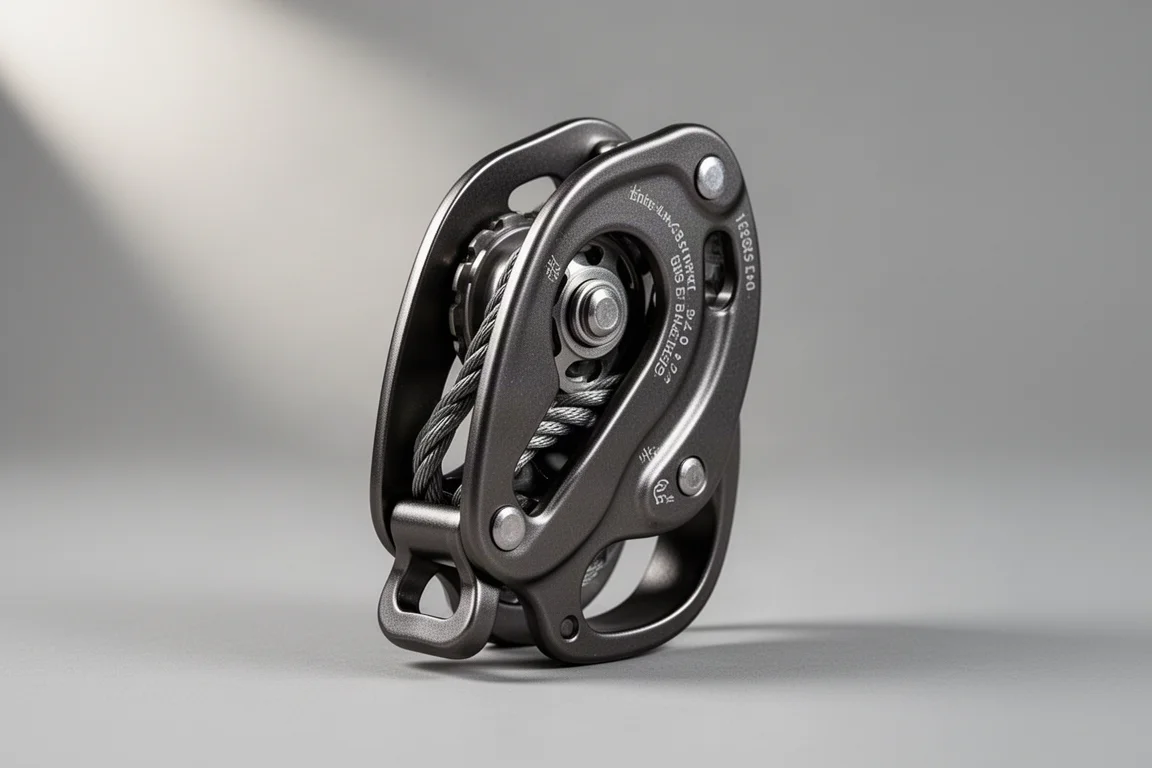
The GriGri has been the assisted belay device for sport climbers for years, and it remains the one most people picture when they think of assisted braking. Its locking action is the reason for that reputation.
Inside, there are no moving parts. The rope runs in and out through a fairly acute angle, and that angle is what generates the grip. When the rope is pulled up in a fall, it jams very effectively. The trade-off sits on the other side of the equation: paying rope out depends on technique. Feed at the wrong moment and the rope can snag and lock, leaving the climber without the slack they asked for.
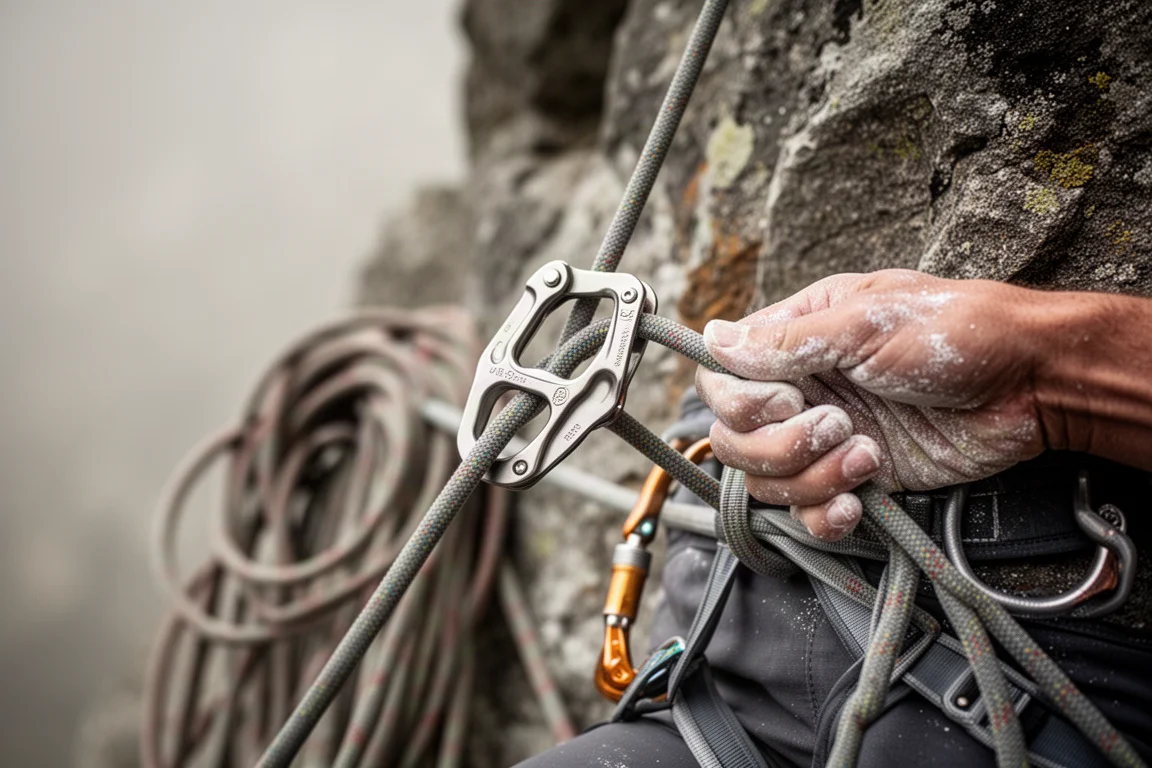
Belayers who have used a GriGri for years develop their own techniques for feeding quickly, and many are completely comfortable with it. Climbers who split their time between trad and sport, or who are new to sport climbing, often find the device harder work than expected, and it does take time to get used to.
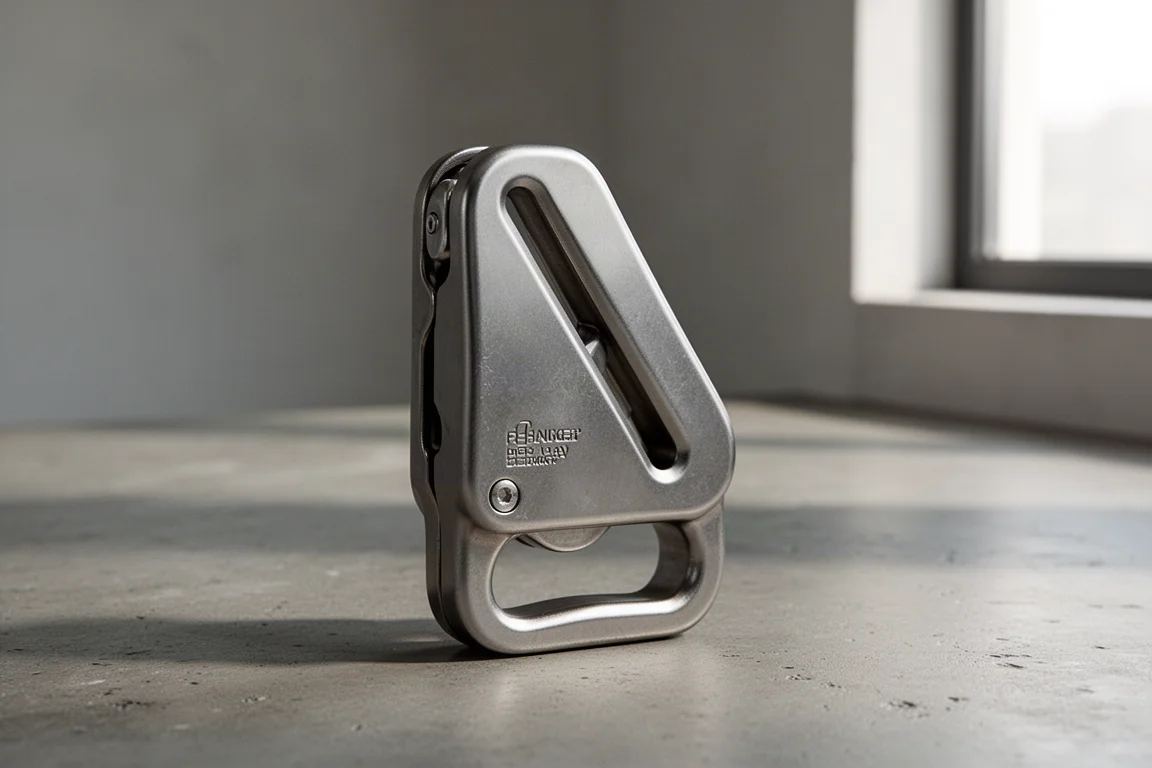
Key Differences Between the Neox and the GriGri
The two devices look alike, so the useful comparison is internal. The GriGri relies on a fixed rope path with no moving parts, and its locking comes from the angle the rope takes through the device. The Neox keeps a similar rope path but adds a wheel that spins as rope moves, which changes how the device feels in the hand.
In practice, that means the Neox pays out slack noticeably more smoothly. The GriGri can be excellent at holding a fall but demands good feeding technique to avoid snagging. The Neox also releases more easily once it has locked, because the weight of the rope is often enough to free it.
Both devices lock well when a fall is caught, and both have a handle for lowering. Neither is intended for trad climbing. The Neox simply makes the rope movement between those moments smoother.
Rope Handling, Locking, and Readjusting
The moment that separates these two devices most clearly is the one after a lock. With the GriGri, if you have paid out rope and it snags, or a fall pulls the rope up, getting more rope out means actively doing something about the jam. That is the point at which less experienced belayers short rope their partner.
The Neox locks in a similar way, compressing the rope in one area of the device, but it can usually be unlocked with the weight of the rope. If you make a mistake, the correction is quick, and the climber gets the slack they need without a prolonged struggle.
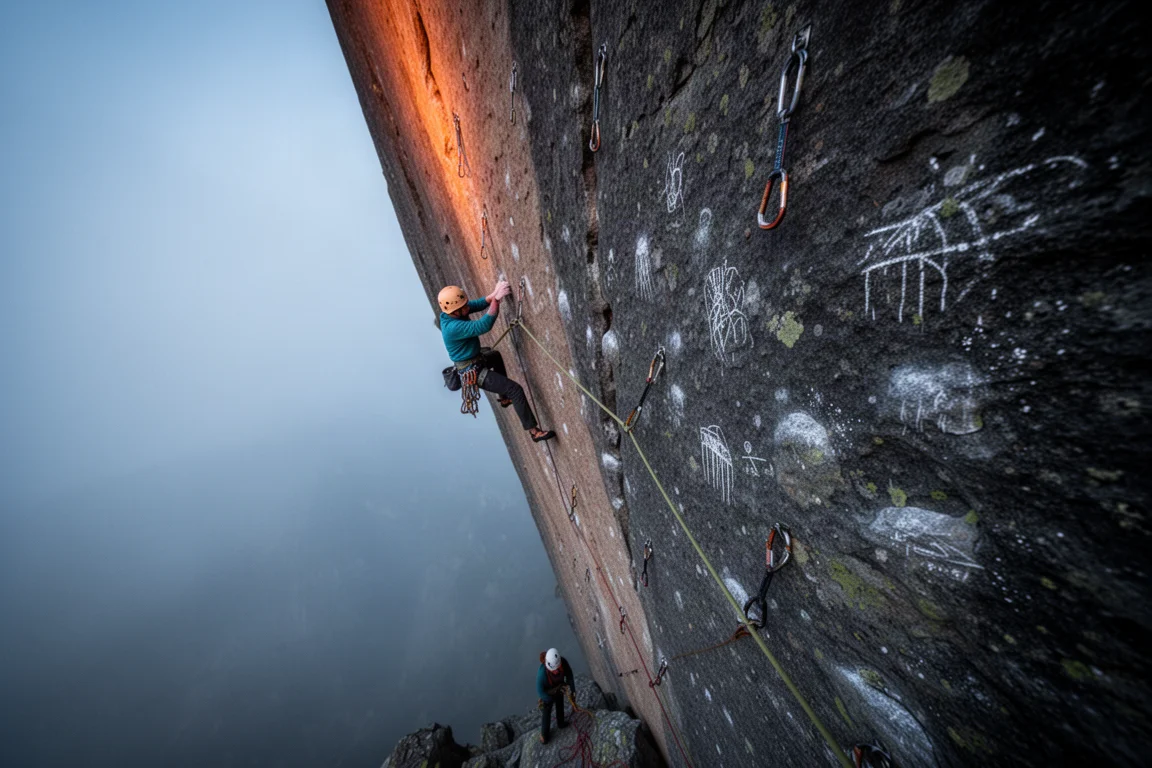
That behaviour is what makes the Neox feel closer to a normal tubular belay device, the kind many climbers already use for trad. It pays out well and takes in well while still providing assisted braking, so the belayer is not constantly managing a device that wants to hold the rope.
Lowering and Everyday Belaying
Both devices include a handle for lowering, so bringing a climber down after a top out is smooth on either one. Day to day, the difference is in how much attention the belayer has to give to feeding rope.
With the GriGri, that attention is the price of a very firm lock. With the Neox, feeding slack is far less of a negotiation, which matters on routes where the climber needs rope quickly and repeatedly.
Which Device Suits Which Climber
If you already own a GriGri and you know it well, feed it slickly, and are happy with how it behaves, there is little reason to replace it. The device has earned its place, and experience with it counts for a lot.
The Neox makes more sense if you are new to sport climbing, if you do not yet own an assisted belay device, or if you regularly belay for someone who needs slack in a hurry and you have found the GriGri locky or awkward. It is also a comfortable option for climbers who move between trad and sport and want something that feels closer to a standard belay device.
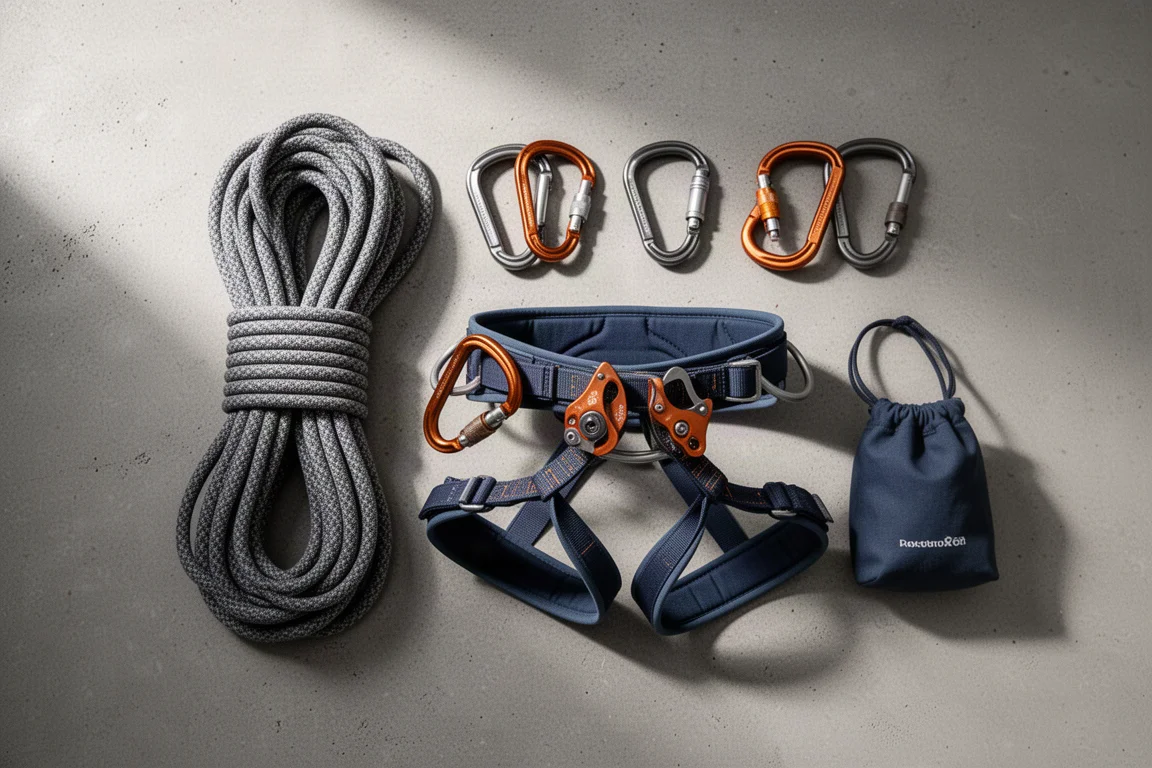
Trying both before deciding is worthwhile, particularly if you have only used one style of belay device. The Neox is not a reinvention of the wheel, but it is a genuine improvement in how smoothly rope moves through an assisted braking device, and it offers a strong alternative for climbers who want assisted braking without the feeding quirks.
Conclusion
Petzl has not replaced the GriGri, and it does not need to. The GriGri remains a proven assisted belay device with a firm, dependable lock, and confident users will keep getting good results from it.
The Neox is the better fit for anyone who values smooth rope payout, easy readjustment after a lock, and a feel that sits closer to a traditional belay device. For climbers buying their first assisted belay device, or for those who have found the GriGri difficult to feed, it is well worth considering.
Further reading
Related Reviews
Climbing Gear
Adam Ondra's Climbing Kit: Bags, Harnesses, Quickdraws, Shoes and Rope
A practical look at eleven pieces of climbing gear used across limestone and gritstone, from crag bags and harnesses to quickdraws, shoes and rope.
Climbing Gear
Blakpad VS and Eon Knee Pads: Which One Suits Your Climbing?
A close look at two specialist climbing knee pads from Blakpad, the flexible VS and the more rigid Eon, and how to decide between them.
Climbing Gear
DMM Cortex Review: A T-Rated Ice Axe Built for Technical Winter Climbing
A close look at the DMM Cortex, a 50cm single-piece forged ice axe with T-rated pick and shaft, modular heads, and a reassuringly solid swing.