Climbing Gear
Petzl GriGri+ Review: A Top Rope Belay Device With a Smarter Lowering Handle
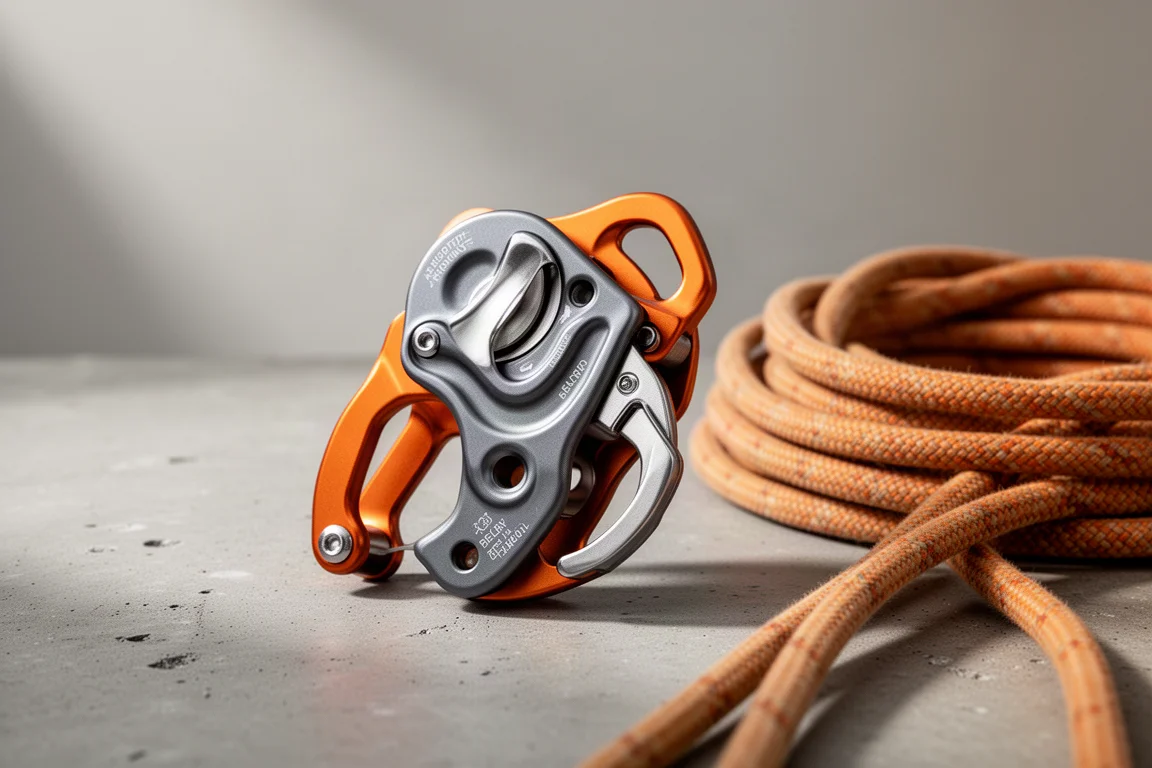
The Petzl GriGri+ adds a permanent assist mode for top roping and a panic function on the lowering handle, while behaving like a familiar GriGri on lead.
Introduction
Petzl now makes three belay devices that look strikingly similar, and the GriGri+ is the newest of them. Alongside it sit the Neox, which is built around fast and smooth rope payout for lead climbing, and the classic GriGri, the rounded device that has been a fixture of sport climbing for years. The GriGri+ is not an entirely new idea for Petzl. An earlier version existed but never became popular, largely because the difference between its two modes was hard to explain to climbers and shop staff alike. This version is a much clearer proposition. It does everything a standard GriGri does and adds a top rope mode that keeps the device in assisted braking the whole time.
Who the Petzl GriGri+ Is For
The GriGri+ is aimed predominantly at top rope climbing. If you are new to belaying, or you are handing the rope to someone who is not fully confident yet, this is the device that makes the most sense. In top rope mode the cam stays raised and pinched against the rope, so the device sits in assist mode continuously. Pulling in slack is essentially all you do on a top rope, so keeping assistance engaged at every moment is a genuinely reassuring arrangement.
Climbers who mostly work projects, top rope for fun or climb general sport routes will find the standard GriGri familiar and comfortable, and the GriGri+ behaves in exactly the same way when the switch is set to lead mode. Those who want the slickest possible lead belay experience, with rope paying out quickly and easily, are the ones most likely to prefer the Neox instead.
Top Rope Mode: The Main Upgrade
The headline feature is a small switch that locks the device into assisted braking. When a climber falls, the cam is pulled up and squeezes the rope against the channel so it cannot feed through. That is the same behaviour a standard GriGri shows during a fall, and the same principle the Neox uses. The difference is that on the GriGri+ you can keep the device in that state permanently, which matches the steady pull-and-take rhythm of top roping. Nothing is being fed out, so nothing is lost by staying locked.
Flicking the switch returns the device to normal lead climbing mode, so a day that starts on top ropes and moves onto lead does not require a second device or a change of habit.
Panic Mode on the Descent Handle
Lowering works through the usual handle, and the GriGri+ adds a panic function on top of it. Rather than simply pulling the handle all the way back, the belayer has to hold it in a sweet spot to control the descent. If the handle is pulled too hard, the device locks up again. That covers the situation where a belayer gets distracted or panics while lowering and yanks the handle, which in the worst case would send the climber down far too quickly.
An earlier version of this device allowed the belayer to override the panic lock by pulling the handle further, which caused confusion, since someone who had already panicked could push past the lock and start lowering again. The current GriGri+ removes that override, which makes the behaviour simpler to predict and removes a step that was easy to misread.
Rope Compatibility and Handling Notes
Petzl’s guidance points to single ropes between 8.9 mm and 10.5 mm as the sweet spot. Ropes thicker than 10.5 mm can be harder to feed, and ropes thinner than 8.9 mm can feel slick, so extra attention is warranted at either extreme. In practice, a 9 mm rope felt smooth and quick on lead, and a fat, fluffy 11 mm rope fed through the device without trouble during top rope use, even though it sits above the recommended range.
The on-device diagrams and descriptions are notably clearer than before, and the threading path is difficult to get wrong, with the climber side and brake side marked plainly. Petzl still states clearly that you should not let go of the rope. If you need to release the rope to undo a tangle, the diagrams show a safety knot tied below the device so that any slip jams in the device rather than travelling further up the system. Petzl’s own instructions note that letting go of the rope in top rope mode may leave you only a little bit exposed rather than in clear danger, but the advice remains the same: keep hold of it.
Lowering and Everyday Handling
One small quirk is worth knowing about before you buy. Once a climber has been lowered to the floor and their weight is off the rope, the assist mode can make the last bit of slack feel stubborn to release. Two simple workarounds exist: treat it as you would in lead mode, with a thumb on top of the device and a finger carefully letting rope out, or step forward to create enough slack to release the whole system.
In normal GriGri mode the device feels like the belay device many climbers have used for years, which is exactly the point. The switch changes the behaviour without changing the handling you already know, and moving between the two modes takes a moment rather than a technique adjustment.
Things to Consider Before Buying
The switch is manual, so moving between top rope and lead climbing is a deliberate action rather than something the device decides for you. Rope diameter still matters, and anyone routinely climbing on ropes outside the 8.9 mm to 10.5 mm window should expect to pay closer attention to how the device feeds. The panic function cannot be overridden, which is a sensible simplification but does mean the device behaves differently from the earlier GriGri+ that some climbers may have handled before. And the same assist mode that makes top roping so secure is the assist mode that makes the final moment of a lower feel firm until you learn the workaround.
Buying Advice
The GriGri+ costs little more than a standard GriGri, and for anyone whose climbing leans towards top roping it is the more capable choice. It handles everything the classic device handles, adds a mode that keeps assistance engaged throughout a top rope session, and softens the consequences of a mistake on the lowering handle. For a belayer who is still building confidence, that combination is worth the small premium.
If your priority is the fastest and slickest rope payout for lead climbing, the Neox remains the device built specifically for that job. The GriGri+ is better understood as the most complete all-rounder of the three: familiar on lead, noticeably more secure on top rope, and easier to hand to someone less experienced.
Conclusion
Petzl set out to make a belay device that suits top roping and newer belayers without giving up anything that made the GriGri a long-standing favourite, and the GriGri+ delivers on that goal. It is a straightforward upgrade for climbers who spend much of their time on top rope, and a reassuring one for anyone belaying alongside them.
Product link
View more details for Petzl GriGri+
This product is mentioned in the review. Check the specifications, options, and compatibility before buying.
View more details for Petzl GriGri+Further reading
Related Reviews
Climbing Gear
Adam Ondra's Climbing Kit: Bags, Harnesses, Quickdraws, Shoes and Rope
A practical look at eleven pieces of climbing gear used across limestone and gritstone, from crag bags and harnesses to quickdraws, shoes and rope.
Climbing Gear
Blakpad VS and Eon Knee Pads: Which One Suits Your Climbing?
A close look at two specialist climbing knee pads from Blakpad, the flexible VS and the more rigid Eon, and how to decide between them.
Climbing Gear
DMM Cortex Review: A T-Rated Ice Axe Built for Technical Winter Climbing
A close look at the DMM Cortex, a 50cm single-piece forged ice axe with T-rated pick and shaft, modular heads, and a reassuringly solid swing.