Climbing Gear
Petzl Connect Adjust 2 Review: A Slimmer, Smoother Adjustable Lanyard
A close look at the Petzl Connect Adjust 2, the changes it brings over the original Connect Adjust, and when an adjustable lanyard is worth carrying.
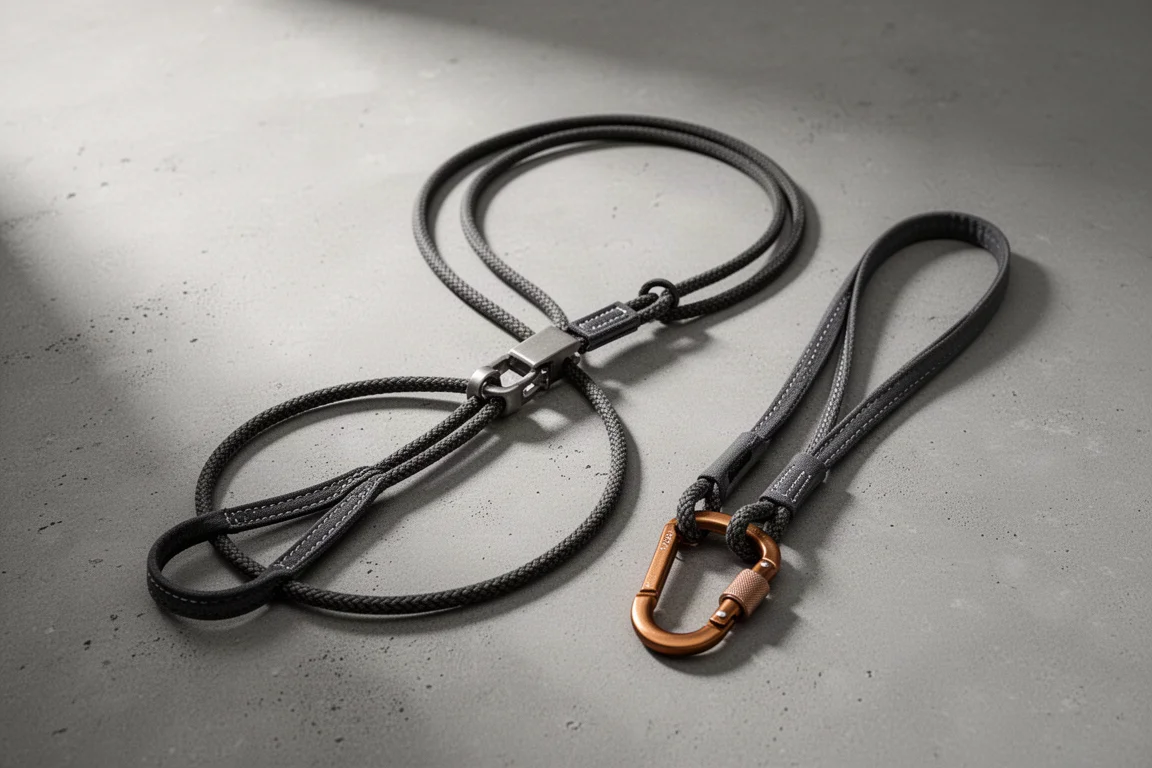
Introduction
An adjustable lanyard solves a very specific problem: how to clip in at the top of a route, or at a belay, at exactly the right distance. The Petzl Connect Adjust has been a staple of that category for years, and the Connect Adjust 2 refines it with a slimmer harness attachment, a thinner rope, and a new way to release the device while it is loaded. This article covers what the new version changes, where it works well, and what to weigh up before buying either version.
What the Petzl Connect Adjust 2 Is and Who It Suits
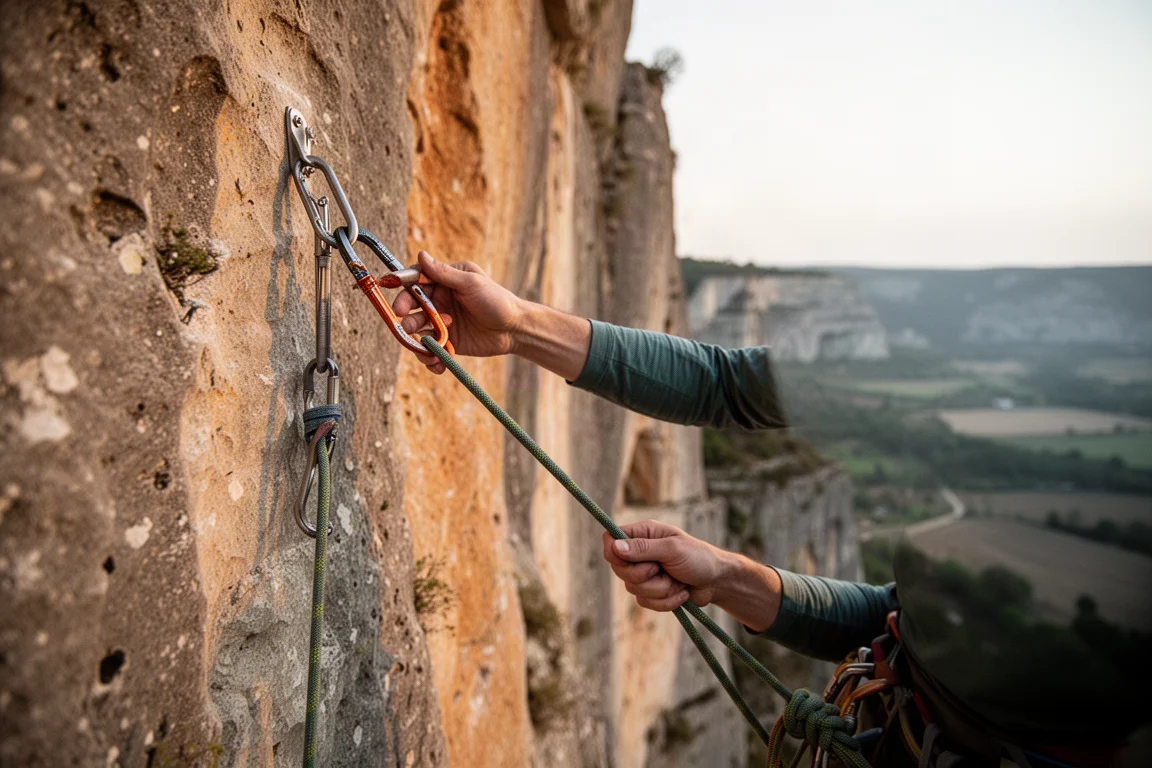
The Connect Adjust 2 is an adjustable lanyard: a length of rope running through a device that lets you set your working distance and lock it where you want it. At the top of a sport route you clip in, pull the lanyard taut, and you are held at a comfortable distance from the anchor instead of being pinned against it by a quickdraw or left hanging with slack in the system.
Most of the demand for this kind of kit comes from lowering off the top of a bolted route without leaving gear behind. The lanyard gives a secure, adjustable connection while you rig the lower-off, and it keeps you in the right place while you sort out the rope.
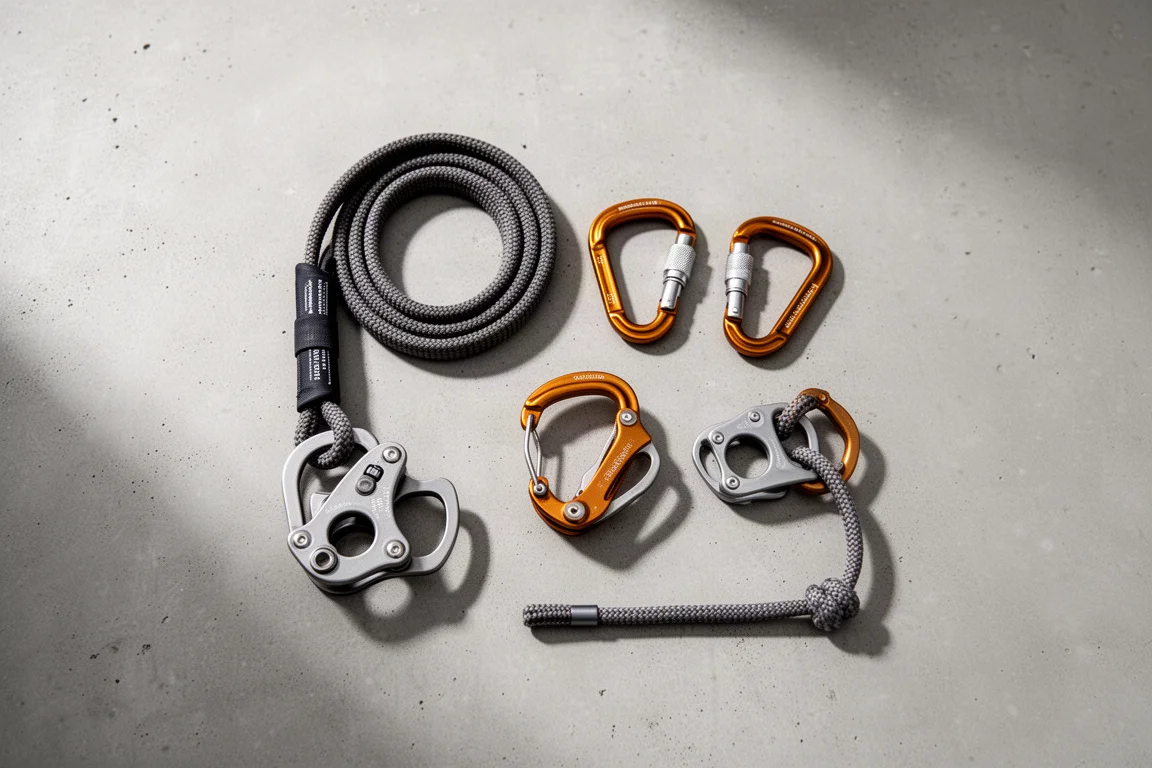
The lanyard is supplied with an auto-locking carabiner and a small retainer that holds the carabiner in position so it does not slide around. The gate locks itself, which means you are not screwing a sleeve shut every time, something that matters on repeated abseils where a locking sleeve is easy to skip.
Main Improvements Over the Original Connect Adjust
Two changes stand out. The first is how the lanyard attaches to the harness. The original uses a larks-footed rope loop, which is effective but bulky, with a large knot that can be awkward to thread. The Connect Adjust 2 replaces that with a slim Dyneema sling. It is thinner, sits flatter, and is far quicker to connect. The stitched sling is reported to test as one of the strongest elements of the assembly.
The second is the rope itself. The original runs a 9.5 mm rope; the new version uses a slightly thinner rope at around 9.1 mm. On paper that is a small difference, but the adjustment feels noticeably slicker and runs much more smoothly in use.
The Original Petzl Connect Adjust in Context
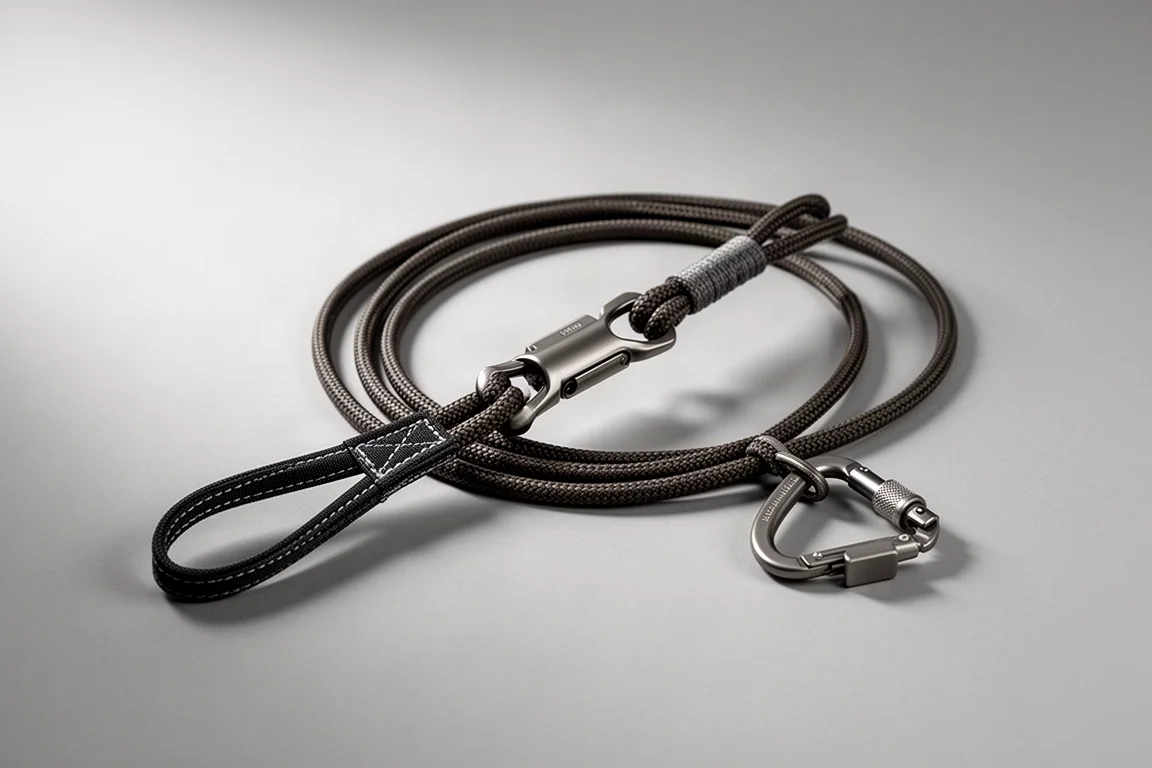
The original Connect Adjust has been on the market for years and remains a well-liked design. Its 9.5 mm rope is slightly dynamic, which does not make it a fall-arrest device but does add a little give rather than a completely static feel. Its main drawback was the harness attachment: the bulky rope loop put some people off and could be fiddly to thread. Everything else about it worked, and plenty of climbers are perfectly happy with it.
Releasing Under Tension: What the New Design Changes
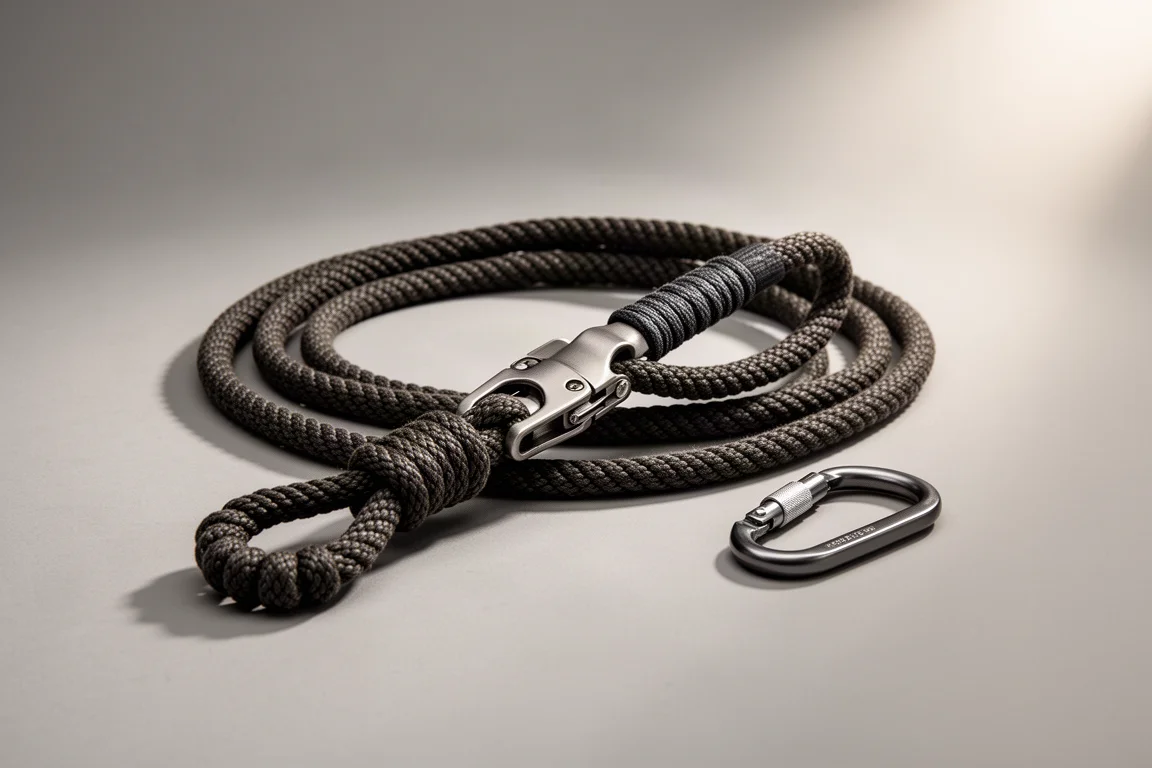
On the original, releasing the device while it was fully loaded was not really possible. Under body weight you could not tilt the device to feed slack, so you had to take the weight off first. That is almost always manageable, but it is not always convenient, and in some positions it simply is not an option.
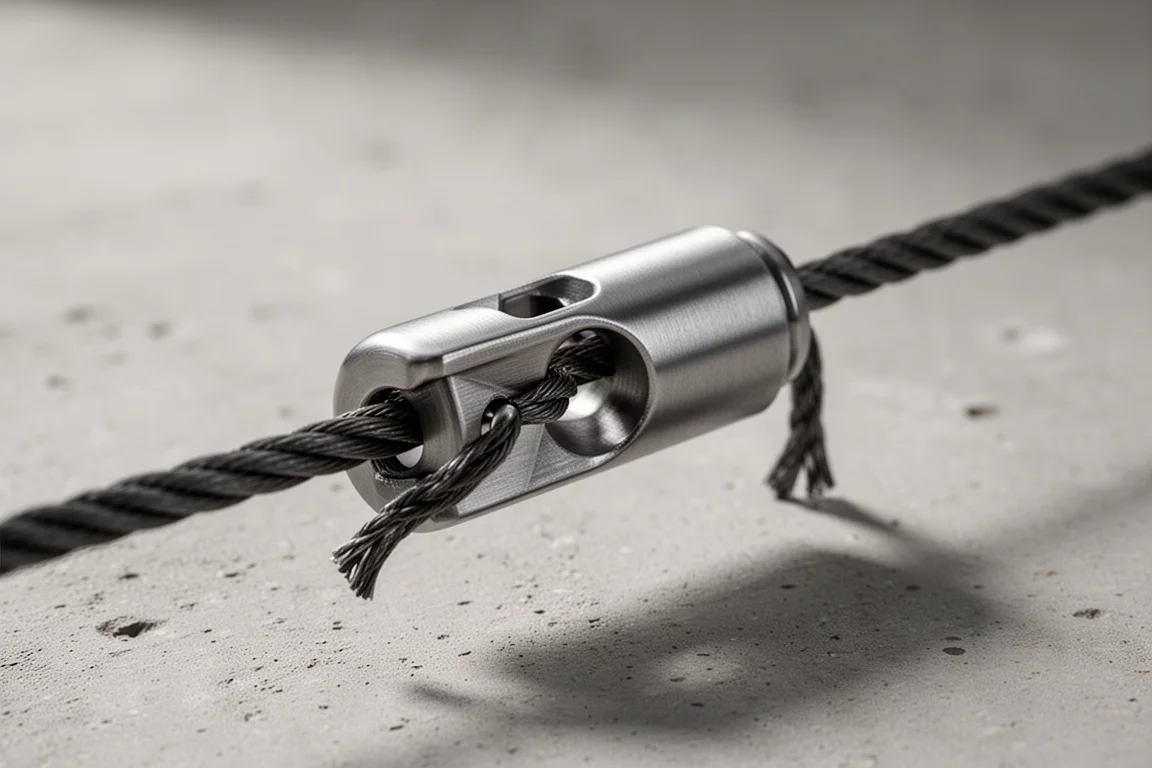
The Connect Adjust 2 adds a small hole for exactly this situation. Thread a short loop of cord through it, pull, and the device releases even under tension. A carabiner clipped through that loop gives a larger, more comfortable handhold when you need one. Let go and the device locks again where it is.
Storage and Handling Options
A lanyard is only useful if it stays out of the way, and there are several ways to carry it. Wrapping it around the waist and clipping it back to itself keeps everything clear, and many climbers find this the simplest option, though it can be a struggle for larger builds. Another approach is to set it to roughly half length and clip it at the back, which works well when you are carrying a small rack. A third option is to put a slip knot in the rope to shorten it, clip the carabiner into the knot and attach it at the front; pulling the knot out restores the full length. One method worth avoiding is passing the lanyard through a leg loop and clipping it behind you, which leaves a loop that could catch on something.
Where It Works Best
Multi-pitch sport climbing and alpine terrain are where an adjustable lanyard earns its place. Fixed belays and abseil stations mean you are clipping in and out constantly, and being able to set your standing distance at a stance is a genuine comfort. It also speeds things up, which matters when conditions are changeable.
Abseiling is another strong case. Running a clove hitch on the lanyard to extend a belay device away from the harness lets the device run more smoothly and feed through a prusik more cleanly, while the lanyard still gives you a secure connection at each station. It is handy when jumaring too, where getting the length right makes the process easier, and on easier ridges where you move between climbing, walking and scrambling and want to clip in quickly while adjusting coils of rope.

What It Is Not Designed For
An adjustable lanyard is not a fall-arrest device and is not intended for taking falls. The slightly dynamic rope on the original adds a little reassurance, but that is not the same as protection.
Many climbers also choose not to carry one on traditional routes, where you build your own anchors and tie in with the rope. That is a personal call, but a reasonable one: on trad terrain the lanyard is extra weight and clutter for a job your rope already does.
Things to Consider Before Buying
It is one more item on the harness, so think about how you will store it and whether that suits the climbing you do. The slimmer harness attachment on the new version removes much of the bulk that put people off the original, but the lanyard is still a piece of kit to manage.
The bigger consideration is procedure. Clipping in, rigging a lower-off and releasing under tension all involve steps that need to be done correctly, and the right sequence depends on the anchor in front of you. Follow the manufacturer’s instructions and the guidance published by your national climbing body, and if you are new to this kind of rigging, ask someone experienced to walk you through it before you rely on it.
Buying Advice
If you already own the original Connect Adjust and it does what you need, there is no urgent reason to replace it. It is a proven design with a slightly dynamic rope and a simple mechanism.
If you are buying new, the Connect Adjust 2 is the more refined option. The Dyneema sling attachment is quicker to thread and less bulky, the thinner rope adjusts more smoothly, and the release hole addresses the one genuine limitation of the original. For climbers who lower off bolted routes regularly, or who spend time on multi-pitch sport and alpine terrain, those changes add up.
Conclusion
The Connect Adjust 2 takes a long-standing design and addresses its two weak points without complicating it. It remains a specialist item, and if your climbing does not involve fixed anchors or repeated lower-offs, you can happily keep doing what you are doing. If it does, the new version is a cleaner and more capable tool than the one it replaces.
Further reading
Related Reviews
Climbing Gear
Adam Ondra's Climbing Kit: Bags, Harnesses, Quickdraws, Shoes and Rope
A practical look at eleven pieces of climbing gear used across limestone and gritstone, from crag bags and harnesses to quickdraws, shoes and rope.
Climbing Gear
Blakpad VS and Eon Knee Pads: Which One Suits Your Climbing?
A close look at two specialist climbing knee pads from Blakpad, the flexible VS and the more rigid Eon, and how to decide between them.
Climbing Gear
DMM Cortex Review: A T-Rated Ice Axe Built for Technical Winter Climbing
A close look at the DMM Cortex, a 50cm single-piece forged ice axe with T-rated pick and shaft, modular heads, and a reassuringly solid swing.